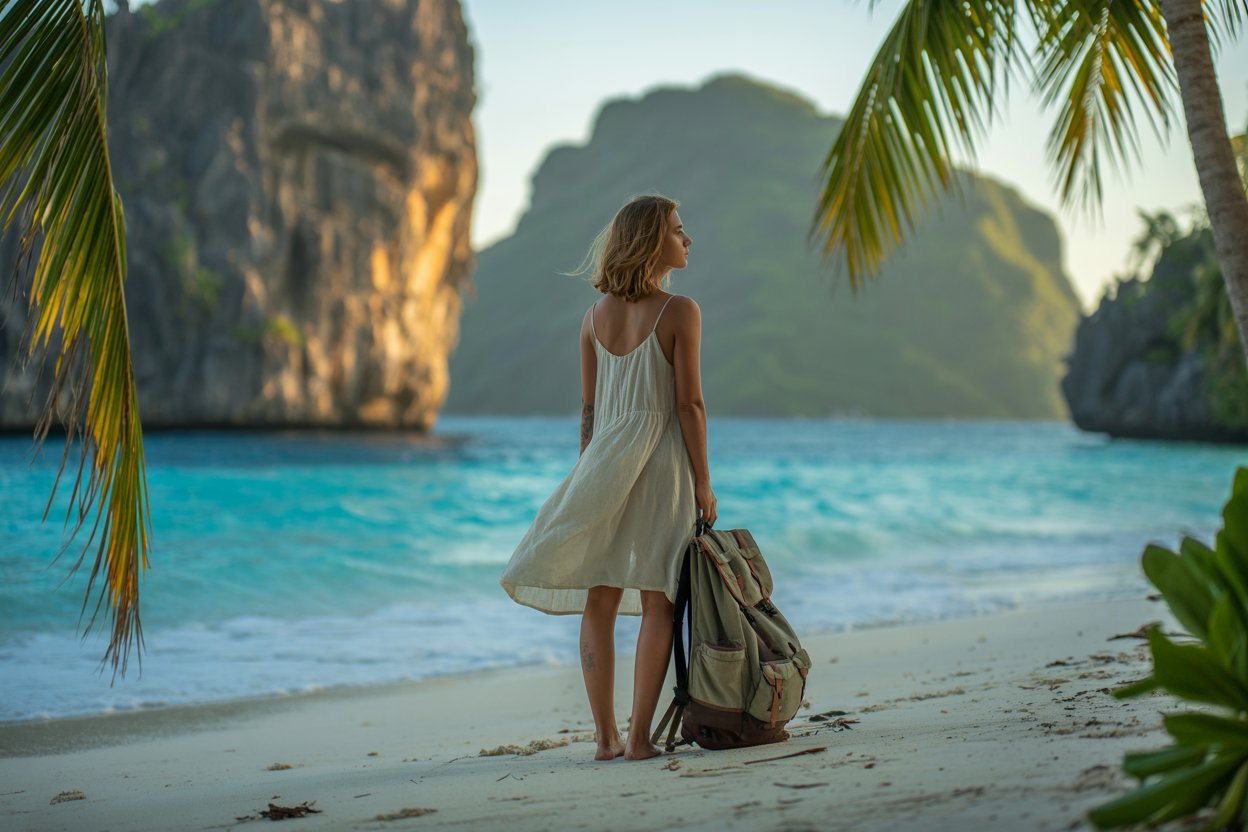

The first morning I woke up in the Philippines, sunlight slipped gently through bamboo walls, the distant sound of waves blending with the soft hum of island life.
I remember lying there for a moment, not rushing to check my phone, not thinking about deadlines just listening. That was the moment I realized this wasn’t going to be just another trip. It was going to be a reset.
Backpacking through the Philippines has a way of slowing you down in the most beautiful way. It teaches you to trade rigid schedules for spontaneous boat rides, crowded cities for quiet beaches, and constant noise for moments of stillness.
If you’re craving a travel experience that feels both adventurous and deeply personal, this guide will walk you through everything you need to know honestly, practically, and with a feminine touch that celebrates both confidence and softness on the road.
Why Backpack the Philippines?
The Philippines is not just a destination it’s a feeling. With over 7,000 islands, each one offering a slightly different rhythm of life, it’s one of the few places where you can truly design your own adventure.
What Makes It So Special?
- Unmatched island diversity: From dramatic limestone cliffs in Palawan to surf culture in Siargao
- Affordability: Perfect for long-term backpacking without draining your savings
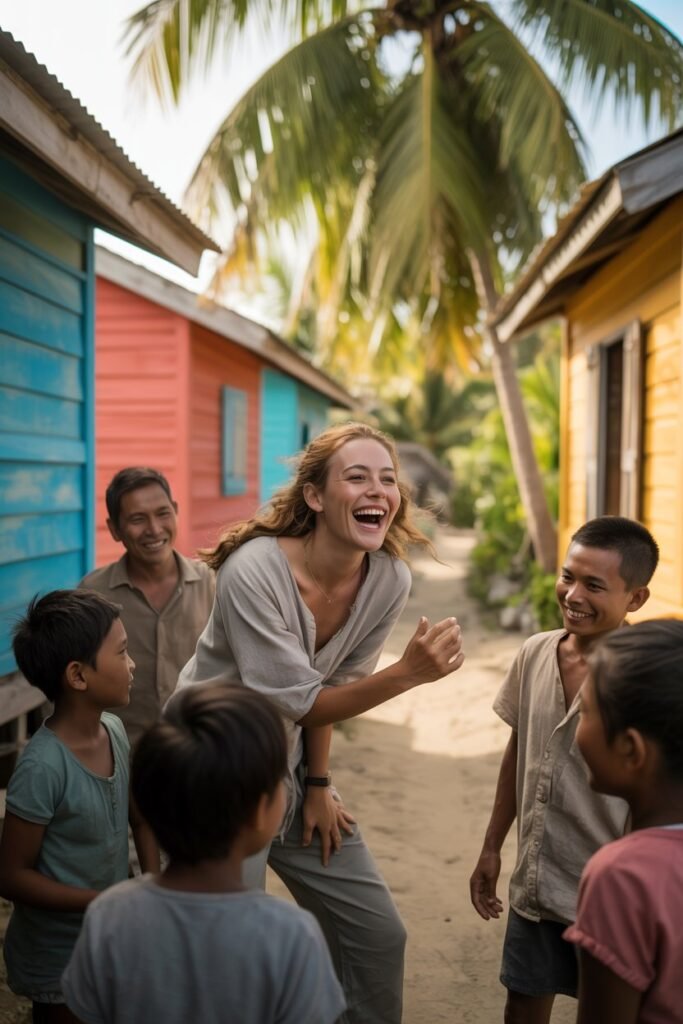
- Warm hospitality: Locals treat you like family, not just a tourist
- English-speaking country: Makes navigation and communication easy
But beyond the logistics, it’s the emotional experience that stands out.
Personal Reflection:
I remember getting lost on a small island and being guided back by a local who refused to accept money just a smile and a “take care.” Moments like that stay with you.
When to Visit the Philippines (Timing It Right)
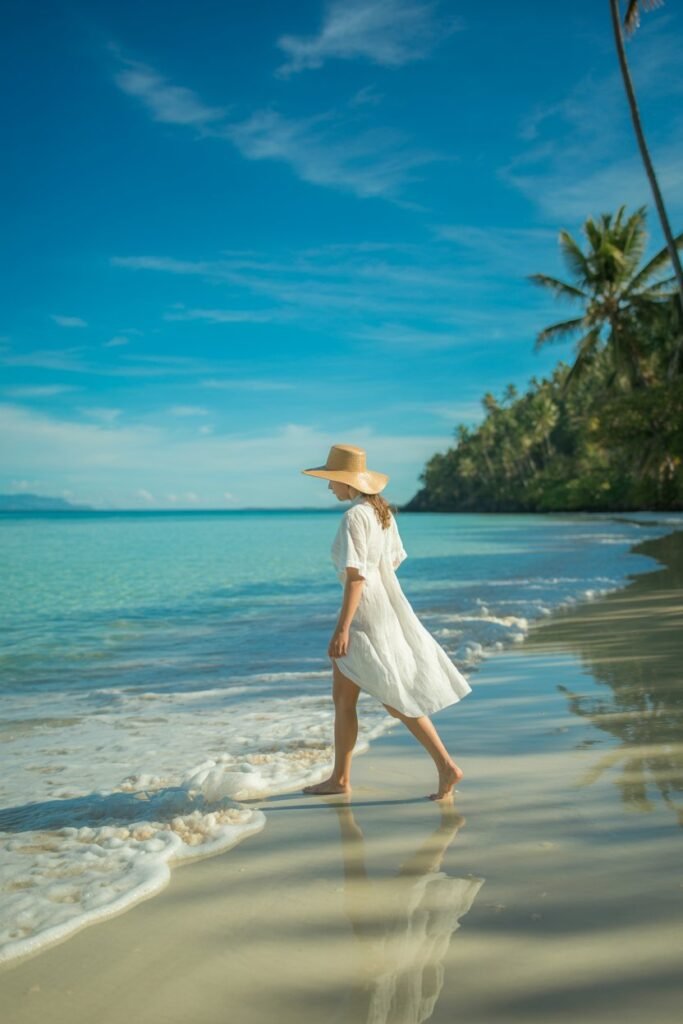
The Philippines has a tropical climate, which means your experience can vary greatly depending on when you visit.
Dry Season (November to May)
This is the best time for backpacking:
- Clear skies and calm seas
- Perfect for island hopping and snorkeling
- Best months: January to March
Hot Season (March to May)
- Temperatures can rise above 35°C (95°F)
- Ideal for beach lovers
- Plan activities early morning or sunset
Rainy Season (June to October)
- Fewer tourists and lower prices
- Occasional heavy rains and typhoons
- Lush, green landscapes
Smart Tip:
If your trip is short, avoid peak typhoon months (August–October) to minimize disruptions.
Entry Requirements & Travel Documents
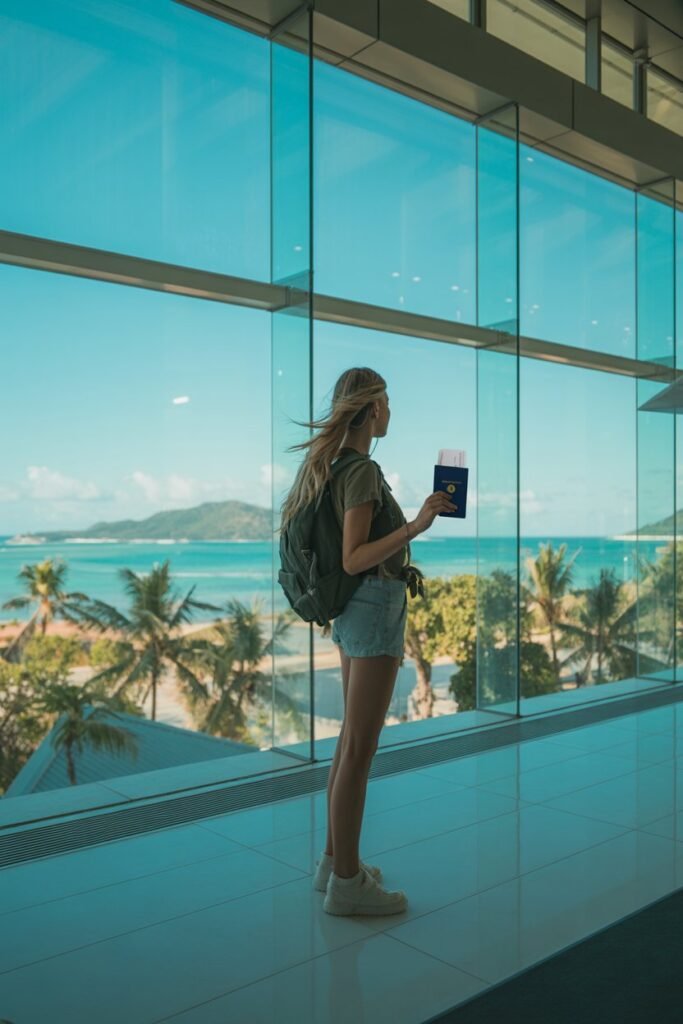
Traveling to the Philippines is relatively straightforward.
What You Need:
- Passport valid for at least 6 months
- Return or onward ticket
- Visa-free stay (30 days for most countries)
Extending Your Stay
Falling in love with the islands is almost guaranteed and thankfully, staying longer is easy.
- Visit a Bureau of Immigration office
- Extensions are affordable and can be done multiple times
Helpful Tip:
Always keep digital and printed copies of your passport and travel documents.
Budgeting for Your Backpacking Trip
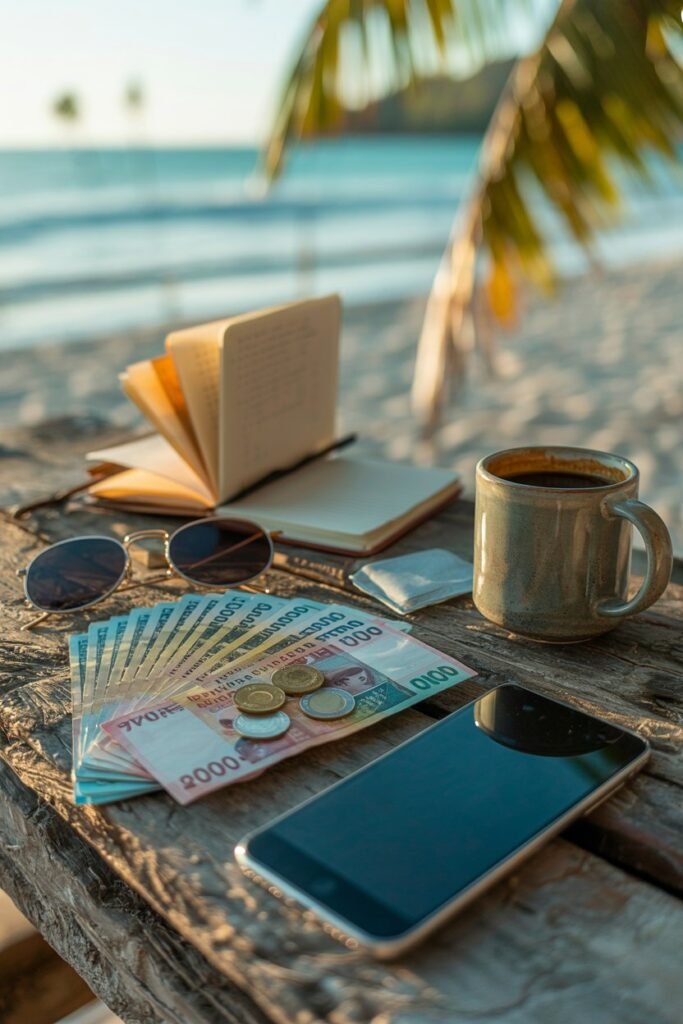
The Philippines can be as budget-friendly or as luxurious as you want but backpackers can thrive here without overspending.
Daily Budget Breakdown
Budget Traveler ($25–$50/day)
- Hostel dorms
- Local eateries
- Public transport
Mid-Range ($50–$100/day)
- Private rooms
- Organized tours
- Occasional splurges
Realistic Cost Guide
- Hostel dorm: $8–$18
- Private room: $25–$70
- Street food: $2–$4
- Restaurant meal: $6–$15
- Island hopping tours: $20–$40
- Scooter rental: $6–$12/day
Money-Saving Tips
- Travel with others to split boat tours
- Eat local instead of tourist restaurants
- Book flights early or during sales
- Avoid peak holiday seasons
Important Note:
ATMs can be limited on smaller islands always carry enough cash before traveling.
Getting Around the Philippines (Island Hopping Reality)
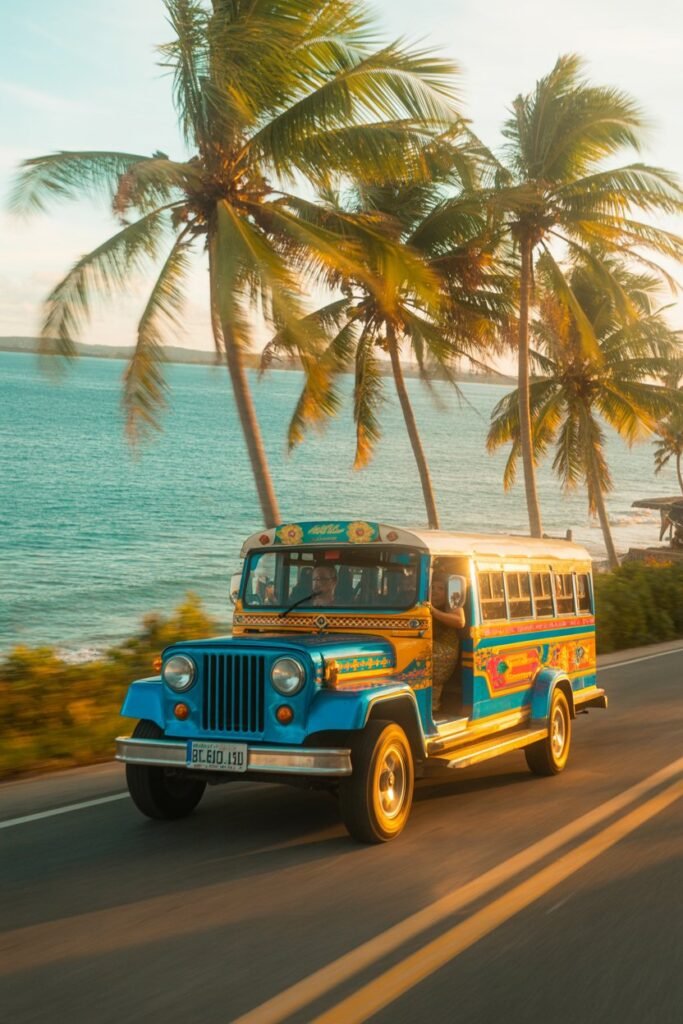
Traveling between islands is part of the adventure but it requires patience and flexibility.
Flights
- Fastest option for long distances
- Budget airlines like Cebu Pacific and AirAsia
- Book early for the best deals
Ferries
- Slower but scenic
- Ideal for short routes
- Weather can affect schedules
Local Transport
- Jeepneys: iconic and cheap
- Tricycles: short distances
- Vans: faster intercity travel
Renting a Scooter
One of the best ways to explore islands like Siargao and Bohol.
Safety Tip:
Always wear a helmet and take photos of the bike before renting.
Reality Check:
Travel days can be long and unpredictable. Give yourself buffer days between destinations.
The Ultimate 3-Week Backpacking Route
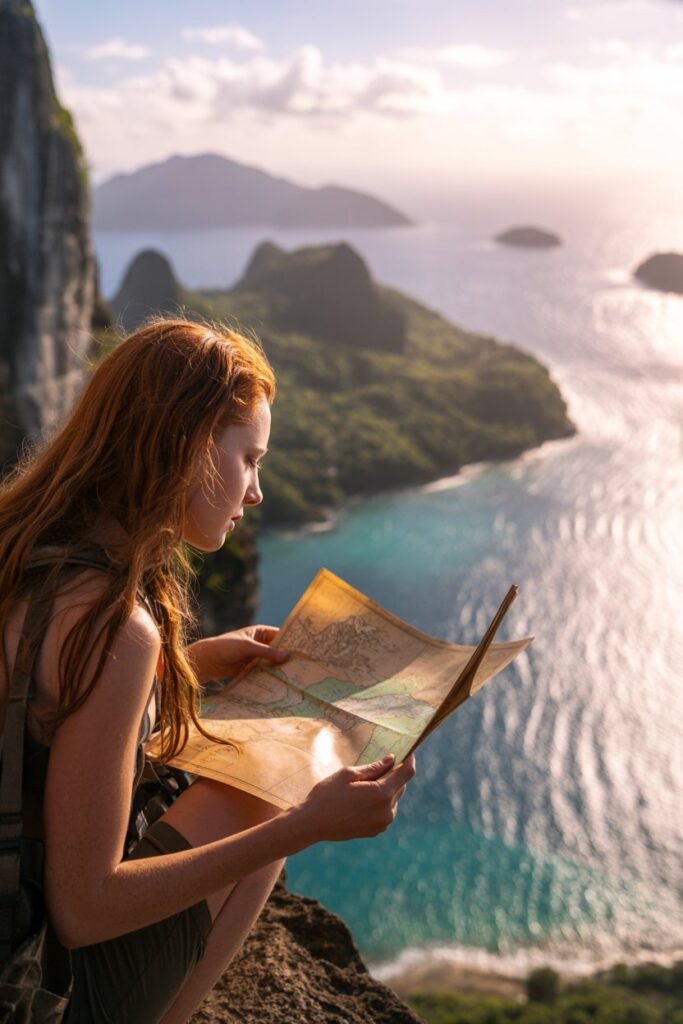
Instead of rushing through everything, this route allows you to explore deeply while still seeing the highlights.
Week 1: Palawan (El Nido or Coron)
El Nido Highlights:
- Big Lagoon & Small Lagoon
- Secret Beach
- Snorkeling in crystal-clear waters
Coron Highlights:
- Kayangan Lake
- Twin Lagoon
- WWII shipwreck diving
Tip:
Choose one location unless you have extra time travel between them can be long.
Week 2: Cebu & Moalboal
- Kawasan Falls (multi-level waterfalls)
- Sardine run in Moalboal
- Snorkeling and diving
Ethical Note:
Research whale shark tourism in Oslob before visiting.
Week 3: Siargao
- Surfing at Cloud 9
- Island hopping
- Sugba Lagoon
Personal Favorite:
Early morning bike rides through endless coconut roads it feels surreal.
Where to Stay: Finding Your Perfect Vibe
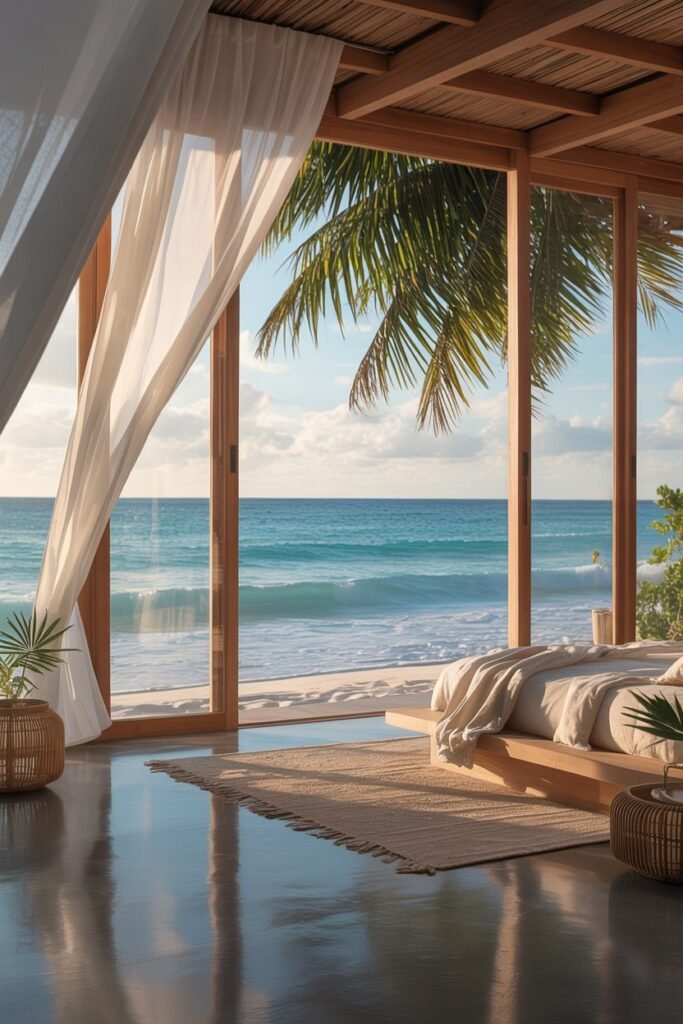
The Philippines offers a wide range of accommodation styles.
Budget Options
- Hostels ($8–$15)
- Social atmosphere
- Great for solo travelers
Mid-Range
- Guesthouses
- Boutique stays
- Private rooms with comfort
Unique Stays
- Beachfront bungalows
- Eco-lodges
- Bamboo huts
Booking Tip:
Book ahead in popular areas like El Nido and Siargao during peak season.
Food Guide: What to Eat (and What to Expect)
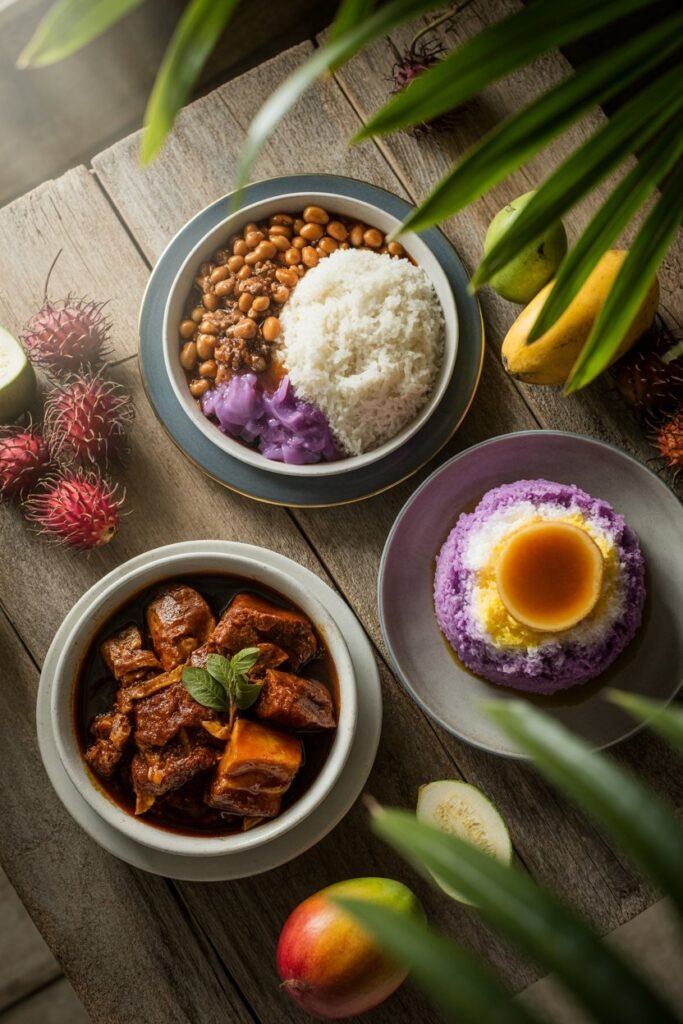
Filipino food is comforting, rich, and full of flavor.
Must-Try Dishes
- Adobo: Soy sauce, vinegar, garlic
- Sinigang: Tangy tamarind soup
- Lechon: Crispy roasted pork
- Pancit: Stir-fried noodles
- Halo-halo: Sweet shaved ice dessert
Street Food Experience
- Grilled skewers
- Fresh fruit shakes
- Banana cue (caramelized bananas)
Food Tip:
If you’re unsure where to eat, choose busy local spots high turnover usually means fresh food.
Packing Guide: What You Really Need
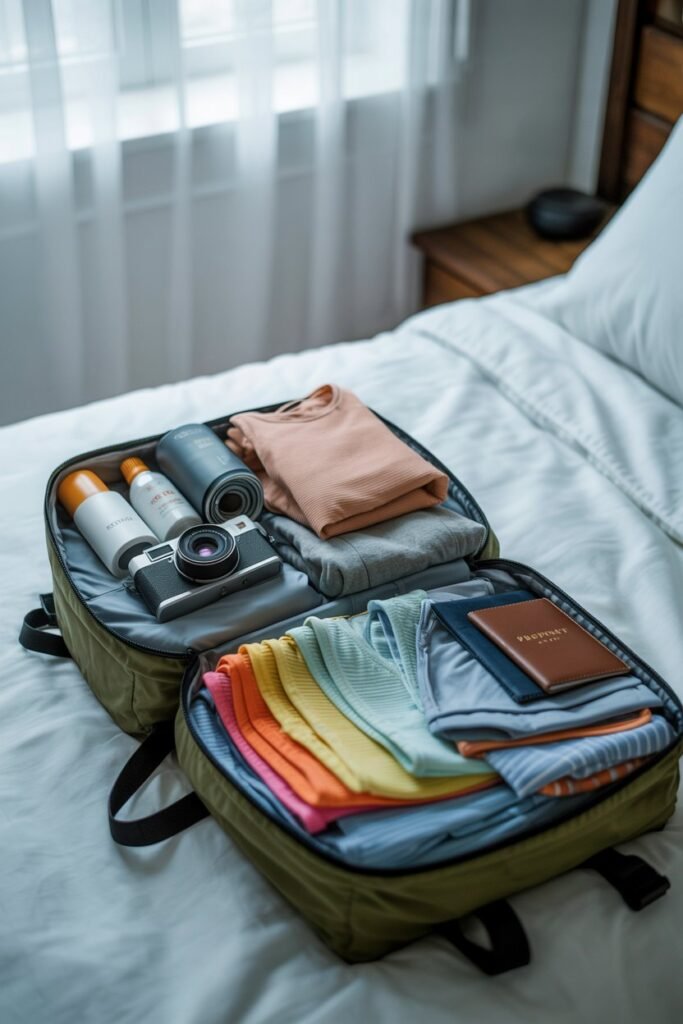
Packing light is essential but packing smart is everything.
Backpacking Essentials
- Lightweight dresses and breathable outfits
- Swimsuits (2–3)
- Flip-flops + walking sandals
- Reef-safe sunscreen
- Insect repellent
- Dry bag
- Power bank
- Travel towel
Health & Comfort
- Basic first-aid kit
- Electrolyte packets
- Motion sickness tablets (for boat rides)
Pro Tip:
Less is more you’ll appreciate a lighter backpack on travel days.
Safety Tips (Especially for Women Traveling Solo)
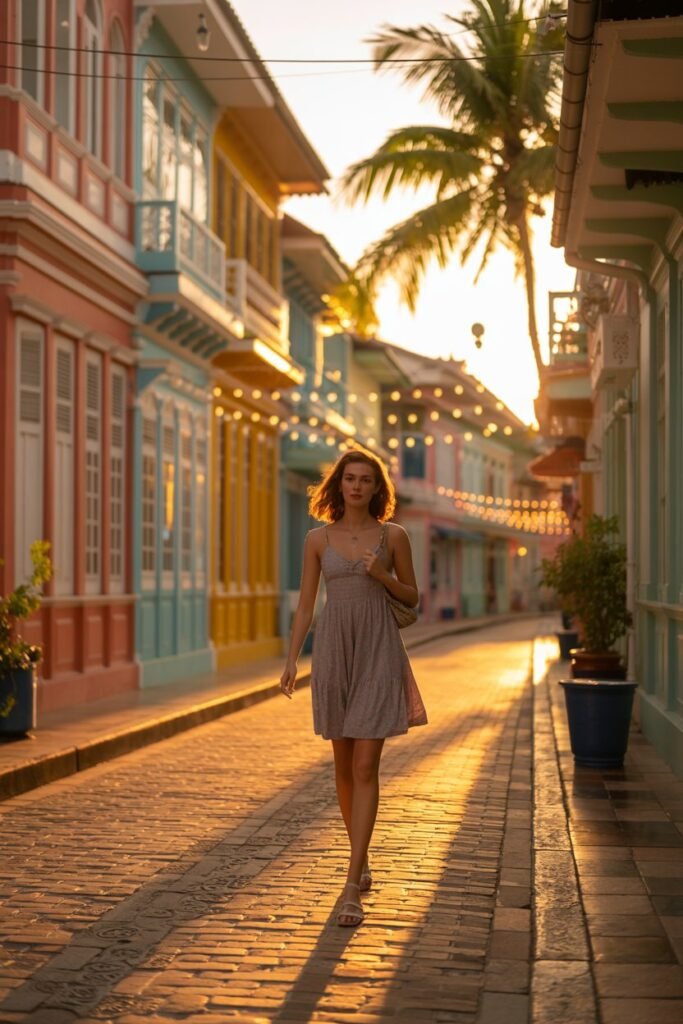
The Philippines is generally safe, but awareness is key.
Stay Safe By:
- Avoiding isolated areas at night
- Keeping valuables secure
- Using registered transport
- Trusting your instincts
Social Tip
Locals are incredibly friendly but always maintain healthy boundaries.
Personal Insight:
I felt safe most of the time, especially in tourist-friendly areas, but I always stayed mindful especially when arriving somewhere new at night.
Staying Connected
- SIM cards (Globe or Smart) are easy to buy
- Data is affordable
- Wi-Fi can be unreliable on remote islands
Tip:
Download offline maps and save important bookings/screenshots.
Cultural Etiquette & Respect
Filipino culture is warm, respectful, and community-oriented.
Things to Keep in Mind:
- Smile often it’s appreciated
- Say “Salamat” (thank you)
- Dress modestly outside beach areas
- Respect traditions and local customs
Common Mistakes to Avoid
- Trying to visit too many islands
- Not accounting for travel delays
- Forgetting cash
- Ignoring weather forecasts
Hidden Gems Worth Exploring
If you have extra time:
- Siquijor: Waterfalls and mystical charm
- Camiguin: Volcano island with hot springs
- Port Barton: Quiet and less crowded than El Nido
Emotional Side of Backpacking (What No One Tells You)
Backpacking isn’t always perfect and that’s part of the beauty.
You might feel:
- Tired after long travel days
- Lonely at times
- Overwhelmed by constant movement
But you’ll also feel:
- Proud of your independence
- Deeply connected to people and places
- More present than ever
Gentle Reminder:
Rest is part of the journey. You don’t have to do everything.
Sustainable Travel Tips
Protecting the Philippines’ natural beauty is essential.
- Use reef-safe sunscreen
- Avoid plastic waste
- Don’t touch marine life
- Support local businesses
Pro Tips From My Experience
- Start your day early sunrises are magical
- Keep your plans flexible
- Talk to locals they know the best spots
- Always carry small cash
- Say yes to spontaneous plans
Final Thoughts
Backpacking the Philippines is more than just ticking destinations off a list it’s about how it makes you feel.
It’s the softness of the ocean breeze, the warmth of strangers who become friends, and the quiet moments that remind you what truly matters.
You’ll leave with more than photos you’ll leave with stories, growth, and a piece of your heart tucked somewhere between the islands.
And if you’re anything like me, you’ll already be planning your return before you even leave.