
I’m always drawn to places that feel a little different from the usual travel destinations, and Black Magic Canyon in Idaho is exactly the kind of place that makes me want to grab my camera and explore.
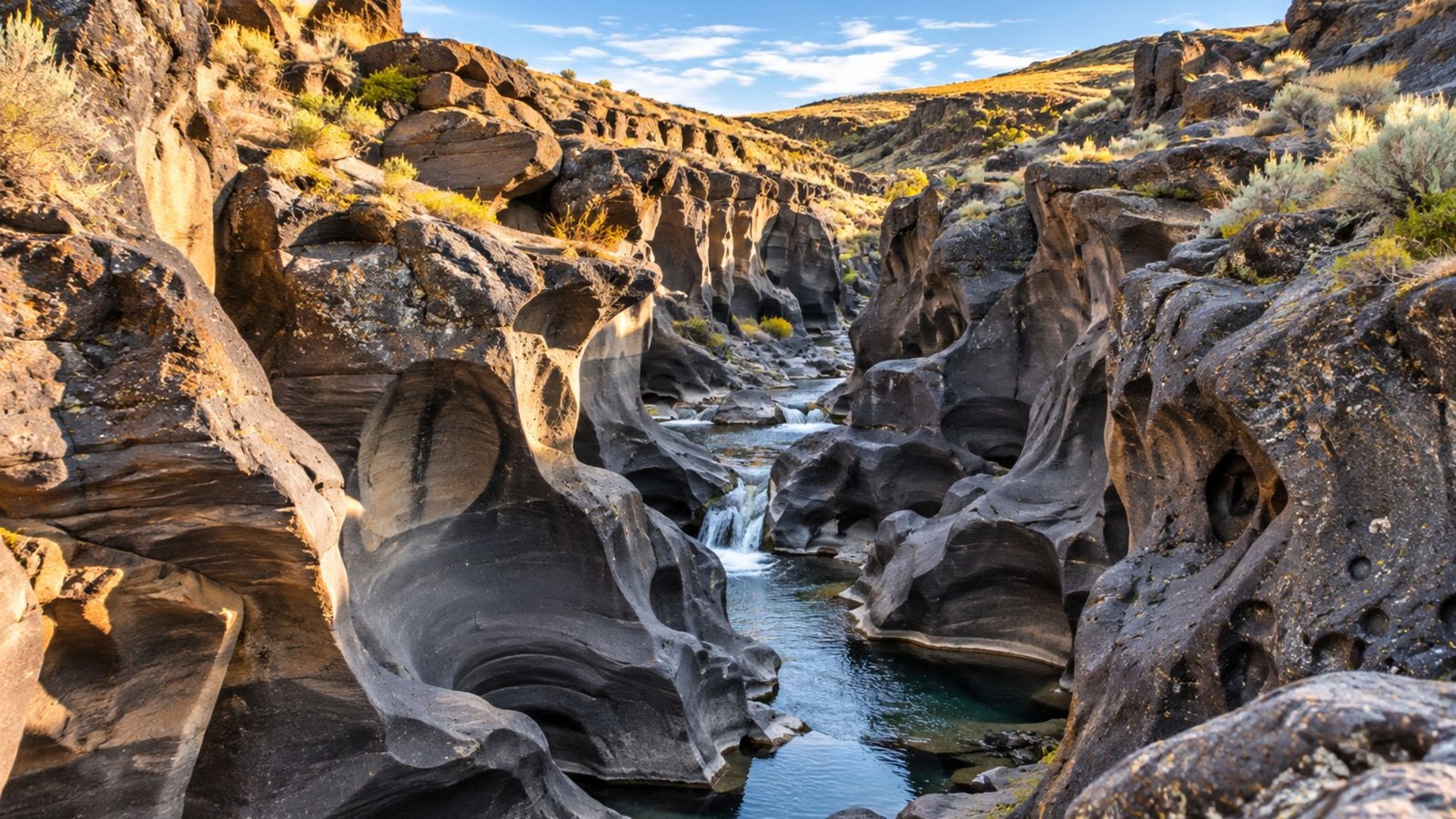
With its dark volcanic rock, twisting passages, and unusual natural formations, this hidden gem looks almost like something from another planet.
It is a wonderful destination for adventurous travelers who enjoy discovering landscapes beyond the typical tourist trail.
However, visiting requires careful planning because the terrain can be challenging. In this guide, I’ll share what to know before visiting, including the best time to go, safety tips, and nearby attractions.
Where Is Black Magic Canyon?
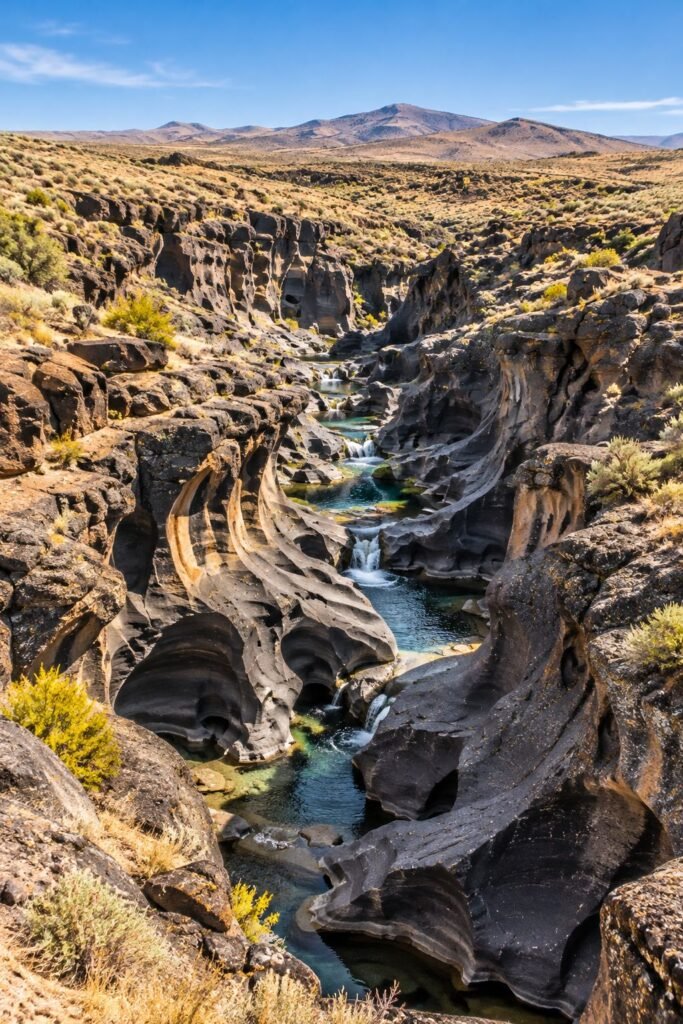
Black Magic Canyon is located in south-central Idaho, near the small town of Shoshone. It is known for its unusual dark basalt walls, winding rock formations, and narrow passages carved by the Big Wood River.
The canyon sits in a landscape that may initially look dry and ordinary from the road.
Once you see the sculpted volcanic rock, however, it becomes clear why this destination attracts photographers, geology enthusiasts, and adventurous travelers.
Here are the main location details to know before planning your trip.
- Nearest town: Shoshone, Idaho
- Nearest major destination: Twin Falls, Idaho
- Landscape: Volcanic basalt, narrow canyon passages, and high-desert scenery
- Main attraction: Unusual rock formations shaped by flowing water over thousands of years
- Type of destination: Remote natural attraction with challenging terrain and serious water-related hazards
Black Magic Canyon is not a typical developed tourist attraction with paved walking paths throughout the entire canyon, visitor facilities, and staff on-site. Access and conditions can vary, so it is important to research the exact area you intend to visit before leaving home.
Read 5 Hidden Canyon Hikes That Will Steal Your Heart (And Leave You Breathless)
What Makes Black Magic Canyon So Special?
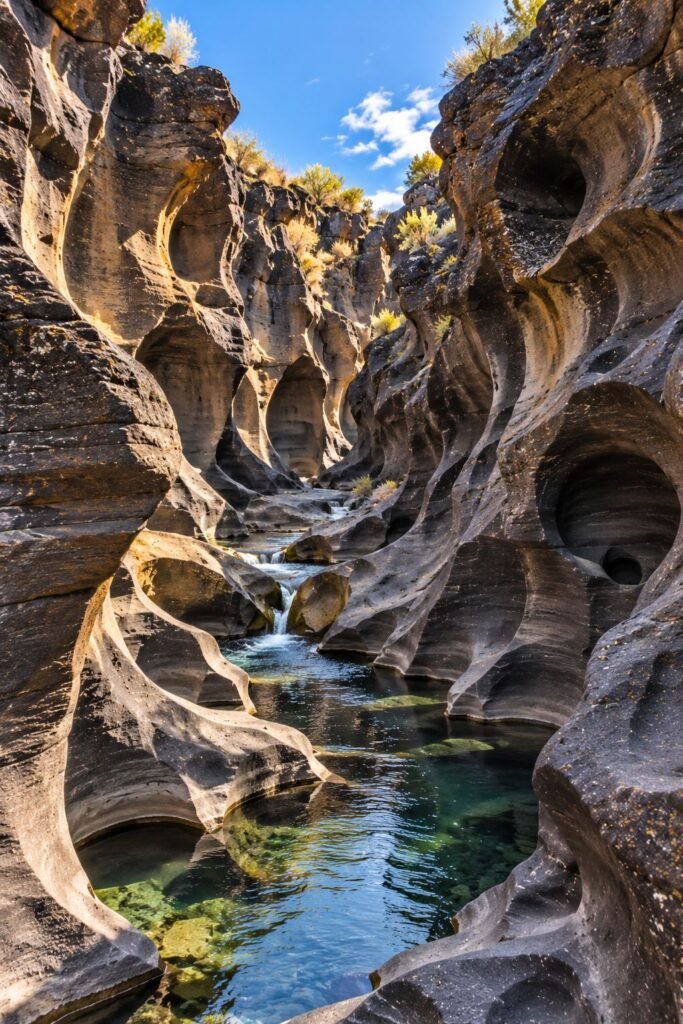
There are plenty of beautiful canyons across the United States, but Black Magic Canyon has a distinctive appearance that makes it stand out.
1. Its unusual black volcanic rock
The canyon’s dark walls are made primarily of basalt, a volcanic rock associated with the region’s ancient lava flows. The contrast between the nearly black stone and the surrounding high-desert landscape gives the area its dramatic appearance.
Instead of the familiar red sandstone often associated with slot canyons in the American Southwest, you will find dark, curving rock surfaces with fascinating textures.
2. Beautiful natural sculptures
One of the most remarkable features is the way the rock has been shaped into smooth curves, hollows, channels, and rounded pockets.
These formations were not created by artists. They developed through natural geological processes, including the erosion caused by the Big Wood River. Over thousands of years, flowing water gradually carved intricate shapes into the basalt.
3. A less conventional Idaho attraction
Idaho is famous for mountains, lakes, forests, and outdoor recreation, but Black Magic Canyon reveals another side of the state’s landscape.
Its unusual geology makes it a worthwhile subject for nature photography and a fascinating place to learn about volcanic landscapes. Even if you are not an experienced hiker, you can appreciate the area’s geology through photographs and from safe, accessible viewpoints.
4. Wonderful photography opportunities
The dark rock creates beautiful contrasts with the surrounding landscape, particularly when natural light reveals the curves and textures.
If photography is part of your trip, consider capturing:
- Close-up photographs of the basalt’s natural patterns.
- Wide landscape shots showing the canyon’s dark walls.
- Contrasts between the black stone and pale desert surroundings.
- Details that reveal the shapes formed by erosion.
Always photograph from stable, permitted locations rather than moving onto slippery rocks or entering unsafe passages for a better angle.
Read 3-Day Hocking Hills Itinerary: The Perfect Ohio Nature Getaway
How Was Black Magic Canyon Formed?
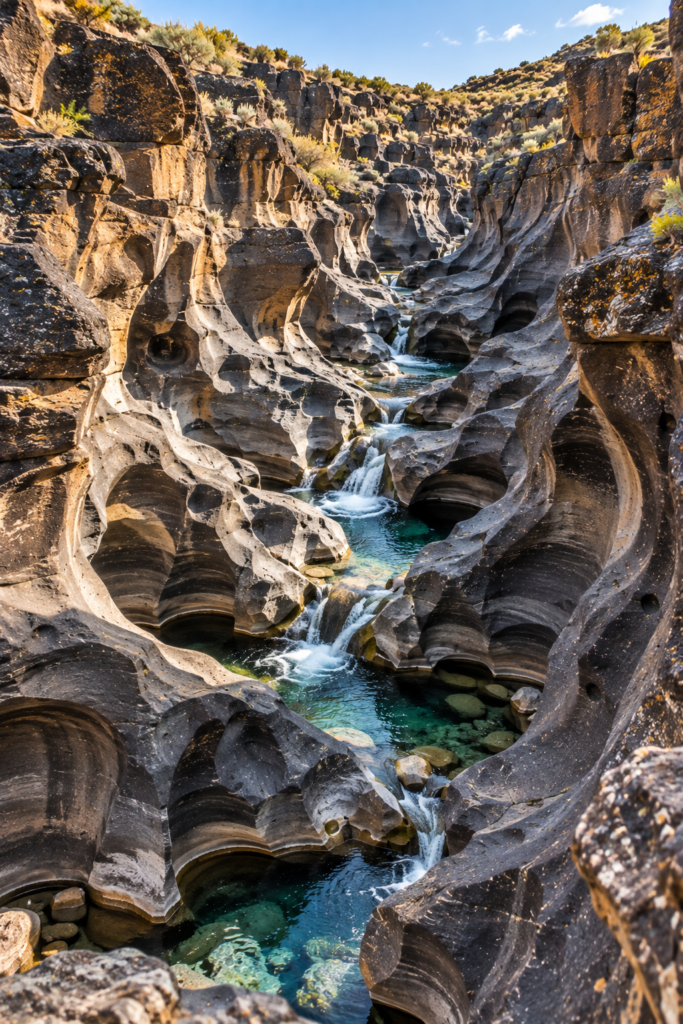
Understanding the canyon’s history makes its appearance even more impressive.
The story begins with volcanic activity that created the basalt rock in the surrounding region. Much later, the Big Wood River carved through this hard volcanic material, gradually shaping the narrow canyon and its distinctive formations.
According to Southern Idaho’s tourism information, the canyon’s development extends back thousands of years, with the sculpted lava rock often described as approximately 10,000 years old.
Things to Do in Southern Idaho
Water is responsible for much of the canyon’s beauty, but it is also the reason visitors must be extremely cautious.
The same landscape that looks peaceful when dry can become dangerous when water enters its narrow channels. Irrigation releases and changing water conditions can create hazards that are difficult to anticipate from inside the canyon.
That contrast is part of what makes Black Magic Canyon so unusual: its incredible formations tell a story of water, volcanic rock, and time, while its environment demands respect from anyone visiting the area.
Read 15 Epic Hikes in Florida You’ll Want to Add to Your Bucket List
When Is the Best Time to Visit Black Magic Canyon?
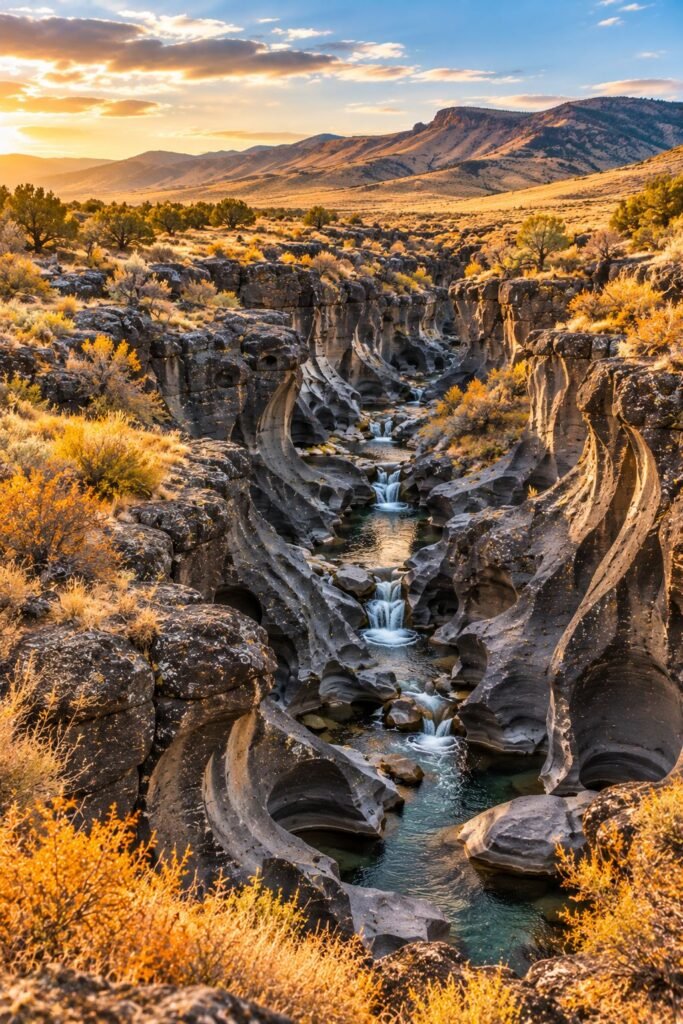
Choosing the right time to visit is particularly important here. Unlike many outdoor attractions, Black Magic Canyon is affected by irrigation operations, weather, and water conditions.
Fall
Fall is often highlighted by local tourism sources as a possible season for exploring the canyon when irrigation water has receded. October and November are frequently recommended in regional travel guides, but this does not guarantee safe access on a particular day.
Winter
Winter can bring a quiet, dramatic atmosphere to the surrounding landscape. However, snow, ice, frozen surfaces, and unmaintained roads may make access difficult.
Do not assume the canyon is safe simply because the weather is cold or the area appears dry. Confirm current conditions and road access before traveling.
Spring
Spring requires particular caution because water conditions can change. Rain, snowmelt, and irrigation operations may affect the canyon and surrounding terrain.
If local authorities or the relevant canal operator cannot confirm that access is safe, choose another attraction instead.
Summer
Summer is not automatically a suitable time to visit. Regional tourism guidance warns that irrigation water can occupy the canyon during much of the warmer season.
My recommendation: Plan around verified local conditions rather than a calendar date. Before making the drive, contact the relevant local authority or canal operator and confirm whether the specific access area is safe.
Never enter the canyon if water is present, if water releases are possible, or if conditions are uncertain.
How to Get to Black Magic Canyon
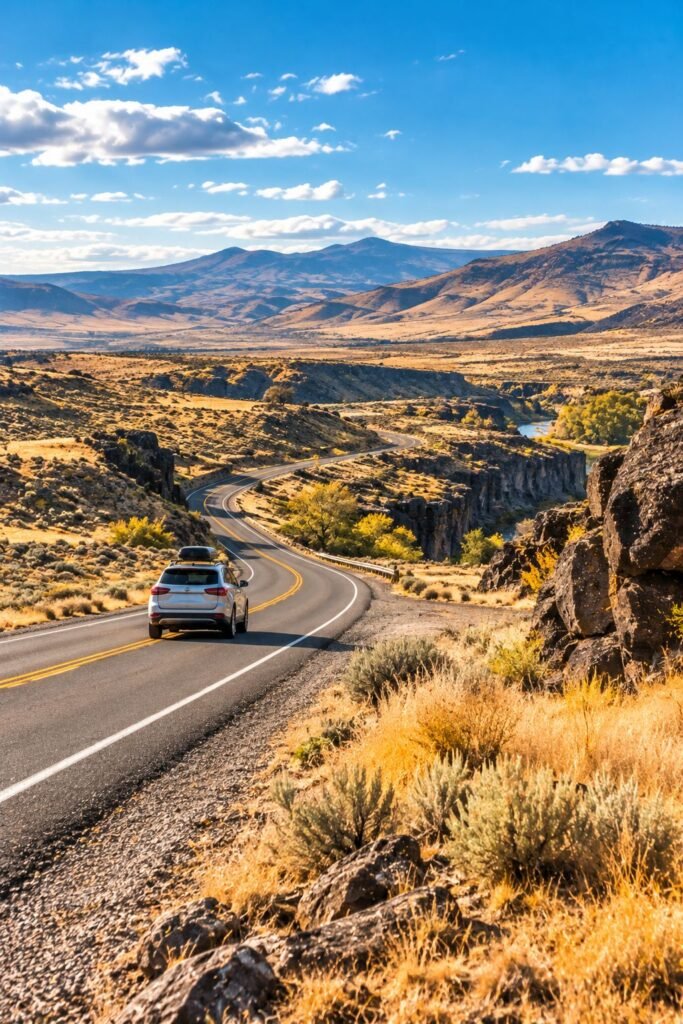
Black Magic Canyon is near Shoshone in southern Idaho, and most visitors reach the area by car. Because it is a remote natural attraction, planning your route in advance is important.
Here is how I would approach planning the journey.
- Start with Shoshone, Idaho. Use the town as your reference point when organizing your trip and checking the surrounding road network.
- Research the correct access point. Regional tourism sources describe more than one place associated with Black Magic Canyon. Confirm the location you want to visit instead of relying on a map pin alone.
Visit Southern Idaho+1
- Check road conditions. Some access roads may be rough, and winter weather can make travel more difficult. Confirm whether your vehicle can safely reach the intended parking area.
- Check water conditions before departing. Contact the relevant local authority or canal operator to confirm current conditions and any planned water releases.
- Have a backup plan. If access is unsafe, enjoy another attraction in the region rather than attempting to enter the canyon.
Download an offline map before leaving, as mobile service may be limited in remote areas. Let someone know your general itinerary and expected return time, too.
For regional travel information, visit Visit Southern Idaho’s Black Magic Canyon guide.
Is Black Magic Canyon Difficult to Explore?
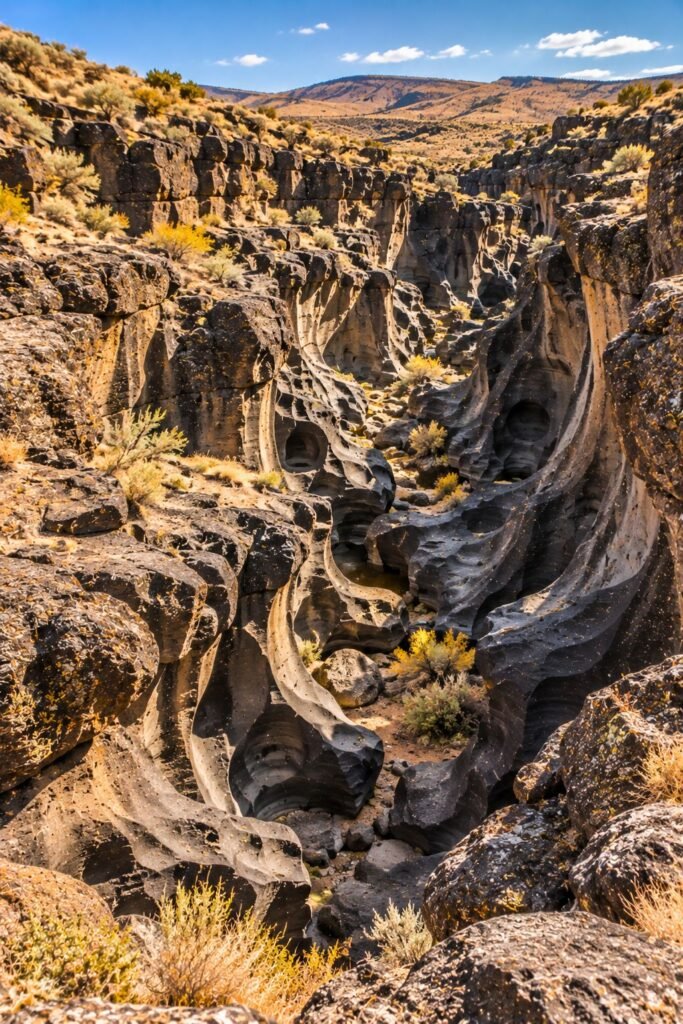
Black Magic Canyon is not an easy, accessible walking attraction. The terrain can be uneven, the basalt surfaces can be slippery, and some areas involve scrambling over rocks.
Local tourism information specifically warns visitors about the challenging footing and the importance of sturdy footwear.
Here is what to consider before deciding whether the destination suits your trip.
- Walking conditions: Natural rock surfaces are irregular and may be slippery.
- Accessibility: The canyon’s natural terrain is not suitable for every visitor or mobility level.
- Navigation: Narrow passages and unusual rock formations can make it difficult to judge the route.
- Water hazards: Irrigation releases and changing water conditions create a serious risk.
- Weather: Rain, snow, ice, and extreme temperatures can affect access and footing.
You do not need to enter a difficult passage to appreciate the canyon’s geology. If safe public viewpoints are available, viewing the landscape from a stable location is a sensible alternative.
For anyone considering entering the canyon, current local safety guidance is essential. Do not enter without reliable confirmation that conditions are safe, and do not proceed if there is water in the canyon or a possibility of a water release.
Essential Things to Know Before Your Visit
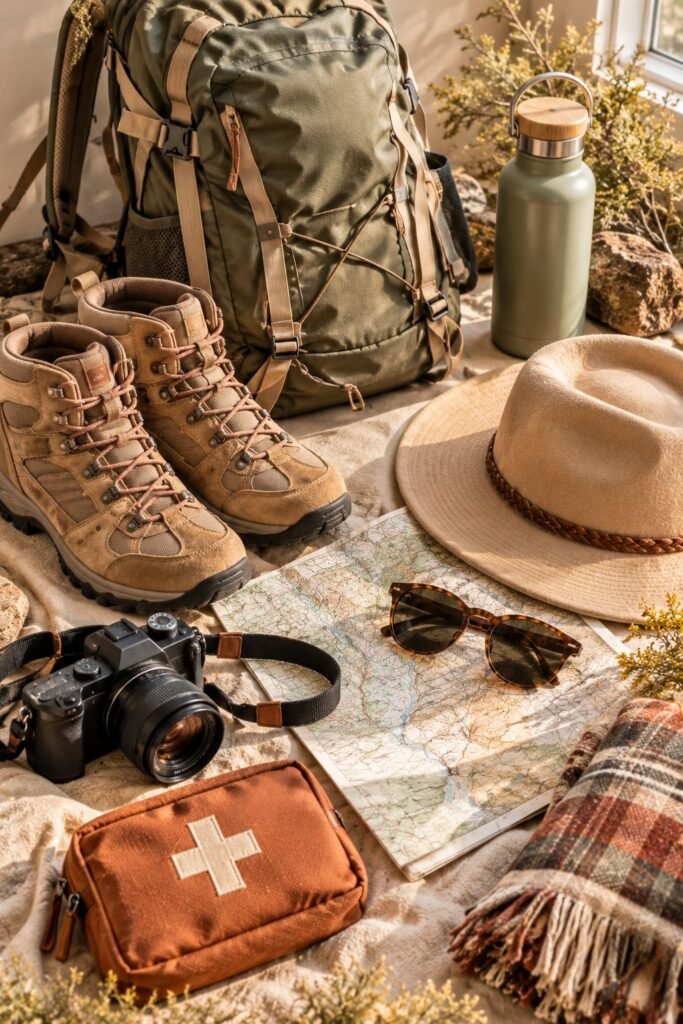
A little preparation can help you avoid unnecessary problems when visiting this remote part of Idaho.
1. Wear sturdy footwear
Choose shoes with reliable traction for walking on natural terrain. Ordinary smooth-soled shoes may not provide sufficient grip on uneven or slippery surfaces.
2. Bring drinking water and basic supplies
The surrounding area is remote, so carry enough drinking water, food for your outing, sun protection, and a basic first-aid kit.
3. Prepare for limited mobile service
Save your route and essential contact information before leaving. Do not depend on having a reliable phone signal at the destination.
4. Pack your camera carefully
A phone or camera is useful for capturing the remarkable rock textures. Keep your equipment secure and avoid moving into hazardous areas to get a photograph.
5. Respect the natural environment
Carry out all rubbish, avoid damaging the formations, and follow local access restrictions. Leave the landscape as you found it.
Important Safety Tips for Black Magic Canyon
This is the section I would pay the most attention to before planning a visit. Black Magic Canyon may look inviting in photographs, but its water hazards make it different from an ordinary hiking destination.
Never enter when water is present
Water can move through narrow canyon passages and create dangerous conditions. Irrigation releases are an especially important consideration because water levels may change even when the surrounding weather looks calm.
Local tourism authorities warn that visitors should not explore the canyon when water is present.
Confirm water-release information
Do not rely on old blog posts, social media photographs, or reports from a previous season. Ask the relevant local authority or canal operator about current conditions and scheduled releases before traveling.
If you cannot obtain reliable information, do not enter the canyon.
Avoid slippery and unstable surfaces
The smooth basalt that makes Black Magic Canyon so photogenic can also be difficult to walk on. Avoid climbing onto unstable rock, stepping across unknown surfaces, or attempting difficult sections without appropriate experience and professional guidance.
Do not visit alone
Remote outdoor locations can be challenging when something goes wrong. If you plan a trip to the area, tell someone where you are going, travel with a responsible companion, and establish a check-in plan.
Have an alternative destination ready
If the canyon is unsafe, closed, or inaccessible, there is no need to risk your safety to make the trip worthwhile. Southern Idaho has other geological and outdoor attractions that can provide a memorable experience.
How Much Time Should You Allow for Black Magic Canyon?
The time you need depends on the access point, current conditions, and whether you are visiting other attractions.
Rather than planning a long expedition into the canyon, I would leave flexibility in the schedule and make safety checks the priority.
| Part of your visit | Suggested planning approach |
|---|---|
| Travel to the area | Allow extra time for rural roads and navigation |
| Initial visit and viewing | Keep the schedule flexible |
| Photography | Allow time for safe, permitted viewpoints |
| Nearby attractions | Plan separately according to their opening hours |
| Return journey | Leave a buffer for changing road conditions |
There is no single visit duration that suits everyone. The important thing is not to rush, and never to continue into an unsafe area simply because you have limited time.
Frequently Asked Questions About Black Magic Canyon
1. Where exactly is Black Magic Canyon?
Black Magic Canyon is in south-central Idaho, near Shoshone. The area is known for the dark basalt formations carved by the Big Wood River. Check regional tourism guidance to identify the correct access point for your intended visit.
2. Is Black Magic Canyon free to visit?
Regional tourism guides describe it as a natural outdoor attraction, but access arrangements and any applicable restrictions should be checked before traveling. Confirm current information with the relevant local authority rather than assuming all access points have identical rules.
3. Can you visit Black Magic Canyon in October?
October is often mentioned as a potential visiting period because irrigation water may have receded. However, seasonal patterns do not guarantee safe conditions. Confirm current water levels and possible releases before considering entry.
4. Is Black Magic Canyon suitable for children?
The canyon’s uneven terrain, slippery basalt, and potentially dangerous water conditions mean it is not a casual family walking destination. Families should prioritize safe, accessible alternatives and follow current local guidance. Children should never enter hazardous canyon terrain unsupervised.
5. Do you need hiking experience to visit?
Viewing the surrounding landscape from a safe, accessible location may not require hiking experience. Entering the canyon, however, can involve difficult terrain and scrambling. Visitors should not attempt challenging sections beyond their abilities or enter when conditions are uncertain.
6. Can you camp at Black Magic Canyon?
Do not assume that camping is permitted at the canyon’s access area. Check land-management rules, local restrictions, and designated camping options before planning an overnight stay.
7. What makes the canyon black?
Its dark appearance comes primarily from basalt, a volcanic rock formed from cooled lava. The Big Wood River later carved the rock into the distinctive smooth, swirling formations that make the canyon famous.
8. Is Black Magic Canyon safe to enter?
It can be hazardous, particularly when water is present or water releases are possible. Never enter under those conditions. Check with the relevant local authority or canal operator before your trip, and choose another attraction if current conditions cannot be verified.
Final Thoughts
Black Magic Canyon is one of those unusual places that reminds me how much there is to discover beyond the most famous American travel destinations.
Its dark volcanic rock, intricate formations, and fascinating geological history make it an appealing addition to a southern Idaho itinerary.
The secret to planning a worthwhile visit is preparation. Research the access point, check road and water conditions, wear suitable footwear, and respect the natural environment. Most importantly, do not let the excitement of seeing the canyon outweigh your safety.
If conditions are not suitable, there are plenty of other remarkable landscapes around southern Idaho to explore. A good travel experience is not just about reaching a destination; it is about making thoughtful decisions that allow you to enjoy the journey responsibly.