
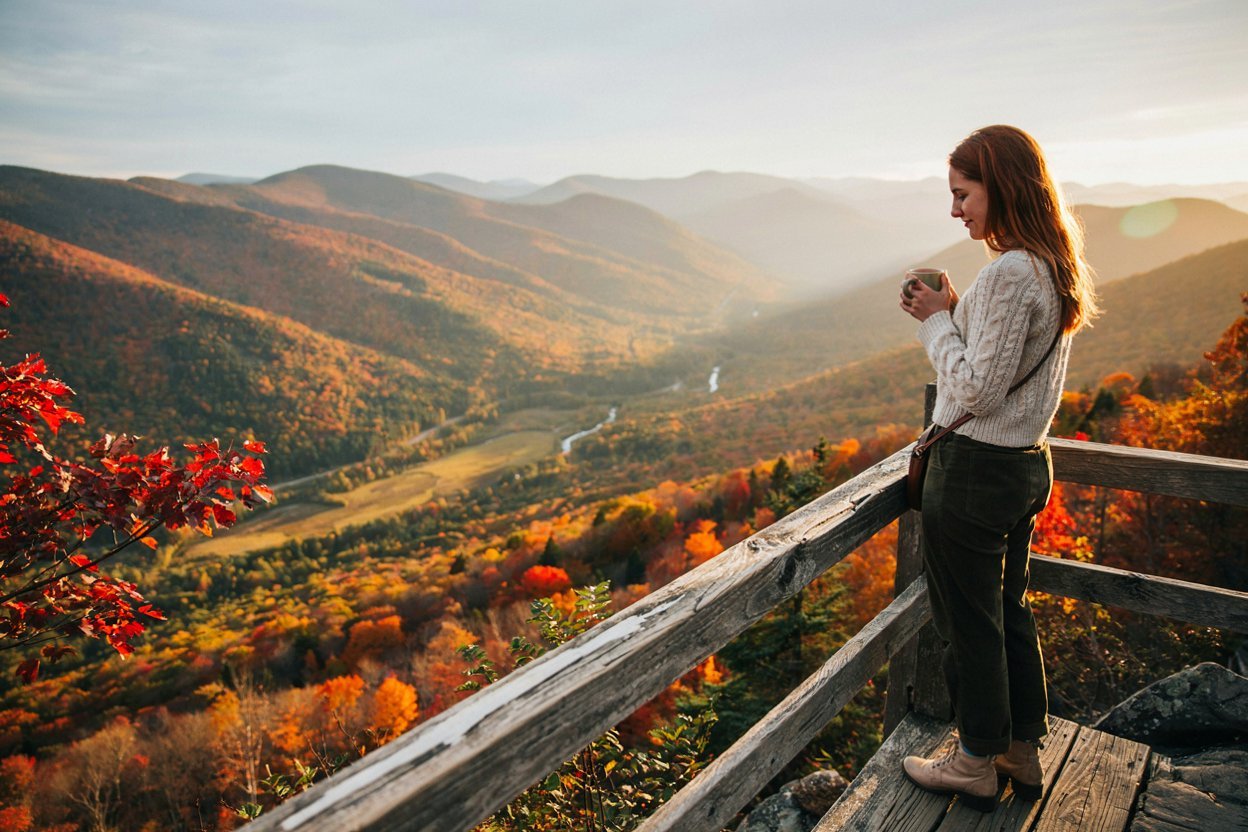

Some loves sneak up on you slowly, and mine for autumn in the national parks happened all at once, on a golden afternoon in the mountains when the whole world seemed to be blushing.
I still remember standing there, sweater sleeves pushed up, watching the light pour through a canopy of amber and rust, and thinking I never wanted to leave.
If you have ever felt that same little flutter at the first hint of crisp air, this list is for you, girl.
These are the ten national parks where fall does not just arrive, it performs.
Why Chase Fall Colors in National Parks?
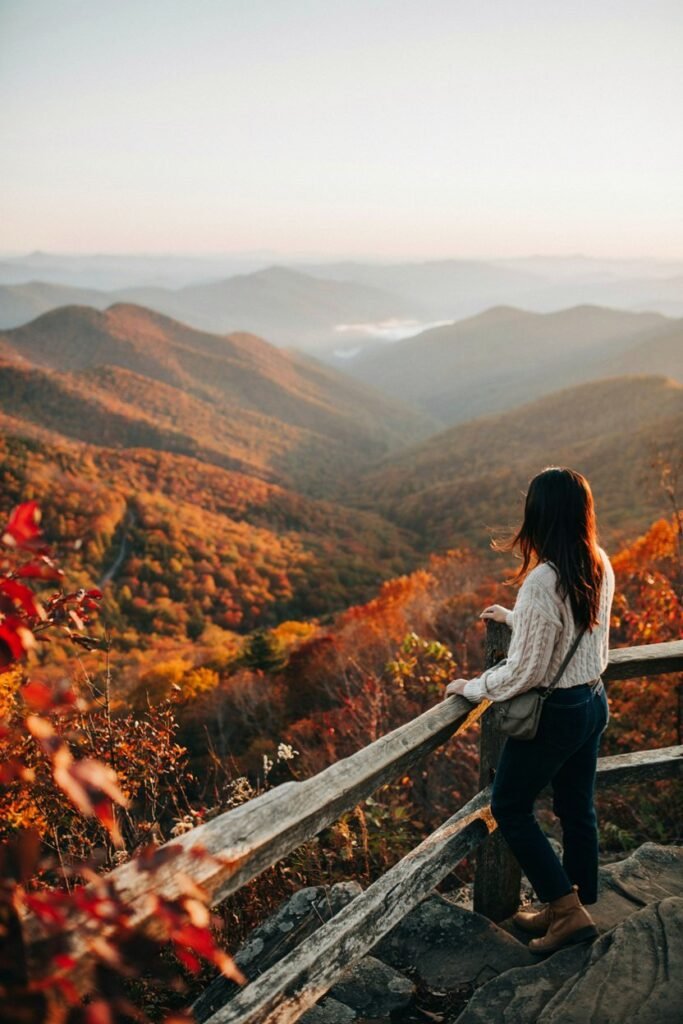
There is something so soul-soothing about watching a landscape change costume right in front of you.
Unlike a quiet neighborhood street lined with maples, national parks give you fall colors layered against dramatic backdrops, think granite peaks, alpine lakes, waterfalls, and winding rivers, all dressed in gold, crimson, and burnt orange.
If you already loved our guide to the best places to see fall colors in america, think of this post as the national park edition, bigger views, wilder trails, and just as much beauty, if not more.
Fall travel also tends to be gentler on your schedule and your wallet.
Crowds thin out after Labor Day, temperatures turn crisp instead of scorching, and the light gets that soft, golden quality that makes every single photo look like it belongs on a postcard.
If you are the type who prefers cooler weather adventures, you will also enjoy our roundup of cool mountain towns to escape the summer heat, many of which sit right beside the parks on this very list.
Now, let’s get into the ten parks that turn autumn into an art form.
1. Shenandoah National Park, Virginia
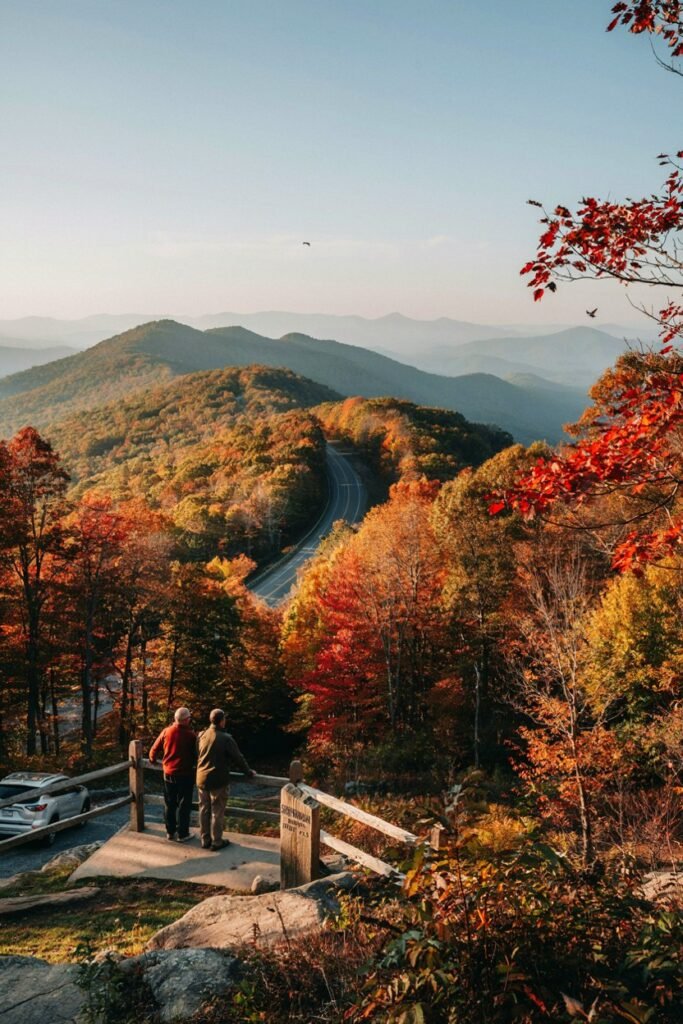
Shenandoah might be the most classic fall foliage national park in the country, and honestly, it earns that reputation.
Skyline Drive, the 105-mile road that runs the length of the park along the crest of the Blue Ridge Mountains, becomes an absolute dream in October, with overlooks practically begging you to pull over every few miles.
The valley below turns into a quilt of red, gold, and orange, and on a clear day you can see for miles in every direction.
Why it’s worth visiting: Shenandoah offers over 500 miles of trails, including sections of the Appalachian Trail, so you can go as easy or as ambitious as you like.
Old Rag Mountain is the showstopper hike for serious color chasers, though it is strenuous and involves a rock scramble, so save it for a clear, dry day.
For something gentler, Dark Hollow Falls is a short, rewarding walk to a waterfall framed by turning leaves.
Safety tips: Fall weather in the mountains changes fast, so pack layers even if it feels warm at the trailhead. Black bears are active in autumn as they prepare for winter, so store food properly and make noise on the trail.
Skyline Drive can get foggy, especially in the early morning, so drive slowly and use your headlights.
How to get there: The park is about 75 miles from Washington, D.C., making it an easy day trip or weekend escape.
The nearest major airport is Washington Dulles International Airport, and from there it is roughly a 90-minute drive to the park’s northern entrance near Front Royal.
Where to stay: Big Meadows Lodge and Skyland Resort both sit right inside the park along Skyline Drive, and waking up already surrounded by color is worth every penny.
If you’d rather base yourself in town, Luray and Front Royal both offer charming bed and breakfasts within a short drive of the entrance.
If you’re road-tripping through Virginia in autumn, you might also love pairing this with our list of best fall getaways for couples, since Shenandoah shows up as one of our favorite romantic escapes.
2. Great Smoky Mountains National Park, Tennessee and North Carolina
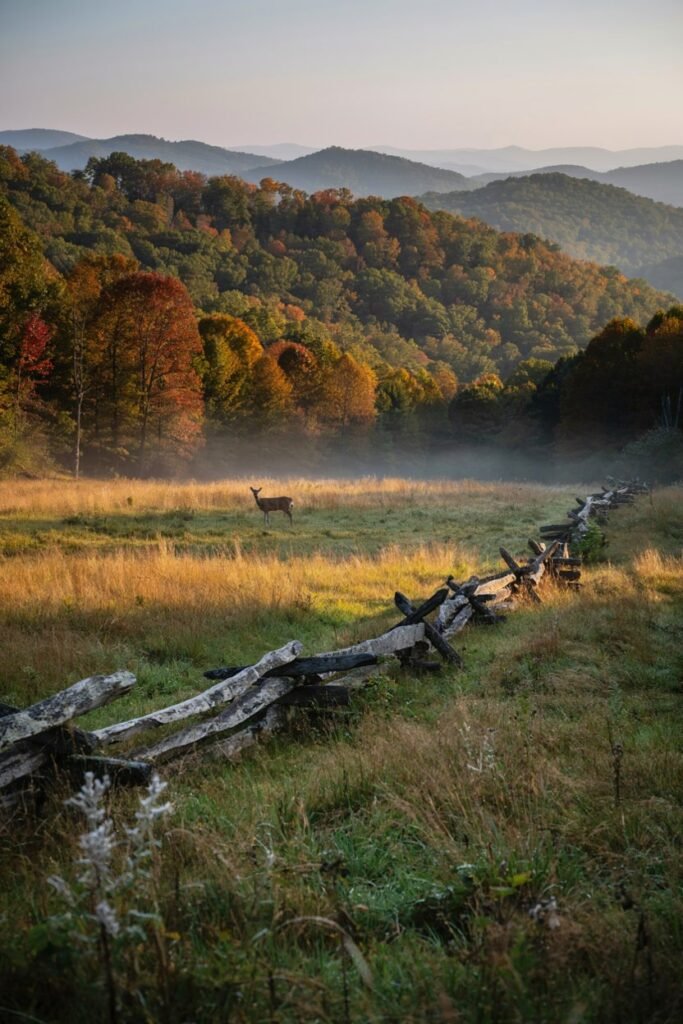
The Smokies are the most visited national park in the country for a reason, and fall is arguably their finest season.
Because of the park’s elevation range, from valley floors to mountain peaks above 6,000 feet, the color show actually rolls out over several weeks, starting at the higher elevations in late September and working its way down to the lower valleys by early November.
That means you have a much wider window to catch peak color than in most other parks.
Why it’s worth visiting: Cades Cove is the park’s most famous scenic loop, an 11-mile one-way road through a historic valley surrounded by mountains that blaze with color.
Clingmans Dome offers the highest viewpoint in the park, and on a clear fall day the panorama from the observation tower is nothing short of breathtaking.
The Smokies are also home to hundreds of waterfalls, and autumn light makes them absolutely magical.
Safety tips: Traffic on Cades Cove Loop and Newfound Gap Road can be intense during peak leaf season, so plan for delays and consider visiting early in the morning or later in the afternoon.
The Smokies see sudden temperature swings between valley and summit, so bring a warm layer even on a mild day.
Black bear sightings are common, so keep a respectful distance and never approach or feed wildlife.
How to get there: The park has entrances near Gatlinburg and Pigeon Forge in Tennessee, and Cherokee in North Carolina.
The closest major airport is McGhee Tyson Airport in Knoxville, about 45 minutes from the Tennessee side of the park.
Where to stay: Gatlinburg makes a fun, walkable base with plenty of cozy cabins tucked into the surrounding hills, while Cherokee on the North Carolina side offers a quieter, more low-key alternative if you’d rather skip the crowds altogether.
3. Acadia National Park, Maine
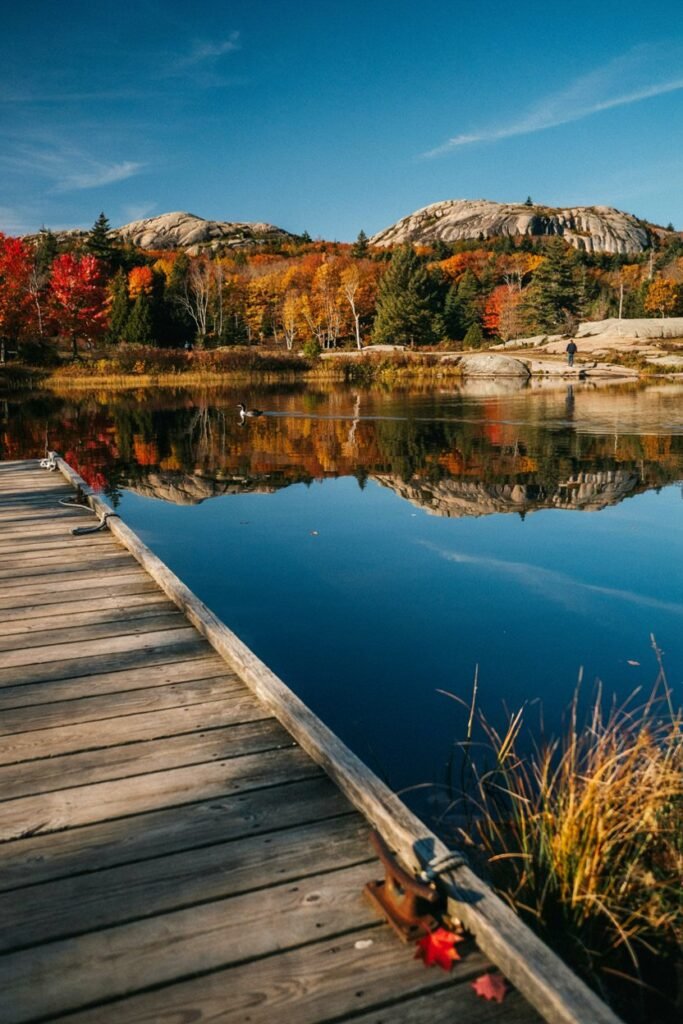
Acadia gives you fall colors with a coastal twist, and that combination is genuinely rare. Picture fiery maple trees framing granite cliffs, with the deep blue of the Atlantic stretching out behind them.
It is a completely different flavor of autumn than the mountain parks, and it is just as breathtaking.
Why it’s worth visiting: The Park Loop Road takes you past nearly every highlight, including Jordan Pond, where the reflection of the surrounding hills in fall color is one of the most photographed scenes in New England.
Cadillac Mountain, the highest point on the U.S. Atlantic coastline, offers sweeping views of the island dressed in autumn’s finest, and it is famously one of the first places in the country to see the sunrise.
For a slower morning, Jordan Pond House still serves popovers with a view that will make your heart swell.
Safety tips: Coastal weather can shift quickly, with fog rolling in off the water even on otherwise clear days, so check conditions before heading out on cliffside trails.
The rocky sections around Ocean Path and Thunder Hole can be slippery, especially after rain, so wear proper footwear with good grip.
Cadillac Mountain’s summit gets windy and noticeably colder than sea level, so bring a jacket even if you started your day in a t-shirt.
How to get there: Acadia is located near Bar Harbor, Maine, and the closest regional airport is Bangor International Airport, about an hour’s drive away.
If you’re flying from farther out, Portland International Jetport is roughly three hours south.
Where to stay: Bar Harbor is the obvious home base, with cozy inns, seafood shacks, and easy access to the Park Loop Road, though it does get busy in early October, so booking a few months ahead is a smart move.
4. Rocky Mountain National Park, Colorado
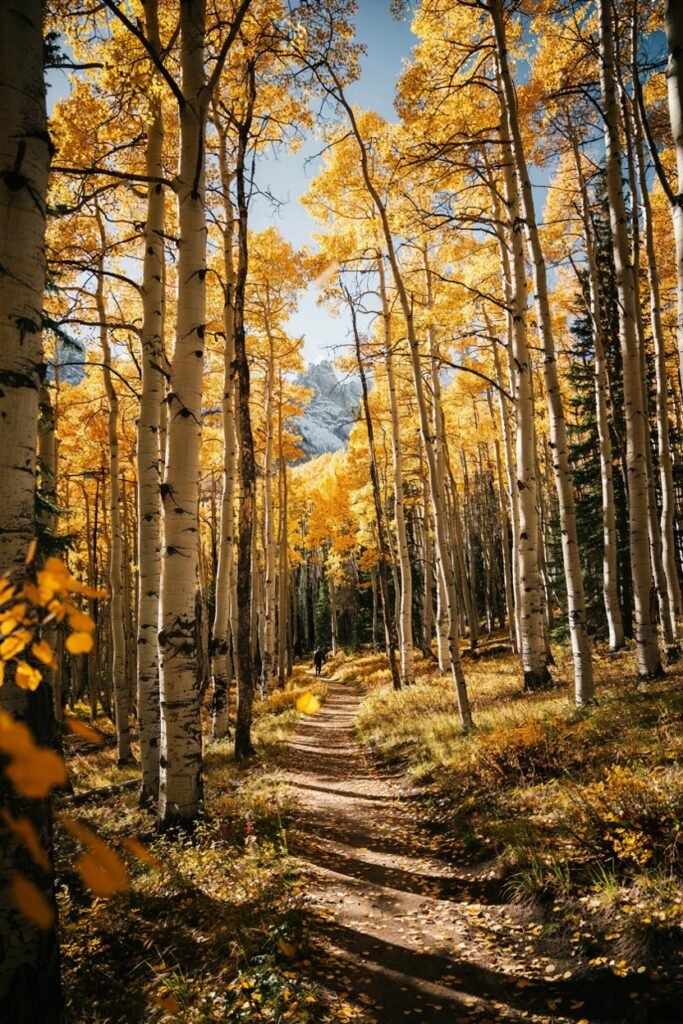
Rocky Mountain National Park turns fall into a treasure hunt, because here the star of the show is not red maples but golden aspens, entire hillsides that shimmer like they are lit from within.
When the wind moves through an aspen grove in late September, the leaves shake and flutter in a way that almost sounds like applause.
Why it’s worth visiting: Trail Ridge Road, the highest continuous paved road in the country, takes you above the treeline into alpine tundra with sweeping views of golden valleys below.
Bear Lake and its surrounding trails are some of the most accessible and rewarding spots for aspen viewing, especially for visitors who want beauty without a brutal hike.
Fall also happens to be elk mating season here, and hearing their haunting bugle calls echo through the golden valleys is an experience you won’t forget.
Safety tips: Trail Ridge Road closes for the season once snow arrives, sometimes as early as mid-October, so check current conditions before you go.
Elk are especially unpredictable and aggressive during the fall rut, so keep a wide distance, at least 75 feet, and never get between a bull elk and his herd.
Altitude sickness is a real possibility at elevations above 9,000 feet, so stay hydrated, pace yourself, and know the symptoms.
How to get there: The park is about a two-hour drive northwest of Denver International Airport, making Denver your best entry point. Estes Park, the main gateway town on the east side, has plenty of lodging if you want to make a weekend of it.
Where to stay: Estes Park offers everything from cozy mountain cabins to historic lodges like the Stanley Hotel, and it puts you within minutes of the Bear Lake and Fall River entrances, making early morning wildlife watching that much easier.
5. Grand Teton National Park, Wyoming
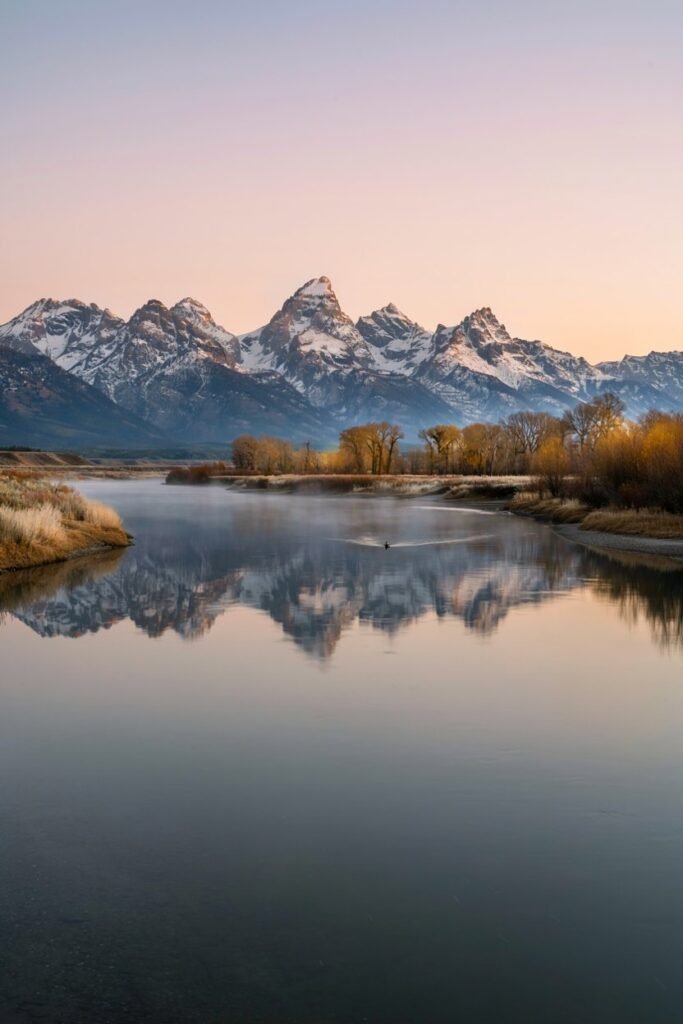
Grand Teton pairs jagged, snow-dusted peaks with valleys of golden cottonwood and aspen, and the contrast is dramatic in the best possible way.
Reflections of the mountains in Jenny Lake or String Lake, framed by autumn color, are the kind of view that makes you stop mid-sentence.
Why it’s worth visiting: Oxbow Bend on the Snake River is one of the most iconic fall photo spots in the American West, especially at sunrise when the cottonwoods glow gold against the towering peaks.
Wildlife viewing is at its best in autumn too, with moose, elk, and even the occasional bear more visible as they move through the valley before winter.
The area around Jackson Hole also offers a charming small-town base if you’d rather not camp.
Safety tips: This is bear country, and fall is peak feeding season for grizzlies preparing to hibernate, so carry bear spray and know how to use it.
Mornings can dip well below freezing even when afternoons feel mild, so dress in layers you can shed. River overlooks like Oxbow Bend get busy at sunrise, so arrive early and be mindful of parking along the road shoulder.
How to get there: Jackson Hole Airport is the most convenient option, sitting right inside the park boundary, which is genuinely rare for national parks. If you’re flying into a larger hub, Salt Lake City is about a five-hour drive away.
Where to stay: Jackson offers everything from rustic guest ranches to upscale mountain lodges, and its lively downtown makes a great spot to warm up with hot cocoa after a chilly morning of leaf peeping.
6. Zion National Park, Utah
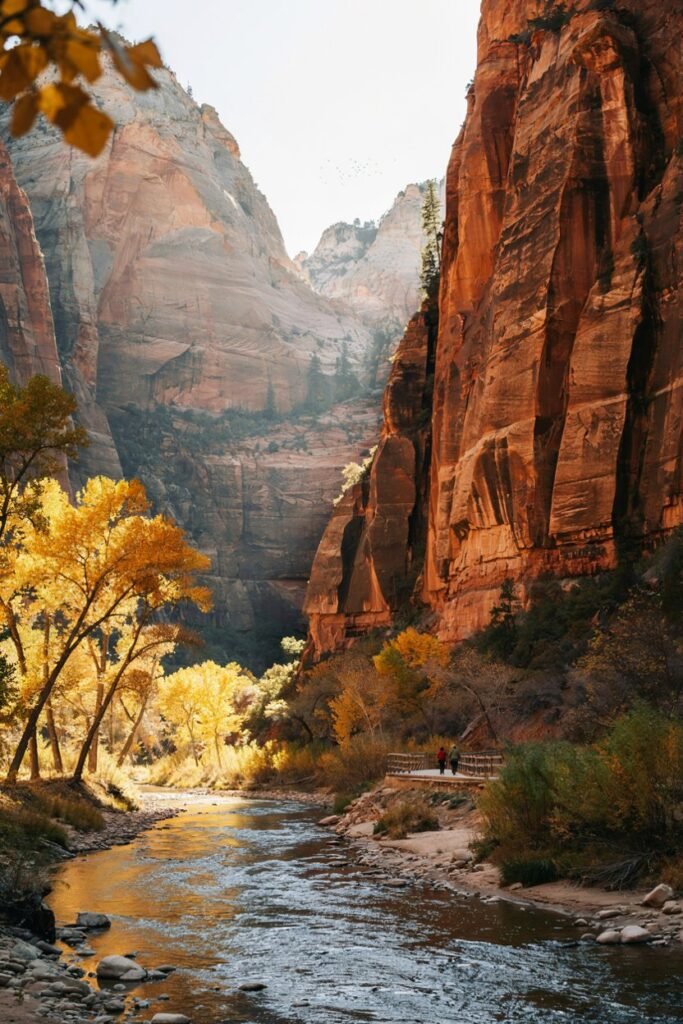
Zion might not be the first park you think of for fall colors, but that is exactly why it deserves a spot on this list.
Cottonwood trees lining the Virgin River turn a brilliant gold that glows against the park’s towering red and orange sandstone cliffs, creating a color palette you simply will not find anywhere else.
Why it’s worth visiting: The Riverside Walk along the Virgin River is an easy, family-friendly trail that puts you right in the middle of the golden cottonwood canopy.
For something more adventurous, Angels Landing rewards hikers with a jaw-dropping view of the canyon in full autumn glow, though it requires a permit and is not for the faint of heart.
Fall also brings noticeably cooler daytime temperatures than summer, which makes hiking through the canyon far more enjoyable.
Safety tips: Flash floods remain a real risk in the canyon even in fall, so always check the weather forecast and any posted warnings before hiking narrow canyon sections.
Angels Landing involves exposed drop-offs with chain assistance, so it is not recommended for anyone uneasy with heights or for young children.
Water and sun protection are still essential, since desert sun stays intense even as temperatures cool.
How to get there: The closest airport is Harry Reid International Airport in Las Vegas, about a two and a half hour drive to the park’s south entrance near Springdale.
Where to stay: Springdale sits right outside the park’s south entrance and offers boutique hotels with canyon views along with a free shuttle straight into Zion, making it one of the most convenient basecamps on this whole list.
7. Glacier National Park, Montana
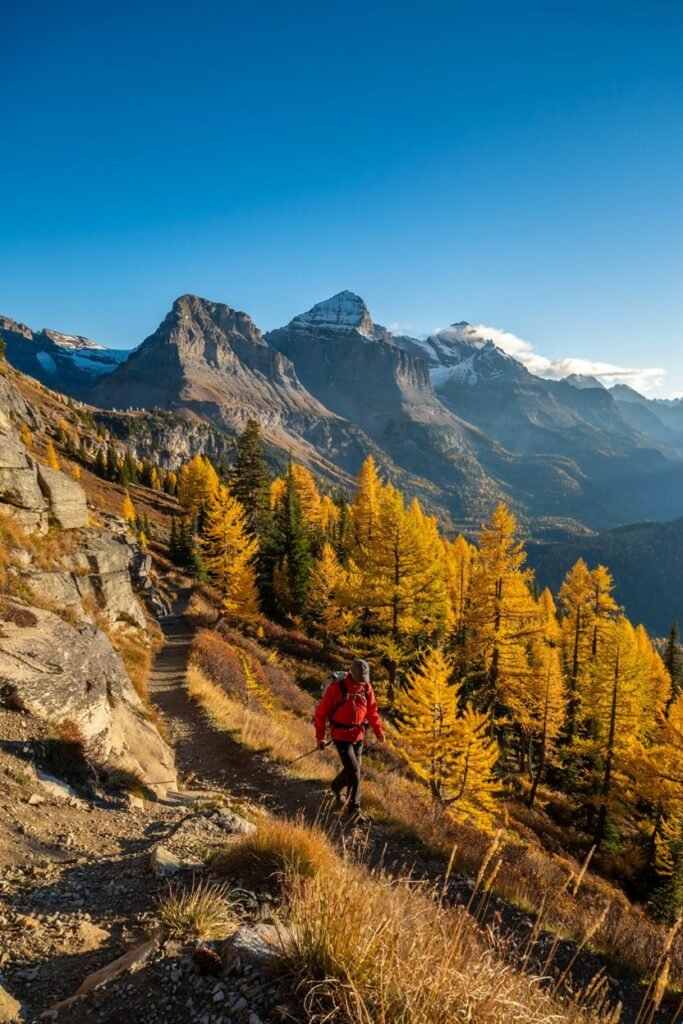
Glacier is a park of extremes, jagged peaks, turquoise lakes, and in autumn, valleys and hillsides washed in gold from larch trees, a type of conifer that actually turns yellow and drops its needles each fall.
It is one of the only places where you get the drama of evergreen forest combined with the golden glow of changing color.
Why it’s worth visiting: Going-to-the-Sun Road is consistently ranked among the most scenic drives in America, and the fall crowds are noticeably lighter than summer’s, making the experience feel far more peaceful.
The Highline Trail offers unbeatable views of golden larch groves against glacier-carved peaks. McDonald Lake, with its impossibly clear water, reflects the surrounding fall color in a way that feels almost too perfect to be real.
Safety tips: Sections of Going-to-the-Sun Road often close for the season as early as mid-October due to snow, so check current conditions before planning your trip around it.
This is prime grizzly bear habitat, so carry bear spray, travel in groups where possible, and make noise on the trail. Weather in Glacier can shift from sunny to snowy within hours, so pack for genuine winter conditions even in September.
How to get there: Glacier Park International Airport in Kalispell is the closest option, about a 30-minute drive to the West Glacier entrance.
Where to stay: The historic Lake McDonald Lodge sits right on the water inside the park, while the town of Whitefish offers a cozier, more budget-friendly alternative with a genuinely charming main street to wander after a big day of hiking.
8. North Cascades National Park, Washington
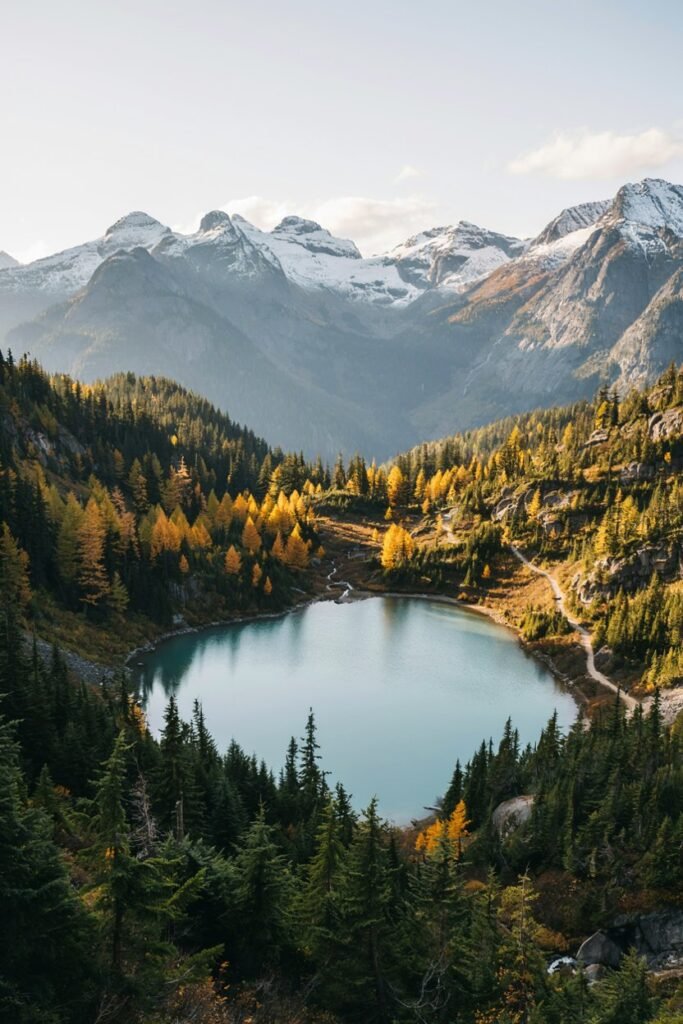
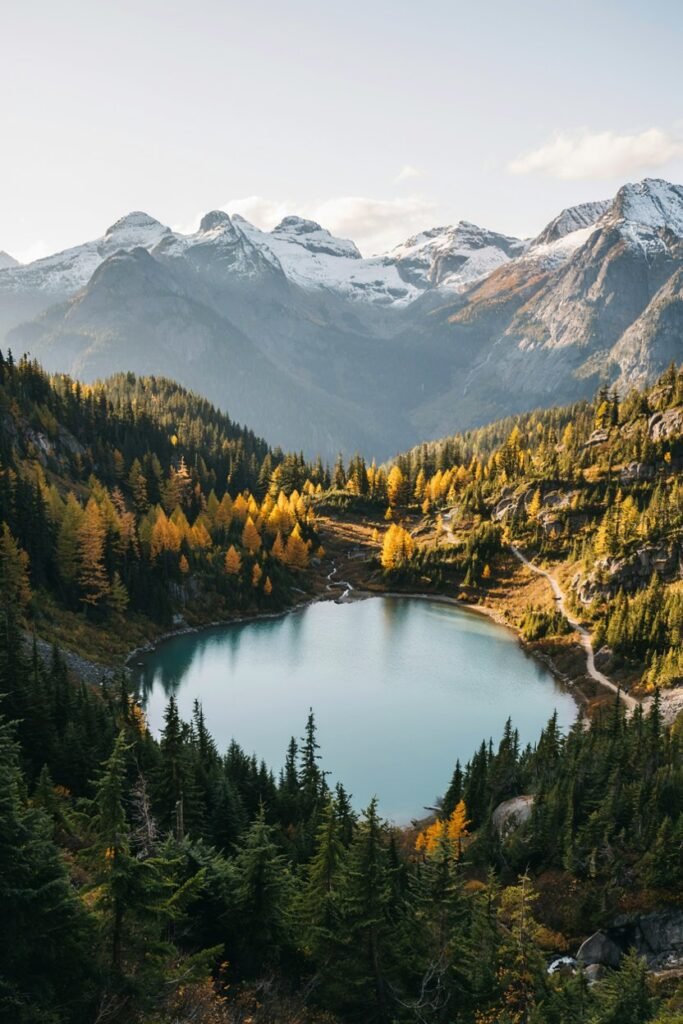
If you want fall colors without the crowds, North Cascades is your best-kept secret.
It is one of the least visited national parks in the lower 48, which means you can wander golden larch meadows and turquoise alpine lakes in near solitude, even during peak season.
We covered this stunning park in depth in our ultimate guide to North Cascades National Park, and fall is genuinely the best time to plan your visit.
Why it’s worth visiting: The larches here turn a brilliant gold in late September and early October, especially around Maple Pass Loop and Blue Lake, two of the most rewarding hikes in the park.
Diablo Lake’s surreal turquoise color against a backdrop of golden hillsides looks almost otherworldly.
Because the park sees far fewer visitors than its national park neighbors, you get that rare feeling of having an entire mountain range to yourself.
Safety tips: Many trailheads sit at high elevation and can see early snow, so check current trail conditions before setting out, even in early fall.
The park has limited cell service, so download offline maps and let someone know your hiking plan ahead of time.
Weather changes quickly in the North Cascades, and hypothermia is a genuine risk even in what feels like mild fall weather, so pack proper layers.
How to get there: The park is about a three-hour drive northeast of Seattle-Tacoma International Airport, making Seattle your best gateway city.
Where to stay: The small town of Winthrop, just east of the park, leans into its Old West charm and makes a lovely, laid-back base, while Marblemount on the west side puts you closer to the main trailheads.
9. Yosemite National Park, California
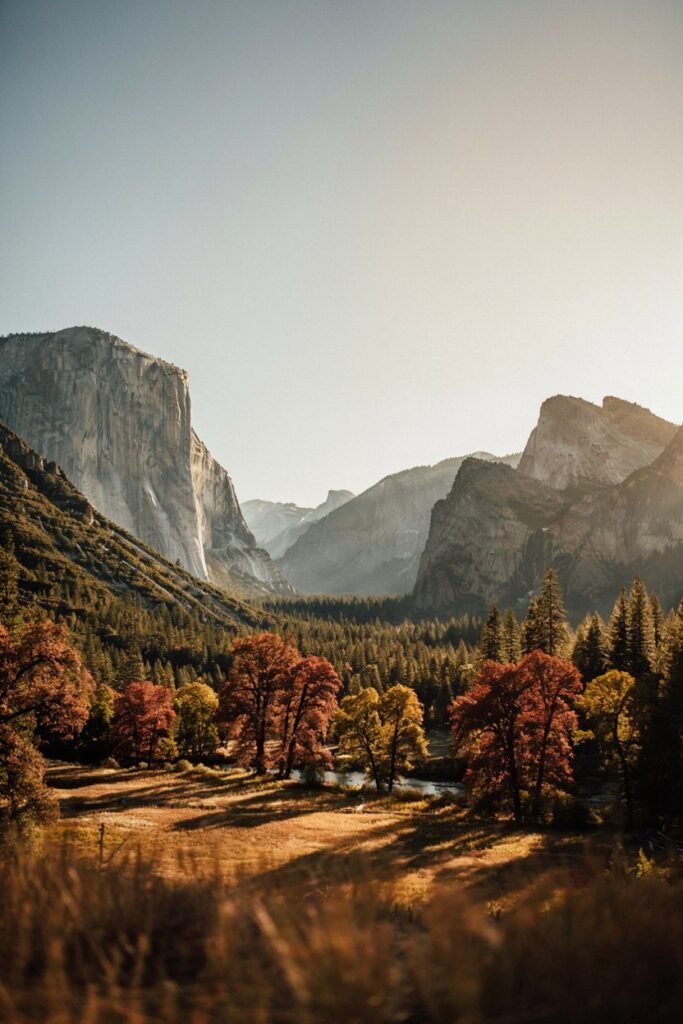
Yosemite in autumn trades summer’s crowds for a quieter, golden version of itself.
Black oaks and dogwoods scattered through the valley floor turn deep red and gold, set against the same towering granite cliffs that make this park a bucket list destination year-round.
Why it’s worth visiting: Yosemite Valley in fall offers a completely different atmosphere than summer, with waterfalls slowing to a trickle and light filtering softly through turning leaves.
Tunnel View remains the postcard shot, but in autumn the surrounding forest adds warm color to the classic granite and waterfall scene.
Glacier Point offers a sweeping view over the valley that is especially striking with fall foliage scattered below.
Safety tips: Some high-elevation roads, including Tioga Road, close for the season once the first snow hits, sometimes as early as October, so check ahead if you’re planning to cross the park.
Fall is also fire season in California, so check current air quality and any fire restrictions before your trip.
Wildlife including black bears remain active, so store food in provided bear boxes at all times.
How to get there: Fresno Yosemite International Airport is the closest option, about a two-hour drive to the park’s south entrance.
If you’re coming from farther away, San Francisco International Airport is roughly four hours by car.
Where to stay: The historic Ahwahnee Hotel inside Yosemite Valley is a splurge worth considering at least once, while the gateway town of Oakhurst offers more budget-conscious lodging just outside the south entrance.
10. Denali National Park, Alaska
Denali offers a version of fall you simply cannot get anywhere else in this list, tundra that turns fiery red almost overnight in late August and early September, set against the backdrop of North America’s tallest peak.
This is the earliest and shortest fall foliage season of any park here, but it might just be the most dramatic.
Why it’s worth visiting: The tundra’s low-growing shrubs, particularly dwarf birch and blueberry bushes, transform into a carpet of crimson and gold that blankets the landscape as far as you can see.
Wildlife viewing is spectacular in early fall, with moose, caribou, and grizzly bears all more active as they prepare for the long Alaskan winter.
On a clear day, Denali itself emerges from the clouds, towering over the colorful tundra in a scene that feels genuinely humbling.
Safety tips: This is remote wilderness, and weather can turn from sunny to sleet within an hour, so pack serious cold weather layers regardless of the forecast.
Grizzly encounters are more common here than almost anywhere else on this list, so carry bear spray, travel in groups, and follow all posted wildlife guidance closely.
The main park road has limited private vehicle access, so plan your visit around the shuttle bus system in advance.
How to get there: Ted Stevens Anchorage International Airport is the main gateway, followed by a scenic four to five hour drive or train ride north to the park entrance.
The Alaska Railroad’s route between Anchorage and Denali is stunning in its own right and worth considering if you’d rather sit back and watch the scenery roll by.
Where to stay: The small cluster of lodges just outside the park entrance, often called Glitter Gulch, offers everything from rustic cabins to riverside hotels, and most close for the season shortly after fall foliage peaks, so book early if you want to catch this narrow window.
What to Pack for a Fall National Park Trip
Packing smart makes such a difference when the weather can’t quite decide what season it wants to be. Here is what I never leave home without on an autumn park trip.
- A moisture-wicking base layer, so you stay comfortable whether you’re warming up on a sunny overlook or cooling down at higher elevation.
- A packable puffer or fleece, easy to stuff into a daypack and pull out the moment the wind picks up.
- A waterproof, windproof outer shell, since fall weather in the mountains can turn from sunny to sleeting within the hour.
- Sturdy, broken-in hiking boots, ideally with good traction for trails that may be wet or covered in fallen leaves.
- A reusable water bottle and light snacks, because trailside services are limited once the summer season winds down.
- A headlamp or small flashlight, since daylight hours shrink fast and you don’t want to be caught on a trail after sunset.
- A camera or phone with a full battery, because cold weather drains batteries faster than you’d expect, and you will absolutely want proof of all that color.
If you love a good packing guide, our post on how to avoid overpacking for summer travel has smart, transferable tips for building a lighter, smarter bag no matter the season.
General Fall Safety Tips for Every National Park
No matter which of these parks you choose, a little preparation goes a long way toward keeping your trip both beautiful and safe.
Dress in layers, always. Fall weather in the mountains can swing 30 degrees or more between morning and afternoon, so a base layer, insulating layer, and waterproof outer layer will serve you far better than a single heavy coat.
Check park alerts before you go. Road closures, trail conditions, and wildlife activity can all change quickly this time of year, and most parks post real-time updates on their official National Park Service pages.
Respect wildlife distance guidelines. Fall is an active season for bears, elk, and moose as they prepare for winter, and animals that seem calm can become unpredictable, especially during mating season. Keep at least 100 yards from bears and 25 yards from other large wildlife.
Start hikes early. Daylight hours shrink noticeably in autumn, and getting caught on a trail after dark, especially in unfamiliar terrain, is one of the most common ways hikers get into trouble.
Tell someone your plans. Whether it is a park ranger, your hotel front desk, or a friend back home, always share your route and expected return time before heading out on a trail.
Pack the essentials. A headlamp, extra water, a paper map or offline trail app, sun protection, and basic first aid supplies belong in your bag even for short hikes, since fall conditions can change your plans faster than you’d expect.
If you’re the type who loves a good trail regardless of season, you might enjoy our guides to easy hikes with amazing views and hidden hiking trails without crowds, both packed with trip-planning tips that apply beautifully to autumn adventures too.
When Is Peak Fall Color at Each Park?
Timing your trip right can honestly make or break the experience, so here is a rough guide to help you plan.
- Denali: Late August to mid-September
- Glacier and Rocky Mountain: Mid-September to early October
- North Cascades and Grand Teton: Late September to early October
- Acadia and Shenandoah: Early to mid-October
- Great Smoky Mountains and Yosemite: Mid-October to early November
- Zion: Late October to mid-November
Keep in mind that peak color depends heavily on elevation, rainfall, and that year’s weather patterns, so it is always worth checking a park’s official foliage updates a week or two before you travel.
If you want a broader overview of timing across the country, our post on how to visit Vermont in the fall also breaks down how elevation and latitude affect peak color, and the same logic applies beautifully to these parks.
Final Thoughts
Every single one of these parks proves that fall is not just a season, it is an experience, one that asks you to slow down, look up, and let a mountainside covered in gold remind you why you fell in love with travel in the first place.
Whether you’re chasing aspens in Colorado, larches in Washington, or crimson tundra in Alaska, pack your favorite cozy sweater, charge your camera, and give yourself permission to stop at every single overlook.
The leaves will not wait, but trust me, girl, they are worth planning your whole autumn around.
And if this trip sparks a bigger love for cozy, colorful getaways, don’t miss our guide to cozy small towns for fall foliage for even more ways to soak up the season before winter rolls in.