
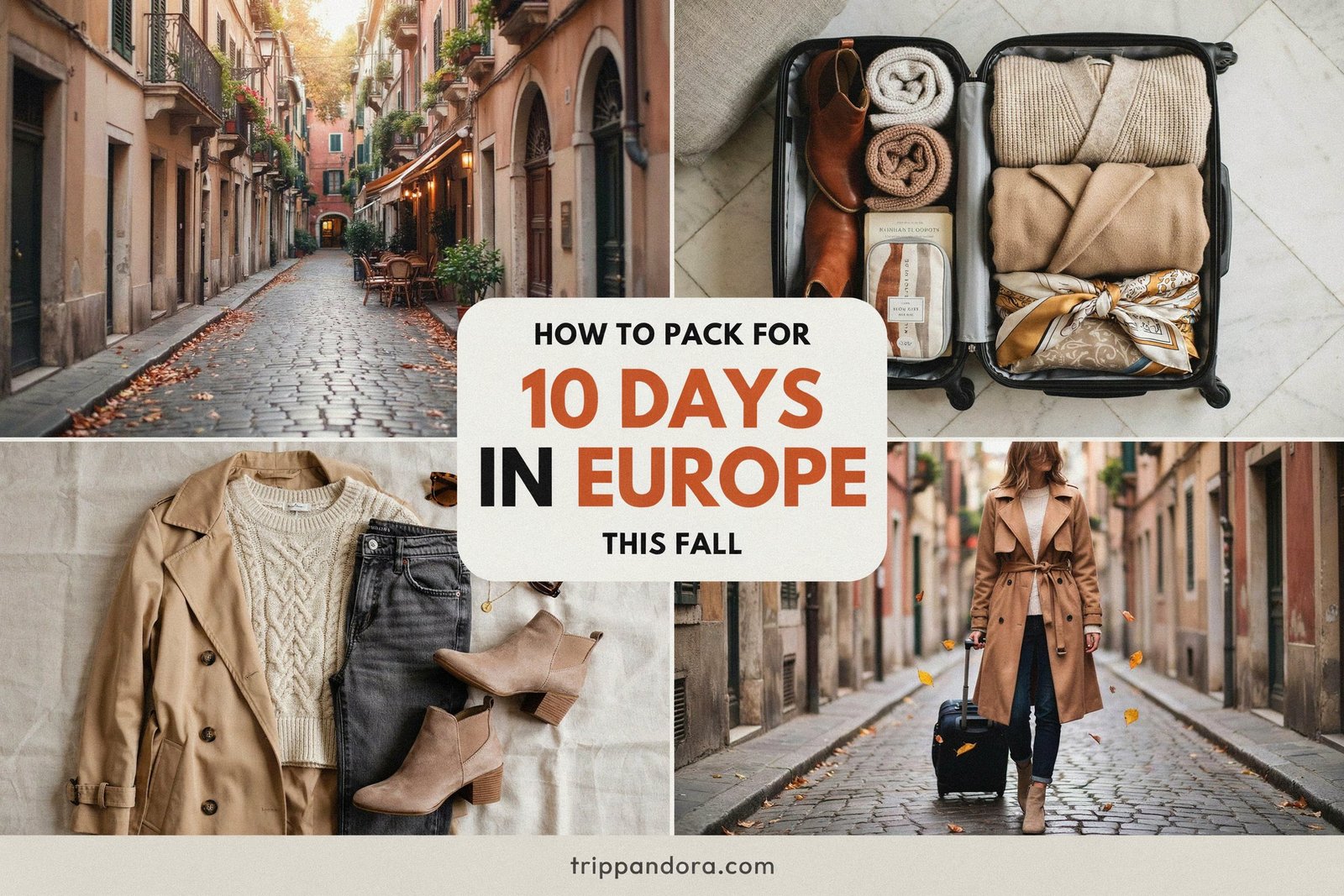

Packing for a 10-day European fall trip can feel overwhelming, especially when you want cute outfits, comfortable shoes, and enough layers without dragging a huge suitcase through train stations.
I’ve found that the secret is not packing more it’s packing smarter. Fall weather can change quickly, so your wardrobe needs to be flexible enough for chilly mornings, mild afternoons, and unexpected rain.
In this guide, I’ll show you exactly how to build a practical and stylish 10-day Europe packing list that works across different destinations.
From clothing and shoes to toiletries, electronics, travel documents, and clever space-saving tricks, you’ll know exactly what to bring.
Shop my amazon essentials
- Packing Cubes
- Universal Travel Adapter
- Portable Power Bank
- Apple AirTag
- Hanging Toiletry Bag
- Foldable Travel Backpack
- Luggage Scale
- Travel Cable Organizer
- Passport Holder
- Compact Travel Umbrella
How to Pack for 10 Days in Europe in Fall
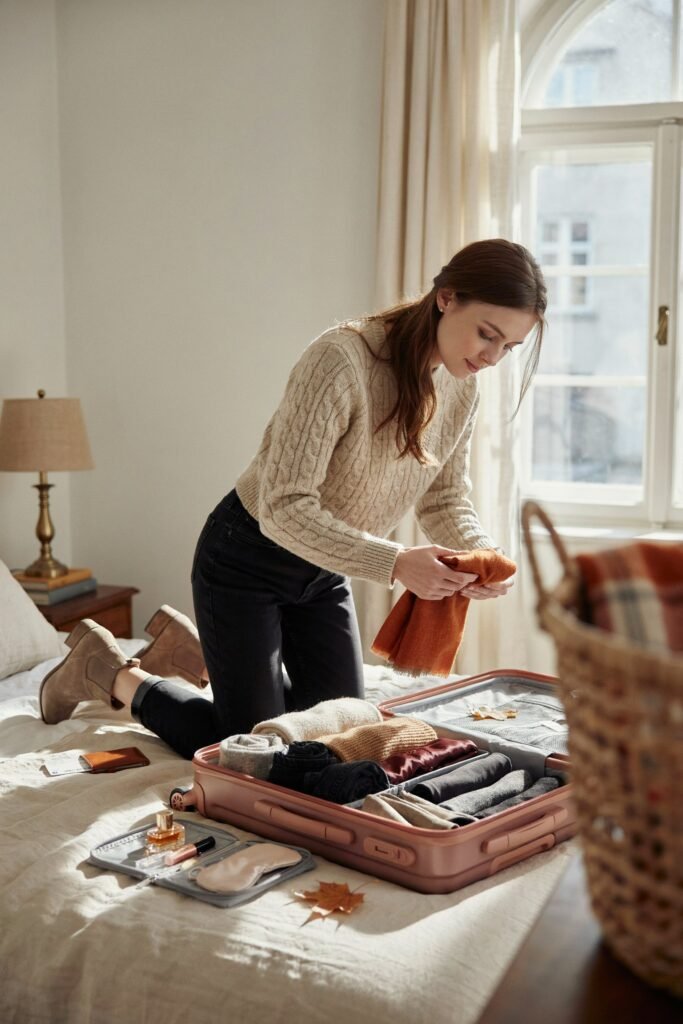
Fall is one of my favorite seasons for traveling around Europe.
The crowds are usually lighter than during summer, the scenery can be absolutely gorgeous, and you get that cozy feeling that makes European cafés, historic streets, and little villages even more magical.
But packing for fall is a little trickier than packing for summer.
You may wake up to a chilly morning, enjoy sunshine in the afternoon, and then find yourself caught in rain before dinner. If you’re traveling between several countries, the weather can vary even more.
The good news?
You absolutely do not need a giant suitcase for 10 days in Europe.
With the right combination of layers, neutral colors, comfortable shoes, and versatile pieces, you can create plenty of outfits without bringing your entire closet.
The goal is to build a small capsule wardrobe where almost everything works together.
The Golden Rule: Pack for 10 Days, Not 10 Outfits
One of the biggest mistakes I see travelers make is thinking they need a completely different outfit for every day.
You don’t.
Instead of packing 10 complete outfits, think in terms of:
- 5–7 tops
- 3–4 bottoms
- 1–2 dresses or skirts
- 2–3 layering pieces
- 1 versatile jacket
- 2–3 pairs of shoes
- Enough underwear and socks for about a week
- A few accessories that change the look
This allows you to mix and match everything.
For example, the same black pants can be worn with a sweater during the day, a blouse for dinner, or a T-shirt and jacket for sightseeing.
That means fewer clothes, less weight, and much more space in your luggage.
What to Wear in Europe During Fall
Fall temperatures can vary dramatically depending on where you’re traveling.
Southern European destinations such as Italy, Spain, Portugal, and Greece can still have relatively mild days in early fall.
Northern destinations such as Germany, the Netherlands, Scandinavia, and parts of the United Kingdom can become noticeably cooler.
Mountain destinations can be even colder.
That’s why layers are your best friend.
Rather than bringing one extremely heavy coat, pack several lighter layers that you can add or remove throughout the day.
A good fall layering system looks like this:
Base layer → sweater/cardigan → jacket → scarf
You can wear all four when it’s cold or remove layers when temperatures rise.
Read Mistakes Tourists Make in Europe in Summer (And How to Avoid Them)
Your 10-Day Europe Fall Capsule Wardrobe
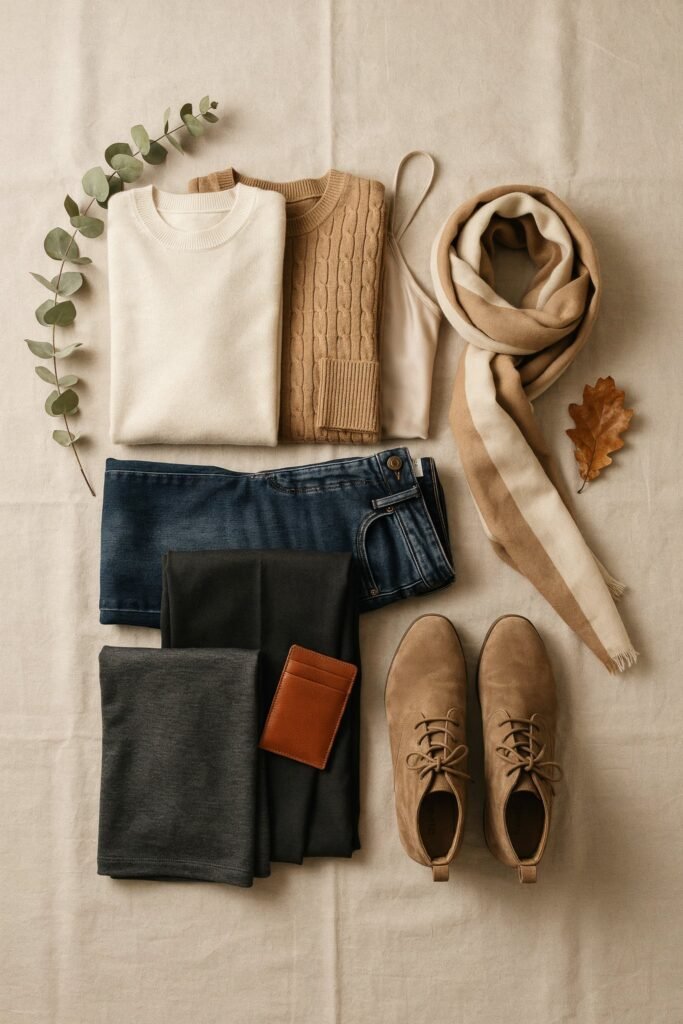
Let’s start with the most important part of your suitcase: your clothes.
1. Tops: Pack 5–7
You don’t need 10 different tops.
I’d recommend bringing a combination of comfortable basics and slightly dressier pieces.
Pack:
- 2 basic T-shirts
- 1 long-sleeve top
- 2 lightweight sweaters
- 1 blouse
- 1 lightweight thermal or layering top
- 1 slightly dressier top
Choose colors that coordinate easily.
Neutral shades like:
- Black
- Cream
- White
- Beige
- Brown
- Gray
- Navy
make mixing and matching incredibly easy.
You can then add one or two accent colors if you want your outfits to feel more personal.
My favorite combination
If I were packing today, I’d probably bring:
2 T-shirts + 1 long-sleeve top + 2 sweaters + 1 blouse + 1 lightweight thermal.
That’s enough variety without overpacking.
2. Bottoms: Pack 3–4
Bottoms take up more space than tops, so this is an area where you can really save room.
A simple combination could include:
- 1 pair of comfortable jeans
- 1 pair of black trousers
- 1 pair of wide-leg or relaxed pants
- 1 skirt or second pair of jeans
You don’t need five or six pairs of pants.
Pick pieces that can be dressed up or down.
For example, black trousers can work for sightseeing with sneakers and a sweater, then look completely different with a blouse and flats for dinner.
3. Dresses: Pack 1–2
If you enjoy wearing dresses, fall is a great time to bring one or two versatile options.
A simple midi dress can be worn with:
- Sneakers during the day
- Ankle boots at night
- A cardigan when it’s chilly
- A leather or denim jacket
- A scarf for extra warmth
A neutral-colored dress is particularly useful because you can completely change the look with accessories.
You could also bring a sweater dress if you’re traveling somewhere particularly cool.
4. Jackets and Coats
This is where you want to be strategic.
Instead of packing several coats, choose one main outer layer that works with most of your wardrobe.
Good choices include:
- Lightweight trench coat
- Water-resistant jacket
- Wool-blend coat
- Packable puffer
- Leather jacket
- Structured rain jacket
For mild fall destinations, a trench coat can be incredibly versatile.
For colder destinations, a lightweight insulated jacket may be a better choice.
Don’t forget a rain layer
European fall weather can be unpredictable.
A compact waterproof jacket or rain shell can save you from walking around soaked after an unexpected shower.
And trust me, discovering that your only jacket isn’t waterproof while you’re standing outside a train station is not the travel memory you want.
5. Sweaters
I’d recommend packing two sweaters.
One can be lightweight and fitted.
The other can be slightly oversized and cozy.
This gives you enough variety without filling your suitcase with bulky knitwear.
If you’re traveling to colder areas, consider wearing your bulkiest sweater on the plane instead of packing it.
That simple trick can save a surprising amount of luggage space.
6. Underwear and Sleepwear
You don’t necessarily need 10 pairs of everything.
If you are comfortable doing laundry once during your trip, you can pack for about a week.
Consider:
- 7–8 pairs of underwear
- 5–7 pairs of socks
- 2 bras
- 1 comfortable travel bra
- 1–2 pajama sets
- 1 pair of comfortable lounge pants or leggings
Choose quick-drying fabrics whenever possible.
7. Thermal Layers
If you’re visiting Europe later in the fall, especially November, thermal layers can be incredibly useful.
You don’t necessarily need thick winter thermals.
A lightweight thermal top can fit underneath a sweater without making you feel bulky.
If you’re especially sensitive to cold, consider:
- Thermal leggings
- Thermal long-sleeve top
- Heat-retaining socks
These are much easier to pack than several thick sweaters.
Shoes: The Most Important Part of Your Packing List
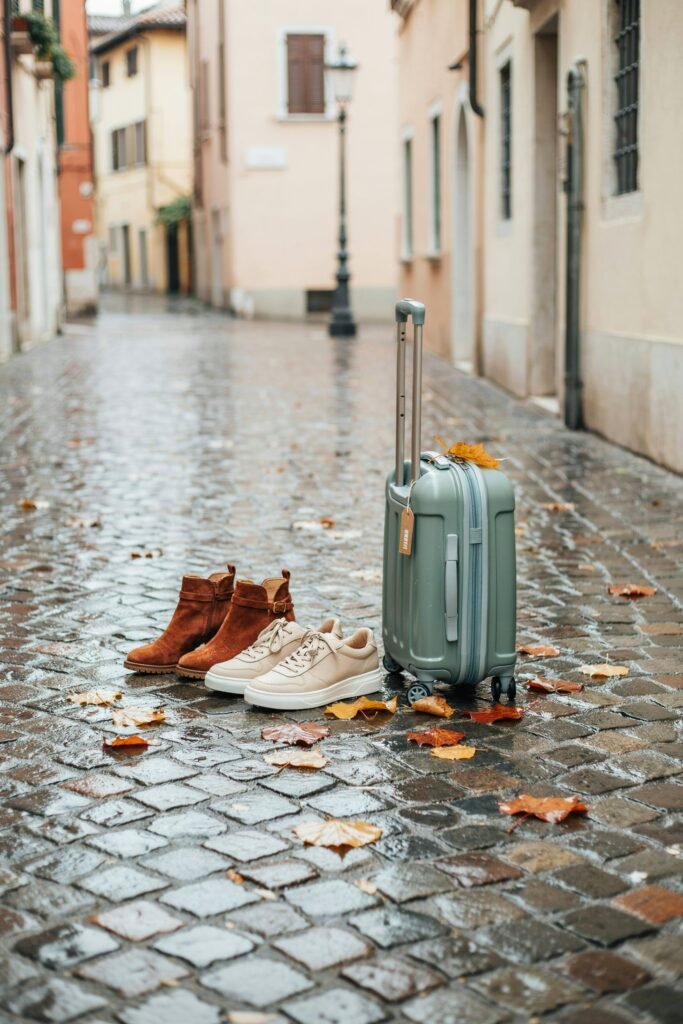
If there’s one thing I would tell every woman traveling around Europe, it’s this:
Do not sacrifice comfort for cute shoes.
European trips often involve much more walking than you expect.
You may spend an entire day walking through museums, train stations, historic neighborhoods, markets, plazas, and cobblestone streets.
Those adorable shoes that felt fine for an hour at home might become your worst enemy after 15,000 steps.
The 3-Shoe Rule
For a 10-day Europe trip, I recommend taking no more than three pairs of shoes.
1. Comfortable Walking Sneakers
This should be your priority.
Look for:
- Good cushioning
- Arch support
- Breathability
- A secure fit
- A non-slip sole
Wear these while traveling to save suitcase space.
2. Ankle Boots
A pair of comfortable ankle boots is perfect for fall.
They can make jeans look more polished and work beautifully with dresses and skirts.
Choose a pair you’ve already broken in.
Never make your first trip in brand-new boots.
3. Optional Dressier Shoe
Depending on your itinerary, you might bring:
- Ballet flats
- Loafers
- Comfortable fashion sneakers
- Low block heels
If you know you won’t use them, leave them home.
Read How to Travel Europe on $50 a Day (Realistic & Proven Budget Guide)
Accessories That Make Your Outfits Look Different
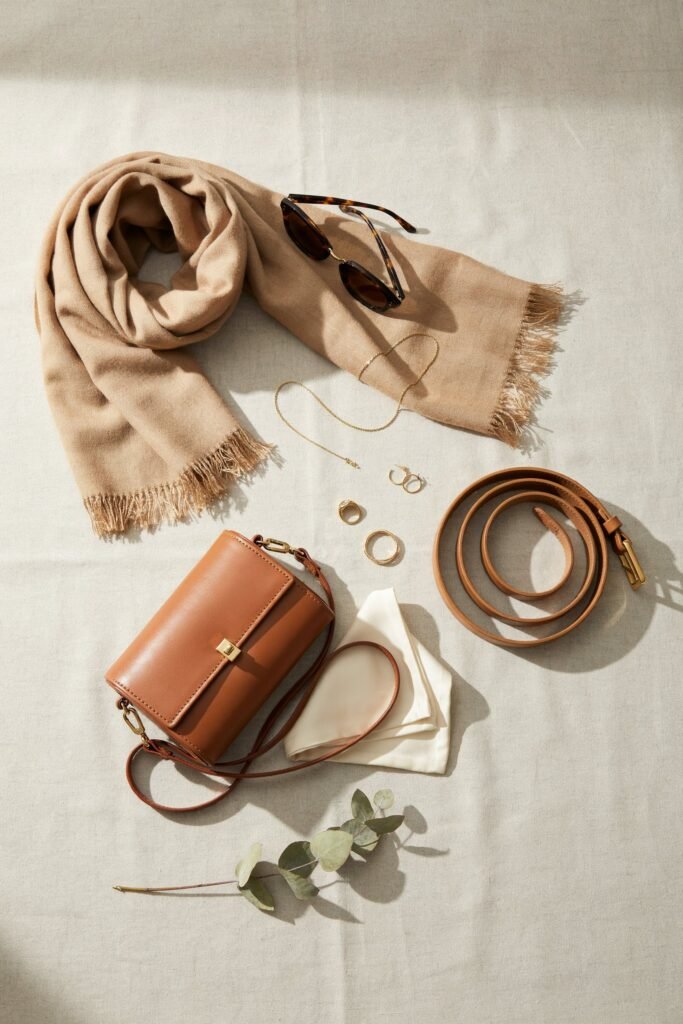
Accessories are one of my favorite ways to make a small wardrobe feel bigger.
Instead of packing more clothes, pack a few lightweight accessories.
Bring:
- 1–2 scarves
- Sunglasses
- Simple jewelry
- Crossbody bag
- Belt
- Warm hat
- Compact umbrella
- Hair accessories
A scarf is especially useful because it can completely change a basic outfit.
A black sweater and jeans can look completely different with a patterned scarf and gold jewelry.
Your Europe Fall Travel Bags
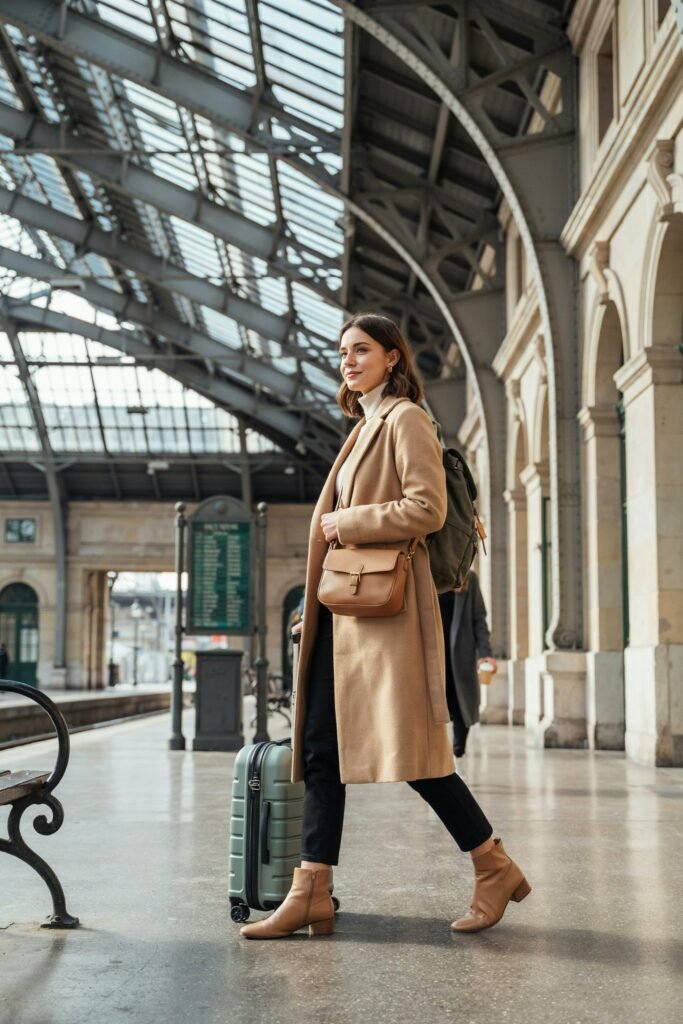
Your luggage setup matters just as much as what’s inside it.
For a 10-day trip, I’d recommend:
Main luggage
Choose either:
- Carry-on suitcase
- Carry-on backpack
- Small checked suitcase
If your itinerary includes several trains, I’d strongly consider a carry-on.
Dragging a giant suitcase over cobblestones, up stairs, through metro stations, and onto trains gets exhausting very quickly.
Personal item
A comfortable backpack or large tote can work as your personal item.
Use it for:
- Passport
- Wallet
- Phone
- Charger
- Headphones
- Snacks
- Water bottle
- Travel documents
- Medication
- Small toiletries
- Camera
How to Pack Your Carry-On Efficiently
The biggest trick isn’t squeezing everything into your suitcase.
It’s organizing your suitcase so everything is easy to find.
Packing cubes are extremely helpful.
You can organize your suitcase into categories such as:
Cube 1: Tops
Cube 2: Bottoms
Cube 3: Underwear and socks
Cube 4: Sleepwear and miscellaneous clothing
Then keep shoes along the edges of the suitcase.
Place heavier items toward the bottom near the wheels.
Rolling vs. Folding Clothes
Both methods can work.
For soft clothing such as:
- T-shirts
- Leggings
- Pajamas
- Thin tops
rolling can help you use your suitcase efficiently.
For structured items such as:
- Blazers
- Button-down shirts
- Dresses
- Coats
folding may help reduce wrinkles.
My favorite method is actually a combination of both.
Read 8 Of The Cheapest Cities You Must Visit In Europe (And Why They’re So Affordable!)
Don’t Pack for the Worst Possible Weather
This is a common packing trap.
You see that temperatures might drop, so you pack:
- Heavy coat
- Thick sweater
- Heavy boots
- Gloves
- Hat
- Scarf
- Thermal layers
- Multiple winter outfits
Then you arrive and discover that it’s 18°C and sunny.
Instead of packing for every possible weather scenario, check the forecast shortly before your trip and adjust.
Bring layers rather than an entire winter wardrobe.
Toiletries: Keep It Simple
Toiletries can quickly take over your suitcase.
You don’t need your entire bathroom.
Bring:
- Toothbrush
- Toothpaste
- Face cleanser
- Moisturizer
- Sunscreen
- Deodorant
- Shampoo
- Conditioner
- Body wash
- Hairbrush
- Hair ties
- Lip balm
- Makeup essentials
- Feminine hygiene products
- Small perfume
- Any personal medications
Use travel-sized containers when possible.
If you’re staying in hotels, check what toiletries they provide before packing.
Skincare for Fall Travel
Fall air can be cooler and drier, especially in northern Europe.
I’d make sure to pack:
- Moisturizer
- Lip balm
- Sunscreen
- Hydrating face mist if you use one
- Hand cream
And don’t skip sunscreen just because it’s fall.
You can still get significant UV exposure on sunny days.
Makeup: Bring Your Everyday Essentials
You don’t need a giant makeup bag.
For most European trips, I’d keep it simple:
- Concealer
- Foundation or tinted moisturizer
- Mascara
- Brow product
- Blush
- Lip color
- Small eyeshadow palette
- Makeup sponge or brushes
The goal is to look polished without carrying your entire beauty collection.
Electronics You Should Pack
Your electronics will depend on your personal needs, but most travelers should consider:
- Smartphone
- Phone charger
- Portable power bank
- European travel adapter
- Camera
- Camera charger
- Headphones
- Smartwatch charger
- E-reader or tablet if needed
Don’t Forget the Travel Adapter
European outlets aren’t necessarily the same as the outlets you’re used to at home.
Bring an appropriate travel adapter for the countries you’re visiting.
A universal travel adapter is especially convenient if you’re visiting several countries.
Documents and Important Travel Items
Keep important documents somewhere easily accessible.
Bring:
- Passport
- Visa or entry documents if required
- Travel insurance information
- Hotel confirmations
- Flight confirmations
- Train reservations
- Copies of important documents
- Emergency contact information
- Bank cards
- Some local currency
I also recommend keeping digital copies of important documents in a secure cloud account or on your phone.
Your Personal Item Should Contain These Essentials
Your personal bag should contain anything you might need during transit.
I would pack:
- Passport
- Wallet
- Phone
- Charger
- Power bank
- Headphones
- Small toiletries
- Medication
- Water bottle
- Snacks
- Sunglasses
- Hand sanitizer
- Tissues
- Small scarf
- Travel documents
- Pen
Keep these items together rather than putting them into your main suitcase.
What to Pack for Rainy European Fall Days
Rain can completely change your day.
That’s why I recommend keeping a small rain kit in your personal bag.
Rain kit:
- Compact umbrella
- Lightweight rain jacket
- Water-resistant shoes
- Small plastic or waterproof pouch
- Quick-drying socks
A waterproof phone pouch can also be useful if you’ll be walking around outside for long periods.
What Not to Pack for Europe in Fall
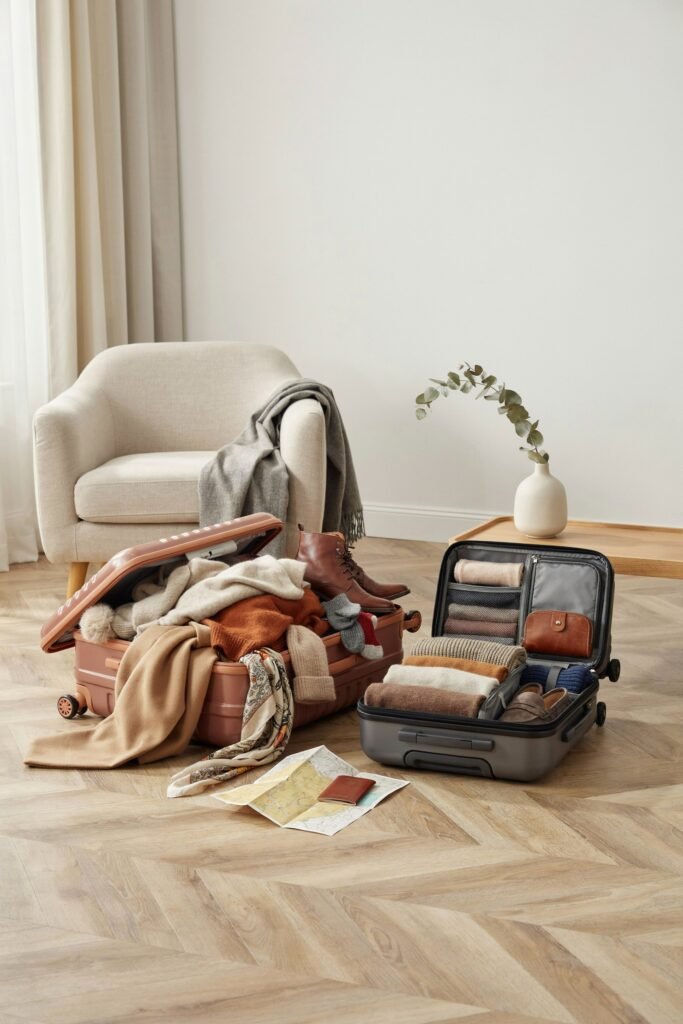
Sometimes the easiest way to pack better is to know what to leave behind.
Skip the following:
Too many shoes
Three pairs are more than enough for most trips.
Full-size toiletries
They take up too much space.
Every possible outfit
You will probably wear your favorite comfortable pieces repeatedly.
Heavy towels
Hotels and accommodations generally provide them.
Too many jeans
Jeans are bulky and slow to dry.
Uncomfortable shoes
Cute isn’t worth the blisters.
Excessive accessories
Choose a few pieces that work with multiple outfits.
“Just in case” clothing
If you keep saying, “I might wear this,” you probably won’t.
A Simple 10-Day Europe Fall Outfit Plan
Here’s an example of how you can turn a small capsule wardrobe into 10 different looks.
Day 1: Travel Day
- Comfortable jeans
- T-shirt
- Cardigan
- Sneakers
- Crossbody bag
Day 2: City Sightseeing
- Black trousers
- Long-sleeve top
- Sneakers
- Trench coat
- Scarf
Day 3: Café + Museum Day
- Midi skirt
- Sweater
- Ankle boots
- Crossbody bag
Day 4: Walking Tour
- Jeans
- T-shirt
- Lightweight jacket
- Sneakers
Day 5: Dinner Out
- Midi dress
- Ankle boots
- Blazer or jacket
- Jewelry
Day 6: Train Travel
- Comfortable trousers
- Basic top
- Oversized sweater
- Sneakers
Day 7: Exploring Another City
- Jeans
- Blouse
- Trench coat
- Ankle boots
Day 8: Cozy Fall Day
- Black trousers
- Sweater
- Scarf
- Sneakers
Day 9: Special Dinner
- Dress
- Jacket
- Ankle boots
- Simple jewelry
Day 10: Travel Home
- Comfortable pants
- T-shirt
- Cardigan
- Sneakers
Notice something?
You don’t need 10 pairs of pants or 10 sweaters.
You simply need pieces that work together.
How to Choose a Color Palette
If you want your travel photos to look cohesive, choose a simple color palette.
For example:
Base colors:
- Black
- Cream
- Beige
Accent colors:
- Burgundy
- Olive green
Now almost everything coordinates.
This makes getting dressed much easier because you don’t have to think about whether pieces match.
The 5-4-3-2-1 Packing Method
If you love simple packing systems, try this method:
5 Tops
Mix of T-shirts, long sleeves, and blouses.
4 Bottoms
Jeans, trousers, skirt, or relaxed pants.
3 Pairs of Shoes
Sneakers, boots, and one optional dressier pair.
2 Layers
Sweater/cardigan plus jacket.
1 Dress
A versatile dress for dinners or sightseeing.
This isn’t a strict rule, but it’s a fantastic starting point for a 10-day trip.
How to Do Laundry While Traveling
Doing laundry once during a 10-day trip can dramatically reduce how much you need to pack.
You don’t necessarily need to find a laundromat.
Depending on your accommodation, you may be able to hand wash lightweight pieces in your room.
Bring:
- Small laundry detergent sheets
- Travel laundry bag
- Sink stopper if necessary
- A few reusable clips
Wash lightweight clothing at night and hang it to dry.
Avoid relying on this method for heavy jeans or thick sweaters because they can take a long time to dry.
How to Stay Organized During a Multi-City Trip
If you’re visiting multiple destinations, don’t completely unpack every time you arrive at a hotel.
Instead, keep your clothing organized in packing cubes.
For example:
Cube 1: Tops
Cube 2: Bottoms
Cube 3: Underwear
Cube 4: Sleepwear
That way, you can pull out the cube you need without turning your entire suitcase upside down.
This small habit makes moving between European cities much less stressful.
What to Wear on European Trains
Train travel is one of the best parts of traveling around Europe, but you’ll want to dress comfortably.
Wear:
- Stretchy pants or comfortable trousers
- Soft T-shirt
- Cardigan or sweater
- Sneakers
- Light jacket
Keep your valuables close to you.
And make sure your personal bag is easy to access.
What to Wear to European Restaurants
You don’t need to bring a separate wardrobe for dinners.
A few small changes can make your daytime outfit feel more polished.
For example:
Day: Black trousers + T-shirt + sneakers
Night: Black trousers + blouse + ankle boots + jewelry
That’s one outfit doing double duty.
A scarf, earrings, lipstick, or a structured jacket can instantly make an outfit feel more dressed up.
How to Pack Jewelry Without Losing It
Jewelry can become tangled very quickly.
Keep it organized in a small jewelry case or pouch.
For delicate necklaces, you can thread them through a drinking straw before closing the clasp to help prevent tangling.
Keep valuable jewelry to a minimum.
Traveling with expensive pieces isn’t usually necessary.
How to Keep Your Clothes Fresh
After a long day of sightseeing, your clothes may need a little refresh.
A few useful items include:
- Small fabric refresher
- Travel deodorizer
- Laundry bag
- Dryer sheets
- Breathable packing cubes
Always separate dirty clothes from clean clothing.
A simple laundry bag can make a huge difference.
How to Pack for Different European Fall Destinations
Italy
Early fall can still be mild, especially in southern areas.
Pack:
- Lightweight tops
- Jeans
- Trousers
- Midi dress
- Cardigan
- Light jacket
- Comfortable walking shoes
- Ankle boots
France
You’ll want versatile layers.
Think:
- Blouses
- Sweaters
- Trousers
- Jeans
- Trench coat
- Comfortable flats or loafers
- Sneakers
Germany
Temperatures can become cooler.
Bring:
- Warm sweaters
- Long-sleeve tops
- Jeans
- Warm trousers
- Water-resistant jacket
- Comfortable boots
- Scarf
Switzerland
If you’re visiting mountain areas, prepare for significantly colder weather.
Consider:
- Thermal layers
- Warm sweater
- Insulated jacket
- Waterproof shoes
- Warm socks
- Hat
- Gloves
Spain and Portugal
Early fall can remain relatively warm.
Focus on:
- Lightweight tops
- Dresses
- Skirts
- Comfortable pants
- Light cardigan
- Lightweight jacket
Always check the forecast for your exact destinations before finalizing your suitcase.
Important Money and Security Items
European travel is generally straightforward, but crowded tourist areas can attract pickpockets.
I recommend carrying your money and cards securely.
Consider:
- RFID wallet
- Crossbody bag
- Small passport pouch
- Backup bank card
- Small amount of emergency cash
Don’t keep all of your cards and cash in the same place.
Health and Comfort Items
Your comfort matters just as much as your outfits.
Pack any personal medication you regularly need, plus a few basic travel items.
You may also want:
- Pain reliever
- Bandages
- Blister patches
- Hand sanitizer
- Tissues
- Reusable water bottle
- Travel-size first-aid supplies
Blister patches are particularly useful when you’re walking several miles every day.
The Ultimate 10-Day Europe Fall Packing List
Clothing
- 5–7 tops
- 3–4 bottoms
- 1–2 dresses
- 2 sweaters
- 1 cardigan
- 1 jacket
- 1 rain layer
- 7–8 pairs of underwear
- 5–7 pairs of socks
- 2 bras
- 1–2 pajama sets
- 1 pair of comfortable lounge pants
- Optional thermal layers
Shoes
- Comfortable walking sneakers
- Ankle boots
- Optional dressier shoes
Accessories
- Scarf
- Sunglasses
- Simple jewelry
- Belt
- Hat
- Compact umbrella
- Hair accessories
Toiletries
- Toothbrush
- Toothpaste
- Face wash
- Moisturizer
- Sunscreen
- Deodorant
- Shampoo
- Conditioner
- Body wash
- Hairbrush
- Makeup
- Lip balm
- Personal hygiene products
Electronics
- Phone
- Phone charger
- Travel adapter
- Power bank
- Headphones
- Camera
- Camera charger
- Other essential device chargers
Travel Documents
- Passport
- Visa documents if applicable
- Travel insurance
- Hotel reservations
- Transportation confirmations
- Bank cards
- Emergency contacts
- Copies of important documents
My Favorite Space-Saving Packing Tips
Wear Your Bulkiest Clothes on the Plane
If you’re bringing boots, a heavy sweater, or a jacket, wear them while traveling.
Your suitcase will thank you.
Use Packing Cubes
They make organizing your suitcase much easier.
Choose Multi-Purpose Clothing
Every piece should ideally work with at least two or three other pieces.
Pack Neutral Shoes
They work with more outfits.
Don’t Bring Your Entire Beauty Routine
Bring the products you actually use every day.
Leave a Little Extra Space
You may want to bring home souvenirs.
A suitcase packed to its absolute limit on day one can become a nightmare on day ten.
What I Would Personally Pack
If I were heading out for 10 days in Europe during fall, my suitcase would look something like this:
Clothes:
- 2 T-shirts
- 1 long-sleeve top
- 1 blouse
- 2 sweaters
- 1 cardigan
- 1 pair of jeans
- 1 pair of black trousers
- 1 pair of relaxed pants
- 1 midi skirt
- 1 versatile dress
- 1 trench coat
- 7–8 underwear
- 5–7 socks
- 2 bras
- 1 pajama set
Shoes:
- Walking sneakers
- Ankle boots
- Comfortable flats
Accessories:
- Scarf
- Sunglasses
- Simple jewelry
- Belt
- Small umbrella
Travel essentials:
- Passport
- Wallet
- Phone
- Chargers
- Power bank
- Travel adapter
- Toiletries
- Medication
- Travel documents
That’s plenty for 10 days.
Final Tips Before You Zip Your Suitcase
Before leaving home, lay everything out on your bed.
Then ask yourself three questions:
Can I wear this with at least two other pieces?
Would I actually wear this while traveling?
Do I really need it?
If the answer is no, leave it behind.
You don’t need to pack for every imaginary situation.
You need to pack for the trip you’re actually taking.
And remember, fall in Europe is all about layering. A simple wardrobe of comfortable basics can take you from a chilly morning train ride to an afternoon museum visit and then straight to dinner.
The best part about packing light isn’t just having a lighter suitcase.
It’s having less to worry about.
You can move through train stations more easily, climb those inevitable stairs without fighting a massive suitcase, get ready faster in the morning, and spend more time enjoying your trip instead of wondering where you packed your favorite sweater.
Final 10-Day Europe Fall Packing Checklist
Before you close your suitcase, make sure you have:
- Passport and required travel documents
- Travel insurance information
- Bank cards and emergency cash
- Phone and charger
- European travel adapter
- Portable power bank
- Comfortable walking sneakers
- Ankle boots
- 5–7 versatile tops
- 3–4 bottoms
- 1–2 dresses
- 2 sweaters
- Lightweight jacket
- Rain jacket or compact umbrella
- Underwear and socks
- Pajamas
- Toiletries
- Skincare
- Sunscreen
- Makeup essentials
- Personal medications
- Scarf
- Sunglasses
- Small crossbody bag
- Laundry bag
- Packing cubes
- Travel documents and reservations
The Bottom Line
Packing for 10 days in Europe during fall doesn’t have to mean choosing between looking stylish and traveling comfortably.
With a little planning, you can create a small capsule wardrobe that gives you plenty of outfit combinations while keeping your luggage manageable.
Most importantly, don’t forget that your suitcase is there to serve your trip—not the other way around.
Pack less, wear what you love, leave room for a few memories, and enjoy every beautiful café, cobblestone street, train ride, museum, and autumn afternoon Europe has waiting for you.