
There is something so special about finding a beautiful hiking trail that doesn’t require hours of climbing or exhausting effort to enjoy the scenery.
Some of my favorite travel experiences are the ones where I can take my time, enjoy the fresh air, stop for photographs, and still reach a breathtaking viewpoint without feeling completely worn out.
Luckily, the USA is full of incredible hiking trails that offer exactly that.
From peaceful lakes and dramatic mountain scenery to waterfalls and coastal overlooks, these easy hikes prove that you don’t have to be an experienced hiker to enjoy the outdoors.
In this guide, I’m sharing 15 beautiful trails worth adding to your travel bucket list.
1. Emerald Lake Trail – Rocky Mountain National Park, Colorado
- Distance: Approximately 3.2 miles round trip
- Difficulty: Easy to moderate
- Best time to visit: June through September
- Highlights: Alpine lakes, towering mountains, and beautiful forest scenery.
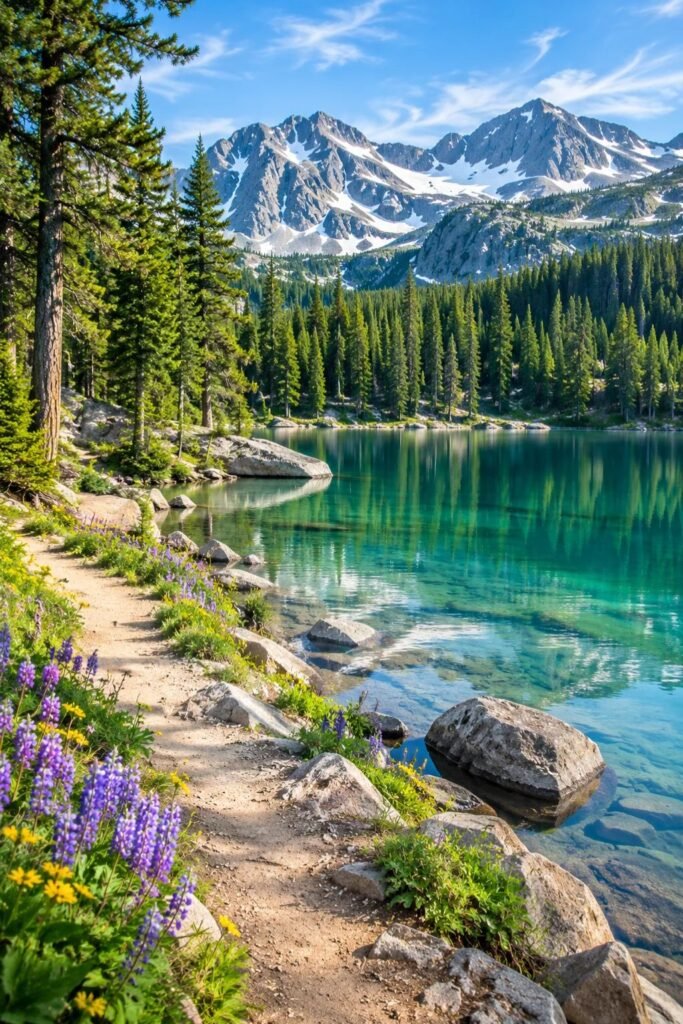
If you’re dreaming of a hike with postcard-worthy mountain views, the Emerald Lake Trail in Rocky Mountain National Park deserves a place on your list.
This popular trail takes you through beautiful pine forests, past Nymph Lake and Dream Lake, before reaching the stunning Emerald Lake.
What makes this hike so special is that you get several beautiful viewpoints along the way rather than having to wait until the very end.
The surrounding mountains create a dramatic backdrop, and the water is especially beautiful on calm mornings when the peaks reflect across the lake.
What to know before you go: Start early to enjoy quieter trails and better parking opportunities.
Rocky Mountain National Park has timed-entry requirements during certain seasons, so check the official park website before your visit. The trail also gains elevation, so take your time if you’re not accustomed to hiking at altitude.
2. Hidden Falls Trail – Grand Teton National Park, Wyoming
- Distance: Approximately 1 mile round trip from the shuttle landing
- Difficulty: Easy to moderate
- Best time to visit: June through September
- Highlights: Beautiful waterfall, mountain scenery, and peaceful forest surroundings.
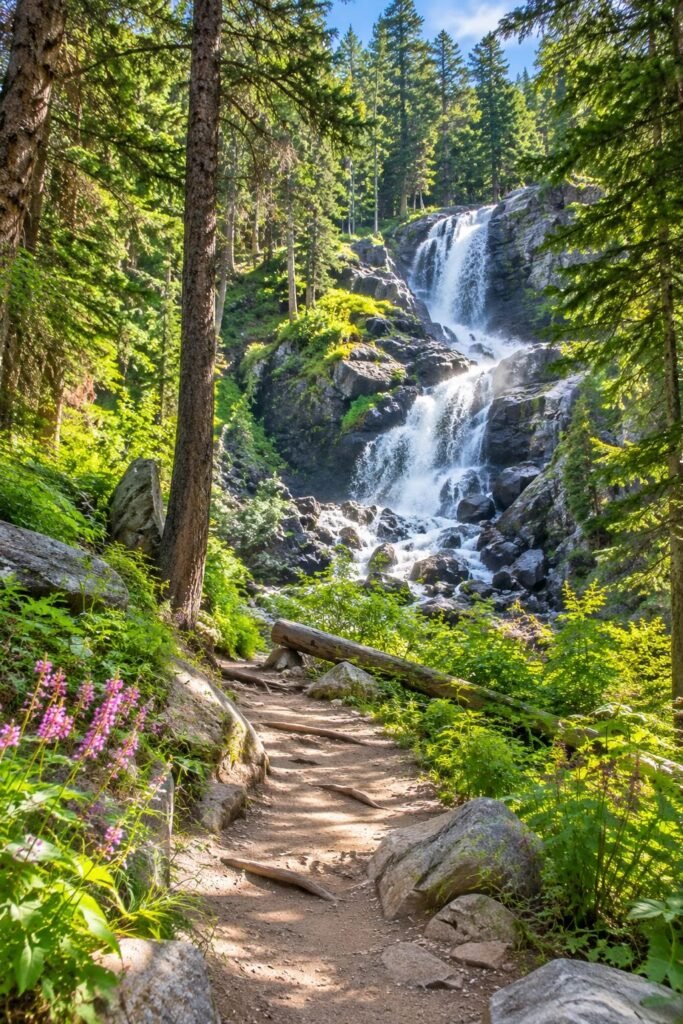
Hidden Falls is one of the most rewarding short hikes in Grand Teton National Park. Located near Jenny Lake, this trail leads through a lovely forested area to a beautiful waterfall surrounded by rocks and greenery.
The sound of rushing water makes the experience even more enjoyable, especially during warmer months when the waterfall is flowing strongly.
I love that this hike combines two beautiful experiences: walking beside one of the park’s prettiest lakes and discovering a waterfall tucked away in the forest.
You can reach the trailhead by taking the Jenny Lake boat shuttle during its operating season, which makes the walk considerably shorter. If you prefer to hike the entire way around the lake, expect a longer outing.
What to know before you go: The trail has some rocky and uneven sections, so comfortable hiking shoes are important. Boat shuttle operations are seasonal, and the area can get busy during summer.
Check current shuttle schedules before planning your visit.
Read Easy Hikes With Amazing Views: My Favorite Trails That Prove You Don’t Need to Suffer for Beauty
3. Skyline Trail – Mount Rainier National Park, Washington
- Distance: Choose a short section or complete the approximately 5.5-mile loop
- Difficulty: Easy for the lower viewpoint walks; moderate to strenuous for the full loop
- Best time to visit: July through September
- Highlights: Wildflower meadows, waterfalls, and Mount Rainier views.
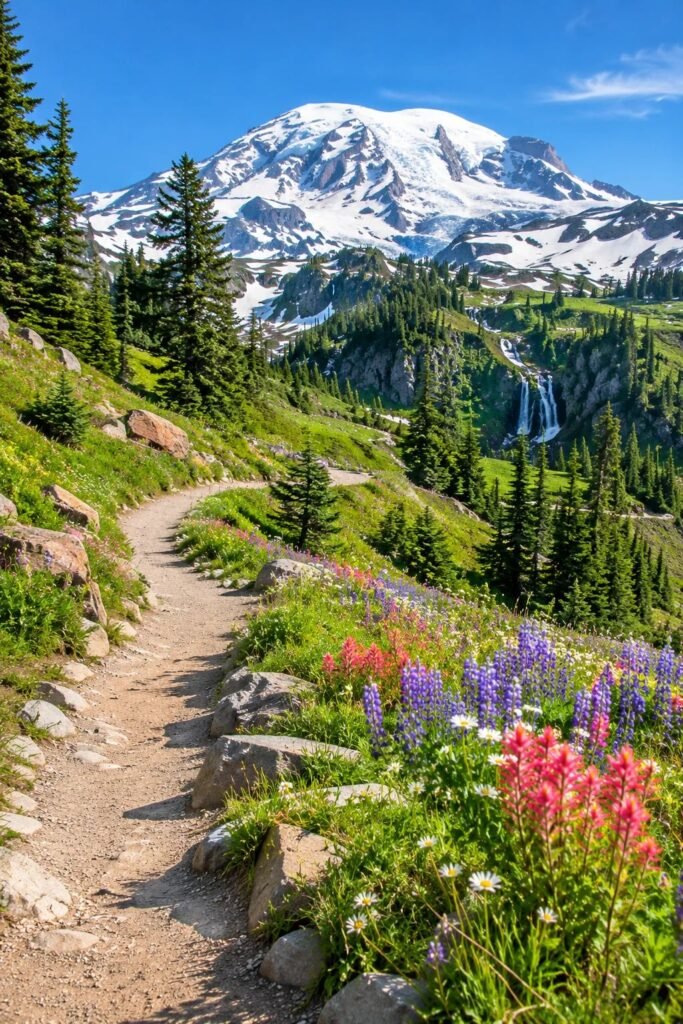
If incredible mountain scenery is what you’re looking for, the Skyline Trail in Mount Rainier National Park is absolutely beautiful.
The trail begins at Paradise, an area famous for its spectacular mountain views and colorful summer wildflowers.
One of the most rewarding stops is Myrtle Falls, where water cascades down a rocky landscape with Mount Rainier rising dramatically in the background.
You don’t have to complete the entire Skyline Loop to enjoy the scenery.
You can take a shorter walk toward the waterfall and nearby viewpoints, making this a wonderful option for visitors who want a beautiful outdoor experience without committing to a long hike.
What to know before you go: Snow can remain on the trails well into summer, and weather conditions can change quickly. Wear layers, check trail conditions, and don’t attempt the full loop simply because the shorter section feels manageable.
4. Lower Yosemite Falls Trail – Yosemite National Park, California
- Distance: Approximately 1 mile loop
- Difficulty: Easy
- Best time to visit: April through June for stronger waterfall flow
- Highlights: One of North America’s tallest waterfalls, forest scenery, and dramatic granite cliffs.
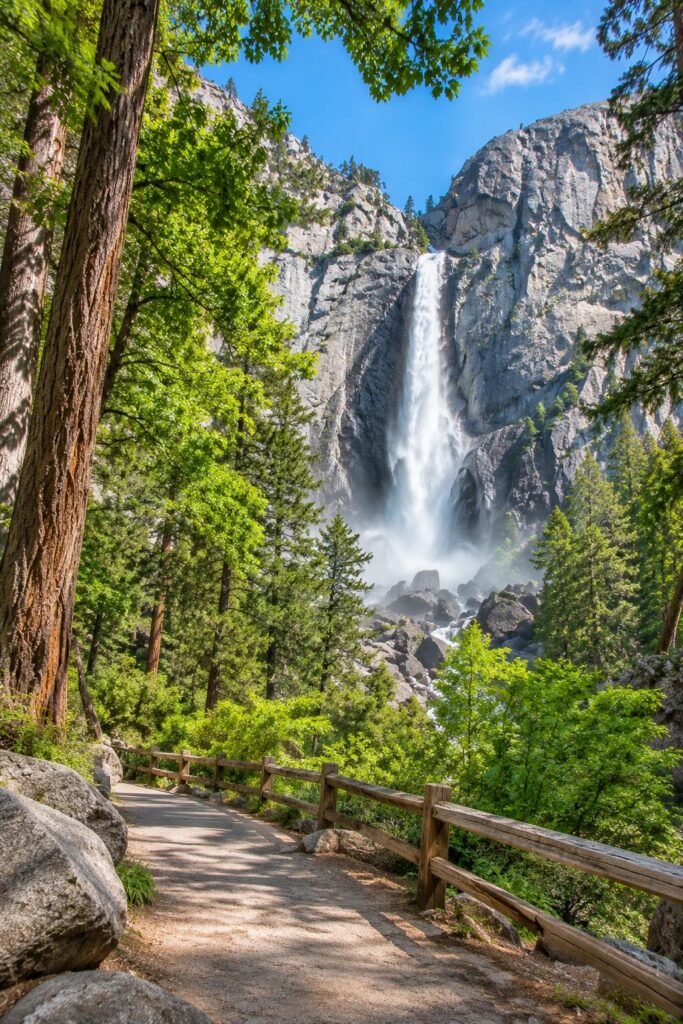
The Lower Yosemite Falls Trail is one of the easiest ways to experience the beauty of Yosemite National Park.
This short walking loop takes you through a beautiful forest setting toward the base of Yosemite Falls. As you approach the waterfall, you’ll hear the rushing water before you even see it.
The sight of the enormous waterfall dropping down the granite cliffs is something that makes this walk worthwhile.
Spring is particularly beautiful because melting snow often creates a stronger waterfall. During summer, the flow can become much weaker, so visiting earlier in the season is a great idea if seeing the waterfall at its fullest is important to you.
What to know before you go: The trail is mostly flat and suitable for beginners, although some areas can become wet from waterfall spray.
Wear shoes with good grip and bring a light rain jacket if you’re visiting during peak flow. The National Park Service lists this as an easy one-mile loop with approximately 50 feet of elevation gain.
5. Bear Lake Loop – Rocky Mountain National Park, Colorado
- Distance: Approximately 0.6 miles
- Difficulty: Easy
- Best time to visit: June through October
- Highlights: Mountain reflections, evergreen forests, and peaceful lake scenery.
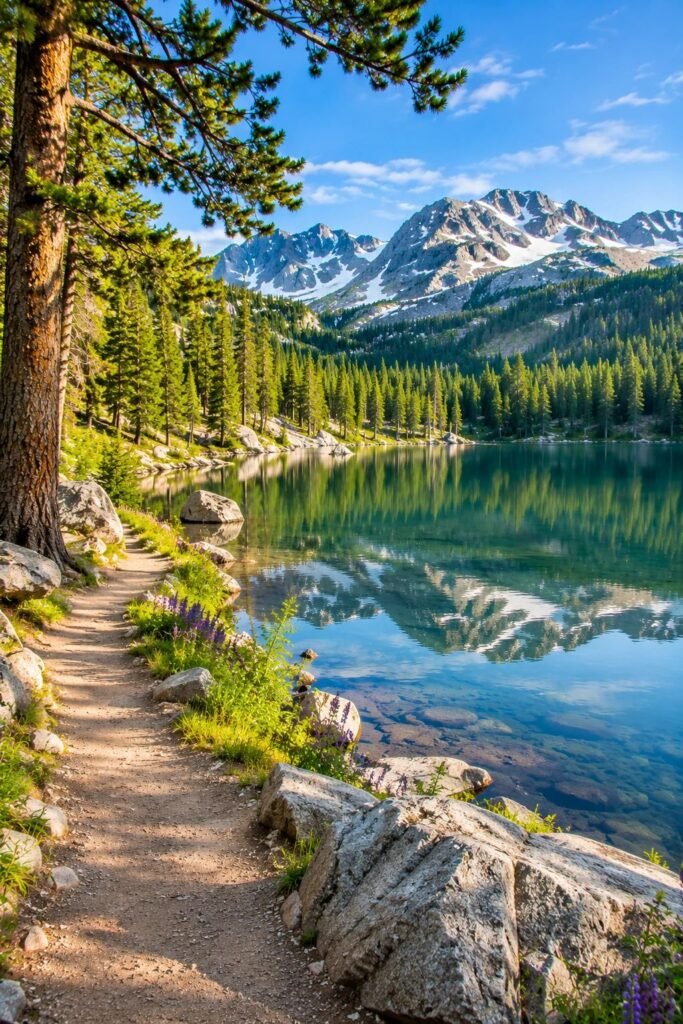
Not every memorable hike needs to involve a long walk. The Bear Lake Loop is proof that a short trail can deliver some of the most beautiful scenery in the country.
Located inside Rocky Mountain National Park, this lovely loop circles Bear Lake, giving visitors beautiful views of the surrounding mountains and forests.
The trail is relatively short, making it a wonderful choice for families, beginners, and travelers who want to enjoy nature without spending their entire day hiking.
One of the best times to visit is early in the morning when the lake is calm and the mountains reflect beautifully in the water. It’s also a lovely place to stop, take photographs, and enjoy a peaceful moment surrounded by nature.
What to know before you go: The trail can be busy, particularly during summer and fall. Parking is limited, so check the park’s transportation and timed-entry information before arriving. Some sections may be icy during winter.
Read How to Plan Your Food for Hiking (The Complete Guide for Smart, Stress-Free Adventures)
6. Inspiration Point – Grand Teton National Park, Wyoming
- Distance: Approximately 2 miles round trip from the boat landing
- Difficulty: Moderate
- Best time to visit: June through September
- Highlights: Jenny Lake, mountain panoramas, and beautiful forest scenery.
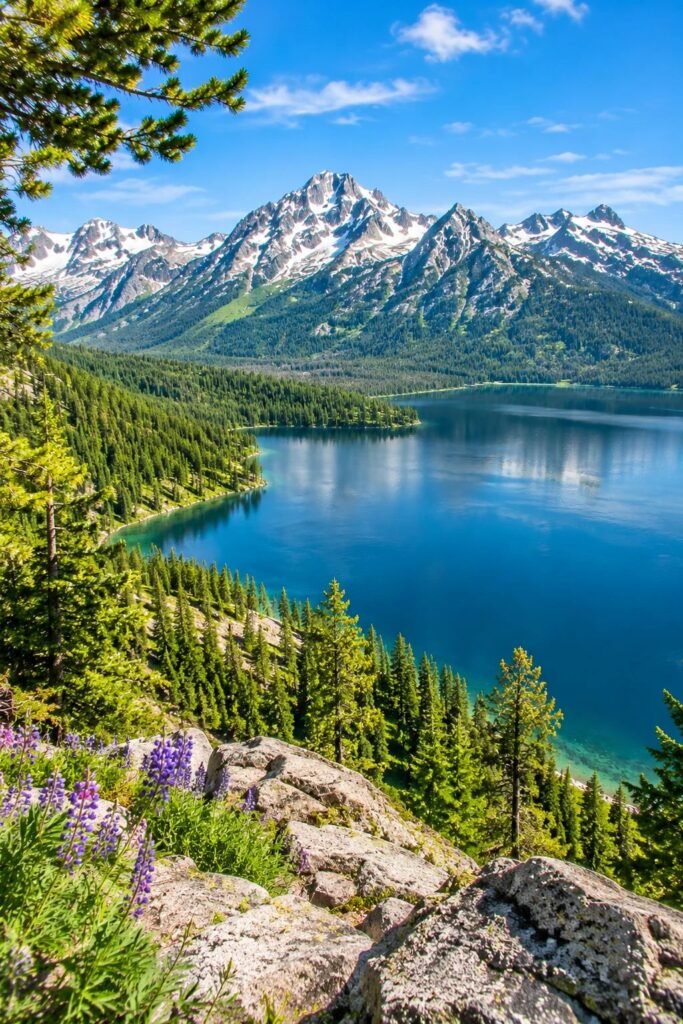
Inspiration Point is one of the most rewarding viewpoints in Grand Teton National Park. The hike takes you above Jenny Lake, where you’ll enjoy beautiful views of the surrounding mountains and sparkling blue water.
The trail is especially popular because you can combine it with the Hidden Falls hike. This gives you the opportunity to see a waterfall before continuing toward the viewpoint.
Although the trail is relatively short, there are some rocky and uphill sections, so I would recommend taking your time. Once you reach Inspiration Point, the scenery makes the effort worthwhile.
What to know before you go: If you’re using the Jenny Lake boat shuttle, check its operating schedule beforehand. The trail can be slippery in places, particularly after rain, so proper footwear is essential.
7. Mossy Cave Trail – Bryce Canyon National Park, Utah
- Distance: Approximately 0.8 miles round trip
- Difficulty: Easy
- Best time to visit: April through October
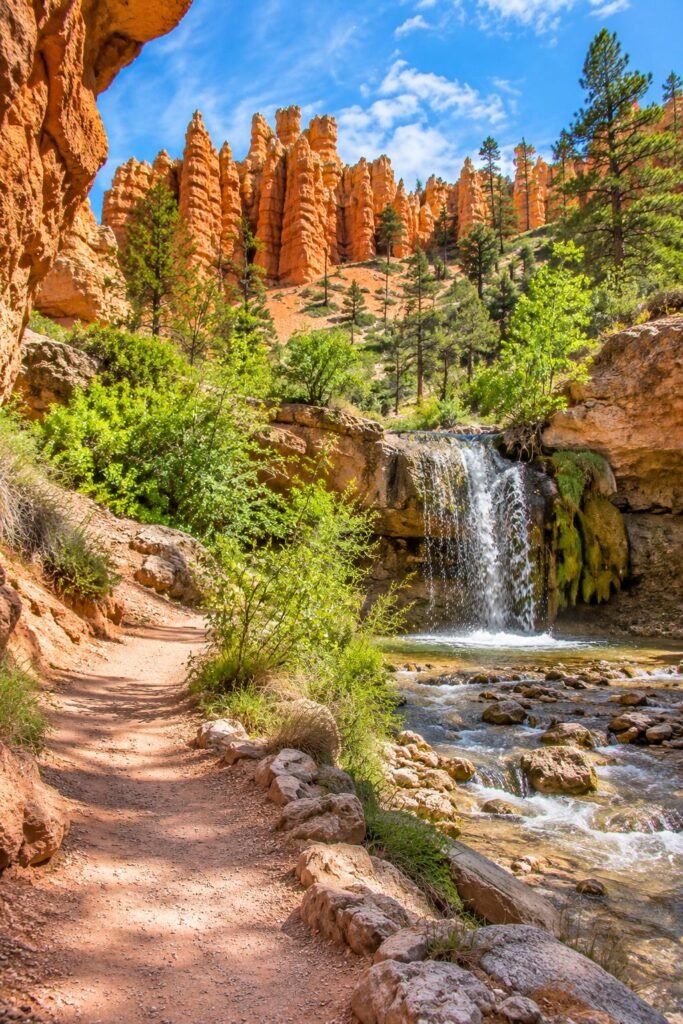
- Highlights: Red rock formations, a small waterfall, and a moss-covered grotto.
If you love unusual landscapes, Mossy Cave Trail is a wonderful little adventure in Bryce Canyon National Park.
Unlike some of the park’s more demanding canyon hikes, this short trail follows a stream through a beautiful red-rock landscape. Along the way, you’ll encounter interesting rock formations, flowing water, and a sheltered overhang known as Mossy Cave.
The scenery is quite different from what you might expect when visiting a desert landscape. During warmer months, moss and greenery add color to the grotto, while winter can bring beautiful icicles.
What to know before you go: The trail is short, but it has some uneven surfaces and a small elevation change.
Visit early in the morning or later in the afternoon to avoid the busiest hours. The National Park Service recommends avoiding the crowded middle-of-the-day period at this popular trail.
8. Trail of the Cedars – Glacier National Park, Montana
- Distance: Approximately 1 mile loop
- Difficulty: Easy
- Best time to visit: June through September
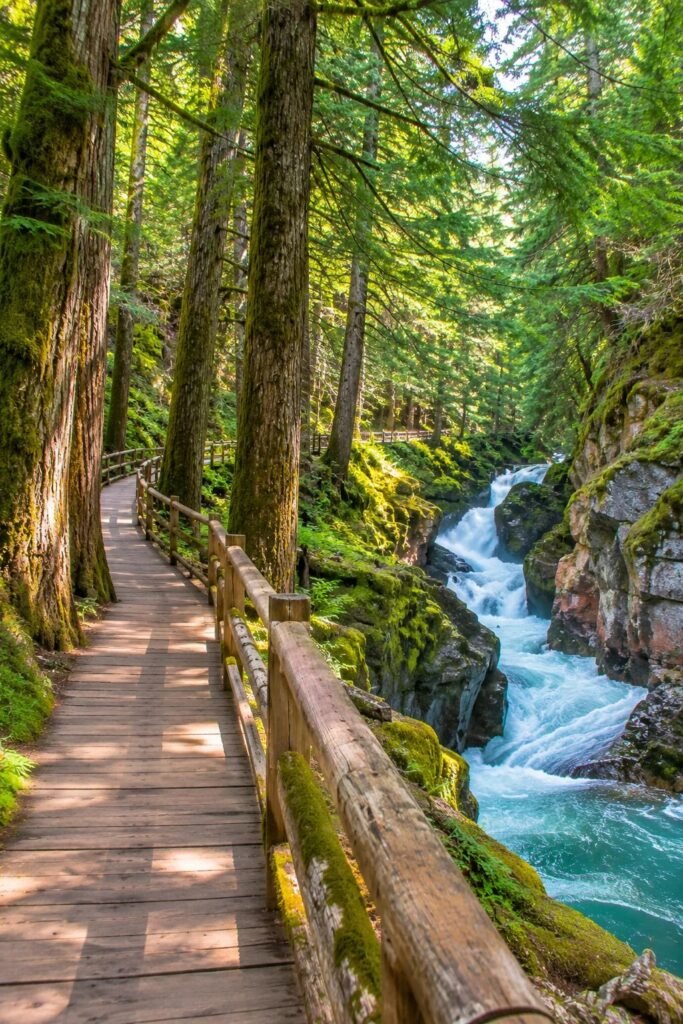
- Highlights: Ancient cedar trees, forest scenery, and Avalanche Gorge.
Trail of the Cedars is one of the prettiest easy walks in Glacier National Park.
The trail takes you through a peaceful forest filled with enormous cedar and hemlock trees. Wooden boardwalks and well-maintained paths make the experience comfortable for visitors who don’t want a challenging mountain hike.
One of the highlights is Avalanche Gorge, where clear water rushes through a narrow rocky channel. The beautiful blue-green water, moss-covered rocks, and towering trees make this a wonderful place for nature photography.
What to know before you go: This trail is a great option for families and first-time visitors. It is also an excellent choice when you want a relaxing walk between longer outdoor activities.
Check current road access, park entry requirements, and trail conditions before visiting.
9. Mesa Arch Trail – Canyonlands National Park, Utah
- Distance: Approximately 0.7 miles round trip
- Difficulty: Easy
- Best time to visit: March through May and September through November
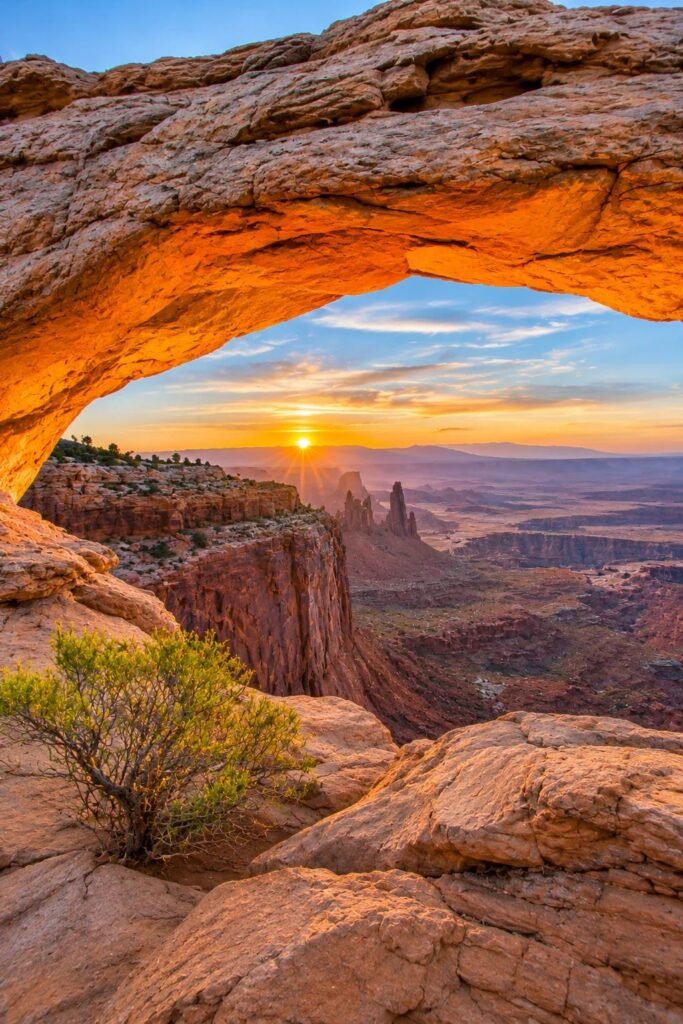
- Highlights: Natural sandstone arch, canyon views, and beautiful sunrise scenery.
Mesa Arch is one of the most recognizable natural landmarks in Utah, and the short hike to reach it is well worth adding to your bucket list.
Located in the Island in the Sky district of Canyonlands National Park, this trail takes you across a relatively short desert path before opening up to an incredible sandstone arch overlooking a vast canyon landscape.
The view is particularly magical at sunrise. As the first light reaches the arch, the sandstone can glow with warm orange and golden colors, creating a beautiful contrast against the distant canyons.
I would recommend bringing your camera because this is one of those places where you’ll probably want to stop and take photographs from several angles.
What to know before you go: Arrive early if you want to experience sunrise, as this is a popular photography location.
The path is rocky and uneven in places, so comfortable walking shoes are recommended. Stay behind the designated safety areas because the arch overlooks a steep drop.
10. La Jolla Cove Coastal Walk – San Diego, California
- Distance: Approximately 1–2 miles, depending on your route
- Difficulty: Easy
- Best time to visit: March through October
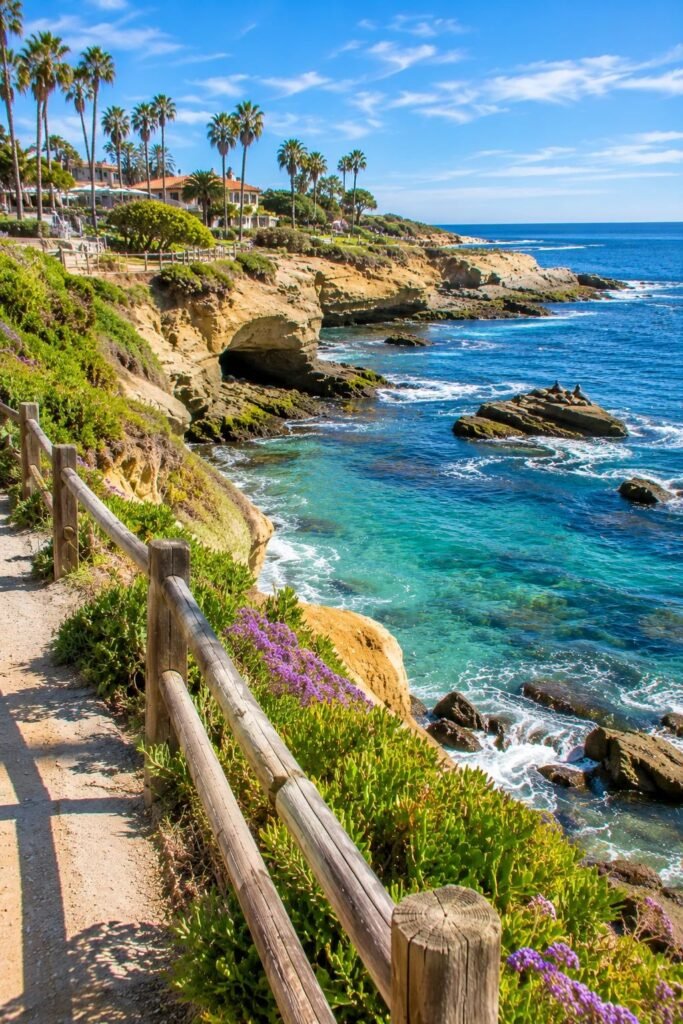
- Highlights: Ocean views, rocky coastline, sea lions, and beautiful coastal scenery.
If you prefer ocean views to mountain landscapes, the coastal walk around La Jolla Cove is a beautiful option.
This scenic coastal area offers incredible views of the Pacific Ocean, rocky cliffs, and clear blue water. You can enjoy a leisurely walk along the shoreline, stop at different viewpoints, and watch sea lions resting on the rocks.
One of the things I love about coastal walks is how relaxing they feel. You can enjoy the fresh ocean breeze, listen to the waves, and take plenty of photographs without needing to tackle a steep mountain trail.
There are several paths and sidewalks around the cove, so you can choose how long you want your walk to be.
What to know before you go: Some areas have stairs, uneven surfaces, or steep access down toward the water. You don’t need to descend to the beach to enjoy the scenery. Keep a safe distance from wildlife, and never approach or feed sea lions.
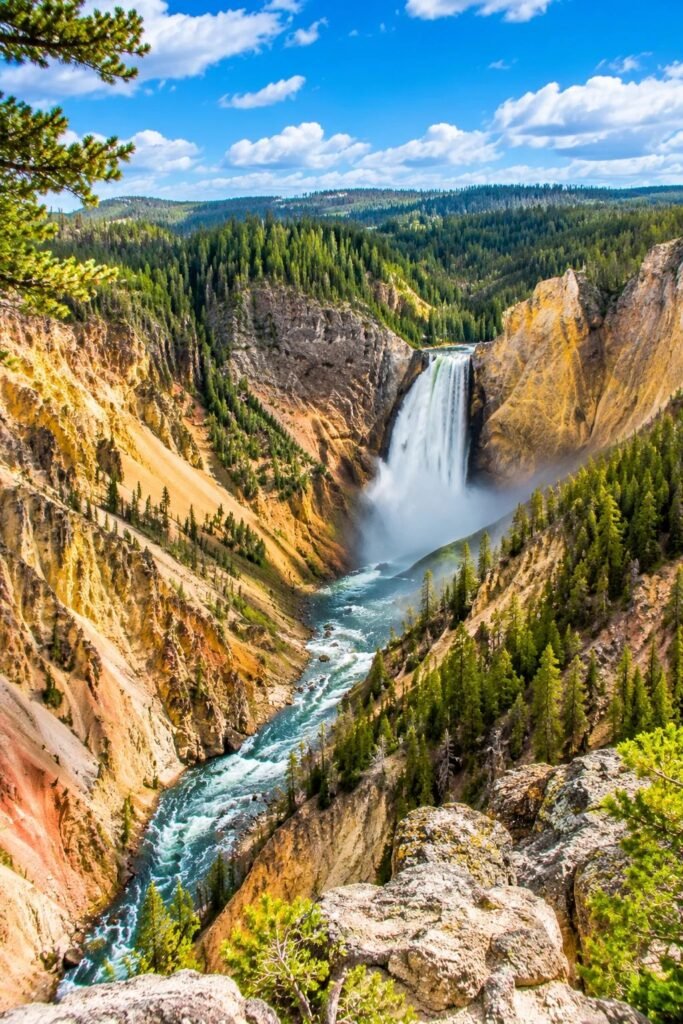
11. Artist Point Trail – Yellowstone National Park, Wyoming
- Distance: Approximately 0.1–0.2 miles from the parking area to the viewpoint
- Difficulty: Easy
- Best time to visit: May through October, depending on road access
- Highlights: Grand Canyon of the Yellowstone, Lower Falls, and colorful canyon walls.
Sometimes the most beautiful hiking experiences come from taking a short walk to a spectacular viewpoint. Artist Point in Yellowstone National Park is a perfect example.
This famous overlook provides breathtaking views of the Grand Canyon of the Yellowstone and the impressive Lower Falls.
The canyon walls feature beautiful shades of yellow, orange, and brown, while the rushing river creates a dramatic contrast against the colorful landscape.
The walk from the parking area is short, making this an excellent stop for beginners, families, and travelers exploring Yellowstone by car.
I recommend visiting in the morning when the scenery feels especially peaceful. You can spend time enjoying the view, taking photographs, and exploring other nearby overlooks.
What to know before you go: Artist Point is a viewpoint rather than a long hiking trail. Some nearby paths have stairs or uneven surfaces, so stay on marked walkways. Yellowstone roads and viewpoints can close seasonally because of snow and weather.
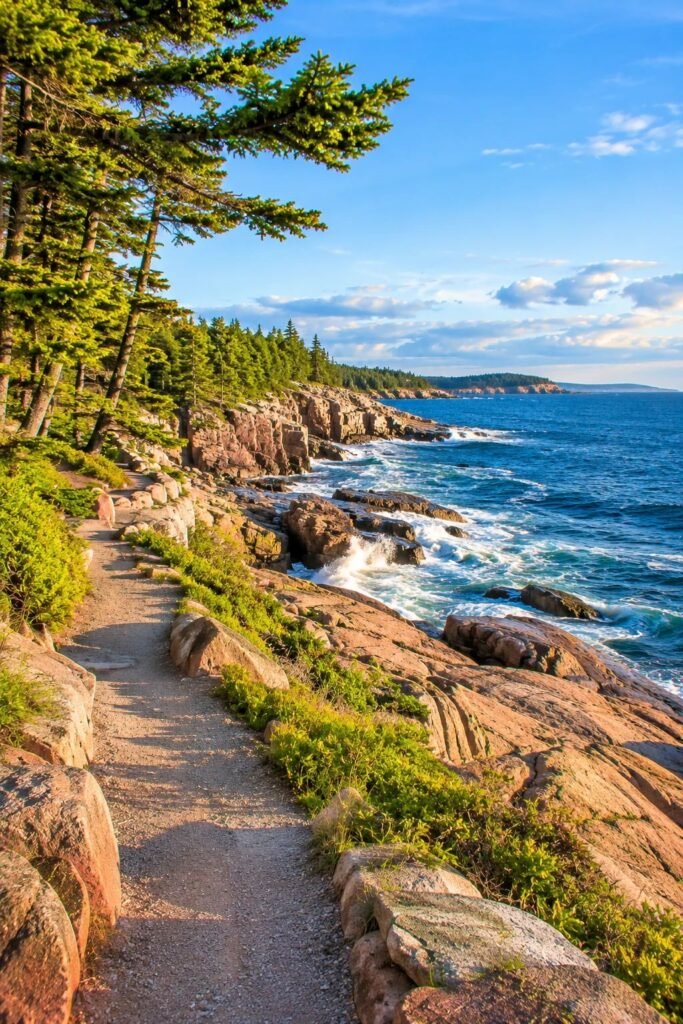
12. Ocean Path – Acadia National Park, Maine
- Distance: Approximately 4.4 miles round trip if walking the full route
- Difficulty: Easy to moderate
- Best time to visit: May through October
- Highlights: Atlantic Ocean views, rocky cliffs, Thunder Hole, and beautiful coastal scenery.
The Ocean Path in Acadia National Park is one of the most beautiful coastal walks in the country.
This scenic route follows the coastline between Sand Beach and Otter Point, offering incredible views of the Atlantic Ocean. Along the way, you’ll discover rocky shorelines, dramatic cliffs, and several wonderful places to stop and admire the scenery.
One of the most interesting stops is Thunder Hole, a natural rock formation where incoming waves can create a loud crashing sound as water rushes into a narrow opening.
You don’t have to complete the entire route to enjoy the experience. You can choose a shorter section, spend time at the viewpoints, and turn around whenever you’re ready.
What to know before you go: The full route is longer than some beginner-friendly walks, but you can easily customize your distance. Wear shoes with good traction because coastal rocks can be slippery.
Never stand too close to the ocean during rough conditions.
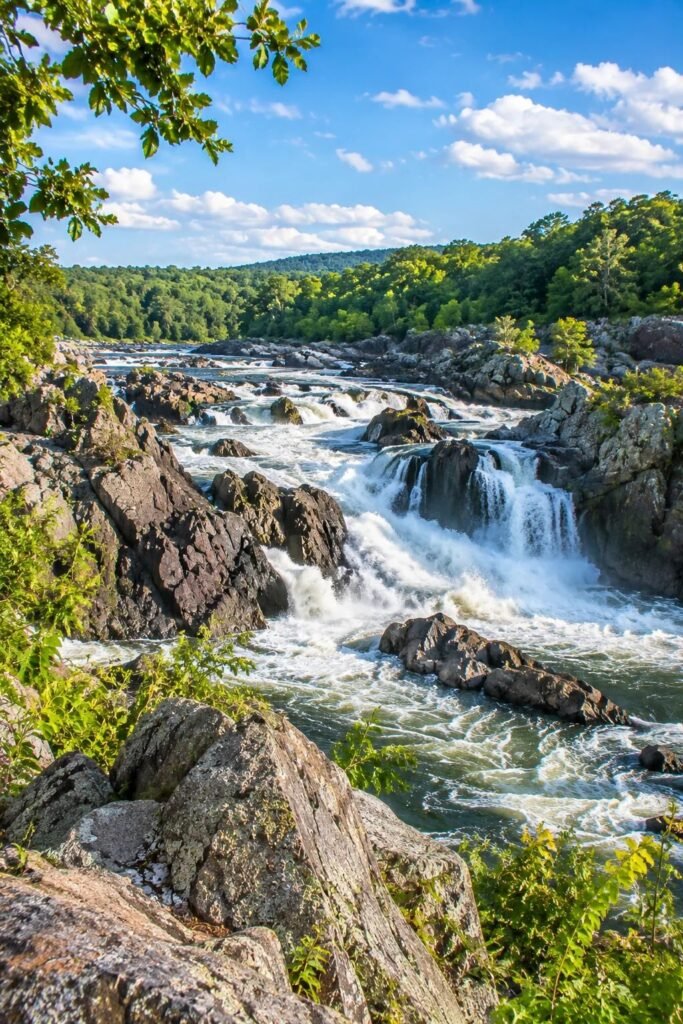
13. Great Falls Overlook Walk – Great Falls Park, Virginia
- Distance: Short walks from the visitor area to the overlooks
- Difficulty: Easy on the designated overlook paths
- Best time to visit: March through October
- Highlights: Powerful waterfalls, rocky river scenery, and beautiful gorge views.
If you are visiting Virginia or planning a trip around Washington, D.C., make time for Great Falls Park.
The park is famous for its dramatic views of the Potomac River as it rushes through the narrow Mather Gorge.
The waterfalls and powerful rapids create an incredible landscape that feels surprisingly wild despite being relatively close to a major metropolitan area.
Several designated overlooks provide wonderful views without requiring a long hike. You can enjoy the scenery, walk between viewing areas, and spend time photographing the river from different angles.
This is a particularly good option for travelers who want to enjoy nature without committing to a full-day hiking adventure.
What to know before you go: Stay behind safety barriers because the rocks near the river can be extremely dangerous.
Avoid climbing onto wet rocks, and remember that the water currents are powerful. Park admission fees apply, and the park can become busy on weekends.
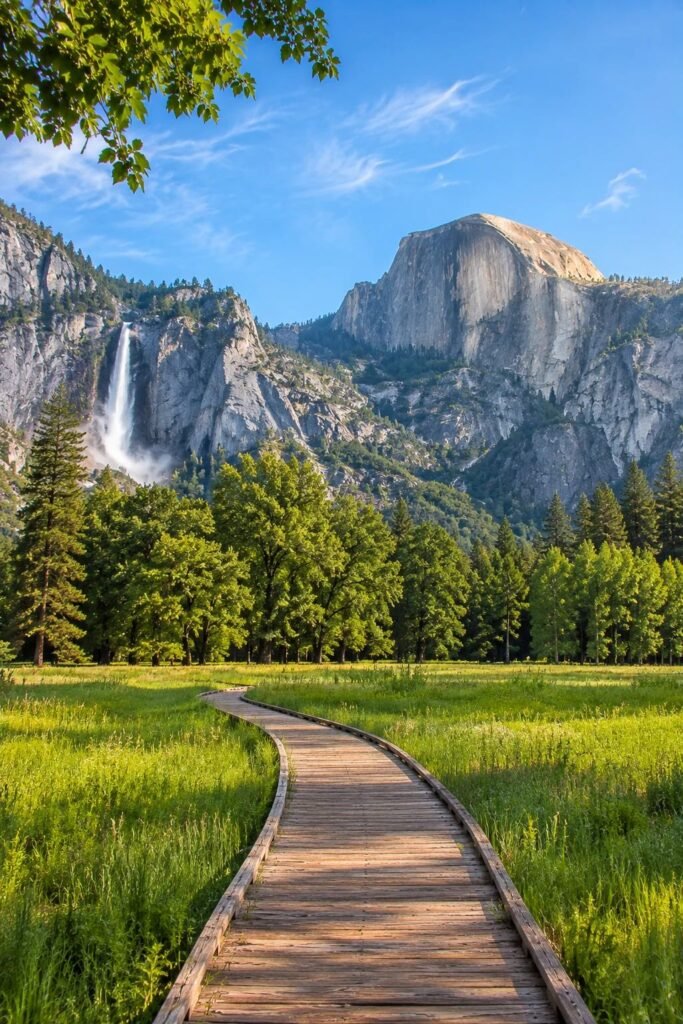
14. Cook’s Meadow Loop – Yosemite National Park, California
- Distance: Approximately 1 mile loop
- Difficulty: Easy
- Best time to visit: April through October
- Highlights: Yosemite Falls, Half Dome views, open meadows, and beautiful mountain scenery.
Cook’s Meadow Loop is another wonderful beginner-friendly hike in Yosemite National Park. If you want to experience the park’s famous scenery without tackling a steep trail, this short walk is a fantastic choice.
The path takes you through an open meadow with spectacular views of Yosemite’s granite cliffs, surrounding mountains, and Yosemite Falls.
Wooden boardwalk sections help protect the meadow while giving visitors a comfortable place to walk and enjoy the scenery.
What makes this trail special is the variety of views you get within such a short distance. You can enjoy the open landscape, watch the changing light across the mountains, and take beautiful photographs without spending hours on the trail.
What to know before you go: This is a relatively flat walk, making it a lovely option for families and beginners.
Spring and early summer are especially beautiful when the meadow is greener and waterfalls are flowing strongly. Stay on designated paths to protect the delicate meadow vegetation.
15. Sunset Point to Sunrise Point Rim Trail – Bryce Canyon National Park, Utah
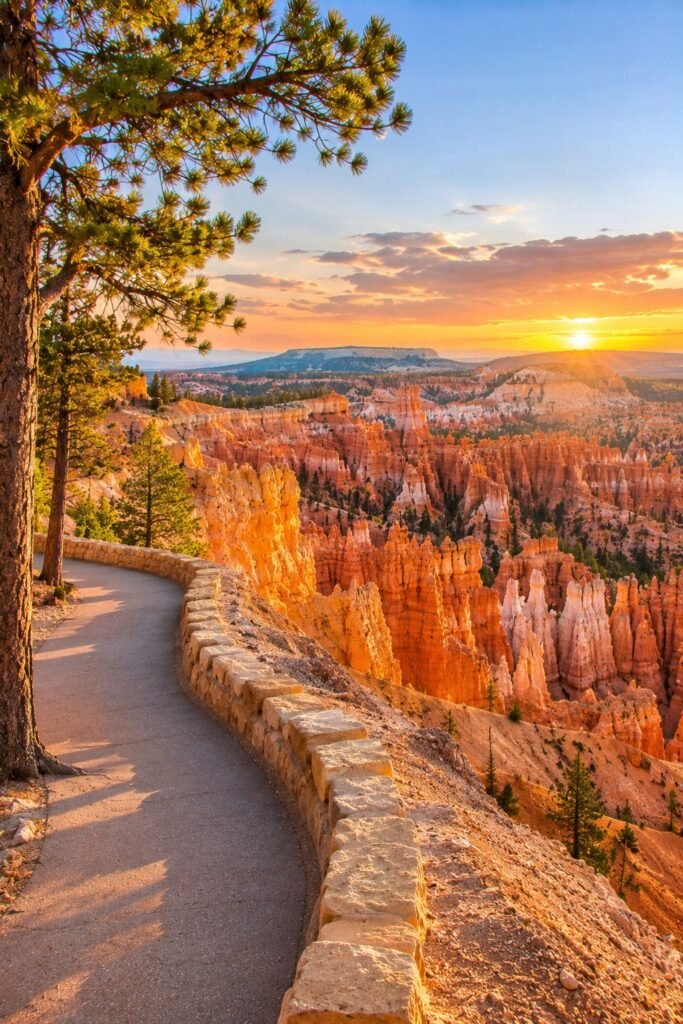
- Distance: Approximately 1 mile round trip
- Difficulty: Easy
- Best time to visit: May through October
- Highlights: Colorful hoodoos, panoramic canyon views, and beautiful sunrise scenery.
If you want to finish your hiking bucket list with an unforgettable view, the Rim Trail between Sunset Point and Sunrise Point in Bryce Canyon National Park is a wonderful choice.
This short walk follows the edge of the Bryce Amphitheater, giving you beautiful views of the park’s famous hoodoos. These unusual rock formations create a landscape that almost looks like something from another planet.
The best part is that you don’t have to descend into the canyon to enjoy the scenery. The section between Sunset Point and Sunrise Point is paved and relatively level, making it one of the easiest ways to experience the park.
I particularly recommend visiting around sunrise when the soft morning light brings out the beautiful shades of orange, pink, and red across the rock formations.
What to know before you go: The paved section is approximately half a mile one way, so walking there and back makes a lovely one-mile outing.
Bring a jacket because temperatures can be surprisingly cold, especially in the early morning. The National Park Service identifies this as the easiest section of the Rim Trail.
Tips for Planning an Easy Hiking Trip in the USA
Choosing a beautiful hiking trail is only part of planning a successful outdoor adventure. Even easy trails require a little preparation, especially when you’re visiting national parks or unfamiliar landscapes.
Here are some practical tips to help make your hiking experience more enjoyable.
1. Choose a Trail That Matches Your Fitness Level
Don’t assume that every trail labeled easy will feel effortless. Some short hikes have steep climbs, rocky paths, or high elevations that can make them more challenging than expected.
Before visiting, check the trail’s distance, elevation gain, terrain, and estimated hiking time. If you’re new to hiking, start with shorter trails that have gentle inclines.
2. Wear Comfortable Hiking Shoes
One of the easiest ways to make a hike uncomfortable is wearing the wrong shoes.
Choose comfortable hiking shoes or trail sneakers with good grip and support. Even relatively flat trails can have loose gravel, tree roots, mud, or slippery rocks.
I would also recommend wearing moisture-wicking socks to help prevent blisters.
3. Bring Enough Water and Snacks
Never assume that a short hike means you won’t need water. Sun exposure, warm temperatures, and elevation can make you thirsty much faster than expected.
Pack a reusable water bottle and a few easy snacks such as:
- Trail mix.
- Granola bars.
- Fresh fruit.
- Protein bars.
- Crackers.
For longer outings, carry more water and food than you think you’ll need.
4. Start Early in the Morning
Early morning is one of my favorite times to explore beautiful hiking trails. The temperatures are usually cooler, the lighting is lovely for photographs, and popular trailheads can be less crowded.
This is particularly helpful at places like Mesa Arch, Emerald Lake, and Bear Lake, where parking and visitor numbers can become challenging during busy seasons.
5. Check Weather and Trail Conditions
Weather can change quickly, especially in mountain destinations.
Before leaving, check the local forecast and official park alerts. Look out for thunderstorms, snow, icy surfaces, excessive heat, and temporary trail closures.
If conditions become unsafe, choose another trail or postpone your hike.
6. Pack a Small Hiking Day Bag
You don’t need a huge backpack for an easy day hike, but having a few essentials can make your trip much more comfortable.
Consider packing:
- Reusable water bottle.
- Sunscreen.
- Sunglasses.
- Hat.
- Light rain jacket.
- Snacks.
- Phone and portable power bank.
- Small first-aid kit.
- Map or downloaded offline trail information.
7. Respect Nature and Follow Leave No Trace Principles
One of the most important parts of visiting beautiful natural places is helping to keep them beautiful for other visitors.
Stay on designated trails, avoid disturbing wildlife, carry your rubbish with you, and leave rocks, plants, and natural objects where you find them.
Remember that even a small action can affect fragile natural environments.
What to Pack for an Easy Day Hike
If you’re planning to explore several of these beautiful hiking trails, having the right essentials can make your experience much more comfortable.
Here are five items I would recommend adding to your hiking day bag:
- Comfortable hiking shoes: Choose a pair with good traction and enough support for uneven terrain.
- Lightweight hiking backpack: A small daypack is perfect for carrying your water, snacks, sunscreen, and extra layers.
- Reusable insulated water bottle: Staying hydrated is important, even when you’re only hiking a short distance.
- Portable power bank: Useful for keeping your phone charged when taking photographs or using offline maps.
- Compact first-aid kit: A small kit with blister pads, bandages, and basic supplies is always worth carrying.
Frequently Asked Questions About Easy Hikes in the USA
1. What are the best easy hikes with incredible views in the USA?
Some of the best options include Bear Lake Loop in Colorado, Lower Yosemite Falls Trail in California, Mossy Cave Trail in Utah, Trail of the Cedars in Montana, and the Ocean Path in Maine.
These trails offer beautiful scenery without requiring advanced hiking experience.
2. What is the easiest national park to hike in the USA?
Several national parks offer excellent beginner-friendly trails. Yosemite, Bryce Canyon, and Rocky Mountain National Park all have shorter walks with beautiful views. The best choice depends on the scenery you enjoy and how much walking you want to do.
3. Are easy hikes suitable for beginners?
Yes! Easy hikes are generally suitable for people who are new to hiking, provided they choose trails that match their fitness levels. Start with shorter routes, wear comfortable shoes, and take breaks whenever necessary.
4. What should I bring on a short hike?
At a minimum, bring water, snacks, comfortable shoes, sunscreen, a phone, and a small first-aid kit. Depending on the weather and location, you may also need a jacket, hat, and insect repellent.
5. What is the best time of year for hiking in the USA?
Spring and fall are wonderful seasons for many hiking destinations because temperatures are often more comfortable. However, the best time depends on the location.
Mountain trails may not be snow-free until summer, while desert trails are often more enjoyable during cooler months.
Final Thoughts
You don’t have to be an experienced hiker or spend an entire day climbing mountains to enjoy some of the most beautiful landscapes in America.
From the peaceful alpine lakes of Colorado to the dramatic waterfalls of Yosemite and the colorful rock formations of Utah, these easy hikes offer something special for every kind of outdoor lover.
What I love most about these trails is that they make exploring nature feel accessible.
Whether you’re planning a weekend getaway, a national park road trip, or simply looking for a beautiful place to spend an afternoon, there are so many wonderful trails waiting to be discovered.
Start with a trail that matches your comfort level, pack your essentials, bring your camera, and enjoy the adventure. You might discover that some of your favorite travel memories happen on the simplest walks.