
My hiking boots used to sit in my closet collecting dust because I thought every worthwhile trail had to leave me gasping, blistered, and questioning my life choices.
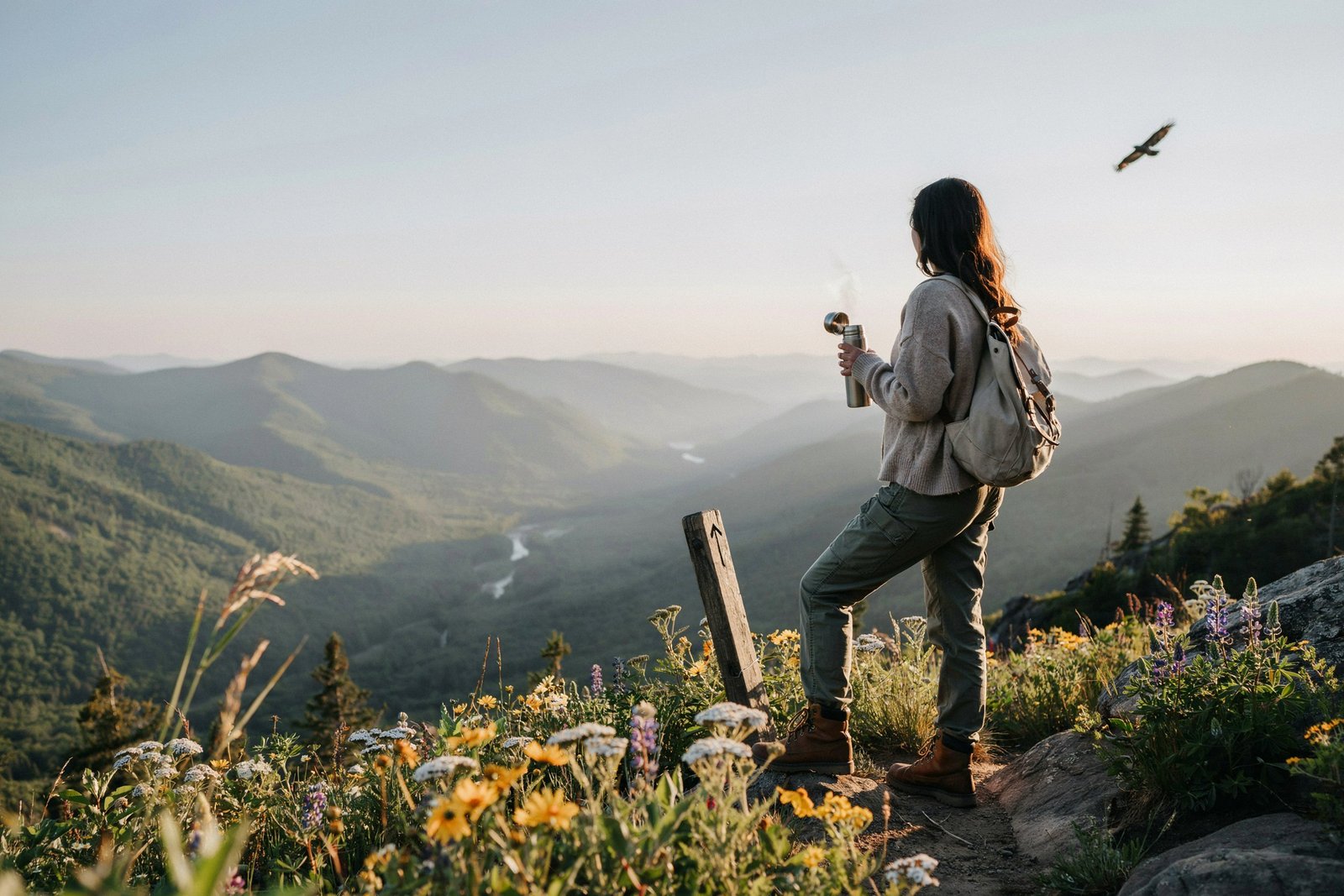
Then a friend dragged me up a gentle two-mile path one Saturday morning, and I stood at the top, coffee still warm in my thermos, looking out over a valley soaked in golden light.
That was the morning I realized the best views don’t always demand the hardest climbs, and I’ve been chasing that feeling ever since.
Why Easy Hikes With Big Payoffs Are Underrated
There’s a certain magic in a trail that lets you breathe.
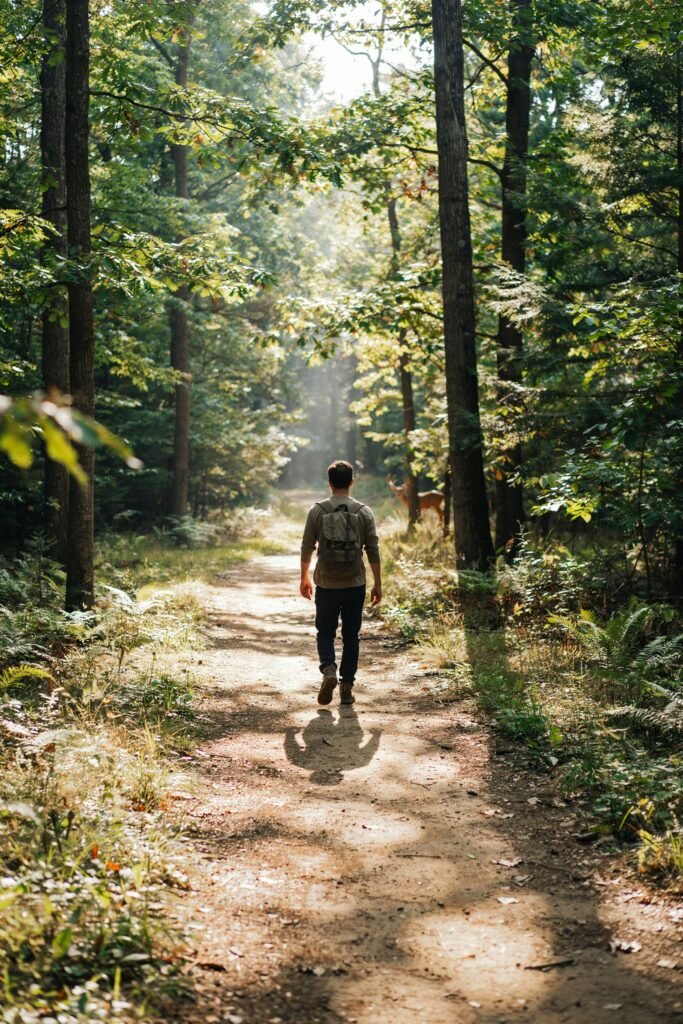
When you’re not gritting your teeth through a brutal elevation gain, you actually notice things the way light filters through a canopy, the smell of pine after rain, the sound of a creek you’d otherwise be too winded to hear.
Easy hikes give you space to be present, which is honestly the whole point of getting outside in the first place.
They’re also wonderfully inclusive. Bring your mom, your kids, your friend who swears she “doesn’t do outdoorsy,” or your own tired self after a long week everyone can enjoy a well-chosen easy trail.
You don’t need to be in peak physical condition to earn a jaw-dropping view, and I think more people deserve to know that.
Easy doesn’t mean boring, either. Some of the most photogenic, Instagram-worthy overlooks in the world sit at the end of trails that are flat, short, or gently graded. The trick is knowing how to find them.
How to Find Easy Hikes With Amazing Views Near You

This is the part most guides skip, and it’s honestly the most useful part. Here’s exactly how I scout new trails, wherever I happen to be.
1. Start With Hiking Apps
AllTrails is my ride-or-die for this. You can filter by difficulty (choose “easy”), distance, elevation gain, and even sort by highest-rated trails in your area.
Read the recent reviews, not just the star rating people often mention specific viewpoints, trail conditions, or whether it’s stroller-friendly. I always check photos other hikers have uploaded so I know exactly what payoff I’m working toward.
Other solid apps worth having on your phone include Gaia GPS for more remote or backcountry-adjacent trails, Komoot if you like planning multi-activity routes, and The Outbound Collective, which tends to highlight lesser-known scenic spots that don’t get overcrowded.
2. Check State and National Park Websites Directly
Park websites almost always categorize trails by difficulty and list elevation gain, mileage, and estimated time.
They’re also the most accurate source for trail closures, permit requirements, and seasonal conditions something an app might not update in real time.
Look for words like “overlook,” “vista,” “scenic,” or “loop” in trail names; these are often built specifically to reward hikers with a view.
3. Ask Local Visitor Centers and Ranger Stations
This is my favorite underused hack. Rangers and visitor center staff hike these trails constantly and know which “easy” trails are genuinely easy versus which ones are technically rated easy but have one sneaky rocky section.
A five-minute phone call or a quick stop on your way in can save you from an unpleasant surprise.
4. Search Instagram and Pinterest Location Tags
Search a region’s name plus “hike” or “trail” and browse geotagged photos.
This shows you the actual view you’ll get, in real lighting, from real hikers not a stock photo. Just remember to double-check the difficulty rating elsewhere, since people don’t always mention how strenuous a trail felt for them.
5. Use Google Maps’ “Things to Do” and Reviews
Search “easy hike near me” or “scenic overlook near me” directly in Google Maps.
The reviews section frequently includes recent trail condition updates, parking tips, and photos timestamped within the last few weeks, which is incredibly useful for checking things like wildflower bloom or fall foliage timing.
6. Join Local Hiking Groups on Facebook or Meetup
Local hiking communities are goldmines of insider knowledge. Members post trip reports, current trail conditions, and hidden gems that never make it onto major hiking apps. Plus, it’s a lovely way to find hiking buddies if you prefer not to go alone.
What Makes a Hike Officially “Easy”
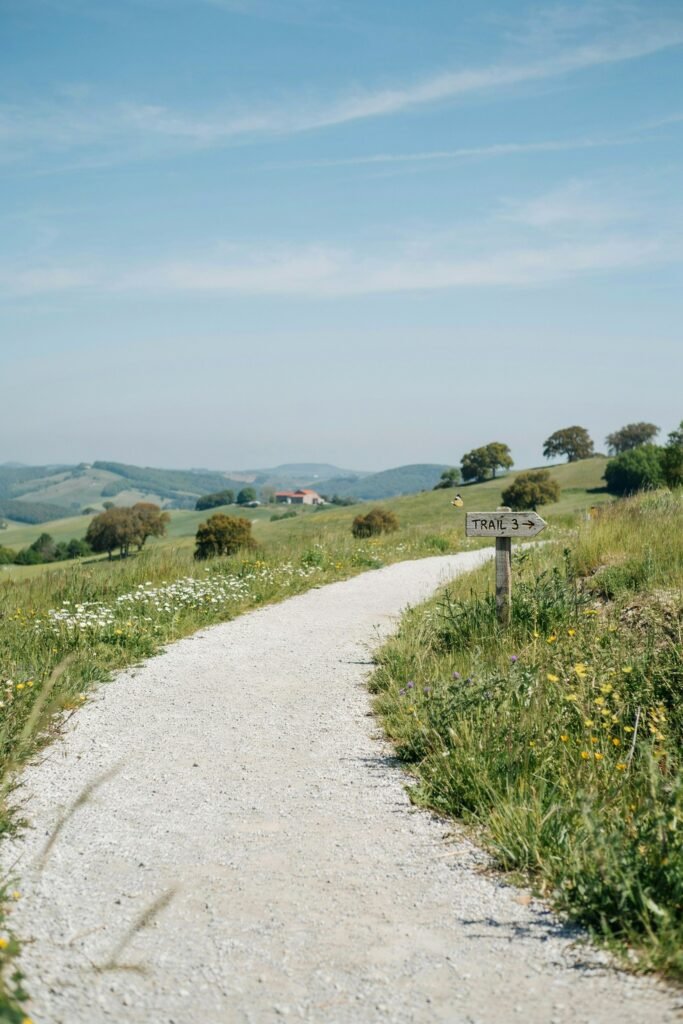
Before you commit to a trail labeled “easy,” it helps to know what that actually means, because ratings can vary between apps and regions.
Generally, an easy hike will have:
- Under 5 miles round trip (though some guides stretch this to 6)
- Less than 500 feet of total elevation gain, spread gradually rather than in one steep push
- A well-maintained, clearly marked path think packed dirt or gravel rather than scrambling over rocks
- No technical sections requiring hands-on climbing, ropes, or exposed ledges
- An estimated completion time of 1 to 2.5 hours for an average walker
Keep in mind that “easy” is relative to fitness level, and even easy-rated trails can feel more challenging at high altitude, in extreme heat, or if you’re new to hiking altogether.
Always read a few recent reviews rather than trusting the label alone.
My Go-To Formula for Choosing the Right Easy Hike
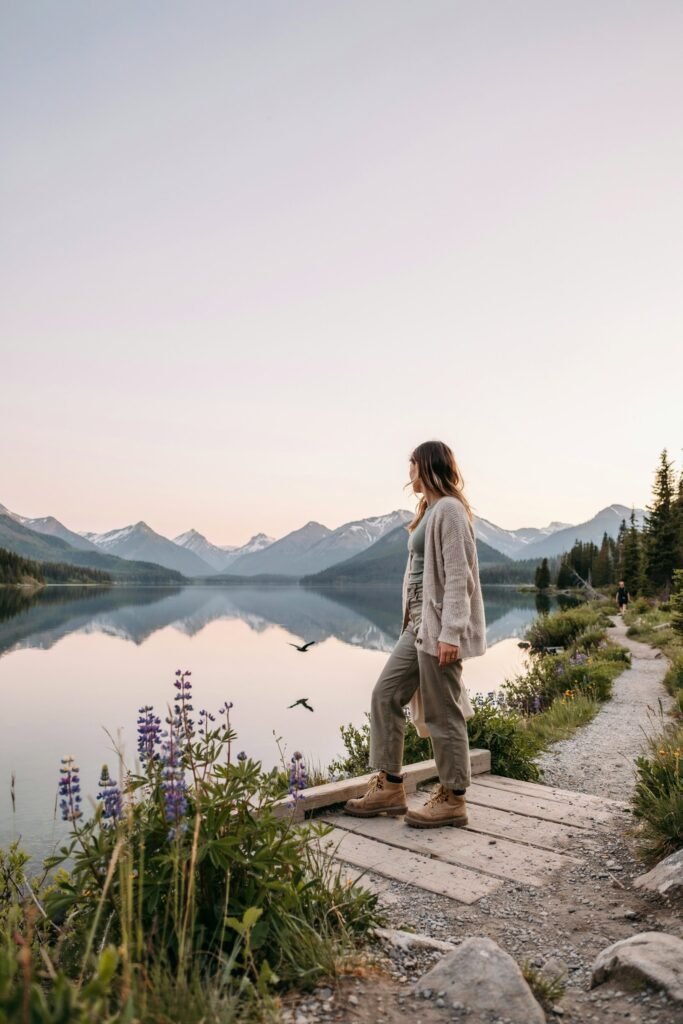
Over the years I’ve developed a simple checklist I run through before choosing a trail, especially when I want a guaranteed beautiful payoff without the suffering.
Look for these trail types, since they tend to deliver views without demanding much elevation:
- Ridge walks that follow a gentle high point rather than climbing to one
- Lake loop trails, which are almost always flat and scenic by nature
- Bluff or coastal trails, where the ocean or a canyon does the heavy visual lifting
- Waterfall trails with a short, well-graded approach
- Meadow trails during wildflower season, especially in spring and early summer
- Sunset or sunrise viewpoint trails that are specifically built short and accessible so people can catch the light show without a workout beforehand
I also always check the parking situation and trailhead accessibility in advance, because nothing ruins a peaceful hike faster than circling for a parking spot for forty-five minutes.
Hiking Hacks Every Woman (and Honestly Everyone) Should Know

Here’s where I get to share the tips that took me way too long to learn on my own. Consider this your shortcut.
Timing Is Everything
Go early. Not just for cooler temperatures and fewer crowds, but because morning light is softer and more flattering for photos, and wildlife is more active right after sunrise.
If mornings aren’t your thing, golden hour before sunset is a gorgeous second option just make sure you’re back at your car before it gets dark, and always carry a small flashlight or headlamp just in case.
Layer Smart, Not Heavy
Weather on a trail can shift quickly, especially near mountains, coastlines, or higher elevations. I always bring a light packable rain jacket even when the forecast looks clear, along with a moisture-wicking base layer.
Cotton holds sweat and gets cold fast, so stick to synthetic or merino wool fabrics if you can.
The Two-Liter Rule
Bring at least two liters of water for anything over an hour, even on an “easy” trail, especially in warm weather. Dehydration sneaks up faster than people expect, and it’s the number one reason easy hikes turn uncomfortable.
Snacks That Actually Help
Skip the sugary granola bar crash. Pack something with protein and natural sugar together trail mix with nuts and dried fruit, a peanut butter sandwich, or dates are great options. They keep your energy steady instead of spiking and dropping.
Break In Your Shoes Before the Big Day
Even on flat trails, new shoes can cause blisters. Wear your hiking shoes around the house or on short walks beforehand so they’re already comfortable by the time you hit the trail.
And always pack a small blister kit it weighs nothing and saves everything.
The Ten Essentials, Simplified
Even on short, easy hikes, I always carry a compact version of the classic ten essentials:
- Water (more than you think you need)
- Snacks
- A basic first aid kit
- Sun protection (hat, sunscreen, sunglasses)
- A fully charged phone with offline maps downloaded
- A small flashlight or headlamp
- A lightweight extra layer
- A whistle (genuinely useful if you need to signal for help)
- A multitool or small knife
- A trash bag for pack-in, pack-out trash
This sounds like a lot, but it all fits easily into a small daypack and gives real peace of mind.
Download Your Map Before You Go
Cell service disappears fast once you’re surrounded by trees or canyon walls. Download an offline map on AllTrails or Google Maps before you leave home or your hotel, so you’re never relying on signal to find your way back.
Tell Someone Your Plan
Even on a short, easy trail, tell a friend or family member which trail you’re hiking and roughly when you expect to be done. It takes ten seconds and it’s one of the simplest safety habits any hiker can build.
Protect Your Skin and Hair
Sun exposure on open ridges and coastal trails is no joke, even on cooler days. I keep a small tube of SPF lip balm and a lightweight sun hat in my pack at all times.
A buff or bandana is also great for both sun protection and wiping sweat, and it barely takes up any space.
The Camera Trick for Better Photos
If you want that dreamy, editorial-looking trail photo, shoot during golden hour, position the sun behind you or slightly to the side, and use the timer function or a small tripod rather than always relying on someone else to snap the picture.
Foreground elements a wildflower, a trail marker, your hiking boots add depth and make photos feel more like a story than a snapshot.
Respect the Trail
Stick to marked paths, especially in meadow or wildflower areas where off-trail walking damages fragile plants that take years to recover.
Pack out everything you bring in, including fruit peels and biodegradable waste, since they take much longer to decompose than people assume and can attract wildlife to areas where it’s unsafe for both the animals and future hikers.
A Few Universally Loved Easy Hikes Worth Researching
While the exact best trail for you depends on your region, these are the types of destinations that consistently show up on “easy hike, incredible view” lists across the world, and are worth searching for a version near you:
- Lakeside loop trails in mountain regions, which often offer reflective water views with almost no elevation gain
- Coastal bluff trails, especially ones with lookout points built specifically for photos and sunsets
- Desert canyon rim trails, which tend to be flat along the rim itself while still offering dramatic drop-off views
- Waterfall approach trails, particularly ones with boardwalks or paved sections near the falls
- National park “scenic overlook” trails, which are frequently designed as short accessible paths from parking areas specifically so more visitors can enjoy them
A quick search like “[your region] + easy scenic overlook trail” combined with the app strategies above will almost always turn up a hidden gem close to home.
Best Seasons for Easy, Scenic Hikes
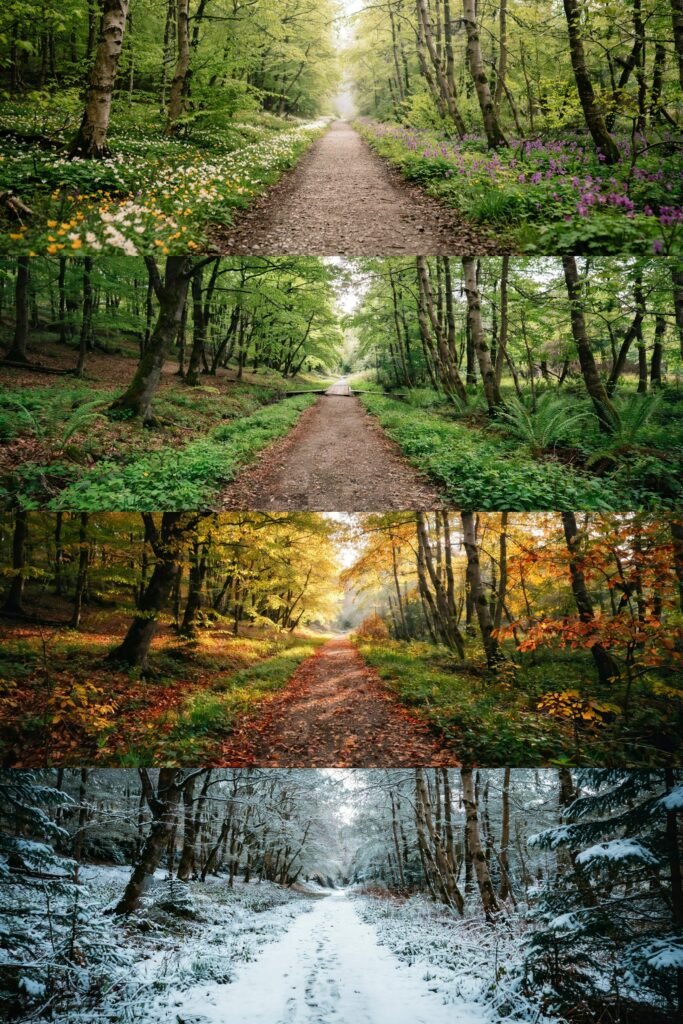
Timing your hike to the right season can turn a pretty trail into an unforgettable one, and it’s one of the easiest upgrades you can make without changing your route at all.
Spring is glorious for wildflower meadows, waterfall trails swollen with snowmelt, and that soft green color everywhere before summer heat sets in. It’s my favorite season for photos because everything looks freshly washed.
Summer is ideal for high-elevation lake trails and alpine meadows that are snow-free by then, but it also means earlier starts are essential to beat both heat and crowds. Coastal trails shine in summer too, with clearer skies and warmer breezes.
Fall brings foliage season, and ridge or overlook trails become especially rewarding as the tree canopy turns gold, orange, and red. Cooler temperatures also make longer easy hikes more comfortable.
Winter isn’t off-limits either. Many easy, low-elevation trails stay accessible year-round, and snow-dusted viewpoints have a quiet, almost cinematic beauty. Just check trail conditions carefully, since even easy trails can become icy or muddy.
Packing List Essentials, Broken Down by Season
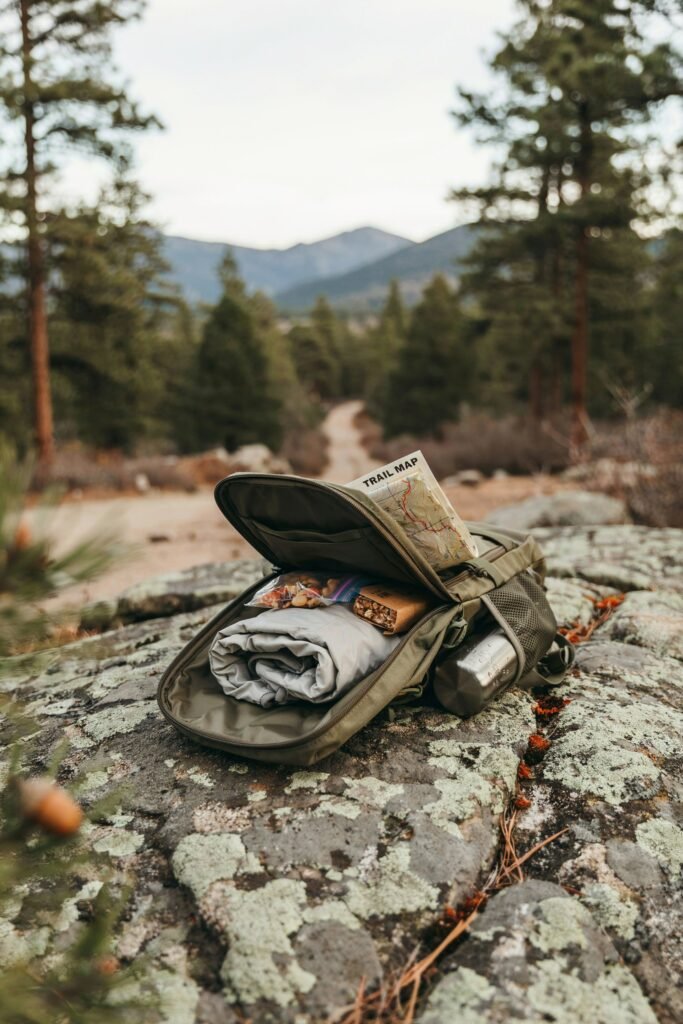
A good base packing list changes slightly depending on the time of year, so here’s how I adjust mine.
Warm weather additions:
- Extra water or a hydration bladder
- Electrolyte tablets or powder
- A wide-brim hat for maximum shade
- Lightweight, breathable clothing in light colors
Cold weather additions:
- Insulated gloves and a warm beanie
- Hand warmers tucked in your pockets
- Thermos with a hot drink
- Traction devices for your shoes if there’s any chance of ice
Rainy season additions:
- A proper waterproof shell, not just water-resistant
- A dry bag or waterproof phone pouch
- Trekking poles for extra stability on slick sections
Having a small “go bag” packed with your core essentials year-round, and simply swapping seasonal add-ins, makes it so much easier to say yes to a spontaneous hike whenever the mood strikes.
Hiking With Kids or Pets on Easy Trails
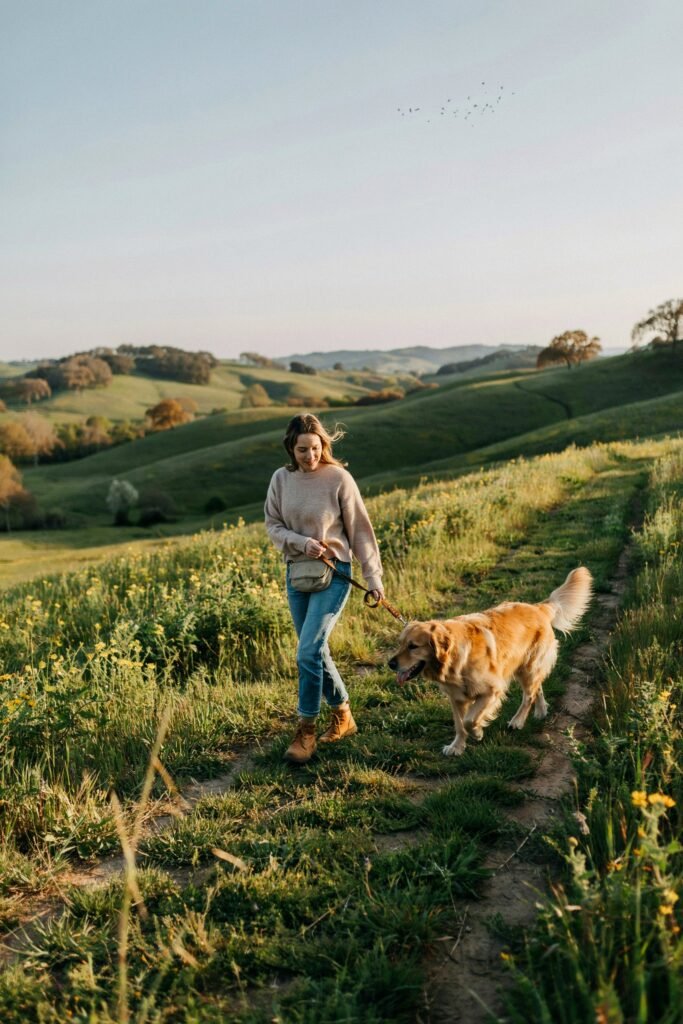
Easy, scenic trails are perfect for introducing little ones or four-legged companions to the outdoors, but a few extra considerations go a long way.
For kids, choose trails under two miles at first, and build in a fun incentive like a scavenger hunt for certain leaf shapes, rock colors, or bird calls along the way.
Snack breaks should happen more often than you’d think necessary, and it helps to let them set the pace rather than rushing toward the viewpoint.
For dogs, always check the trail’s pet policy beforehand, since not every scenic trail allows pets, especially in national parks.
Bring extra water for them, paw protection if the ground is hot or rocky, and waste bags, always packing out what your pup leaves behind. A dog that’s comfortable on-leash will have a much easier and safer time than one who’s still learning trail manners.
Common Mistakes That Turn an Easy Hike Difficult
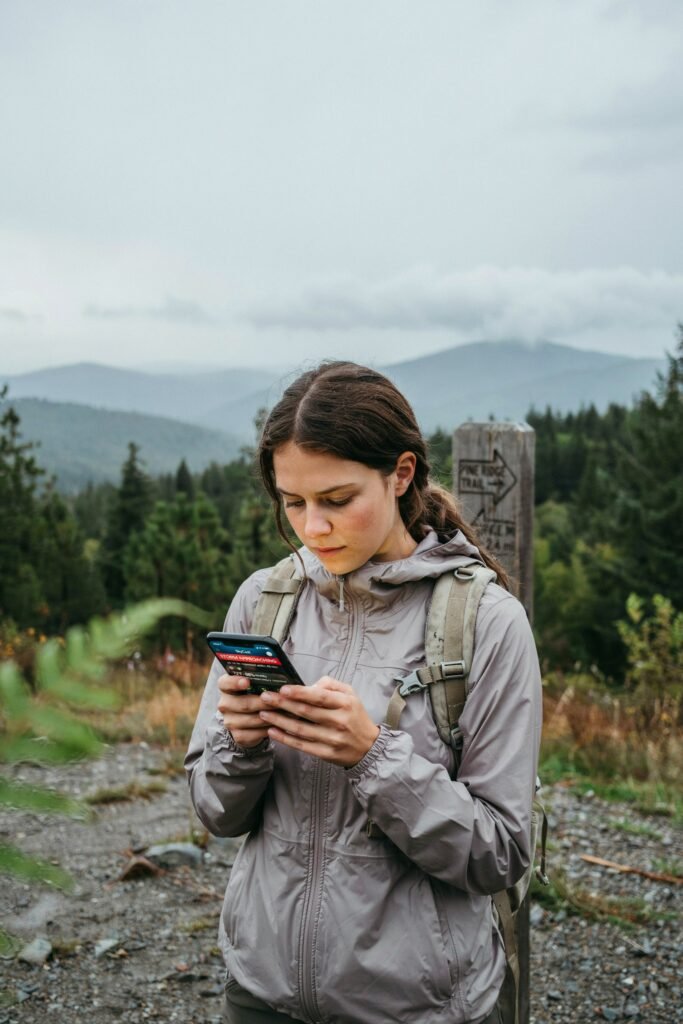
Even the gentlest trail can go sideways if a few small things are overlooked, so here’s what to watch for.
Underestimating the weather. A sunny forecast at the trailhead can change quickly near mountains or coastlines, so always check an hourly forecast rather than just the daily summary.
Wearing the wrong footwear. Flip-flops or brand-new sneakers with zero break-in time are a recipe for blisters, even on flat ground.
Skipping sun protection because the hike feels short. UV exposure adds up quickly on open trails, especially near water or at higher elevations, regardless of how easy the walk feels.
Not checking trailhead parking and fees in advance. Some popular scenic trails require timed entry permits or fill parking lots by mid-morning, so arriving early or booking ahead can save real frustration.
Ignoring trail etiquette. Yield to hikers heading uphill, keep music at a respectful volume or use headphones, and step aside on narrow paths to let others pass safely.
A Few Frequently Asked Questions
Do I need hiking boots for an easy trail, or will sneakers work? For most well-maintained easy trails, supportive athletic shoes with good tread are perfectly fine. Save the heavier hiking boots for muddy, rocky, or uneven terrain.
How do I know if a trail will be crowded? Check recent reviews and photos on AllTrails or Google Maps, and look for mentions of parking lot conditions. Weekday mornings are almost always quieter than weekend afternoons.
Is it safe to hike alone on an easy trail? Many people hike solo safely every day, but it’s always smart to share your plans with someone, carry a charged phone, and choose well-traveled trails, especially if you’re newer to solo hiking.
What’s the best time of day for photos? Golden hour, either shortly after sunrise or before sunset, consistently produces the most flattering, richly colored light for photos.
Making It a Ritual, Not Just a Workout
The biggest shift for me wasn’t finding easier trails it was giving myself permission to hike for the experience rather than the exercise. I started bringing a small journal to jot down thoughts at the viewpoint.
Sometimes I bring a thermos of tea and just sit for twenty minutes before heading back. These small rituals turned hiking from a fitness task into something I genuinely crave, the way some people crave their morning coffee or a good book.
If you’re new to hiking, or coming back to it after a long break, or simply someone who wants beauty without exhaustion, I hope this gives you both the confidence and the practical tools to get out there.
Amazing views really are more accessible than most people realize. All it takes is the right trail, a little planning, and the willingness to walk at your own gentle pace.
So lace up, download that offline map, pack your two liters of water, and go find your own version of that golden-light moment at the top of an easy trail. You deserve that view just as much as anyone tackling a mountain the hard way.
Building a List of Trails to Try This Year
One habit that’s kept my love for hiking alive is keeping a running list of trails I want to try, almost like a little travel bucket list just for viewpoints.
Every time a friend mentions a gorgeous overlook, or I spot a dreamy photo tagged with a location, I add it to the notes app on my phone.
When a free Saturday shows up unexpectedly, I already have a shortlist ready instead of scrambling to research something last minute.
I’d gently encourage you to start your own version of this list. Include a mix of trail types a lake loop, a coastal bluff, a wildflower meadow, a sunset overlook so you have options no matter the season or your mood that day.
Note the mileage, the best time of year to visit, and anything special you’ve heard about the view, like a particular rock formation or a spot known for incredible sunsets.
Over time, this list becomes more than a planning tool. It becomes a little record of the beauty you’ve sought out and the moments you’ve given yourself permission to slow down and enjoy.
And honestly, there’s something deeply satisfying about checking a trail off that list and knowing the view was every bit as beautiful as you imagined.
Whatever trail you choose next, I hope it gives you the same feeling I had on that very first easy hike steam rising off a thermos, legs comfortably tired instead of wrecked, and a view stretching out in front of you that makes every bit of the planning worth it. Happy hiking, friend.
Final Thought
At the end of the day, hiking was never meant to be a competition of who can suffer the most to earn a view.
It’s meant to be a moment a breath of fresh air, a little space to think, a reminder that beauty is often closer and more reachable than we give it credit for.
So don’t wait until you’re “in shape enough” or have the perfect gear or a free weekend with nothing else on the calendar.
Lace up what you have, pick a trail that feels doable, and go stand in front of something beautiful. That’s really all it takes to fall in love with hiking and to keep coming back for more.