
Hiking is one of my favorite ways to slow down, enjoy nature, and discover beautiful places I might otherwise never see.
But when I first started exploring hiking trails, I quickly realized that having the right accessories could make a big difference between an enjoyable adventure and an uncomfortable day outdoors.
From keeping my feet comfortable to staying hydrated and protecting myself from changing weather, a few simple essentials can make every hike easier.
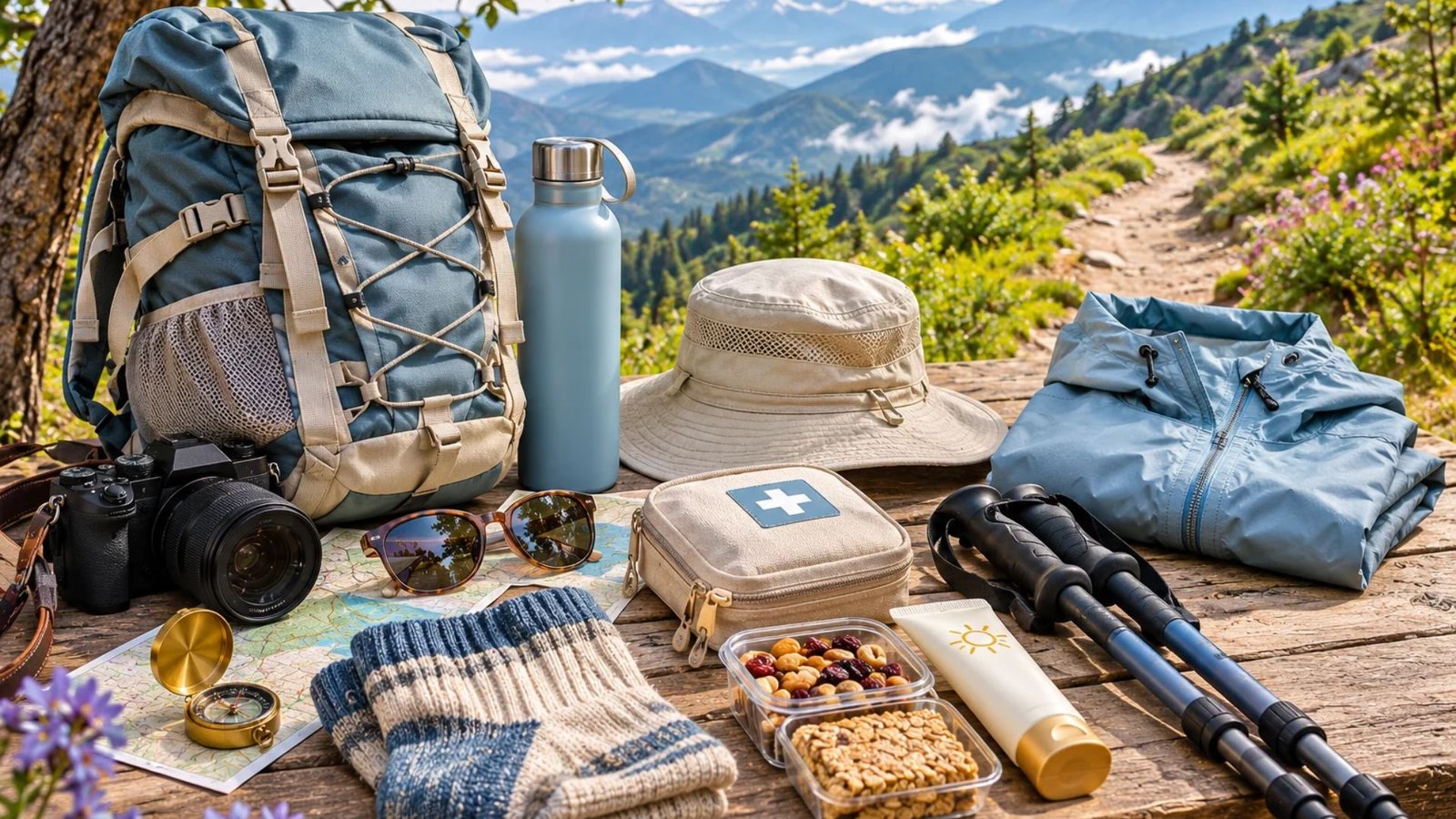
If you’re new to hiking, you don’t need to spend a fortune on expensive equipment. These are 20 practical hiking accessories I recommend starting with.
Why Do Beginners Need the Right Hiking Accessories?
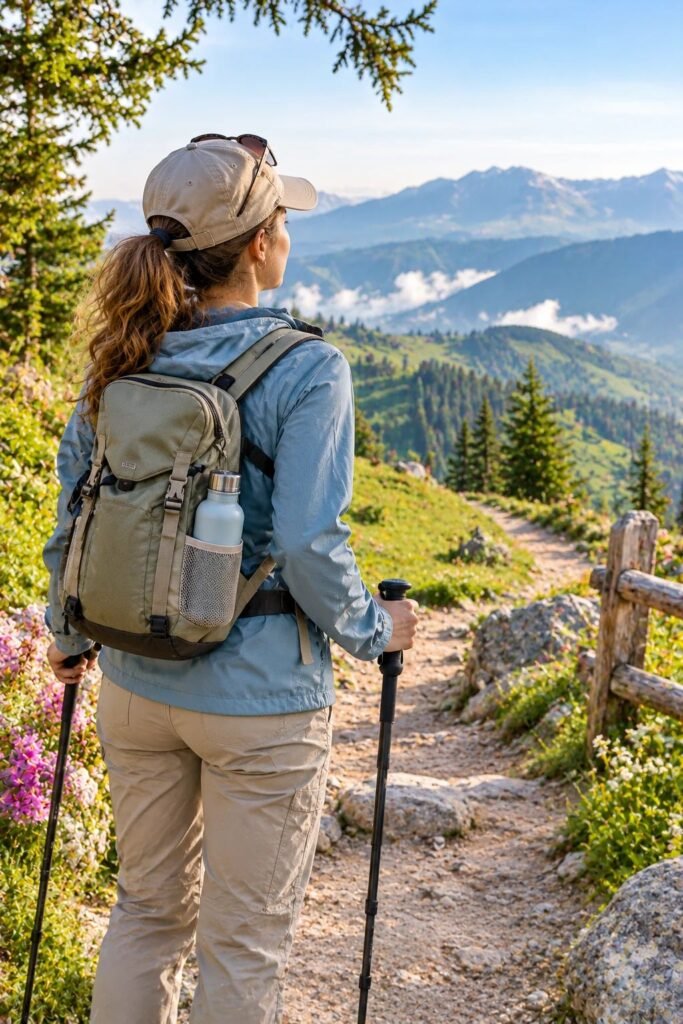
Getting started with hiking doesn’t have to be complicated. You don’t need professional equipment or an expensive collection of outdoor gear to enjoy your first few trails.
However, having the right accessories can make your experience safer, more comfortable, and much more enjoyable.
Even an easy hiking trail can present unexpected challenges. You might encounter uneven ground, changing weather, muddy paths, or a longer walking distance than you originally expected.
Having a few essential items in your backpack can help you feel more prepared.
The best hiking accessories for beginners are practical, lightweight, easy to use, and suitable for the type of trails you plan to explore.
Before buying everything on this list, consider your hiking destination, the weather, the length of your walks, and your personal needs. Start with the basics and gradually add more equipment as you gain experience.
20 Best Hiking Accessories for Beginners
1. Reusable Water Bottle or Hydration Reservoir
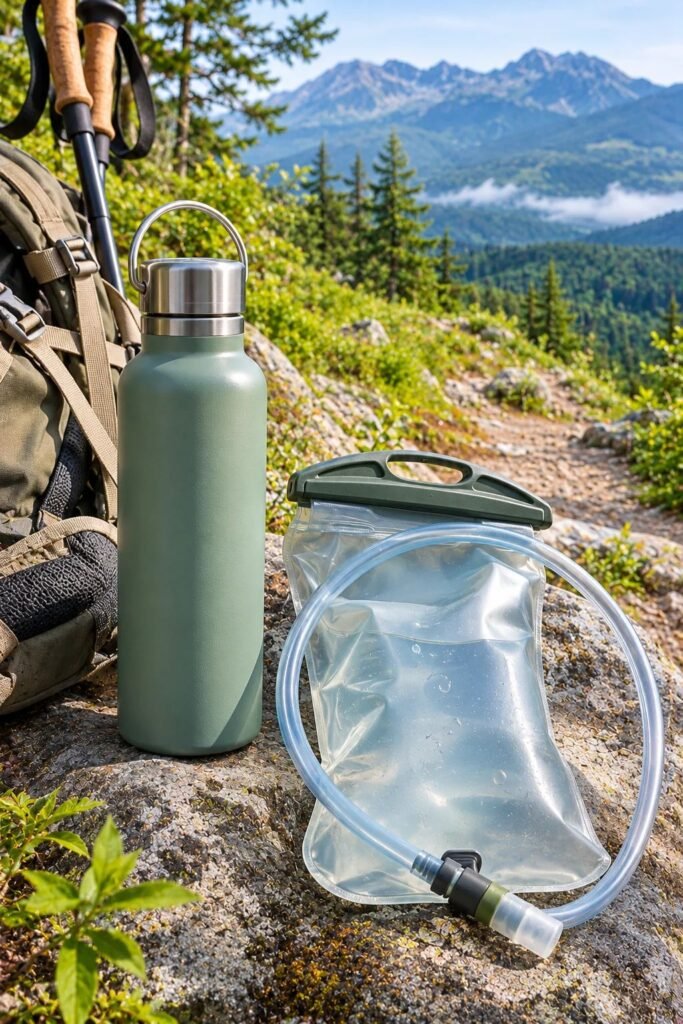
Staying hydrated is one of the most important things to remember when hiking. Even on relatively easy trails, walking for several hours can leave you feeling tired and thirsty, especially during warmer weather.
A reusable water bottle is one of the first hiking accessories I’d recommend buying as a beginner. Choose one that’s durable, easy to carry, and large enough to hold sufficient water for your planned hike.
If you prefer drinking without stopping to reach into your backpack, consider a hydration reservoir. These usually fit inside a hiking backpack and have a drinking tube that allows you to take small sips while walking.
Why you’ll need it:
- Helps you stay hydrated throughout your hike.
- Makes drinking water more convenient.
- Reduces the need for disposable plastic bottles.
- Can be reused on future hiking adventures.
Beginner tip: Plan how much water you’ll need based on the trail, weather, duration, and availability of safe refill points. Don’t assume that every hiking trail has drinking water available.
Read 15 Epic Hikes in Florida You’ll Want to Add to Your Bucket List
2. Comfortable Hiking Socks
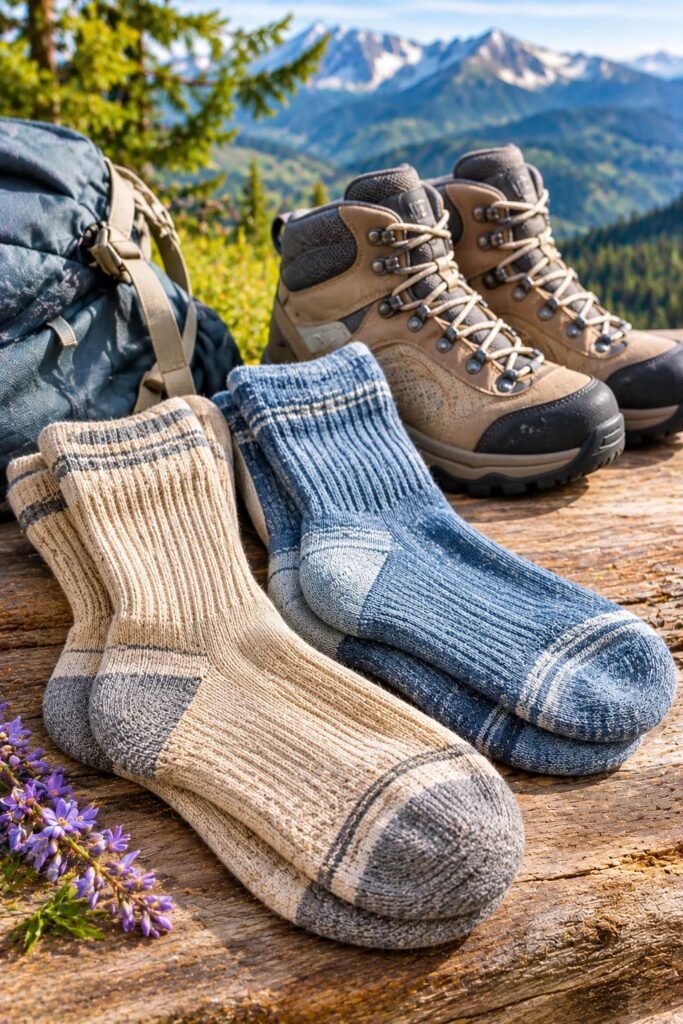
Hiking socks might seem like a small detail, but they can make a surprisingly big difference in your comfort.
Regular cotton socks tend to hold moisture, which can increase friction and contribute to blisters. Hiking socks made from merino wool or synthetic moisture-wicking materials are generally better choices because they help manage sweat and reduce rubbing.
Look for socks with comfortable cushioning around the heel and ball of the foot. They should fit properly without bunching up inside your shoes.
Why you’ll need them:
- Help manage moisture and sweat.
- Reduce friction inside your hiking boots.
- Provide extra cushioning on longer walks.
- Help keep your feet comfortable in different conditions.
Beginner tip: Buy your hiking socks before choosing or testing your hiking shoes. The socks you actually plan to wear can affect how your shoes fit.
Read 5 Hidden Canyon Hikes That Will Steal Your Heart (And Leave You Breathless)
3. A Lightweight Hiking Backpack
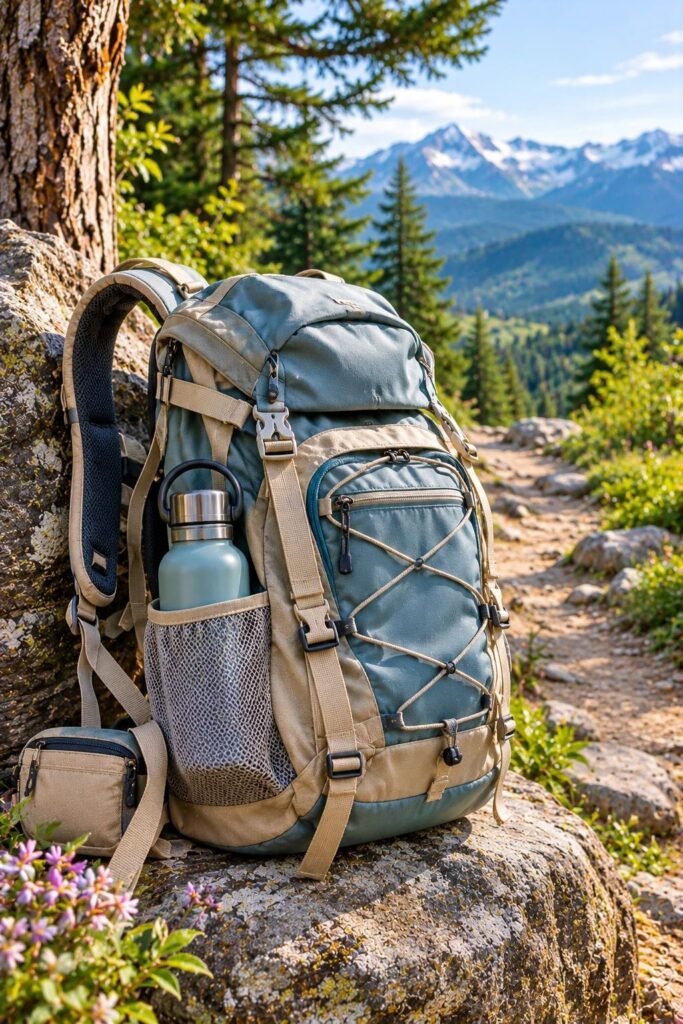
A good hiking backpack makes carrying your essentials much easier. Instead of putting everything into your pockets or carrying a regular handbag, you can keep your water, snacks, first-aid supplies, and extra clothing organized in one place.
For beginners taking short day hikes, a small daypack is usually enough. Look for adjustable shoulder straps, comfortable padding, breathable back panels, and several compartments.
Some backpacks also include a waist strap to distribute weight more comfortably.
Why you’ll need it:
- Keeps your hiking essentials organized.
- Makes carrying water and snacks easier.
- Provides space for an extra layer of clothing.
- Helps distribute weight across your body.
Beginner tip: Avoid buying an oversized backpack for short walks. A smaller, comfortable daypack can be easier to manage while you’re learning what you actually need.
Read Easy Hikes With Amazing Views: My Favorite Trails That Prove You Don’t Need to Suffer for Beauty
4. A Reliable First Aid Kit
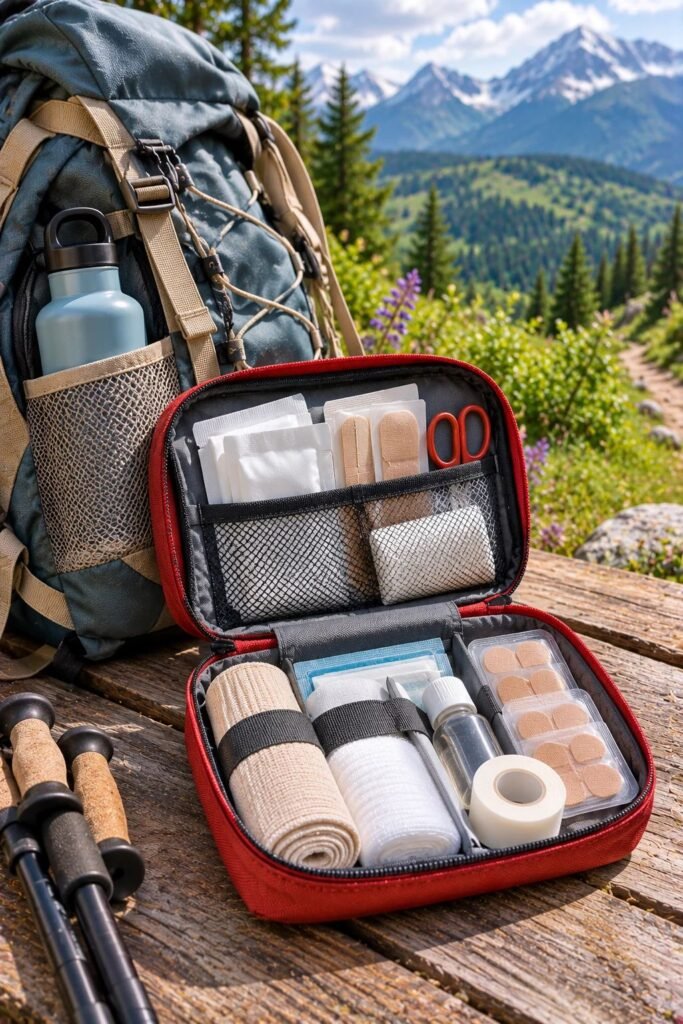
A first aid kit is something I would never recommend leaving behind, even when heading out for an easy hiking trail.
Small accidents can happen outdoors. You might develop a blister, scrape your knee, get a minor cut, or experience irritation from rubbing clothing or footwear.
A compact hiking first aid kit should include adhesive bandages, blister dressings, antiseptic wipes, gauze, medical tape, and any personal medical supplies you may need.
Make sure you understand how to use the items inside your kit before your hike.
Why you’ll need it:
- Helps you manage minor injuries.
- Provides supplies for blisters and cuts.
- Gives you extra confidence on unfamiliar trails.
- Allows you to respond to small problems before they become more uncomfortable.
Beginner tip: Check your first aid kit regularly and replace anything that’s expired, damaged, or missing.
5. Sunscreen and Lip Balm With SPF
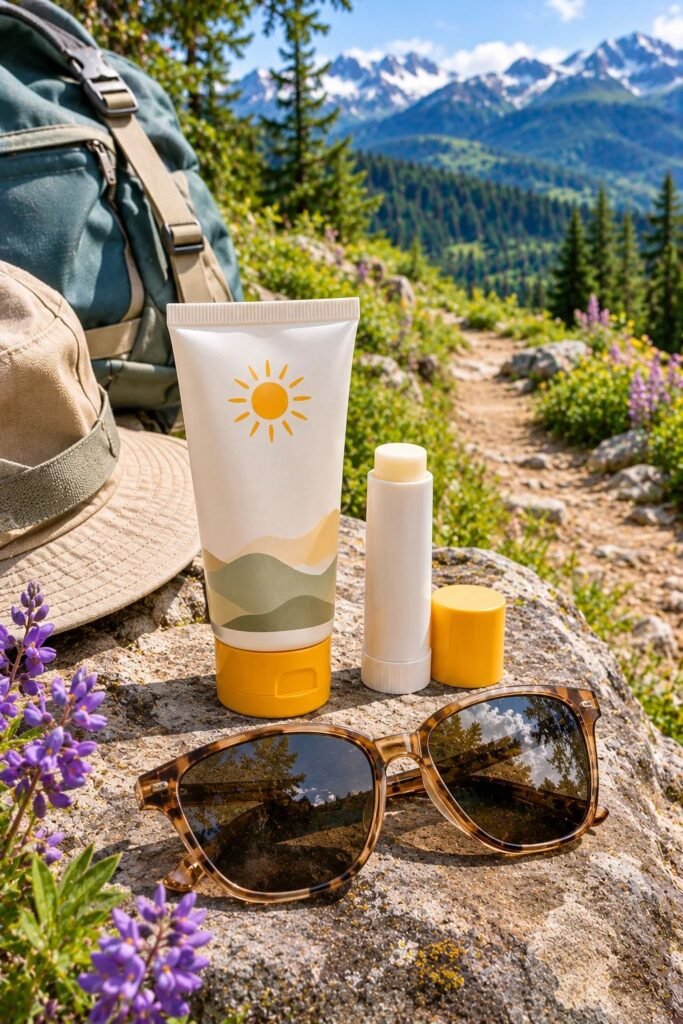
You might think sunscreen is only necessary for beach vacations, but hiking exposes you to sunlight for extended periods.
Even when the weather feels cool or cloudy, UV exposure can still affect your skin. This is especially important when hiking in open areas, mountains, or trails with little tree cover.
Choose a broad-spectrum, water-resistant sunscreen with SPF 30 or higher. Remember to apply it before leaving and reapply according to the product instructions.
Don’t forget your lips! A lip balm with SPF can help protect them from dryness and sun exposure.
Why you’ll need them:
- Protect your skin from harmful UV rays.
- Help prevent painful sunburn.
- Protect exposed areas such as your face, neck, and hands.
- Keep your lips more comfortable outdoors.
Beginner tip: Keep a small sunscreen bottle in an easy-to-reach pocket so you can reapply without unpacking your entire backpack.
6. Trekking Poles
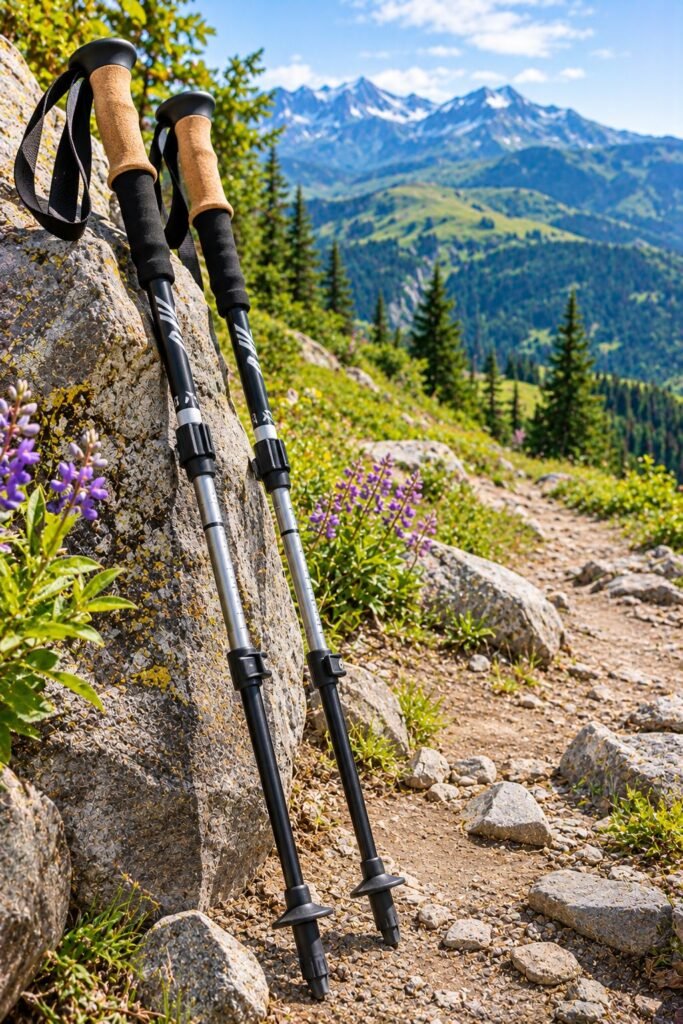
Trekking poles are useful accessories for beginners who want extra stability while walking on uneven trails.
They can provide additional points of contact with the ground, which can be helpful when climbing hills, descending slopes, or crossing certain rocky sections.
Adjustable trekking poles are particularly useful because you can change their length depending on the terrain. Look for comfortable grips, secure locking mechanisms, and lightweight materials.
Why you’ll need them:
- Provide extra stability on uneven ground.
- Help with balance on certain uphill and downhill sections.
- Can make longer walks feel more manageable.
- Give you additional support when navigating challenging terrain.
Beginner tip: Practice using your trekking poles on an easy trail before relying on them during a more challenging hike.
7. A Portable Headlamp
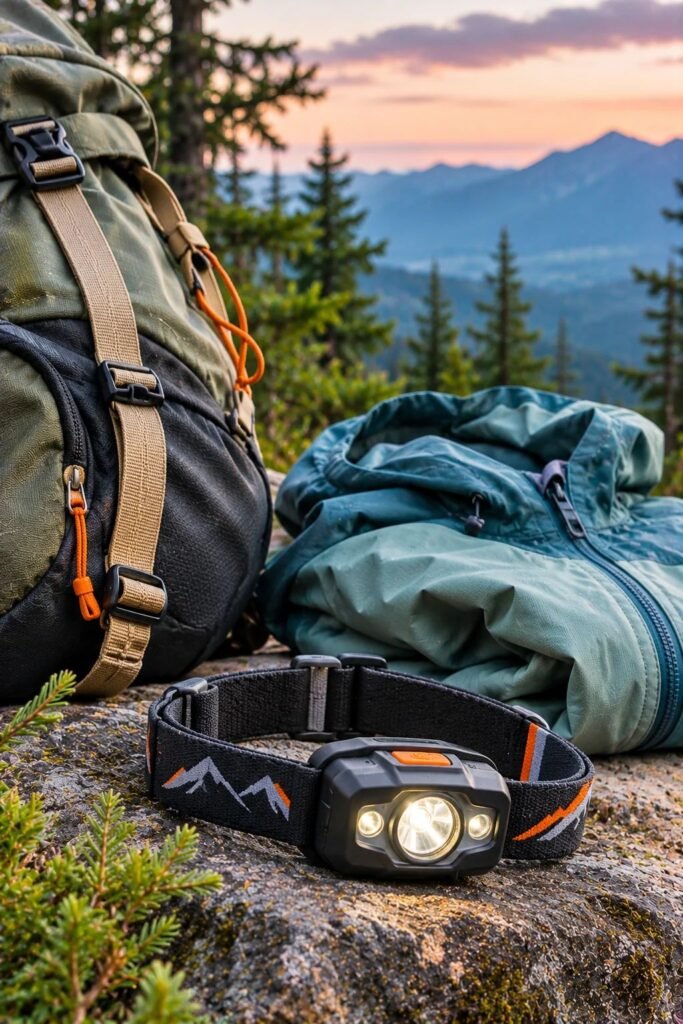
A headlamp is one of those accessories you might not think about until you really need it.
Imagine planning a short afternoon hike and discovering that the trail takes longer than expected. Suddenly, the sun starts setting, and you still have some distance to cover.
A headlamp provides hands-free lighting, making it easier to see the path ahead while keeping your hands available for balance or other tasks.
Choose a lightweight model with adjustable brightness, a comfortable head strap, and reliable battery life.
Why you’ll need it:
- Provides light if your hike takes longer than expected.
- Keeps your hands free.
- Helps you navigate dimly lit areas.
- Can be useful during early morning adventures.
Beginner tip: Carry spare batteries or make sure your rechargeable headlamp is fully charged before leaving home. A small backup flashlight is also useful.
8. A Compact Power Bank
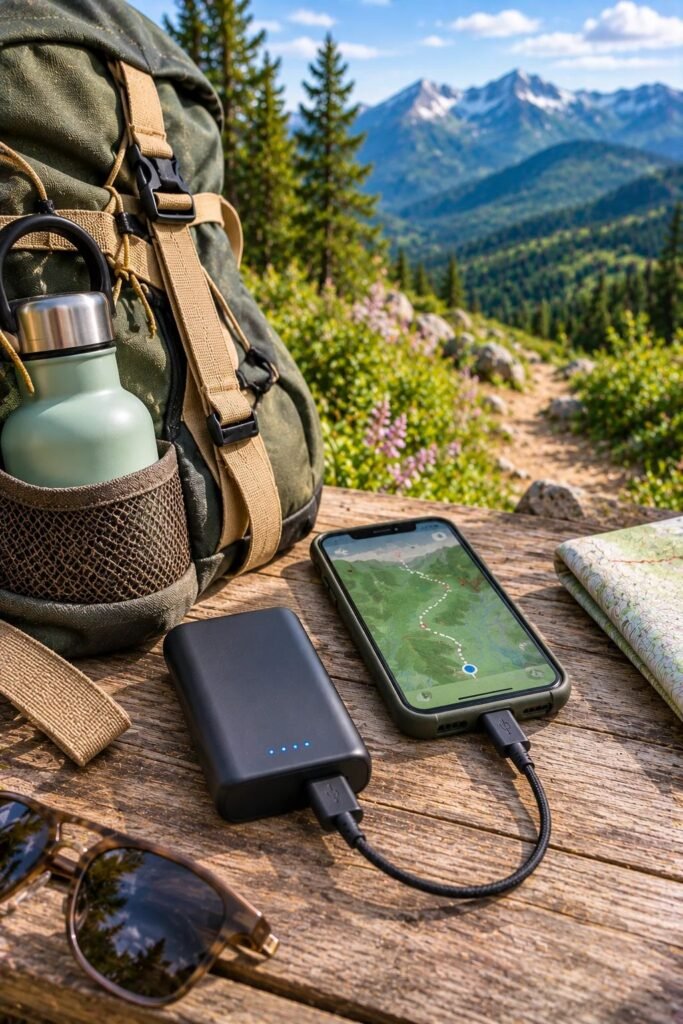
Your phone can be one of your most useful hiking tools. You might use it to check maps, take photographs, contact someone, or access emergency information.
However, using your phone throughout the day can drain its battery, especially when you’re taking pictures or using GPS.
A compact power bank gives you a convenient way to recharge your phone while outdoors.
Look for a lightweight model with enough capacity for your needs and a charging cable compatible with your device.
Why you’ll need it:
- Helps keep your phone charged.
- Allows you to use navigation apps for longer.
- Provides extra battery power for photographs.
- Offers another way to stay connected when needed.
Beginner tip: Download offline maps before your hike and keep your phone on battery-saving mode when possible. A power bank is helpful, but it shouldn’t be your only safety plan.
9. A Waterproof Phone Pouch
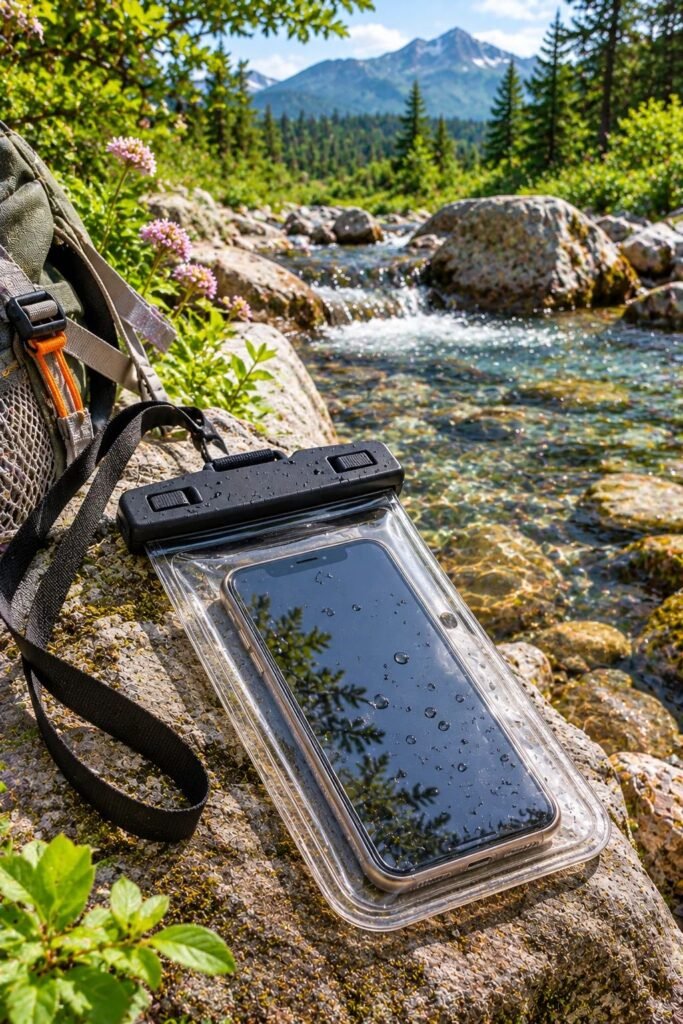
If you enjoy photographing waterfalls, rivers, lakes, or coastal hiking trails, a waterproof phone pouch can be a very useful accessory.
It provides an additional layer of protection against splashes, rain, and accidental exposure to water.
Choose a pouch designed for your phone size and check that its closure system is secure. Test it according to the manufacturer’s instructions before taking it near water.
Why you’ll need it:
- Helps protect your phone from water splashes.
- Keeps your device accessible for photographs.
- Offers some protection against dirt and dust.
- Is useful for hiking near rivers and waterfalls.
Beginner tip: A waterproof pouch doesn’t automatically make every phone safe for underwater photography. Always follow the manufacturer’s instructions.
10. A Quick-Dry Hiking Towel
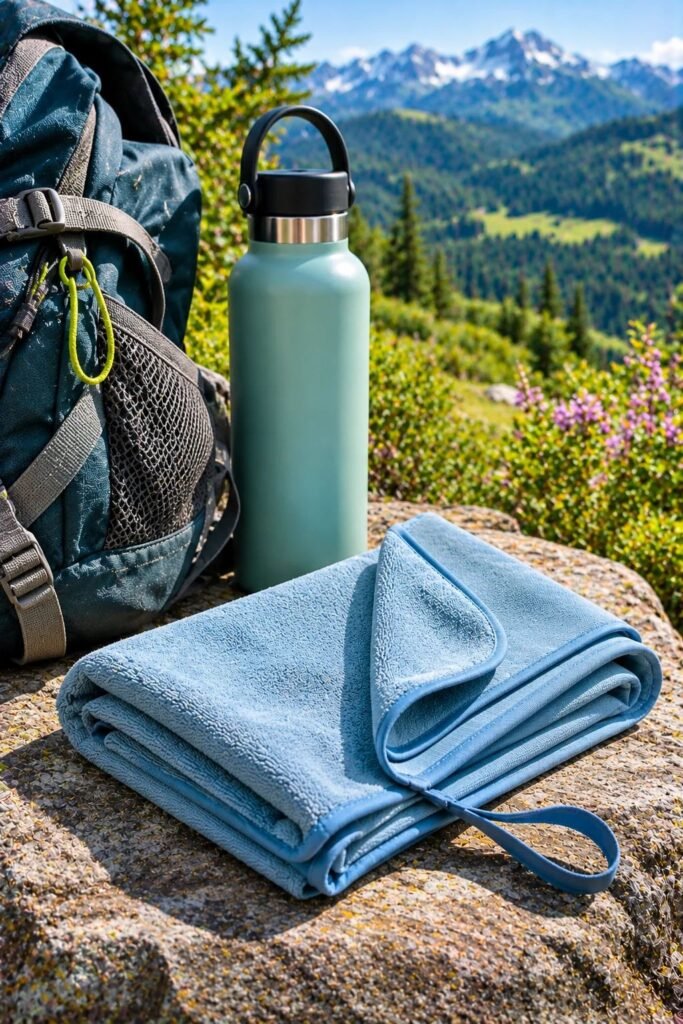
A small quick-dry towel is another simple accessory worth adding to your hiking backpack.
You might need it to wipe away sweat, dry your hands after washing them, or clean up after an unexpected rain shower.
Unlike ordinary towels, microfiber hiking towels are lightweight and generally dry faster, making them convenient for outdoor activities.
Choose a compact size that fits easily into your backpack.
Why you’ll need it:
- Helps wipe away sweat.
- Dries quickly after use.
- Takes up very little backpack space.
- Is useful during warm-weather hikes and outdoor adventures.
Beginner tip: Store your towel in a separate pocket or small pouch so it doesn’t make the other contents of your backpack damp.
11. A Reusable Snack Container
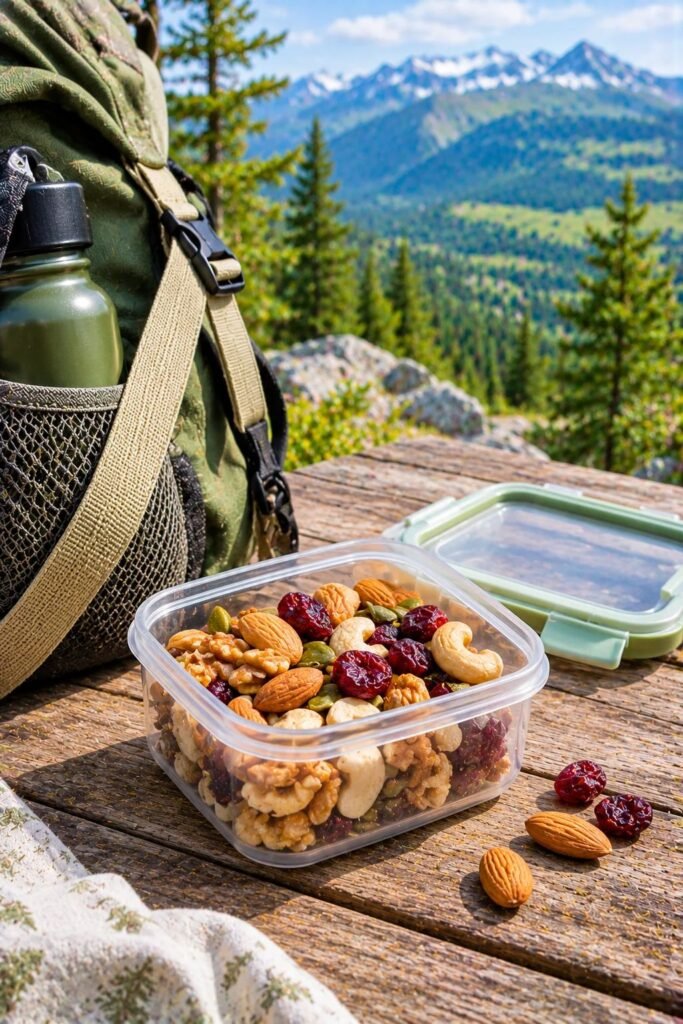
Hiking can require more energy than you might expect, especially when you’re walking uphill or exploring a trail for several hours.
Having snacks available can help you avoid getting uncomfortably hungry along the way.
A small reusable snack container is perfect for carrying trail mix, nuts, dried fruit, crackers, or other easy-to-carry foods.
You can also use resealable food bags, provided you pack out everything you bring.
Why you’ll need it:
- Keeps snacks organized.
- Helps prevent food from getting crushed.
- Makes it easier to eat during breaks.
- Reduces the need for disposable packaging.
Beginner tip: Choose snacks that are easy to eat, won’t spoil quickly in the conditions you’ll encounter, and suit your dietary needs.
12. A Small Hiking First Aid Blister Kit
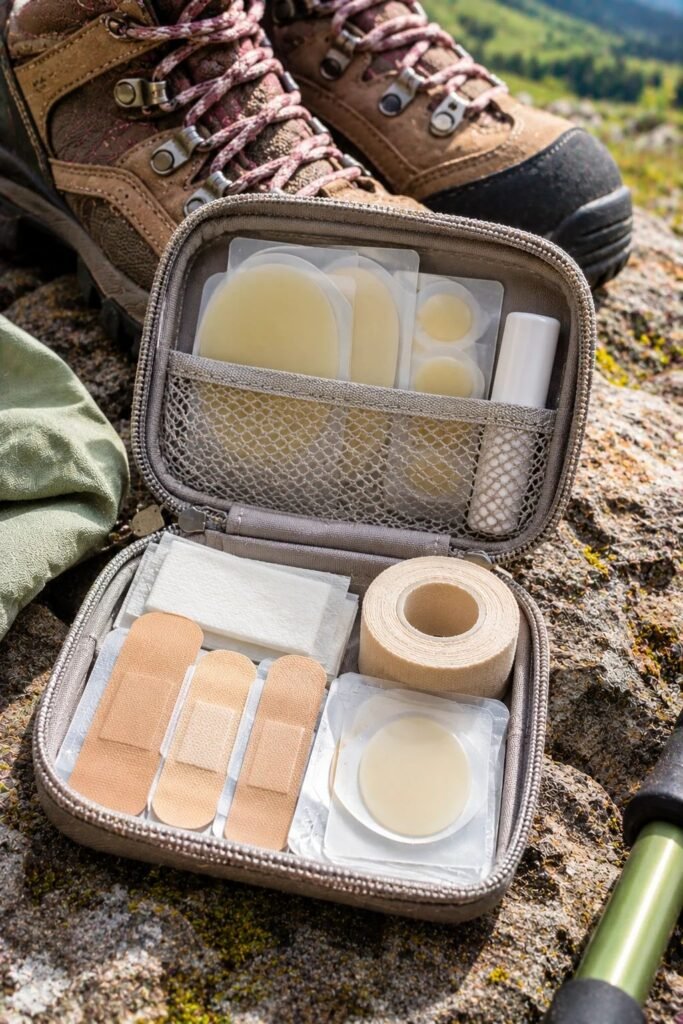
Although a general first aid kit is important, I also recommend carrying a few additional blister-care supplies.
Blisters are a common problem for new hikers, particularly when wearing new shoes or walking longer distances than usual.
A small blister kit can include blister pads, hydrocolloid dressings, and medical tape.
These items take up very little room but can make a big difference if your feet start rubbing uncomfortably.
Why you’ll need it:
- Helps protect areas affected by friction.
- Provides supplies for minor foot problems.
- Takes up very little space.
- Is particularly useful during longer hikes.
Beginner tip: Don’t wait until a blister becomes painful before addressing friction. If you feel rubbing, stop and check your footwear.
13. A Lightweight Rain Jacket
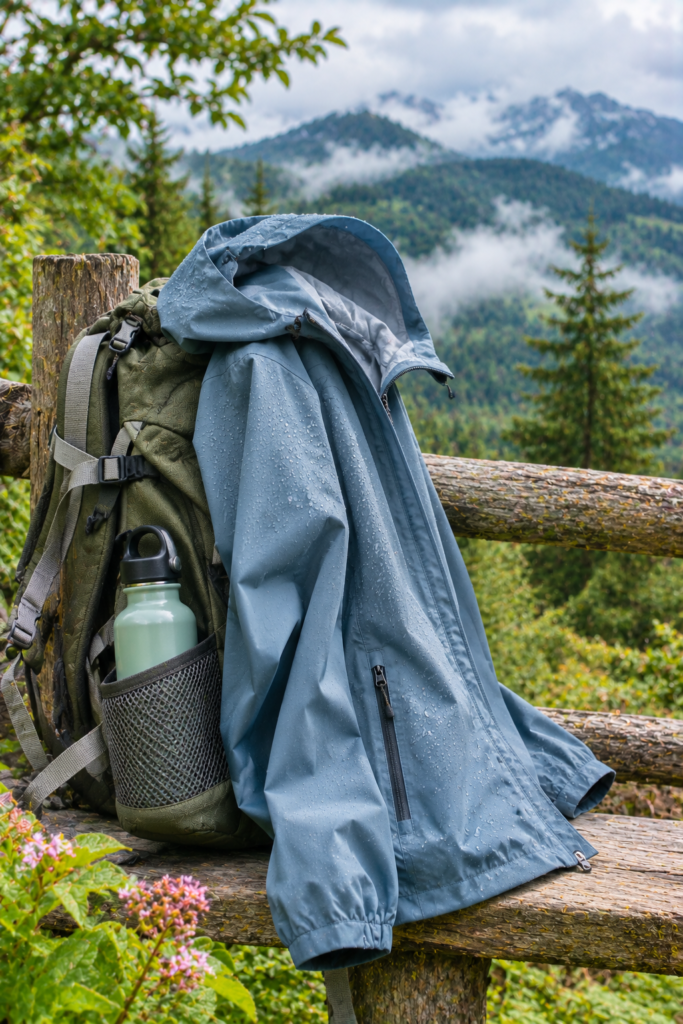
Weather can change quickly when you’re outdoors, especially in mountainous areas or places with unpredictable conditions.
A lightweight rain jacket is a practical accessory that helps protect you from unexpected showers and wind.
Look for a jacket that’s breathable, comfortable, and easy to fold into your backpack. A hood and adjustable cuffs are useful features.
If you’re hiking in colder conditions, you may also need additional insulating layers underneath.
Why you’ll need it:
- Helps keep you dry during unexpected rain.
- Provides protection against wind.
- Can be packed away when not needed.
- Makes changing weather easier to manage.
Beginner tip: Check the weather forecast before your hike, but always carry appropriate rain protection if conditions could change.
14. A Navigation Compass
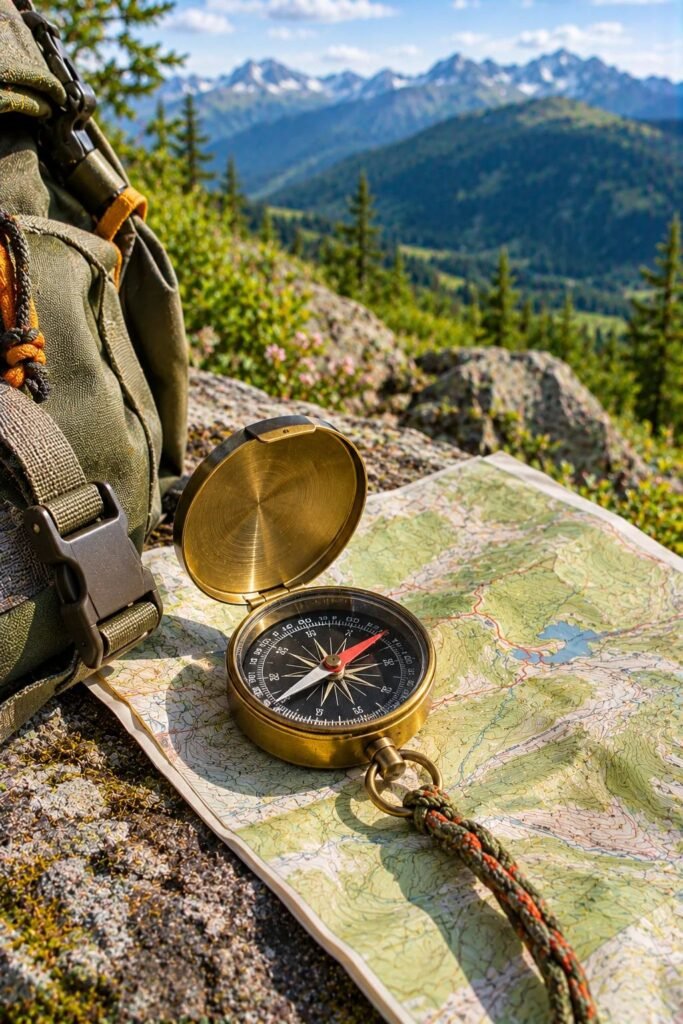
Technology is incredibly helpful, but I wouldn’t recommend relying entirely on your phone when exploring unfamiliar hiking trails.
A traditional compass is a useful backup navigation accessory, particularly when paired with a suitable map and basic navigation knowledge.
Choose a simple, easy-to-read compass designed for outdoor use.
Remember that simply carrying a compass isn’t enough. You should understand how to use it and how to orient a map before relying on it in the wilderness.
Why you’ll need it:
- Provides a backup navigation tool.
- Doesn’t depend on phone battery power.
- Can help with traditional map navigation.
- Is useful for developing outdoor navigation skills.
Beginner tip: Practice using a compass in a familiar outdoor area before taking it on an unfamiliar trail.
15. A Multi-Tool
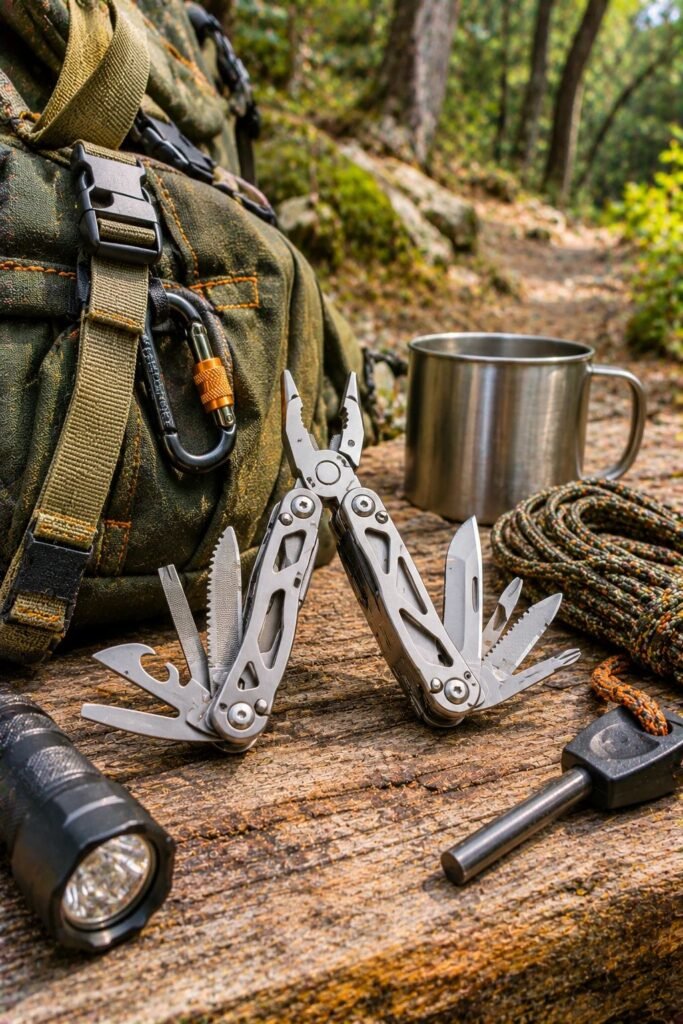
A compact multi-tool can be useful for small tasks during outdoor adventures.
Depending on the model, it may include scissors, a screwdriver, pliers, or other practical tools.
You don’t need an expensive professional model for ordinary day hikes. A small, lightweight option with the features you actually use is often sufficient.
Why you’ll need it:
- Provides several useful tools in one accessory.
- Can help with minor gear adjustments.
- Saves space compared with carrying individual tools.
- Is useful for general outdoor activities.
Beginner tip: Check local trail regulations before carrying tools with blades, and choose a model suitable for your intended activities.
16. Insect Repellent
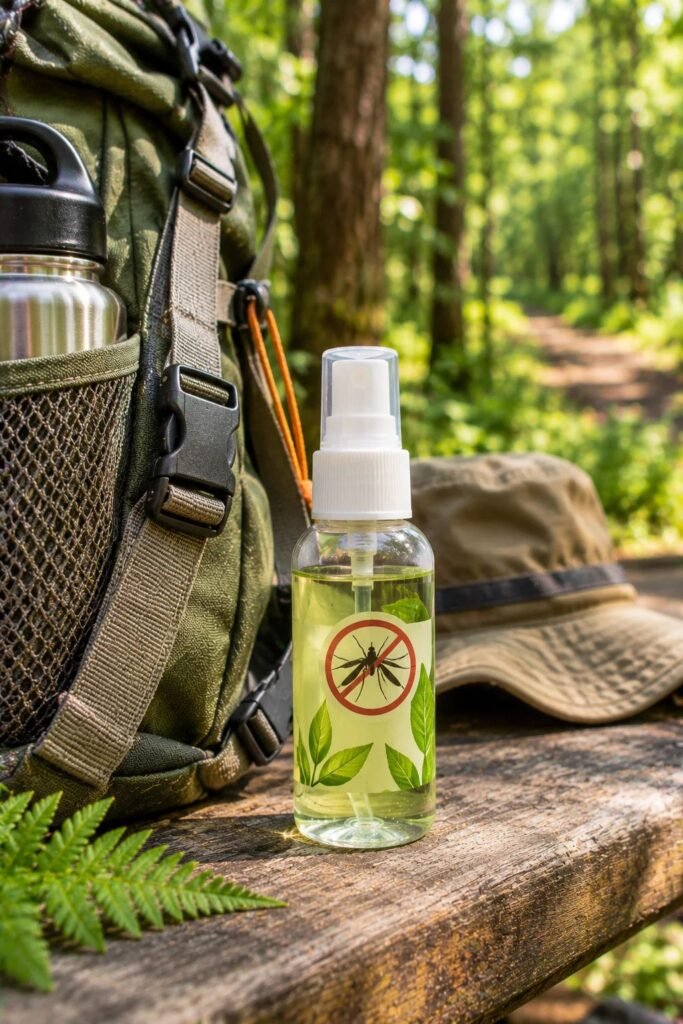
Nothing can interrupt a peaceful hike quite like constantly swatting away mosquitoes and other biting insects.
Insect repellent is particularly useful when hiking through forests, wetlands, grassy areas, or places with lots of insects.
Choose a suitable repellent and follow the label instructions carefully. Depending on the product, active ingredients may include DEET or picaridin.
You can also wear lightweight clothing that covers exposed skin.
Why you’ll need it:
- Helps reduce insect bites.
- Makes hiking through wooded areas more comfortable.
- Provides additional protection against certain biting insects.
- Is easy to carry in a small backpack pocket.
Beginner tip: Research the insects and disease risks associated with your destination so you can choose appropriate protection.
17. A Whistle for Emergencies
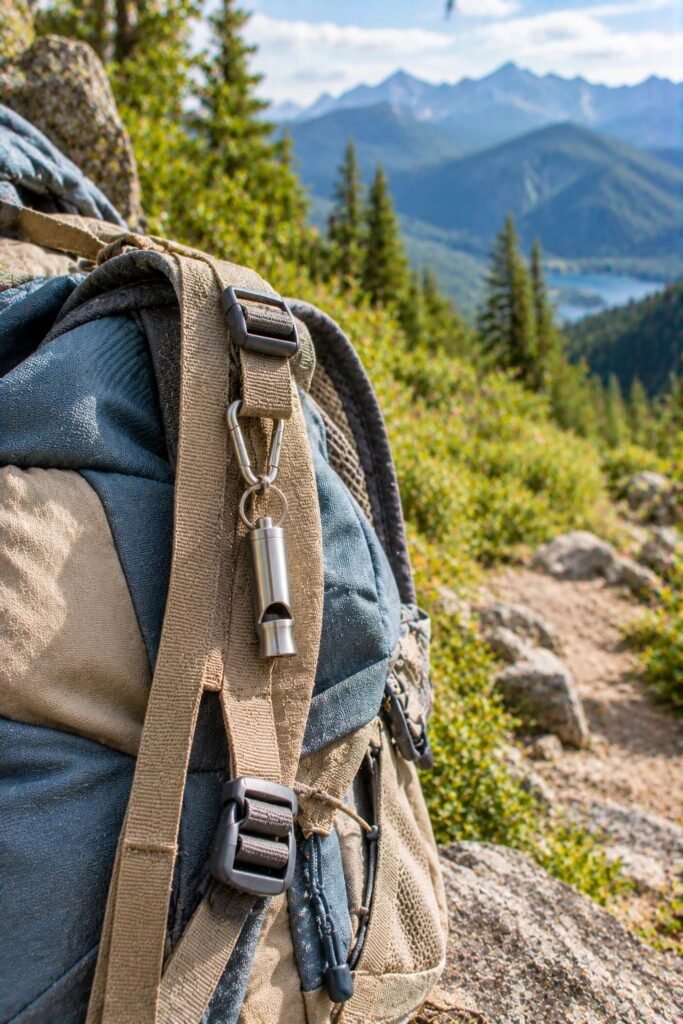
An emergency whistle is one of the smallest hiking accessories you can carry, but it can be extremely useful.
If you become separated from your hiking group or need to attract attention, a whistle can help you signal for assistance without shouting continuously.
Choose a durable whistle that produces a loud, clear sound. Keep it somewhere accessible rather than buried at the bottom of your backpack.
Why you’ll need it:
- Helps attract attention during an emergency.
- Requires less effort than shouting.
- Is lightweight and inexpensive.
- Can be attached to your backpack.
Beginner tip: Learn the common emergency whistle signal of three repeated blasts, and check local guidance for the area you’re visiting.
18. A Wide-Brim Hiking Hat
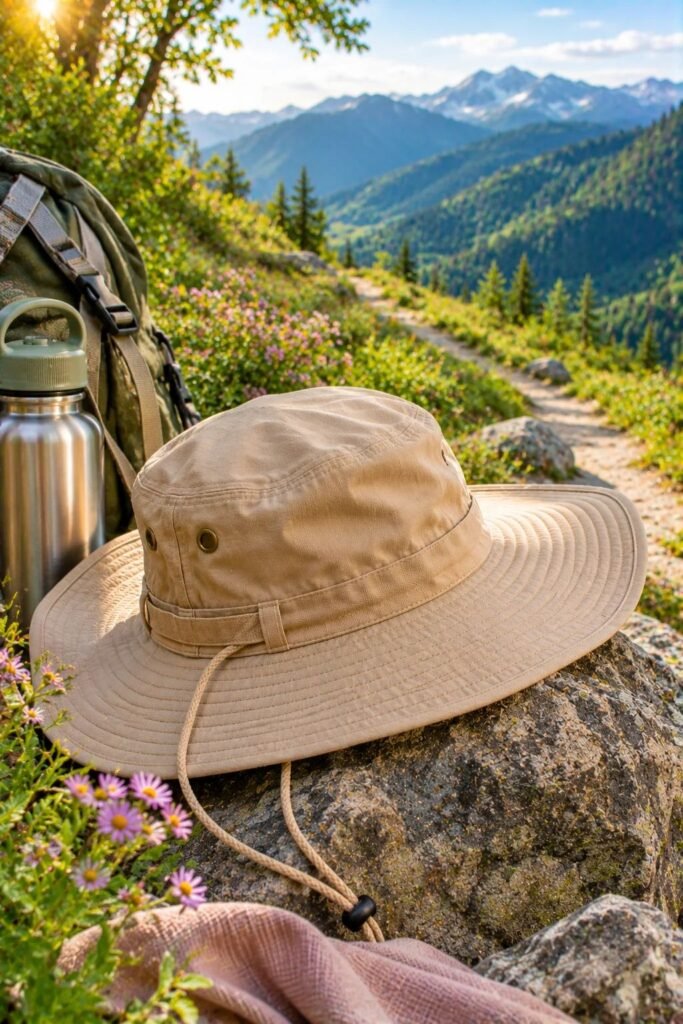
A comfortable hiking hat can make sunny outdoor adventures much more enjoyable.
I especially recommend a wide-brim hat for beginners exploring exposed trails where there isn’t much natural shade.
Look for lightweight, breathable material and a comfortable fit. Some hiking hats also include adjustable chin straps to help keep them in place when it’s windy.
Why you’ll need it:
- Provides shade for your face and neck.
- Helps reduce direct sun exposure.
- Makes sunny hikes more comfortable.
- Is lightweight and easy to pack.
Beginner tip: Choose a hat that fits securely without feeling too tight. A breathable material is particularly useful during warmer weather.
19. A Lightweight Sit Pad
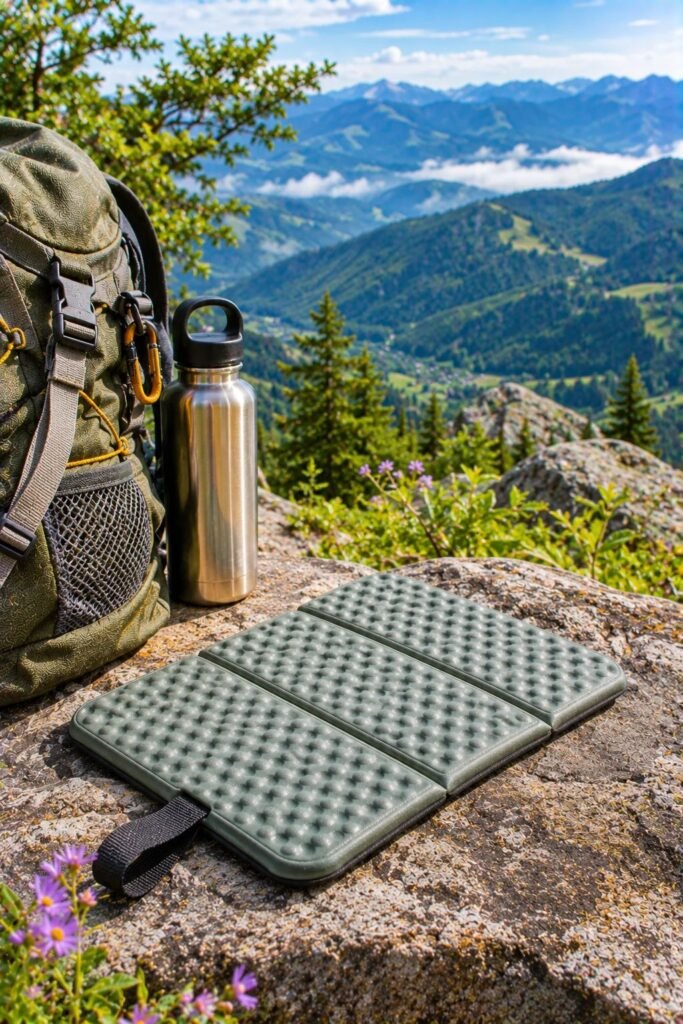
One of the nicest parts of hiking is stopping somewhere beautiful, enjoying a snack, and taking a moment to appreciate the scenery.
However, sitting directly on wet, cold, or rocky ground isn’t always comfortable.
A lightweight foam sit pad gives you a simple surface to sit on during breaks. Some models fold into small sections, making them easy to store inside a backpack.
Why you’ll need it:
- Provides a more comfortable place to rest.
- Helps keep your clothing away from damp ground.
- Offers insulation from cold surfaces.
- Makes outdoor snack breaks more enjoyable.
Beginner tip: Choose a compact folding design so it doesn’t take up too much room in your backpack.
20. A Small Dry Bag
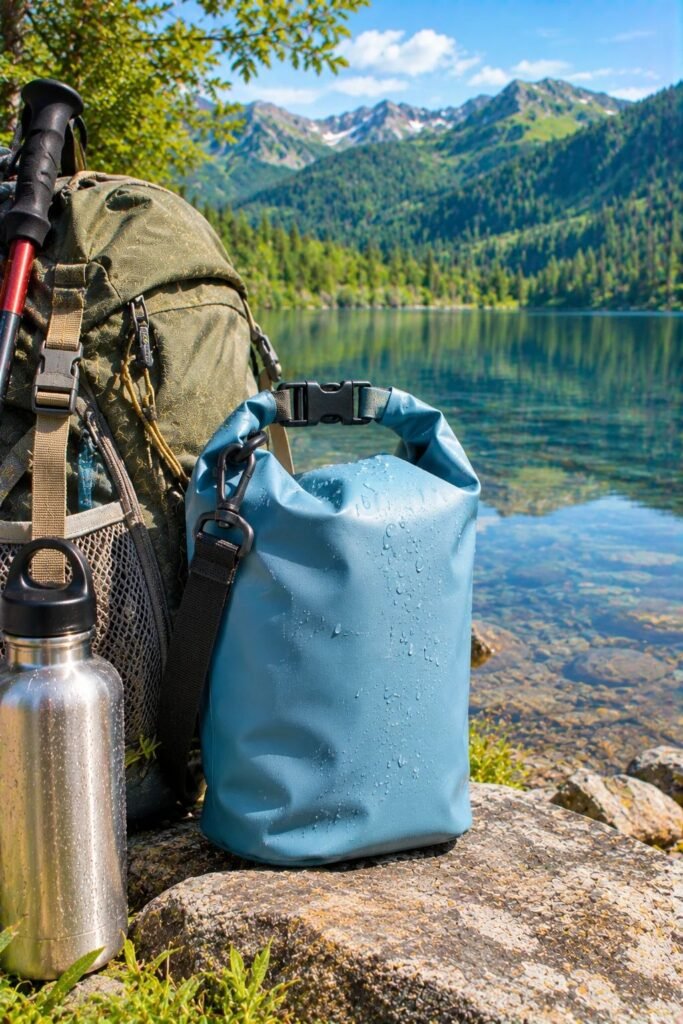
A dry bag is a useful accessory for keeping important belongings protected from moisture.
You can use one to store spare clothing, electronics, documents, or other items that you don’t want getting wet.
Dry bags come in different sizes, so choose one that fits comfortably inside your hiking backpack.
For beginners, a small lightweight option is usually enough for ordinary day hikes.
Why you’ll need it:
- Helps protect important belongings from moisture.
- Keeps spare clothing separate.
- Is useful during rainy weather.
- Helps organize your backpack.
Beginner tip: Remember that water resistance and waterproof protection aren’t always the same. Check the manufacturer’s specifications and closure instructions.
What Hiking Accessories Should Beginners Buy First?
If you’re just getting started, you don’t need to purchase all 20 accessories at once. Some items are more important than others, especially when you’re planning short, easy hiking trips.
I’d recommend starting with the essentials that support your safety, comfort, and basic needs.
Here are the accessories I’d prioritize:
- Reusable water bottle or hydration reservoir.
- Comfortable hiking socks.
- Lightweight hiking backpack.
- First aid kit with blister supplies.
- Sunscreen and SPF lip balm.
- Headlamp.
- Lightweight rain jacket.
- Navigation tools.
- Emergency whistle.
- Appropriate snacks.
Once you’ve purchased these basics, you can gradually add accessories such as trekking poles, a quick-dry towel, a dry bag, and a portable power bank.
Your ideal hiking setup will depend on the places you visit and the type of trails you enjoy.
How to Choose the Best Hiking Accessories as a Beginner
Before buying hiking accessories, think about how you’ll actually use them. A product might look attractive online, but that doesn’t necessarily mean it’s the right choice for your hiking style.
Here are a few things I recommend considering.
1. Choose lightweight equipment
You don’t want to carry unnecessary weight on your first hiking adventure. Look for compact accessories that perform their intended job without taking up too much space.
2. Prioritize comfort
Comfortable socks, a properly fitted backpack, and suitable clothing can make your hiking experience much more enjoyable.
3. Consider the weather
A sunny coastal trail requires different accessories from a cold mountain hike. Think about the temperatures, rainfall, sunlight, and conditions you might encounter.
4. Invest in quality where it matters
You don’t have to purchase the most expensive outdoor products. However, it’s worth choosing reliable footwear, a comfortable backpack, dependable lighting, and appropriate safety equipment.
5. Avoid buying things you won’t use
It’s easy to get carried away when shopping for hiking accessories. Start with the essentials and add equipment as you discover what works best for you.
Beginner Hiking Mistakes to Avoid
Your first few hiking adventures are a great opportunity to learn what works and what doesn’t. Here are some common mistakes I’d recommend avoiding.
- Carrying too much: Packing unnecessary accessories can make your backpack uncomfortable and heavy.
- Wearing brand-new shoes: Always test your hiking footwear before taking it on a long trail.
- Forgetting enough water: Plan your water supply before leaving and don’t rely on finding refill points.
- Ignoring the weather: Check the forecast and prepare for changing conditions.
- Relying entirely on your phone: Carry backup navigation and lighting equipment where appropriate.
- Skipping a first aid kit: Even an easy trail can come with unexpected minor injuries.
- Choosing a difficult trail too soon: Begin with manageable routes and gradually build your confidence.
- Leaving rubbish behind: Carry out your food wrappers and other waste, and follow Leave No Trace principles.
Frequently Asked Questions About Hiking Accessories for Beginners
What is the most important hiking accessory for beginners?
A comfortable backpack, sufficient drinking water, suitable footwear, and a first aid kit are among the most important things to consider. Your exact needs will depend on the length and difficulty of your hike.
How much should a beginner spend on hiking accessories?
You don’t need to spend a fortune to get started. Begin with basic, reliable equipment and prioritize items that affect your comfort and safety. You can upgrade as you gain more hiking experience.
What should I carry in my backpack for a short hike?
For a short day hike, consider carrying water, snacks, a first aid kit, a phone, navigation tools, sunscreen, a headlamp, an extra clothing layer, and a rain jacket when appropriate.
Are trekking poles necessary for beginners?
No. Trekking poles are optional, but they can provide additional stability and support on certain uneven, steep, or slippery trails. Beginners may find them especially useful when learning to navigate more challenging terrain.
What should I wear for my first hiking adventure?
Choose comfortable, moisture-managing clothing suitable for the weather, supportive hiking footwear, and socks designed for walking. Bring an extra layer and rain protection if conditions might change.
Is a regular backpack suitable for hiking?
A regular backpack can work for a short, easy walk if it fits comfortably and has enough room for your essentials. However, a hiking daypack often provides better support, organization, and comfort.
Final Thoughts: Start Your Hiking Adventure With the Right Accessories
Getting into hiking is such a wonderful way to explore nature, discover beautiful destinations, and challenge yourself in new ways. And while having the right accessories can make your adventures more comfortable, remember that you don’t need to own every piece of outdoor equipment before you get started.
Begin with the essentials, choose comfortable and reliable products, and gradually build your collection as you explore more trails. A good water bottle, comfortable socks, a dependable backpack, and a few basic safety items can already make a meaningful difference.
Most importantly, choose trails that match your experience level, prepare before heading out, and take time to enjoy the journey. You might be surprised by how much you fall in love with hiking once you find your rhythm!