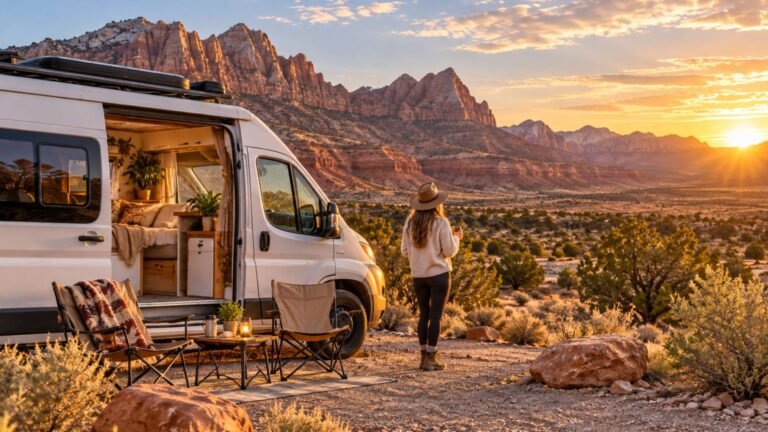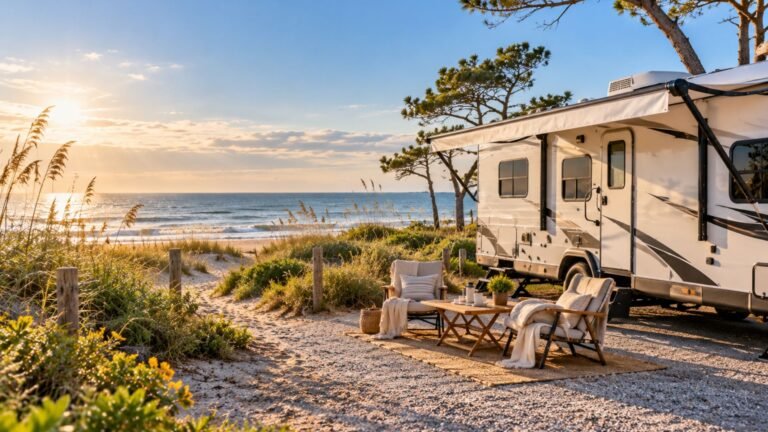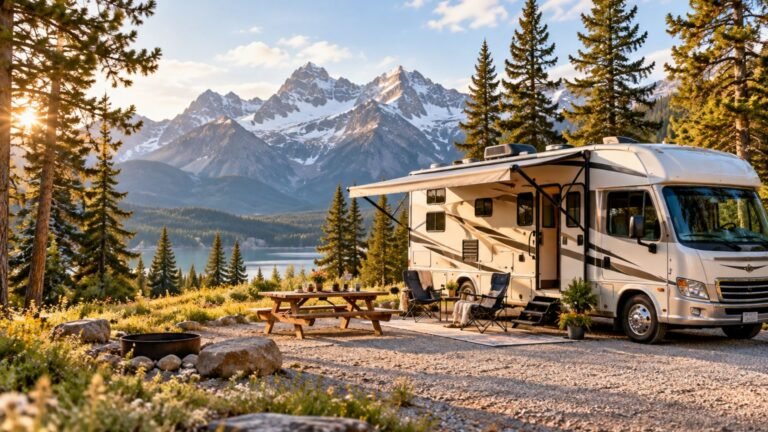
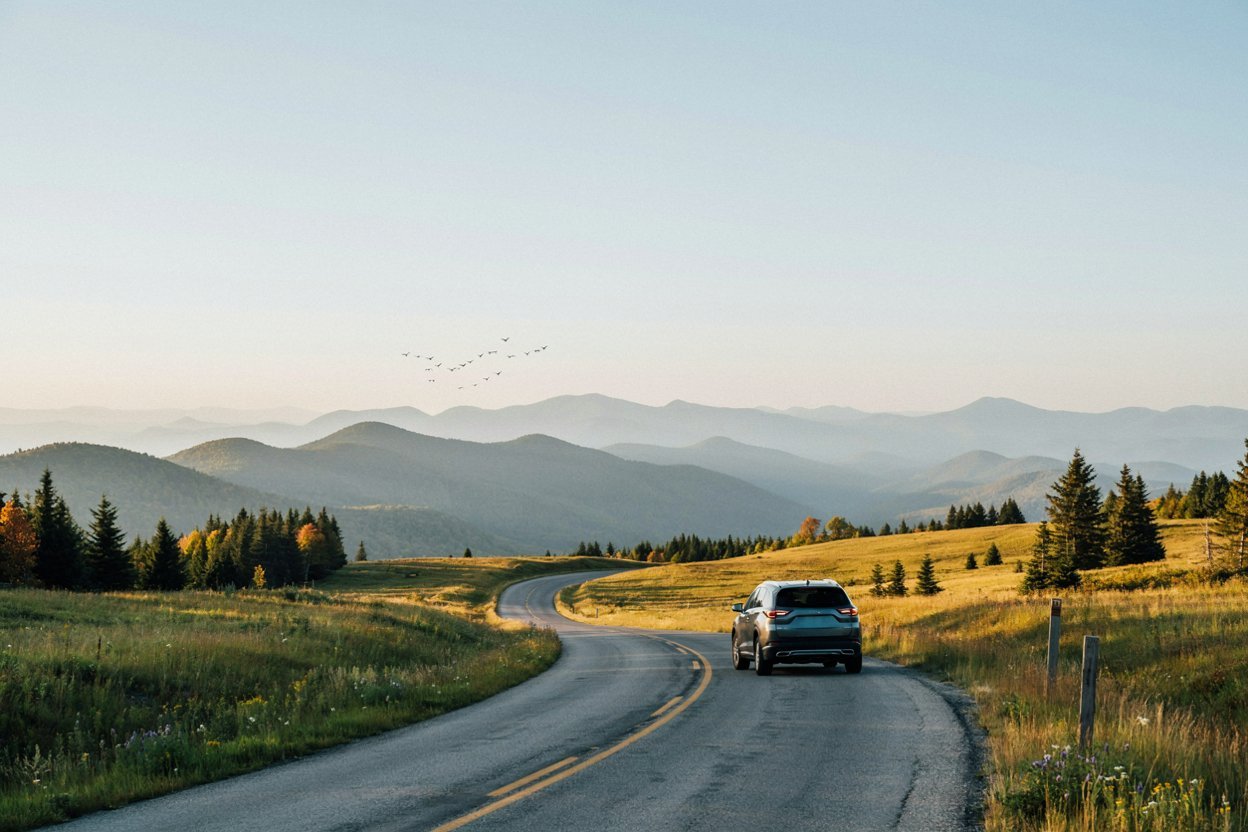

There is something special about taking a road trip across the United States. You get to slow down, choose your own stops, discover small towns you might otherwise miss, and watch the scenery change right outside your window.
I have always loved the idea that the journey can be just as exciting as the destination. One day you can be driving beside the ocean, and the next you can be surrounded by mountains, forests, desert landscapes, or charming little towns.
The USA is enormous, so choosing the right road trip can feel overwhelming. That is why I put together this list of some of the best road trips in the country, including scenic coastal drives, national park adventures, mountain routes, historic highways, and relaxed weekend journeys.
Whether you have three days, one week, or two weeks to explore, these USA road trip ideas can help you plan an unforgettable adventure.
1. Pacific Coast Highway, California
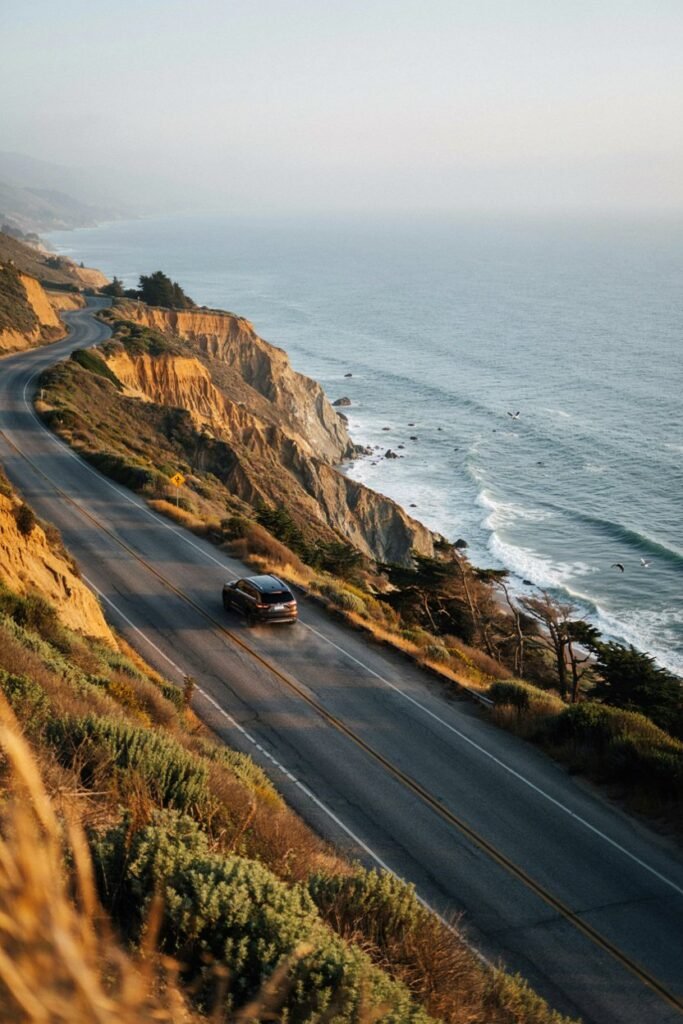
Best for: Coastal scenery, couples, first-time road trippers, beaches and beautiful towns
Suggested time: 5–10 days
If I had to recommend one classic American road trip for someone who had never taken a USA road trip before, the California coast would be near the top of my list.
The Pacific Coast Highway offers a beautiful combination of ocean views, charming coastal towns, beaches, viewpoints, and major California attractions.
A popular itinerary can begin in San Francisco and travel south toward Los Angeles, although you can also reverse the route.
Suggested itinerary
Days 1–2: San Francisco
Start your trip by exploring San Francisco. Walk around Fisherman’s Wharf, see the Golden Gate Bridge, explore the city’s neighborhoods, and enjoy the views from the waterfront.
Day 3: Monterey and Carmel-by-the-Sea
Drive south toward Monterey and Carmel.
Spend some time along the coast, visit the famous Monterey Bay area, and enjoy Carmel’s charming streets and independent shops.
Days 4–5: Big Sur
This is where the road trip becomes especially scenic.
Big Sur is famous for dramatic cliffs, ocean views, bridges, forests, and scenic overlooks. Take your time here instead of rushing from one viewpoint to another.
Day 6: San Luis Obispo or Santa Barbara
Continue south and spend a night in either San Luis Obispo or Santa Barbara.
Days 7–8: Los Angeles
Finish around Los Angeles and spend a couple of days exploring before flying home.
Road trip tip
Don’t try to drive the entire coastline in one day. The beauty of this trip is being able to stop whenever something catches your attention.
Always check current road conditions before leaving, particularly along coastal stretches where closures can occasionally affect travel.
2. Blue Ridge Parkway: Virginia to North Carolina
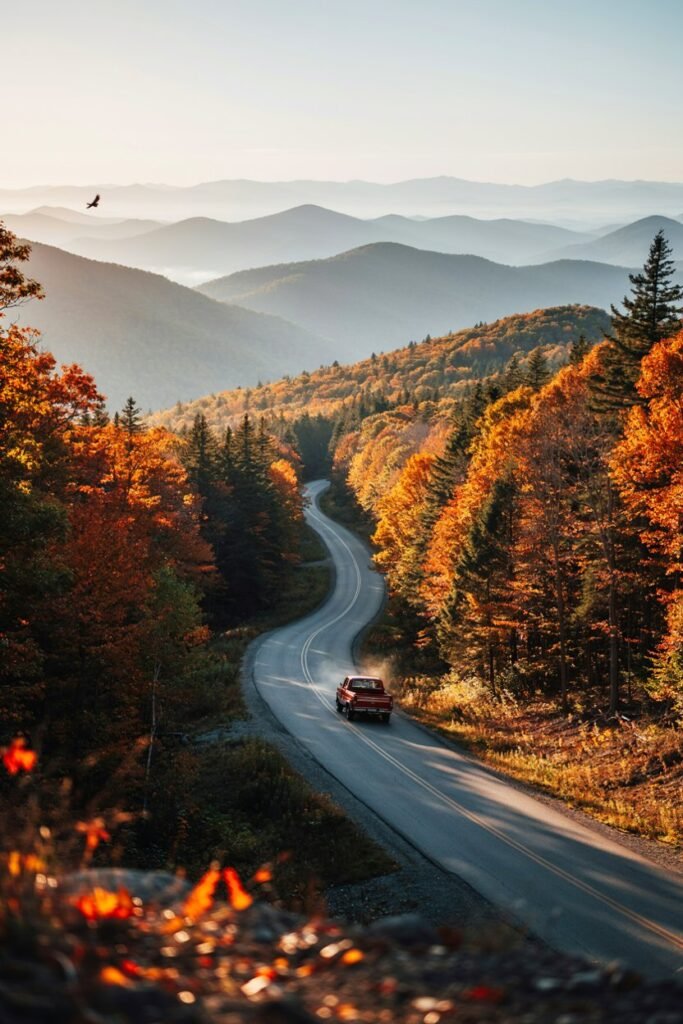
Best for: Mountains, hiking, fall foliage and scenic drives
Suggested time: 4–7 days
If mountains and autumn colors are more your style, the Blue Ridge Parkway is an incredible choice.
The route passes through the Appalachian Mountains and connects beautiful landscapes with charming mountain communities.
It is particularly popular during fall when the forests turn into a spectacular mix of autumn colors.
Suggested itinerary
Days 1–2: Virginia
Begin around the Virginia section of the parkway. Take your time with scenic overlooks and short hikes.
Days 3–4: Roanoke and surrounding mountain areas
Explore the towns and natural attractions along the way.
Days 5–6: Asheville, North Carolina
Finish around Asheville, where you can enjoy restaurants, art galleries, historic architecture, and easy access to the surrounding mountains.
What makes this road trip special?
You don’t need to plan an attraction at every stop.
Sometimes the best part is simply pulling into a scenic overlook, getting out of the car, and enjoying the view.
My tip
If you are traveling during fall, book accommodations early. Autumn is one of the most popular times to explore this region.
3. Utah’s Mighty Five
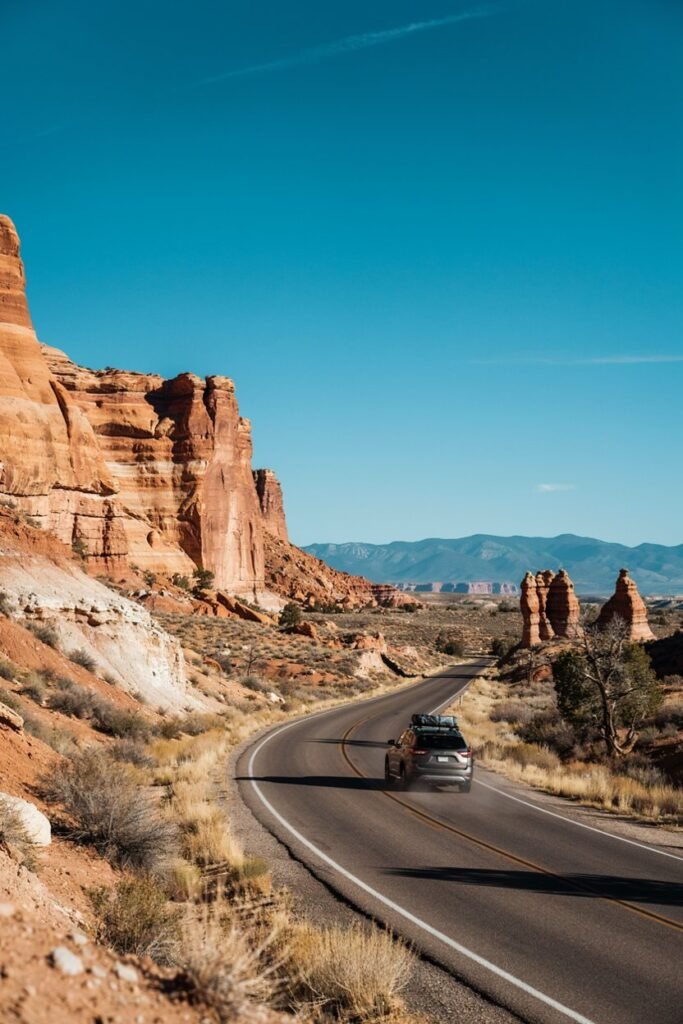
Best for: National parks, hiking, photography and outdoor adventures
Suggested time: 7–10 days
Utah is one of my favorite choices for travelers who want a road trip packed with dramatic landscapes.
The famous Mighty Five refers to:
- Zion National Park
- Bryce Canyon National Park
- Capitol Reef National Park
- Arches National Park
- Canyonlands National Park
You can create an incredible loop connecting several of these parks.
Suggested itinerary
Day 1: Las Vegas to Zion
Use Las Vegas as a convenient starting point and drive toward Zion.
Days 2–3: Zion National Park
Spend at least two days exploring the park.
Day 4: Bryce Canyon
Drive toward Bryce Canyon and spend the day exploring the hoodoos and viewpoints.
Day 5: Capitol Reef
Continue toward Capitol Reef for another day surrounded by colorful cliffs and desert scenery.
Days 6–7: Arches and Moab
Base yourself in Moab and explore Arches National Park.
Day 8: Canyonlands
Finish with Canyonlands before beginning your journey back.
Why I love this route
The scenery changes constantly. You can start the morning surrounded by towering canyon walls and finish the day watching the sun disappear across a desert landscape.
Planning tip
Don’t underestimate driving distances. Even when destinations look relatively close on a map, national parks can take longer to explore than expected.
Give yourself extra time for viewpoints, hikes, parking, meals, and unexpected stops.
4. Route 66
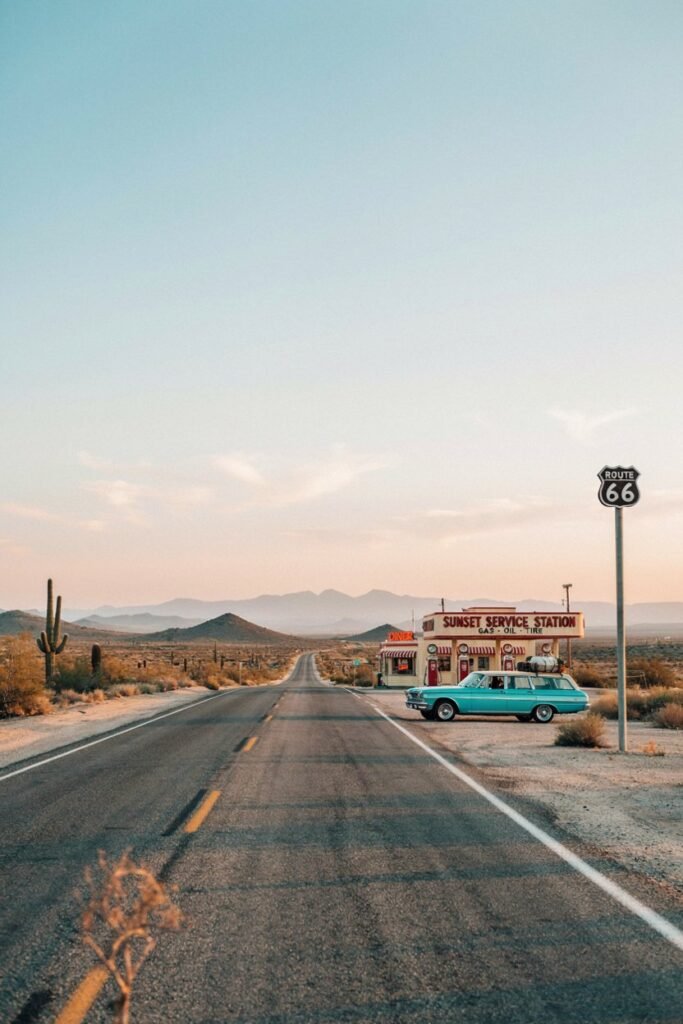
Best for: History, quirky roadside attractions, classic Americana and nostalgia
Suggested time: 10–14+ days
Route 66 is one of the most famous road-trip routes in American history.
The historic route traditionally stretches from Chicago to Santa Monica, passing through several states and countless roadside communities.
Today, Route 66 is not one continuous modern highway, so planning your route requires some research.
Suggested itinerary
Days 1–2: Chicago
Begin in Chicago and enjoy the city’s architecture, food and famous attractions.
Days 3–4: Illinois and Missouri
Follow historic Route 66 sections and look for classic roadside attractions.
Days 5–6: Oklahoma
Oklahoma is an important part of the Route 66 experience, with museums, roadside attractions and historic towns.
Days 7–8: Texas and New Mexico
Continue through the Southwest and enjoy the changing landscapes.
Days 9–10: Arizona
Make time for northern Arizona, where you can add attractions such as the Grand Canyon depending on your schedule.
Days 11–14: California
Finish your adventure in California and make your way toward Santa Monica.
Road trip tip
Route 66 is less about getting somewhere quickly and more about discovering the unusual things along the way.
Leave room in your itinerary for roadside diners, small museums, historic buildings and unexpected photo stops.
5. Florida Keys Road Trip
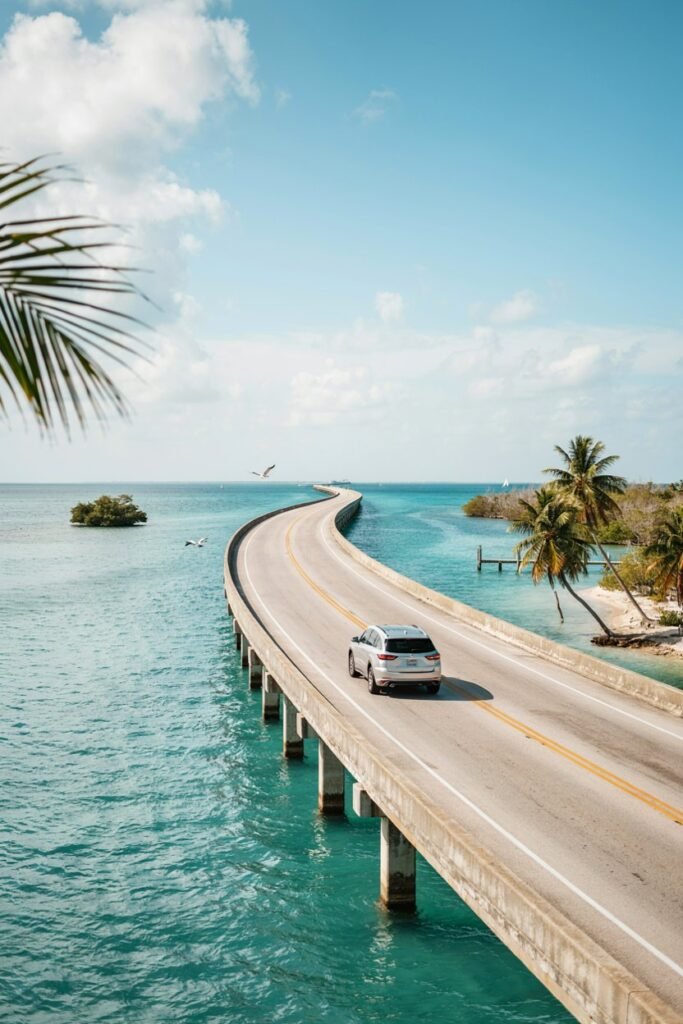
Best for: Beaches, warm weather, ocean views and a relaxed vacation
Suggested time: 3–5 days
For a completely different experience, head south through Florida toward the Florida Keys.
The drive from Miami toward Key West takes you across bridges surrounded by water and connects a string of tropical islands.
Suggested itinerary
Day 1: Miami
Spend a day exploring Miami before starting the drive.
Day 2: Key Largo
Head toward Key Largo and enjoy the water, beaches and outdoor activities.
Day 3: Islamorada
Continue to Islamorada and slow the pace down.
Days 4–5: Key West
Finish in Key West and explore the historic streets, waterfront and sunset views.
Why choose this road trip?
It is one of those trips where you don’t need a packed schedule.
You can spend the morning exploring, the afternoon relaxing near the water, and the evening watching the sunset.
My tip
Give yourself plenty of time for the drive. The road itself is part of the experience, so there is no reason to race from Miami to Key West.
6. New England Fall Road Trip
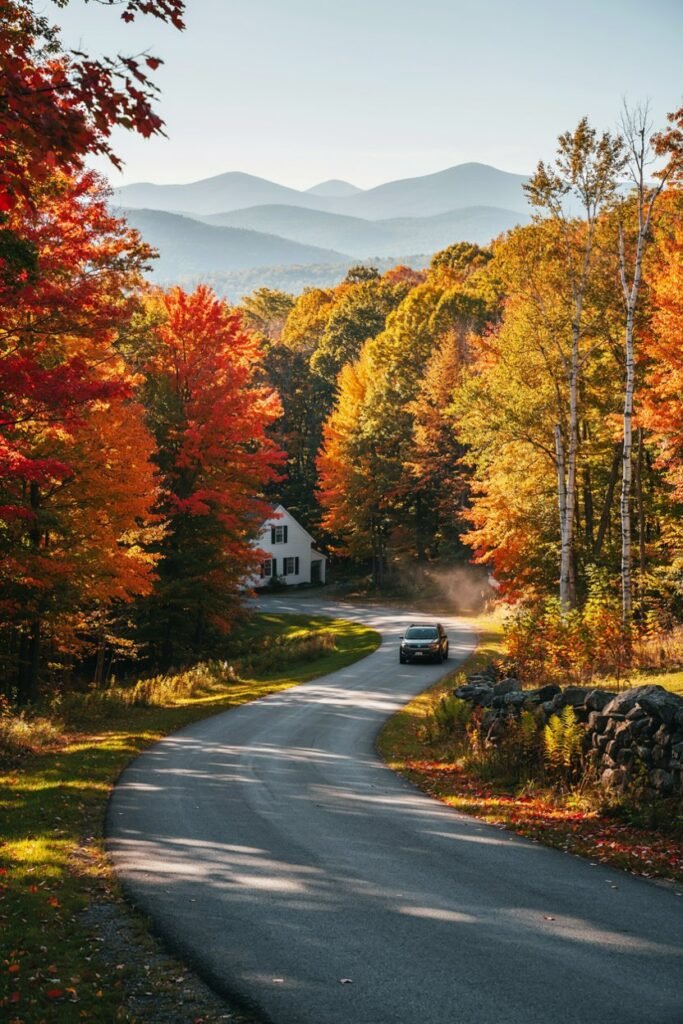
Best for: Fall foliage, charming towns, cozy stays and photography
Suggested time: 5–10 days
New England is one of my favorite regions for a scenic autumn road trip.
Imagine winding roads surrounded by colorful trees, historic villages, covered bridges, farm stands and cozy cafés.
You can create several different routes through the region depending on how much time you have.
Suggested itinerary
Days 1–2: Boston
Start in Boston and explore the historic city before picking up your rental car.
Day 3: Portsmouth, New Hampshire
Drive north toward Portsmouth and spend some time exploring the waterfront and historic streets.
Days 4–5: White Mountains
Head into New Hampshire for mountain scenery and scenic drives.
Days 6–7: Vermont
Continue into Vermont and explore small towns, countryside and local shops.
Days 8–9: Maine
Finish your trip around Maine, with Acadia National Park being an excellent addition if your schedule allows.
When should you go?
Fall is the obvious choice for colorful foliage, but that also means crowds and higher demand.
If autumn is your goal, monitor foliage reports and remain flexible with your route.
7. Grand Canyon and the American Southwest
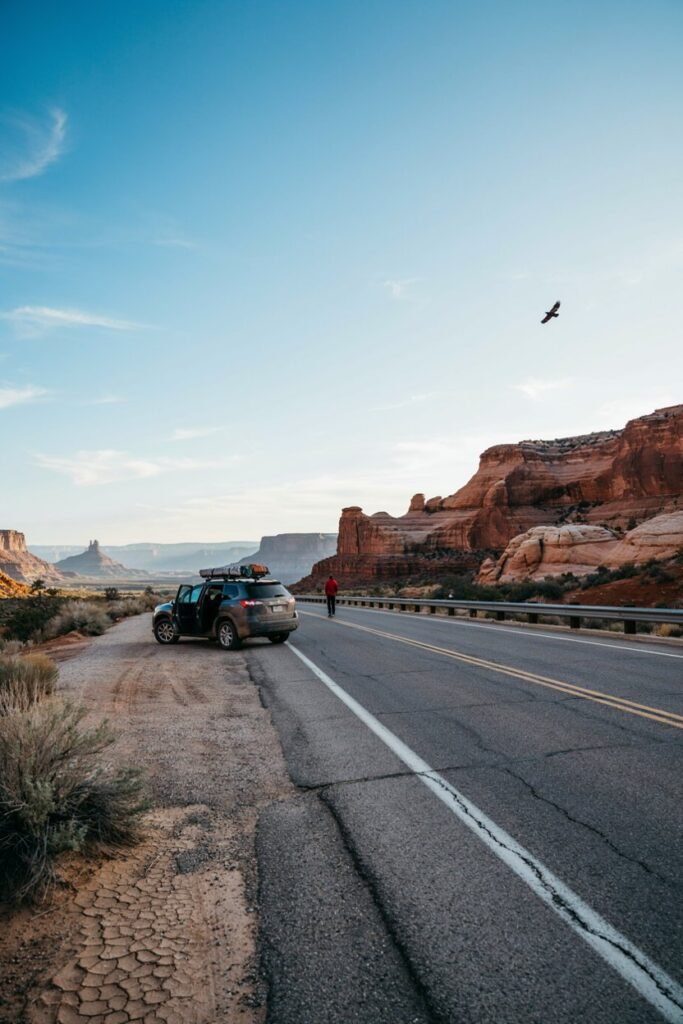
Best for: Desert scenery, national parks, photography and adventure
Suggested time: 7–10 days
The Southwest is perfect if you want a road trip filled with huge landscapes.
A route connecting Las Vegas, the Grand Canyon, Zion and other Southwest destinations can easily become one of the most memorable trips you take.
Suggested itinerary
Day 1: Las Vegas
Use Las Vegas as your starting point and collect your rental car.
Days 2–3: Zion National Park
Head to Zion and spend two days exploring.
Day 4: Bryce Canyon
Continue toward Bryce Canyon.
Days 5–6: Grand Canyon
Spend at least two days around the Grand Canyon if possible.
Day 7: Return or extend the trip
Depending on your interests, you can continue toward Page, Monument Valley or other Southwest destinations.
One important tip
Don’t plan every hour.
The Southwest is one of those places where you will want extra time for scenic overlooks and spontaneous stops.
8. Pacific Northwest Road Trip
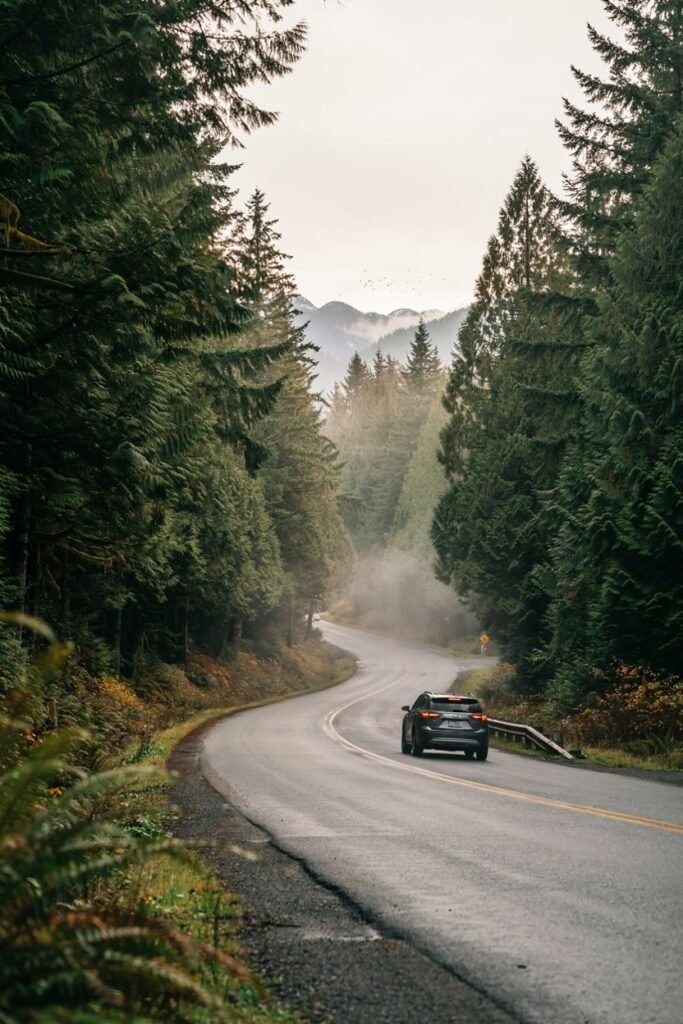
Best for: Forests, waterfalls, mountains, coastline and outdoor adventures
Suggested time: 7–10 days
The Pacific Northwest offers an amazing combination of forests, rugged coastline, mountains and lively cities.
A road trip connecting Seattle, Olympic National Park, Portland and the Oregon Coast makes a fantastic itinerary.
Suggested itinerary
Days 1–2: Seattle
Start in Seattle and explore the city.
Days 3–4: Olympic Peninsula
Drive toward Olympic National Park and experience forests, beaches and mountain landscapes.
Day 5: Oregon Coast
Continue south toward Oregon.
Days 6–7: Oregon Coast
Take your time exploring coastal towns, beaches and viewpoints.
Days 8–9: Portland
Finish around Portland and enjoy the city’s food scene and nearby attractions.
Why this trip stands out
The landscapes change dramatically without requiring you to travel enormous distances.
One moment you can be walking through a green forest, and later you can be standing beside the Pacific Ocean.
9. Alaska Road Trip
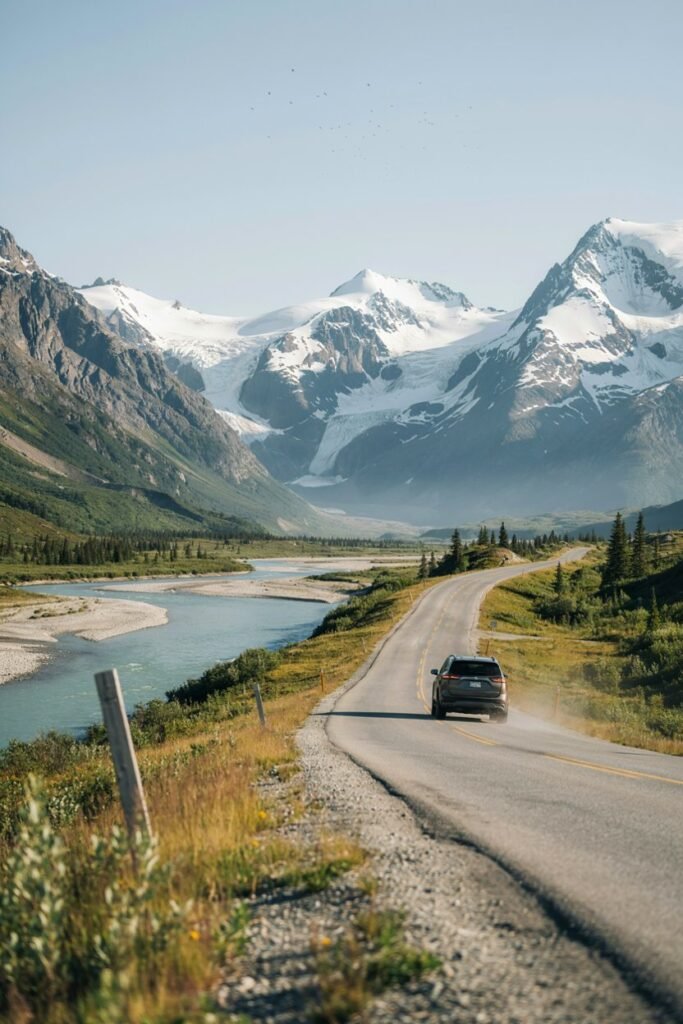
Best for: Wildlife, mountains, glaciers and wild landscapes
Suggested time: 7–10 days
For travelers who want something more adventurous, Alaska is hard to beat.
A road trip around Alaska can introduce you to enormous mountain landscapes, glaciers, wildlife and wide-open wilderness.
One popular starting point is Anchorage, with routes extending toward destinations such as Seward and Valdez.
Suggested itinerary
Days 1–2: Anchorage
Spend a little time getting settled and exploring the city.
Days 3–4: Seward
Drive toward Seward and explore the spectacular scenery along the way.
Days 5–6: Kenai Peninsula
Spend more time enjoying the region’s natural landscapes and outdoor attractions.
Days 7–8: Valdez or another scenic destination
Extend your trip toward Valdez if time allows.
Best time to go
Summer generally offers the most practical conditions for an Alaska road trip, with longer daylight hours and more accessible attractions.
My tip
Distances in Alaska can be deceiving.
Don’t try to squeeze too many destinations into a short trip. A slower itinerary will give you much more time to appreciate the scenery.
10. The Great Lakes Road Trip
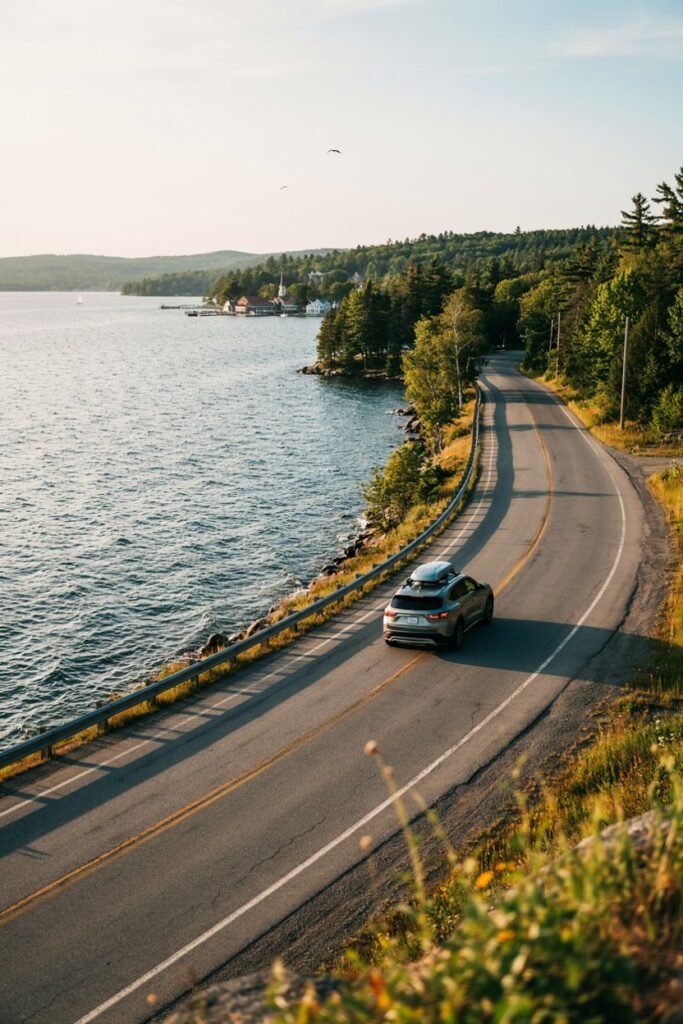
Best for: Lakeside scenery, cities, beaches, small towns and a less obvious USA itinerary
Suggested time: 7–10 days
When people talk about American road trips, they often mention California, Utah or Route 66.
But the Great Lakes region deserves attention too.
You can build a road trip around cities, waterfront communities, state parks and scenic lake views.
Suggested itinerary
Days 1–2: Chicago
Begin in Chicago and explore the city.
Day 3: Milwaukee
Drive north toward Milwaukee and enjoy its lakefront location.
Days 4–5: Michigan
Continue into Michigan and explore the state’s lakeside scenery.
Days 6–7: Traverse City or northern Michigan
Slow down and enjoy smaller towns, beaches and outdoor attractions.
Days 8–9: Return toward Chicago
Create a loop or extend the trip depending on your interests.
Why consider the Great Lakes?
It can give you a classic American road-trip experience without following one of the country’s most obvious tourist routes.
The scenery is beautiful, the cities offer plenty to do, and there are countless opportunities to create your own route.
How to Choose the Best USA Road Trip for You
With so many options, choosing just one can be difficult.
I recommend starting with the type of scenery you want to see.
For beaches and ocean views
Choose:
- Pacific Coast Highway
- Florida Keys
- Pacific Northwest
For mountains
Choose:
- Blue Ridge Parkway
- Alaska
- Utah
For national parks
Choose:
- Utah’s Mighty Five
- Grand Canyon and Southwest
- Pacific Northwest
- Alaska
For fall foliage
Choose:
- New England
- Blue Ridge Parkway
For history and nostalgia
Choose:
- Route 66
- New England
- Great Lakes
How Many Days Do You Need for a USA Road Trip?
This depends completely on your route.
For a short road trip, 3–4 days can be enough.
For a more relaxed regional trip, I would aim for 5–7 days.
If you want to cover several states or national parks, 7–14 days gives you much more breathing room.
Don’t make the mistake of planning a trip based only on driving time.
For example, Google Maps might tell you that a route takes five hours, but that doesn’t include meals, gas, traffic, viewpoints, hiking, parking or unexpected stops.
I always prefer adding extra time whenever possible.
USA Road Trip Planning Tips
1. Don’t plan too many stops
This is probably one of the biggest mistakes people make.
It can be tempting to add every attraction you find, but eventually your road trip starts feeling like a race.
Choose a few priorities and leave some open space.
2. Check the weather before driving
Weather can dramatically change road conditions.
Mountain roads, desert areas and northern destinations can have very different conditions from nearby cities.
Check forecasts and official road-condition information before long driving days.
3. Book popular accommodation early
Hotels and vacation rentals can fill quickly around national parks, popular coastal towns and peak fall destinations.
If you already know your dates, booking ahead can make your trip much easier.
4. Download maps for offline use
Some scenic routes have limited mobile service.
Download your maps before leaving your accommodation so you are not completely dependent on your phone signal.
5. Plan your fuel stops
Don’t wait until your fuel gauge is almost empty, especially when driving through remote areas.
If you see a convenient fuel station and know the next one may be far away, it can be smart to stop.
6. Give yourself rest days
Long driving days can become exhausting.
If your itinerary allows it, stay two nights in some destinations instead of changing hotels every night.
7. Pack for changing conditions
A road trip can take you through several climates.
Bring comfortable clothing, layers, walking shoes, a light jacket, sunglasses and the essentials you will need during long days outside.
8. Start your driving days early
Early starts can help you avoid some traffic and give you more time at your destination.
They can also make popular attractions easier to visit before the busiest part of the day.
9. Don’t forget roadside stops
Some of my favorite travel memories often come from the stops that weren’t on the original itinerary.
A tiny café, beautiful viewpoint, local market or interesting little town can become one of the highlights of the trip.
10. Build your itinerary around the experience
Don’t choose a route simply because it looks impressive on Pinterest.
Think about what you actually want from the trip.
Do you want hiking?
Beaches?
Small towns?
National parks?
Food?
Photography?
Fall colors?
Once you know that, choosing your road trip becomes much easier.
What to Pack for a USA Road Trip
A good road-trip packing list doesn’t need to be enormous.
I would focus on items that make long driving days and outdoor stops more comfortable.
Some useful basics include:
- Comfortable walking shoes
- Lightweight layers
- Sunglasses
- Reusable water bottle
- Small daypack
- Phone charger
- Car charging cable
- Travel-size toiletries
- First-aid basics
- Offline maps
- Snacks
- Camera or phone
- Light jacket
- Comfortable travel clothes
If you are planning to visit national parks, add appropriate hiking gear based on the specific trails and weather conditions.
Final Thoughts
The best USA road trip isn’t necessarily the longest one or the one with the most stops.
For me, the magic is having enough time to actually enjoy the places along the way.
Whether you choose the dramatic California coastline, the colorful roads of New England, the mountains of the Blue Ridge Parkway, the deserts of Utah, or the nostalgic stretches of Route 66, each route offers a completely different way to experience America.
Start with the landscape that excites you most, choose a realistic itinerary, leave some room for unexpected stops, and don’t be afraid to slow down.
Sometimes the best part of a road trip is the place you never planned to stop.