
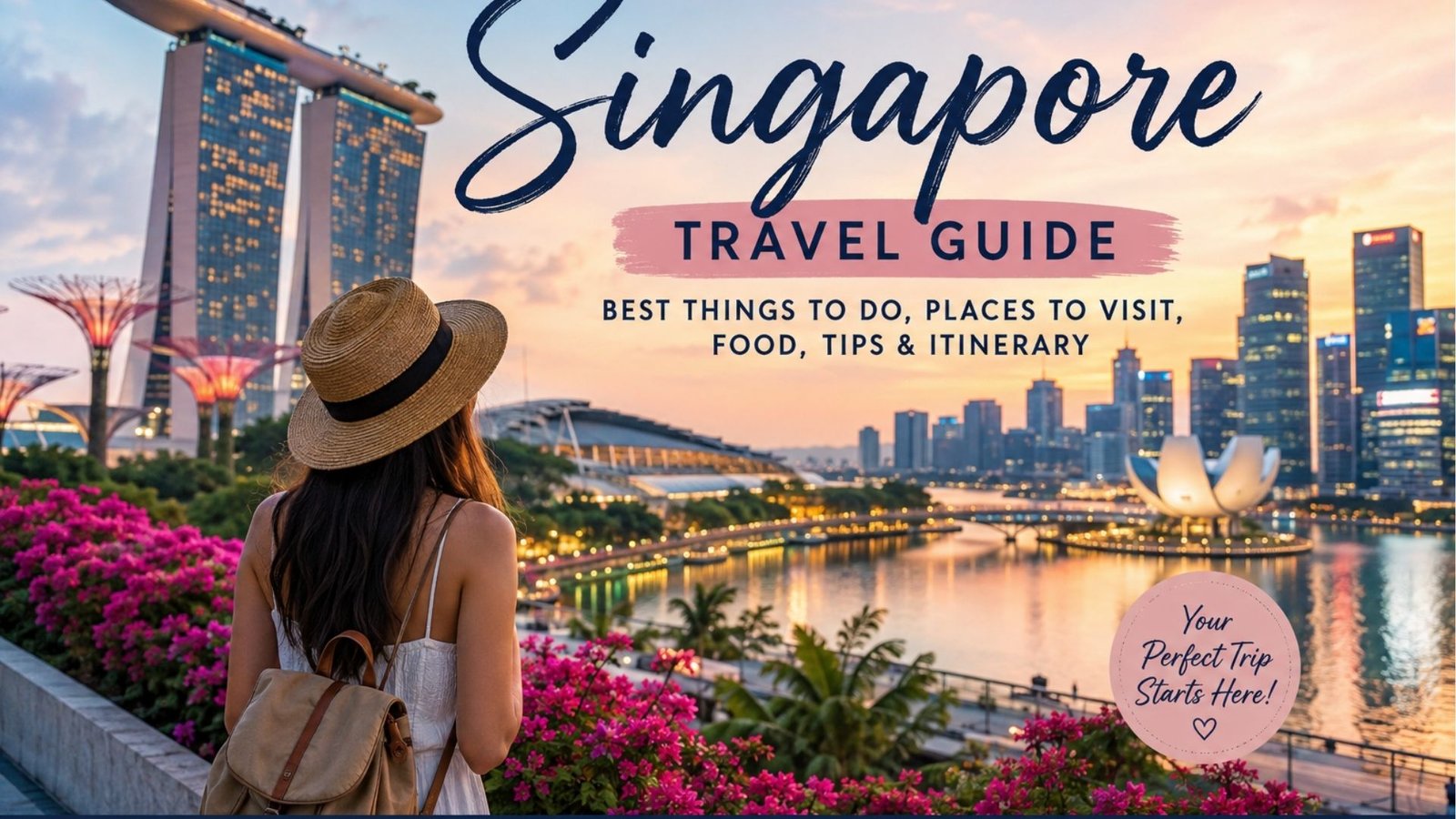

Singapore is one of those places I would happily visit more than once because every trip can feel a little different.
One moment you can be walking between huge modern buildings, and the next you can find yourself surrounded by colorful shophouses, peaceful gardens, temples, or a busy food market.
What I love most about Singapore is how easy it can feel to explore. The city is clean, organized, multicultural, and packed with things to see and do.
You can spend your morning exploring a historic neighborhood, enjoy an amazing local meal for lunch, visit a beautiful garden in the afternoon, and finish the evening looking at the city lights.
If you are planning your first trip to Singapore, it can be difficult to decide where to begin. There are famous attractions, neighborhoods, shopping areas, museums, gardens, beaches, restaurants, and so many little places worth discovering.
This Singapore travel guide will help you plan your trip without making things complicated.
I’ll cover the best places to visit, things to do, where to stay, how to get around, the best time to visit, what to eat, what to pack, and useful tips that can make your trip much easier.
Why Visit Singapore?
Singapore is a small country, but it offers an impressive amount of variety.
It is known for its modern skyline, excellent public transportation, tropical weather, multicultural communities, incredible food, shopping, and beautiful attractions.
The city also combines several different cultures, with Malay, Chinese, Indian, and other influences visible in its food, architecture, celebrations, and neighborhoods.
One of the biggest advantages for travelers is that you can experience many different sides of Singapore without spending hours traveling between destinations.
You could visit Chinatown in the morning, explore Marina Bay in the afternoon, and have dinner in Little India later in the day.
Singapore is also a great destination for different types of travelers. It can work well for a short city break, a family vacation, a couples trip, a solo adventure, or as part of a larger Southeast Asia itinerary.
Best Time to Visit Singapore
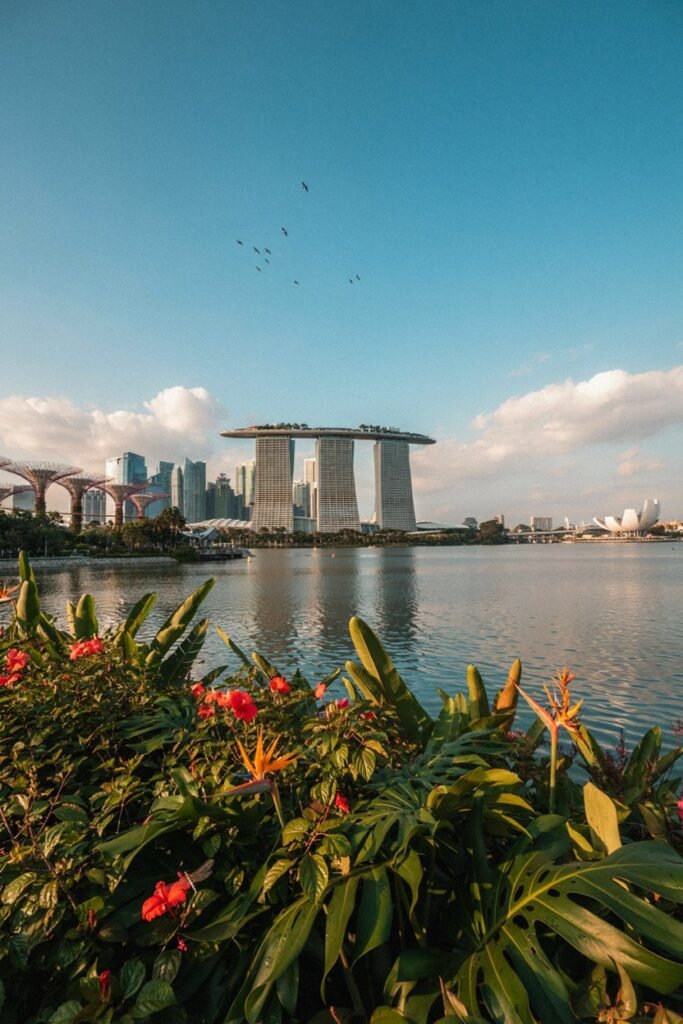
Singapore can be visited throughout the year because it has a tropical climate. Temperatures remain warm and humid, with daytime temperatures generally around the low 30s Celsius.
Rain can happen at any time, so I recommend keeping a small umbrella in your day bag regardless of when you visit.
Singapore’s Meteorological Service notes that rainfall is common throughout the year, with afternoon and evening thunderstorms occurring during some periods.
December to February
These months can be a popular period for travelers, particularly around the holiday season.
December can be wetter, but Singapore looks beautiful during the Christmas period, especially around the shopping districts and city center.
If you visit around Christmas and New Year, book accommodation and major attractions early.
March to May
These months can be hot and humid, but they are a good time for exploring if you are comfortable with tropical weather.
May is generally one of the warmer months.
Try to plan outdoor activities for the morning or later afternoon so you are not spending the hottest part of the day walking around.
June to September
The southwest monsoon period can bring short showers and thunderstorms.
The advantage is that rain showers can be brief, so a rainy forecast does not necessarily mean your entire day will be ruined.
October to November
These months can also be wetter, with thunderstorms common during the inter-monsoon period.
The important thing to remember is that Singapore does not have the traditional four seasons many travelers are used to. Expect warmth and humidity throughout the year.
How Many Days Do You Need in Singapore?
For a first visit, I would recommend 4 to 5 days if your schedule allows it.
Three days can work if you are short on time, but you will need to move quickly.
A five-day trip gives you more time to explore without making every day feel rushed.
Three Days
A three-day itinerary could include:
Day 1: Marina Bay and Gardens by the Bay
Day 2: Chinatown, Little India, and Kampong Glam
Day 3: Sentosa and the city center
Four Days
Add more time for shopping, museums, food experiences, or attractions that interest you.
Five Days
Five days gives you enough time to slow down, explore different neighborhoods, and leave room for unexpected discoveries.
If Singapore is part of a longer Southeast Asia trip, even two or three days can still give you a wonderful introduction.
Best Things to Do in Singapore
1. Explore Marina Bay
Marina Bay is one of the first places I would recommend visiting.
This area gives you the classic Singapore experience, with the modern skyline, waterfront views, impressive architecture, and some of the city’s most recognizable attractions.
Take your time walking around the waterfront rather than simply visiting one attraction and leaving.
The area is particularly beautiful in the evening when the buildings begin to light up.
Bring comfortable shoes because you will probably walk more than you expect.
2. Visit Gardens by the Bay
Gardens by the Bay is one of Singapore’s most recognizable attractions.
The futuristic Supertrees are probably the first thing you will notice, but the gardens offer much more than the famous structures.
You can explore different gardens, take photographs, relax among the greenery, and visit the conservatories.
The Cloud Forest and Flower Dome are especially useful if you want a break from the heat or rain.
I recommend visiting later in the afternoon and staying into the evening if your schedule allows. This lets you experience the gardens during daylight and see the Supertrees illuminated after dark.
Check attraction opening times and ticket requirements before visiting because schedules and admission arrangements can change.
3. Walk Around Chinatown
Chinatown is one of my favorite areas for travelers who want to experience a different side of Singapore.
The neighborhood combines traditional architecture, shops, restaurants, temples, markets, and modern businesses.
Take your time walking through the streets instead of rushing from one attraction to another.
Look for colorful shophouses and traditional details that contrast with Singapore’s modern skyline.
You can also make Chinatown part of a food-focused afternoon.
Try local dishes, visit a hawker center, and explore the surrounding streets.
4. Discover Little India
Little India is another neighborhood that should be on your Singapore itinerary.
The area is full of colorful buildings, Indian restaurants, shops, markets, and cultural attractions.
It is particularly enjoyable for travelers who love food and photography.
Take a relaxed walk around the neighborhood and give yourself time to stop for food.
You can also visit one of the area’s temples, but remember that religious sites are places of worship, so dress respectfully and follow any rules posted at the entrance.
5. Explore Kampong Glam
Kampong Glam offers another completely different atmosphere.
The neighborhood is known for its Malay and Muslim heritage, colorful streets, cafés, restaurants, boutiques, and the beautiful Sultan Mosque.
Haji Lane is especially popular for its colorful walls, small shops, cafés, and creative atmosphere.
It is a nice place to explore during the day and return to later if you want to enjoy the area’s food and atmosphere.
6. Spend Time at Sentosa Island
If you want beaches, attractions, entertainment, and a break from the busy city, consider spending a day on Sentosa.
Sentosa has several attractions and activities, so you should decide what you actually want to do before arriving.
You could spend your time relaxing by the beach, exploring attractions, walking around the island, or simply enjoying a slower day.
Do not feel pressured to visit every attraction.
For a short trip, choosing two or three activities is often better than trying to fit everything into one day.
7. Visit Singapore’s Hawker Centers
One of the best ways to experience Singapore is through its food.
Hawker centers are an important part of Singapore’s food culture, giving visitors the chance to try different dishes in casual settings.
Instead of spending every meal in expensive restaurants, make time for local food.
Some dishes you may want to look out for include:
- Chicken rice
- Laksa
- Char kway teow
- Satay
- Roti prata
- Kaya toast
- Hainanese-style dishes
- Various noodle and rice dishes
If you are unsure what to order, look around and see what locals are eating.
You do not need to make every meal complicated. Sometimes the most memorable travel meals are simple ones.
8. Visit Singapore’s Gardens and Green Spaces
Singapore is often described as a city in nature, and you will notice this while exploring.
Beyond Gardens by the Bay, you can find parks, walking paths, trees, gardens, and green spaces throughout the city.
If you enjoy photography, walking, or simply taking a break from busy attractions, add some greenery to your itinerary.
This is especially helpful because sightseeing in Singapore can become tiring in the heat.
A quiet park can give you a chance to slow down before continuing your day.
9. Explore Singapore at Night
Singapore becomes especially beautiful after sunset.
The skyline lights up, restaurants become busier, and popular areas take on a completely different atmosphere.
You can take an evening walk around Marina Bay, explore Clarke Quay, enjoy dinner, or simply find a comfortable place to enjoy the city views.
If you are traveling with family, choose activities appropriate for your group and plan your evening around places that are easy to reach by public transport.
10. Go Shopping
Singapore is a fantastic destination for shopping.
Orchard Road is probably the most famous shopping area, with major malls and stores.
But shopping does not have to mean spending a huge amount of money.
You can also explore smaller boutiques, local shops, markets, and neighborhood stores.
If you are buying souvenirs, look for something connected to Singapore’s food culture, architecture, or heritage rather than buying something simply because you saw it in a tourist shop.
Where to Stay in Singapore
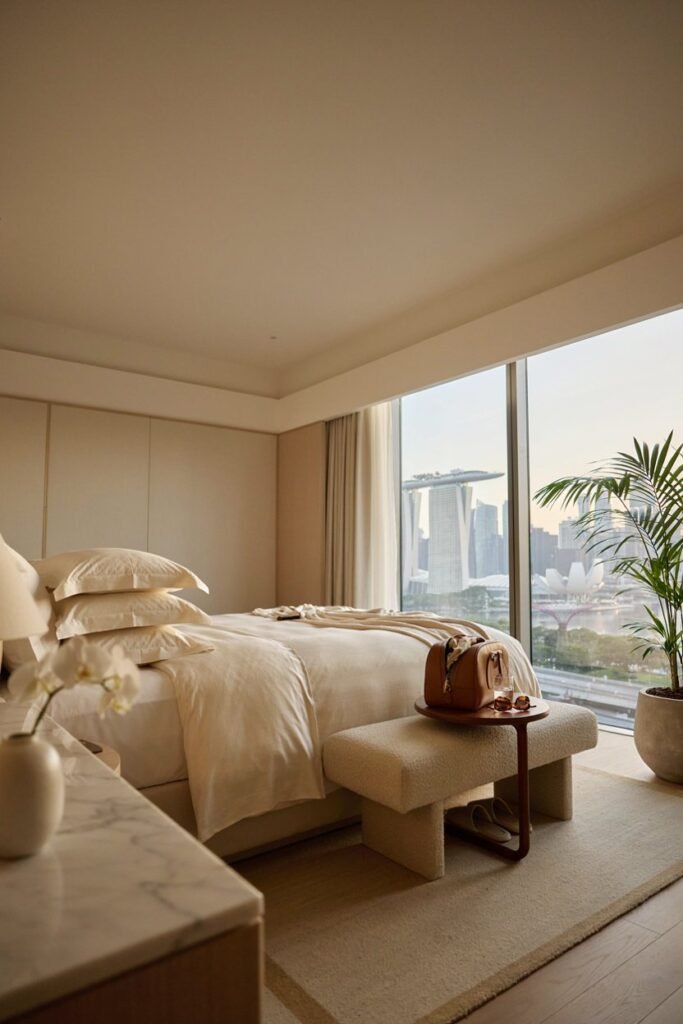
Choosing where to stay can make a big difference, especially if you are visiting for only a few days.
Marina Bay
Marina Bay is ideal if you want to stay close to some of Singapore’s most famous attractions.
The area is convenient and beautiful, but accommodation can be expensive.
It is a good choice for travelers who want a more upscale city experience.
Orchard Road
Orchard Road is a good option if shopping is one of the main reasons for your trip.
You will have plenty of malls, restaurants, and transport options nearby.
Chinatown
Chinatown can be a great choice if you want easy access to food, culture, and public transportation.
It is also convenient for travelers who want to explore different parts of the city.
Little India
Little India can offer a more colorful and cultural experience.
It is also useful for travelers who enjoy Indian food and want easy access to public transport.
Bugis and Kampong Glam
This is a great area if you like cafés, shopping, street photography, colorful architecture, and a lively atmosphere.
When choosing accommodation, I would prioritize location over having the biggest room.
Being close to an MRT station can save you a lot of time.
How to Get Around Singapore
Getting around Singapore is one of the easier parts of the trip.
The MRT and bus networks connect major areas of the city, and Singapore’s official tourism information describes public transportation as an extensive and efficient way to get around.
You can also use contactless Visa or Mastercard cards and mobile wallets on Singapore’s public transport system, although foreign-issued cards may have administrative fees.
MRT
The MRT is usually the easiest option for visitors.
It is fast, convenient, and connects many major attractions.
Before leaving your hotel, check your route and station exit.
This small step can save you from unnecessary walking, especially in Singapore’s heat.
Buses
Buses are another useful option and can take you to places that are not directly beside an MRT station.
Taxis and Ride-Hailing
Taxis and ride-hailing services can be useful when you have luggage, are traveling with a group, or are visiting somewhere that is inconvenient by public transport.
Walking
Walking is one of the best ways to discover Singapore’s neighborhoods.
Just remember that the heat and humidity can make long walks more tiring than expected.
Singapore Tourist Pass: Is It Worth It?
Singapore offers a Tourist Pass that provides unlimited travel on basic public bus, MRT, and LRT services for its selected validity periods.
Whether it is worth buying depends on how much you plan to use public transportation.
If you are taking several rides every day, it can be convenient.
However, travelers who only take a few trips may find that paying for individual journeys is simpler.
Another option is using a contactless bank card if your card supports it.
Before buying a pass, estimate how much you are likely to travel each day.
Singapore Travel Requirements
Travel requirements depend on your nationality and circumstances, so do not rely on an old blog post when preparing for your trip.
Singapore’s Immigration & Checkpoints Authority provides the current information on visa requirements.
For example, travelers using passports issued by Nigeria are currently listed among those who require a Singapore entry visa.
A Singapore entry visa is also not a guarantee of entry; the final period of stay is determined by Singapore’s immigration authorities when you arrive.
Before booking your trip, check the official immigration requirements for your passport.
Also check requirements concerning the SG Arrival Card and make sure your passport meets the necessary validity requirements.
This is one part of your trip where I would always use an official government source rather than relying on social media advice.
What to Pack for Singapore
Packing for Singapore is fairly simple because the weather is warm throughout the year.
Singapore’s official tourism information recommends lightweight clothing and notes that temperatures remain warm and humid.
My Singapore Packing List
Lightweight clothes: Choose breathable tops, dresses, shorts, skirts, or lightweight trousers.
Comfortable walking shoes: You will probably walk much more than you expect.
Small umbrella: Rain can arrive quickly.
Sunscreen: The tropical sun can be strong.
Sunglasses: Useful for daytime sightseeing.
Small day bag: Keep your essentials together while exploring.
Portable charger: Helpful when using maps, tickets, translation tools, and your phone camera throughout the day.
Light cardigan: Indoor places can feel surprisingly cool because of air conditioning.
Reusable water bottle: Staying hydrated is important in the heat. Singapore’s official tourism information states that tap water is safe to drink.
Modest clothing: If you plan to visit religious sites, pack something that allows you to dress respectfully.
Singapore uses a 220–240V electrical system with three-square-pin plugs similar to those used in the UK, so travelers from countries using different plug types should bring a suitable adapter.
Singapore Travel Tips That Will Make Your Trip Easier
Carry an Umbrella
I would make this one of the first things you put in your day bag.
A sunny morning can turn into a rainy afternoon, and you do not want a sudden shower to completely change your plans.
Start Early
Early mornings are often more comfortable for outdoor sightseeing.
You can visit popular areas before they become busier and take advantage of cooler temperatures.
Take Breaks
Do not plan eight outdoor attractions in one day.
Singapore’s heat and humidity can catch you off guard.
Build breaks into your itinerary.
Use Public Transportation
You do not need to depend on taxis for your entire trip.
The MRT and bus networks make exploring much easier.
Respect Local Rules
Singapore is known for its strong public rules and regulations.
Do not assume that something allowed in your home country is automatically acceptable in Singapore.
Follow signs and local instructions, especially when using public transportation or visiting attractions.
Carry a Small Day Bag
A small bag with your phone, wallet, water, umbrella, sunscreen, and portable charger can make sightseeing much easier.
Don’t Overpack Your Schedule
This is one of my biggest travel tips.
Singapore may look small on a map, but you still need time to walk between stations, wait for transportation, eat, rest, and actually enjoy the places you visit.
Give yourself room to slow down.
A Simple 5-Day Singapore Itinerary
Day 1: Marina Bay
Start your trip around Marina Bay.
Spend time exploring the waterfront and nearby attractions.
Visit Gardens by the Bay and stay into the evening if possible.
Finish the day with dinner and enjoy Singapore’s skyline after dark.
Day 2: Chinatown and Little India
Start in Chinatown.
Explore the streets, visit cultural attractions, and have lunch at a hawker center.
In the afternoon, head toward Little India.
Spend the evening enjoying local food.
Day 3: Kampong Glam and Bugis
Explore Kampong Glam in the morning.
Walk around Haji Lane and visit the surrounding shops and cafés.
Spend the afternoon around Bugis and nearby shopping areas.
This is a more relaxed day after two busy sightseeing days.
Day 4: Sentosa
Dedicate most of the day to Sentosa.
Choose the activities that interest you rather than trying to see everything.
Spend some time by the water and enjoy a slower evening.
Day 5: Choose Your Favorites
Use your final day to return to an area you loved.
You could shop, visit a museum, explore another neighborhood, try more local food, or simply enjoy a relaxed morning before your flight.
I like leaving the final day flexible because it gives you space for anything you missed.
Is Singapore Expensive?
Singapore can be expensive, but you do not have to make your entire trip luxurious.
Accommodation can take up a large part of your budget, especially in popular central areas.
However, you can control other costs.
Use public transportation, eat at hawker centers, choose attractions carefully, and book accommodation based on location and value rather than simply choosing the most expensive hotel.
One of the easiest ways to overspend is trying to do everything.
You do not need to visit every attraction, eat at expensive restaurants every day, or shop constantly.
A balanced trip can be much more enjoyable.
Is Singapore Good for First-Time Travelers?
Yes.
Singapore is particularly appealing if you want a destination that feels organized and easy to navigate.
The public transportation system is extensive, English is one of Singapore’s four official languages and is widely used as a common language, and many major attractions are easy to reach.
That does not mean you should travel without preparation.
You should still research entry requirements, accommodation, weather, transportation, and the attractions you want to visit.
But once those basics are handled, Singapore can be a relatively straightforward destination to explore.
What Makes Singapore Special?
For me, the most interesting thing about Singapore is the contrast.
You can have a modern city experience while still seeing traditional neighborhoods and cultural influences.
You can spend the morning surrounded by skyscrapers and the afternoon eating local food in a busy hawker center.
You can go shopping in a huge modern mall and then walk through streets lined with historic shophouses.
The city feels modern without completely losing its cultural character.
That combination is what makes Singapore memorable.
Final Thoughts
Singapore is a destination that rewards curiosity.
You can visit for three days and see the famous attractions, or stay for a week and spend more time discovering the neighborhoods, food, parks, museums, and smaller experiences.
If this is your first trip, do not worry about seeing absolutely everything. Choose a few major attractions, add some local food experiences, explore different neighborhoods, and leave enough time to enjoy the city without constantly checking the clock.
My biggest advice is to keep your itinerary flexible.
Plan your must-see attractions, but leave room for a long lunch, an unexpected café, a beautiful street you want to photograph, or a neighborhood you simply want to wander through.
Bring comfortable shoes, lightweight clothes, an umbrella, and plenty of curiosity.
Singapore may be a small country, but it can give you a surprisingly rich travel experience.