
Staying hydrated is one of the most important parts of having a comfortable and enjoyable hiking experience.
I have learned that having the right water bottle or hydration system can make a big difference, especially when spending several hours exploring mountain trails, walking through forests, or hiking under the warm afternoon sun.
The last thing I want is to run out of water halfway through a beautiful trail or struggle with a bottle that is difficult to carry.
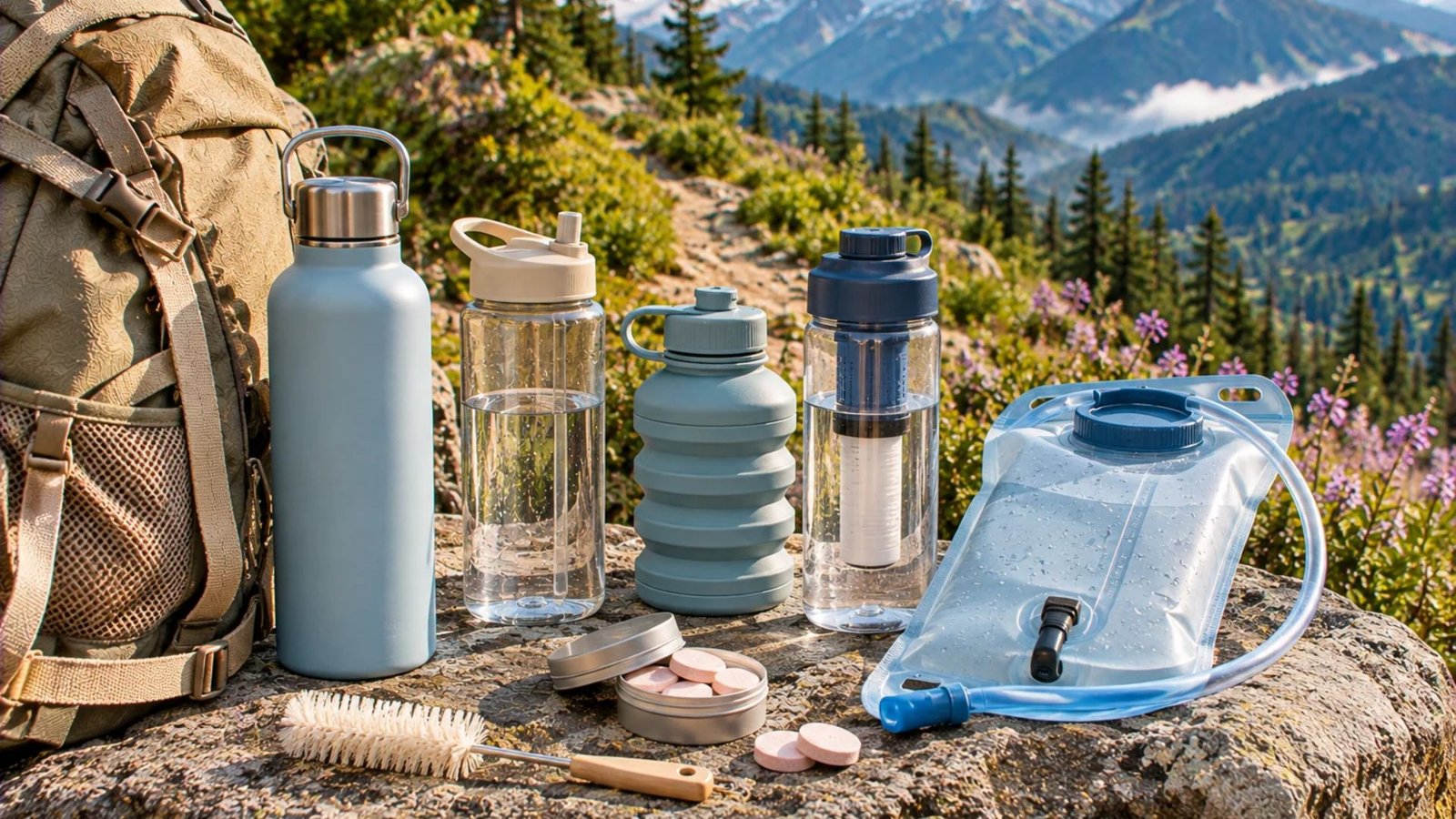
Whether you enjoy short nature walks or challenging backpacking adventures, these hiking water bottles and hydration accessories will help you stay refreshed, organized, and ready for your next outdoor adventure.
Why Choosing the Right Hiking Water Bottle Matters
When preparing for a hiking trip, it is easy to focus on hiking boots, backpacks, and clothing while overlooking something as important as your water bottle. However, the right hydration gear can make your hike much more comfortable.
Here are a few things I recommend considering before choosing your hiking hydration gear:
- Capacity: Think about how long you will be hiking and how much water you may need.
- Weight: Lightweight bottles are particularly useful for long-distance hikes and backpacking.
- Material: Stainless steel, plastic, and soft-flask designs all have different advantages.
- Leak protection: A secure lid helps prevent water from soaking your hiking essentials.
- Ease of cleaning: Wide-mouth bottles are generally easier to clean and refill.
- Insulation: Insulated bottles help keep water cooler for longer in warm conditions.
- Carrying options: Look for bottles that fit your backpack pockets or hydration sleeves.
Remember that no single bottle is perfect for every hiking adventure. Your ideal choice depends on your hiking style, the weather, and how much water you need to carry.
15 Best Hiking Water Bottles and Hydration Accessories
1. Nalgene Wide Mouth Sustain Water Bottle
Best overall for everyday hiking
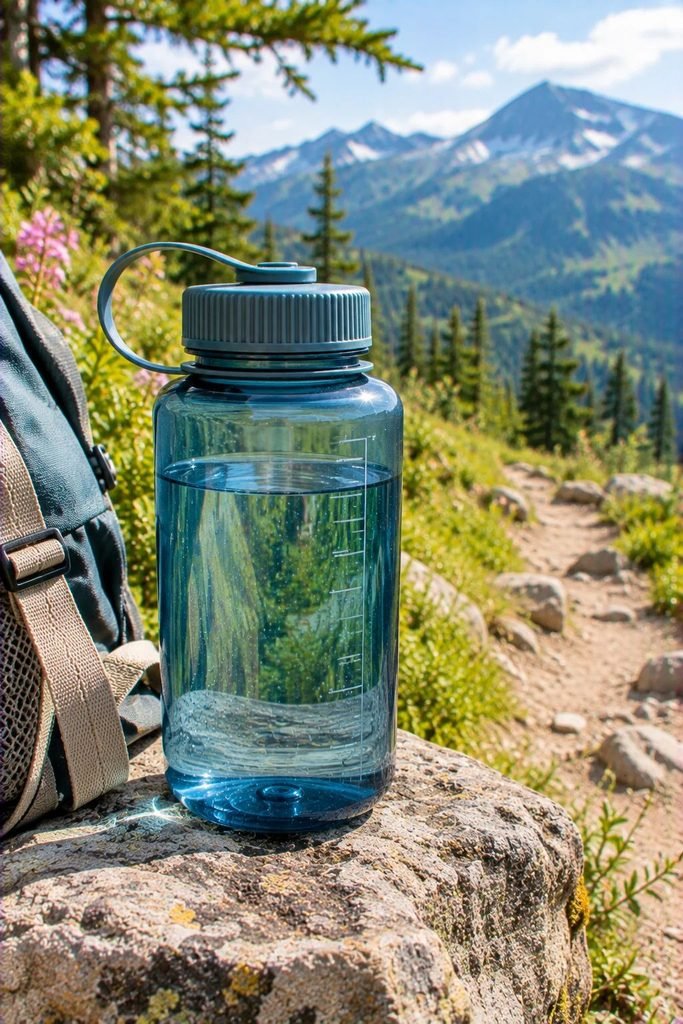
The Nalgene Wide Mouth Sustain is one of those classic hiking essentials that deserves a place in almost every outdoor backpack. It has a simple, practical design that makes it suitable for everything from short afternoon walks to full-day hiking adventures.
Its wide opening makes filling the bottle, adding ice, and cleaning the inside much easier. I particularly like the straightforward design because there are no complicated drinking mechanisms or unnecessary parts to worry about.
The 32-ounce version is a useful size for hikers who want a generous amount of water without carrying a complicated hydration system.
Why you’ll love it:
- Durable construction for regular outdoor use.
- Wide opening for easy filling and cleaning.
- Measurement markings help you monitor how much water remains.
- Available in different colors and sizes.
- Useful for hiking, camping, road trips, and everyday activities.
Best for: Beginners, casual hikers, and backpackers who prefer a dependable reusable bottle.
Read 15 Lightweight Hiking Accessories for Backpackers (That Make Every Trail Easier)
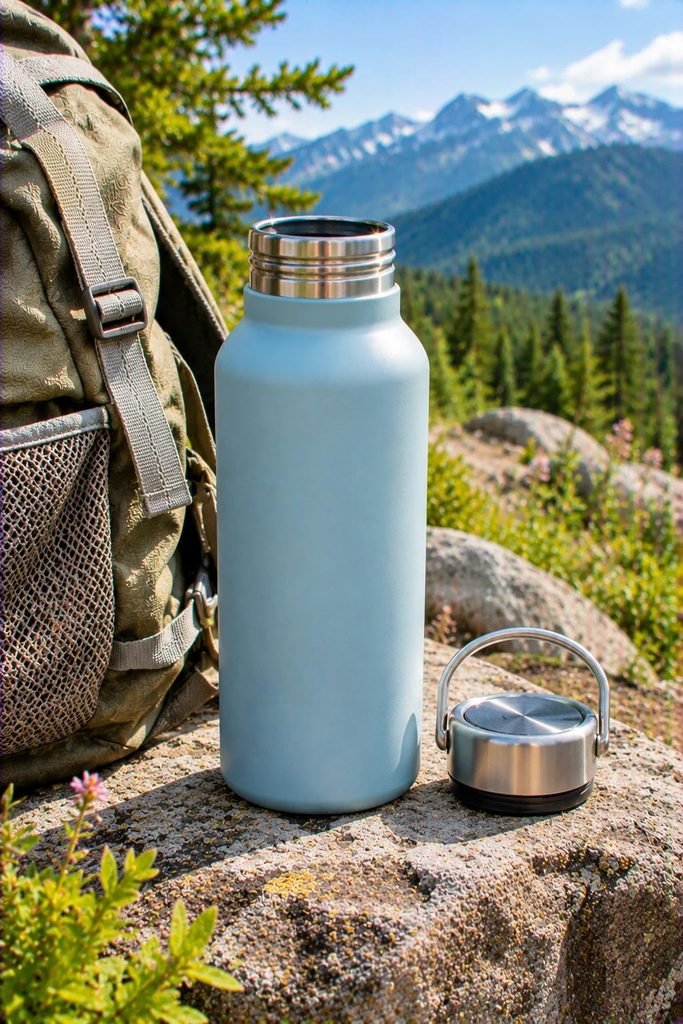
2. Hydro Flask Wide Mouth Insulated Water Bottle
Best insulated bottle
If you love having cold water available throughout your hiking adventure, the Hydro Flask Wide Mouth is worth considering.
This stainless steel bottle features double-wall vacuum insulation designed to keep cold drinks cold for extended periods. It is particularly useful when hiking during warmer months or exploring sunny trails where your water can quickly become warm.
Another feature I appreciate is the wide-mouth opening. You can add ice cubes before leaving home, refill the bottle easily, and clean it without struggling to reach the bottom.
The main disadvantage is its weight. Stainless steel insulated bottles are generally heavier than lightweight plastic alternatives, so this might not be your first choice for ultralight backpacking.
Why you’ll love it:
- Double-wall vacuum insulation.
- Durable stainless steel construction.
- Wide opening for ice and easy cleaning.
- Different sizes and lid options.
- Suitable for day hikes and outdoor activities.
Best for: Day hikers who prioritize cold water and durability over minimizing backpack weight.
Read 20 Best Hiking Accessories for Beginners: Essentials Every New Hiker Needs
3. CamelBak Chute Mag Renew Water Bottle
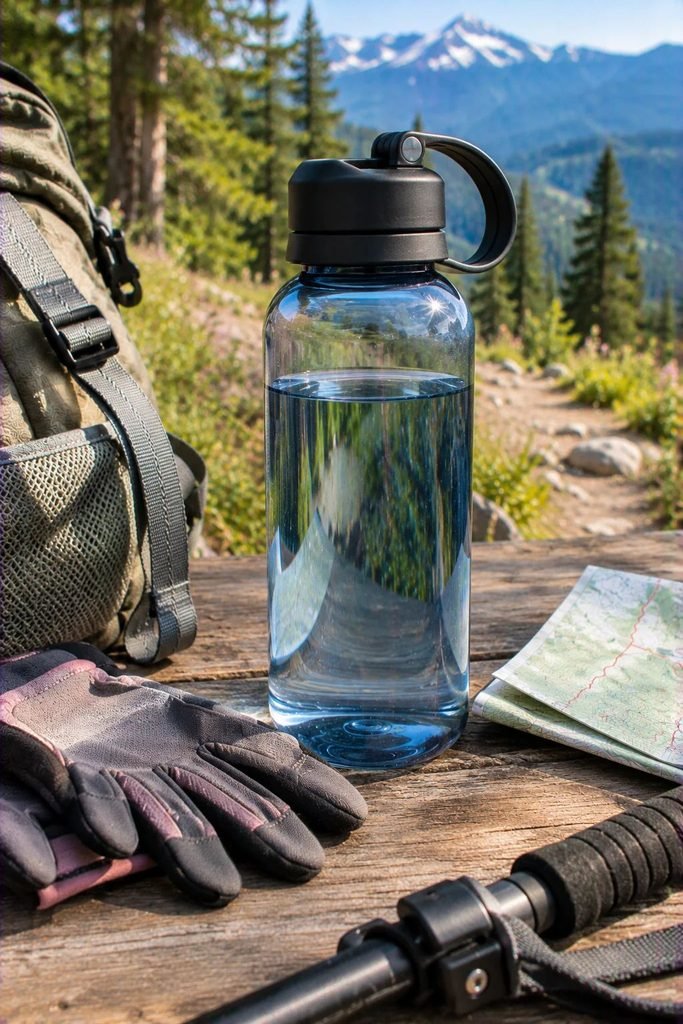
The CamelBak Chute Mag Renew is a practical option for hikers who want a lightweight, straightforward bottle without spending too much.
One of its most convenient features is its magnetic cap. When you open the bottle to drink, the cap can stay secured out of your way instead of swinging around and getting in your face.
The drinking spout also makes it easier to pour water without spilling, which is helpful when refilling smaller containers or adding water to your camping cooking supplies.
I would recommend this bottle to anyone who wants something simple enough for everyday use but dependable enough to take on weekend hiking adventures.
Why you’ll love it:
- Lightweight design compared with many insulated bottles.
- Magnetic cap keeps the lid out of your way.
- Convenient drinking spout.
- Easy to refill and clean.
- Available in different capacities.
Best for: Budget-conscious hikers and people who want a multipurpose outdoor water bottle.
Read Hidden Hiking Trails Without Crowds: Your Complete Guide to Finding Solitude on the Trail
4. YETI Rambler Vacuum Insulated Bottle
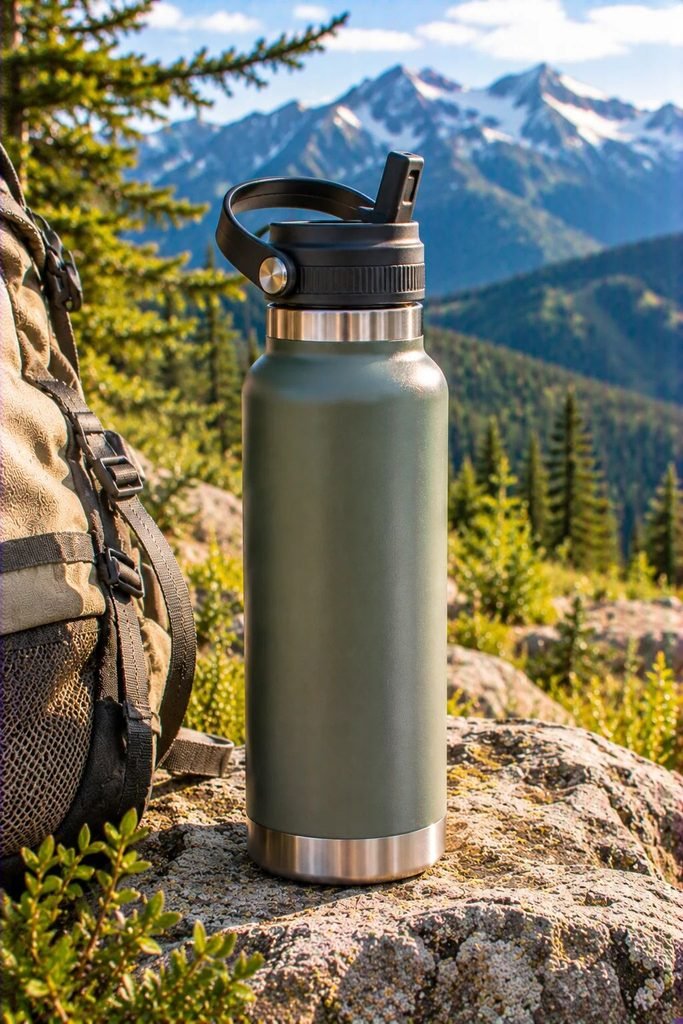
If durability is high on your shopping list, the YETI Rambler is another excellent hiking companion.
This bottle is made from stainless steel and features double-wall vacuum insulation. It is designed for people who regularly take their drinkware outdoors and want something that can handle frequent use.
The chug-style lid is especially convenient when you want to take a few quick drinks during a break without dealing with a complicated straw system.
I would choose this bottle for shorter hiking adventures, camping weekends, and outdoor road trips. However, remember that its sturdy construction comes with additional weight.
Why you’ll love it:
- Durable stainless steel construction.
- Double-wall vacuum insulation.
- Convenient chug-cap options.
- Suitable for outdoor adventures and everyday use.
- Available in different sizes.
Best for: Hikers looking for a durable insulated bottle for regular outdoor adventures.
5. Owala FreeSip Insulated Water Bottle
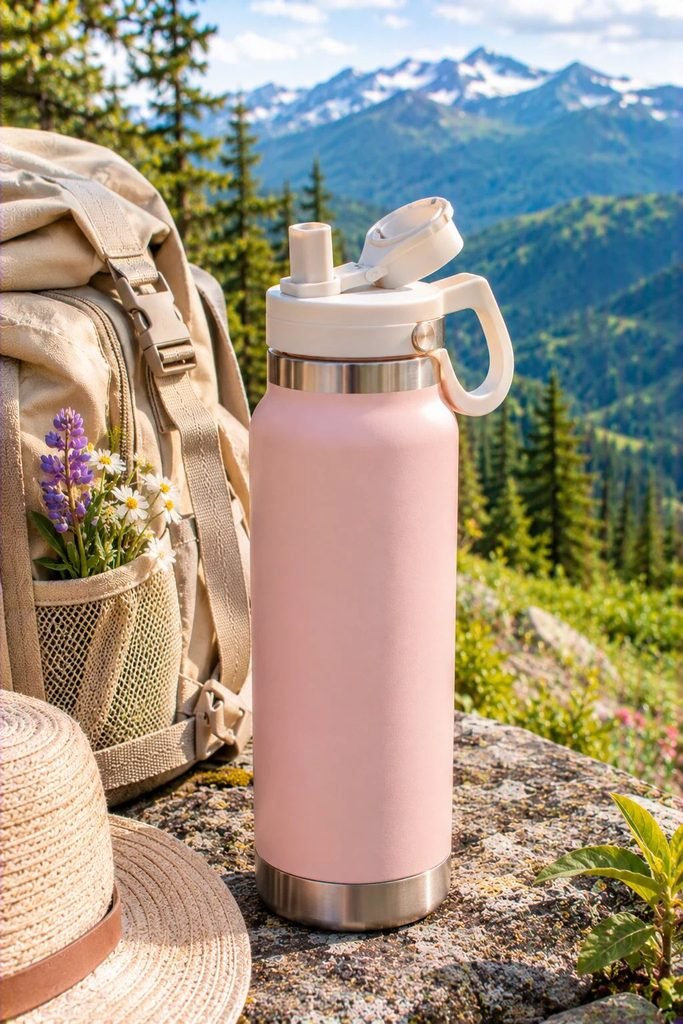
The Owala FreeSip is a great option if you prefer having different ways to drink from your water bottle.
Its combination drinking spout allows you to sip through an internal straw or tilt the bottle back to drink from the opening. This is particularly convenient when you are taking a break on a trail and want to drink without removing a complicated lid.
I also love that Owala bottles come in attractive color combinations, making them a fun choice for anyone who likes practical hiking accessories that look good too.
The main thing to consider is that it is heavier and more bulky than simple backpacking bottles. It is better suited to day hikes than long-distance adventures where every ounce matters.
Why you’ll love it:
- Two drinking options in one lid.
- Insulated design for cold drinks.
- Attractive color combinations.
- Convenient carry handle.
- Suitable for everyday hydration.
Best for: Day hikers who enjoy convenient sipping and stylish hydration gear.
6. HydraPak Flux Collapsible Water Bottle
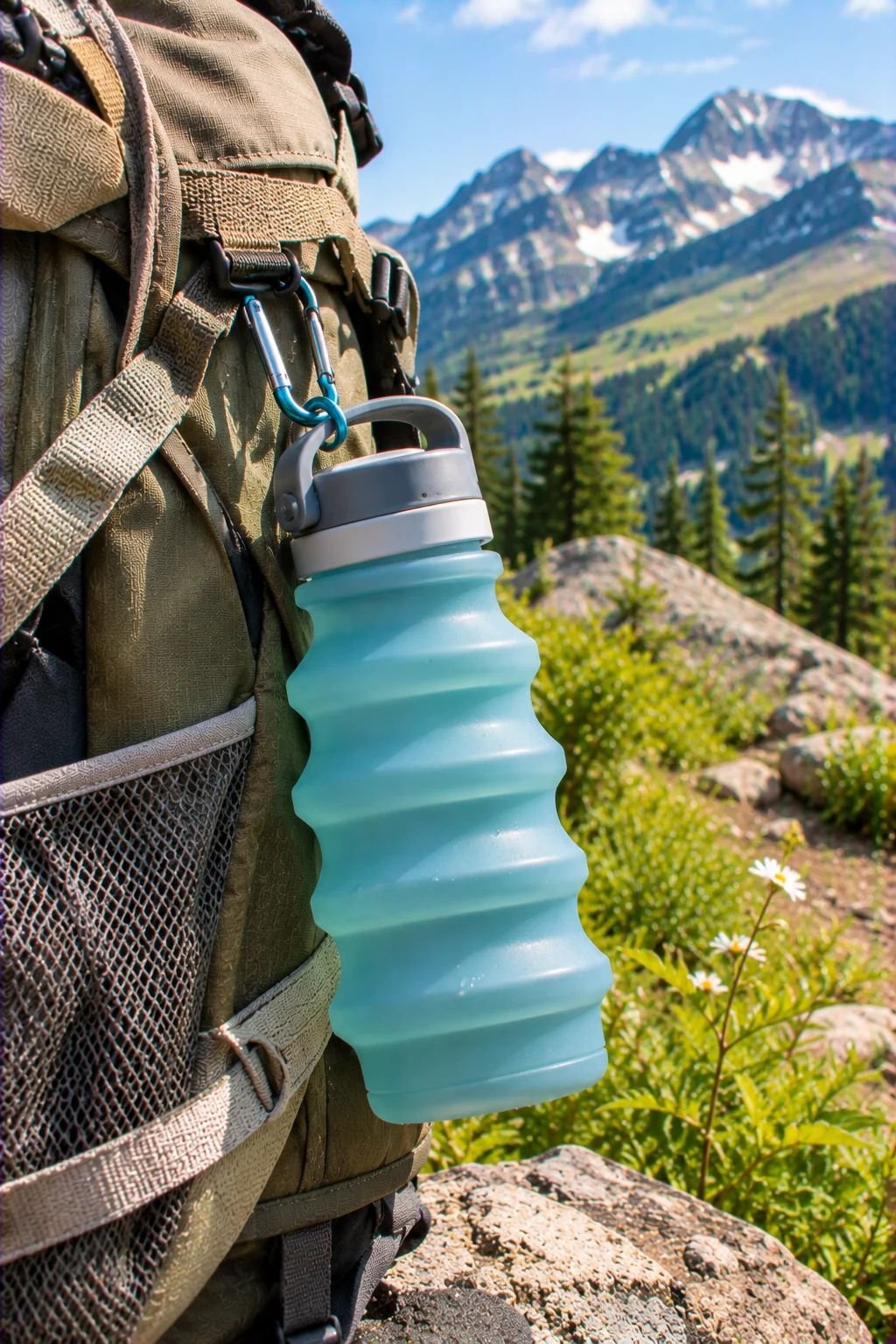
If you are trying to keep your hiking backpack as lightweight as possible, the HydraPak Flux deserves your attention.
Unlike traditional rigid bottles, this flexible bottle can collapse as you drink from it. That means you do not have to carry a large, empty bottle taking up valuable backpack space once you have finished drinking.
Its design makes it particularly useful for backpacking, trail running, and multi-day outdoor adventures where packing efficiently matters.
Another useful feature is its compatibility with certain 42mm water filters, allowing hikers to create a convenient water collection and filtration setup.
Why you’ll love it:
- Lightweight and collapsible design.
- Saves backpack space when empty.
- Available in different capacities.
- Compatible with selected water filters.
- Useful for backpacking and long-distance hiking.
Best for: Ultralight backpackers and hikers who want flexible water storage.
7. LifeStraw Go Series Filter Water Bottle
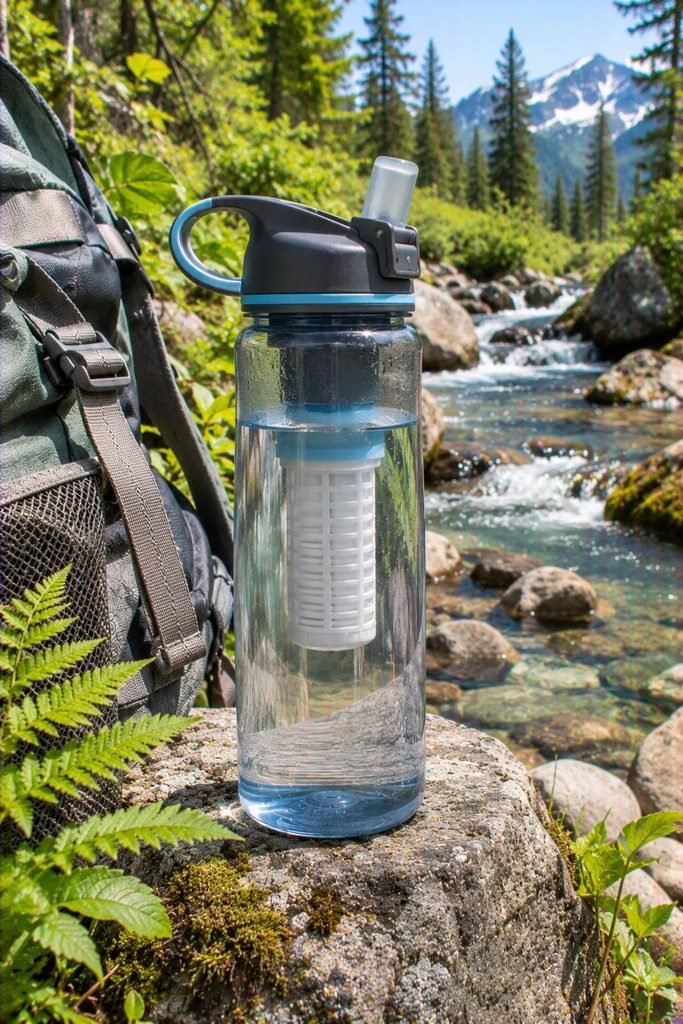
For hikers who regularly explore remote trails, a filtered water bottle can be a very useful addition to their gear.
The LifeStraw Go Series combines a reusable water bottle with a built-in filtration system. It is designed to reduce certain waterborne contaminants, including bacteria and parasites, depending on the filter configuration and model.
This can be helpful when traveling through areas where treated drinking water is not always easy to find.
However, it is important to understand that not all water filters remove viruses, dissolved chemicals, or salt. Always check the specific model’s filtration capabilities and use an appropriate treatment method for the water source.
Why you’ll love it:
- Built-in filtration system.
- Convenient reusable bottle design.
- Useful for hiking and travel.
- Reduces certain waterborne contaminants.
- Helps reduce reliance on disposable bottled water.
Best for: Travelers and hikers who want an additional layer of water treatment when appropriate.
8. Grayl GeoPress Water Purifier Bottle
If you frequently hike in remote locations, the Grayl GeoPress is another hydration product worth researching.
Unlike ordinary water bottles, this product uses a press-style purification system. You fill the outer container with water, press the inner cartridge through it, and collect treated water in the drinking container.
This design makes it useful for outdoor adventures where you may need to collect water from natural sources.
One thing to remember is that it is heavier than ordinary hiking bottles, and the replacement purifier cartridges are an additional expense. You should also follow the manufacturer’s instructions for filter replacement and water treatment.
Why you’ll love it:
- Press-style water purification system.
- Useful for travel and remote adventures.
- Convenient all-in-one design.
- Reduces several types of waterborne contaminants according to its specifications.
- Does not require electricity.
Best for: Backcountry hikers and travelers who need a portable water purification option.
9. CamelBak Crux Hydration Reservoir
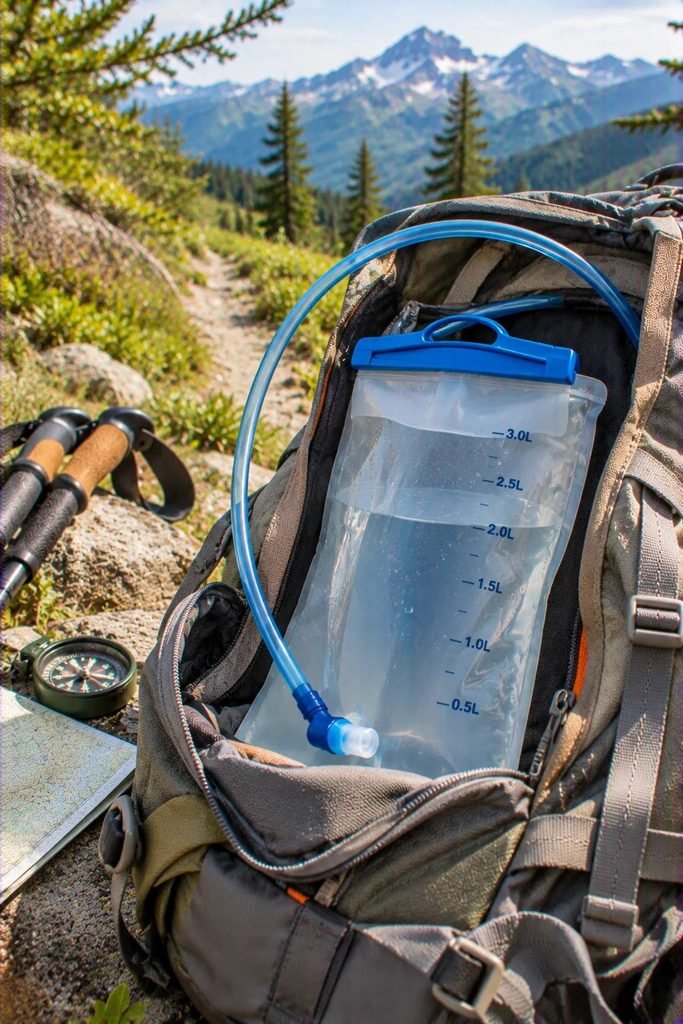
If you prefer drinking water without stopping to reach for a bottle, a hydration reservoir is something you should consider.
The CamelBak Crux is designed to fit inside compatible hydration backpacks. It holds water in a flexible reservoir and connects to a drinking tube that allows you to sip while walking.
I particularly like this style of hydration system for longer hikes because you can drink small amounts regularly without removing your backpack.
It is also helpful when hiking steep trails where stopping repeatedly to reach for your water bottle can become inconvenient.
Before purchasing, check your backpack’s reservoir compartment and make sure the size and attachment system are compatible.
Why you’ll love it:
- Hands-free drinking while hiking.
- Convenient drinking tube.
- Flexible reservoir design.
- Suitable for longer outdoor adventures.
- Helps make regular sipping easier.
Best for: Long-distance hikers, backpackers, and people who prefer hands-free hydration.
10. Platypus Platy 2.0L Collapsible Water Bottle
Sometimes, carrying a little extra water is just as important as having a convenient bottle to drink from.
The Platypus Platy 2.0L is a flexible water container designed to hold a larger amount of water while remaining lightweight and packable.
I would consider this a great backup hydration option for backpackers who need additional water storage without carrying another heavy rigid bottle.
It can also be useful around camp when you need water for cooking, washing, or filling smaller drinking bottles.
Because it is flexible, it takes up less space when empty, making it easier to store in your backpack.
Why you’ll love it:
- Large 2-liter capacity.
- Lightweight flexible construction.
- Packs down when empty.
- Useful for camping and backpacking.
- Provides extra water storage.
Best for: Backpackers, campers, and hikers who need additional water capacity.
11. Katadyn BeFree Water Filter
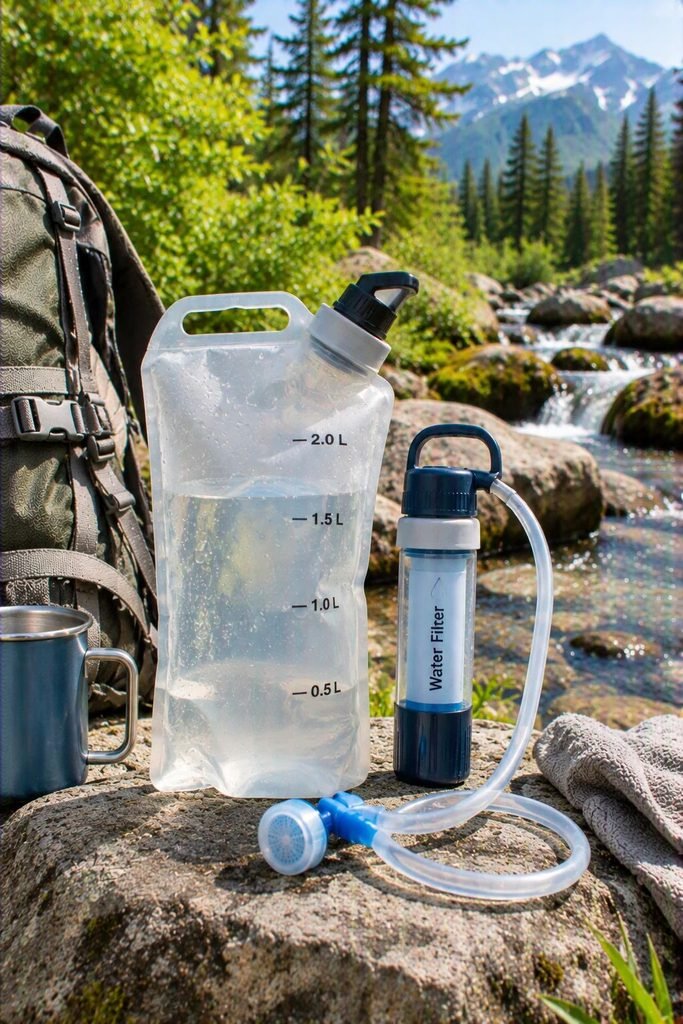
A portable water filter can make a huge difference when you enjoy exploring trails with natural water sources.
The Katadyn BeFree is a lightweight filtration system that uses a flexible water container and a filter element. You can collect water from a suitable freshwater source and drink through the filter.
It is especially useful for backpackers who want to reduce the amount of water they need to carry from the beginning of a trail.
One important thing to remember is that a filter is only useful when maintained properly. Follow the manufacturer’s instructions for cleaning, storage, and replacement. Also check whether additional treatment is needed for the water conditions in your hiking area.
Why you’ll love it:
- Lightweight filtration system.
- Flexible water storage.
- Convenient for backpacking.
- Designed for use with suitable freshwater sources.
- Helps reduce the need to carry all your water from the trailhead.
Best for: Backpackers and hikers who regularly refill from natural freshwater sources.
12. Osprey Hydraulics Hydration Reservoir
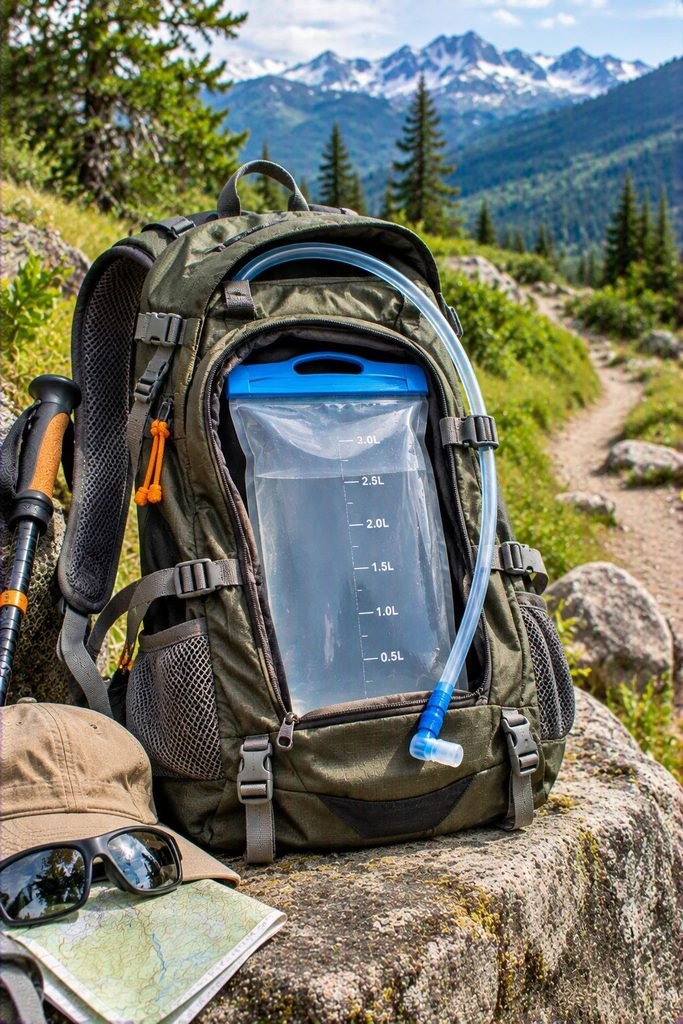
Another excellent hydration accessory worth considering is the Osprey Hydraulics Reservoir.
This reservoir is designed to fit inside compatible Osprey backpacks and other packs with suitable hydration compartments. It provides a convenient way to carry water while keeping your hands free.
I like the idea of using a hydration reservoir when tackling longer hiking trails because you can take small sips throughout the day instead of waiting until you feel thirsty.
Its flexible construction also makes it easier to fit inside a backpack than carrying several rigid bottles.
Why you’ll love it:
- Designed for compatible hiking backpacks.
- Hands-free drinking system.
- Flexible water storage.
- Convenient drinking hose.
- Great for longer outdoor adventures.
Best for: Hikers who enjoy long trails, backpacking, and hands-free hydration.
13. Hiking Water Bottle Sling or Carrier
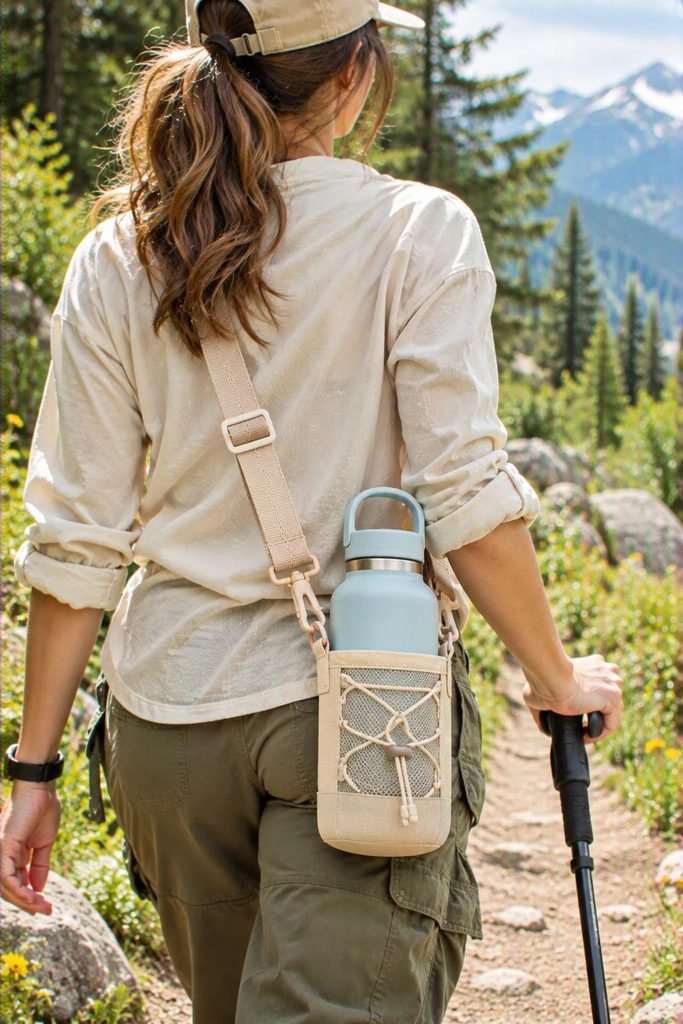
Sometimes, the best hiking accessory is something that makes carrying your water bottle more comfortable.
A water bottle sling is a simple accessory that allows you to carry your bottle over your shoulder or across your body. It is particularly useful if you are going on a short nature walk, exploring a scenic destination, or hiking somewhere you do not need a full backpack.
I would look for a carrier with an adjustable shoulder strap, a secure bottle holder, and a small pocket for essentials such as keys, cash, or lip balm.
Some carriers also have extra storage for a phone, making them useful for casual outdoor adventures.
Before buying one, check the dimensions to ensure it fits your preferred water bottle.
Why you’ll love it:
- Makes carrying water more convenient.
- Keeps your hands free.
- Adjustable shoulder straps.
- Some designs include small storage pockets.
- Useful for short hikes and nature walks.
Best for: Casual hikers, sightseeing adventures, and short walking trails.
14. Water Bottle and Hydration Bladder Cleaning Kit
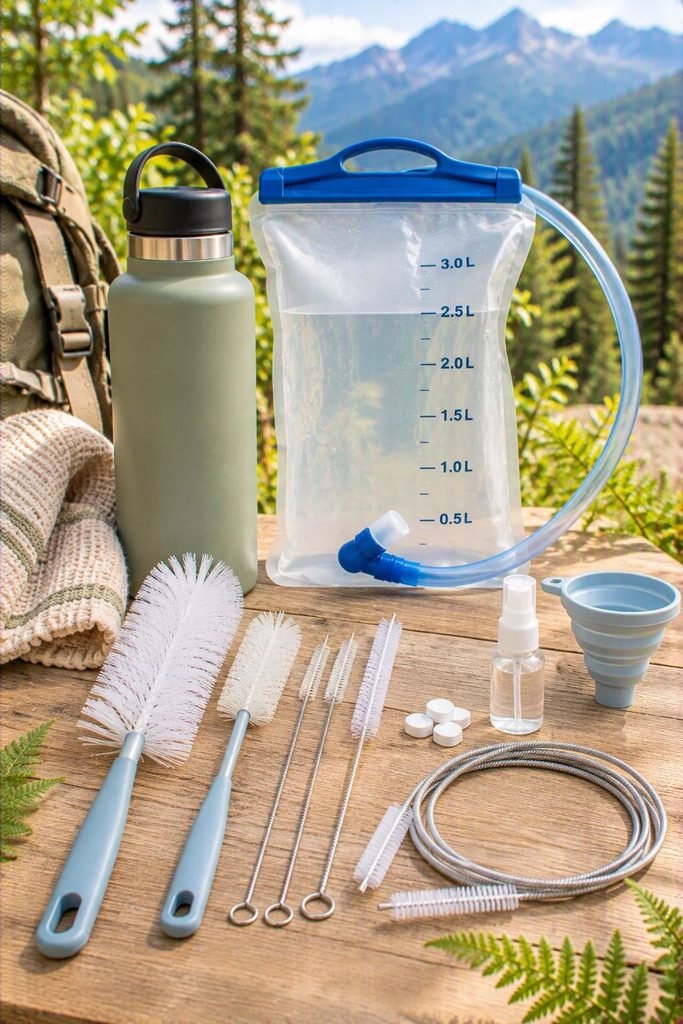
This is one of those hiking accessories that might not look exciting, but it is incredibly useful.
Water bottles, hydration reservoirs, drinking tubes, and bite valves all need regular cleaning. If you leave water sitting inside your hydration equipment for too long, unpleasant odors and buildup can develop.
A cleaning kit usually includes long brushes designed to reach inside narrow drinking tubes, smaller brushes for mouthpieces, and tools for cleaning reservoir corners.
I especially recommend getting one if you use a hydration bladder regularly. These reservoirs can be more difficult to clean than ordinary water bottles because of their shape and narrow openings.
After every hiking trip, empty your reservoir, wash it according to the manufacturer’s instructions, rinse it thoroughly, and allow all parts to dry completely before storing.
Why you’ll love it:
- Helps clean difficult-to-reach areas.
- Includes brushes for drinking tubes.
- Useful for hydration reservoirs and bottles.
- Helps prevent unpleasant smells and residue.
- Makes regular gear maintenance easier.
Best for: Anyone who regularly uses reusable water bottles or hydration bladders.
15. Electrolyte Tablets or Hydration Mix
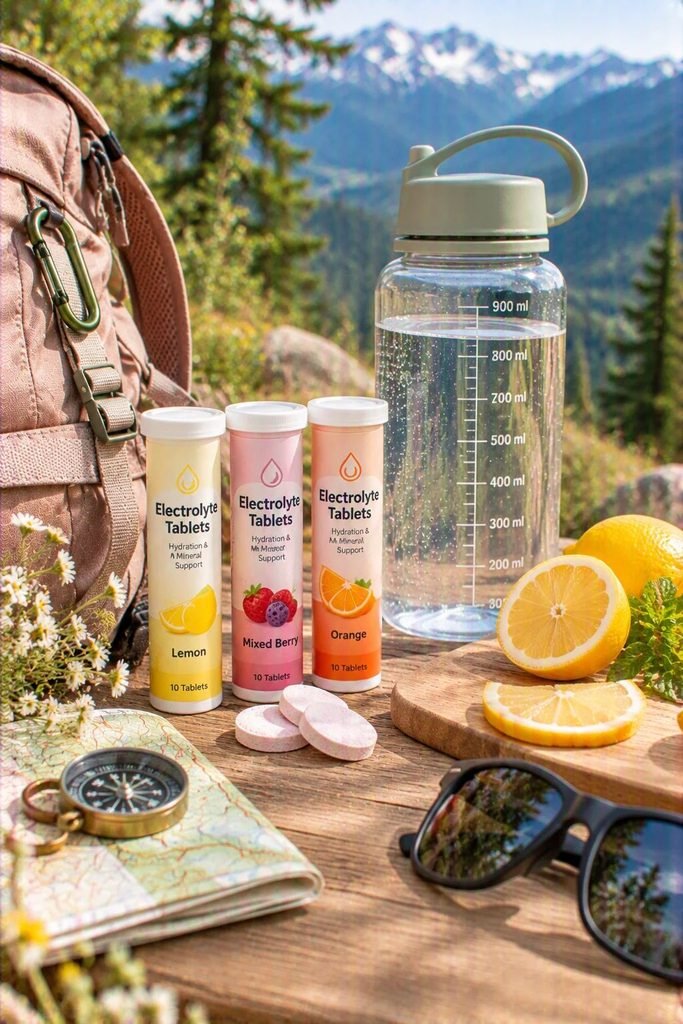
The final item on my list is something I would consider especially useful for longer hikes, hot-weather adventures, and activities that involve plenty of sweating.
Electrolyte tablets and hydration mixes are designed to provide electrolytes such as sodium and potassium. These minerals are lost through sweat, so replacing them can be helpful during prolonged physical activity.
One popular option is Nuun Sport. Its portable tablet format makes it easy to pack inside a small hiking backpack.
You simply follow the package directions for mixing it with water. I like this style of product because it does not require carrying large containers of powdered drinks.
However, electrolyte products are not necessary for every short hike. For many ordinary walks, drinking enough plain water and eating regular meals is perfectly adequate.
Why you’ll love it:
- Convenient portable tablets.
- Easy to pack in a hiking backpack.
- Provides electrolytes during prolonged activity.
- Available in different flavors.
- Convenient for hot-weather adventures.
Best for: Longer hikes, strenuous activities, and warm-weather adventures where you sweat heavily.
How to Choose the Best Hiking Water Bottle for Your Adventure
With so many different bottles and hydration accessories available, choosing the right one can feel a little overwhelming. The good news is that you do not need to purchase everything on this list.
Instead, think about the kind of hiking you enjoy and choose equipment that supports your needs.
1. Consider the Length of Your Hike
The length of your hiking adventure should influence how much water you carry.
For a short nature walk, a regular reusable bottle may be enough. For a full-day hike, you may prefer a larger bottle or a hydration bladder.
Multi-day backpacking trips require more planning because you need to consider where you can safely refill your water supply.
Always research the trail before leaving and identify reliable water sources and refill opportunities.
2. Choose a Bottle That Fits Your Backpack
There is nothing more frustrating than purchasing a beautiful water bottle only to discover that it does not fit inside your backpack’s side pockets.
Before buying, check the bottle’s diameter and your backpack’s pocket dimensions.
If you prefer keeping your water easily accessible, choose a bottle that fits securely into an exterior pocket.
For hydration reservoirs, check whether your backpack has a dedicated sleeve and a suitable hose opening.
3. Think About Weight
Weight becomes particularly important when hiking for several hours or carrying camping equipment.
A stainless steel insulated bottle might be perfect for a relaxed day hike, but it may feel unnecessarily heavy during a long-distance backpacking adventure.
For longer trips, lightweight plastic bottles and collapsible water containers are often more practical.
4. Decide Whether You Need Insulation
Insulated water bottles are lovely when you enjoy cold water, especially on sunny trails.
However, insulation usually adds weight and bulk.
If you are hiking in warm weather and have access to regular refills, an insulated bottle might be worth carrying. If you are backpacking long distances, a lightweight non-insulated bottle may be the better choice.
5. Consider Whether You Need Water Filtration
Water filtration is particularly important when hiking in remote locations where you may need to collect water from natural sources.
A portable water filter can reduce the weight of carrying all your water from the beginning of your adventure.
However, not every filter removes the same contaminants. Some filters do not remove viruses, and many do not remove dissolved chemicals or salt.
Check the manufacturer’s specifications and consult local water advisories. When necessary, use an appropriate additional treatment method, such as boiling or a suitable chemical disinfectant.
Never assume that clear-looking water from a stream or river is safe to drink.
How Much Water Should You Carry When Hiking?
This is one of the most important questions to ask before heading out on a trail.
Your water needs depend on several factors, including:
- The temperature and humidity.
- How long you will be hiking.
- The difficulty and elevation of the trail.
- Your individual sweating rate.
- Whether you can refill along the way.
A commonly used starting point for planning is approximately half a liter of water per hour of moderate activity. However, this is only a rough planning estimate, not a universal hydration requirement.
For example, a two-hour hike might require you to plan for approximately one liter, while a four-hour adventure could require approximately two liters or more.
Hot weather, strenuous climbing, and heavy sweating can increase your needs.
Do not rely on thirst alone as your only planning strategy, particularly on remote trails. Also avoid forcing yourself to drink excessive amounts of water, as overhydration can cause dangerous low blood sodium levels.
For longer adventures, research available refill points and carry enough water for the distance between reliable sources, including an emergency reserve.
Essential Tips for Staying Hydrated While Hiking
Having a good water bottle is only one part of staying hydrated. Developing a few simple habits can make your hiking experience much more comfortable.
Here are some tips I recommend keeping in mind.
Drink Water Before Starting Your Hike
Do not wait until you are already halfway up a mountain to start thinking about hydration.
Drink water throughout the day before your hike and begin your adventure feeling normally hydrated.
This is particularly important if you are hiking somewhere warm or planning a physically demanding route.
Take Regular Drinking Breaks
It is easy to become distracted by beautiful scenery, photography, and the excitement of exploring somewhere new.
However, try to make drinking water a regular part of your hiking routine.
If you use a hydration bladder, take small sips as you walk. If you carry a regular bottle, stop at convenient breaks to drink.
Keep Your Water Easily Accessible
One of my favorite practical hiking tips is to avoid packing your water bottle somewhere difficult to reach.
If possible, place it in an exterior backpack pocket or use a hydration reservoir with a drinking tube.
This makes it easier to drink regularly without unpacking your entire bag.
Check Your Water Supply Before Leaving
Before starting your hike, check how much water you have packed.
Make sure your bottles are full, your hydration bladder is properly closed, and your drinking tube is working.
If you are using a filter, check that it is clean and functioning according to the manufacturer’s instructions.
Clean Your Hydration Equipment After Every Trip
Do not forget about cleaning your water bottles and hydration accessories when you return home.
Empty leftover water, wash the equipment, rinse it properly, and allow it to dry completely.
Pay special attention to hydration tubes, mouthpieces, and reservoir corners.
This simple habit helps keep your equipment fresh and ready for your next adventure.
Common Mistakes to Avoid When Buying Hiking Water Bottles
Even though choosing a water bottle seems simple, there are a few mistakes that can make hiking less comfortable.
Buying a bottle that is too heavy: A heavy insulated bottle may not be the best option for long-distance backpacking.
Choosing style over functionality: Beautiful colors are lovely, but make sure the bottle is comfortable to carry, easy to clean, and suitable for your hiking needs.
Ignoring the lid: A leaking bottle can soak your clothes, snacks, and other hiking essentials. Always look for a secure closure.
Forgetting about cleaning: Hydration bladders and bottles need regular maintenance. Make sure you have the right cleaning supplies.
Carrying too little water: Never assume you will find a convenient refill point along the trail. Research your route before leaving.
Relying on an ordinary bottle for unsafe water: A reusable water bottle does not automatically make natural water safe to drink. Use appropriate filtration or treatment when necessary.
My Recommended Hiking Hydration Gear Combinations
If you are still unsure which products to purchase, here are a few combinations to help you put together a practical hiking hydration setup.
| Type of hiker | Recommended combination |
|---|---|
| Beginner hiker | Nalgene bottle + bottle carrier |
| Day hiker | Hydro Flask + small cleaning kit |
| Long-distance hiker | CamelBak reservoir + lightweight backup bottle |
| Ultralight backpacker | HydraPak Flux + Platypus Platy |
| Remote trail explorer | LifeStraw Go or suitable filter + backup water storage |
| Hot-weather hiker | Insulated bottle + electrolyte tablets |
You do not need to buy every accessory. Start with a dependable water bottle, then add other equipment as your hiking adventures become longer or more challenging.
Frequently Asked Questions About Hiking Water Bottles
1. What is the best type of water bottle for hiking?
The best type depends on your hiking style. Nalgene bottles are excellent for simple, everyday hiking, while Hydro Flask bottles are great for insulated hydration.
HydraPak Flux is a useful option for lightweight backpacking, and hydration reservoirs are convenient for longer trails.
2. Is a stainless steel water bottle good for hiking?
Yes! Stainless steel water bottles are durable and insulated models can keep water cold for extended periods. However, they are generally heavier than plastic bottles, making them less convenient for ultralight backpacking.
3. Are hydration bladders better than regular water bottles?
Hydration bladders are convenient because they allow you to drink without stopping or removing your backpack. Regular bottles are generally easier to clean, refill, and monitor. Many experienced hikers choose to carry both.
4. How many liters of water should I bring on a day hike?
Your water requirements depend on the trail, weather, activity level, and available refill points. A rough starting estimate is around half a liter per hour of moderate activity, but you may need more in hot or strenuous conditions.
5. Are filtered water bottles worth buying for hiking?
Filtered water bottles can be useful for hikers who regularly explore remote areas. However, filtration capabilities vary, so choose a product that addresses the contaminants you might encounter. Some situations require additional water treatment.
6. How often should I clean my hiking water bottle?
Ideally, wash your bottle after use, especially if it contains anything other than plain water. Hydration reservoirs and drinking tubes should also be cleaned and dried according to the manufacturer’s instructions.
7. Should I use electrolyte tablets when hiking?
Electrolyte tablets can be useful during prolonged physical activity, particularly when you are sweating heavily. However, they are not essential for every short or easy hike. Plain water and regular meals are sufficient for many ordinary outdoor activities.
Final Thoughts on the Best Hiking Water Bottles and Hydration Accessories
Having the right hydration gear can make your hiking adventures more comfortable, enjoyable, and better organized.
Whether you prefer a simple Nalgene bottle, an insulated Hydro Flask, a lightweight HydraPak, or a hands-free CamelBak hydration system, there are plenty of options to suit different hiking styles and budgets.
My advice is to start with a reliable water bottle that fits your backpack and your typical hiking distance. From there, consider adding useful accessories such as a water filter, cleaning kit, bottle carrier, or hydration reservoir.
Most importantly, never underestimate the importance of carrying enough safe drinking water. A little preparation before hitting the trail can make a big difference, allowing you to spend less time worrying about your supplies and more time enjoying the beautiful places you came to explore.
Happy hiking!