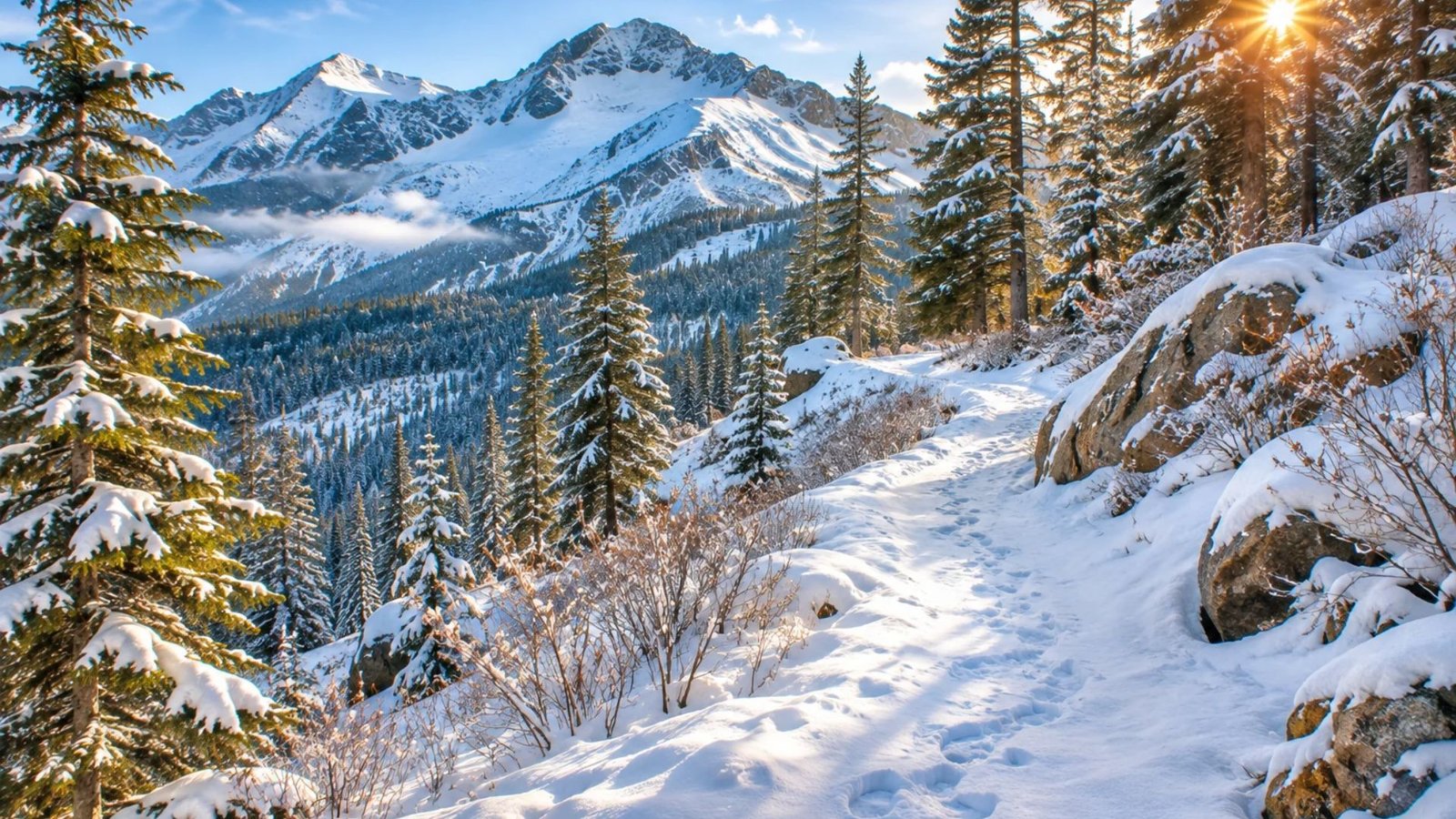

Winter is one of my favorite seasons for exploring the outdoors.
There’s something incredibly special about walking through a quiet forest covered in fresh snow, seeing frozen waterfalls, and enjoying mountain views that look almost magical.
Although hiking in winter requires a little more preparation, I think it’s one of the most rewarding ways to experience America’s beautiful landscapes.
From snowy mountain trails in Colorado to peaceful forest paths in New England, the USA has so many incredible winter hikes worth adding to your bucket list.
Whether you’re an experienced hiker or simply looking for a beautiful winter adventure, these trails are worth exploring.
15 Best Winter Hikes in the USA
Winter hiking offers a completely different experience from hiking during spring or summer. Familiar trails become quieter, waterfalls freeze into beautiful ice formations, and mountain landscapes transform into snowy wonderlands.
Some trails are perfect for beginners looking for a peaceful winter walk, while others offer challenging climbs and spectacular views for experienced hikers.
Here are 15 of the best winter hikes in the USA to inspire your next cold-weather adventure.
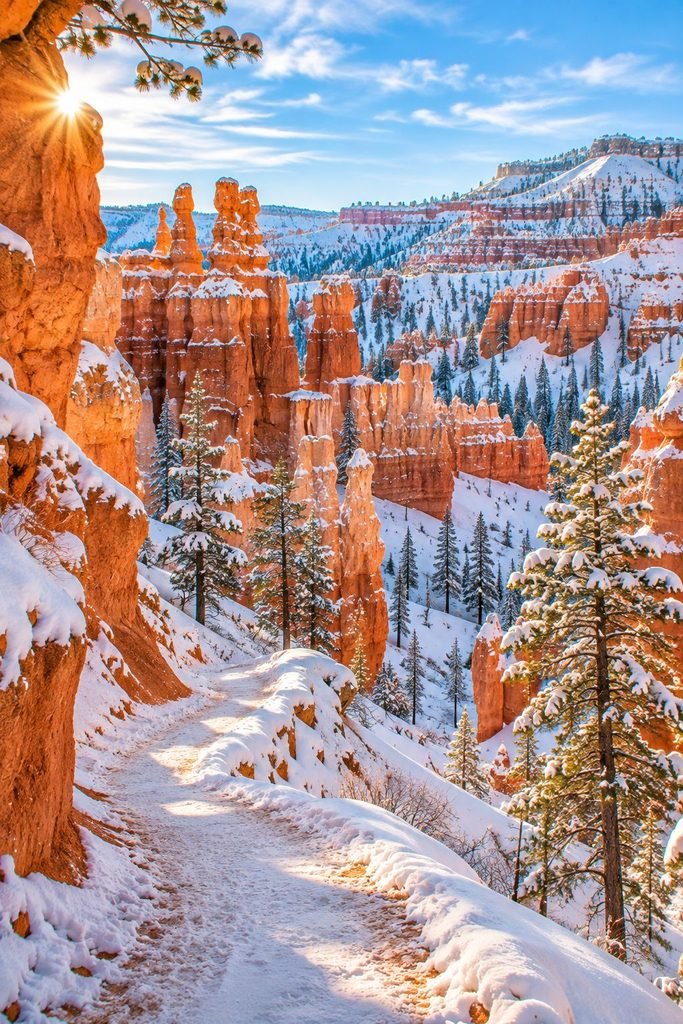
1. Queen’s Garden and Navajo Loop – Bryce Canyon National Park, Utah
- Distance: Approximately 2.9 miles round trip
- Difficulty: Moderate
- Best for: Snow-covered red rock formations and incredible photography
If you’re looking for a winter hike that feels like stepping into another world, Queen’s Garden and Navajo Loop in Bryce Canyon National Park should be high on your list.
Bryce Canyon is famous for its unusual hoodoos, which are tall, thin rock formations created through years of erosion.
During winter, these beautiful orange and red formations contrast against fresh white snow, creating one of the most incredible landscapes in the American Southwest.
The Queen’s Garden Trail takes you down into the amphitheater, where you can walk among the towering rock formations and enjoy beautiful views from different angles. You can also connect it with the Navajo Loop for a more adventurous experience.
One thing I particularly love about this destination is how different it looks depending on the season.
The snow makes the red rocks stand out even more, and the cooler temperatures can make exploring more comfortable than during the hot summer months.
Winter hiking tip: Not every section of the Navajo Loop remains open during winter.
The Wall Street section closes seasonally, and icy sections can become dangerous. Check the park’s latest trail conditions and use appropriate traction devices before attempting the combination loop.
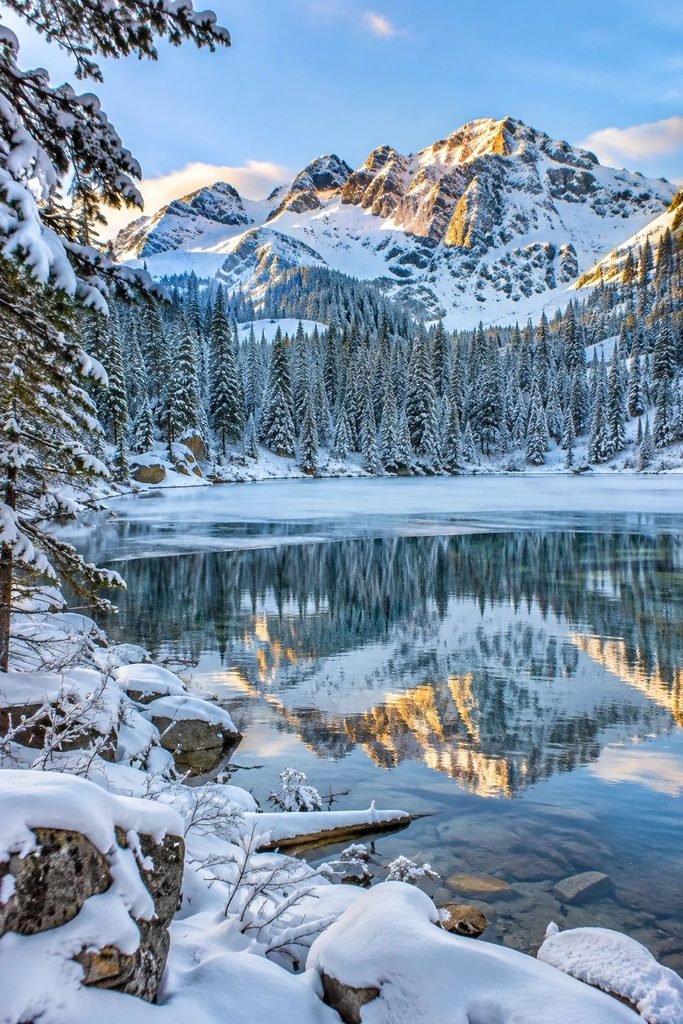
2. Emerald Lake Trail – Rocky Mountain National Park, Colorado
- Distance: Approximately 3.2 miles round trip
- Difficulty: Moderate
- Best for: Frozen lakes and dramatic mountain scenery
Emerald Lake Trail is one of the most beautiful winter hikes in Colorado. Located inside Rocky Mountain National Park, this popular route takes you through a peaceful alpine landscape filled with snow-covered pine trees, frozen lakes, and impressive mountain views.
The adventure begins at Bear Lake Trailhead. Along the way, you’ll pass Nymph Lake and Dream Lake before reaching Emerald Lake, where the surrounding mountains create a spectacular winter backdrop.
I love the idea of this hike because you get to experience several beautiful locations without committing to an extremely long trail.
Each lake has its own character, and the changing scenery makes the journey just as enjoyable as reaching the final destination.
Dream Lake is especially beautiful during winter, with snowy mountain peaks reflected in the frozen landscape.
Winter hiking tip: Bring microspikes or other suitable traction devices because the popular trail can become packed with snow and ice.
Rocky Mountain National Park also requires timed-entry reservations during certain seasons, so check current park requirements before visiting.
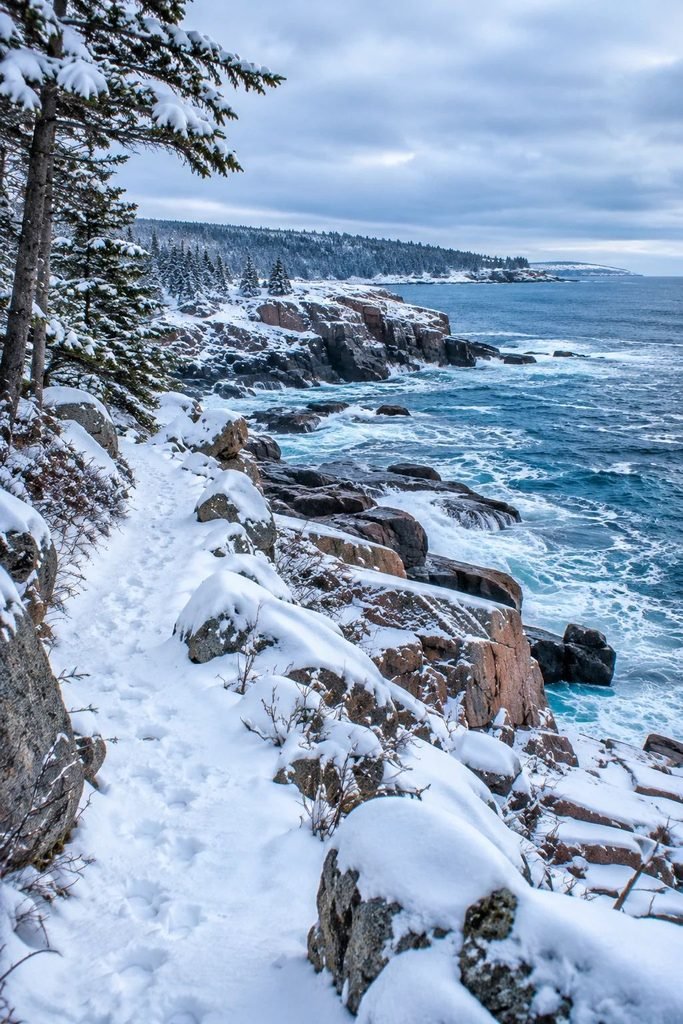
3. Ocean Path – Acadia National Park, Maine
- Distance: Approximately 4.4 miles round trip
- Difficulty: Easy to moderate
- Best for: Winter ocean views and beautiful coastal scenery
Not every winter hike needs to take you deep into the mountains. Sometimes, a peaceful coastal walk is exactly what you need.
Ocean Path in Acadia National Park is a wonderful winter hiking destination for anyone who loves dramatic ocean views. The trail follows Maine’s rocky coastline, offering beautiful scenery, crashing waves, and opportunities to stop at some of the park’s most famous viewpoints.
One of the highlights is Thunder Hole, where waves rush into a narrow rocky inlet and create a thunder-like sound under the right conditions.
During winter, the coastline can look completely different. Snow and ice cover parts of the rocky landscape, while the Atlantic Ocean continues to crash against the shore.
I would recommend taking your time here rather than rushing through the trail. There are several lovely places to pause, take photographs, and enjoy the fresh coastal air.
Winter hiking tip: Coastal weather can be windy and unpredictable. Wear windproof layers, watch for slippery rocks, and stay well away from icy cliff edges. Check which sections of the park are accessible before setting out.
Read How to Get in Shape for Hiking (A Practical Training Guide for Beginners)
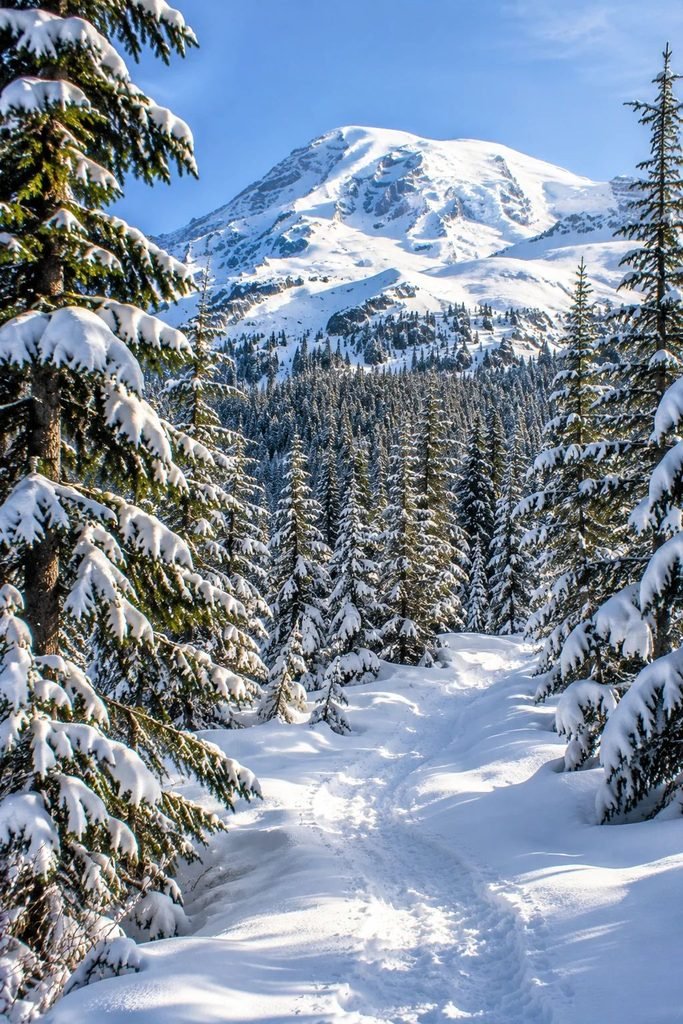
4. Nisqually Vista Trail – Mount Rainier National Park, Washington
- Distance: Approximately 1.2 miles round trip
- Difficulty: Easy to moderate, depending on snow conditions
- Best for: Mountain scenery and snowshoeing
If you dream of walking through a beautiful winter wonderland, Nisqually Vista Trail is worth considering.
Located in the Paradise area of Mount Rainier National Park, this short route offers impressive views of Mount Rainier and the surrounding snowy landscape.
The Paradise area is particularly beautiful during winter. Thick snow covers the ground, evergreen trees look like something from a Christmas postcard, and the mountain creates an incredible backdrop.
Although the trail is relatively short, winter conditions can make it more challenging than expected. You may need snowshoes depending on snowfall and trail conditions.
I especially love this hike for travelers who want to experience the beauty of Mount Rainier without committing to a long mountain expedition.
Winter hiking tip: Paradise receives heavy snowfall, and access roads can close because of weather. Check road conditions, operating hours, and snowshoe requirements before traveling.
Read Top 12 Scenic Fall Hikes & Drives for Brilliant Autumn Colors
5. Mount Willard – Crawford Notch State Park, New Hampshire
- Distance: Approximately 3.2 miles round trip
- Difficulty: Moderate
- Best for: Mountain overlooks and peaceful snowy forests
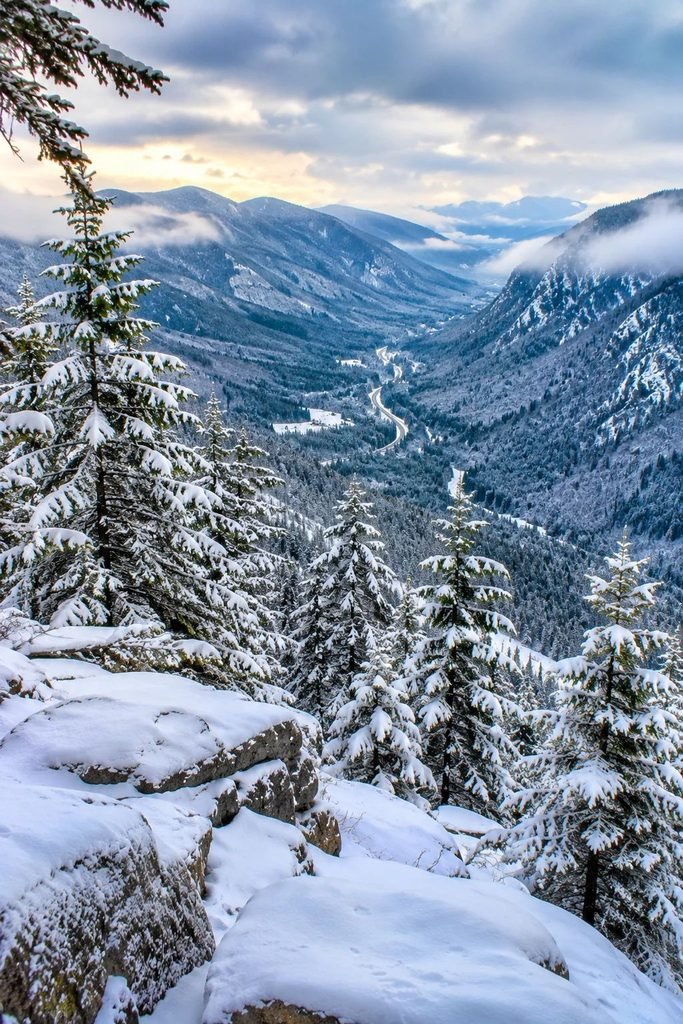
Mount Willard is one of the most rewarding winter hikes in New Hampshire. It offers an incredible mountain viewpoint without requiring the kind of long-distance hiking associated with some of the White Mountains’ more challenging peaks.
The trail begins near Crawford Notch and gradually climbs through a beautiful forest. During winter, the trees become covered in snow, creating a peaceful atmosphere that makes the journey feel especially magical.
Once you reach the summit, you’ll be rewarded with sweeping views of Crawford Notch and the surrounding mountains.
What makes this hike particularly special is the contrast between the quiet forest and the dramatic landscape waiting at the top.
I would recommend starting early so you have enough daylight to enjoy the viewpoint and make your way back safely.
Winter hiking tip: The trail can become icy, especially near the summit. Bring traction devices, warm gloves, and an extra insulating layer. Do not underestimate the cold or the shorter winter daylight hours.
6. Bear Lake Loop – Rocky Mountain National Park, Colorado
- Distance: Approximately 0.7 miles round trip
- Difficulty: Easy
- Best for: Beginners and families
If you’re new to winter hiking, Bear Lake Loop is a wonderful place to start.
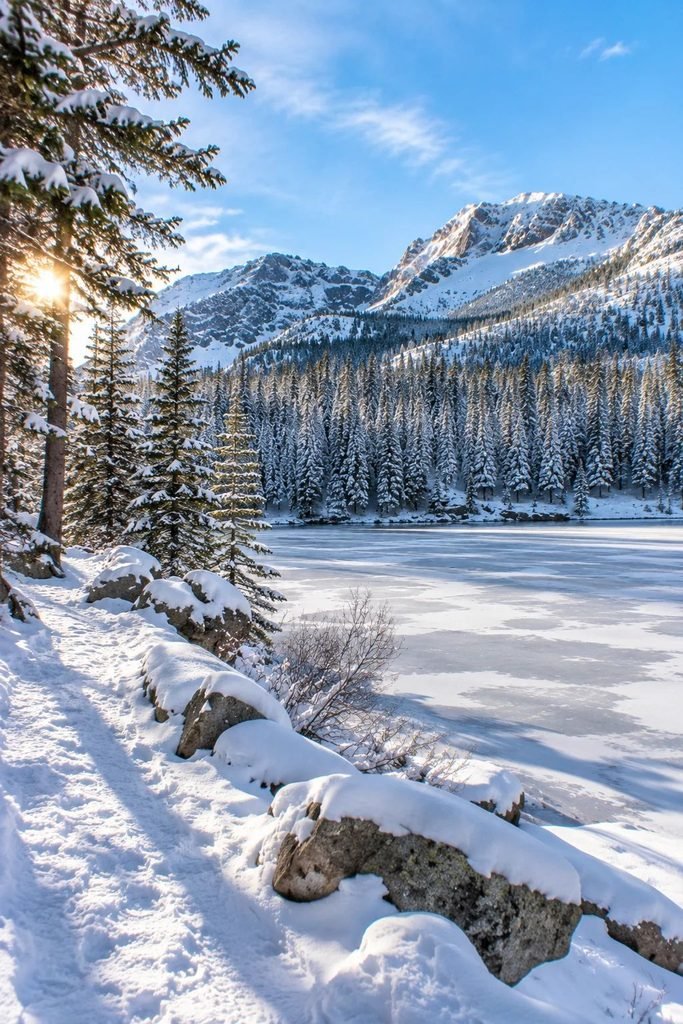
This short trail circles Bear Lake and offers beautiful views of the surrounding mountains. It is one of the easiest ways to experience the snowy scenery of Rocky Mountain National Park without taking on a difficult climb.
During winter, the surrounding pine trees are often covered in snow, and the lake becomes a beautiful focal point of the landscape.
The loop is short enough to enjoy at a relaxed pace, making it a lovely option for families, beginners, and travelers who want to spend more time enjoying the scenery than worrying about a demanding route.
I would also recommend bringing a camera because there are plenty of opportunities to capture beautiful winter photographs.
Winter hiking tip: Even short trails can become slippery. Wear waterproof winter boots and carry traction devices if ice is present. Follow park guidance about lake ice and never assume a frozen lake is safe to walk on.
7. Dark Hollow Falls Trail – Shenandoah National Park, Virginia
- Distance: Approximately 1.4 miles round trip
- Difficulty: Moderate
- Best for: Waterfalls and winter forest scenery
Dark Hollow Falls is a beautiful hiking destination for anyone who enjoys waterfalls and peaceful woodland trails.
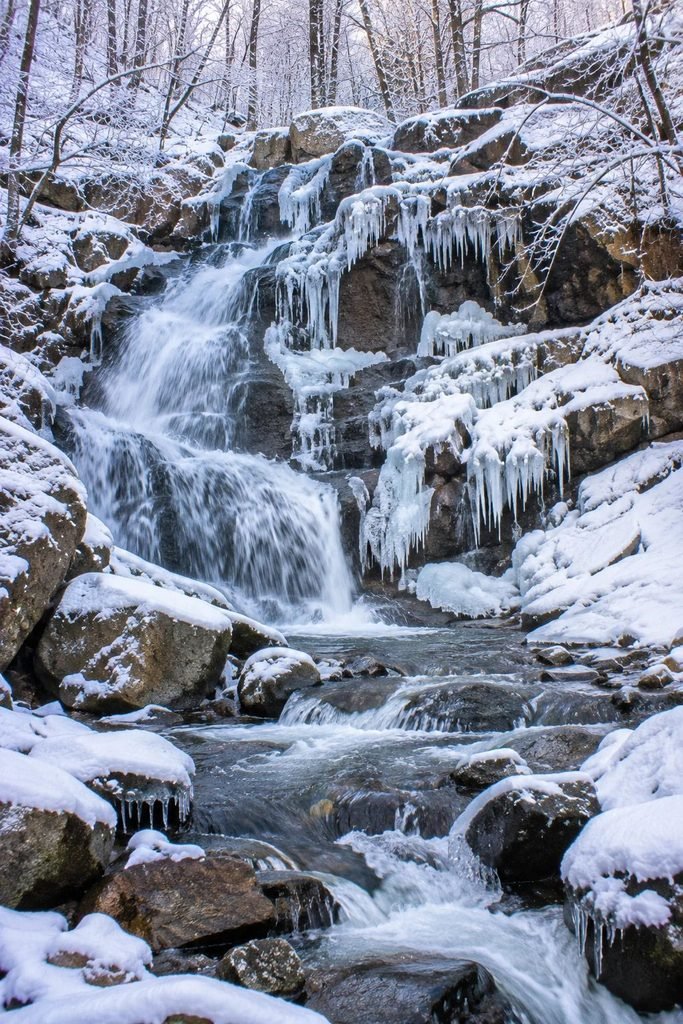
Located in Shenandoah National Park, this trail takes you through a forest before descending toward a lovely waterfall surrounded by rocks and trees.
Winter gives the area a completely different appearance. When temperatures drop low enough, ice can form around the waterfall, creating beautiful icicles and frozen details.
I think this is one of those hikes where the journey is just as enjoyable as the destination. The forest feels quieter during winter, and the sound of flowing water adds something special to the experience.
The trail is relatively short, but don’t let its distance fool you. The descent can be steep, and the return climb can feel challenging, particularly when the ground is covered in ice.
Winter hiking tip: Wear shoes with good grip and bring trekking poles if you need additional stability. Check Skyline Drive closures before visiting because winter weather can affect park access.
8. Old Man’s Cave – Hocking Hills State Park, Ohio
- Distance: Approximately 1 mile for a shorter loop; longer connected routes are available
- Difficulty: Easy to moderate
- Best for: Frozen waterfalls, caves, and beautiful rock formations
Ohio might not be the first place that comes to mind when planning a winter hiking adventure, but Hocking Hills State Park is absolutely worth considering.
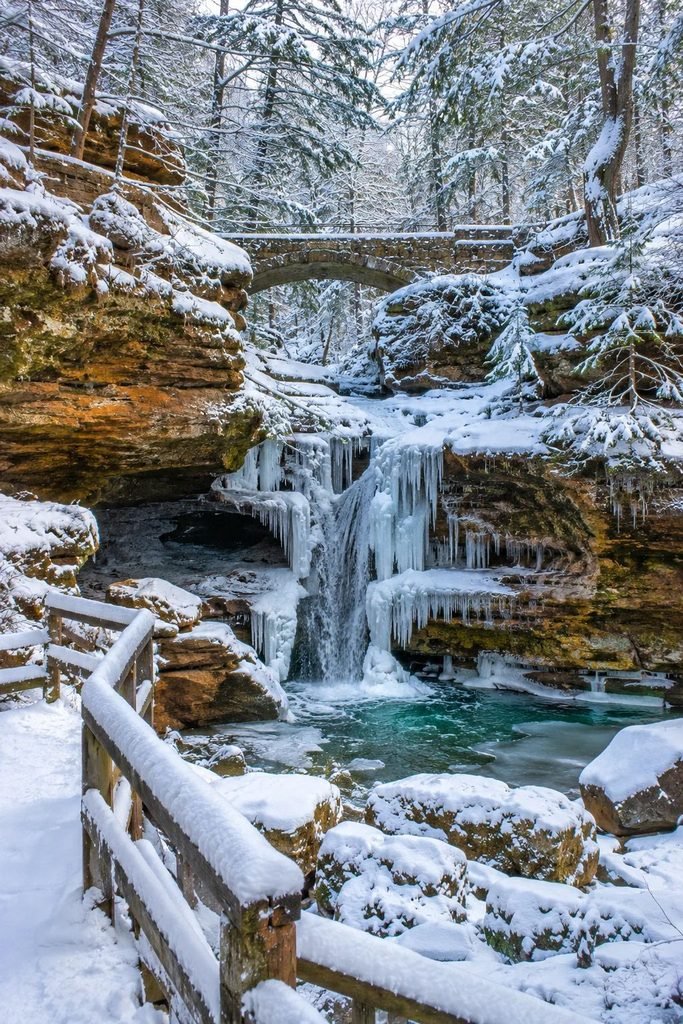
Old Man’s Cave is one of the park’s most popular natural attractions. The area features beautiful sandstone cliffs, narrow gorges, waterfalls, and interesting rock formations.
During winter, the scenery becomes even more impressive. Snow covers the forest floor, while freezing temperatures can turn waterfalls into stunning ice formations.
I particularly love how the landscape combines different natural features. You can walk through wooded sections, explore dramatic rock formations, and enjoy the peaceful atmosphere of the gorge.
The shorter route is a good option if you’re looking for a manageable winter adventure, while the park has longer connected trails for hikers who want to explore more.
Winter hiking tip: Ice can form on stairs, rocks, and narrow sections of the gorge. Take your time, use traction devices, and avoid climbing on frozen waterfalls.
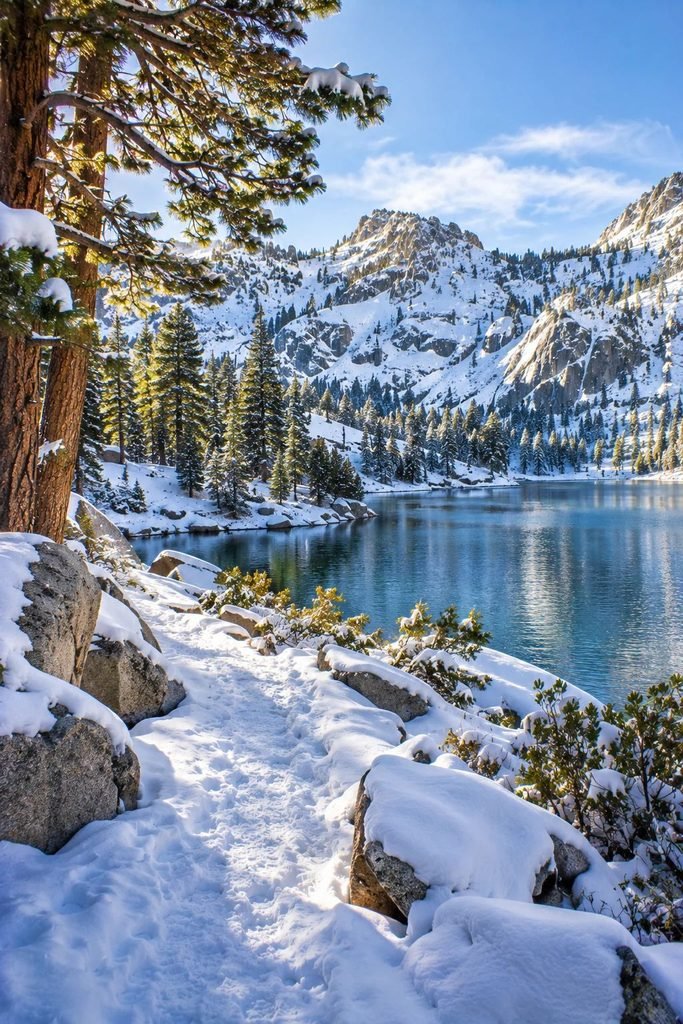
9. Eagle Lake Trail – Lake Tahoe, California
- Distance: Approximately 2 miles round trip
- Difficulty: Moderate
- Best for: Alpine scenery and snowy mountain views
Lake Tahoe is one of the most beautiful winter destinations in the western United States, and Eagle Lake Trail is a wonderful way to experience its natural beauty.
Located near Emerald Bay State Park, the trail takes you through a forest before reaching a gorgeous alpine lake surrounded by mountains.
During winter, the landscape becomes especially peaceful. Snow-covered trees line the trail, and the surrounding mountains create a beautiful backdrop for photographs.
I love that this hike offers a combination of forest scenery, mountain views, and the beauty of an alpine lake.
However, winter conditions can make the trail significantly more challenging. Snow and ice may cover the path, and the rocky sections can be slippery.
Winter hiking tip: Check local road and trail conditions before visiting. Depending on snowfall, snowshoes or traction devices may be necessary. Never venture onto frozen water unless authorities have confirmed it is safe.
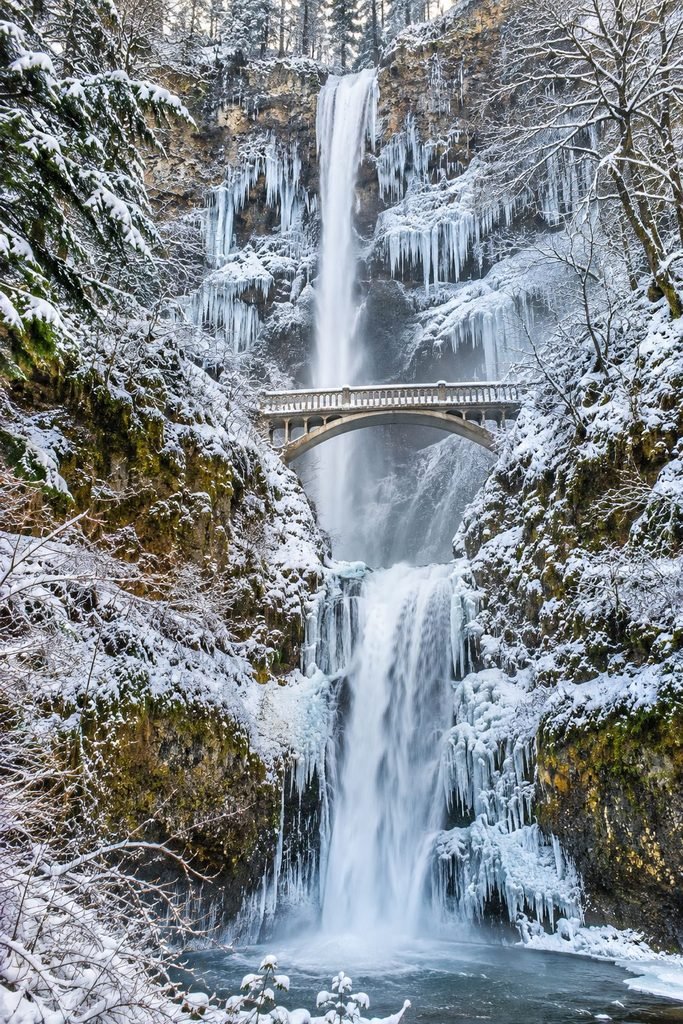
10. Multnomah Falls Trail – Columbia River Gorge, Oregon
- Distance: Approximately 2.4 miles round trip to the upper viewpoint
- Difficulty: Moderate to challenging
- Best for: Spectacular waterfalls and winter photography
Multnomah Falls is one of the most recognizable waterfalls in the United States, and winter is a particularly beautiful time to see it.
Located in Oregon’s Columbia River Gorge, this impressive waterfall drops through a forested landscape, creating a breathtaking scene in every season.
When temperatures fall below freezing, ice can form around the waterfall and surrounding rocks. Combined with snow-covered trees, the scenery can look absolutely magical.
The trail takes you uphill toward the upper viewpoint, where you can enjoy a closer look at the waterfall and surrounding landscape.
If you’re looking for a winter destination that offers incredible photography opportunities, this is one to add to your list.
Winter hiking tip: The upper trail can be slippery and may close during hazardous conditions. Check official trail alerts before visiting, and do not cross closure barriers just to reach a viewpoint.
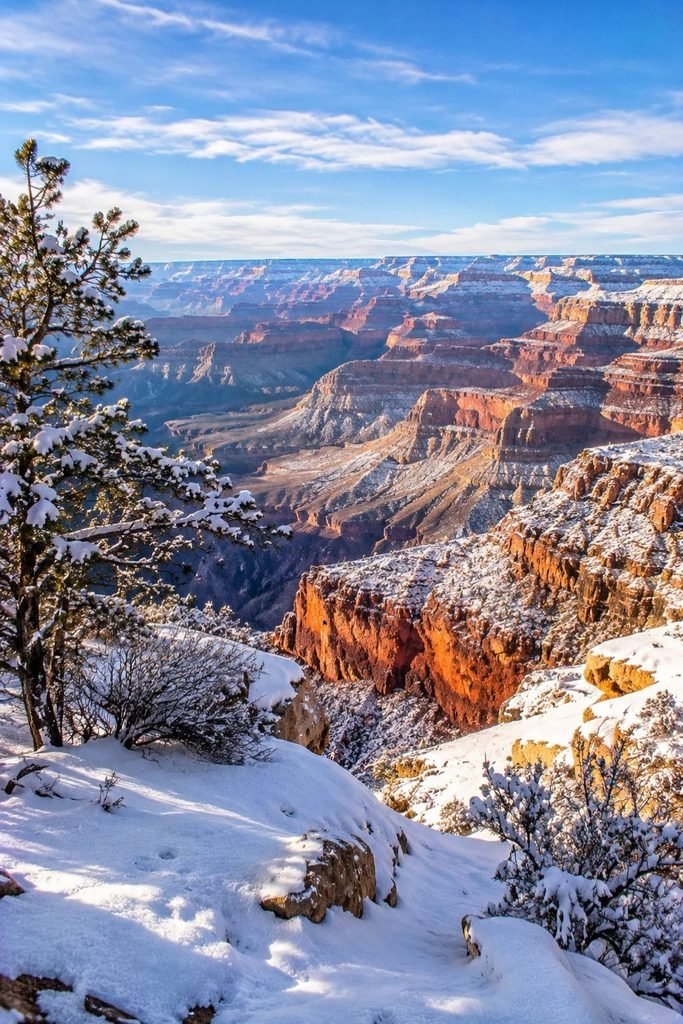
11. Grand Canyon Rim Trail – Grand Canyon National Park, Arizona
- Distance: Flexible, depending on the section you choose
- Difficulty: Easy to moderate
- Best for: Unique winter canyon views
The Grand Canyon is breathtaking throughout the year, but seeing it covered in snow is an experience that deserves a place on your winter travel bucket list.
The Rim Trail along the South Rim offers beautiful views of the canyon, with several sections suitable for a relaxed walk. You don’t have to complete the entire route to enjoy the scenery.
You can choose a shorter section between popular viewpoints and take your time appreciating the landscape.
During winter, the contrast between the red canyon walls, green trees, and white snow creates an incredible view.
One of my favorite things about this destination is how different the canyon looks from one viewpoint to another. You can spend an entire morning exploring different sections and still discover something new.
Winter hiking tip: The South Rim can experience snow and icy pathways. Wear appropriate footwear and traction devices, particularly near exposed viewpoints.
Avoid hiking down into the canyon without understanding the additional winter risks. The National Park Service provides specific winter backcountry warnings for the Grand Canyon.
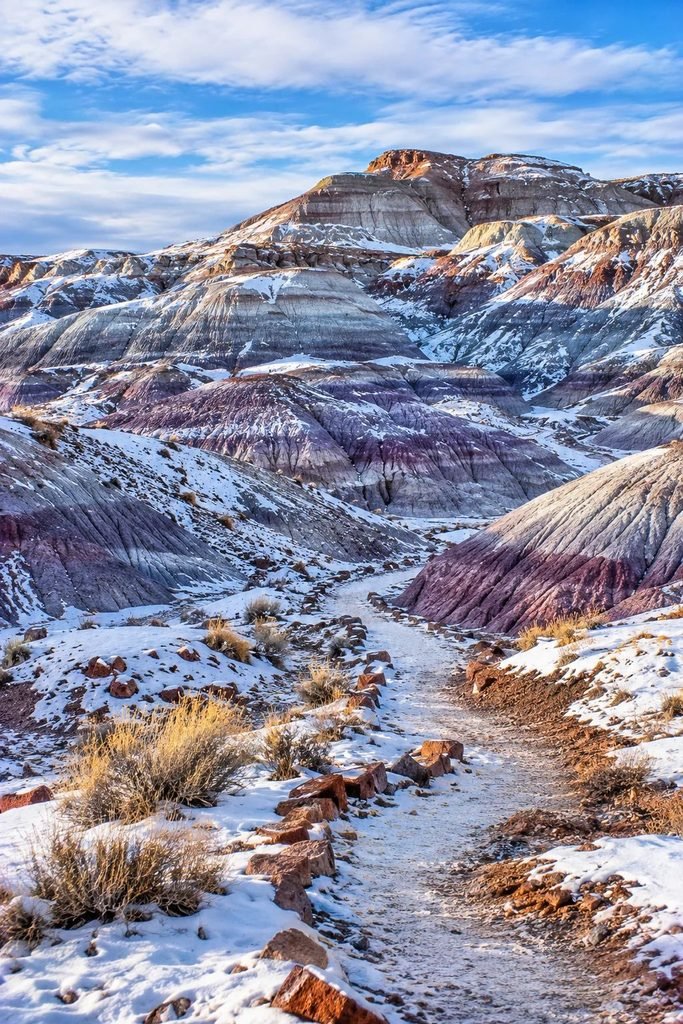
12. Blue Mesa Trail – Petrified Forest National Park, Arizona
- Distance: Approximately 1 mile loop
- Difficulty: Moderate
- Best for: Colorful landscapes and unusual winter scenery
If you’re tired of traditional snowy mountain hikes, Blue Mesa Trail offers something completely different.
Located in Petrified Forest National Park, Arizona, this beautiful trail takes you through colorful badlands filled with unusual geological formations.
The landscape features layers of blue, purple, gray, and white sediment that create a beautiful natural pattern. When a little snow falls across the area, the scenery becomes even more unusual.
I love this trail because it reminds me that winter hiking doesn’t always have to involve thick forests and towering mountain peaks. Sometimes, the most beautiful landscapes are found in unexpected places.
The loop descends into the colorful formations, allowing you to experience the landscape from a closer perspective.
Winter hiking tip: Although Arizona has a reputation for warm weather, temperatures in Petrified Forest National Park can become surprisingly cold. Wear layers, bring water, and stay on the designated trail to protect the fragile landscape.
13. Flume Gorge – Franconia Notch State Park, New Hampshire
- Distance: Approximately 2 miles round trip for the standard loop
- Difficulty: Moderate
- Best for: Dramatic rock formations and frozen waterfalls
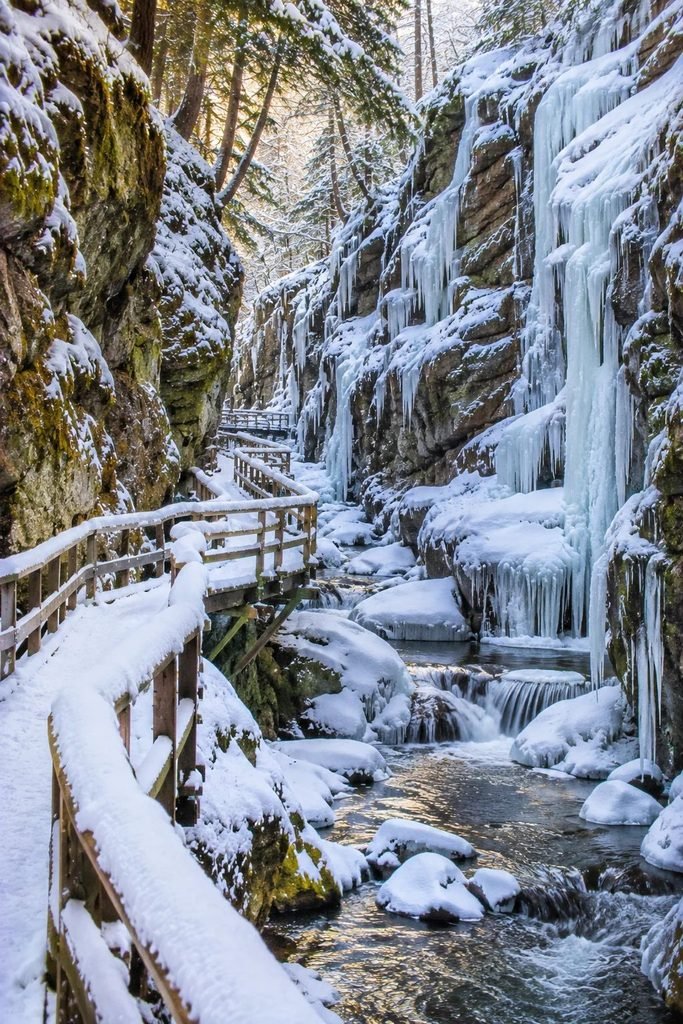
Flume Gorge is one of New Hampshire’s most beautiful natural attractions. This impressive gorge features towering granite walls, wooden walkways, waterfalls, and beautiful forest scenery.
During winter, the landscape can become particularly magical as ice forms around the rocks and waterfalls.
I love the idea of exploring this area during the colder months because it offers something different from a traditional mountain hike. Instead of climbing toward a summit, you get to experience a dramatic natural gorge filled with interesting formations.
The surrounding Franconia Notch area is also worth exploring if you’re planning a longer winter getaway.
Winter hiking tip: The Flume Gorge attraction has seasonal operations, and its standard visitor loop may not be accessible during winter. Check the New Hampshire State Parks website for current access information.
Do not assume the summer walking route is open during the colder months.
14. Mirror Lake Trail – Yosemite National Park, California
- Distance: Approximately 2 miles round trip to Mirror Lake and back
- Difficulty: Easy to moderate
- Best for: Beautiful mountain reflections and peaceful forest scenery
Yosemite National Park is one of the most beautiful places in America, and winter gives it an entirely different atmosphere.
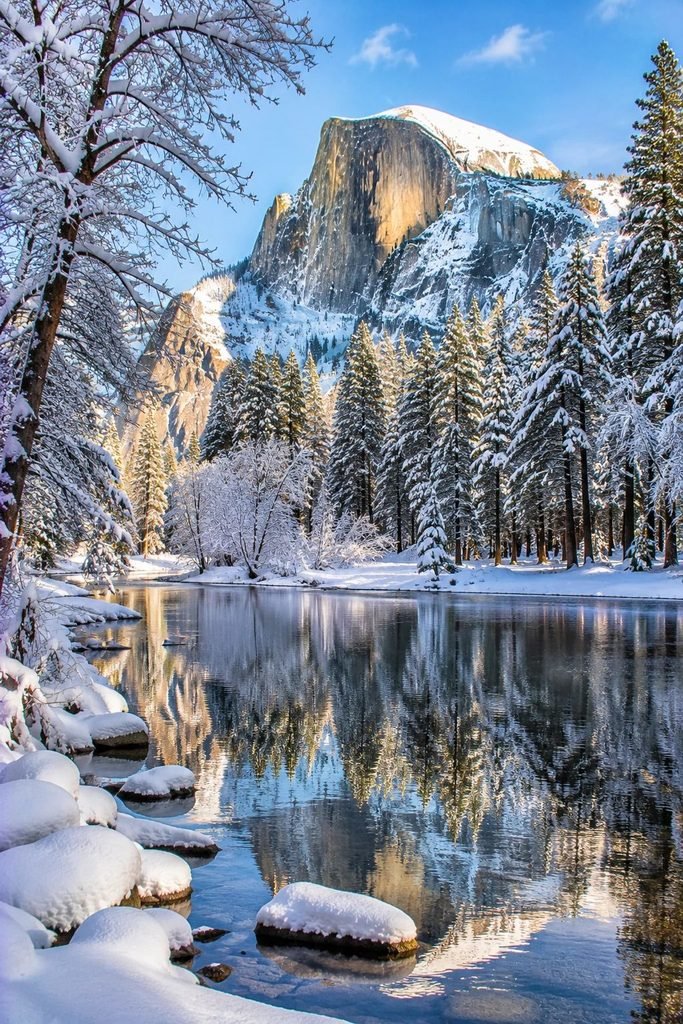
Mirror Lake is a wonderful destination for hikers who want to experience Yosemite’s incredible mountain scenery without taking on a particularly long trail.
The route follows a peaceful path through Yosemite Valley before reaching the lake, where you can enjoy beautiful views of surrounding granite formations, including Half Dome.
During winter, snow can cover the surrounding trees and mountains, creating a beautiful setting for photography.
I particularly love this hike because it offers a quieter way to experience one of America’s most famous national parks.
If you have extra time, you can explore other parts of Yosemite Valley and enjoy the incredible winter scenery.
Winter hiking tip: Snow and ice can make the trail slippery, and winter road conditions may affect access. Check Yosemite’s current road and trail updates before visiting.
15. Bristlecone Loop – Great Basin National Park, Nevada
- Distance: Approximately 2.8 miles round trip
- Difficulty: Moderate to strenuous, depending on conditions
- Best for: Ancient trees and unique mountain scenery
For something a little different, consider adding Bristlecone Loop in Great Basin National Park to your winter hiking bucket list.
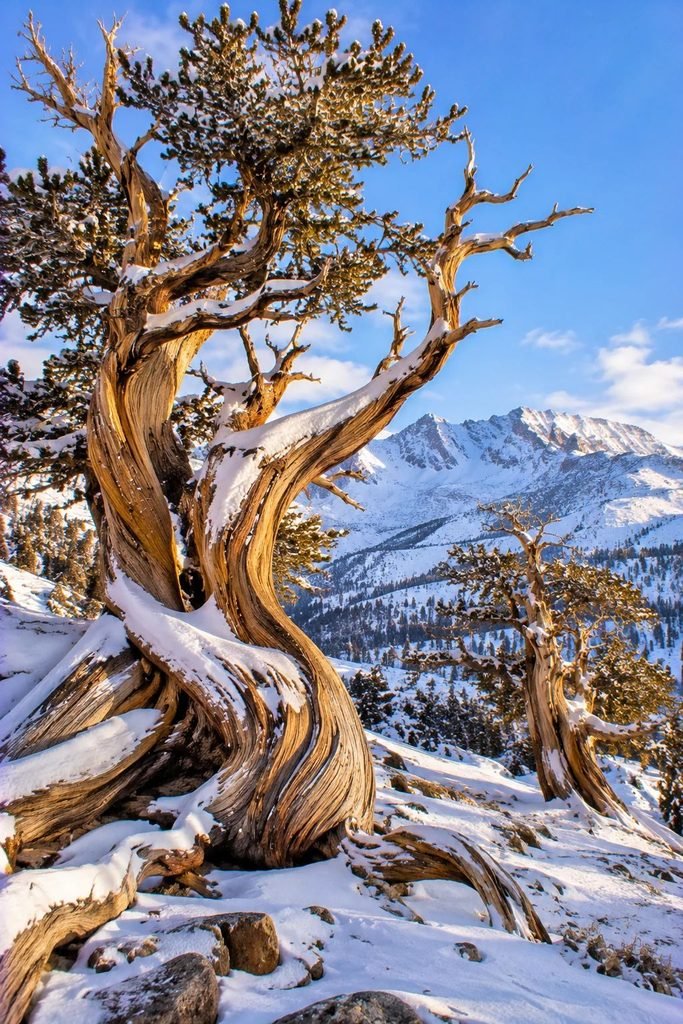
This trail takes you through an incredible forest of ancient bristlecone pine trees. These remarkable trees are among the oldest living organisms on Earth, making the area particularly special for nature lovers.
The surrounding landscape features beautiful mountain scenery, rocky terrain, and peaceful forest views.
During winter, snow can transform the area into a quiet alpine landscape. The ancient trees look especially impressive against the white surroundings.
I think this hike is perfect for travelers who enjoy discovering unusual natural attractions rather than visiting only the most popular destinations.
However, elevation and winter weather can make this route more challenging than its distance suggests.
Winter hiking tip: The trailhead is at high elevation, and access to the Wheeler Peak Scenic Drive can be restricted by snow. Check current park conditions and road closures. Only attempt the route when you have the appropriate winter hiking experience and equipment.
What to Pack for Winter Hiking in the USA
Winter hiking requires more preparation than hiking during warmer months. Even a relatively easy trail can become difficult when snow, ice, and freezing temperatures are involved.
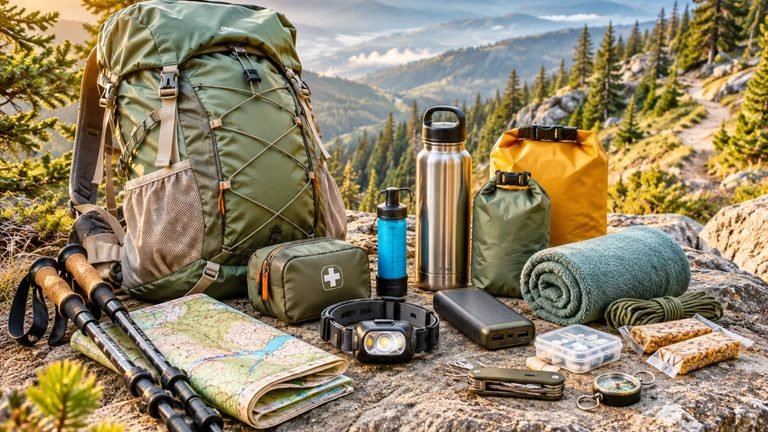
Before heading out, I recommend preparing a small hiking backpack with the following essentials.
1. Waterproof hiking boots
A good pair of waterproof hiking boots will help keep your feet warm and dry. Choose boots with good grip and enough room for comfortable winter socks.
2. Thermal socks
Cold feet can quickly make a beautiful hiking experience uncomfortable. Wool or quality thermal socks are worth packing.
3. Microspikes or traction devices
These are particularly important when walking on icy trails. They attach to your boots and provide extra grip on slippery surfaces.
4. Warm base layers
Choose moisture-wicking thermal clothing rather than cotton. This helps keep sweat away from your skin and makes it easier to stay comfortable.
5. Insulated winter jacket
A warm jacket with windproof and water-resistant protection is useful when temperatures drop or the weather changes.
6. Waterproof gloves and a winter hat
Your hands and head need protection from cold temperatures. I recommend packing an extra pair of gloves in case your first pair gets wet.
7. Trekking poles
Trekking poles can help with balance on uneven or slippery terrain, especially when hiking uphill or downhill.
8. Insulated water bottle
Staying hydrated is just as important in winter as it is during summer. An insulated bottle can help prevent your water from freezing.
9. Headlamp
Winter days are shorter, so having a reliable headlamp is important if your hike takes longer than expected.
10. First aid and emergency supplies
Pack a basic first aid kit, whistle, emergency blanket, extra snacks, navigation equipment, and a fully charged phone.
Important Winter Hiking Safety Tips
Before heading out to explore any of these beautiful trails, remember that winter hiking comes with additional risks.
Here are a few things I recommend keeping in mind.
- Check the weather forecast: Winter weather can change quickly, especially in mountainous areas. Avoid setting out when dangerous conditions are expected.
- Check trail closures: Some hiking routes close during winter because of snow, ice, or hazardous conditions.
- Start early: Shorter daylight hours mean you should give yourself plenty of time to complete your hike.
- Dress in layers: Wear a moisture-wicking base layer, an insulating middle layer, and a waterproof outer layer.
- Carry enough food and water: Cold weather doesn’t mean your body needs less energy or hydration.
- Bring navigation equipment: Don’t rely entirely on your phone. Carry a map and know how to use it.
- Understand avalanche risks: Avoid avalanche terrain unless you have the necessary training and equipment. Check official avalanche forecasts where relevant.
- Never walk on frozen lakes without confirmation: Ice can be dangerously thin even when it looks solid.
- Tell someone your plans: Let a friend or family member know which trail you’re visiting and when you expect to return.
- Turn around when necessary: Don’t feel pressured to reach the summit or complete a trail if conditions become unsafe.
The National Park Service recommends checking trail conditions, carrying proper winter equipment, and being prepared to change your plans when conditions deteriorate. nps.gov+2
Best Time to Go Winter Hiking in the USA
The best time for winter hiking depends on the destination and the kind of scenery you want to experience.
Generally, December through February offers the most traditional snowy hiking experiences in states such as Colorado, Utah, New Hampshire, and Washington.
Here is a quick guide:
| Destination | Best winter months |
|---|---|
| Bryce Canyon, Utah | December–February |
| Rocky Mountain, Colorado | December–March |
| Acadia, Maine | December–February |
| Mount Rainier, Washington | December–March |
| White Mountains, New Hampshire | December–March |
| Shenandoah, Virginia | December–February |
| Hocking Hills, Ohio | December–February |
| Lake Tahoe, California | December–March |
| Yosemite, California | December–February |
| Great Basin, Nevada | Conditions dependent |
Remember that snowfall and trail accessibility vary each year. Always check official park updates before planning your trip.
Frequently Asked Questions About Winter Hiking
1. What are the best states for winter hiking in the USA?
Some of the best states for winter hiking include Colorado, Utah, Washington, California, New Hampshire, Maine, and Virginia. These destinations offer beautiful snowy forests, frozen waterfalls, mountain views, and scenic national parks.
2. What should beginners know before winter hiking?
Beginners should start with short, well-maintained trails and avoid difficult mountain routes during severe weather. Wear waterproof boots, dress in layers, carry enough food and water, and bring traction devices when icy conditions are expected.
3. Are national parks open for hiking during winter?
Many national parks remain open during winter, but individual roads, facilities, and trails may close because of snow and hazardous conditions. Always check the official park website before visiting.
4. Do I need snowshoes for winter hiking?
Not always. Snowshoes are useful when hiking through deep, fresh snow, while microspikes or other traction devices are generally more suitable for icy or packed trails. Your equipment should match the actual trail conditions.
5. Is winter hiking safe for families?
Yes, some winter hikes are suitable for families, especially shorter and less demanding routes such as Bear Lake Loop in Colorado. However, parents should check weather conditions, trail difficulty, and children’s cold-weather clothing before setting out.
Final Thoughts: Which Winter Hike Will You Visit First?
Winter is such a beautiful time to explore America’s outdoors. From the snowy hoodoos of Bryce Canyon to the frozen lakes of Colorado and the dramatic waterfalls of Oregon, there are so many incredible landscapes waiting to be discovered.
Whether you prefer a short forest walk, a peaceful lakeside trail, or a challenging mountain adventure, these 15 winter hikes offer something for every kind of outdoor lover.
My advice is to start with a trail that matches your experience, prepare for the weather, and give yourself plenty of time to enjoy the scenery. Sometimes, the best part of winter hiking isn’t reaching the destination but enjoying every beautiful moment along the way.
Which of these winter hikes would you love to experience first?