
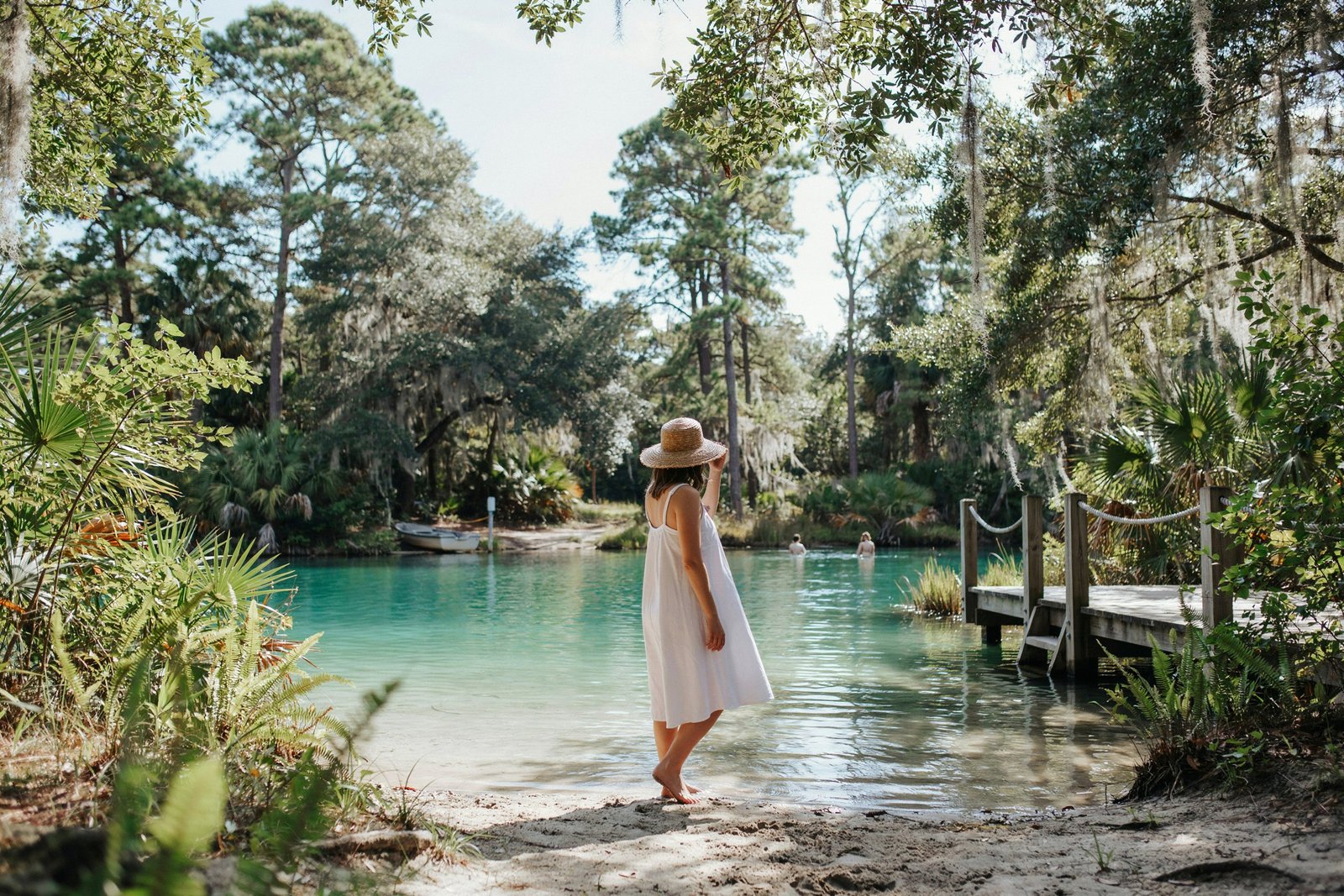

I still remember the first time I saw photos of Ginnie Springs and wondered if the water could really be that clear in real life.
After spending time exploring Florida’s springs, I quickly learned that Ginnie Springs is one of those places that feels even more beautiful when you experience it yourself.
The water is incredibly clear, the surrounding trees make the whole area feel peaceful, and there is something wonderfully refreshing about spending a day outside with your favorite people.
Whether you want to swim, snorkel, float along the river, paddle, or camp under the trees, Ginnie Springs makes an easy escape from everyday life.
Why Ginnie Springs Should Be on Your Florida Bucket List
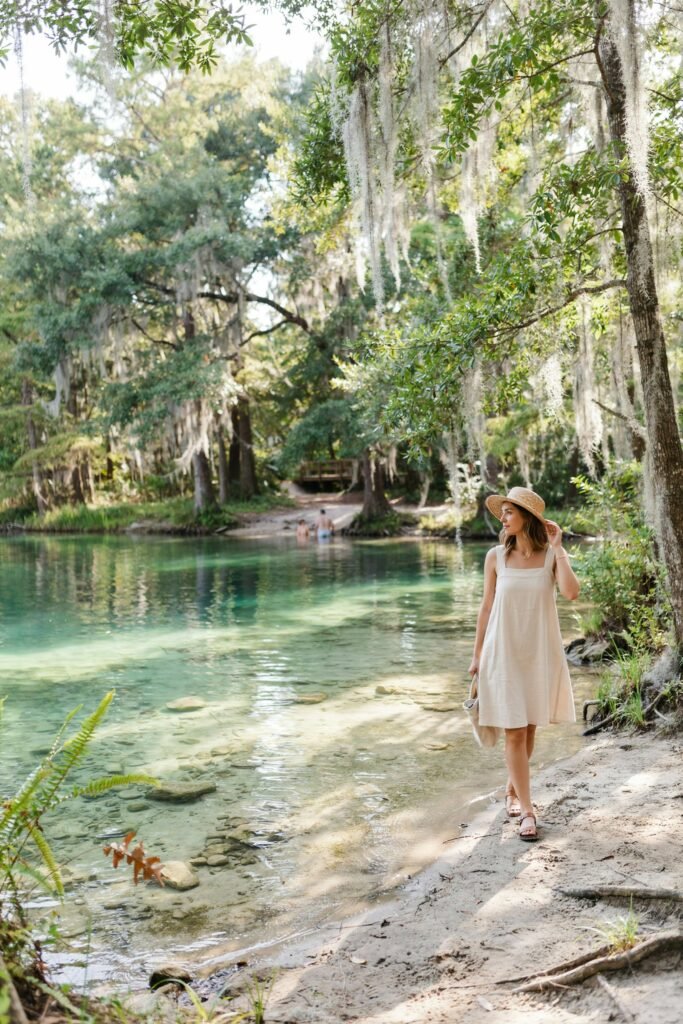
If you are planning a Florida getaway and automatically think about beaches and theme parks, I completely understand. But Florida has another side that I think deserves just as much attention: its natural springs.
Ginnie Springs is located near High Springs in north-central Florida and sits along the Santa Fe River. The property covers more than 250 wooded acres and features seven freshwater springs.
The spring water stays around 72°F year-round, which makes swimming and snorkeling possible in every season.
What I love about Ginnie Springs is that you can make your visit as relaxing or adventurous as you want.
You could spend the entire day:
- Swimming in crystal-clear spring water
- Snorkeling around the springs
- Floating down the Santa Fe River
- Kayaking or paddleboarding
- Walking the property’s trails
- Having a picnic
- Playing volleyball
- Camping overnight
- Enjoying the scenery and taking photographs
You don’t need to plan an enormous itinerary. In fact, one of the nicest things about Ginnie Springs is simply having time to slow down.
Where Is Ginnie Springs?
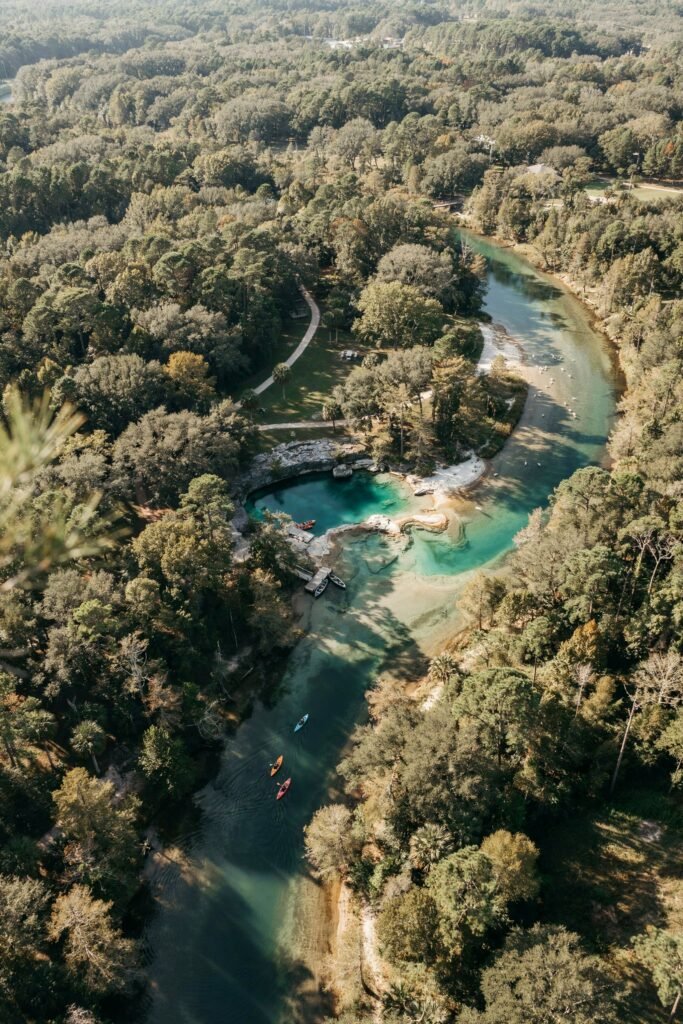
Ginnie Springs is located near High Springs, Florida, in Gilchrist County.
The park’s listed GPS location is 7300 NE Ginnie Springs Road, High Springs, FL 32643.
Its location makes it a convenient destination for a north-central Florida road trip. If you’re already exploring the Gainesville or High Springs area, Ginnie Springs can easily become a full-day outdoor adventure or an overnight camping stop.
I recommend checking your route before leaving because once you arrive, you will probably want to spend as much time outdoors as possible rather than worrying about where your next stop is.
What Makes Ginnie Springs So Special?
The first thing you notice is the water.
Ginnie Springs is famous for its exceptionally clear freshwater. The seven springs provide different areas to explore, while the Santa Fe River adds another option if you want to spend time on the water.
The spring water remains approximately 72°F throughout the year. That can feel wonderfully refreshing on a warm Florida afternoon, although it may feel chilly when you first get in.
Another thing that makes Ginnie Springs special is the setting.
Instead of feeling like a traditional swimming attraction, you’re surrounded by trees, natural scenery and the river. There are also spring decks with stairs that make getting into the water easier, along with picnic areas, grills, walking trails, bathhouses and other visitor facilities.
Read 15 Cheap Vacations for Solo Female Travelers (That Feel Safe, Beautiful & Budget-Friendly)
Best Things to Do at Ginnie Springs
1. Go Swimming
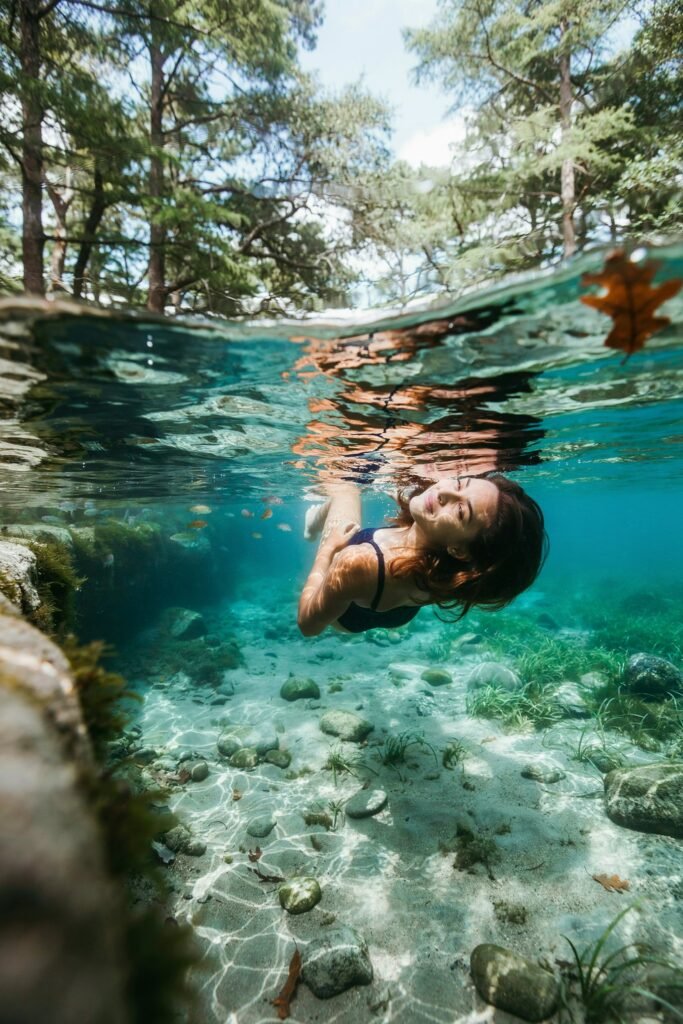
Swimming is one of the simplest ways to enjoy Ginnie Springs.
The clear spring water makes the experience completely different from swimming in a regular pool. You can see into the water around you, and the natural surroundings make the whole experience feel much more memorable.
If you’re visiting with family or friends, I would give yourself plenty of time here rather than treating swimming as something you squeeze between other activities.
Remember that there are no lifeguards on duty, and swimming is at your own risk. Children should be closely supervised around the water.
2. Try Snorkeling
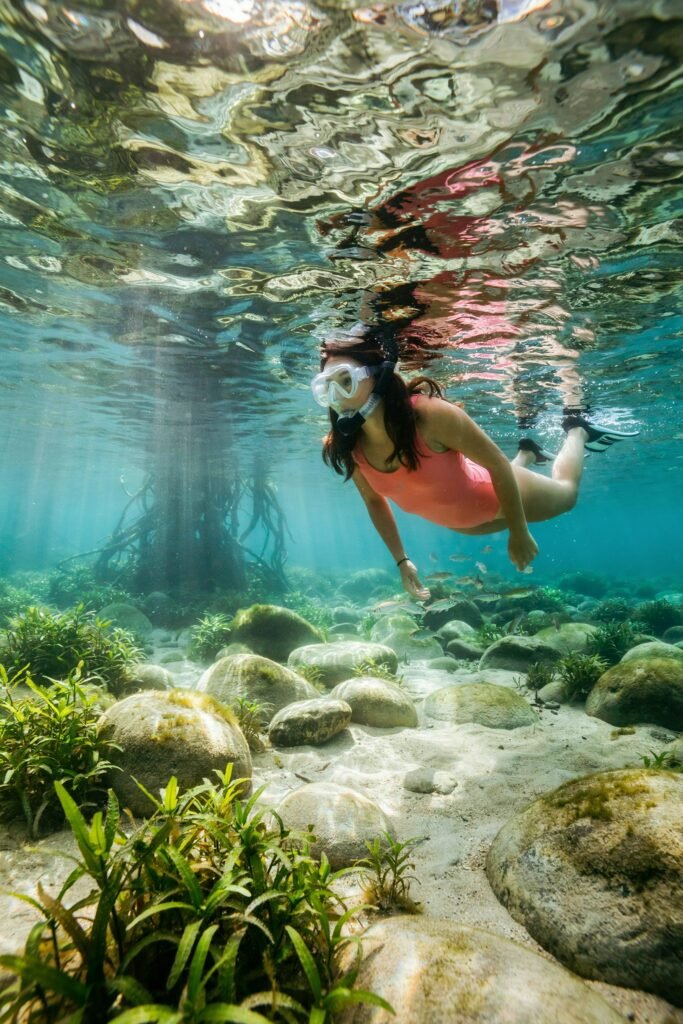
If swimming isn’t enough, bring a mask and snorkel.
The spring water is so clear that snorkeling gives you a completely different perspective. You can look beneath the surface and appreciate the underwater environment instead of simply swimming across it.
Snorkeling equipment is available to rent at Ginnie Springs, including masks, snorkels and fins. Current listed rental prices include $8 for a mask with snorkel and $8 for snorkeling fins.
If you already own your own equipment, bringing it can make your day even easier.
One tip I learned from visiting springs is to avoid rushing underwater exploration. Take your time, look around and enjoy the experience rather than trying to see everything immediately.
Read 1 Week in Greece Itinerary for First-Time Visitors (A Perfect, Stress-Free Plan)
3. Float Down the Santa Fe River
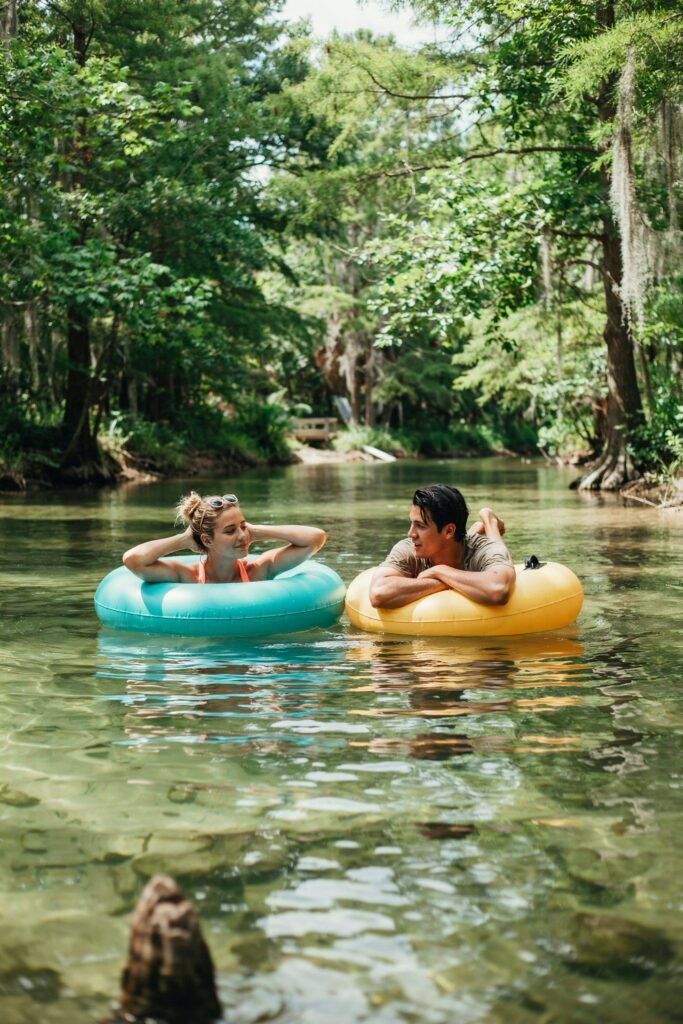
For a more relaxing experience, grab a tube and enjoy the river.
Tubing is one of the classic Ginnie Springs activities, and the park has a tube run along the Santa Fe River. Single and double tubes are available for rent.
The river is a lovely way to slow down after swimming and snorkeling.
Just remember that river conditions can vary, and you should follow the park’s instructions regarding where and how to enter the water.
4. Kayak or Paddleboard
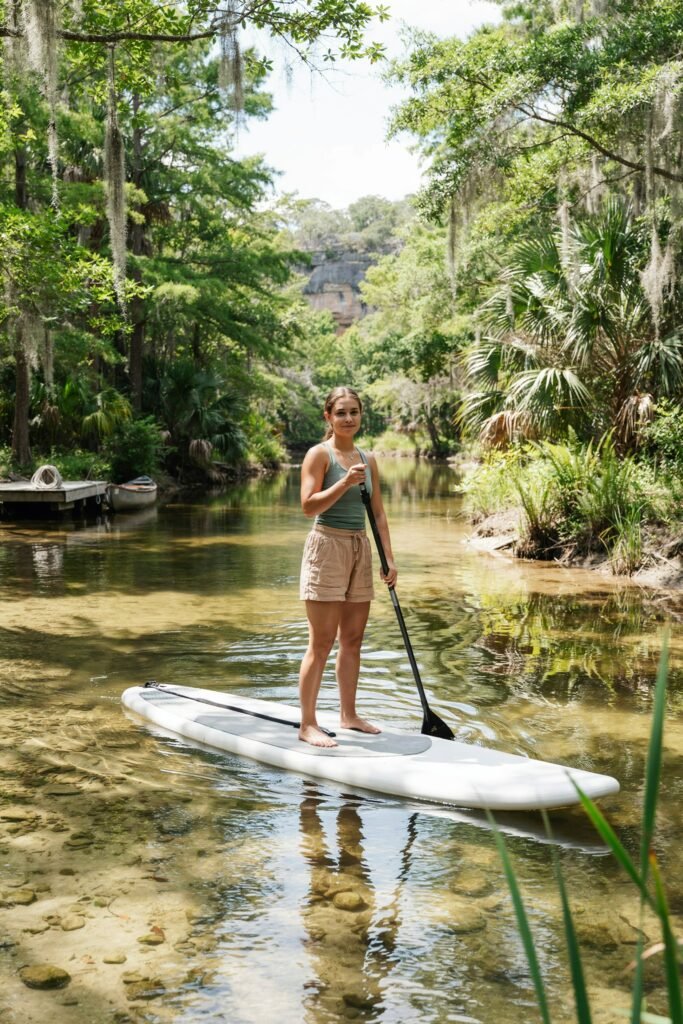
If you prefer to be a little more active, kayaking and paddleboarding are also options.
Ginnie Springs rents canoes, kayaks and paddleboards, although the park notes that there is no pickup service for rental vessels. You are responsible for returning the equipment to its launch location.
This is something worth knowing before you rent because you don’t want to assume you’ll simply be collected downstream.
Read Ireland Travel Guide: Everything You Need to Plan Your Dream Trip
5. Explore the Springs
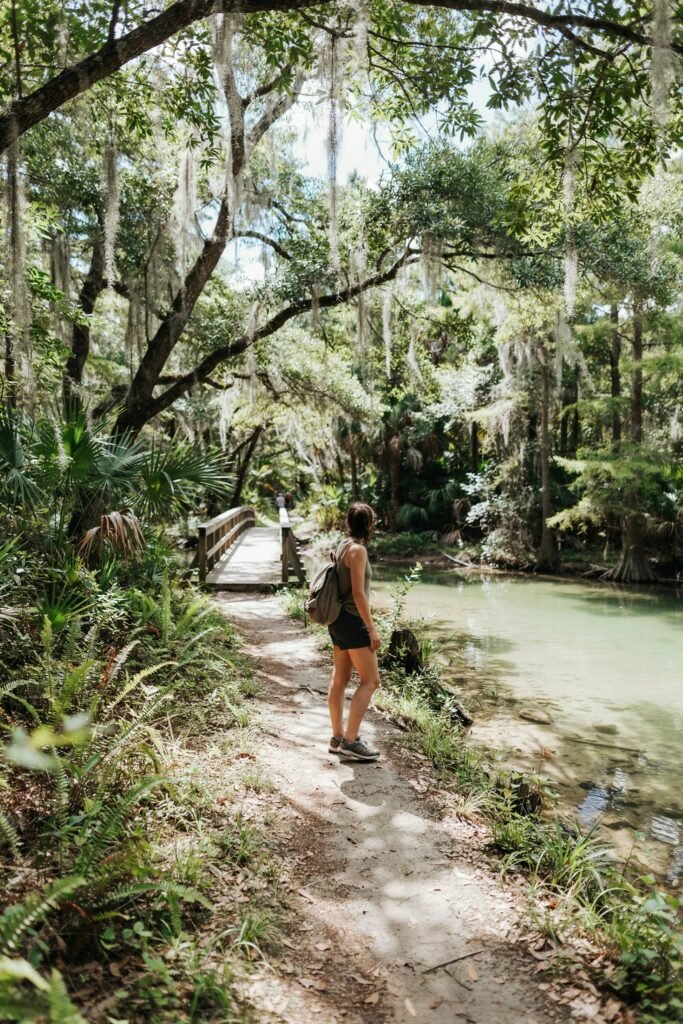
One of my favorite things about visiting natural springs is realizing that you don’t have to spend every minute doing an organized activity.
Take some time to walk around and explore the different spring areas.
Ginnie Springs has seven freshwater springs, and the property also has walking trails, picnic areas and shaded wooded areas.
Bring your camera because the combination of blue-green water, trees and natural scenery makes for beautiful photographs.
6. Have a Picnic
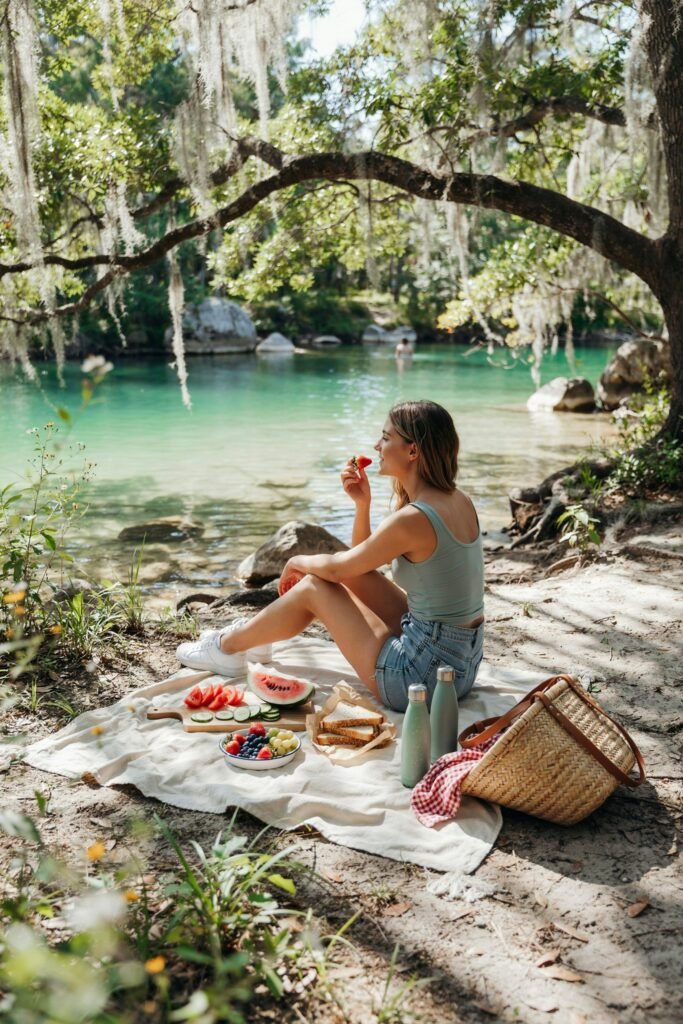
If you’re visiting with family, don’t underestimate the importance of a good picnic break.
Ginnie Springs has picnic tables, grills and covered pavilions throughout the property.
I would pack a simple lunch, plenty of water and snacks so you don’t have to interrupt your day constantly.
A picnic under the trees can actually become one of the most relaxing parts of the entire trip.
Can You Camp at Ginnie Springs?
Yes. Camping is one of the biggest reasons to turn your visit into an overnight trip.
Ginnie Springs offers primitive camping as well as water-and-electric sites. The official camping information says primitive campsites are first-come, first-served, while water-and-electric sites can be reserved and reservations are recommended.
Riverfront primitive sites can be particularly appealing if you want a more natural camping experience.
If you prefer more convenience, a water-and-electric site may make more sense, especially if you’re traveling with a larger setup.
Before booking, check the current availability and policies because camping rules, fees and reservation conditions can change.
How Much Does Ginnie Springs Cost?
Ginnie Springs currently lists seasonal admission pricing.
For March through October, the listed daily admission is:
- Adults: $25
- Children ages 4–12: $6
- Children 3 and under: free
For November through February, the listed rates are:
- Adults: $20
- Children ages 4–12: $5
- Children 3 and under: free
The park notes that prices are subject to change and that holiday and holiday-weekend camping/admission fees can be higher.
Because prices can change, I would always check the official Ginnie Springs website before your trip.
What Is the Best Time to Visit Ginnie Springs?
Ginnie Springs can be visited throughout the year because the spring water stays around 72°F.
That said, your experience can be very different depending on the season.
Spring
Spring can be a lovely time for a Florida outdoor adventure. Temperatures are generally comfortable, and you can enjoy the springs without the intense heat that can arrive later in the year.
Summer
Summer is popular for obvious reasons.
A hot Florida day followed by a swim in cool spring water is hard to beat. However, summer can also mean more visitors, so arriving prepared and checking the park’s current policies before your trip is important.
Fall
Fall can be especially enjoyable if you want warm weather without quite the same summer feeling. The official park information also notes that the Santa Fe River may clear in summer and early fall, potentially offering opportunities to see fish and other aquatic wildlife while snorkeling.
Winter
Don’t completely rule out winter.
The spring water remains around 72°F, so the water itself stays relatively consistent even when the air temperature changes. A sunny winter day can be a wonderful time to explore the springs.
What Should You Bring to Ginnie Springs?
I recommend packing for both water activities and time on land.
My Ginnie Springs packing list:
- Swimsuit
- Towel
- Water shoes
- Snorkel gear
- Dry clothes
- Sunscreen
- Sunglasses
- Hat
- Reusable water bottle
- Waterproof phone pouch
- Small dry bag
- Snacks and lunch
- Picnic blanket
- Camera
- Camping gear if staying overnight
Water shoes are especially useful because natural spring environments can contain rocks, uneven surfaces and other obstacles.
A waterproof phone pouch is another small item I wouldn’t skip. When you’re surrounded by beautiful clear water, you’ll probably want photographs, but keeping your phone protected is much easier than trying to dry it out later.
Important Ginnie Springs Rules to Know
Before visiting, take a few minutes to read the current park rules.
Ginnie Springs is private property, and visitors are expected to follow the park’s policies. Some of the important rules include:
- No pets are allowed.
- Children 15 and under must have adult supervision at all times.
- There are no lifeguards on duty.
- Diving or jumping from decks, banks or trees is prohibited.
- Fishing is not permitted in the springs or spring runs.
- Glass is not permitted in common areas or the river.
- Quiet hours are from midnight until 8 AM.
- Drones are prohibited.
- The speed limit within the property is 10 mph.
The park also warns visitors about natural hazards including changing weather, lightning, rocks, shallow water, fallen timber, snakes and other wildlife.
The best approach is simple: respect the environment, pay attention to posted signs and stay within your comfort level.
Tips for Visiting Ginnie Springs With Kids
Ginnie Springs can be a wonderful family destination, but I would plan your day around safety and comfort.
First, keep children within close reach around the water. The park does not have lifeguards, and children 15 and under are required to have adult supervision at all times.
I would also bring:
- Plenty of drinking water
- Easy snacks
- Sun protection
- Water shoes
- Dry clothes
- Towels
- Floatation equipment appropriate for the swimmer
- A waterproof bag for valuables
Don’t feel like you have to fit every activity into one day. A child who has spent hours swimming may be perfectly happy having a picnic and relaxing under the trees afterward.
A Simple One-Day Ginnie Springs Itinerary
If you’re visiting for the first time and don’t know how to organize your day, here’s how I would structure it.
8:00 AM – Arrive
Starting earlier gives you more time to enjoy the park. The park currently opens at 8 AM year-round.
Morning – Swim and Snorkel
Head toward the springs while you’re fresh and spend some time swimming and exploring underwater.
Late Morning – Explore
Walk around, take photographs and enjoy the natural surroundings.
Lunch – Picnic
Find a picnic area and take a proper break.
Afternoon – Tube, Kayak or Paddleboard
Choose one activity rather than trying to squeeze everything in.
Late Afternoon – One Last Swim
Finish your day with another swim before changing and heading home.
If you’re camping overnight, you can take things much more slowly.
Is Ginnie Springs Worth Visiting?
For me, the appeal of Ginnie Springs isn’t just the famous clear water.
It’s the combination of the springs, the Santa Fe River, the wooded surroundings and the number of ways you can spend a day outdoors.
You can come for swimming and snorkeling, spend the afternoon floating down the river, enjoy a picnic under the trees and then stay overnight if you want a longer adventure.
The biggest lesson I would take from planning a Ginnie Springs trip is not to overcomplicate it. Pack the essentials, check the current park rules, arrive prepared and give yourself enough time to actually enjoy the surroundings.
Ginnie Springs is the kind of Florida destination where slowing down is part of the experience.
Final Tips Before You Go
Before leaving home, I recommend checking the official Ginnie Springs website for the latest admission prices, hours, rules, reservations and weather-related information.
The park currently encourages visitors to purchase day passes online in advance and complete the required waiver before arrival.
If you’re camping, reserve a water-and-electric site ahead of time if you want a guaranteed site, while primitive camping follows different reservation rules.
And most importantly, don’t forget to leave room in your itinerary for the unexpected little moments.
Maybe it’s the first time you see the crystal-clear spring water in person. Maybe it’s floating quietly down the river with the trees overhead. Or maybe it’s sitting at a picnic table at the end of a long day and realizing how different Florida feels when you step away from the busy tourist attractions.
Those are the moments that tend to stay with me long after a trip is over.