
Camping has this magical way of pulling you out of everyday life and placing you somewhere softer, quieter, and more grounded.
But before you ever get to that peaceful campsite moment, there’s one thing that determines whether your trip feels dreamy or chaotic how well your camping gear is organized.
After a few messy trips (the kind where you’re digging through bags at night looking for a flashlight or realizing your cooking spoon is buried under clothes), I learned something important: camping isn’t just about what you bring, it’s about how you organize what you bring.
Once I started building a proper system, everything changed. Packing became calmer. Setting up camp became smoother. And I actually got to enjoy nature instead of constantly searching for things.
So this guide is everything I wish I had when I started camping simple systems, feminine but functional organization ideas, and a complete breakdown of the best gear you need to stay organized on every trip.
Let’s turn your camping setup into something intentional, beautiful, and effortless.
shop my amazon essentials
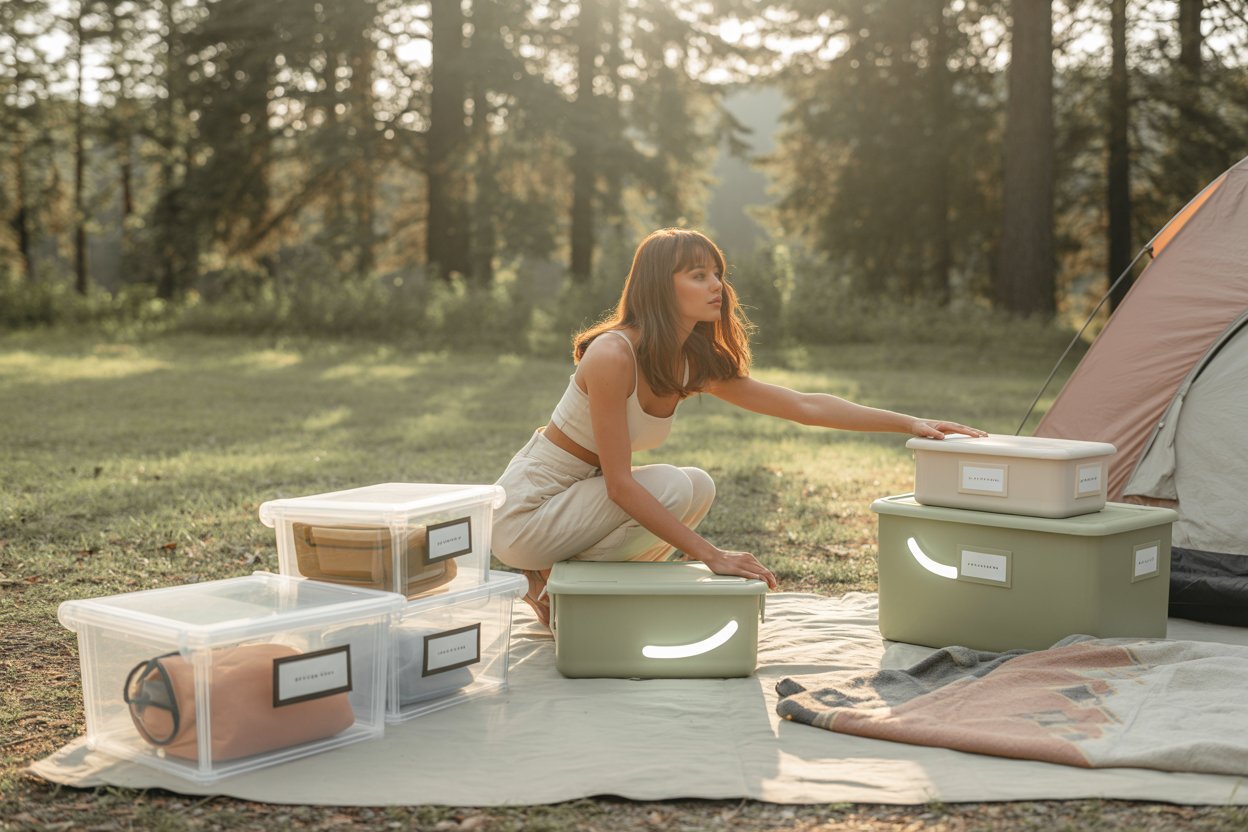
- Clear Storage Bins
- Packing Cubes
- Camping Kitchen Box
- Dry Bags
- Cord Organizers
- Portable Shelving
- Heavy-Duty Storage Bins
- Cooking kit
- Cooler bags
- Toiletry bag
Why Organizing Camping Gear Matters More Than You Think
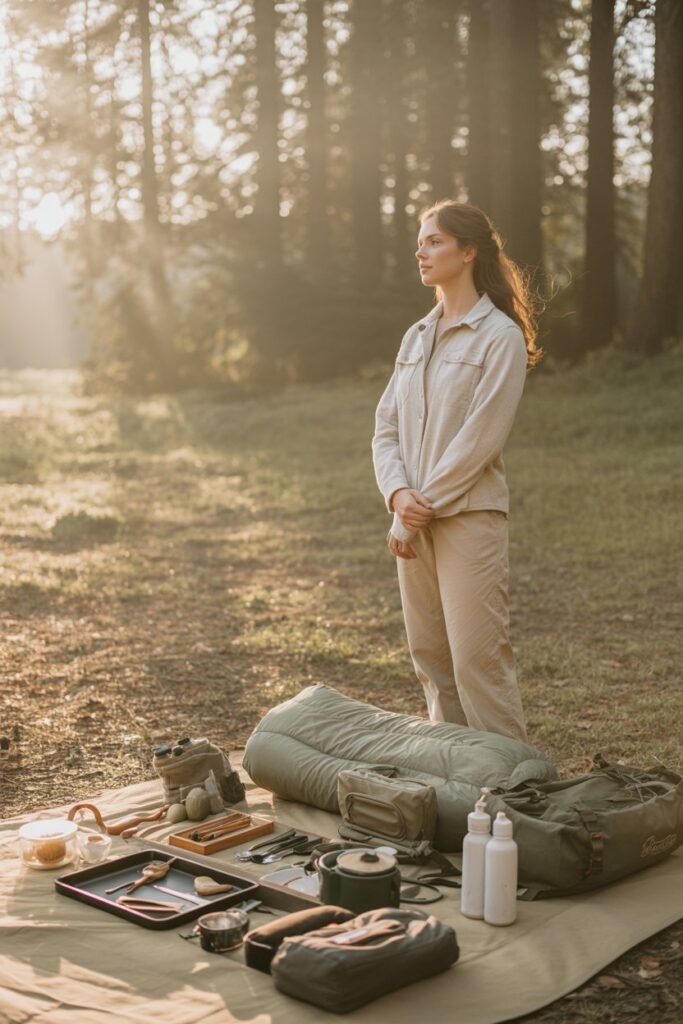
Most people underestimate camping organization. They think it’s just about throwing things into a bag and heading out. But disorganization is what creates stress in the outdoors.
When your gear is unorganized, you end up dealing with:
- Lost items at the worst possible time
- Overpacking unnecessary things
- Messy campsite setups
- Wasted time searching instead of relaxing
- Food and essentials mixed together
But when everything is structured?
- You set up camp in minutes
- You always know where things are
- Packing feels effortless
- Your trip feels more luxurious and intentional
Organization doesn’t just make camping easier it makes it more enjoyable.
Step 1: Create a Camping Gear Category System (Your Foundation)
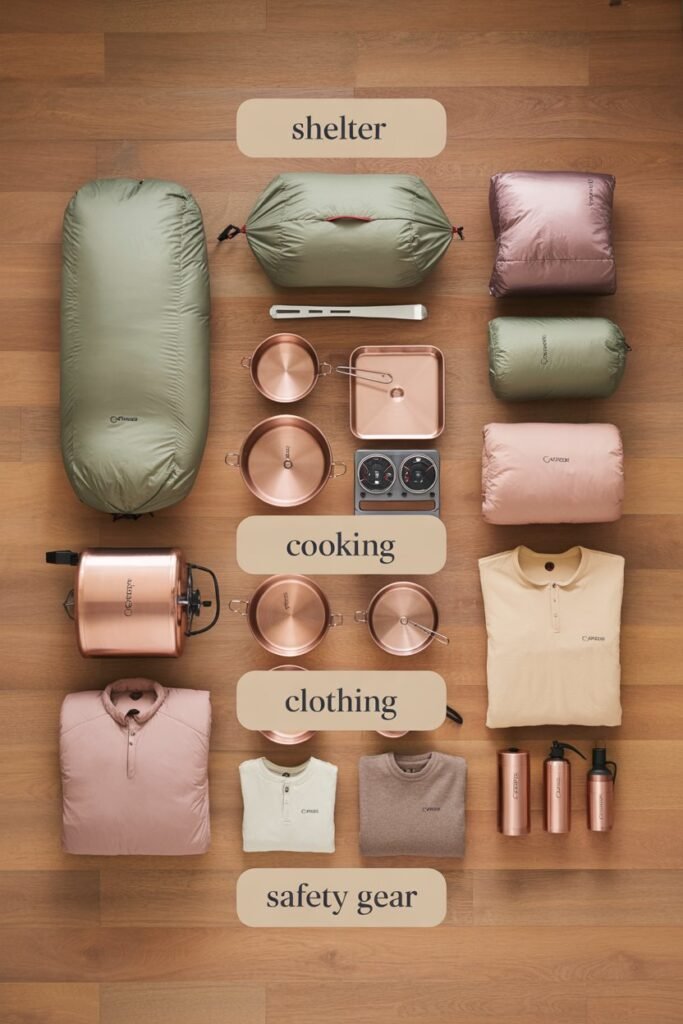
Before buying bags or packing anything, you need structure. This is the foundation of every organized camping system.
Instead of random packing, divide everything into clear categories:
Essential Camping Categories
1. Shelter & Sleep
- Tent
- Sleeping bag
- Sleeping pad
- Pillows
- Blankets
2. Cooking & Food
- Stove
- Fuel
- Pots and pans
- Plates and utensils
- Cooler
- Food supplies
3. Clothing & Comfort
- Outfits
- Jackets
- Sleepwear
- Socks and underwear
4. Hygiene & Toiletries
- Toothbrush
- Face wipes
- Soap
- Towels
- Feminine care essentials
5. Lighting & Power
- Lantern
- Headlamp
- Power bank
- Chargers
6. Safety & Emergency
- First aid kit
- Bug spray
- Sunscreen
- Multi-tool
7. Outdoor Tools
- Rope
- Hammer
- Folding chair
- Knife or utility tool
8. Personal Comfort Items
- Journal
- Snacks
- Books
- Cozy extras
Once you assign everything to a category, packing becomes a structured process instead of guesswork.
Step 2: Invest in the Right Storage System (This Is a Game Changer)
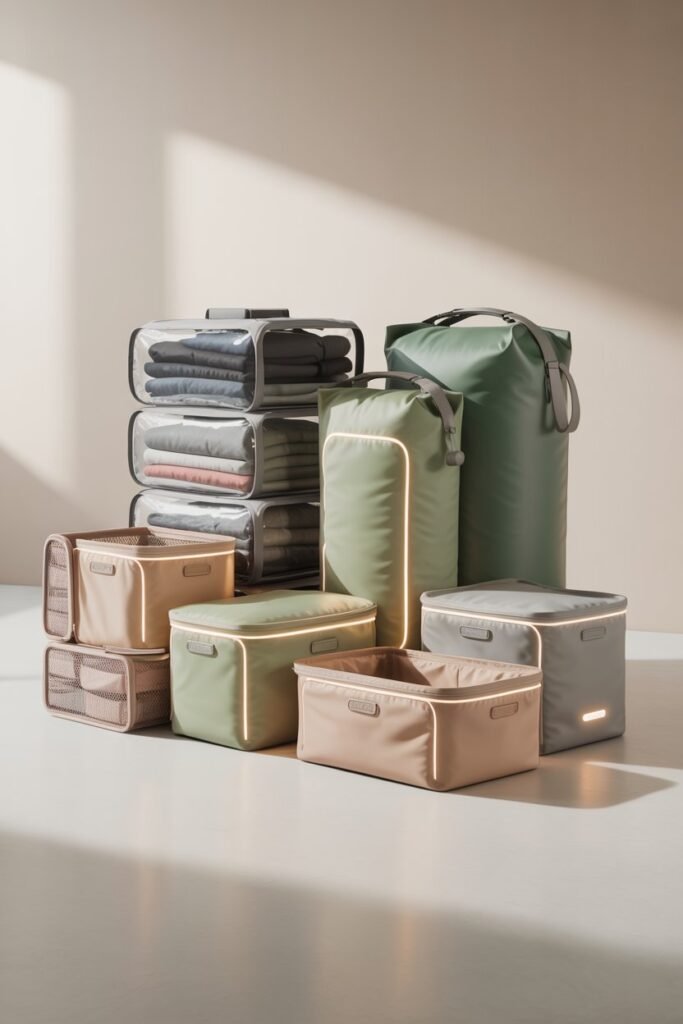
Good organization starts with the right storage tools. Without proper containers, even the best system falls apart.
Best Camping Storage Essentials
Packing Cubes
Perfect for clothing and soft items. They keep outfits separated and easy to find.
Waterproof Dry Bags
Essential for:
- Electronics
- Important documents
- Clothes during rainy weather
Heavy-Duty Storage Bins
Best for transporting larger gear like:
- Cooking equipment
- Tent accessories
- Bulk supplies
Mesh Bags
Ideal for:
- Dirty laundry
- Wet towels
- Lightweight loose items
Hanging Toiletry Bag
Turns any campsite into an organized bathroom space instantly.
Cooler Bags
Not just for food also helps separate smell-sensitive items.
Using the right storage makes your camping system feel structured and intentional instead of chaotic.
Step 3: Build Pre-Packed Camping Kits (The Secret to Easy Packing)
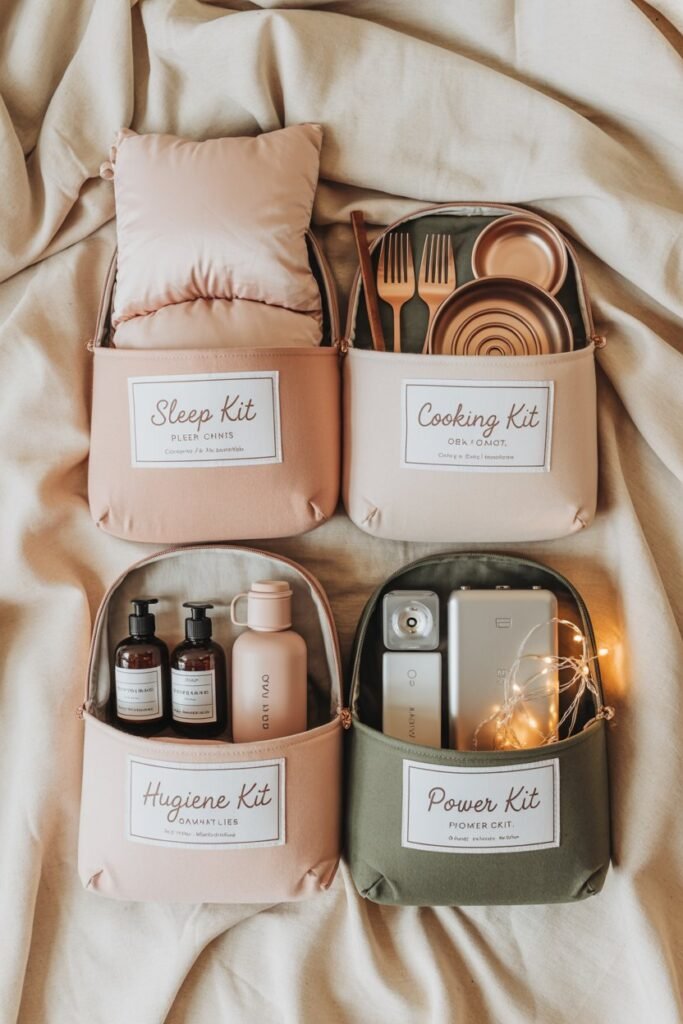
One of the biggest upgrades you can make is creating pre-packed kits instead of packing everything from scratch each time.
Essential Camping Kits
Sleep Kit
- Sleeping bag
- Pillow
- Eye mask
- Earplugs
- Small blanket
Cooking Kit
- Stove
- Fuel
- Utensils
- Lightweight cookware
- Matches or lighter
Hygiene Kit
- Toothbrush
- Toothpaste
- Wipes
- Soap
- Towel
- Feminine products
Power Kit
- Power bank
- Charging cables
- Headlamp
- Extra batteries
Once these kits are prepared, camping becomes almost plug-and-play.
Step 4: Pack Clothing Using the Outfit Method
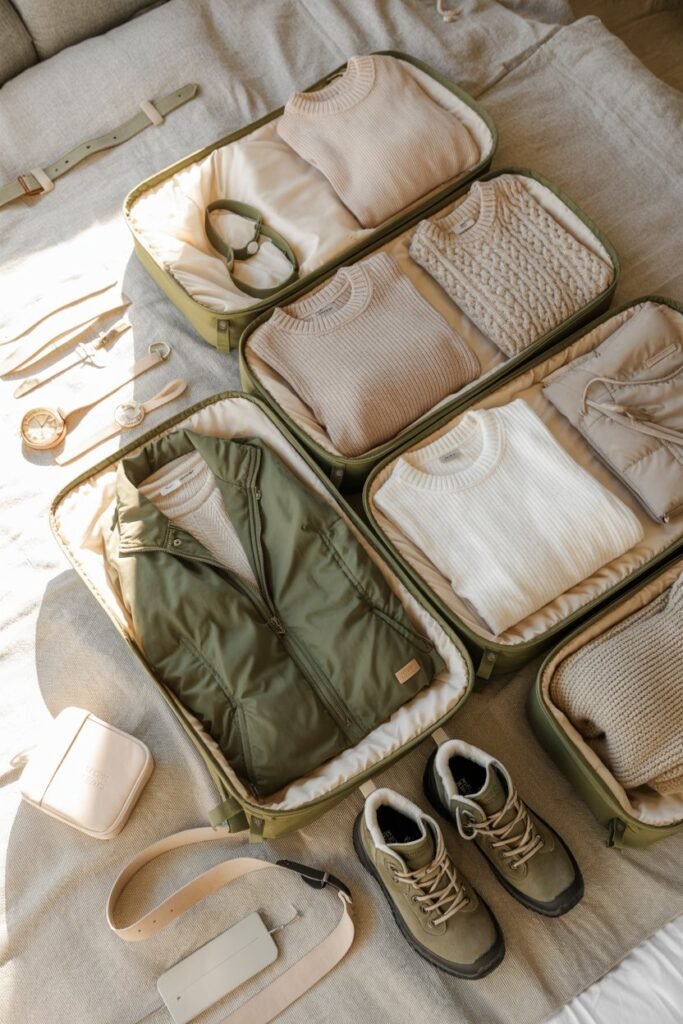
Instead of packing random clothing items, shift to full outfit planning.
Outfit Packing System:
- Outfit for Day 1
- Outfit for Day 2
- Sleepwear set
- Warm layer set
- Emergency outfit
Each outfit goes into its own packing cube.
This prevents:
- Overpacking
- Outfit confusion
- Wasted space
It also makes mornings at camp so much easier.
Step 5: Create a Dedicated Cooking Station Box
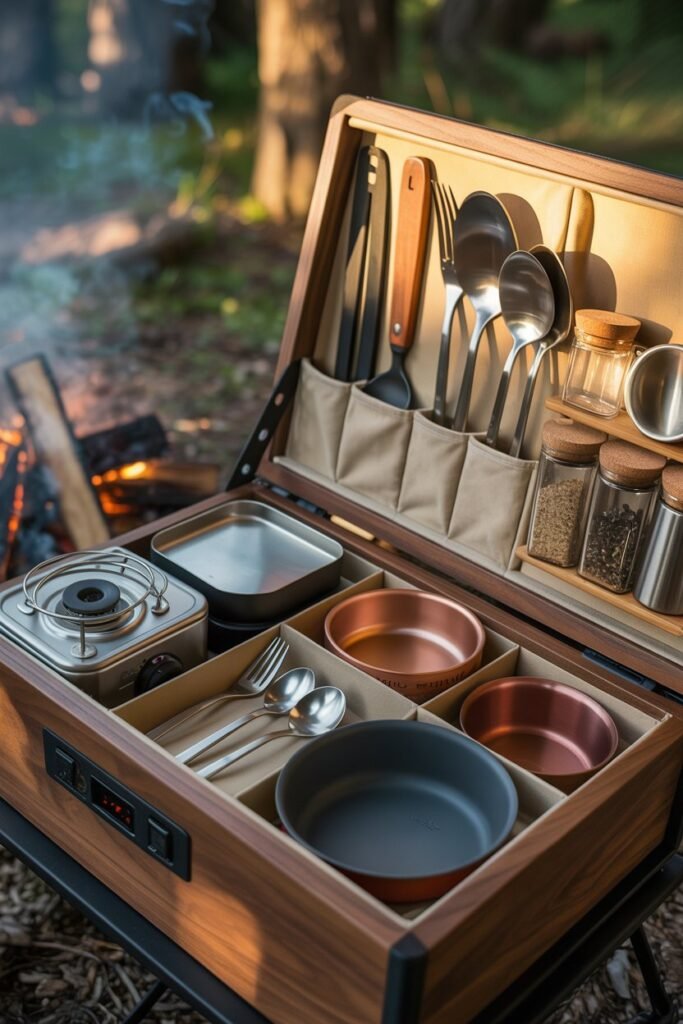
Cooking gear is one of the easiest categories to mess up because it’s bulky and varied.
Keep everything in one dedicated box.
Cooking Box Essentials:
- Portable stove
- Gas canister
- Cooking utensils
- Pot and pan
- Spatula and tongs
- Cutting board
- Heat-resistant gloves
When cooking items are grouped, meal prep becomes smooth instead of stressful.
Step 6: Build a Portable Bathroom System
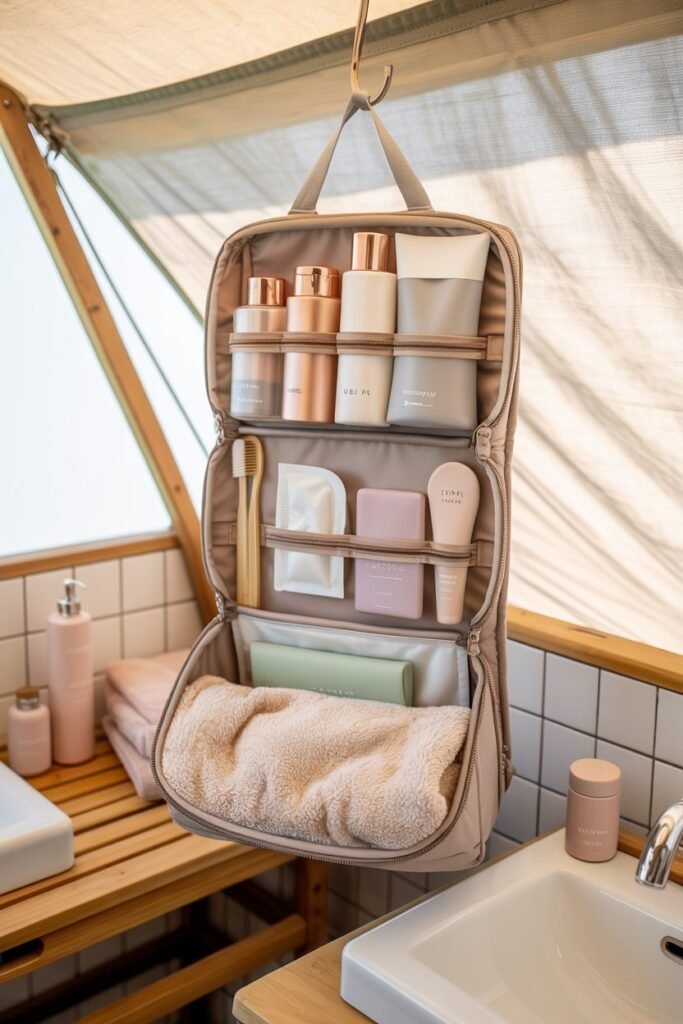
Camping hygiene doesn’t need to feel complicated it just needs structure.
Toiletry Kit Must-Haves:
- Biodegradable wipes
- Toothbrush and toothpaste
- Travel-size soap
- Compact towel
- Toilet paper
- Hand sanitizer
- Mirror
- Waste disposal bags
Keep everything in a hanging organizer so it stays clean and accessible.
Step 7: Organize Electronics Like a Pro Camper
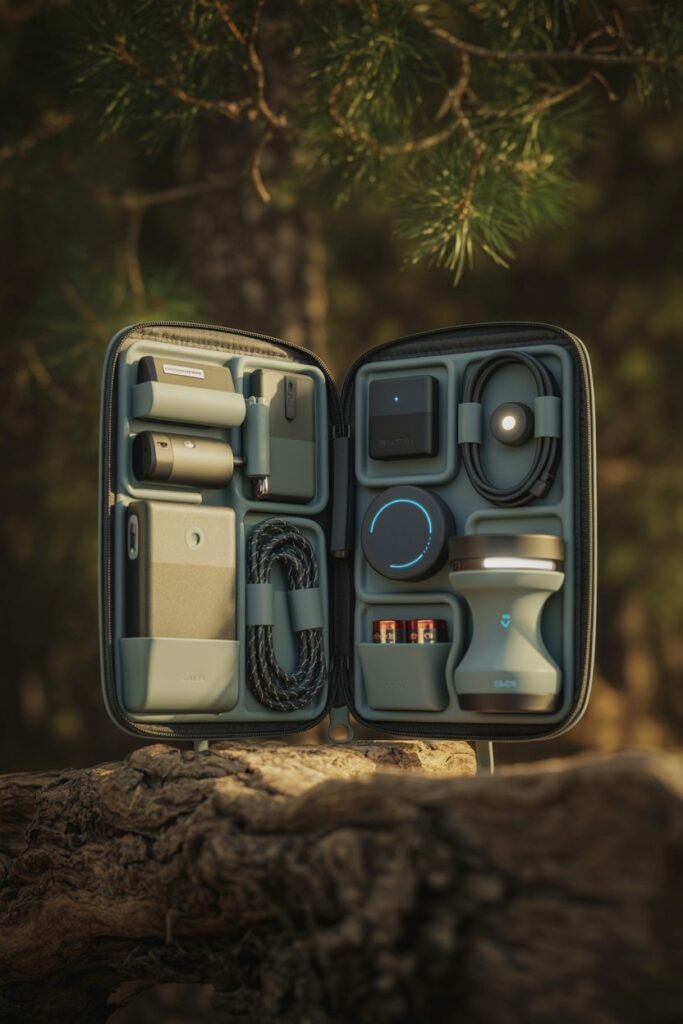
Electronics often get tangled, lost, or damaged when not organized properly.
Tech Kit Essentials:
- Fully charged power bank
- Charging cables (wrapped neatly)
- Lantern
- Headlamp
- Extra batteries
Store everything in a waterproof pouch.
This protects your devices and keeps everything accessible.
Step 8: Always Use a Master Packing Checklist
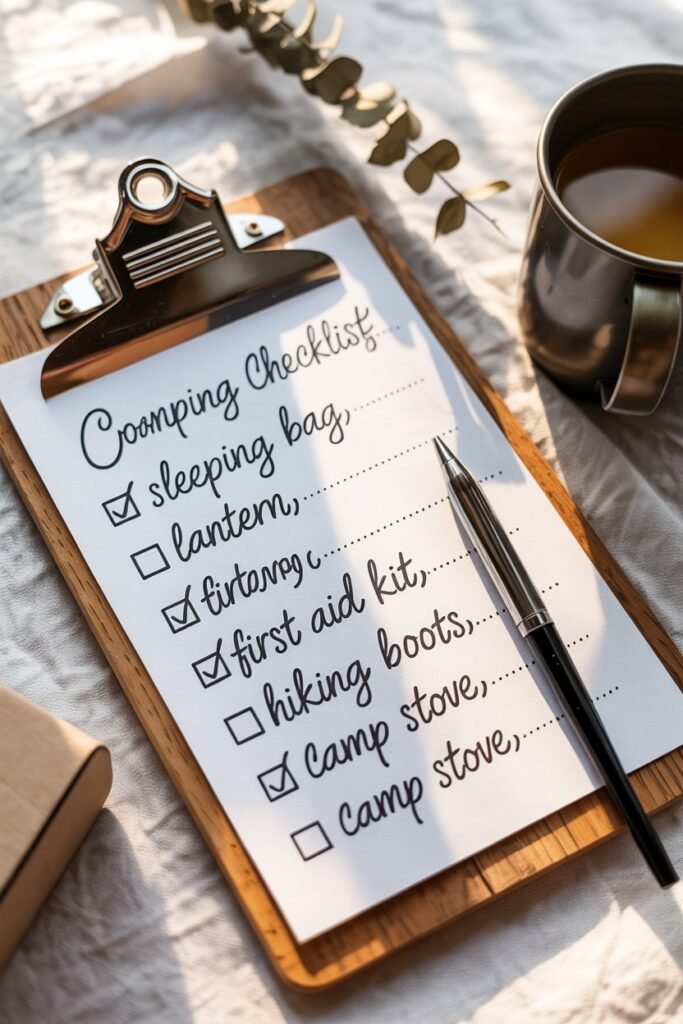
A checklist removes guesswork and prevents forgetting essentials.
Divide your checklist into:
- Must-have items
- Optional comfort items
- Emergency items
Tick everything off before leaving.
This simple habit prevents most camping mistakes.
Step 9: Pack by Weight and Priority
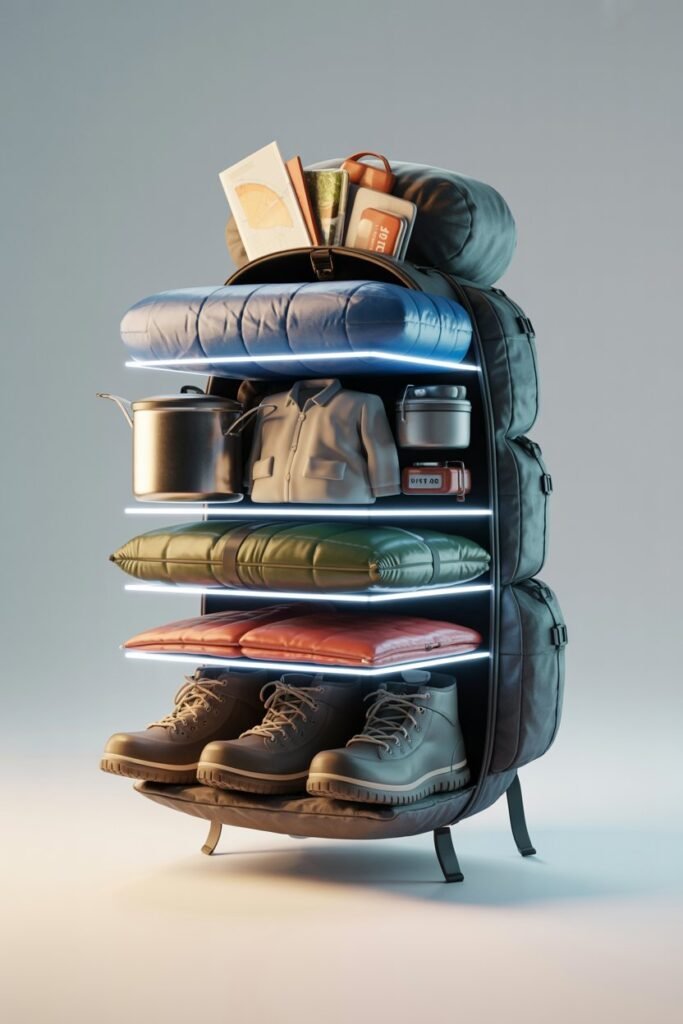
How you pack matters just as much as what you pack.
Packing Rule:
- Heavy items go at the bottom
- Medium items in the middle
- Light and fragile items on top
This improves:
- Balance
- Safety
- Accessibility
Step 10: Always Carry a “Loose Items Bag”
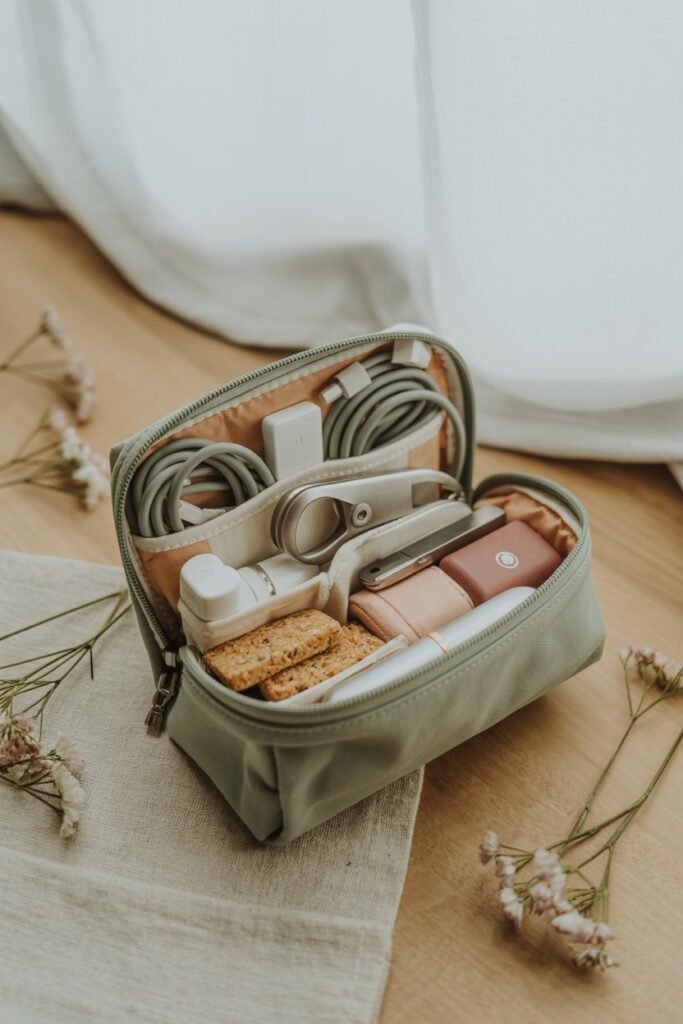
Even the most organized campers end up with random items.
Instead of scattering them:
- Use one small bag for everything loose
- Sort later at camp
This keeps your system clean even when things get messy.
Step 11: Add a Soft “Comfort Kit” (Feminine Camper Essential)
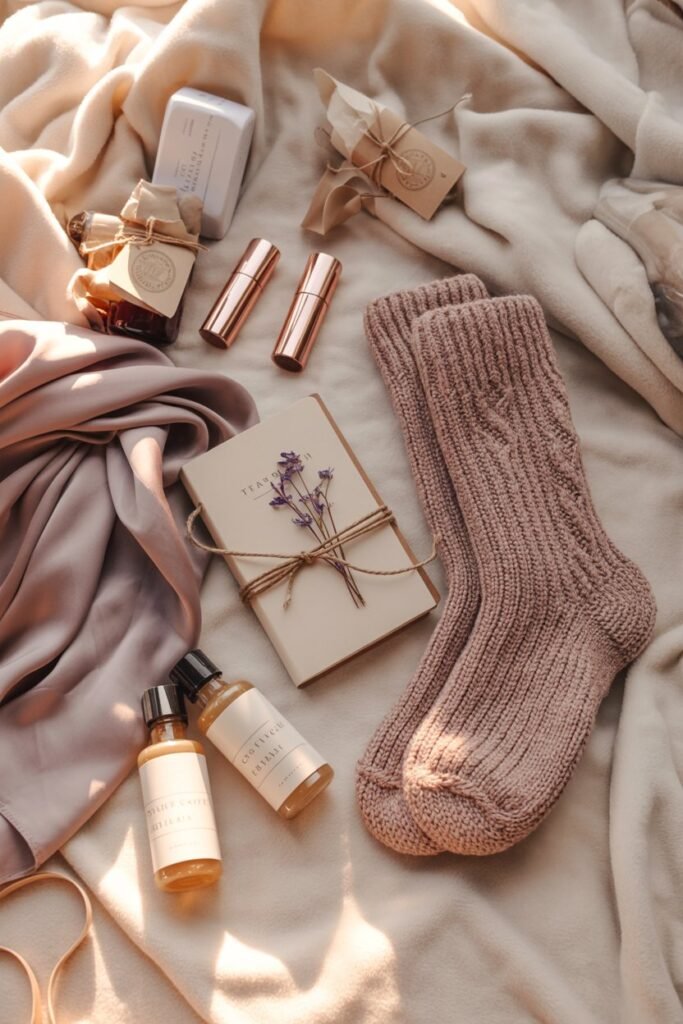
Camping isn’t just functional—it should feel good too.
Comfort Kit Ideas:
- Cozy socks
- Lip balm
- Body lotion
- Journal
- Pen
- Tea bags
- Scarf or shawl
- Light fragrance
This small kit transforms your camping experience into something soft and enjoyable.
Step 12: Pack a Leave-No-Trace Cleaning Kit
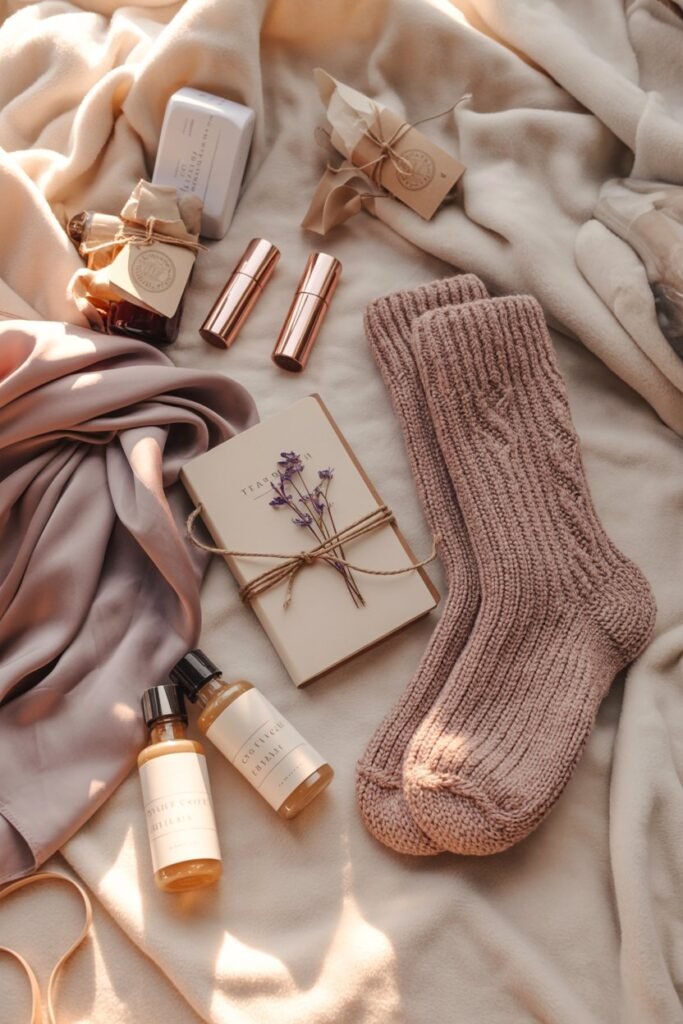
Responsible camping is part of good organization.
Essentials:
- Trash bags
- Gloves
- Biodegradable wipes
- Ziplock bags
- Small shovel (optional)
Always leave your campsite cleaner than you found it.
Step 13: Reset Your Gear After Every Trip
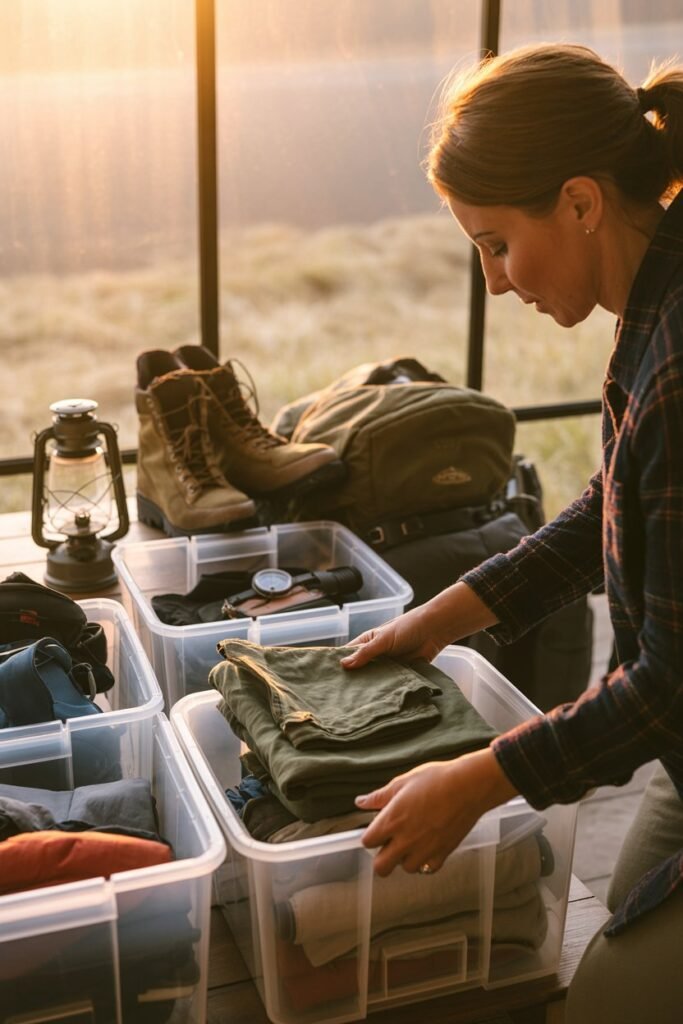
This is where long-term organization is built.
After each trip:
- Clean everything immediately
- Restock used items
- Repack kits fully
This way, your next trip requires almost no effort.
Final Thoughts: Organized Camping Creates a Better Experience
Camping is meant to feel freeing not stressful. And the truth is, your experience is shaped long before you reach the campsite.
When your gear is organized:
- You feel more in control
- You pack faster
- You enjoy nature more deeply
- You reduce stress significantly
Organization isn’t about perfection it’s about creating space for ease, beauty, and presence in your outdoor life.
And once you experience a well-organized camping trip, you’ll never go back to chaotic packing again.