
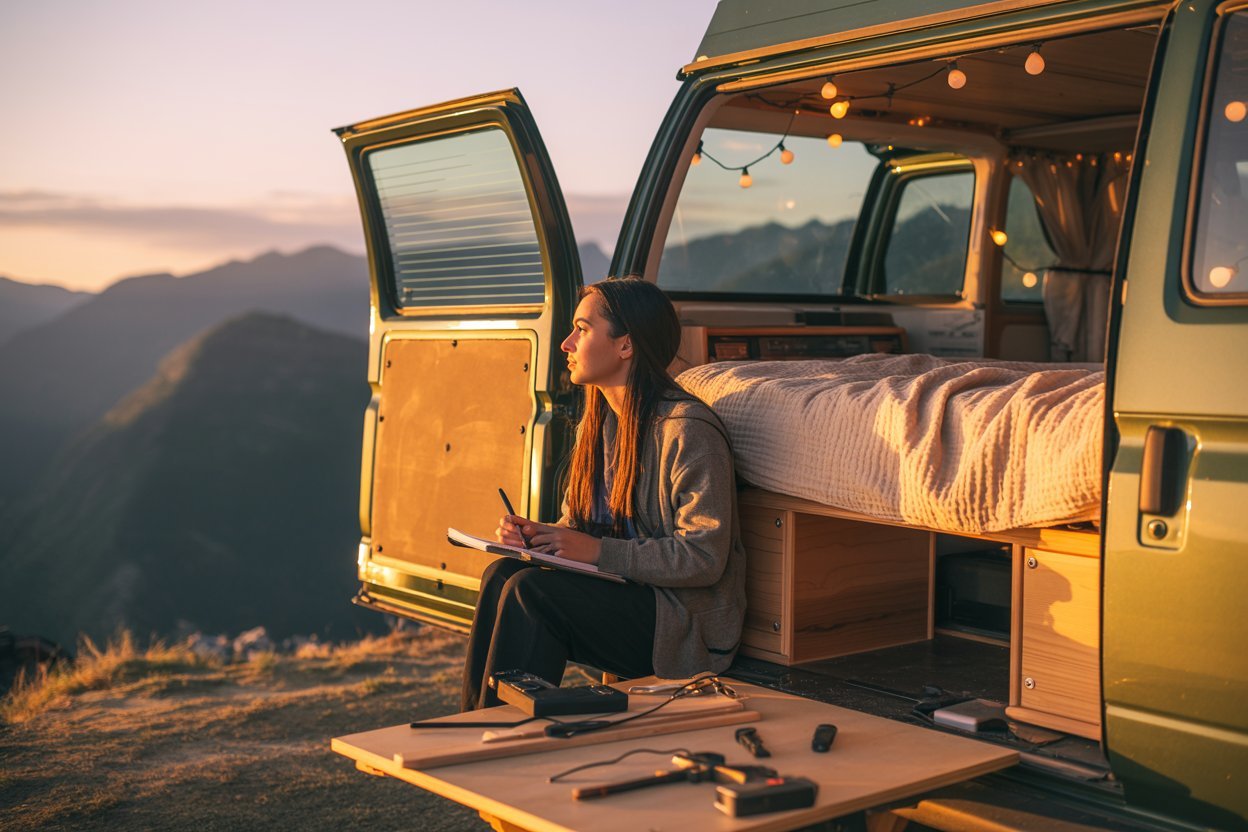

Something about the idea of converting a camper van feels incredibly freeing like you’re designing your own little world on wheels.
Soft linen bedding, warm wood tones, fairy lights glowing at sunset it all looks so effortless online. But behind every dreamy van setup is a long list of lessons learned and for many beginners, those lessons come the hard way.
When you’re new to van conversions, it’s easy to underestimate how many moving parts are involved.
From layout planning and insulation to electrical systems and storage, every decision you make early on will affect how comfortable, functional, and safe your van feels later.
The good news? Most rookie mistakes are completely avoidable once you know what to look out for.
This guide walks you through 15 of the most common camper van conversion mistakes beginners make, why they happen, and exactly what to do instead so you can build a van that not only looks beautiful but actually works for your everyday life.
1. Jumping In Without a Clear Plan
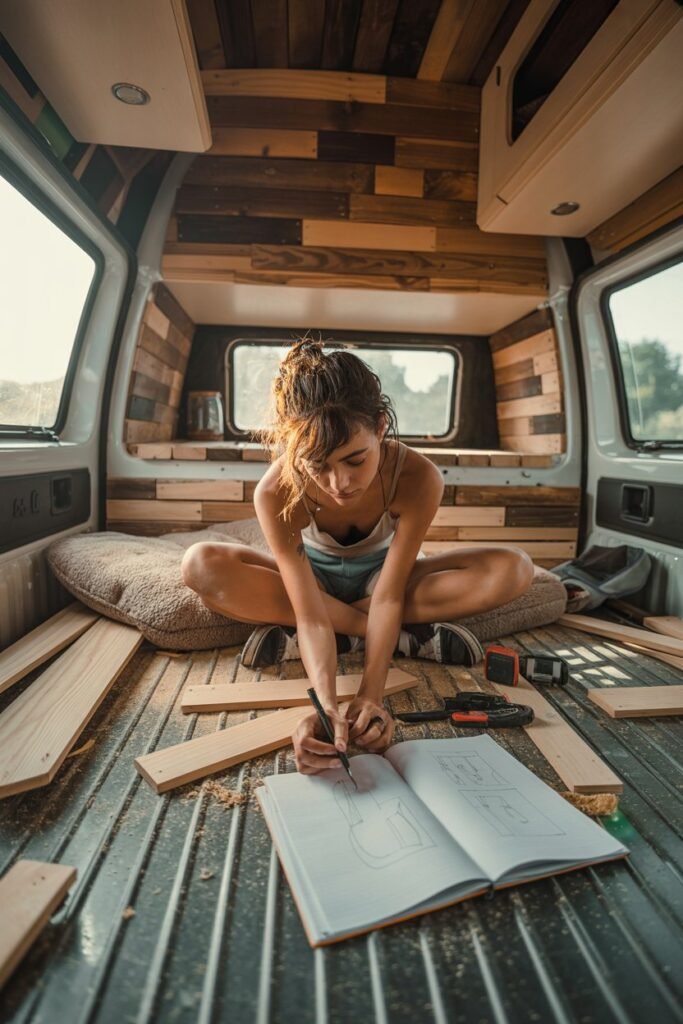
Excitement can be a beautiful thing until it leads you to start building without thinking everything through.
Many beginners dive straight into construction after watching a few van tours or scrolling Pinterest, assuming they’ll figure things out along the way.
Why It’s a Rookie Mistake:
Without a clear plan, small decisions quickly turn into big problems.
You might install a bed that blocks storage access, place your kitchen in an awkward spot, or realize too late that your fridge doesn’t fit. Redoing these mistakes wastes both time and money.
What To Do Instead:
Slow down and map everything out before lifting a single tool:
- Create a detailed floor plan (even a hand-drawn one works)
- Measure your van multiple times
- Visualize your daily routine inside the space
- Prioritize essentials over aesthetics
Think of your plan as your roadmap the clearer it is, the smoother your journey will be.
2. Underestimating the Budget
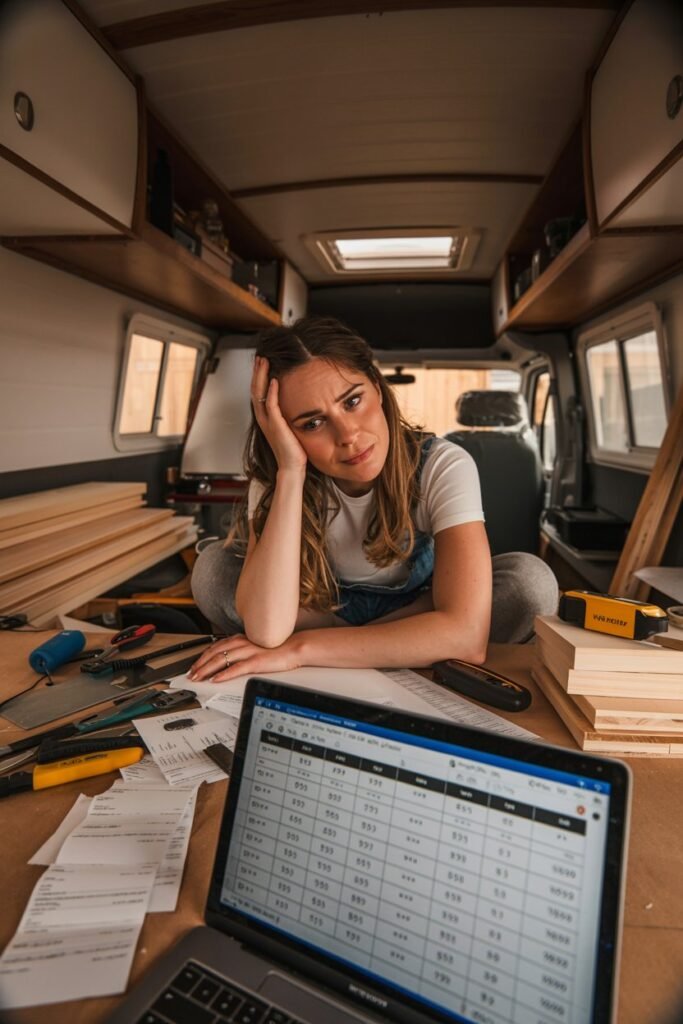
One of the most surprising parts of van conversion is how quickly costs add up. Even a simple build can become expensive if you’re not tracking your spending.
Why It’s a Rookie Mistake:
Many beginners focus only on big items like solar panels or beds, forgetting about the countless smaller expenses — screws, adhesives, wiring, tools, sealants — that quietly eat into the budget.
What To Do Instead:
Break your budget into realistic categories:
- Electrical system
- Insulation and flooring
- Kitchen setup
- Tools and hardware
- Unexpected costs
Always add a 20–30% buffer. Trust me something will come up, and having that cushion makes a huge difference.
3. Choosing the Wrong Van

The van you choose sets the tone for your entire build. And yet, many beginners rush this decision.
Why It’s a Rookie Mistake:
A van that’s too small, too old, or mechanically unreliable can limit your design and create long-term headaches. Fixing engine issues or working around awkward dimensions isn’t something you want to deal with mid-build.
What To Do Instead:
Choose your van based on your lifestyle:
- Want to stand up comfortably? Go for a high-roof van
- Planning long road trips? Prioritize fuel efficiency
- On a tight budget? Factor in maintenance costs, not just purchase price
A well-chosen van makes everything else easier.
4. Ignoring Insulation

Insulation isn’t glamorous, but it’s one of the most important parts of your build.
Why It’s a Rookie Mistake:
Skipping insulation might save time upfront, but it leads to uncomfortable temperatures, condensation, and even mold. Your van can feel like an oven during the day and a freezer at night.
What To Do Instead:
Invest in proper insulation materials:
- Foam board for structure and thermal resistance
- Reflective layers to manage heat
- Natural options like sheep wool for moisture control
Seal every gap carefully insulation only works if it’s installed properly.
5. Poor Ventilation Setup

Fresh air might not seem like a priority at first, but you’ll quickly notice its importance once you start living in your van.
Why It’s a Rookie Mistake:
Without proper ventilation, moisture builds up from cooking, breathing, and even sleeping. This leads to condensation, stuffy air, and potential mold growth.
What To Do Instead:
Create airflow throughout your van:
- Install a roof vent fan
- Include windows that can open
- Design for cross ventilation
Good airflow keeps your space fresh, dry, and comfortable.
6. Overcomplicating the Electrical System

Electrical systems can feel intimidating, and many beginners either overbuild or underplan.
Why It’s a Rookie Mistake:
Trying to replicate advanced setups without understanding them leads to confusion, wasted money, and safety risks.
What To Do Instead:
Start simple and scale later:
- List your actual power needs
- Use a basic solar setup with a battery
- Learn how your system works before expanding
You don’t need a complex system to live comfortably.
7. Skipping Weight Considerations
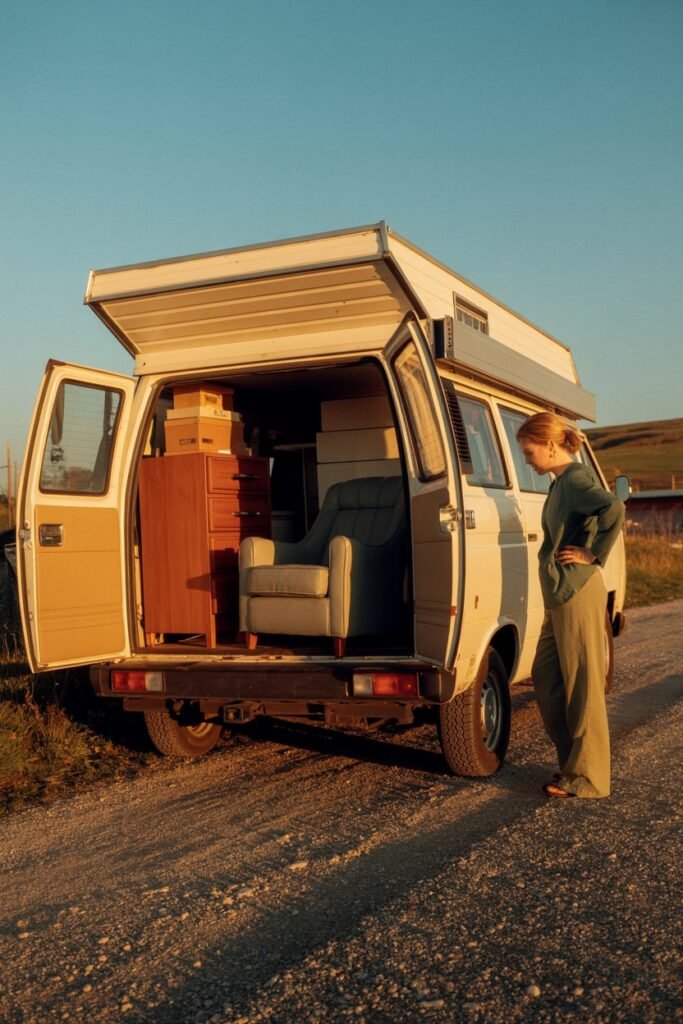
Weight might not be the first thing on your mind, but it should be.
Why It’s a Rookie Mistake:
Overloading your van affects fuel efficiency, handling, and safety. It can even exceed legal limits.
What To Do Instead:
Be intentional with materials:
- Choose lightweight plywood over heavy hardwood
- Avoid unnecessary bulk
- Check your van’s payload capacity regularly
A lighter van is easier and safer to drive.
8. Bad Layout Decisions

It’s easy to fall in love with a Pinterest-perfect layout until you try to live in it.
Why It’s a Rookie Mistake:
Designing for looks instead of functionality leads to daily frustration. You might struggle to move around, access storage, or cook comfortably.
What To Do Instead:
Design around your lifestyle:
- Do you cook often?
- Do you need a workspace?
- How much storage do you actually need?
Your layout should make life easier, not harder.
9. Not Planning Storage Properly

Storage might not be exciting, but it’s essential in a small space.
Why It’s a Rookie Mistake:
Without enough storage, clutter builds quickly, making your van feel chaotic and cramped.
What To Do Instead:
Maximize every inch:
- Use vertical storage solutions
- Build multi-functional furniture
- Add hidden compartments
Smart storage creates a calm, organized space.
10. Using the Wrong Materials

Choosing materials based on appearance alone can lead to problems later.
Why It’s a Rookie Mistake:
Some materials don’t handle moisture, movement, or temperature changes well, leading to warping, cracking, or mold.
What To Do Instead:
Pick materials designed for durability:
- Lightweight plywood
- Moisture-resistant finishes
- Flexible sealants
Your van moves your materials need to handle that.
11. Ignoring Safety Features
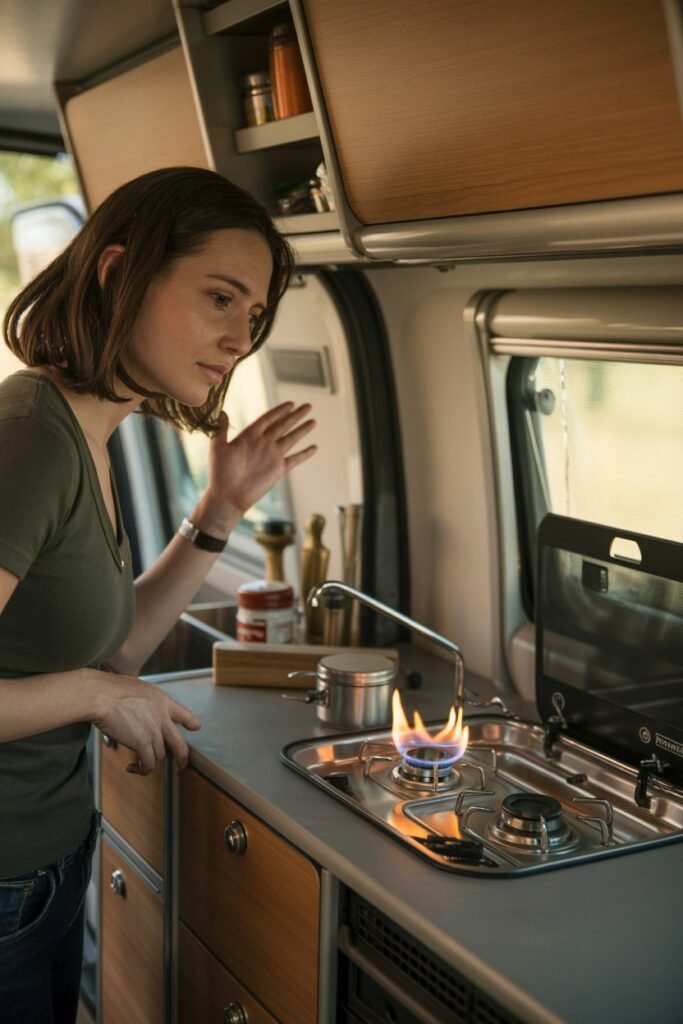
Safety often gets overlooked in the excitement of building something beautiful.
Why It’s a Rookie Mistake:
Electrical faults, gas leaks, or fire hazards can become serious risks if not addressed early.
What To Do Instead:
Install essential safety features:
- Smoke detector
- Carbon monoxide detector
- Fire extinguisher
It’s a small step that makes a big difference.
12. Rushing the Build

Finishing quickly might feel satisfying, but it often leads to regrets.
Why It’s a Rookie Mistake:
Rushed work results in uneven cuts, weak joints, and overlooked details that cause issues later.
What To Do Instead:
Take your time:
- Double-check measurements
- Test systems before sealing them
- Focus on quality over speed
A slower build usually means a better result.
13. Not Testing Before Finalizing

Many beginners complete their build without ever spending a night in it first.
Why It’s a Rookie Mistake:
You won’t notice design flaws until you actually use the space.
What To Do Instead:
Do a trial run:
- Spend a weekend in your van
- Note what feels inconvenient
- Adjust before final finishes
Testing helps you refine your setup.
14. Overlooking Water System Needs

Water systems are often treated as an afterthought.
Why It’s a Rookie Mistake:
Poor planning can lead to leaks, awkward setups, or limited water access.
What To Do Instead:
Keep it simple:
- Use a basic fresh and grey water system
- Make refilling easy
- Ensure proper drainage
Convenience matters more than complexity.
15. Comparing Your Build to Others
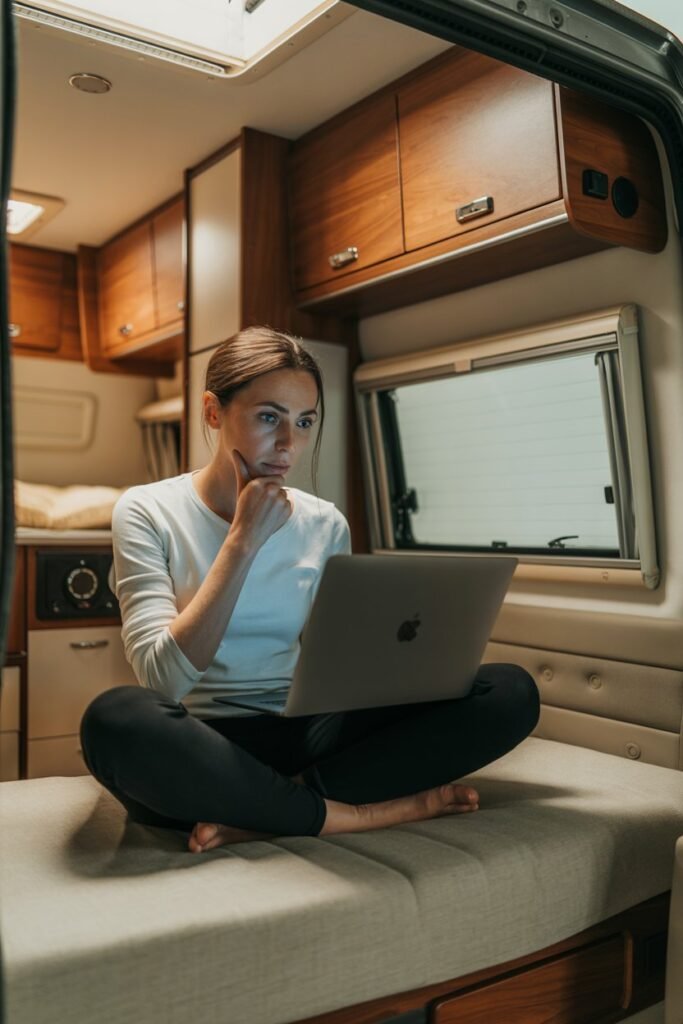
Social media can be inspiring but also misleading.
Why It’s a Rookie Mistake:
Comparing your build to others leads to overspending and unrealistic expectations.
What To Do Instead:
Focus on your needs:
- Your budget
- Your travel style
- Your comfort level
Your van doesn’t need to be perfect it just needs to work for you.
Final Thoughts
Building a camper van is deeply personal. It’s not just about creating a space it’s about designing a lifestyle that feels right for you. Mistakes are part of the process, but the more you understand them ahead of time, the smoother your journey becomes.
Give yourself permission to learn as you go, but don’t skip the planning. Be thoughtful with your choices, realistic with your expectations, and patient with the process.
Because one day, you’ll wake up inside a van you built with your own hands sunlight pouring in, coffee brewing, the road waiting ahead and every lesson along the way will feel completely worth it.