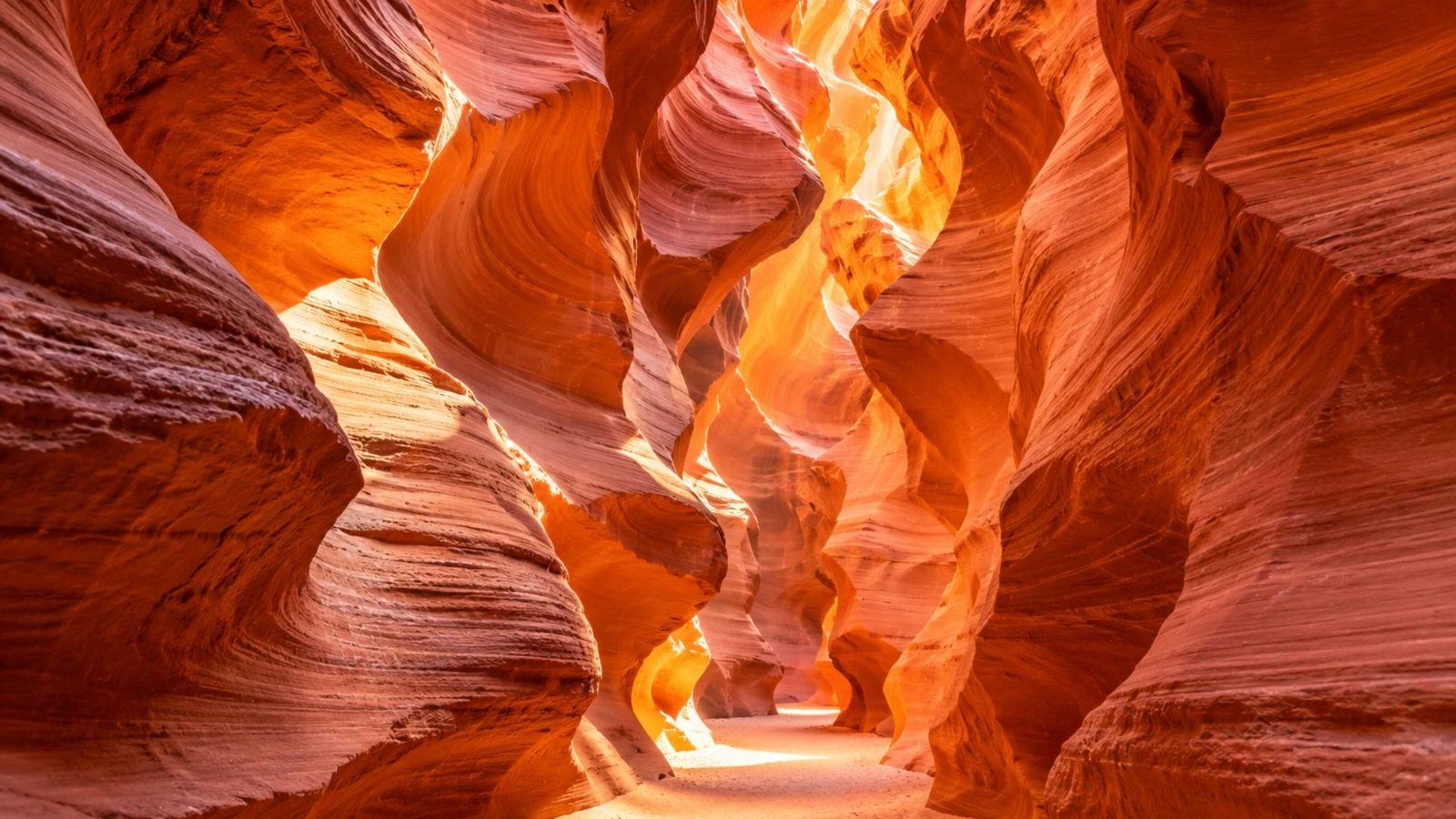

Arizona is full of incredible landscapes, but its slot canyons have a special kind of magic.
I love the idea of wandering between towering sandstone walls, watching the sunlight turn the rocks shades of orange, pink, and gold, and discovering natural formations that look almost too beautiful to be real.
When planning an Arizona adventure, these narrow canyons deserve a place on your bucket list.
Whether you enjoy photography, scenic walks, or exploring unusual places, you will find something to love here. I have gathered nine amazing Arizona slot canyons, along with practical tips to help you plan a memorable visit.
1. Upper Antelope Canyon
Best for: First-time visitors, photographers, and travelers who prefer a relatively accessible canyon walk.
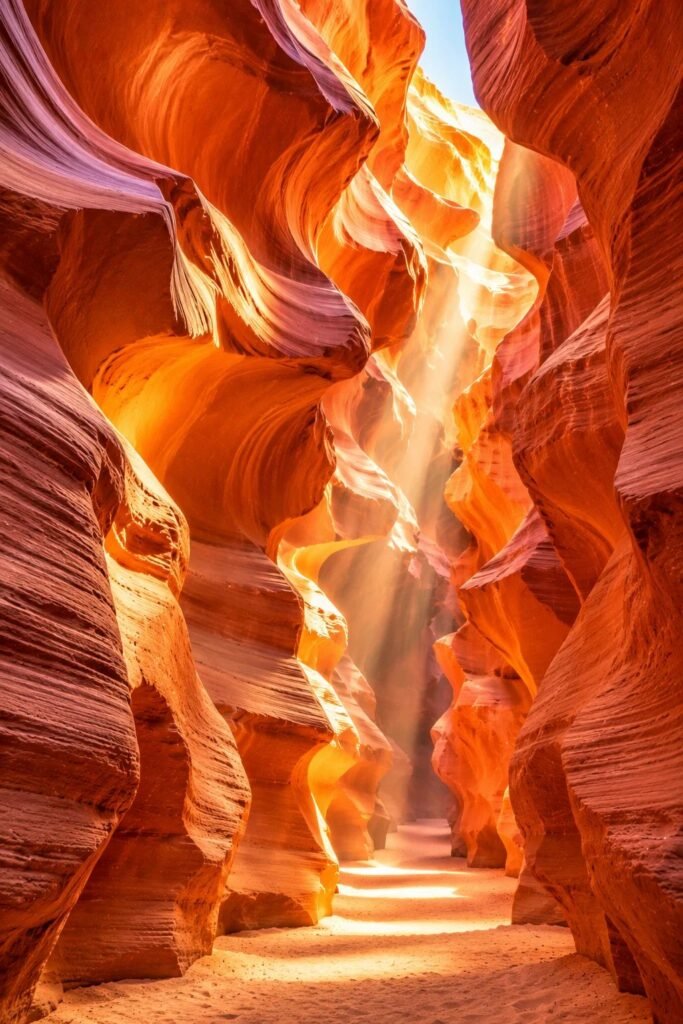
Upper Antelope Canyon is one of the most famous slot canyons in Arizona, and it is easy to understand why. Its sweeping sandstone walls, warm colors, and beautiful light create a landscape that looks almost otherworldly.
Located near Page, Upper Antelope Canyon is known for its tall, sculpted walls and dramatic light beams that can appear when sunlight enters the canyon at the right angle.
The sandstone has been shaped by water and wind into flowing curves that resemble waves frozen in place.
One of the best things about visiting Upper Antelope Canyon is that you do not need to be an experienced hiker to appreciate its beauty.
The canyon has a relatively level entrance and is generally more accessible than Lower Antelope Canyon, although the sandy terrain and tour arrangements still require some preparation.
What to expect
Your visit typically begins with a guided trip to the canyon entrance. Once inside, you will walk through narrow passages surrounded by towering sandstone walls.
Depending on the lighting, the rock may appear deep orange, golden, pink, or reddish brown. Looking upward reveals the beautiful curves and openings that make this canyon so recognizable.
Photography is a major highlight, but you do not need a professional camera to enjoy the experience. A smartphone can capture lovely pictures, especially when you pay attention to the curves of the walls and the way light falls across the sandstone.
Tips for visiting Upper Antelope Canyon
- Reserve your tour early. Popular departure times can sell out, particularly during busy travel periods.
- Wear comfortable, closed-toe walking shoes.
- Bring water if permitted by your tour operator.
- Check photography and bag restrictions before arriving.
- Ask your guide about the canyon’s geology and cultural significance rather than focusing only on photographs.
Upper Antelope Canyon is an excellent choice if you want to experience one of Arizona’s most recognizable natural wonders without committing to a demanding backcountry hike.
Official visitor information is available from Visit Arizona’s Antelope Canyon guide.
2. Lower Antelope Canyon
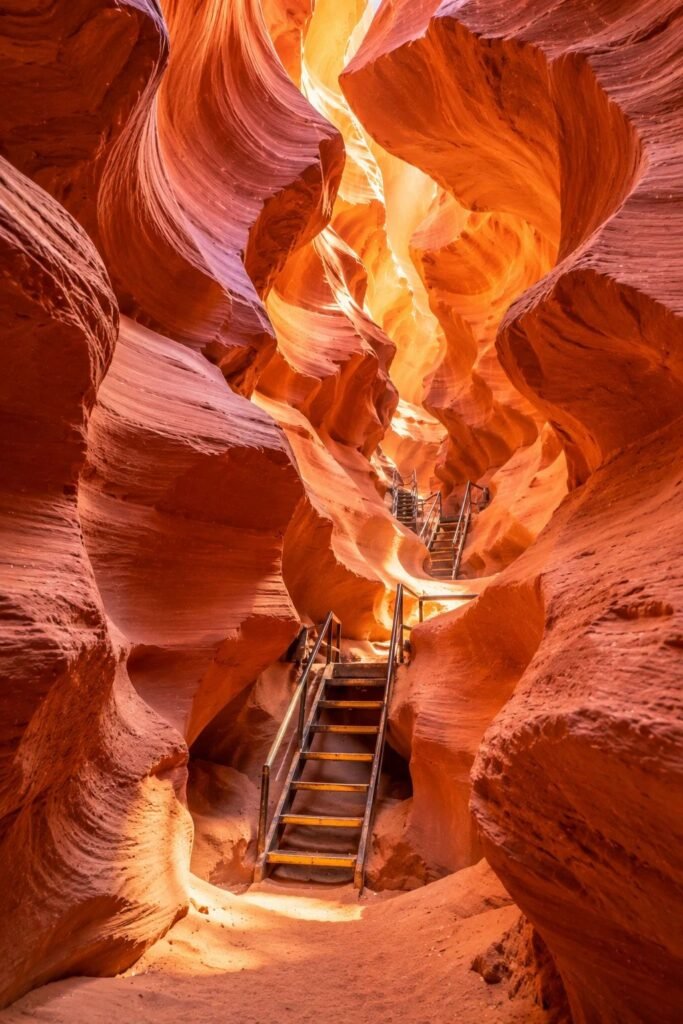
Best for: Travelers who enjoy a more active walking experience and photographers who love intricate rock formations.
Lower Antelope Canyon offers a different experience from its famous neighbor. The sandstone walls twist into narrow passages, creating beautiful patterns, curved shapes, and small chambers that make every turn feel interesting.
While Upper Antelope Canyon is known for its relatively level route, Lower Antelope Canyon involves more physical movement. Visitors generally need to navigate stairways and ladders, along with sandy and uneven surfaces.
For me, this is the kind of place that would make me want to slow down and appreciate the details.
Instead of rushing from one viewpoint to another, take time to notice how the sandstone folds around corners and how its colors change with the available light.
What makes Lower Antelope Canyon special?
The canyon’s winding layout creates a sense of discovery. One moment, you may be walking between narrow walls; the next, the passage opens into a small space where you can admire the intricate rock patterns.
The walls often display rich shades of orange, copper, red, and gold. Even without dramatic sunbeams, the natural curves are beautiful enough to make the journey worthwhile.
Because the route includes ladders and stairs, it is important to consider your comfort with heights, narrow passages, and climbing before booking.
Practical tips for your visit
- Book with an authorized Navajo tour operator.
- Wear shoes with reliable grip.
- Check whether the route is suitable for your mobility and fitness level.
- Follow your guide’s instructions on ladders and narrow sections.
- Leave large bags and prohibited photography equipment behind.
Lower Antelope Canyon is a wonderful option for visitors who want a slightly more active adventure while still enjoying a guided experience.
3. Antelope Canyon X
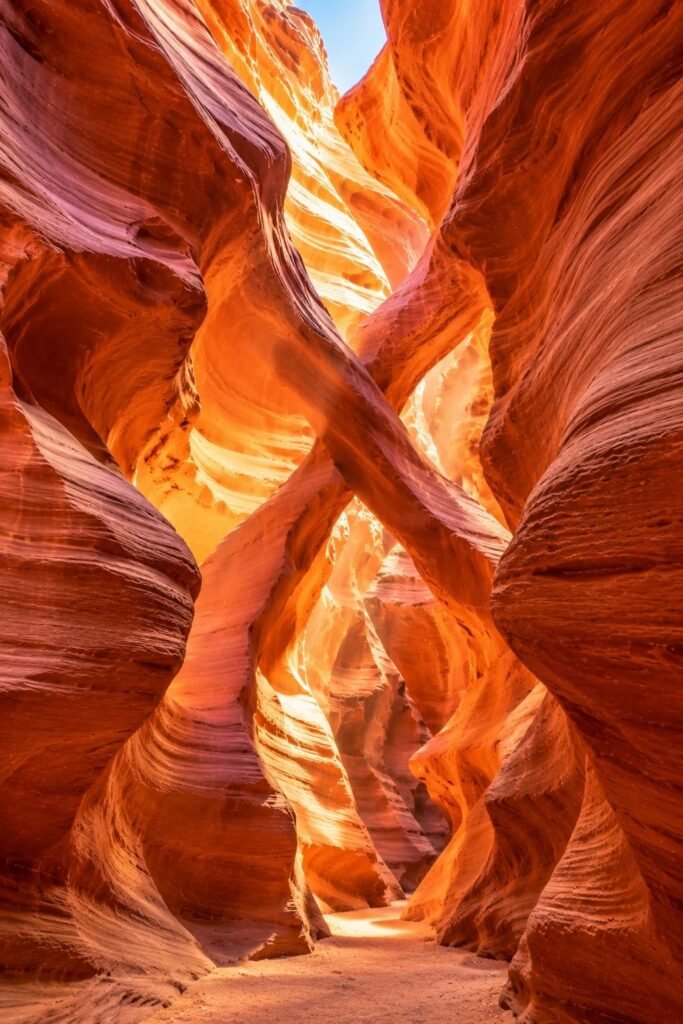
Best for: Visitors looking for dramatic sandstone formations and an alternative to the busiest Antelope Canyon tours.
Antelope Canyon X is another spectacular canyon near Page. Its name comes from the X-shaped formations created where the canyon walls meet overhead in certain sections.
Although it shares the beautiful sandstone scenery associated with Upper and Lower Antelope Canyon, Canyon X has its own character.
You can encounter narrow corridors, sweeping rock patterns, and open sections that allow you to appreciate the canyon’s shape from different angles.
For travelers who want to explore more than one canyon in the Page area, Canyon X is well worth considering.
What will you see?
Expect tall, sculpted sandstone walls with layers of orange, pink, red, and brown. The formations have been shaped by erosion over a very long period, leaving behind smooth curves and unusual textures.
The experience is particularly appealing to photographers who enjoy photographing natural patterns rather than simply taking wide landscape shots.
Canyon X can also be a good alternative when you are comparing guided tours and want to explore a different part of the area’s sandstone landscape.
Visitor numbers and the overall experience vary by operator and departure time, so check the details before assuming it will be quieter.
Tips for visiting Canyon X
- Arrange your visit through an authorized operator.
- Compare tour duration, walking distance, and transportation arrangements.
- Ask whether photography is restricted on your chosen tour.
- Bring sun protection for the exposed areas outside the canyon.
- Allow extra time if you are driving from Page and plan to visit other attractions.
Canyon X is an excellent addition to an Arizona itinerary, especially if you love natural rock formations and want to see more than one of the region’s famous sandstone canyons.
4. Waterholes Canyon
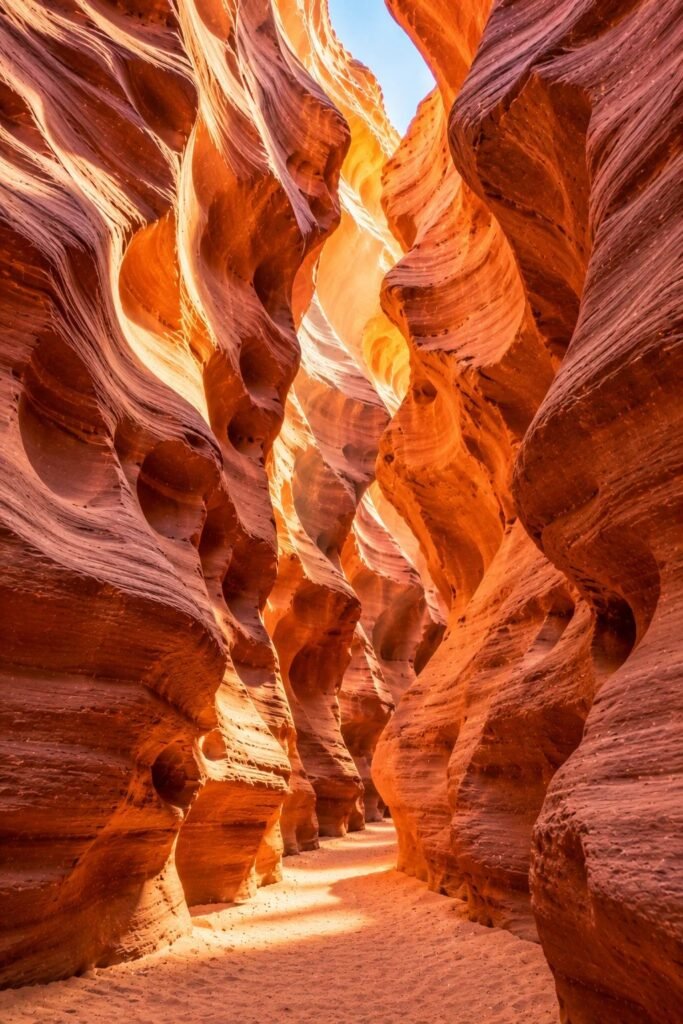
Best for: Travelers interested in a guided adventure beyond the best-known Antelope Canyon routes.
Waterholes Canyon is another beautiful slot canyon in the Page area. Its sculpted sandstone, winding passages, and striking rock colors make it a lovely destination for people who want to discover more of northern Arizona’s natural beauty.
The canyon offers a different setting from the better-known Antelope Canyon routes, with opportunities to admire narrow sandstone passages and the textures created by centuries of erosion.
Before planning a visit, it is particularly important to understand that access arrangements can differ between sections of Waterholes Canyon.
The upper section is accessed through authorized guided experiences, while other sections involve technical backcountry terrain and are not suitable for casual sightseeing.
What makes Waterholes Canyon worth visiting?
The canyon’s appeal lies in its unusual shapes and the way the sandstone changes color as the light shifts. Its walls can look smooth and flowing in one place and deeply textured in another.
It is also a good reminder that Arizona’s natural attractions are not limited to its most famous viewpoints. The wider Page region contains many remarkable landscapes that deserve time and appreciation.
Planning tips
- Confirm the exact section included in your tour.
- Use an authorized Navajo guide where required.
- Check the expected walking distance and difficulty.
- Ask about ladders, narrow passages, and other physical requirements.
- Never attempt a technical route without the required experience, equipment, permissions, and qualified guidance.
Waterholes Canyon is worth considering if you are building a multi-day Page itinerary and want to explore another side of Arizona’s remarkable sandstone scenery.
5. Rattlesnake Canyon
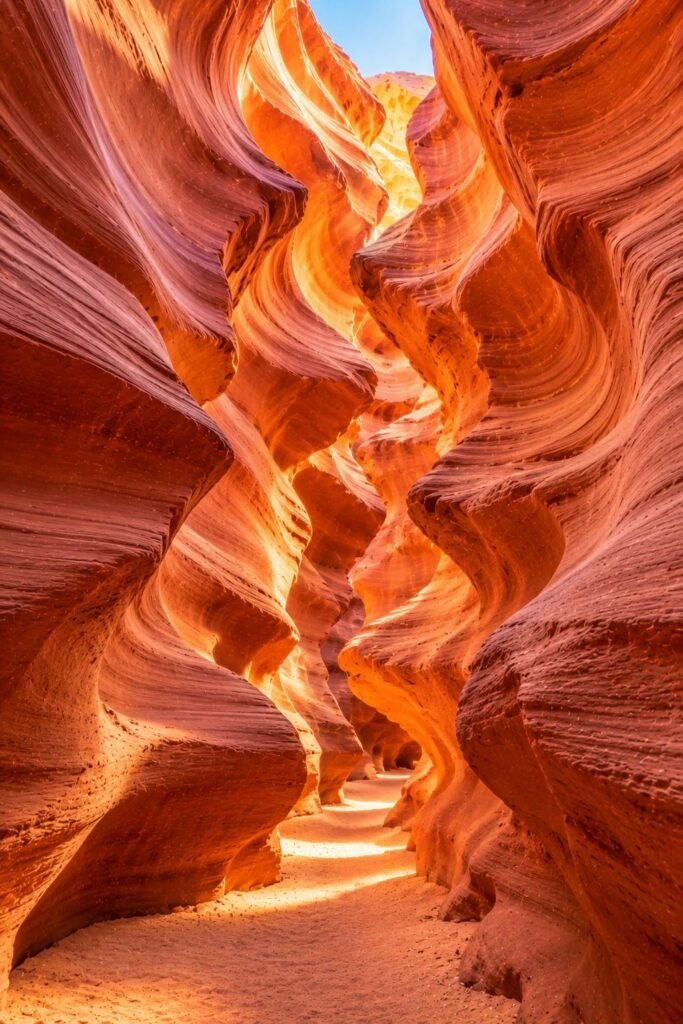
Best for: Travelers who enjoy winding passages and unusual sandstone shapes.
Despite its name, Rattlesnake Canyon is best known among visitors for its fascinating rock formations rather than for any guarantee of wildlife sightings. It is a narrow, twisting canyon near Page with beautiful curves and sculpted sandstone walls.
The canyon’s winding layout gives it a distinctive personality. As you move through the passages, the walls bend and narrow, creating different views with every turn.
If you enjoy photographing natural textures, Rattlesnake Canyon offers plenty of opportunities to capture the patterns and colors of the rock.
What to expect during your visit
A guided visit allows you to explore the canyon while learning more about the landscape and its natural formations. The terrain and route depend on the tour, so it is worth checking the physical requirements before reserving.
You may encounter sections where the walls rise closely around you, followed by slightly more open spaces where the sandstone curves create beautiful compositions.
The canyon can be especially rewarding for travelers who enjoy taking their time with photography. Look for repeating curves, narrow openings, and contrasting shades along the rock walls.
Tips for exploring Rattlesnake Canyon
- Book an authorized guided tour before arriving.
- Wear sturdy, closed-toe shoes.
- Follow your guide’s instructions in narrow sections.
- Check whether bags, tripods, or other camera accessories are allowed.
- Keep a respectful distance from wildlife if you encounter any.
Rattlesnake Canyon is a lovely choice for travelers who want to appreciate the intricate details of Arizona’s sandstone formations.
6. Owl Canyon
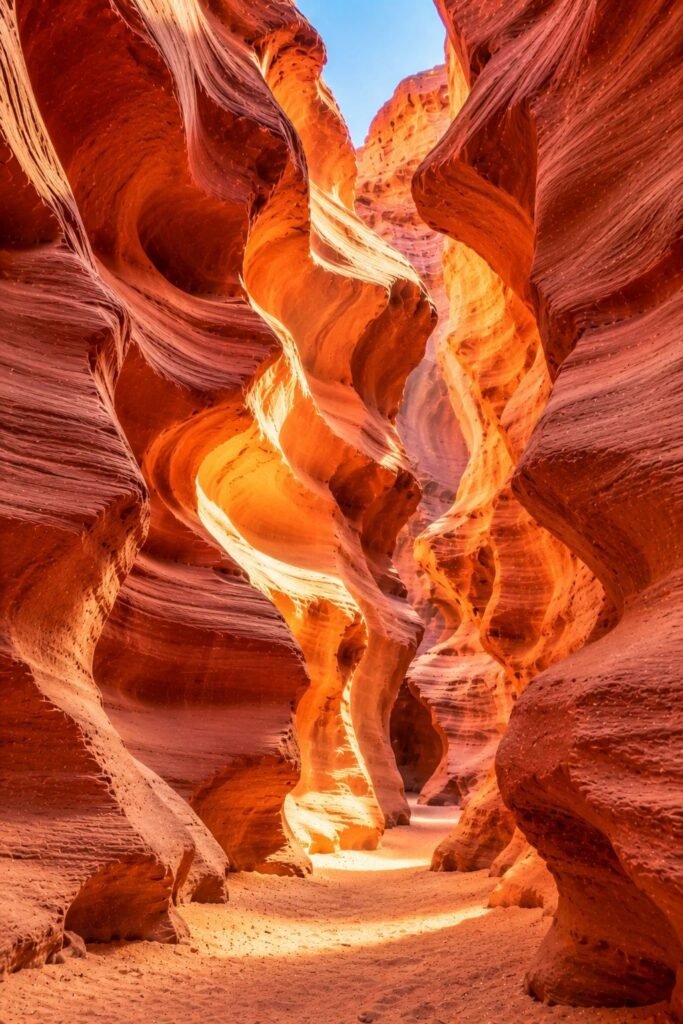
Best for: Nature lovers and photographers who appreciate quiet-looking spaces, unusual rock formations, and contrasting canyon shapes.
Owl Canyon is another option to consider when exploring the slot canyons around Page. It is often included in discussions of the area’s lesser-known alternatives to Upper and Lower Antelope Canyon.
Its appeal comes from the natural sandstone landscape, where narrow passages and more open sections create a varied experience.
Rather than expecting every part of the canyon to look the same, take time to notice how the walls change shape as the route unfolds.
The name adds a little mystery to the experience, but the real attraction is the landscape itself.
Why visit Owl Canyon?
Owl Canyon can be a good addition for travelers who are comparing different guided canyon experiences. Visiting another canyon allows you to see how erosion creates different patterns even within the same broad sandstone region.
It is also an opportunity to learn from local guides about the landscape, the surrounding region, and the importance of respecting the land.
Things to know before booking
- Access is controlled, so confirm current guided-tour requirements.
- Check the walking distance and difficulty with your operator.
- Ask whether the tour visits Owl Canyon alone or combines it with another canyon.
- Confirm the departure point and transportation arrangements.
- Review photography restrictions before bringing equipment.
If you have more than one day in Page, Owl Canyon may be worth comparing with other available tours to find the experience that best fits your interests.
7. Mountain Sheep Canyon
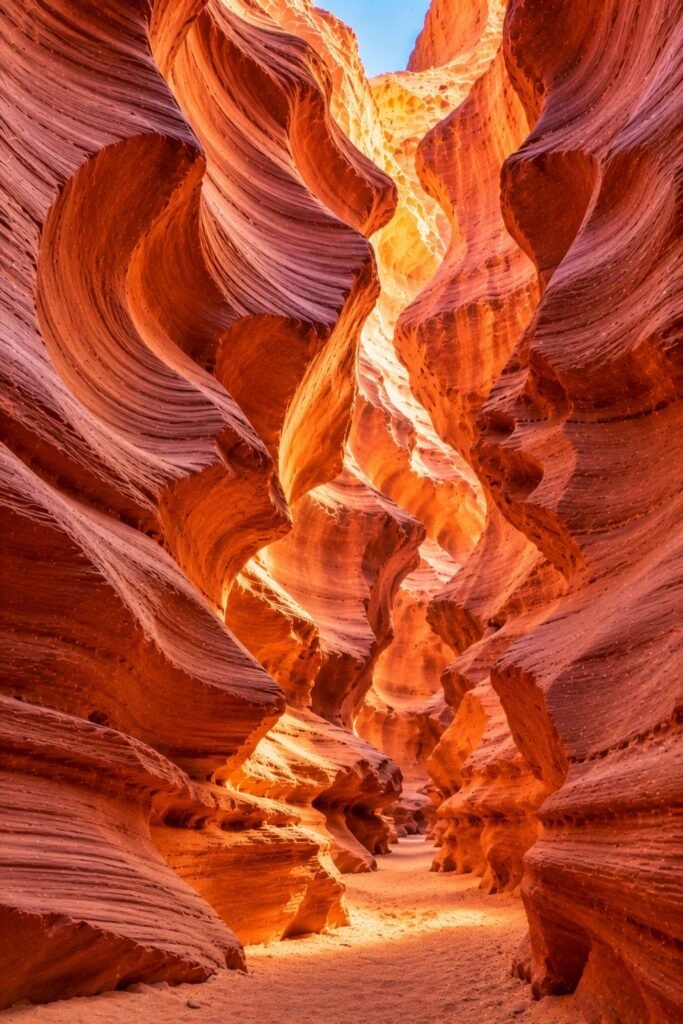
Best for: Travelers who want to explore another distinctive sandstone canyon with a guide.
Mountain Sheep Canyon is known for its undulating sandstone walls and narrow passages. Like many of the canyons in the Page region, it reveals the incredible shapes that water erosion can create in sandstone over time.
The experience can feel quite different from walking through a broad desert landscape.
Instead of looking out across a wide horizon, your attention shifts to the walls around you, where small changes in color, texture, and shape become the main attraction.
What makes Mountain Sheep Canyon interesting?
The canyon’s flowing rock formations provide beautiful opportunities for close-up photography. The sandstone may appear orange or red in one area and softer pink or gold in another, depending on the light.
A guided tour can also help you appreciate the geological processes behind these formations. The walls are not simply decorative shapes; they are the result of natural forces acting on the landscape over a very long period.
For travelers who enjoy learning about the places they visit, that added context can make the experience even more meaningful.
Practical advice
Mountain Sheep Canyon tours can involve more walking to reach the canyon entrance than some other tours in the region. Ask about the approach hike, terrain, and total time before booking.
You should also:
- Reserve through an authorized tour operator.
- Wear comfortable shoes suitable for sand and uneven ground.
- Carry water according to your guide’s instructions.
- Check the weather forecast for the surrounding region.
- Follow all access rules and stay with your guide.
Mountain Sheep Canyon is a strong option for anyone who wants to experience more of the natural beauty around Page rather than visiting only the most famous attraction.
8. Secret Canyon
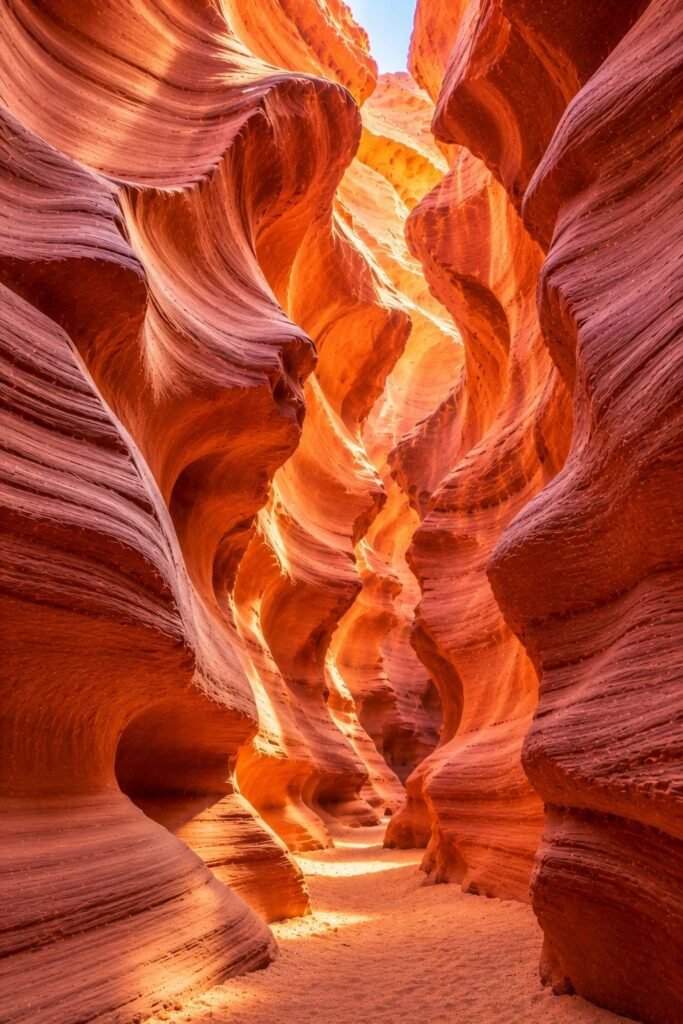
Best for: Travelers who prefer smaller-group experiences and enjoy photographing dramatic sandstone formations.
Secret Canyon is a popular name for a guided slot canyon experience near Page, often promoted as a more intimate alternative to the busiest Antelope Canyon tours.
Its winding passages, colorful sandstone walls, and natural curves make it an appealing choice for visitors who want to explore the region’s geology and take beautiful photographs.
Although the name suggests a completely undiscovered place, it is better to think of Secret Canyon as a guided alternative to the area’s best-known attractions. Availability, group sizes, and tour arrangements depend on the operator.
Why add Secret Canyon to your itinerary?
The attraction of a smaller-group tour is the opportunity to enjoy the scenery at a pace that suits the experience. Depending on the tour, you may have more time to look closely at the sandstone formations and ask your guide questions.
The canyon’s curves create interesting photographic compositions, particularly when the light highlights the contrast between smooth walls and darker creases.
It is also an appealing option for couples, friends, and solo travelers who want a memorable guided outing while visiting northern Arizona.
Tips for a better experience
- Compare the actual group size rather than relying only on marketing descriptions.
- Confirm the meeting point and transportation arrangements.
- Ask about the total duration and walking difficulty.
- Check photography rules before bringing camera accessories.
- Bring a reusable water bottle if permitted and pack out any waste.
If you are comparing tours, consider Secret Canyon alongside Canyon X and the two main Antelope Canyon routes. The best choice will depend on your schedule, budget, and preferred style of exploration.
9. Cardiac Canyon
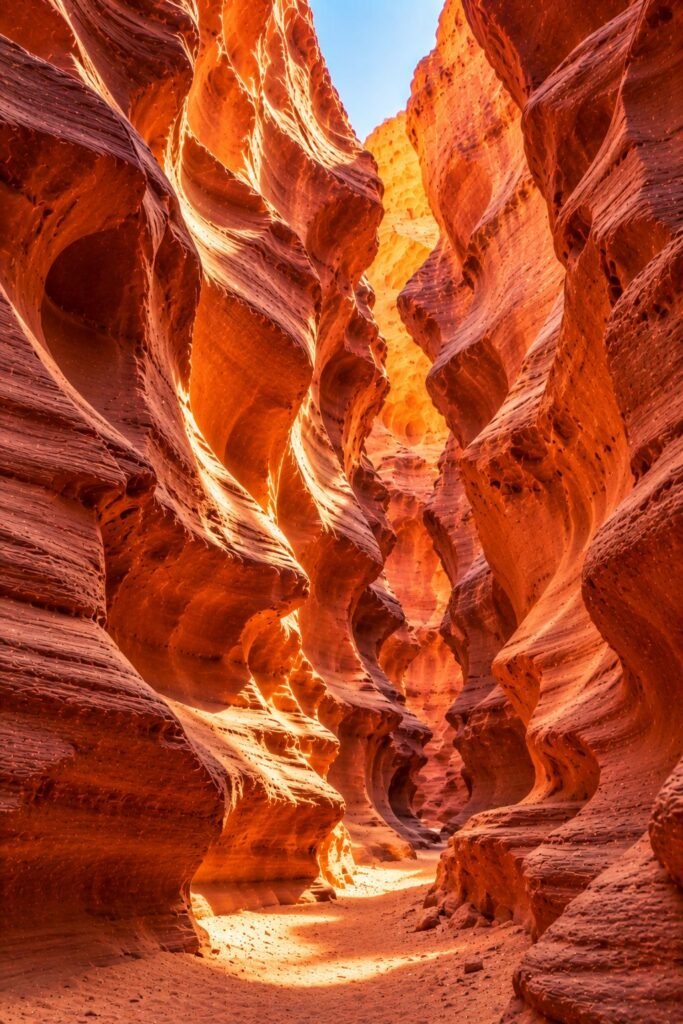
Best for: Experienced outdoor adventurers looking for a more physically demanding guided canyon experience.
Cardiac Canyon offers a different type of adventure from the shorter, more accessible sightseeing tours in the Page region. It is known for a longer, more strenuous route that can include scrambling and challenging terrain.
This is not the first canyon I would recommend to someone who simply wants a relaxed walk and a few photographs.
Instead, it is an option for visitors who have the appropriate fitness, understand the demands of the route, and want a more involved outdoor experience.
What makes Cardiac Canyon different?
The longer journey gives visitors a chance to experience more of the canyon environment. Rather than concentrating solely on a short section of sculpted sandstone, the outing involves a more substantial adventure.
The scenery and the sense of being immersed in the landscape can make the experience rewarding for the right traveler. However, route conditions and physical demands should be taken seriously.
How to prepare
Because this is a more strenuous experience, preparation matters.
- Book directly with a qualified, authorized operator.
- Ask for an honest assessment of the route’s difficulty.
- Confirm the total distance, expected duration, and elevation changes.
- Make sure you are comfortable with scrambling and uneven terrain.
- Follow all equipment requirements and your guide’s safety instructions.
Do not choose this canyon simply because it sounds adventurous. Select a route that matches your abilities, and be prepared to change your plans if conditions are unsuitable.
For travelers who prefer an easier introduction to Arizona’s slot canyons, Upper Antelope Canyon or a suitable guided Canyon X tour may be a better fit.
Final Thoughts: Which Arizona Slot Canyon Will You Visit First?
Arizona’s slot canyons offer an unforgettable way to experience the beauty of the American Southwest.
From the famous sandstone walls of Upper and Lower Antelope Canyon to the distinctive formations of Canyon X, Waterholes Canyon, and the other guided canyon experiences near Page, there is plenty to explore.
If this is your first visit, I would start by comparing Upper Antelope Canyon, Lower Antelope Canyon, and Canyon X. They offer different experiences, so your choice can depend on your comfort level, budget, and photography interests.
If you have more time, consider exploring additional guided tours around Page rather than rushing through every canyon in a single trip.
Most importantly, plan ahead, respect local access rules, and take weather warnings seriously. With thoughtful preparation, you can enjoy these remarkable landscapes while helping protect them for future visitors.