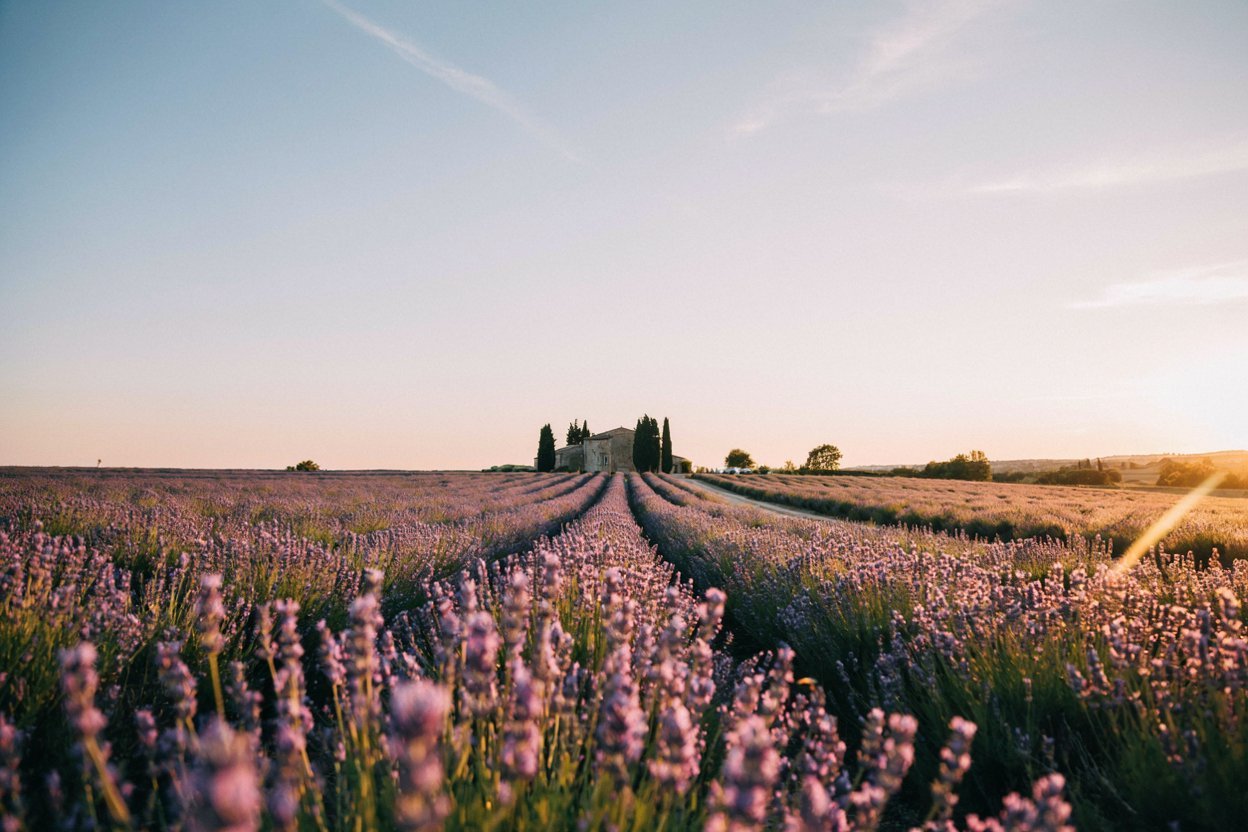

My first glimpse of a French lavender field stopped me mid-sentence on a phone call I still haven’t finished.
The rows ran straight to the horizon, the air smelled like a perfume counter left out in the sun, and I understood immediately why people plan entire trips around a flower.
If you’re dreaming of that same moment, this guide will show you exactly where to go, when to go, and how to make it unforgettable.
Let dive into this Lavender Destinations in France
Why Provence Is the Lavender Capital of the World
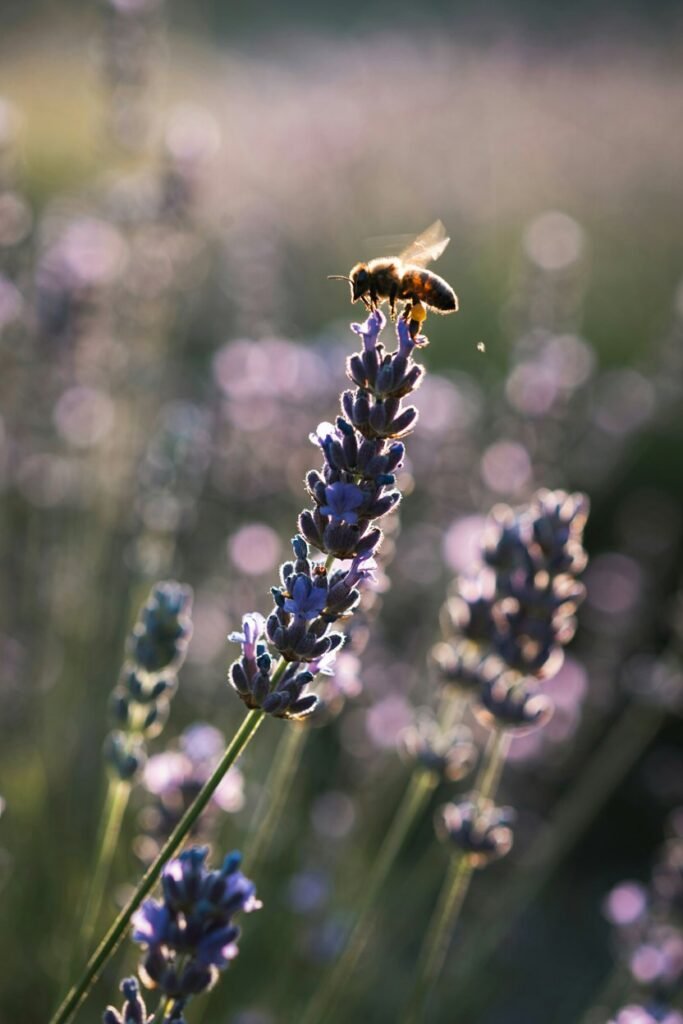
Southeastern France, and specifically the region of Provence, produces some of the most famous lavender in the world.
The combination of limestone soil, high summer sun, and dry Mediterranean air creates the perfect growing conditions for both true lavender (Lavandula angustifolia) and its hardier cousin, lavandin, a hybrid that dominates the vast commercial fields tourists usually picture.
True lavender tends to grow at higher altitudes, around villages like Sault, and produces a more delicate, complex scent prized by perfumers.
Lavandin, on the other hand, is what carpets the huge plains around Valensole it’s more resistant, blooms in bigger clumps, and produces the dramatic, uninterrupted purple rows that fill Instagram feeds every July. Knowing the difference matters, because it changes where and when you should plan your trip.
Beyond the visual spectacle, lavender has shaped the culture, economy, and rhythm of daily life in this part of France for centuries.
Villages build their summer calendars around the harvest, distilleries turn family farms into multigenerational businesses, and markets sell everything from lavender honey to soap to culinary buds.
Visiting isn’t just about a photo it’s a full sensory experience layered with food, history, and small-town charm.
When to Visit: A Region-by-Region Bloom Calendar
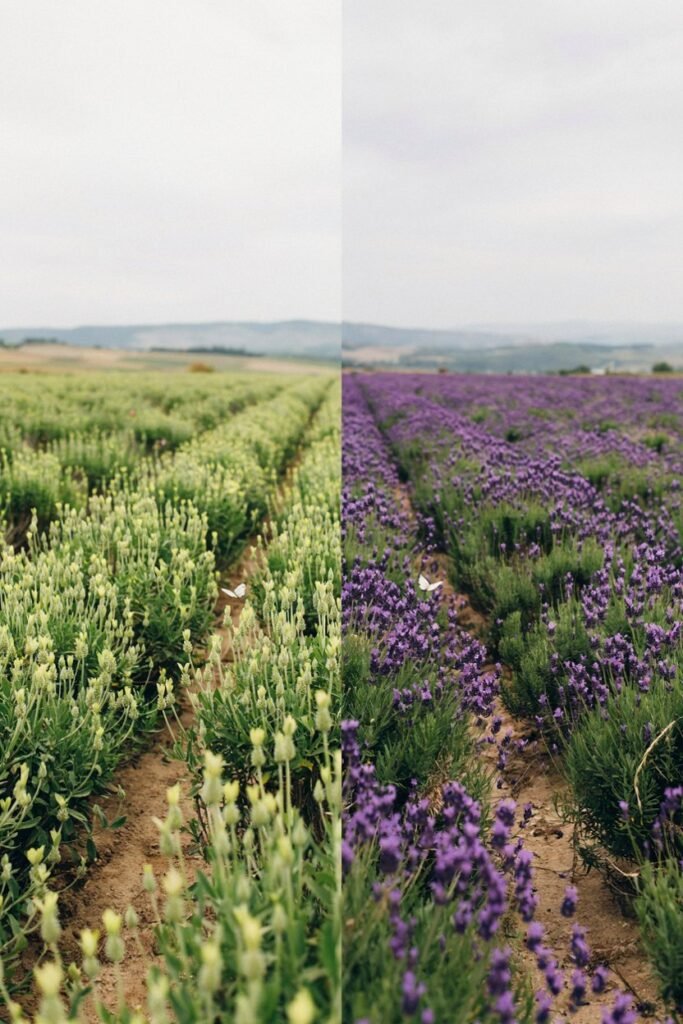
This is the single most important section of this guide, because timing makes or breaks a lavender trip. The flowering season is short, and it does not happen everywhere at once.
Altitude is the biggest factor: lower fields bloom first, higher ones bloom later, and a hot, dry spring can push everything forward by a week or two.
Here’s a general breakdown for a typical year:
- Mid-to-late June: The Luberon’s lower fields begin showing color, since they sit at a relatively low altitude between roughly 350 and 700 meters.
- Late June to early July: This is widely considered the sweet spot for the Valensole Plateau, which usually shows its strongest, most saturated bloom during this window.
- First two weeks of July: If your travel dates are flexible, this stretch offers the best overall odds of catching multiple regions in full color at once.
- Mid-July to mid-August: Higher-altitude areas like Sault and parts of the Drôme Provençale, which sit between 800 and 900 meters, bloom later and often stay purple longest, sometimes until mid-August.
A few important caveats worth remembering:
- Bloom dates shift every year depending on rainfall and spring temperatures. A hot, dry year can pull the harvest forward by a week or more, while a cooler, wetter spring can delay it.
- Festivals do not guarantee blooming fields. Many lavender festivals double as harvest celebrations, so by the time the festival happens, nearby fields may already be cut. Sault is the one notable exception, since local farmers there traditionally wait until after their festival to harvest.
- Before mid-June, fields often still look green because flowers haven’t fully opened yet. By late August, most fields have already been harvested and will look dry, grey, and stubbly rather than purple.
Practical tip: In the weeks before your trip, search recent, dated photos on social media using hashtags tied to specific villages or plateaus, filtered by the most recent posts. Local tourism offices and lavender farms are also usually happy to give current bloom updates if you call or email a few days ahead.
The Best Lavender Destinations in France
1. Valensole Plateau
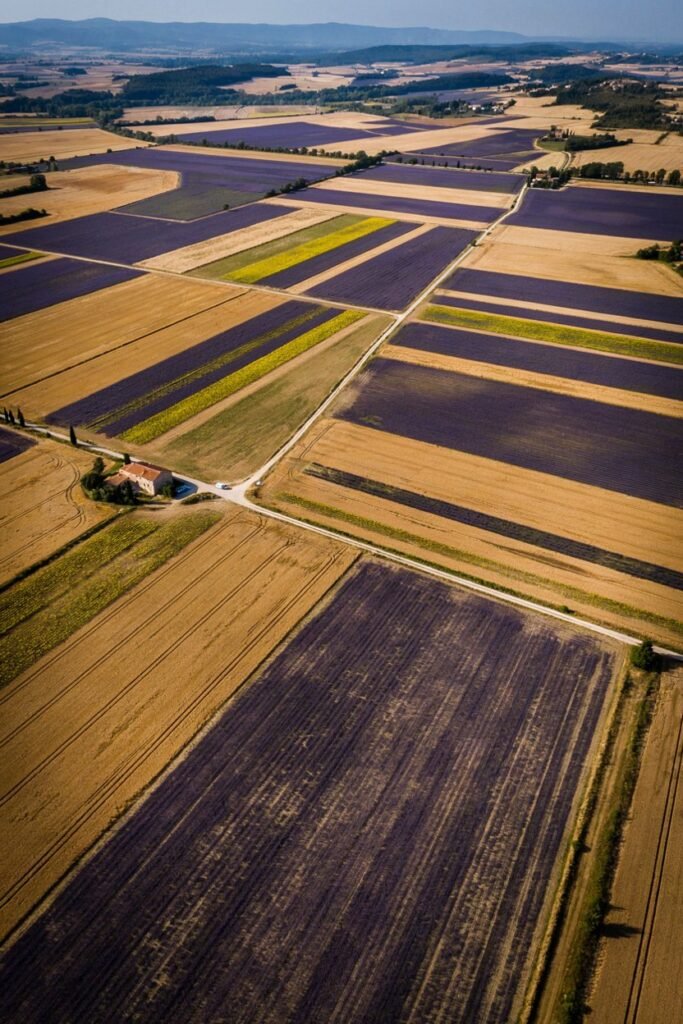
If you’ve ever seen a postcard-perfect photo of Provence lavender, there’s a good chance it was taken on the Valensole Plateau.
Located in the Alpes-de-Haute-Provence department, roughly an hour’s drive from Aix-en-Provence, this is the most iconic and most photographed lavender destination in the country.
The plateau spans an enormous area, with lavandin fields often growing right alongside golden wheat and bright yellow sunflowers, creating layered, colorful compositions that photographers love.
The fields here sit at a lower altitude, which means they bloom earlier than most other regions, generally peaking from late June through the first week of July.
What to do here:
- Drive or cycle the backroads between farms some of the most beautiful fields are found by accident, just off the main routes.
- Visit the Lavender Museum in the town of Valensole to learn about cultivation, distillation, and the history of the industry.
- Stop at a roadside farm stand for dried bundles, honey, or essential oil rather than picking your own flowers.
- Combine your visit with a scenic drive toward the dramatic Gorges du Verdon, one of the most spectacular canyons in Europe, which sits close by.
Because Valensole is the most famous of all the lavender regions, it’s also the most crowded, especially on weekends in early July. Arriving at sunrise or in the early evening will reward you with softer light and far fewer people in your shot.
2. Sault and the Pays de Sault
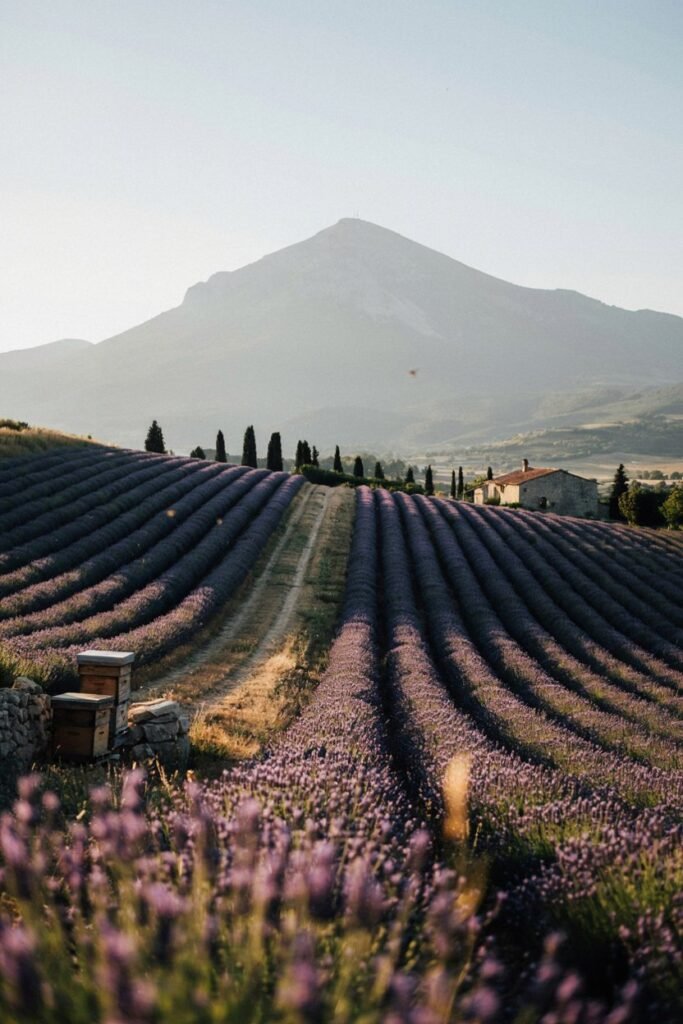
Sault sits at the base of Mont Ventoux and is often nicknamed the “Lavender Capital” of Provence, thanks to both its altitude and its long association with true lavender rather than lavandin.
Because it sits higher than Valensole, its blooming season starts later and stretches longer, often running from July into mid-August.
This is the region for travelers who want the same purple magic without the biggest crowds. The landscape here is more rugged and elevated than Valensole’s flat plains, with lavender rows cascading down hillsides rather than stretching flat to the horizon.
Why Sault stands out:
- Local farmers traditionally hold off on harvesting until after the town’s mid-August festival, which means Sault is one of the few places where a festival and a full bloom reliably overlap.
- The weekly Wednesday morning market is a lovely place to pick up lavender bundles, local cheese, honey, and other regional goods.
- Aroma’Plantes, a working farm just outside town, offers workshops, a botanical trail, and sweeping views over the village.
Sault also makes an excellent base for exploring the wider Pays de Sault region, including smaller villages and lookout points that rarely appear in mainstream travel guides.
3. The Luberon and Abbaye de Sénanque
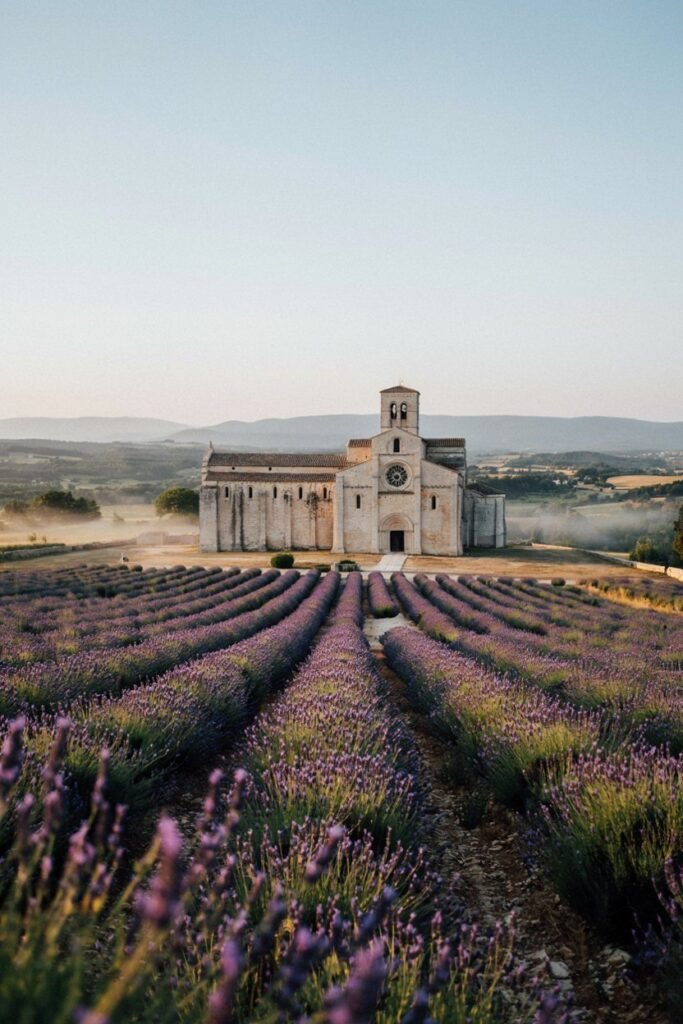
The Luberon region, tucked within the Luberon Regional Nature Park, is where the lavender season in Provence typically begins each year thanks to its lower elevation.
It’s also home to some of the most beautiful hilltop villages in France, making it an ideal base if you want history and architecture alongside your lavender photos.
The single most photographed lavender scene in this region arguably in all of France is the Abbaye de Notre-Dame de Sénanque, a Cistercian abbey founded in 1148 near the hilltop village of Gordes.
Fields of lavender surround the honey-colored stone abbey, creating one of the most striking man-made-meets-nature views in the country.
A few important notes if you plan to visit:
- Sénanque is a functioning monastery, not a tourist attraction, so visitors are asked to remain quiet and respectful, and photography is restricted during religious services.
- For 2026, advance online ticket booking is required to tour the abbey grounds, as capacity often sells out during peak season.
- Arrive before 9 a.m. if you want a chance at photos without dozens of other visitors in the frame — by mid-morning in July, the car park and viewpoint fill up quickly.
Nearby, the villages of Gordes and Roussillon are worth building a full day around.
Gordes is known for its stone houses stacked dramatically on a rocky outcrop, while Roussillon is famous for its ochre-colored buildings and dramatic red-and-orange cliffs.
The scenic drive connecting the two passes through some of the loveliest lavender-lined roads in the Luberon.
Also worth doing in the Luberon:
- Walk the Ochre Trail in Roussillon, or tour the cool underground Ochre Quarry of Bruoux as a refreshing break from summer heat.
- Visit a working lavender farm and distillery, such as those found along the Route de Buoux near Apt, many of which offer tours of their production lines and sell their own organic essential oils.
- Check for the Festival de Lacoste in July, a cultural event featuring opera, theater, dance, and cinema set against the historic backdrop of the Château de Lacoste.
4. Drôme Provençale
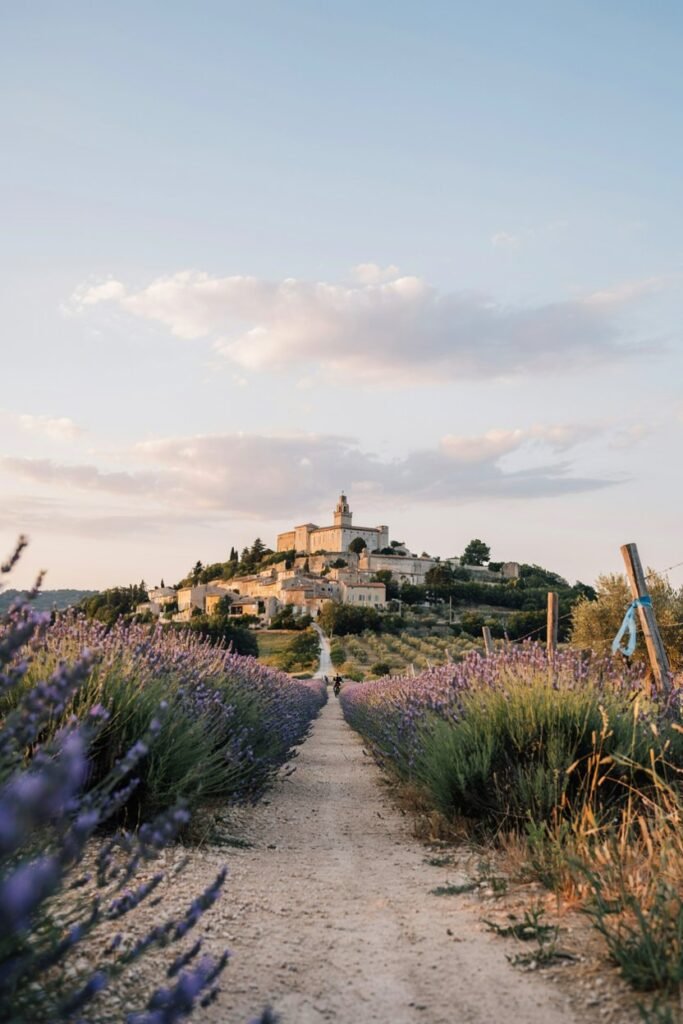
Technically part of the Auvergne-Rhône-Alpes region rather than Provence proper, the Drôme Provençale earns its nickname from a landscape, architecture, and atmosphere that feel unmistakably Provençal.
It’s the least visited of the major lavender regions, which is exactly its appeal for travelers who want the fields without the crowds.
Because it spans a range of altitudes, the Drôme Provençale has one of the longer blooming windows of any region, starting relatively early in lower areas and extending into late July at higher elevations.
The hilltop village of Grignan, home to a striking Renaissance château, makes an excellent base for exploring the area.
From here, quiet backroads wind past family-run lavender farms, sunflower fields, and vineyards, offering a slower, more contemplative version of the classic Provence lavender trip.
5. Digne-les-Bains
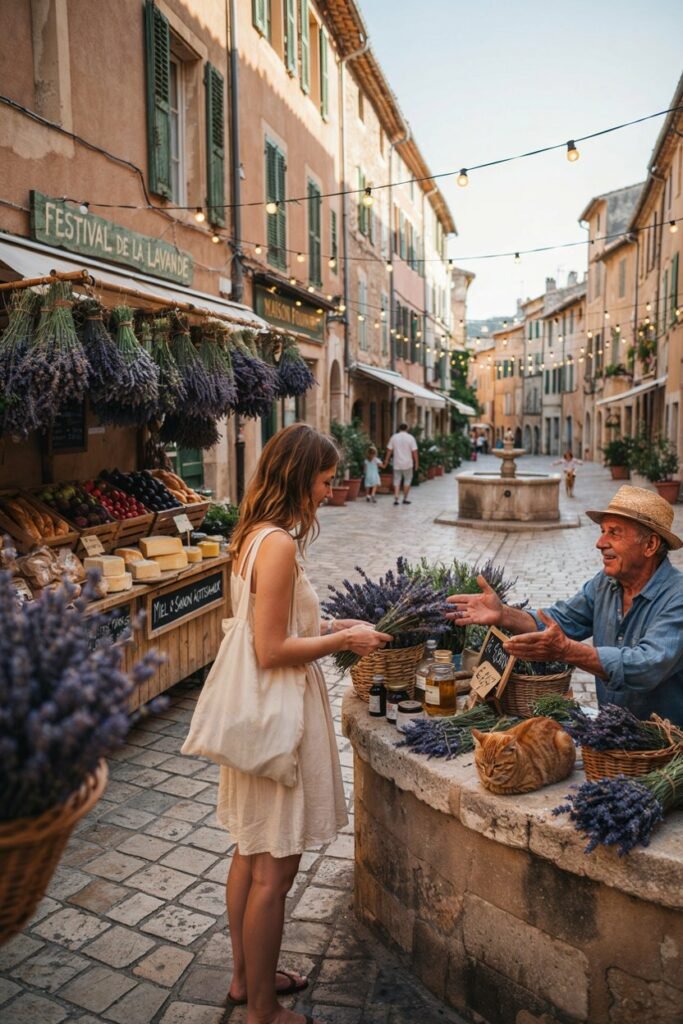
A popular spa town in Haute-Provence, northeast of Valensole, Digne-les-Bains celebrates lavender with one of the region’s most festive and drawn-out events: the multi-day Corso de la Lavande, held at the start of August.
Beyond the festival itself, the town and surrounding countryside offer thermal spas, hiking trails, and quieter lavender fields for visitors who want to combine wellness with their purple-field pilgrimage.
Lavender Festivals Worth Planning Around
Festivals are a wonderful way to experience the cultural side of lavender season folk music, local food, traditional dress, and demonstrations of the distillation process.
Just remember: festivals often mark the end of harvest season in a given area, not the peak of bloom, so don’t build your entire trip around a festival date alone.
Typical festival highlights across the region include:
- Ferrassières, on the Plateau d’Albion, hosts a small, relaxed lavender festival on the first Sunday of July.
- Valensole holds what is often considered the most famous lavender festival in Provence, always on the third Sunday of July, featuring folk performances, traditional distillation demonstrations, and local product sales.
- Sault celebrates its lavender festival on August 15th each year, including a lavender-cutting contest, folklore performances, and a traditional country-style meal — and thanks to the local harvest tradition, this is one of the few festivals where the surrounding fields are still reliably in bloom.
- Digne-les-Bains stretches its celebration across several days in early August with the lively Corso de la Lavande.
Because exact dates and details shift slightly year to year, it’s worth checking directly with regional tourism boards a month or two before your trip to confirm the current schedule.
Lavender Farms and Distilleries to Visit
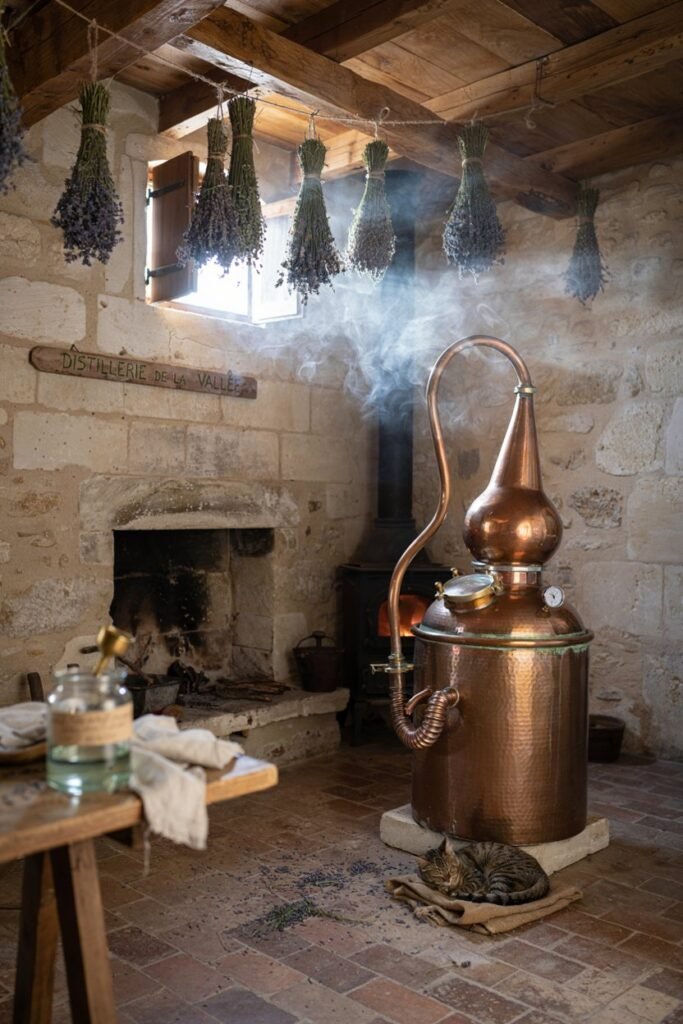
Walking through a field is unforgettable, but visiting a working farm or distillery adds depth to the experience you’ll learn how lavender is harvested, distilled into essential oil, and transformed into everything from soap to culinary lavender.
A few types of experiences to look for as you plan:
- Organic family farms that offer free or low-cost tours of their fields and production lines, often selling their own essential oils, soaps, and sachets on-site.
- Distilleries near Apt and along the Route du Ventoux that focus on therapeutic and medicinal-grade lavender oil, frequently open to visitors year-round.
- Historic factories, such as the well-known Angelvin site near Valensole, which combine a working farm with an educational look at the craftsmanship behind the scent.
- The Lavender Museum in Valensole, a good rainy-day or midday-heat alternative that explains the full history and process of lavender cultivation in the region.
Most farms welcome walk-in visitors during the season, but calling or emailing ahead especially for guided tours or workshops is always a smart move.
Where to Stay
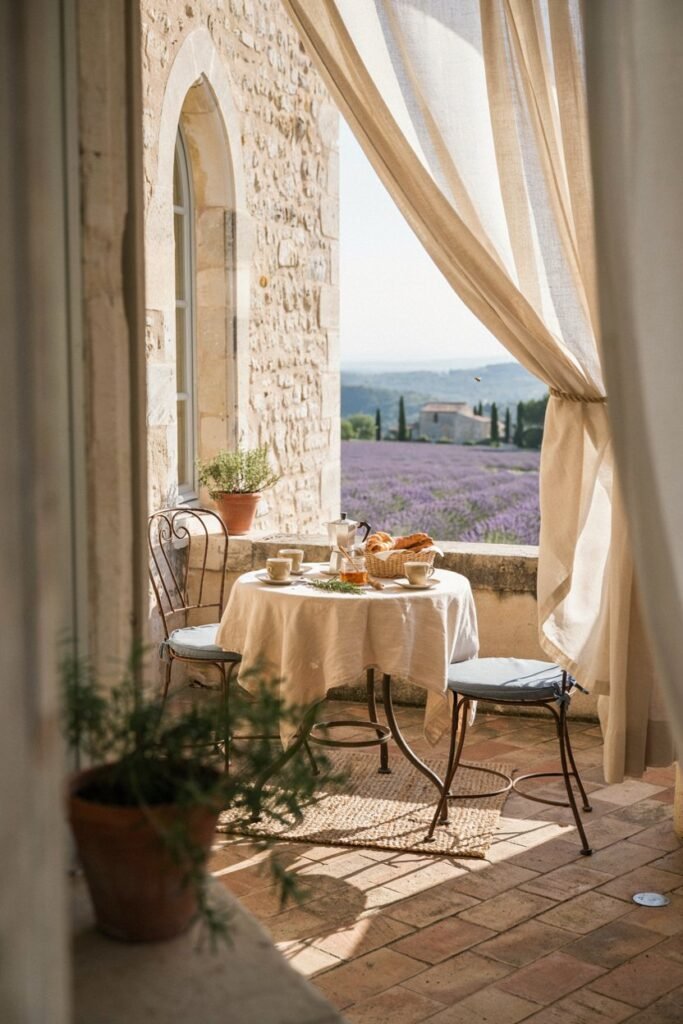
Where you base yourself will shape your entire trip, since the lavender regions are spread across a fairly wide swath of southeastern France.
Near Valensole: Look for countryside guesthouses and farm stays overlooking the plateau itself, where you can wake up to fields just outside your window. Staying directly on or near the plateau means you can catch the best early-morning and late-evening light without a long drive.
Near Sault: Forest-adjacent retreats near Mont Ventoux offer cooler air and quieter surroundings, ideal if you want a slower pace and a home base for exploring the Pays de Sault at a relaxed rhythm.
In the Luberon: Refined countryside estates near towns like Forcalquier or Apt put you within easy striking distance of Sénanque, Gordes, and Roussillon, while still feeling worlds away from the crowds.
In cities: Aix-en-Provence and Avignon both make excellent home bases if you’d rather stay in a lively town with restaurants and nightlife and take day trips out to the fields. Both cities have good access to rental cars and organized tours.
However you choose to base yourself, book well ahead. Peak lavender season overlaps with French summer holidays, and accommodation across the region fills up quickly, with many travelers booking four to six months in advance for July stays.
Getting Around Provence
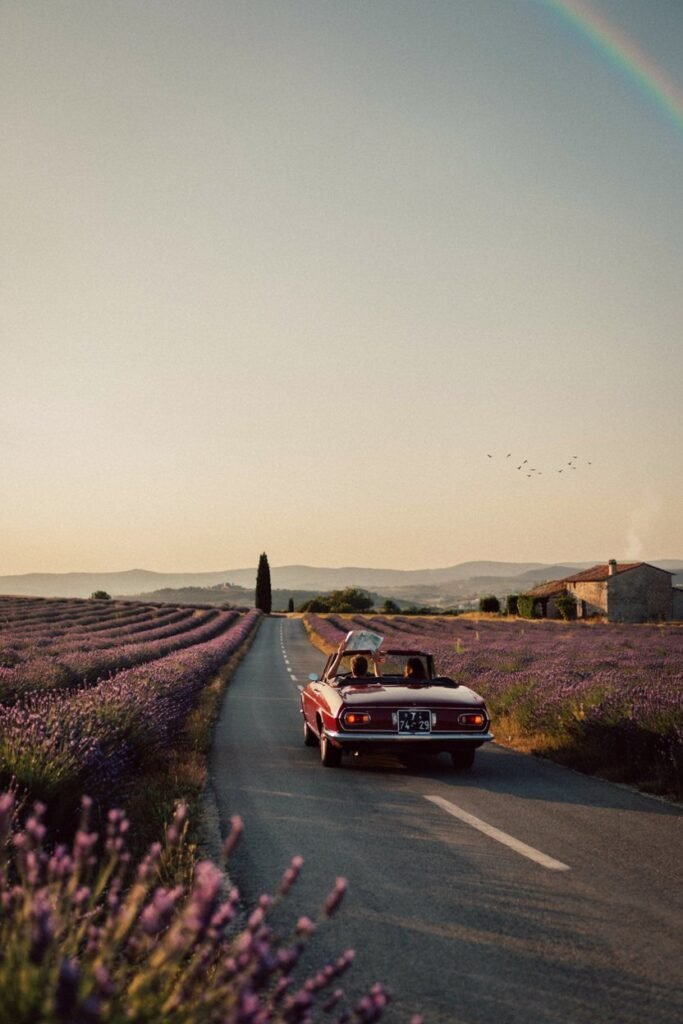
Renting a car is by far the most flexible way to explore multiple lavender regions in a single trip, since fields are spread across rural roads that public transportation doesn’t reach well. Daily rental rates and fuel costs should be factored into your budget.
Organized day tours departing from Avignon or Aix-en-Provence are a solid choice if you’d rather not navigate unfamiliar rural roads yourself. These typically include transportation, a guide, and stops at multiple fields or farms.
Cycling is a popular option in flatter areas like Valensole, offering a slower, more immersive way to move between fields.
Whichever method you choose, keep in mind that many of the best fields are found on quiet backroads rather than major highways, so a bit of wandering combined with a good map often leads to the most memorable, uncrowded spots.
Photography Tips for Lavender Fields
- Shoot early or late. The hours just after sunrise and just before sunset offer the softest, most flattering light, along with far fewer crowds and cooler temperatures.
- Avoid the midday sun. Harsh overhead light flattens color and creates strong shadows; regional tourism boards themselves note that the view is simply better in softer light.
- Get low. Crouching down among the rows (from the field’s edge, never trampling the crop) creates a more immersive, three-dimensional composition than shooting from standing height.
- Look for contrast. Fields bordered by golden wheat, sunflowers, or old stone farmhouses create far more dynamic images than lavender alone.
- Bring a lens cloth. Pollen and dust are common in these fields, especially with so many bees around.
Etiquette: How to Visit the Fields Respectfully
These fields are working farms, not public parks, and treating them that way matters both ethically and practically — many farmers will ask disrespectful visitors to leave.
- Never pick the flowers. Lavender is the farmer’s livelihood, not a souvenir. If you want a bouquet, buy one from a farm stand, which are common at the edge of most major fields.
- Stay out of the rows. Trampling plants damages the crop and ruins the view for everyone who comes after you. Photograph from the edges or designated paths.
- Don’t block tracks or roads. Working farm vehicles need access, and blocking a row to stage a photo is a common complaint among local farmers.
- Mind the bees. Lavender fields are extremely popular with bees, especially those producing lavender honey. Stay calm, avoid swatting, and skip strong perfume.
- Be respectful at Sénanque. As a functioning monastery, loud conversation, drone use, and photography during services are discouraged or outright prohibited.
A Sample 5-Day Lavender Itinerary
Day 1 — Arrival and Aix-en-Provence. Settle into your base, explore the city’s markets and fountains, and rest up for early starts ahead.
Day 2 — Valensole Plateau. Head out before sunrise to catch the plateau in soft morning light. Visit the Lavender Museum, stop at a farm stand for local products, and consider a detour toward the Gorges du Verdon in the afternoon.
Day 3 — The Luberon. Arrive at Abbaye de Sénanque as early as possible (pre-booked tickets in hand), then spend the day exploring Gordes and Roussillon, including the Ochre Trail.
Day 4 — Sault and the Pays de Sault. Drive up to higher altitude to see later-blooming true lavender fields, browse the Wednesday market if your dates align, and enjoy the quieter, forested surroundings near Mont Ventoux.
Day 5 — Drôme Provençale or slow morning. Either venture further north to the quieter fields around Grignan, or use your final day for a relaxed farm visit and last-minute shopping for lavender products to take home.
This itinerary can easily be compressed into three days for a faster trip, or stretched into a full week if you want to add Digne-les-Bains or extra time in any one region.
Budget and Practical Planning Tips
- Tours: Organized full-day lavender tours from Avignon or Aix typically run in the moderate range per person, including transportation and guiding.
- Car rental: Daily rates vary by season and vehicle type; book early for the best availability during peak summer months.
- Farm and distillery visits: Many are free or low-cost, especially self-guided walks, while guided tastings or workshops usually carry a small fee.
- Accommodation: Book four to six months ahead for July stays, especially if you want a property with direct field views.
- What to pack: Comfortable walking shoes, a wide-brimmed hat, sunscreen, and plenty of water these are rural, sun-exposed areas with little shade during peak summer heat.
- Timing your day: Plan your field visits for early morning or early evening, and reserve midday hours for museums, markets, or indoor attractions when the sun is at its harshest.
Final Thoughts
France’s lavender country rewards travelers who plan with a little flexibility. Bloom dates shift from year to year, and no single field or festival tells the whole story of the season.
But that unpredictability is part of the charm it turns a lavender trip into something closer to a treasure hunt, one where a quiet backroad outside Sault or a golden-hour view over Valensole can end up being the moment you remember most.
Whichever region you choose, go slowly, follow the color at its best hours, and let yourself get a little lost on the backroads. That’s usually where the most beautiful fields and the best memories are waiting.
Wishing you fragrant fields and unforgettable light on your trip to Provence.