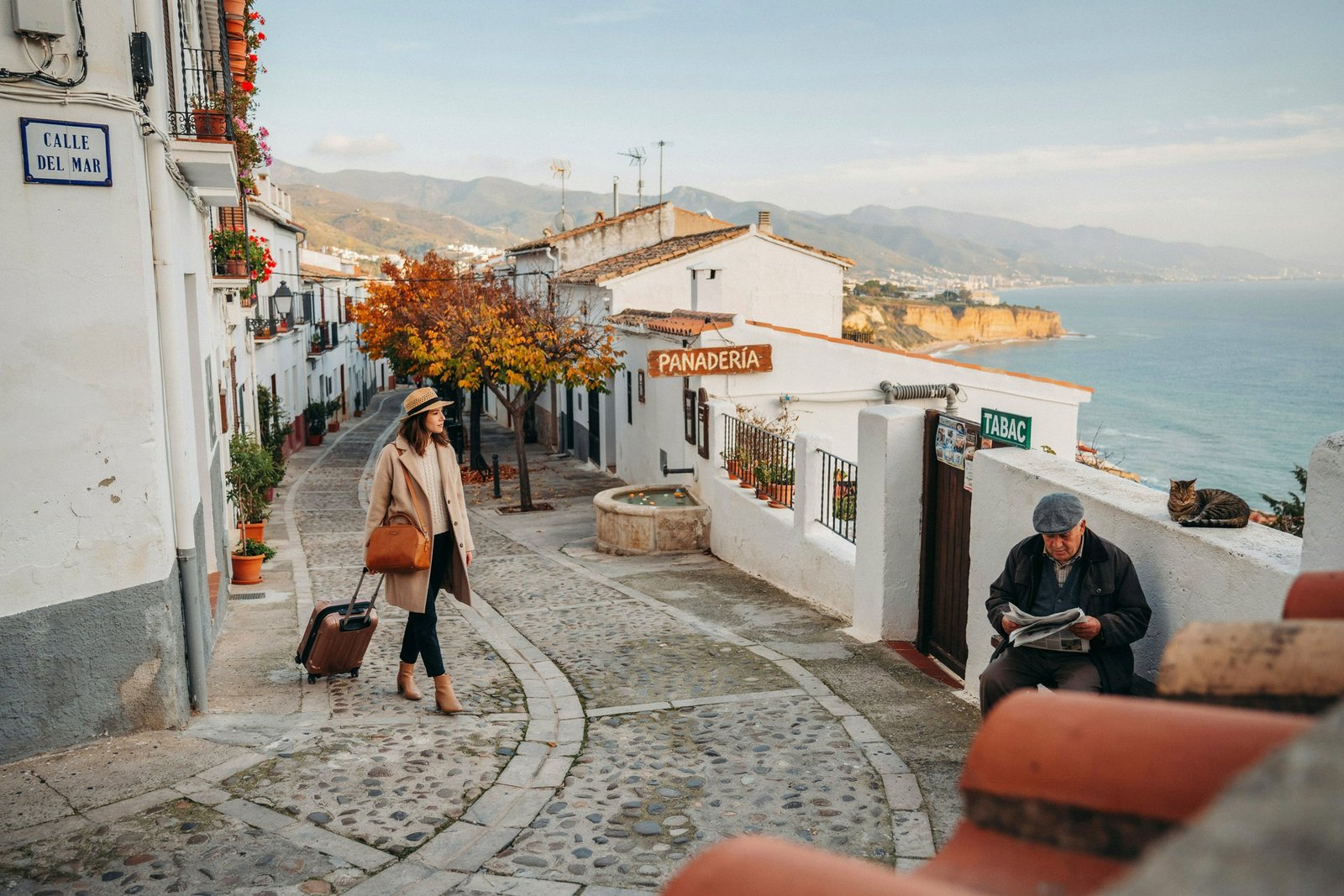

Spain has always been one of those countries I could return to again and again. But when fall arrives, I find myself especially drawn to it.
The intense summer heat begins to fade, the streets feel more relaxed, and long days of sightseeing become much easier.
From beautiful Andalusian cities to Mediterranean islands and food-loving northern towns, Spain offers something for almost every kind of traveler in autumn.
If you’re planning a fall getaway, these are 10 places I would put at the top of my list.
Why Visit Spain in Fall?
Fall is one of my favorite seasons for exploring Spain because you can experience much of the country without dealing with the intense summer heat.
September can still feel quite summery in many parts of Spain, while October brings cooler days and a more noticeable autumn atmosphere.
By November, northern and inland areas can become considerably cooler, while southern Spain and some islands can remain pleasantly mild.
Autumn is also a wonderful time for walking. You can spend the morning exploring historic neighborhoods, stop for lunch at a local restaurant, visit a museum or landmark in the afternoon, and finish the day sitting outside with a coffee or meal.
Another advantage is that fall gives you more opportunities to experience Spain beyond its beaches.
Wine regions, historic cities, mountain landscapes, food destinations, and cultural attractions become especially appealing once the hottest part of summer has passed.
Here are my 10 favorite places to consider for a Spanish fall trip.
1. Barcelona
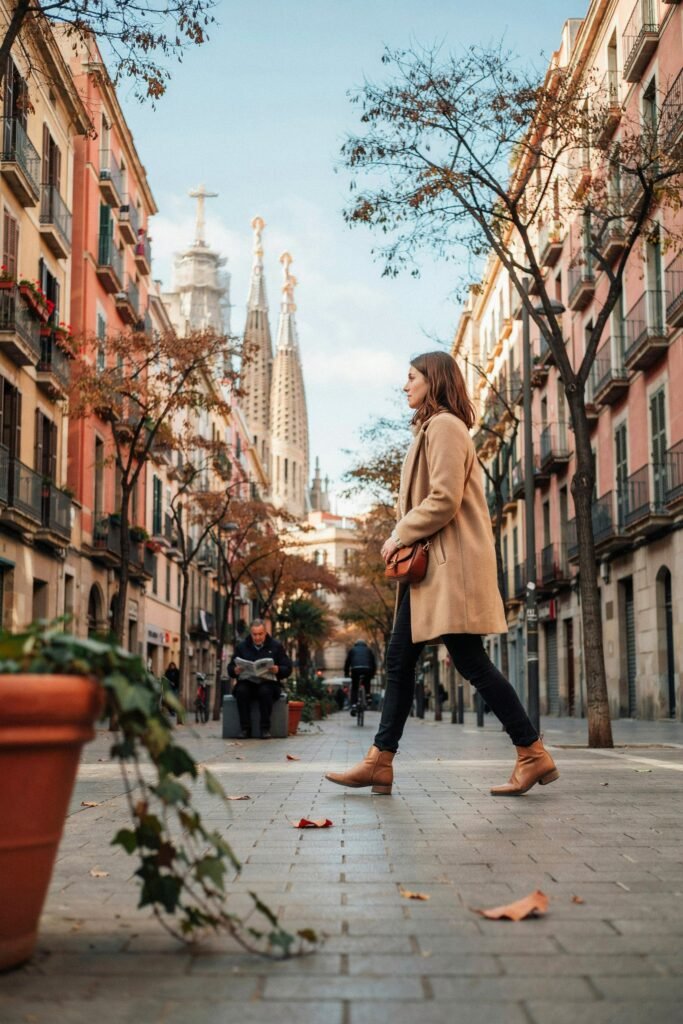
Best for: Architecture, food, beaches, culture, and first-time visitors
Barcelona is one of those cities that seems to have something happening around every corner. I love how easily you can combine beautiful architecture, historic streets, great food, and Mediterranean scenery in one trip.
Fall is an excellent time to explore because you can spend hours walking through the city without the same level of summer heat.
Things to Do in Barcelona in Fall
Start your trip with some of Barcelona’s most famous sights.
The Sagrada Família should be high on your list, especially if this is your first visit. Gaudí’s architecture is unlike anything else you’ll see in the city.
You can also explore:
- Park Güell
- Casa Batlló
- Casa Milà
- Gothic Quarter
- El Born
- La Boqueria Market
- Barceloneta
- Montjuïc
One of my favorite things about Barcelona is simply walking. The Gothic Quarter and El Born are perfect for wandering without rushing from one attraction to another.
Fall also gives you a nice opportunity to enjoy the city’s outdoor cafés and restaurants before cooler weather arrives.
Where to Stay
For a first visit, consider staying around Eixample, the Gothic Quarter, El Born, or Gràcia.
Eixample is particularly convenient if you want easy access to many attractions while staying in an area filled with restaurants and cafés.
Fall Tip
September and October can still be warm, so don’t pack only sweaters. Bring lightweight clothing along with a jacket or cardigan for cooler evenings.
2. Seville
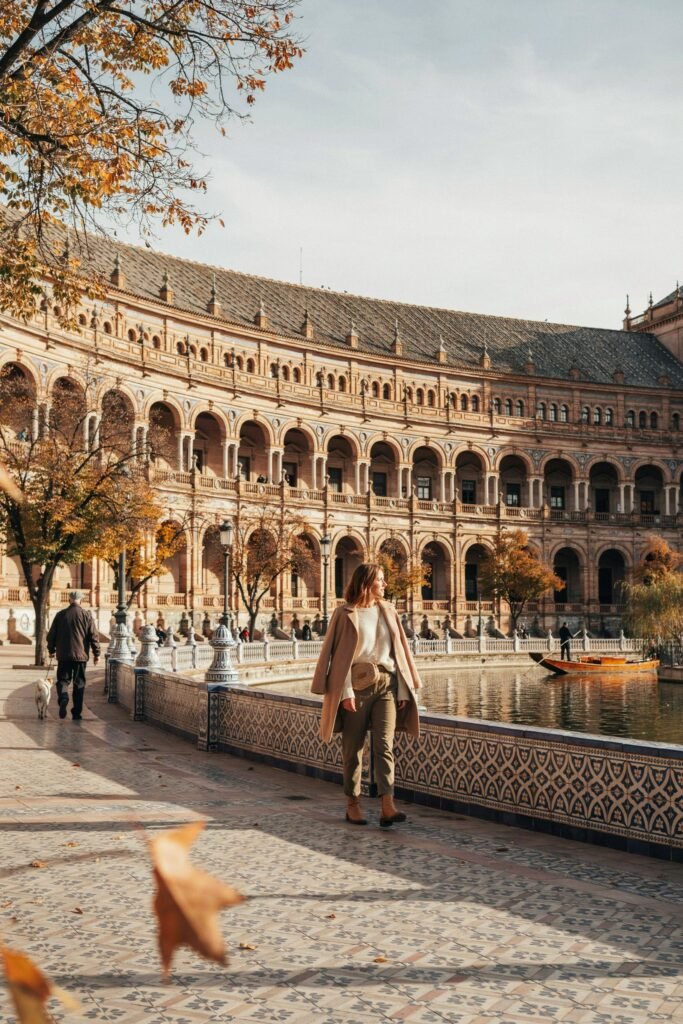
Best for: Spanish culture, architecture, flamenco, tapas, and romantic city breaks
Seville is one of the places I would most recommend visiting in fall.
Summer temperatures in Andalusia can be extremely uncomfortable for long sightseeing days, so the cooler months make exploring the city much more enjoyable. Autumn is a particularly good time to walk between Seville’s historic landmarks and spend more time outdoors.
Things to Do in Seville
Begin with the magnificent Real Alcázar of Seville, where beautiful courtyards, gardens, tiles, and Moorish-influenced architecture create one of the city’s most memorable experiences.
Then visit:
- Seville Cathedral
- La Giralda
- Plaza de España
- Parque de María Luisa
- Santa Cruz
- Metropol Parasol
- Triana
Don’t leave Seville without experiencing its food scene.
Try local tapas, traditional Andalusian dishes, and churros with chocolate when you need a sweet break.
And, of course, consider watching a flamenco performance. Flamenco is deeply connected with Andalusian culture, and seeing it performed in Seville can be one of the highlights of your trip.
Where to Stay
Santa Cruz is a great choice if you want to be close to the major historic attractions.
Triana is another lovely option if you’d prefer a neighborhood with a strong local atmosphere, restaurants, and evening activity.
Fall Tip
October and November are particularly attractive for travelers who want to explore Seville comfortably without the intense summer temperatures.
3. Granada
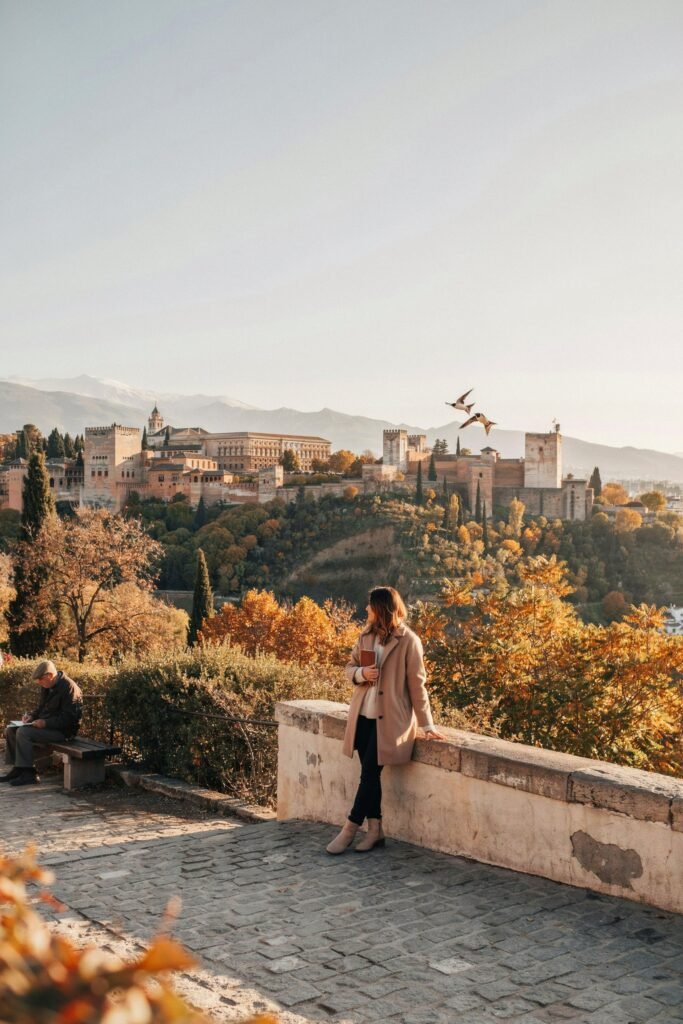
Best for: History, Moorish architecture, mountain scenery, and unique cultural experiences
Granada feels completely different from Barcelona or Seville.
The city is famous for the Alhambra, but I think one of the best things about Granada is how much more there is to discover beyond its most famous monument.
Fall’s cooler temperatures make it easier to explore Granada’s hills, historic neighborhoods, and viewpoints.
Things to Do in Granada
Your first priority should be the Alhambra.
Give yourself enough time to explore the palace complex, gardens, courtyards, and surrounding areas rather than treating it as a quick stop.
Then explore:
- Albaicín
- Sacromonte
- Mirador de San Nicolás
- Granada Cathedral
- Royal Chapel
- Carrera del Darro
The Albaicín is especially beautiful around sunset.
From the Mirador de San Nicolás, you can look across toward the Alhambra with the Sierra Nevada mountains in the background.
Granada is also known for its tapas culture, making it an enjoyable destination for travelers who love combining sightseeing with food.
Where to Stay
The city center is convenient for restaurants and sightseeing, while Albaicín offers a more atmospheric experience.
If you stay in Albaicín, remember that some streets are steep and cobbled, so comfortable shoes are important.
Fall Tip
Reserve your Alhambra tickets well ahead of your trip. Don’t make the mistake of arriving in Granada without checking availability first.
4. Madrid
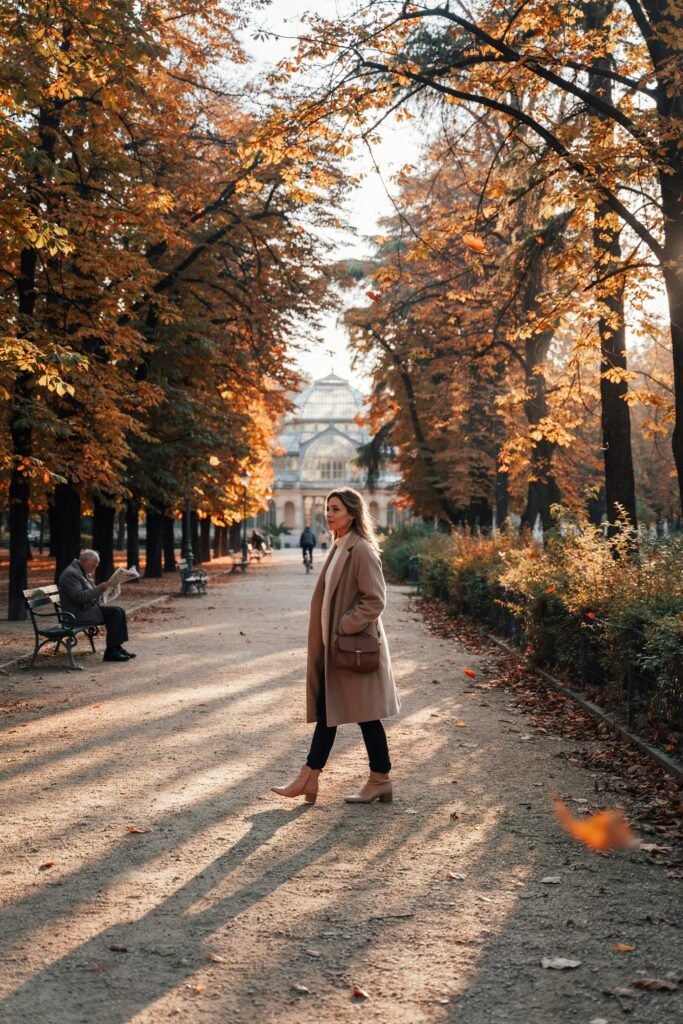
Best for: Art, museums, food, parks, shopping, and city life
Madrid is a wonderful fall destination because so many of its best experiences work perfectly with cooler weather.
The city has an impressive combination of museums, historic buildings, parks, restaurants, markets, and lively neighborhoods.
Things to Do in Madrid
Art lovers should make time for Madrid’s famous museums, including:
- Prado Museum
- Reina Sofía
- Thyssen-Bornemisza Museum
But don’t spend your entire trip indoors.
Take a walk through Retiro Park, explore Plaza Mayor, visit the Royal Palace, and wander through neighborhoods such as Malasaña and La Latina.
Madrid’s food scene is another reason to visit.
You can spend an afternoon trying different tapas, visiting markets, or sitting at a café and watching the city go by.
Where to Stay
For first-time visitors, Centro is convenient because many attractions are within walking distance.
Malasaña is a good choice if you prefer cafés, shops, and a youthful neighborhood atmosphere.
Fall Tip
Pack layers. Madrid can have pleasant daytime temperatures in fall, but mornings and evenings can feel noticeably cooler.
5. Valencia
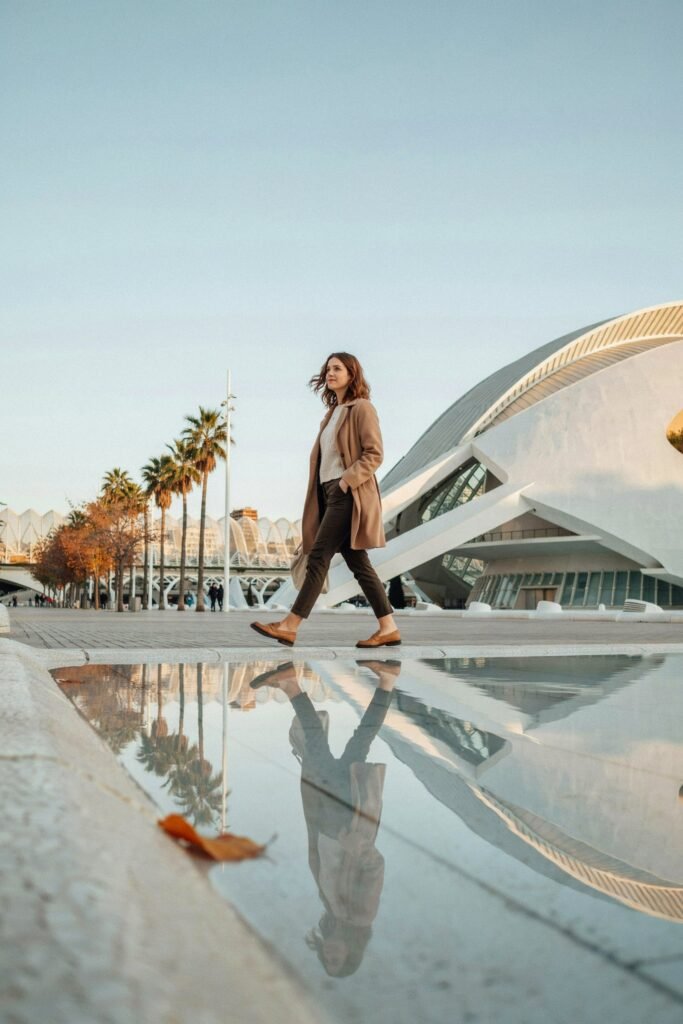
Best for: Food, beaches, architecture, families, and a relaxed city break
Valencia is one of my favorite choices for travelers who want a little bit of everything.
You get a historic city center, beautiful parks, beaches, modern architecture, and some of Spain’s best-known food traditions.
Valencia is also famous as the home of paella, making it an especially appealing destination for food lovers.
Things to Do in Valencia
Visit the City of Arts and Sciences, one of the city’s most recognizable landmarks.
Then explore:
- Valencia Old Town
- Valencia Cathedral
- Central Market
- Turia Gardens
- Malvarrosa Beach
- Ruzafa neighborhood
The Turia Gardens are wonderful for a walk or bike ride.
I also recommend spending time around the Central Market. Even if you’re not planning a big meal, it’s a great place to see the ingredients and flavors that make Valencian cuisine so special.
Where to Stay
Ciutat Vella is ideal if you want historic surroundings and easy access to attractions.
Ruzafa is better suited to travelers who enjoy cafés, restaurants, and a more modern neighborhood atmosphere.
Fall Tip
September can still feel like summer, while October and November tend to be better suited to travelers who want cooler sightseeing conditions.
6. San Sebastián
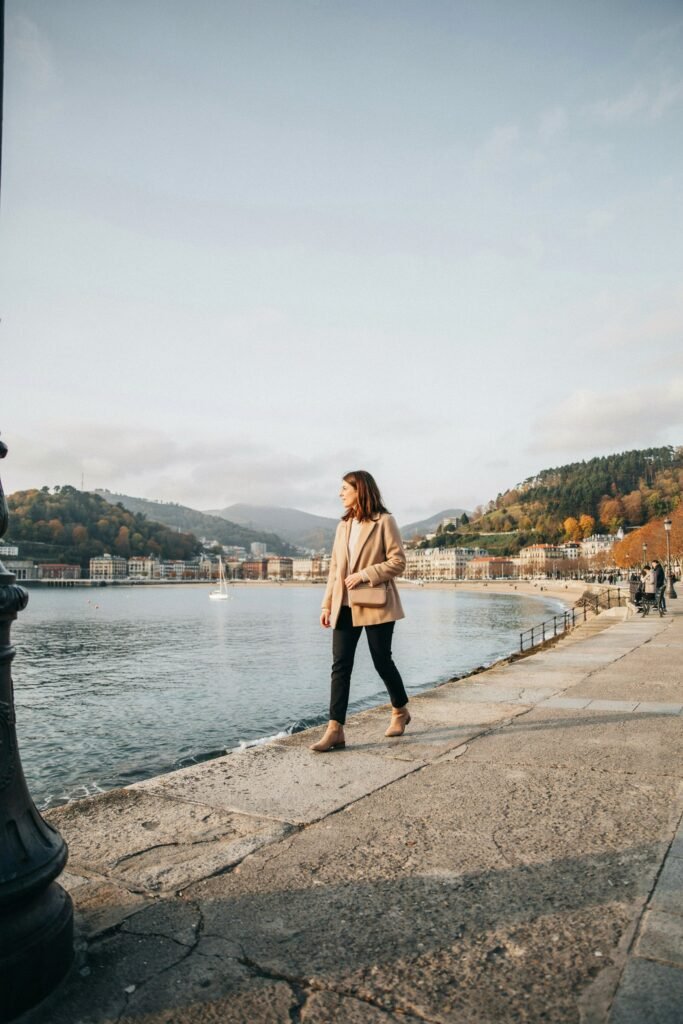
Best for: Food, beaches, coastal scenery, and Basque culture
San Sebastián is a destination I would recommend to anyone who plans a Spain trip around food.
Located in the Basque Country, the city combines beautiful coastal scenery with an incredible culinary culture. It is also being highlighted as a strong European fall destination in 2026, particularly for its gastronomy and pintxos culture.
Things to Do in San Sebastián
Start with La Concha Beach.
Even if swimming isn’t your priority in fall, the waterfront is beautiful for walking.
Then explore:
- Parte Vieja
- Monte Igueldo
- Monte Urgull
- Zurriola Beach
- San Telmo Museum
But food should be part of your itinerary.
Instead of sitting down for one huge meal every time, try a pintxos crawl through the Old Town.
Pintxos are small portions of food traditionally enjoyed in bars, and trying several different ones can become an experience in itself.
Where to Stay
Parte Vieja is perfect for travelers who want to be in the center of the food and nightlife scene.
For a quieter stay, consider areas around Gros or the waterfront.
Fall Tip
Northern Spain can be wetter than southern Spain in autumn, so bring a light waterproof jacket and comfortable walking shoes.
7. Mallorca
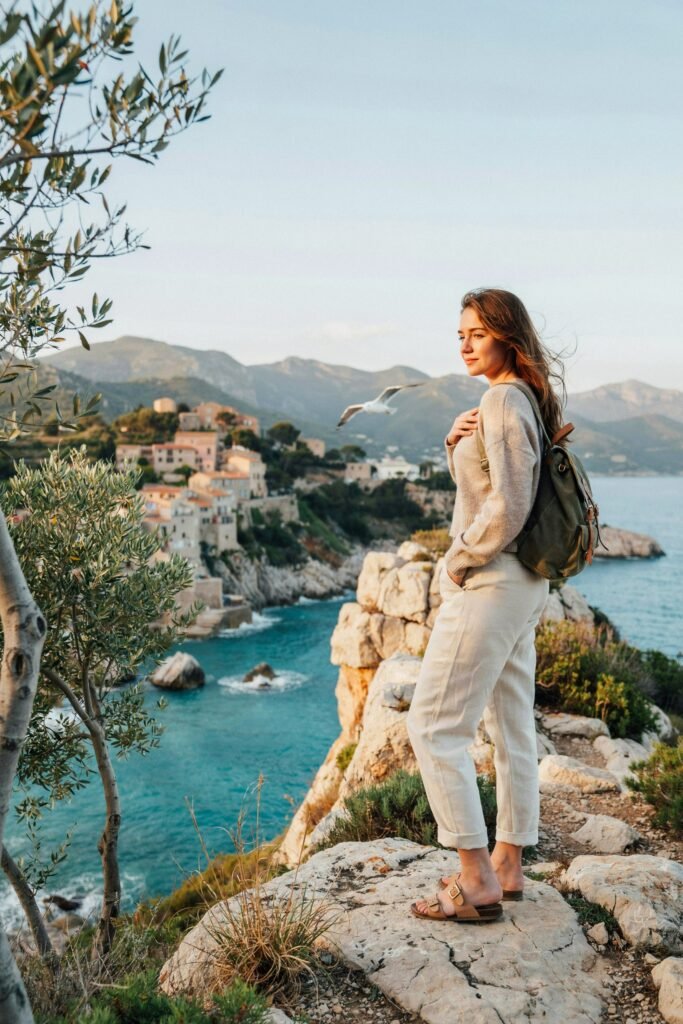
Best for: Beaches, villages, mountains, road trips, and Mediterranean scenery
If you’re not quite ready to say goodbye to summer, Mallorca is one of the best places to visit in Spain in early fall.
The island gives you a wonderful mix of beaches, mountain landscapes, charming villages, and coastal roads.
Autumn can also be a more comfortable time to explore the island because the summer heat begins to ease. Mallorca is frequently highlighted as an attractive fall destination thanks to its combination of beaches and mountain scenery.
Things to Do in Mallorca
Spend some time in Palma, the island’s capital.
Then explore:
- Sóller
- Valldemossa
- Deià
- Serra de Tramuntana
- Alcúdia
- Cap de Formentor
If the weather is warm enough, you can still enjoy the beaches and coves.
For something different, take a scenic drive through the Tramuntana mountains and stop in some of the small villages along the way.
Where to Stay
Palma works well for a city-based trip.
If you’re looking for a quieter experience, consider Sóller, Deià, or another smaller coastal or mountain village.
Fall Tip
Early fall is your best bet if swimming and beach time are priorities. Later in the season, focus more on villages, hiking, food, and scenery.
8. Málaga
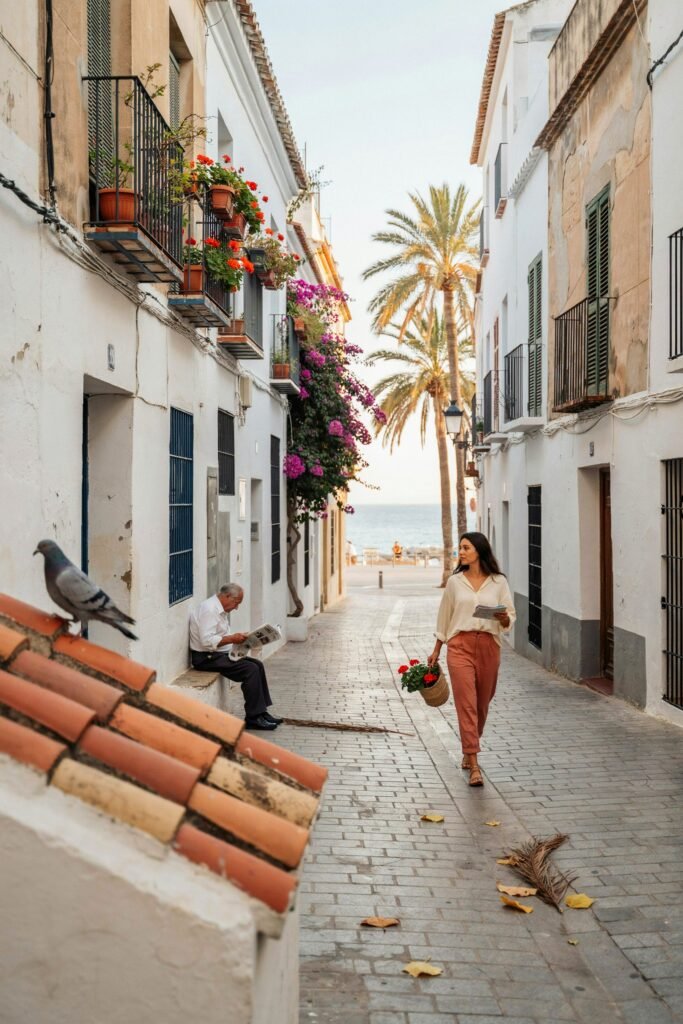
Best for: Sunshine, beaches, museums, food, and Andalusian culture
Málaga is one of those destinations that can easily be overlooked because travelers use it mainly as an airport gateway.
I think that is a mistake.
The city has a beautiful historic center, museums, beaches, viewpoints, restaurants, and easy access to the wider Costa del Sol.
Things to Do in Málaga
Begin with the historic center and make your way to:
- Alcazaba
- Málaga Cathedral
- Roman Theatre
- Gibralfaro Castle
- Picasso Museum
- Muelle Uno
- La Malagueta Beach
If you have extra time, use Málaga as a base for exploring other parts of Andalusia.
The city’s coastal location also makes it appealing in fall when temperatures can remain pleasant.
Where to Stay
The historic center is convenient for sightseeing and restaurants.
Muelle Uno is another good area if you like being close to the waterfront.
Fall Tip
Málaga is particularly useful for travelers who want some warmer weather later into the autumn season. However, always check the forecast because conditions can change as November approaches.
9. La Rioja
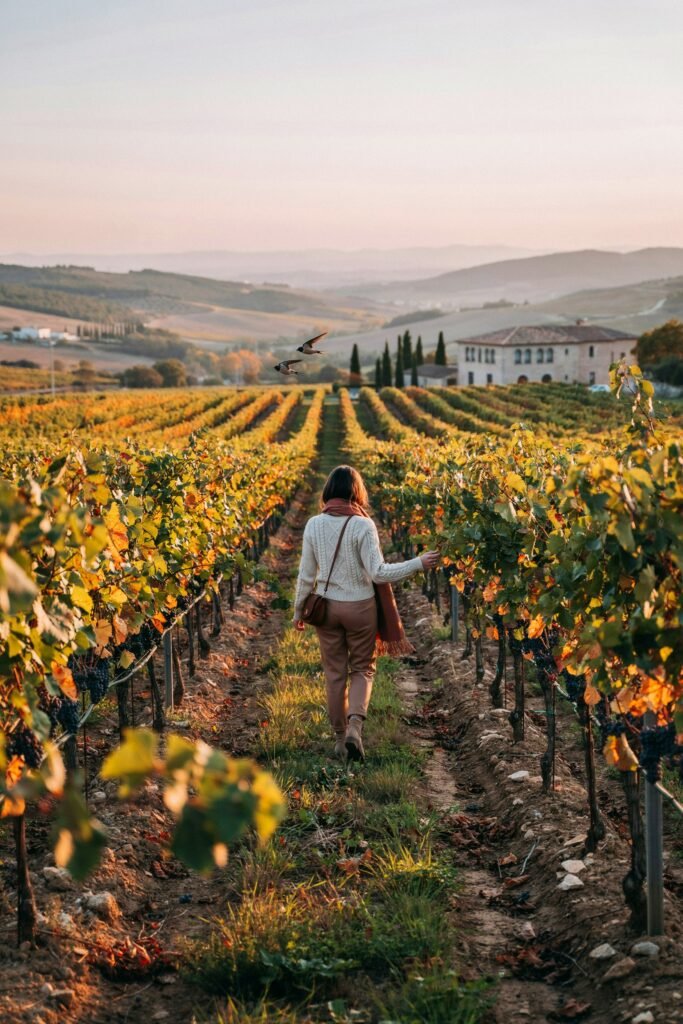
Best for: Wine country, countryside, food, and a slower fall escape
If you want something different from Spain’s major cities, consider La Rioja.
Autumn is arguably one of the most interesting times to visit this region because the vineyards enter harvest season. The landscape becomes especially appealing, and wine-related experiences become a natural part of a trip here.
Things to Do in La Rioja
Spend time exploring the vineyards and small towns.
Logroño is a convenient base, particularly if you want restaurants and a livelier evening atmosphere.
You can also explore:
- Haro
- Laguardia
- Briones
- Rioja vineyards
- Local wineries
Many wineries offer tours and tastings, but reservations are often important, particularly during busy harvest periods.
Where to Stay
Logroño is ideal for travelers who want restaurants, shops, and easy access to regional attractions.
For a quieter experience, consider staying in one of the smaller wine-country towns.
Fall Tip
If your main reason for visiting is the harvest season, check the exact timing of local events and winery activities before booking your trip. Autumn schedules can vary.
10. Costa Brava
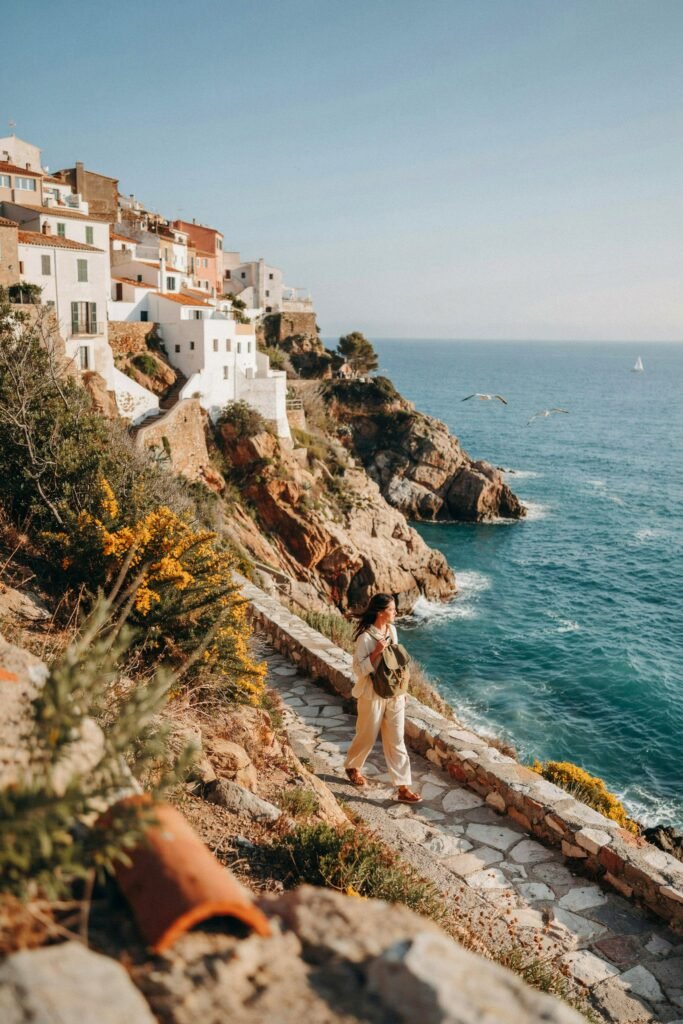
Best for: Coastal walks, charming villages, beaches, and photography
Costa Brava is an excellent choice if you want a slower-paced fall trip.
Instead of focusing on one major city, you can explore coastal villages, beaches, coves, and scenic walking routes.
Things to Do in Costa Brava
Some places worth adding to your itinerary include:
- Cadaqués
- Tossa de Mar
- Begur
- Calella de Palafrugell
- Pals
The Camí de Ronda coastal paths are particularly appealing for active travelers.
You can spend the morning walking beside the Mediterranean, stop in a small coastal town for lunch, and spend the afternoon exploring narrow streets.
Costa Brava is also connected with the artistic world of Salvador Dalí, so art lovers can build an interesting itinerary around the region.
Where to Stay
Choose your base according to the experience you want.
Cadaqués is beautiful and atmospheric, while Tossa de Mar offers a combination of beaches, historic sights, and restaurants.
Fall Tip
Fall is a great time to explore the Costa Brava on foot because you don’t have to build your entire itinerary around beach time.
How to Choose the Best Place in Spain for Fall
Spain is incredibly diverse, so the best destination depends on what you want from your trip.
For architecture: Barcelona
For museums and art: Madrid
For Moorish history: Granada
For flamenco and Andalusian culture: Seville
For food: San Sebastián
For beaches and mountains: Mallorca
For sunshine: Málaga
For paella and city beaches: Valencia
For wine: La Rioja
For coastal villages: Costa Brava
If this is your first trip to Spain, Barcelona, Madrid, Seville, and Granada make an excellent combination.
If you’ve already visited the major cities, I’d be more tempted to explore San Sebastián, La Rioja, Mallorca, or Costa Brava.
What to Pack for Spain in Fall
Packing for Spain in fall is all about layers.
Your suitcase should include:
- Lightweight tops
- Comfortable trousers or jeans
- A cardigan or sweater
- Lightweight jacket
- Comfortable walking shoes
- Small crossbody bag
- Sunglasses
- Compact umbrella
- Light scarf
- Travel adapter
- Reusable water bottle
If you’re visiting southern Spain in September, you may still need summer clothing.
For northern Spain or a November trip, you’ll want warmer layers and rain protection.
One mistake I would avoid is packing for only one type of weather. Spain’s regions can feel very different during autumn, so check the forecast for every destination on your itinerary.
Spain Fall Travel Tips
Book popular attractions early
Places such as the Alhambra and Sagrada Família can be extremely popular. Check ticket availability before your trip rather than leaving everything until you arrive.
Don’t try to see too much
Spain looks manageable on a map, but moving between regions takes time.
I’d rather spend three meaningful days in one city than rush through four destinations.
Use trains where practical
Spain has an extensive rail network, including high-speed services connecting major cities. This can make city-hopping much easier.
Pack comfortable shoes
You’ll walk much more than you expect.
Historic centers often have cobblestone streets, and some destinations, especially Granada, involve hills.
Check regional weather
Spain doesn’t have one single fall climate.
Southern Spain can remain warm while northern regions may be cooler and wetter.
Leave room for food
Don’t schedule every minute of your trip.
Some of my favorite travel memories come from sitting down for an unplanned meal, finding a small café, or wandering into a neighborhood without a specific destination.
Final Thoughts
Fall is a beautiful time to discover Spain because you can experience so many different sides of the country in one season.
You can wander through Barcelona, admire the Alhambra in Granada, eat pintxos in San Sebastián, explore vineyards in La Rioja, or enjoy Mediterranean scenery in Mallorca.
For me, the biggest appeal is having the freedom to slow down and actually enjoy each destination instead of rushing from one attraction to another.
If you’re planning a Spain trip this fall, choose the places that match your travel style and leave yourself plenty of time to explore.