
One of my favorite things about exploring the United States is discovering how different the landscape can be from one state to another.
From towering mountains and colorful canyons to hidden waterfalls, crystal-clear lakes, and unusual rock formations, every corner of the country has something beautiful to offer.
If you love nature as much as I do, this list is a wonderful way to start planning your next adventure.
I’ve gathered some of the most amazing natural wonders in all 50 states, including famous landmarks and lesser-known treasures worth adding to your travel bucket list.
The Most Amazing Natural Wonders in Every U.S. State
The United States is filled with extraordinary landscapes, and choosing just one natural wonder for each state is not easy.
This guide highlights 50 destinations that showcase the country’s incredible variety, from underground caves and ancient forests to dramatic coastlines and desert landscapes. Only In Your State+1
1. Alabama — Little River Canyon National Preserve
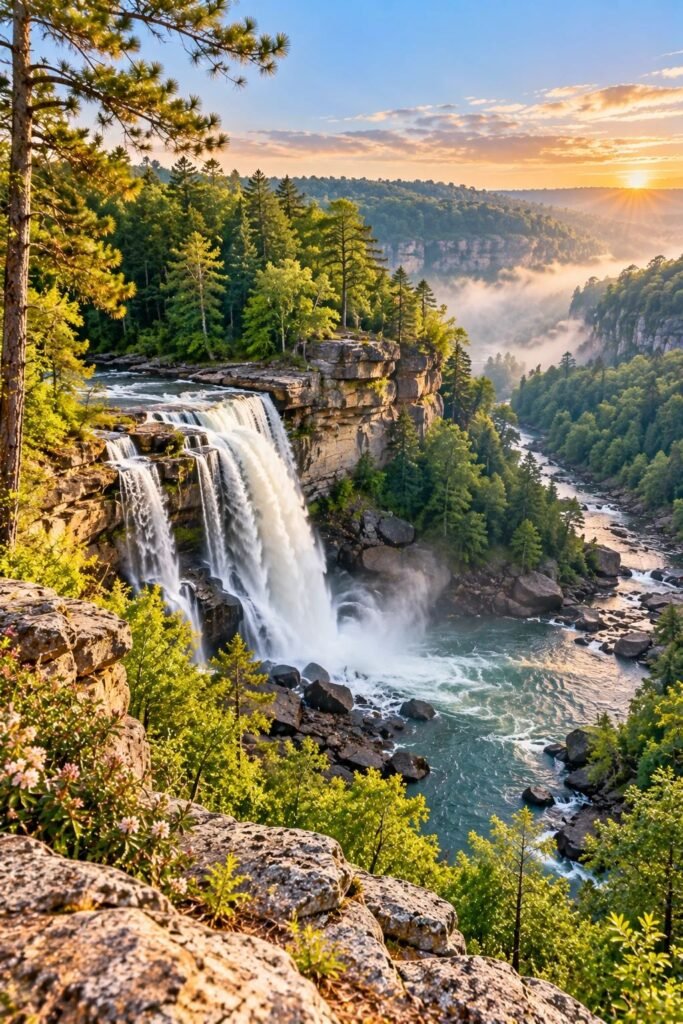
Alabama’s natural beauty shines at Little River Canyon National Preserve, where a river flows across Lookout Mountain and carves a spectacular canyon into the landscape.
The preserve features forested cliffs, waterfalls, rocky overlooks, and peaceful woodland scenery. Little River Falls is a particularly lovely place to begin exploring, especially when recent rainfall gives the waterfall a stronger flow.
What to do: Visit scenic overlooks, explore designated hiking trails, photograph the waterfalls, and enjoy a picnic in an approved area. Spring and fall are especially pleasant seasons for exploring.
Travel tip: Check trail conditions and swimming restrictions before visiting. Rocks around waterfalls can be slippery, even when the weather appears dry.
2. Alaska — Denali National Park and Preserve
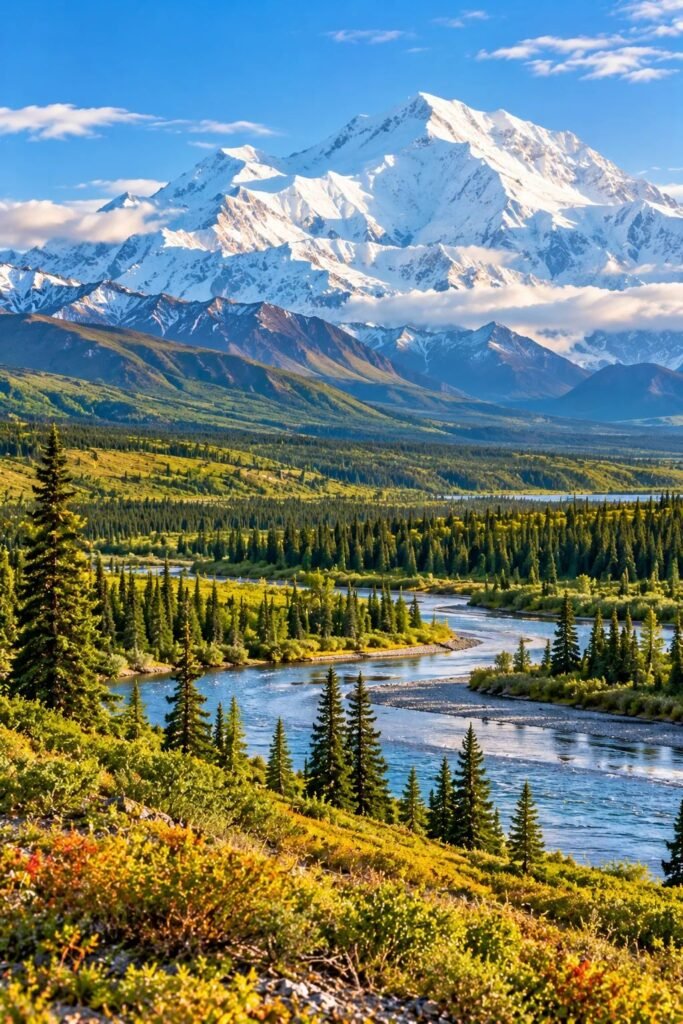
Alaska’s wilderness feels almost endless, and Denali National Park and Preserve captures that feeling beautifully. The park protects vast areas of mountain scenery, tundra, forests, and wildlife, with Denali rising dramatically above the surrounding landscape.
On a clear day, the mountain’s enormous snow-covered summit creates an unforgettable view. The park is also home to wildlife such as caribou, moose, Dall sheep, and grizzly bears.
What to do: Take a permitted park bus excursion, explore accessible trails, photograph the mountain, and watch for wildlife from a safe distance.
Travel tip: Summer generally offers the broadest visitor access, but mountain weather can change quickly. Plan around seasonal road access and remember that Denali is not visible every day.
3. Arizona — Grand Canyon National Park
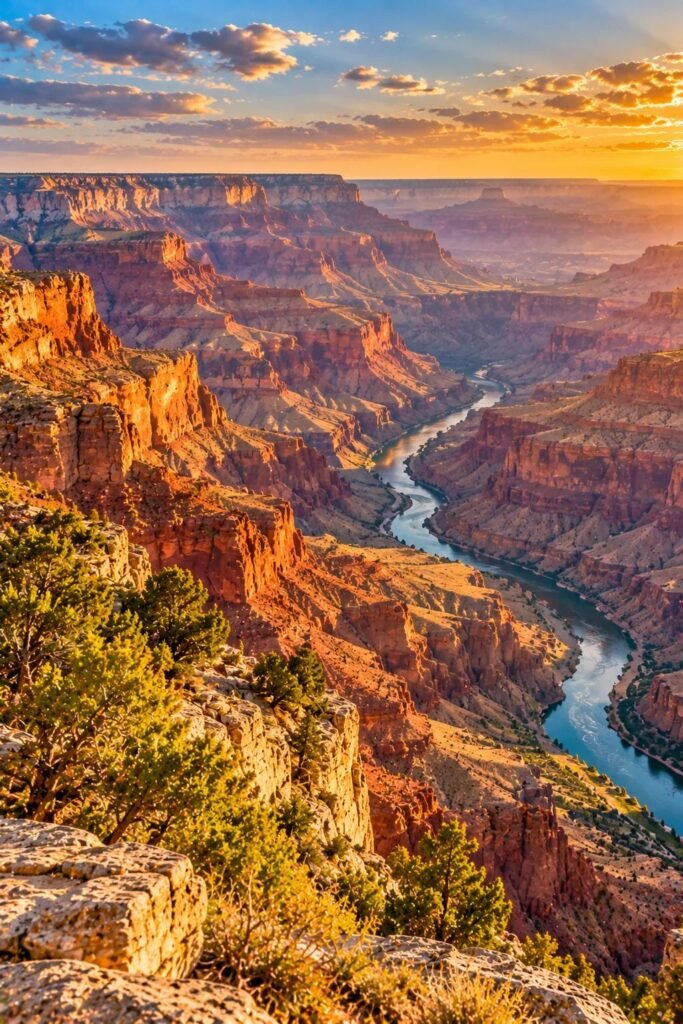
Few landscapes are as instantly recognizable as Grand Canyon National Park. Over millions of years, geological processes and the Colorado River helped shape this enormous canyon, revealing layers of rock in shades of red, orange, cream, and brown.
Standing at the rim, you can see cliffs, distant plateaus, winding ravines, and a river far below. The scale is difficult to appreciate from photographs alone.
What to do: Watch sunrise or sunset from a designated viewpoint, walk along the Rim Trail, visit the visitor center, and explore the park’s geology exhibits.
Travel tip: The South Rim is accessible year-round, although conditions vary. The canyon floor is much hotter than the rim in warm weather, so prepare carefully before considering a descent.
4. Arkansas — Buffalo National River
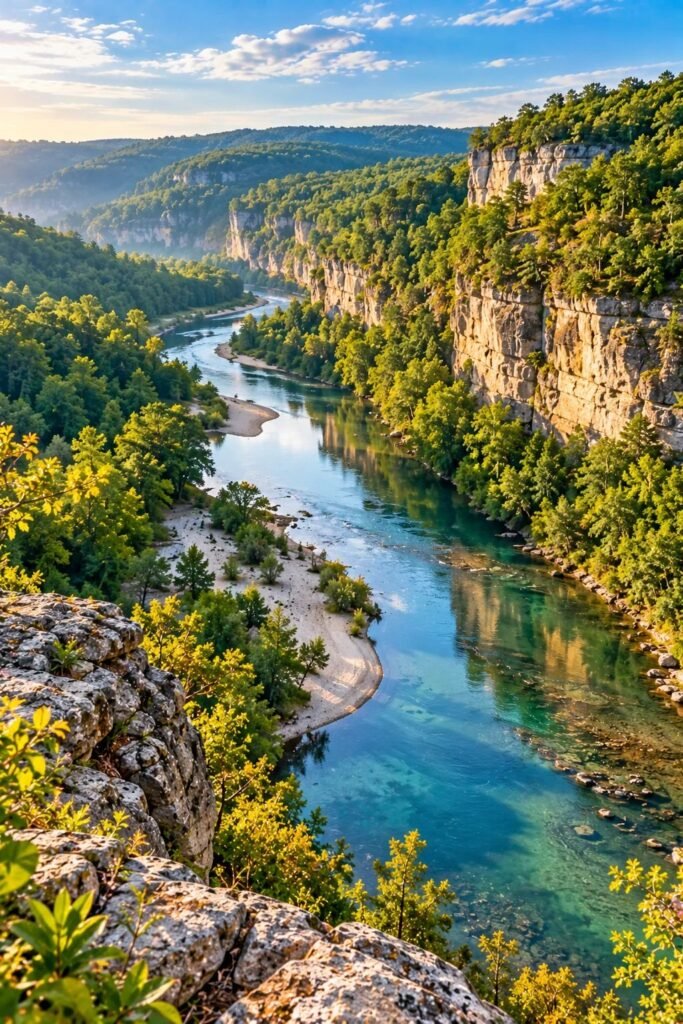
The Buffalo National River offers a refreshing combination of clear water, limestone bluffs, wooded hills, and quiet countryside. Protected as a national river, it preserves a beautiful section of the Ozarks and provides a wonderful setting for outdoor adventures.
Depending on the season and water levels, the river can be ideal for floating, paddling, or simply enjoying the scenery from its banks.
What to do: Explore designated trails, visit scenic river overlooks, enjoy wildlife watching, or arrange a guided paddling trip when conditions permit.
Travel tip: Spring and early summer can offer attractive river conditions, but water levels vary. Check local guidance before planning a float trip.
Read Maldives Travel Guide: Everything You Need to Know Before Visiting Paradise
5. California — Yosemite Valley
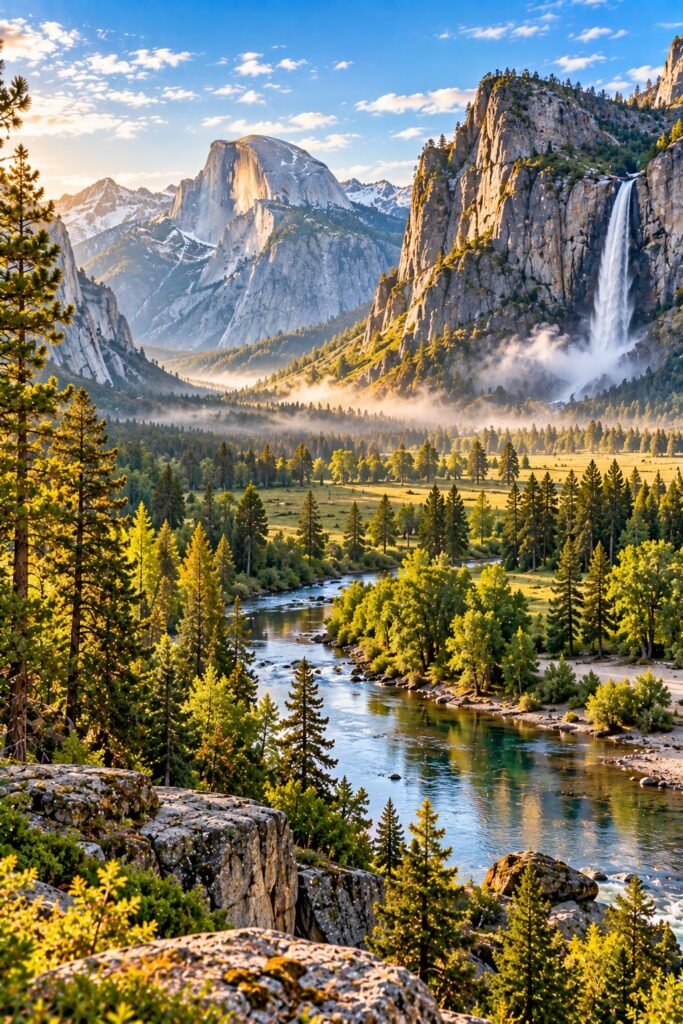
California has an extraordinary collection of natural landmarks, but Yosemite National Park deserves a special place on any nature lover’s bucket list.
Yosemite Valley is framed by immense granite cliffs, including El Capitan and Half Dome. Depending on the season, you may also see powerful waterfalls, flowering meadows, and autumn foliage beneath towering rock walls.
What to do: Visit Tunnel View, walk accessible sections of the valley paths, see Yosemite Falls, and spend time photographing the dramatic granite formations.
Travel tip: Spring is often excellent for waterfalls, while summer offers more hiking opportunities. Check current road conditions, parking arrangements, and any reservation requirements before traveling.
6. Colorado — Great Sand Dunes National Park and Preserve
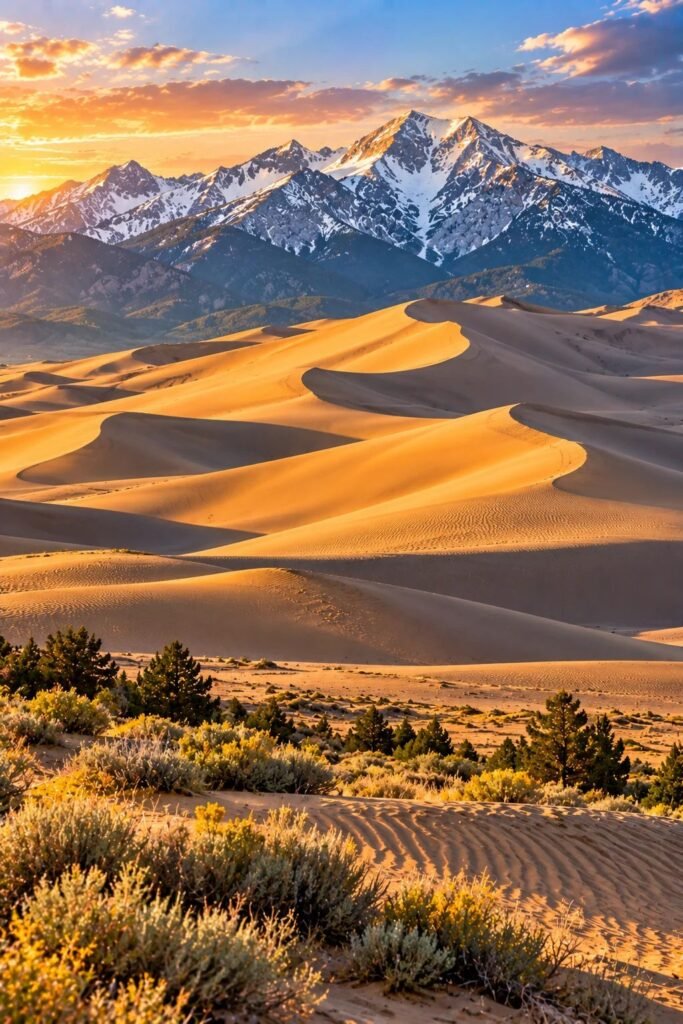
Imagine standing among enormous sand dunes with rugged mountains rising behind them. That is the remarkable landscape of Great Sand Dunes National Park and Preserve.
The dunes look almost out of place against the mountainous surroundings, creating one of the most distinctive landscapes in the American West. Wind continually reshapes the sand, so the scenery can look different from one visit to the next.
What to do: Walk across the dunes, photograph the mountains at sunrise, explore designated trails, and enjoy seasonal Medano Creek when water is flowing.
Travel tip: Sand can become extremely hot during summer afternoons. Visit early or later in the day, wear sturdy footwear, and check creek conditions before planning water activities.
7. Connecticut — Kent Falls
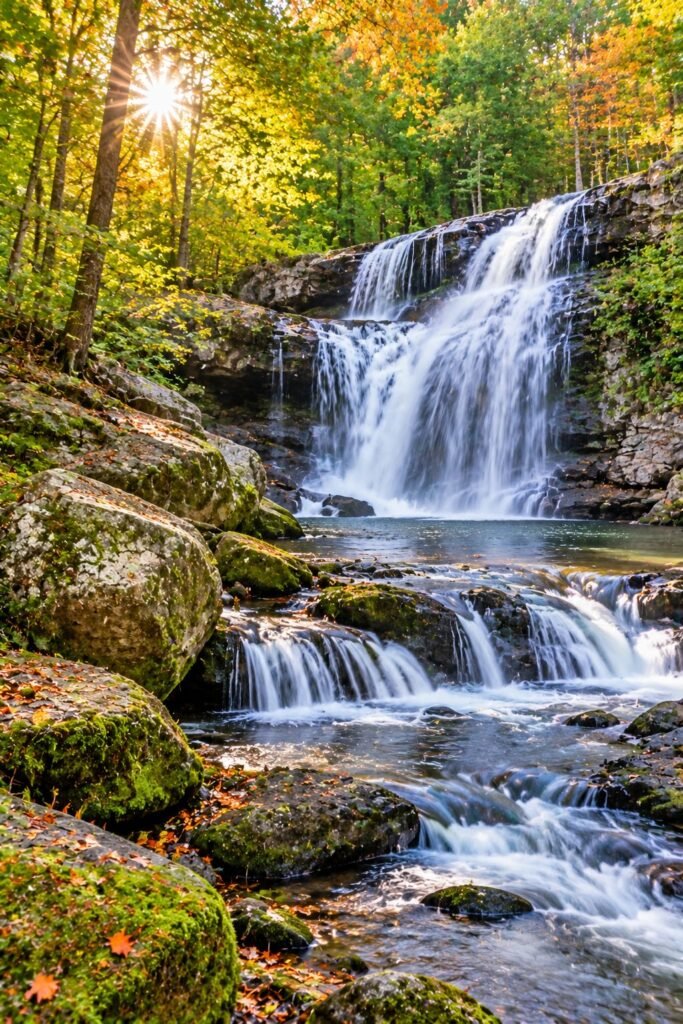
Connecticut may be known for its charming towns and historic architecture, but Kent Falls State Park reveals a beautiful natural side of the state.
The park’s cascading waterfalls tumble down a wooded hillside, creating a peaceful setting for a short outdoor excursion. Surrounded by trees and mossy rocks, the falls are especially attractive after rainfall and during the spring season.
What to do: Walk along designated paths, admire the waterfall from approved viewing areas, and explore the surrounding countryside.
Travel tip: Spring and early summer can be particularly scenic. Follow posted trail rules and avoid climbing on wet rocks around the falls.
8. Delaware — Cape Henlopen State Park
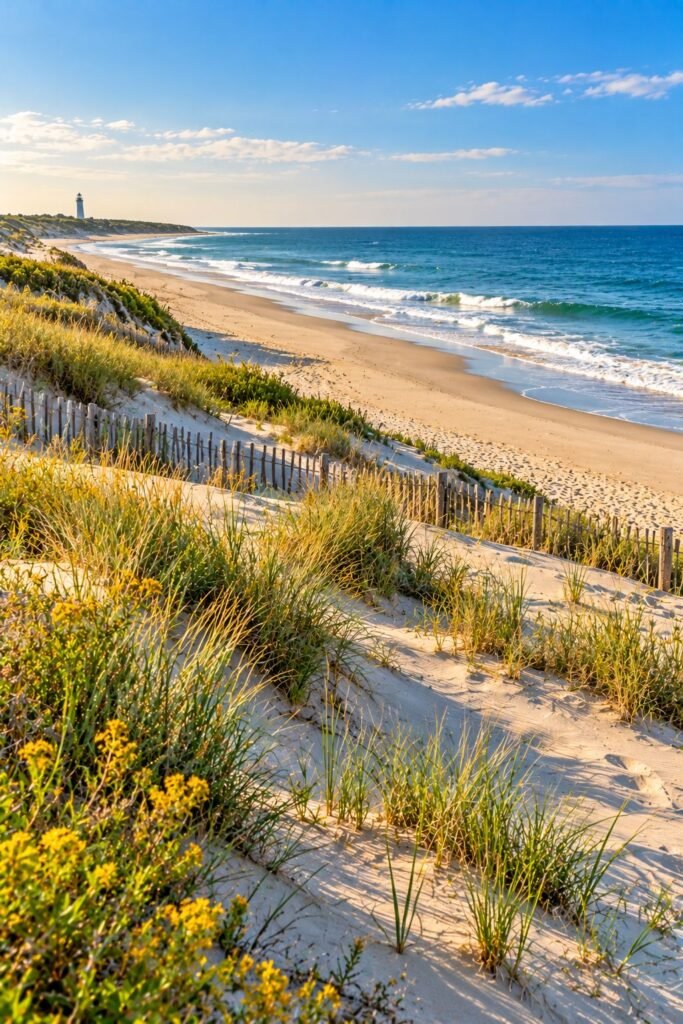
For a coastal escape, Cape Henlopen State Park offers sandy beaches, windswept dunes, maritime forests, and wide views of the Atlantic Ocean.
The meeting of ocean and bay creates an interesting variety of coastal habitats. It is also a wonderful place to slow down, enjoy the sea breeze, and appreciate how waves and wind continually shape the shoreline.
What to do: Walk along designated beach areas, cycle on park trails, enjoy birdwatching, and photograph the changing coastal light.
Travel tip: Summer is popular for beach visits, while spring and fall can be quieter. Check seasonal swimming conditions and wildlife protection notices before visiting.
9. Florida — Everglades National Park
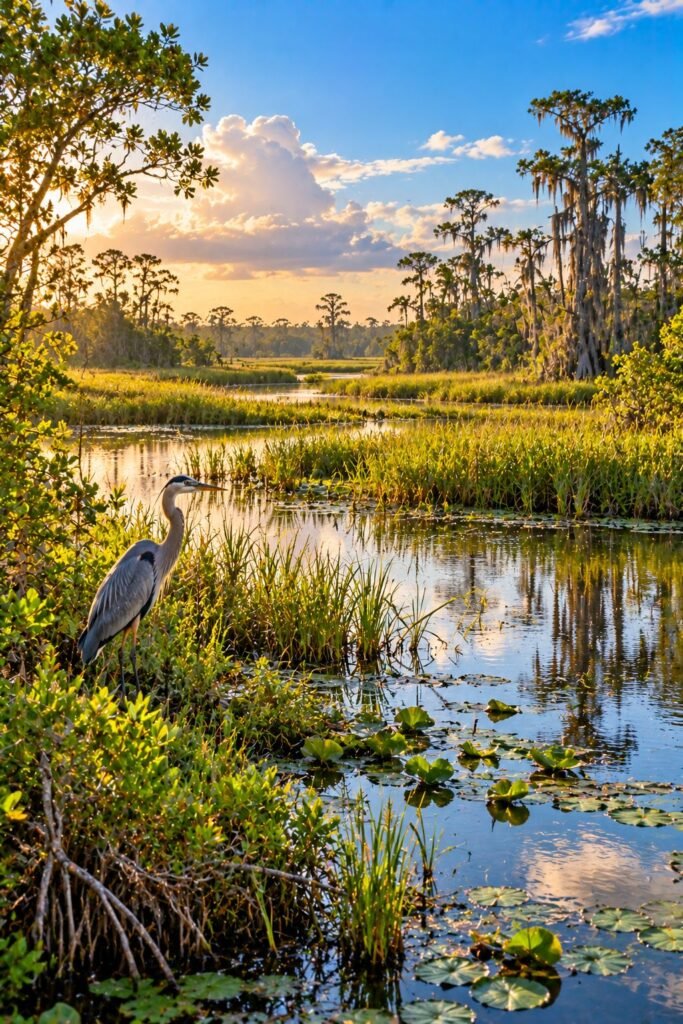
Florida’s Everglades National Park is a vast subtropical wilderness of wetlands, mangrove forests, waterways, and sawgrass marshes.
Unlike the dramatic mountain scenery found in western states, the Everglades reveals its beauty through delicate ecosystems and remarkable wildlife. Alligators, wading birds, turtles, and manatees in surrounding waterways are among the animals visitors may encounter in the wider region.
What to do: Explore visitor areas, walk designated boardwalks, join a ranger-led program, and look for birds from established viewing points.
Travel tip: The dry season, generally November through April, is often comfortable for wildlife watching. Bring insect protection and plenty of water, and never approach or feed wild animals.
10. Georgia — Okefenokee National Wildlife Refuge
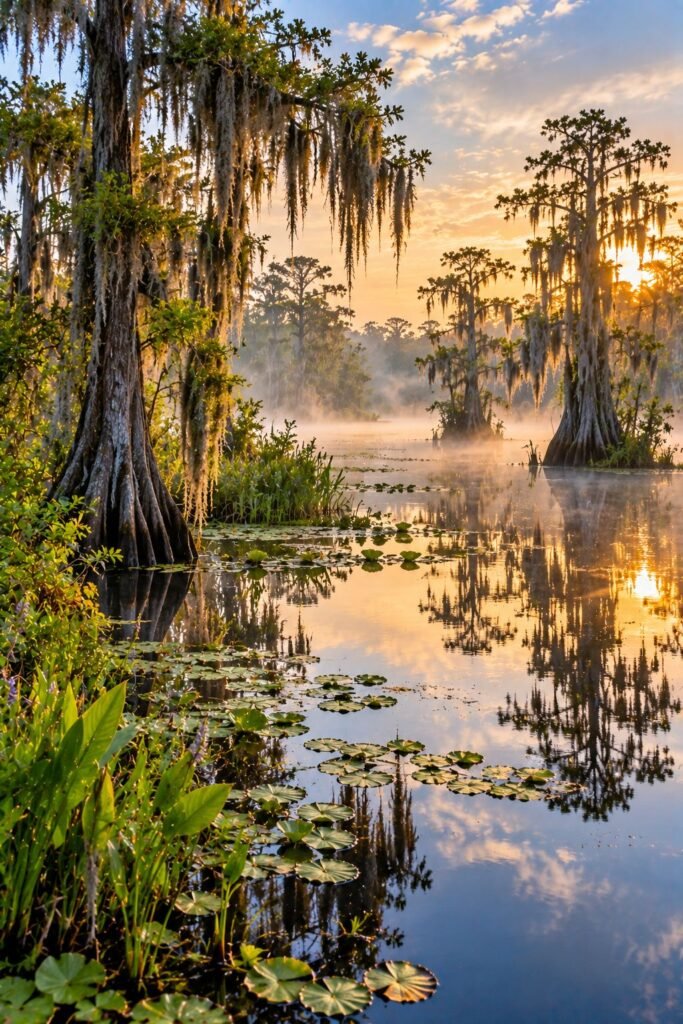
The Okefenokee National Wildlife Refuge protects one of America’s most distinctive swamp landscapes. Dark, reflective waterways wind between cypress trees, wetland vegetation, and islands of higher ground.
The refuge is an important habitat for numerous birds, reptiles, amphibians, and other wildlife. Its peaceful waterways can feel wonderfully remote, offering a different kind of adventure from the country’s mountain and desert destinations.
What to do: Take an authorized boat excursion, explore designated boardwalks, photograph the wetlands, and learn about the refuge’s wildlife.
Travel tip: Conditions vary with water levels and weather. Follow refuge guidance, keep a safe distance from wildlife, and use designated access points.
11. Hawaii — Hawaiʻi Volcanoes National Park
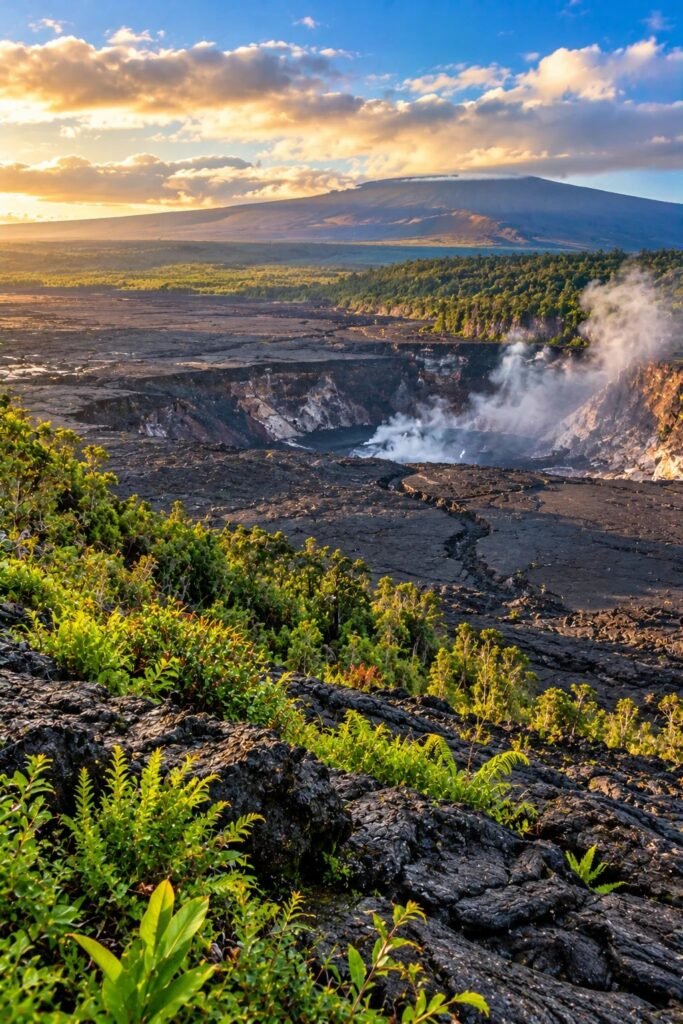
Hawaii’s volcanic origins are on full display at Hawaiʻi Volcanoes National Park. The landscape includes lava fields, volcanic craters, native forests, and geological formations that tell the story of an island still shaped by volcanic activity.
Walking through these surroundings offers a fascinating look at how life gradually returns to newly formed landscapes.
What to do: Visit designated crater viewpoints, explore open trails, learn about Hawaiian volcanic landscapes, and discover native plants along established routes.
Travel tip: Volcanic activity and access conditions can change. Check official park updates before traveling, remain behind barriers, and avoid areas affected by volcanic gases or unstable ground.
12. Idaho — Shoshone Falls
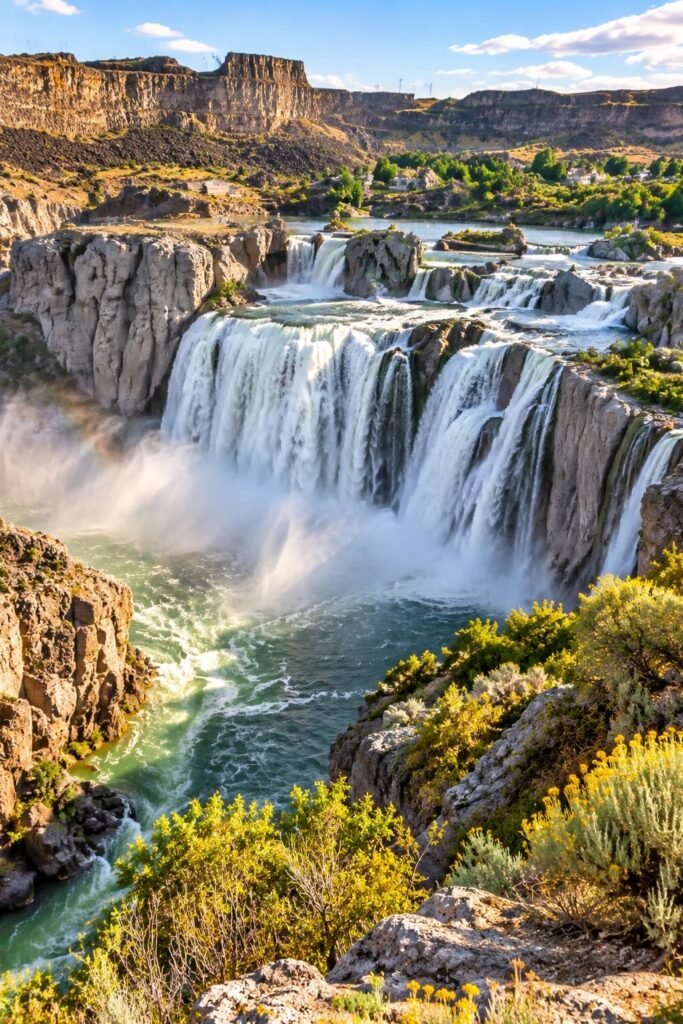
Often called the Niagara of the West, Shoshone Falls is one of Idaho’s most impressive natural attractions.
The waterfall plunges into a rugged canyon along the Snake River, creating a spectacular scene when water flows strongly over the edge.
Surrounding viewpoints provide excellent opportunities to appreciate the scale of the canyon and the power of the river.
What to do: Visit the designated overlooks, photograph the waterfall, and explore nearby scenic areas around Twin Falls.
Travel tip: Water flow varies with seasonal conditions and water management. Spring is often a good time to investigate, but check current conditions before making a special trip.
13. Illinois — Garden of the Gods Recreation Area
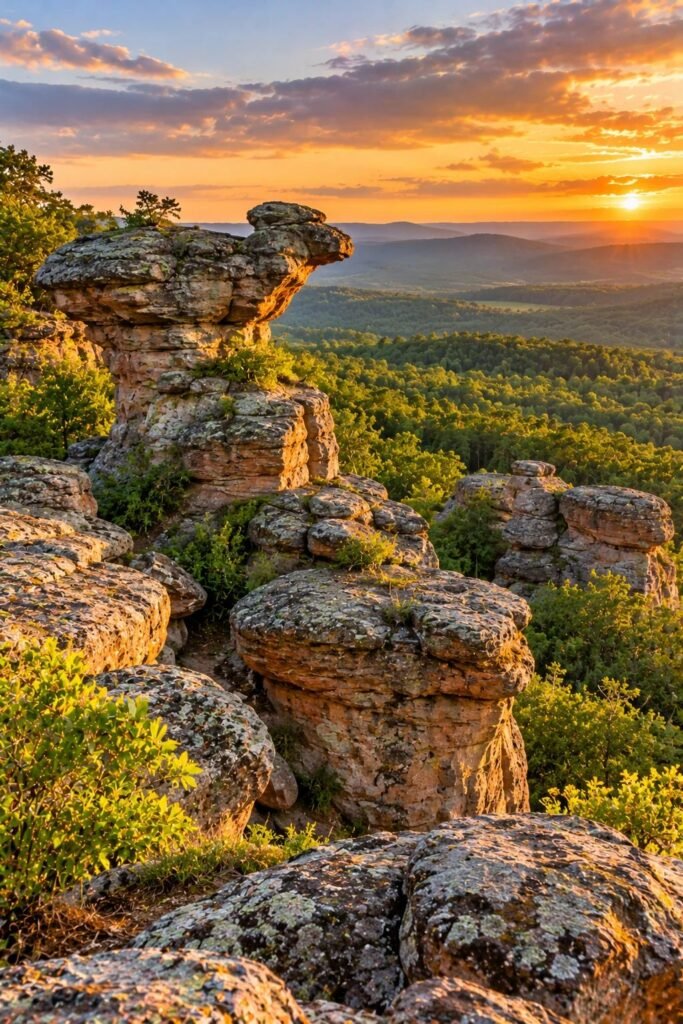
Southern Illinois has a surprising natural treasure in Garden of the Gods Recreation Area.
Here, weathered sandstone formations rise above forested hills, creating unusual shapes and sweeping views that feel quite different from the state’s familiar agricultural landscapes.
The short Observation Trail makes this a particularly appealing destination for travelers who want memorable scenery without committing to a long hike.
What to do: Walk the designated trail, photograph the sandstone formations, and enjoy the surrounding forest scenery.
Travel tip: Wear shoes with good traction and stay on established paths. Some exposed rock edges have steep drop-offs, so take extra care around viewpoints.
14. Indiana — Indiana Dunes National Park
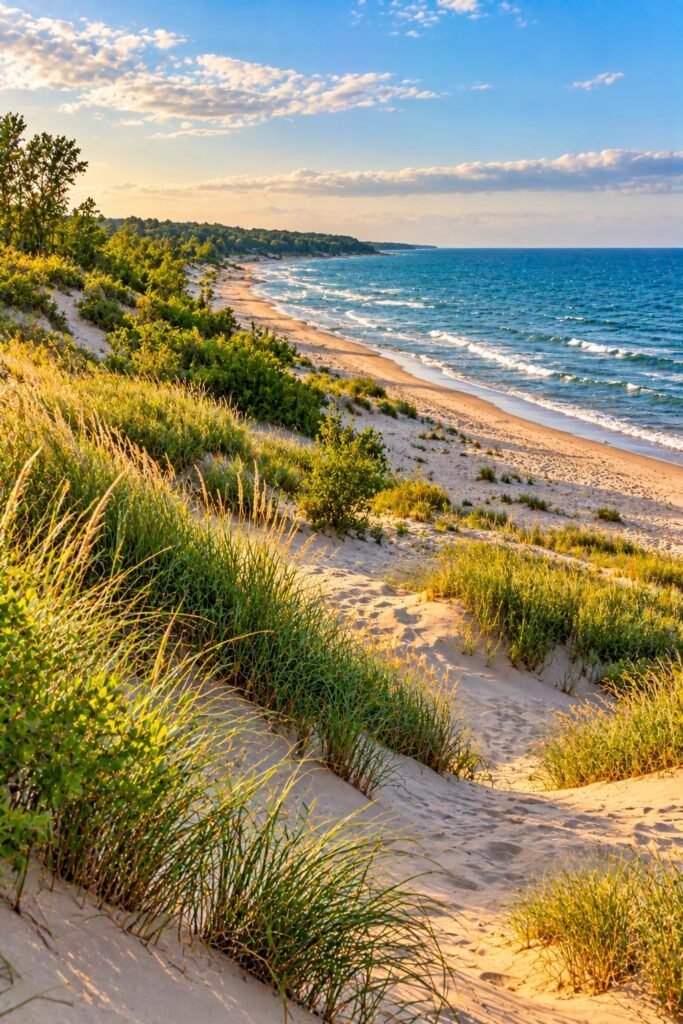
Along the southern shore of Lake Michigan, Indiana Dunes National Park combines sandy beaches, rolling dunes, wetlands, woodlands, and surprisingly diverse plant life.
The landscape is especially appealing because it changes so much within a relatively small area. You can enjoy a lakeside walk, explore a forest trail, or observe birds in wetland habitats during the same visit.
What to do: Visit designated beaches, hike marked trails, watch birds, and explore the park’s different ecological environments.
Travel tip: Summer is popular for beach activities, while spring and fall can offer excellent birdwatching. Check swimming advisories and beach conditions before entering the water.
15. Iowa — Loess Hills
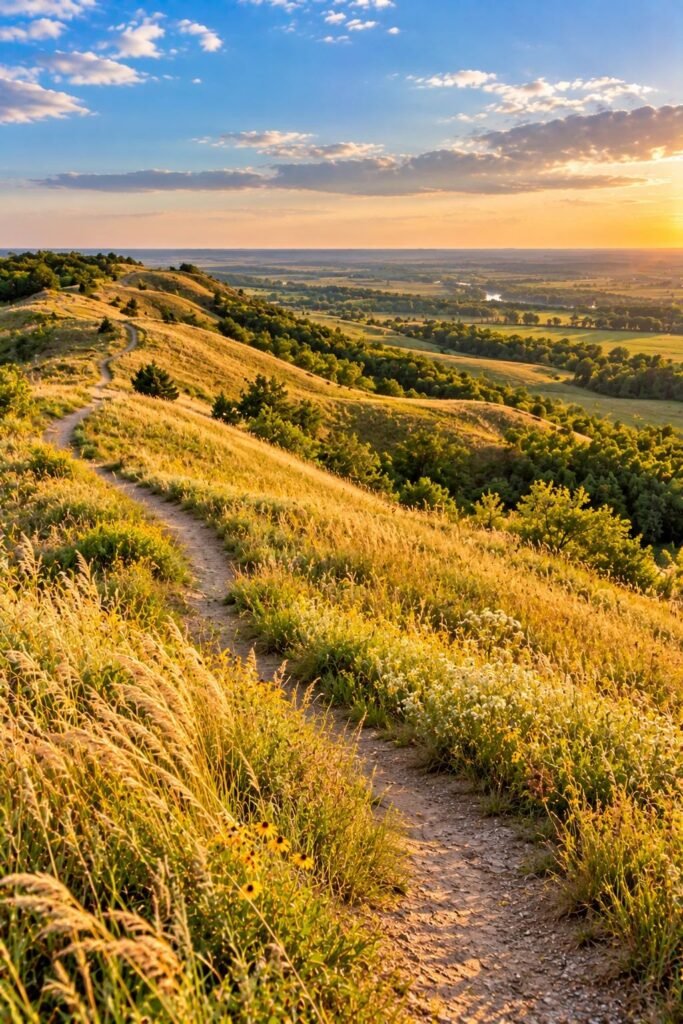
The Loess Hills form a distinctive landscape of steep-sided hills made from fine windblown sediment.
Their unusual contours create a series of ridges, valleys, and open grasslands that contrast beautifully with Iowa’s more familiar agricultural scenery. The area also supports native prairie plants and wildlife.
What to do: Explore designated nature preserves, photograph the rolling hills, and walk marked trails through prairie habitats.
Travel tip: Late spring and summer can bring beautiful prairie vegetation, while autumn offers warm colors. Because access varies by preserve, check the rules for the specific site you plan to visit.
16. Kansas — Tallgrass Prairie National Preserve
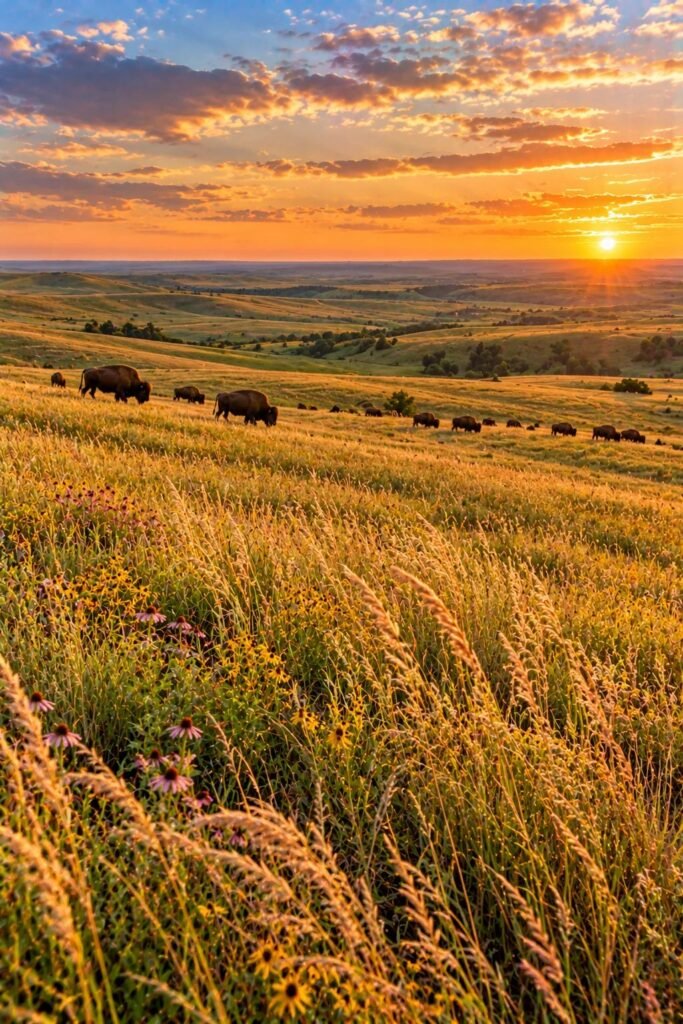
The Tallgrass Prairie National Preserve protects a landscape that once covered enormous portions of central North America.
Instead of towering mountains or deep canyons, the prairie offers endless-looking grasslands, wildflowers, open skies, and a peaceful sense of space. Its beauty changes with the seasons, from fresh spring growth to golden summer grasses and autumn colors.
What to do: Walk designated trails, join available interpretive programs, observe native plants, and look for bison from a safe distance.
Travel tip: Summer can be hot and exposed, so bring water, sun protection, and appropriate footwear. Check preserve hours and trail access before visiting.
17. Kentucky — Mammoth Cave National Park
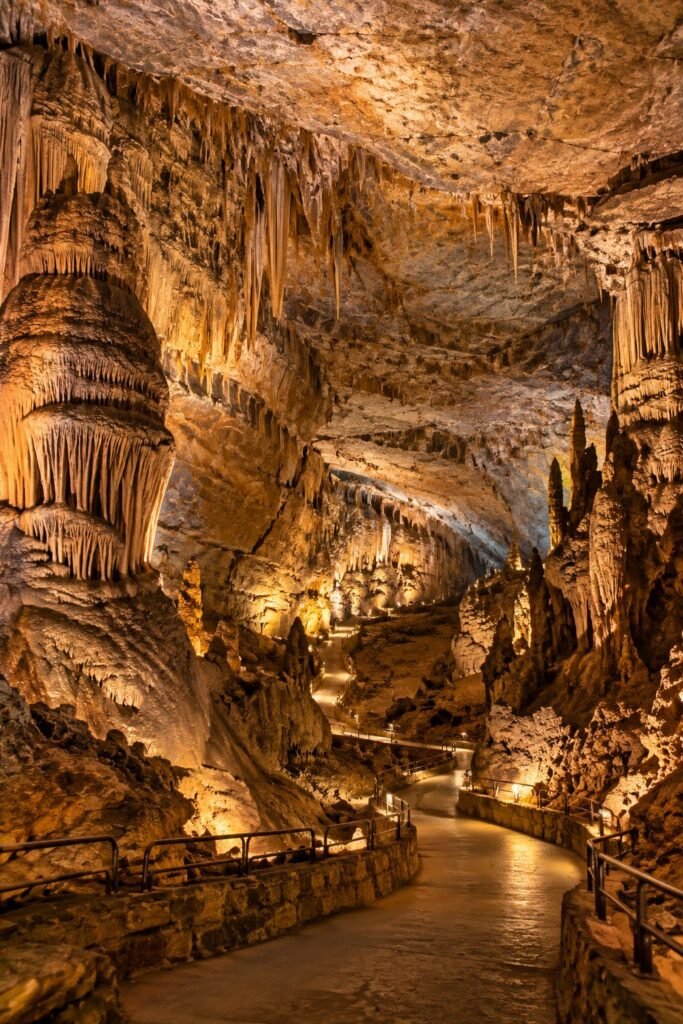
Kentucky’s Mammoth Cave National Park protects the world’s longest-known cave system, an extraordinary underground network shaped by water moving through limestone over vast periods of time.
Inside the cave, visitors can encounter enormous chambers, winding passages, and fascinating geological features. Above ground, the park also contains forests, rivers, and trails that deserve time of their own. U.S. Department of the Interior
What to do: Reserve an official cave tour, explore designated woodland trails, and learn about the region’s geology and cave ecology.
Travel tip: Cave tours have different physical requirements, so read each tour description carefully before booking. Reservations are often advisable, particularly during busy travel periods.
18. Louisiana — Atchafalaya Basin
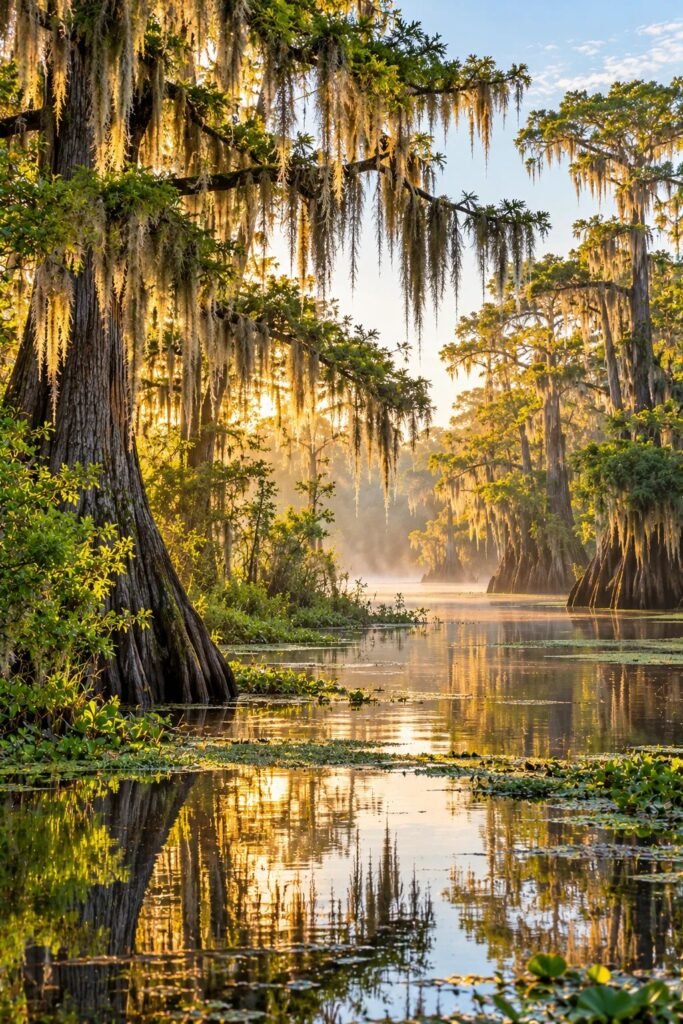
The Atchafalaya Basin showcases the atmospheric beauty of Louisiana’s wetlands. Cypress trees rise from calm waterways, Spanish moss hangs from branches, and wetland vegetation provides habitat for birds, fish, and other wildlife.
The basin is a wonderful place to appreciate the state’s close connection to water and the ecological importance of its swamps and floodplains.
What to do: Take a guided swamp tour with a responsible local operator, enjoy birdwatching, and explore authorized nature trails or visitor areas.
Travel tip: Conditions can be humid and buggy, so pack insect repellent and lightweight clothing. Stay with your guide in unfamiliar waterways and respect wildlife.
19. Maine — Acadia National Park
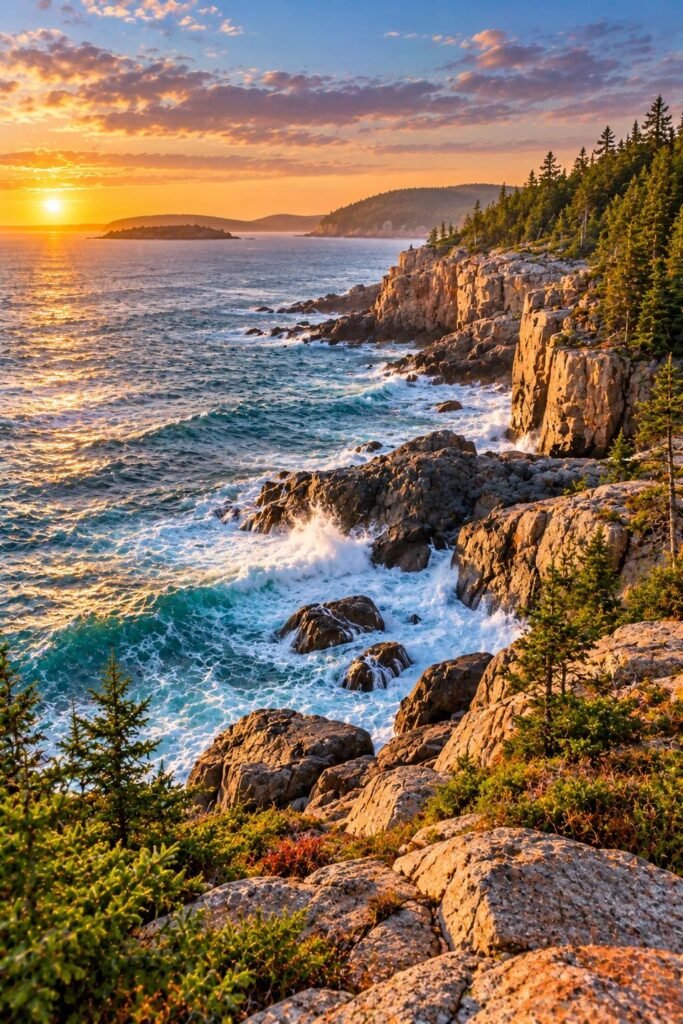
Maine’s Acadia National Park combines rocky Atlantic coastlines, granite mountains, forested trails, and peaceful lakes.
The meeting of land and sea is the park’s greatest charm. One moment you can be walking through a quiet forest; the next, you can be looking out over waves breaking against rugged coastal rocks.
What to do: Explore the Park Loop Road, walk designated coastal paths, visit scenic overlooks, and discover the carriage roads and forest trails.
Travel tip: Autumn brings beautiful foliage, while summer is popular for coastal exploration. Coastal weather can be windy and cold even when inland temperatures are comfortable, so pack layers.
20. Maryland — Assateague Island National Seashore
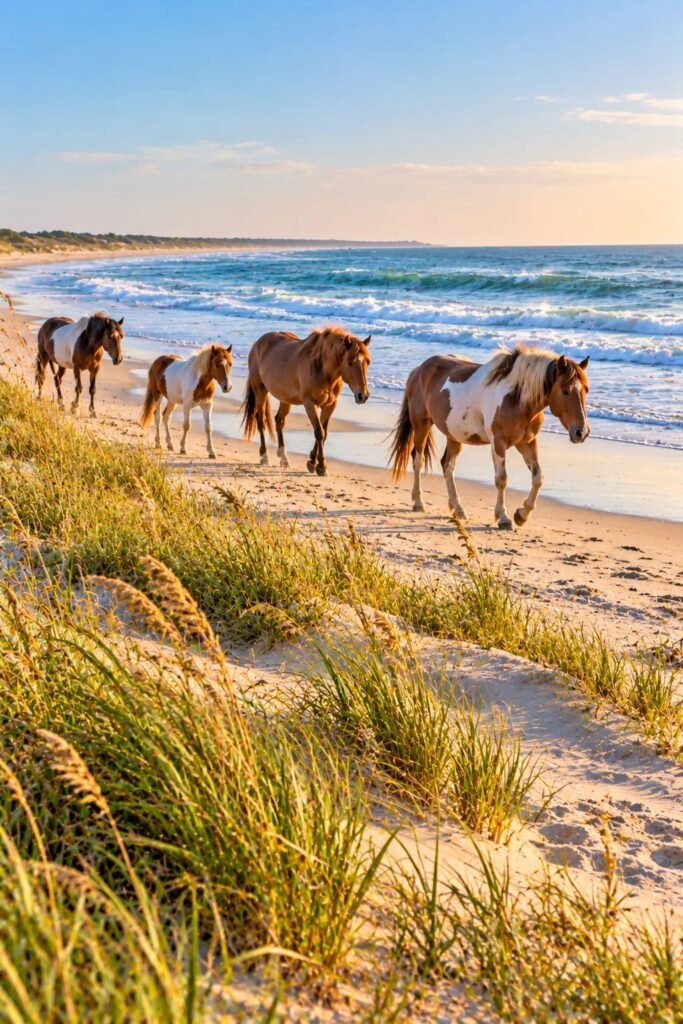
Assateague Island National Seashore is known for its windswept beaches, coastal dunes, salt marshes, and free-roaming horses.
The island’s scenery feels wonderfully wild, particularly where the beach stretches toward the horizon with little development in sight. Its habitats also support migratory birds and other coastal wildlife.
What to do: Walk on permitted beach areas, observe wildlife from a distance, photograph the dunes, and explore designated nature trails.
Travel tip: The horses are wild animals, not pets. Never feed or approach them, and check seasonal beach access, insect conditions, and weather forecasts before visiting.
21. Massachusetts — Cape Cod National Seashore
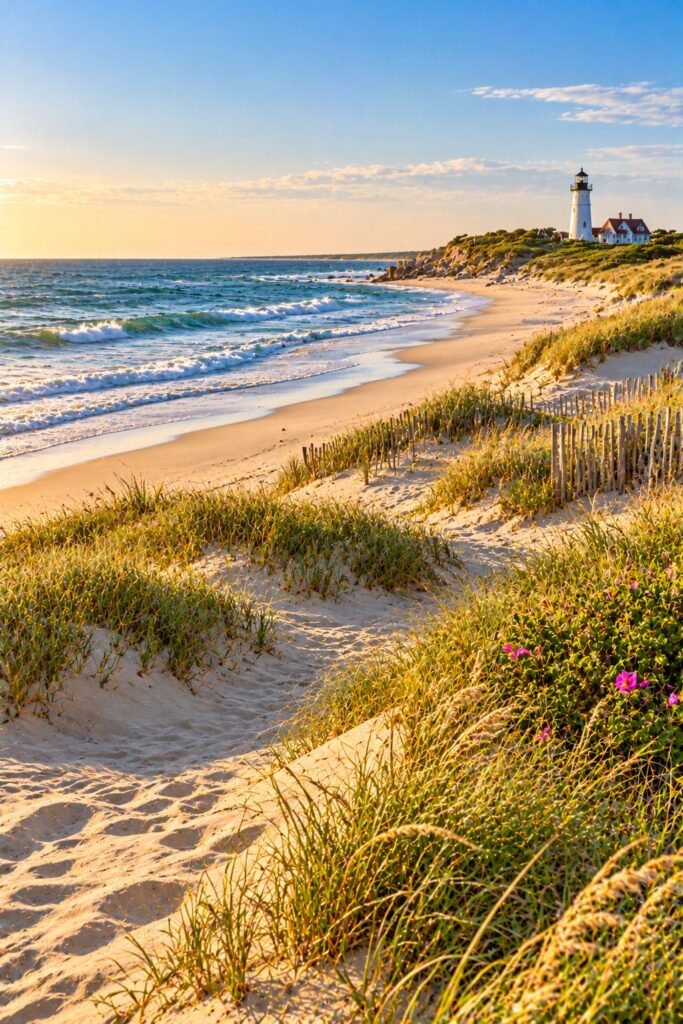
The Cape Cod National Seashore protects a beautiful stretch of Atlantic coastline, including sandy beaches, dunes, marshes, and coastal ponds.
It is an ideal destination for travelers who love open horizons and peaceful beach walks. The landscape can feel dramatically different throughout the year, from lively summer beaches to quiet winter shores.
What to do: Visit designated beaches, walk coastal trails, observe shorebirds, and explore scenic viewpoints along the cape.
Travel tip: Summer is ideal for many beach activities, but parking can fill quickly. Check surf conditions, seasonal facilities, and swimming advisories before heading out.
22. Michigan — Sleeping Bear Dunes National Lakeshore
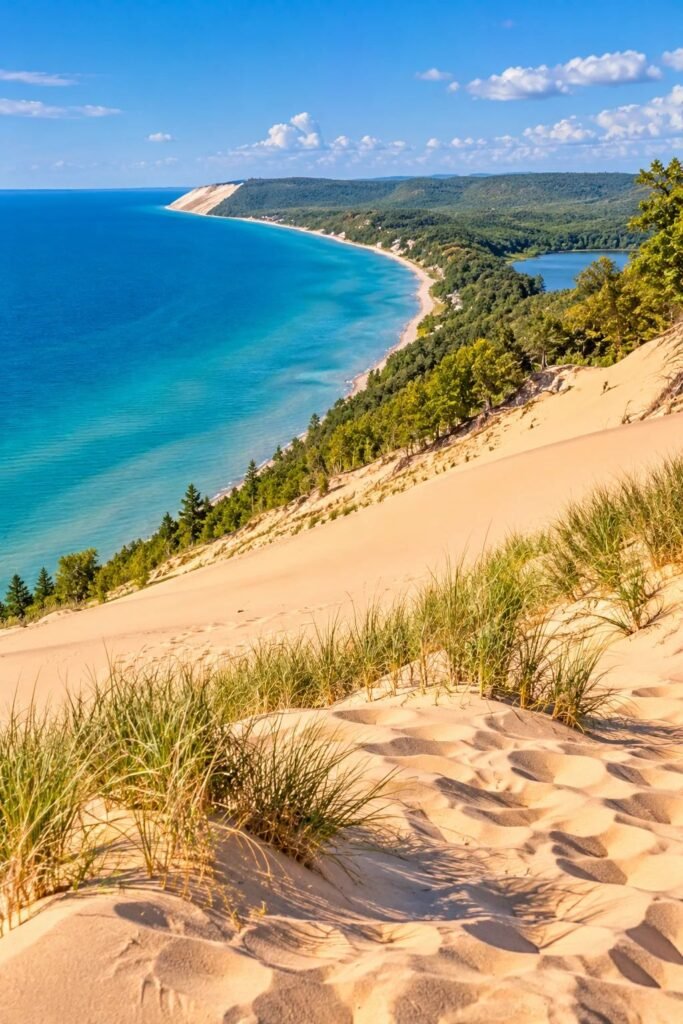
Sleeping Bear Dunes National Lakeshore is famous for its immense sandy bluffs overlooking Lake Michigan.
The dunes create dramatic changes in elevation, while the lake’s blue water gives the landscape an almost coastal-resort appearance. Forests, inland lakes, and scenic drives make this a destination worth exploring beyond the main viewpoints.
What to do: Visit the Pierce Stocking Scenic Drive, explore designated trails, and enjoy the views from approved overlooks.
Travel tip: Dune slopes can be exhausting to climb, and descending does not guarantee an easy return. Follow posted warnings and avoid steep areas where access is restricted.
23. Minnesota — Boundary Waters Canoe Area Wilderness
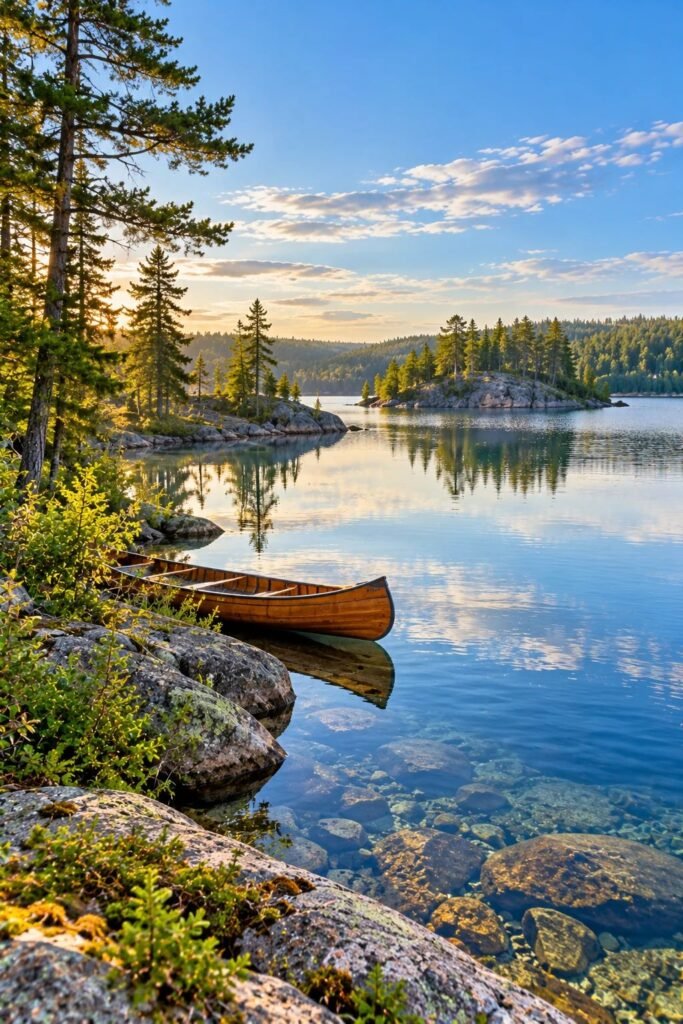
The Boundary Waters Canoe Area Wilderness is a remarkable landscape of interconnected lakes, rocky shorelines, pine forests, and quiet waterways.
Its appeal lies in the feeling of being surrounded by nature. Paddling between lakes or watching the evening light settle over the water offers a slower, more reflective kind of adventure.
What to do: Arrange a permitted canoe trip, explore authorized shoreline trails, watch for wildlife, and enjoy the quiet lakeside scenery.
Travel tip: Wilderness trips require careful planning, suitable equipment, and knowledge of changing weather. Check permit requirements and prepare for limited services in remote areas.
24. Mississippi — Red Bluff
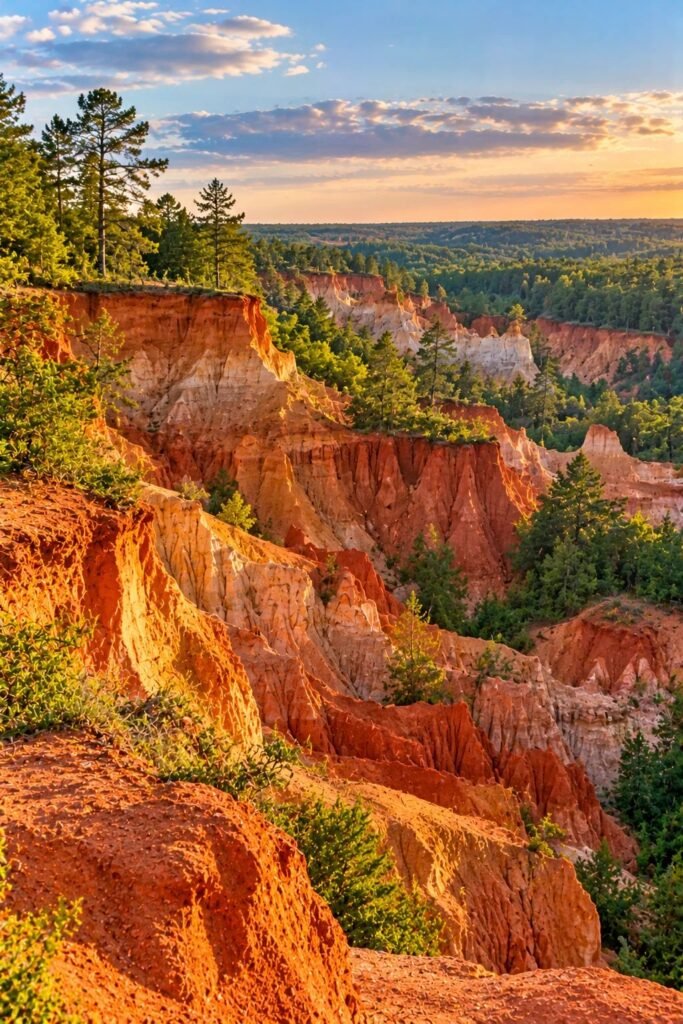
Often nicknamed the Little Grand Canyon of Mississippi, Red Bluff features striking red and orange earth exposed by erosion.
The landscape stands out against the surrounding green countryside, with steep slopes and irregular ravines revealing layers of soil and sediment. It is a reminder that fascinating geological scenery can appear far beyond America’s famous national parks.
What to do: Enjoy views from safe, publicly accessible areas where permitted and photograph the unusual colors and contours.
Travel tip: Access and land conditions can change, and some areas may be restricted or unstable. Confirm current public access before visiting, and never climb eroded slopes.
25. Missouri — Elephant Rocks State Park
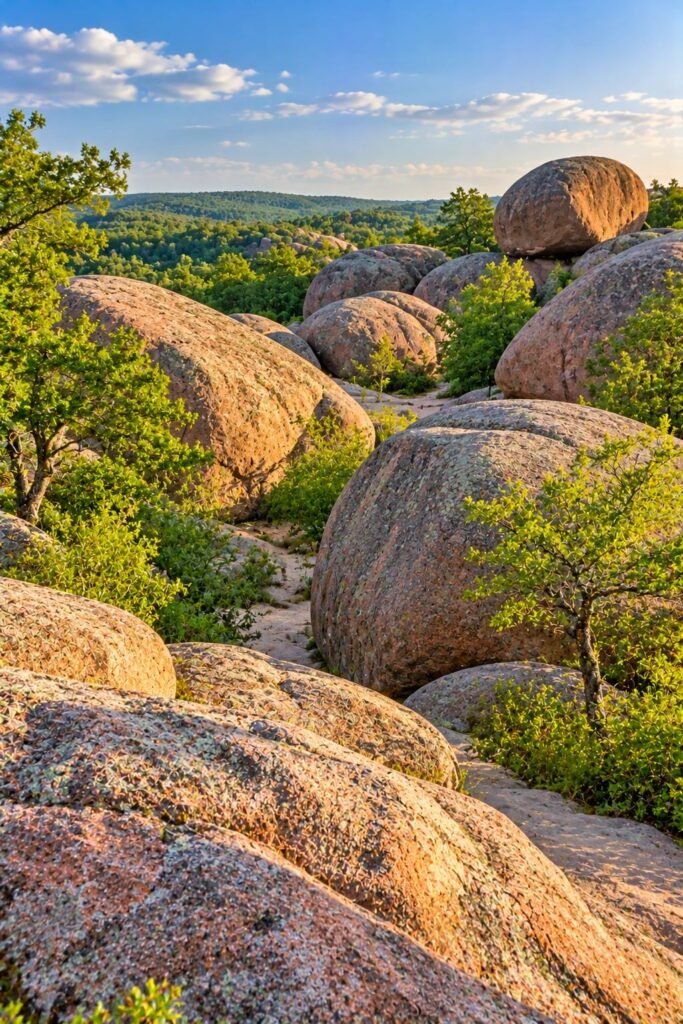
At Elephant Rocks State Park, enormous rounded granite boulders sit together in formations that resemble a line of elephants.
The rocks formed through a long geological process involving granite, weathering, and erosion. Their unusual shapes and reddish-pink tones make this park a memorable destination for geology enthusiasts and families.
What to do: Walk the designated interpretive trail, admire the giant boulders, and learn about the area’s geological history.
Travel tip: Some rock surfaces are uneven and slippery. Wear sturdy shoes and stay within safe, permitted areas rather than climbing onto unstable formations.
26. Montana — Glacier National Park
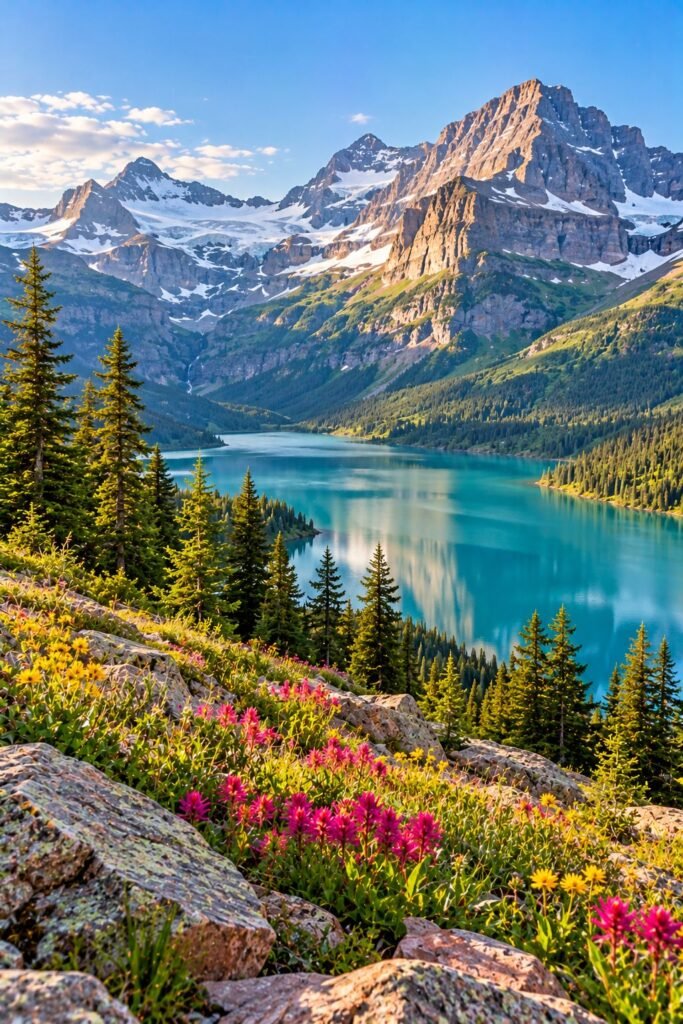
Glacier National Park is a dream destination for anyone who loves dramatic mountain scenery.
Jagged peaks rise above alpine lakes, wildflower meadows, and forests. The park’s landscape was heavily shaped by glaciers, leaving behind deep valleys and spectacular mountain views.
What to do: Explore accessible lakefront paths, visit scenic viewpoints, take a permitted drive along open sections of Going-to-the-Sun Road, and look for wildlife from safe distances.
Travel tip: Many high-elevation roads and trails are seasonal. Check current road access, possible vehicle reservation requirements, and trail conditions before your trip.
27. Nebraska — Chimney Rock National Historic Site
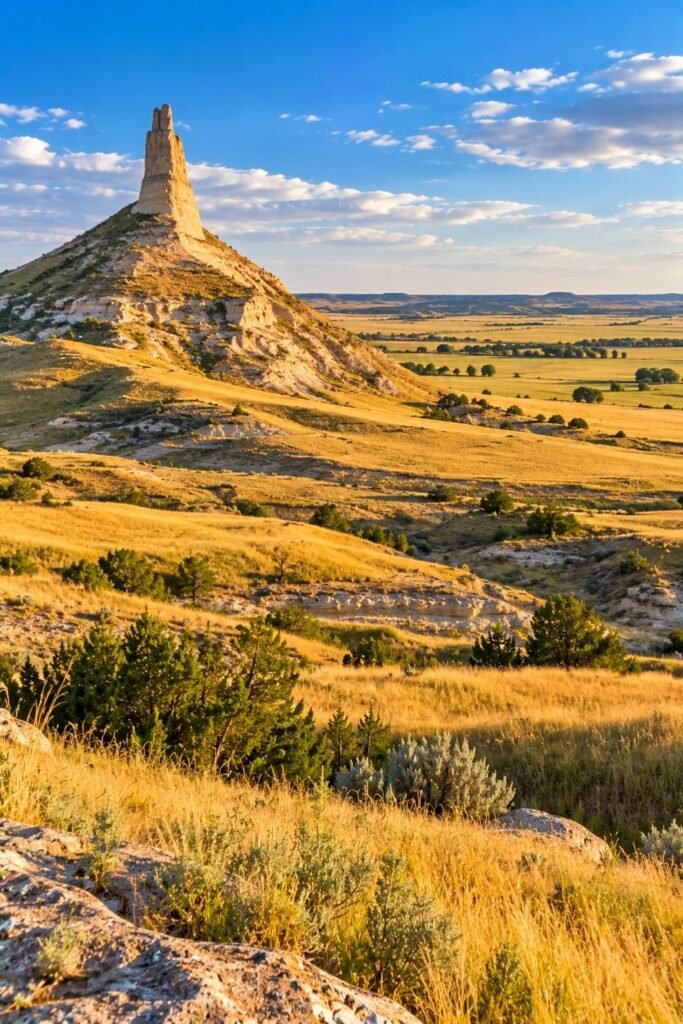
Rising above the surrounding prairie, Chimney Rock National Historic Site is one of the Great Plains’ most recognizable geological landmarks.
Its tall rock spire and surrounding formations provide a striking contrast with the wide, open landscape. The landmark also became an important reference point for travelers crossing the American West along historic migration routes.
What to do: View Chimney Rock from designated areas, visit the interpretive center when open, and photograph the formation against the prairie sky.
Travel tip: The surrounding region is exposed to sun and wind, so bring water and sun protection. Check visitor center hours before traveling.
28. Nevada — Valley of Fire State Park
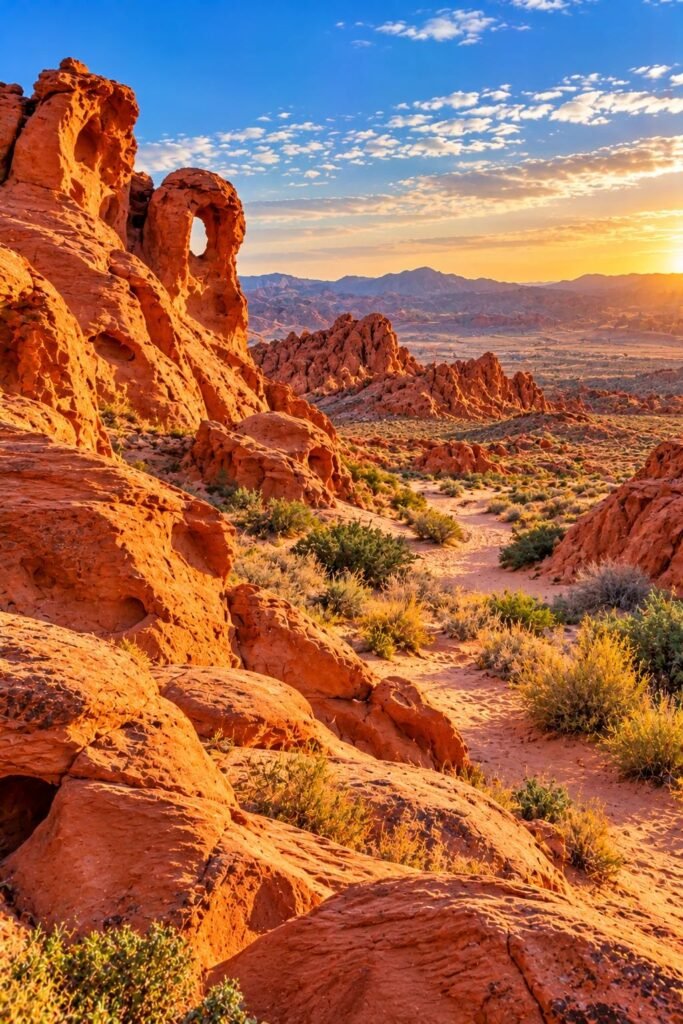
Valley of Fire State Park looks like a landscape painted in shades of fiery red, orange, and cream.
The park’s sandstone formations have been shaped by erosion over time, creating arches, ridges, and unusual rock patterns. The contrast between the bright stone and the surrounding desert is especially beautiful in the early morning and late afternoon.
What to do: Drive the scenic park roads, explore designated hiking trails, and visit permitted viewpoints for photographs.
Travel tip: Temperatures can become dangerously hot in summer. Plan strenuous activities for cooler periods, carry sufficient water, and follow all park closures and heat advisories.
29. New Hampshire — Mount Washington
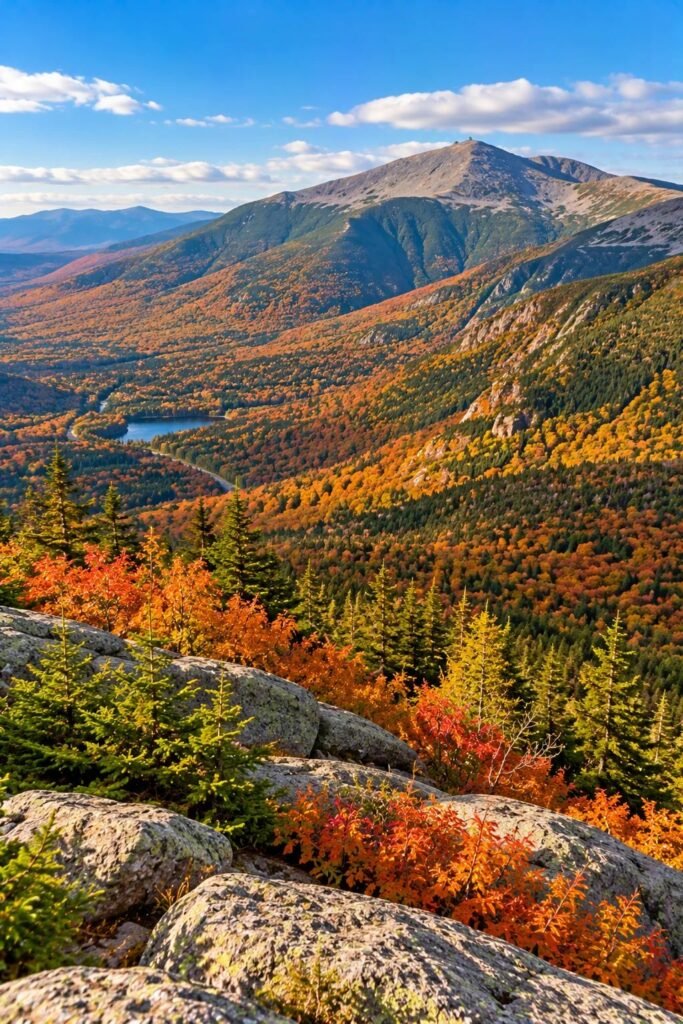
Mount Washington rises above the White Mountains and is famous for its exposed summit and rapidly changing weather.
Its surroundings offer rugged peaks, forested valleys, and beautiful views across northern New England. Autumn can be particularly spectacular, when forests below the mountain turn shades of red, orange, and gold.
What to do: Explore lower-elevation trails, visit scenic viewpoints, and consider an authorized summit excursion when operating conditions allow.
Travel tip: Summit weather can be much harsher than conditions at the base. Check forecasts and official operating information before choosing a route.
30. New Jersey — Delaware Water Gap National Recreation Area
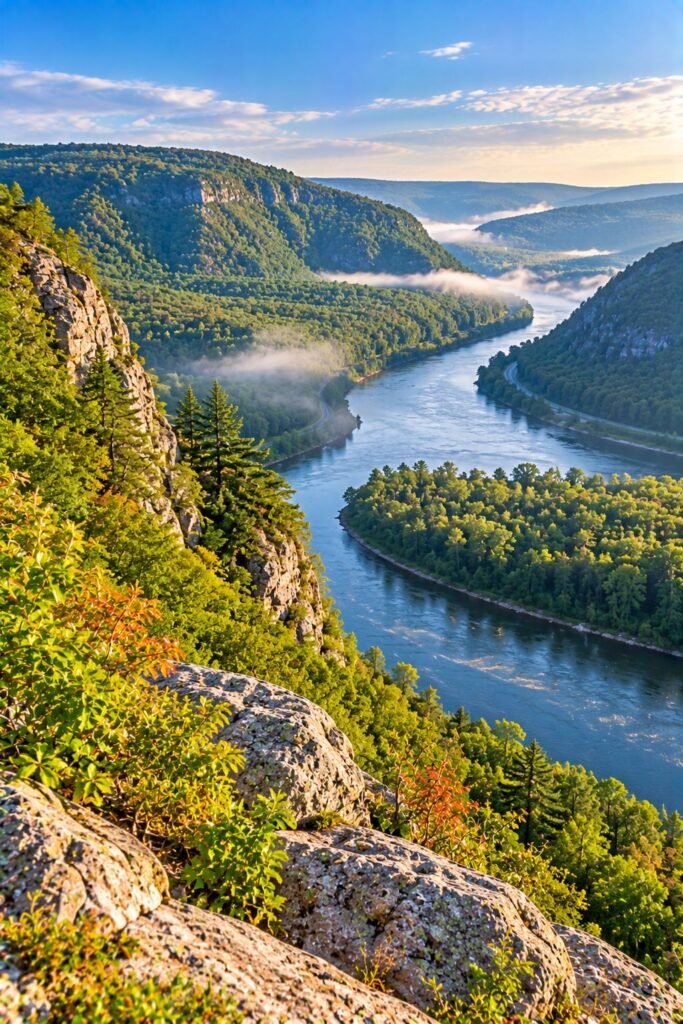
The Delaware Water Gap National Recreation Area protects a scenic stretch of the Delaware River surrounded by forested mountains and rocky ridges.
Its landscape combines river views, wooded hiking trails, waterfalls, and peaceful countryside, making it an excellent choice for travelers looking for a nature escape in the northeastern United States.
What to do: Explore designated hiking routes, visit scenic overlooks, and enjoy permitted river activities when conditions are safe.
Travel tip: Spring and autumn are especially appealing for scenery. River currents can be strong, so follow official water safety guidance and use designated access points.
31. New Mexico — White Sands National Park
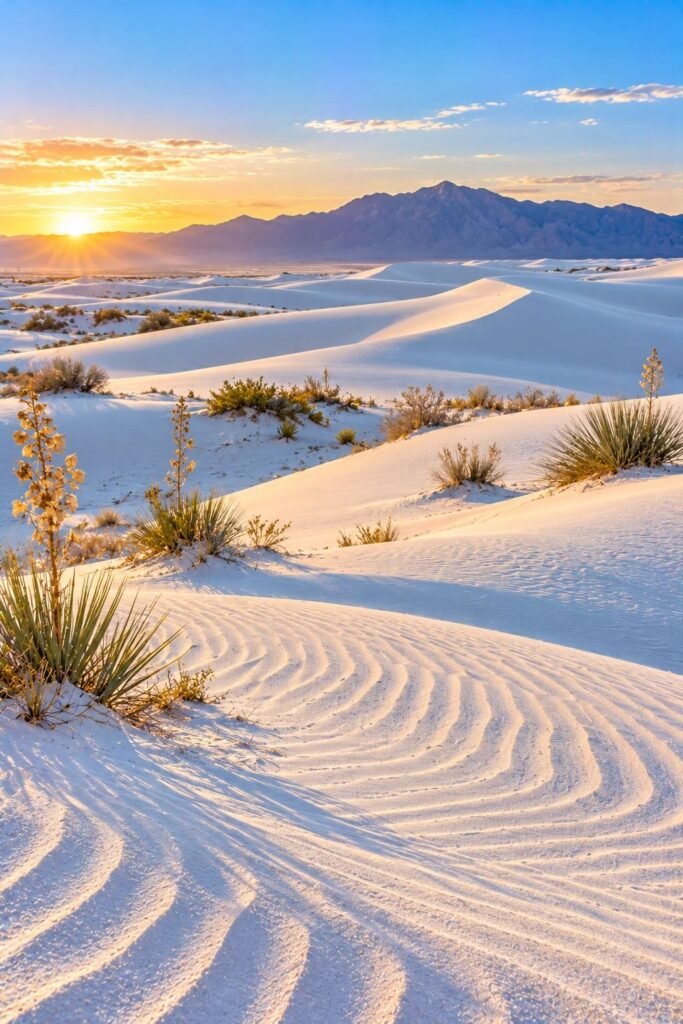
White Sands National Park is one of the most unusual landscapes in the country. Its vast white gypsum dunes create the impression of a snowy desert, even under a bright blue sky.
The dunes are constantly reshaped by the wind, creating soft curves and changing patterns. The contrast between the pale sand and distant mountains makes this an especially memorable destination for photography.
What to do: Walk marked dune routes, take photographs at sunrise or sunset, and learn about the area’s distinctive gypsum geology.
Travel tip: Bring water, sun protection, and navigation assistance. The white dunes can make distances difficult to judge, and temporary closures may occur because of nearby military testing.
32. New York — Niagara Falls
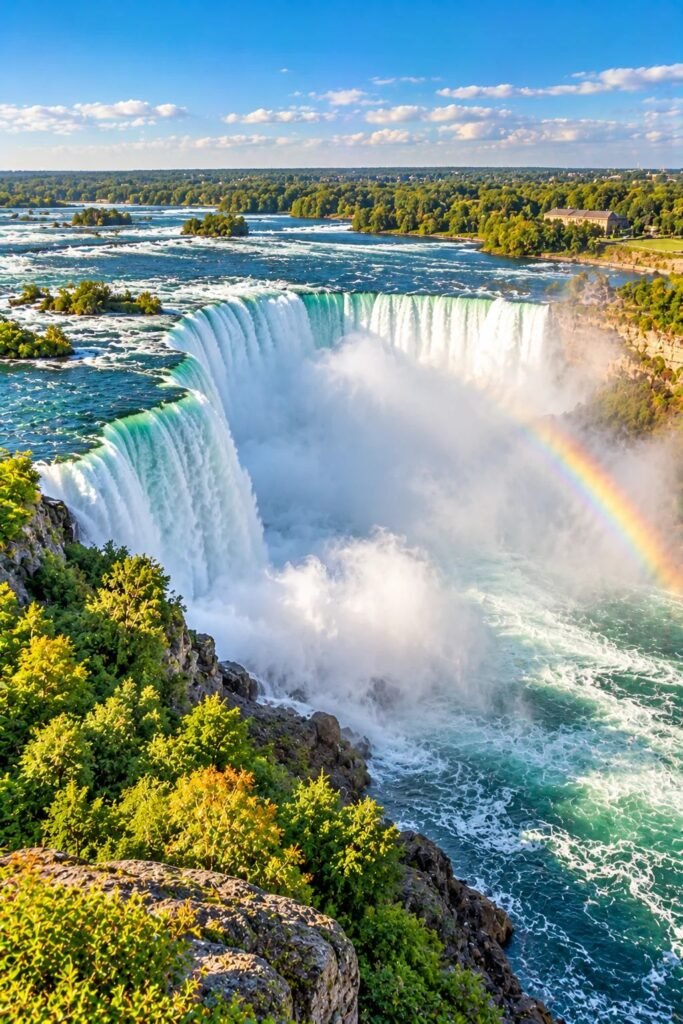
Niagara Falls State Park offers one of the most powerful waterfall experiences in North America.
The enormous volume of water, rising mist, and constant roar make the falls unforgettable. The surrounding park provides several viewpoints, allowing visitors to appreciate the spectacle from different angles.
What to do: Walk the park’s scenic paths, visit observation points, and consider a seasonal boat excursion when operating.
Travel tip: Summer generally offers the widest range of visitor activities, while colder months can create beautiful icy scenery. Wear layers and expect spray near the falls.
33. North Carolina — Jockey’s Ridge State Park
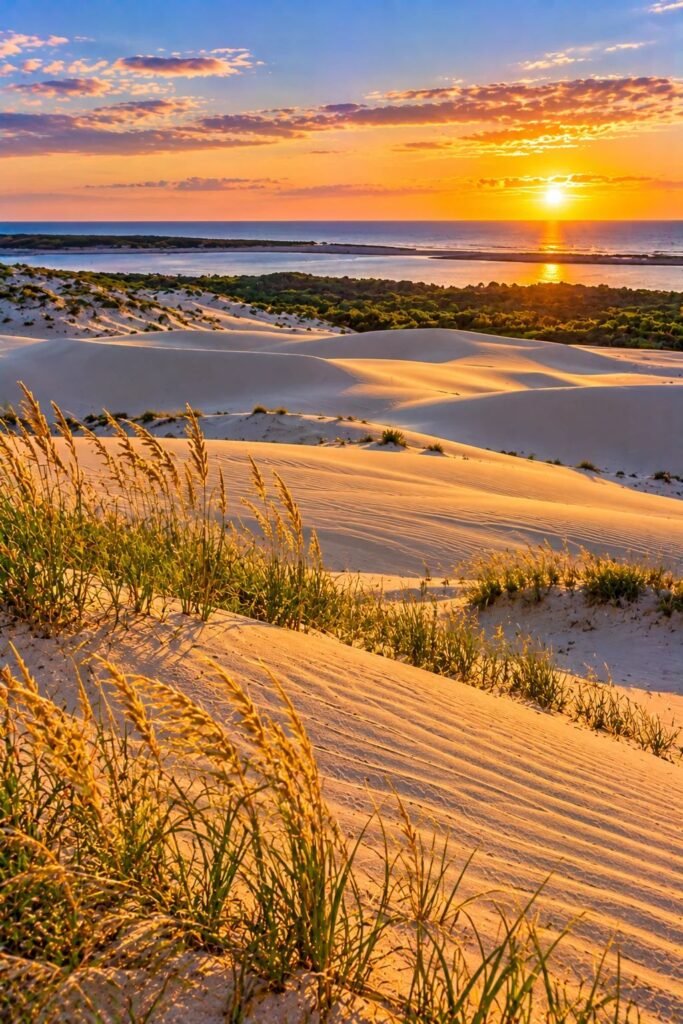
Jockey’s Ridge State Park contains enormous shifting sand dunes overlooking the Outer Banks.
The landscape feels expansive and almost desert-like, with dunes rising above nearby coastal communities and waterways. It is a beautiful place to watch the sky change colors over the coast.
What to do: Walk the designated dune areas, enjoy sunset views, and learn about the park’s unique coastal environment.
Travel tip: Sand can be very hot during summer. Wear appropriate footwear, carry water, and stay aware of changing wind conditions.
34. North Dakota — Theodore Roosevelt National Park
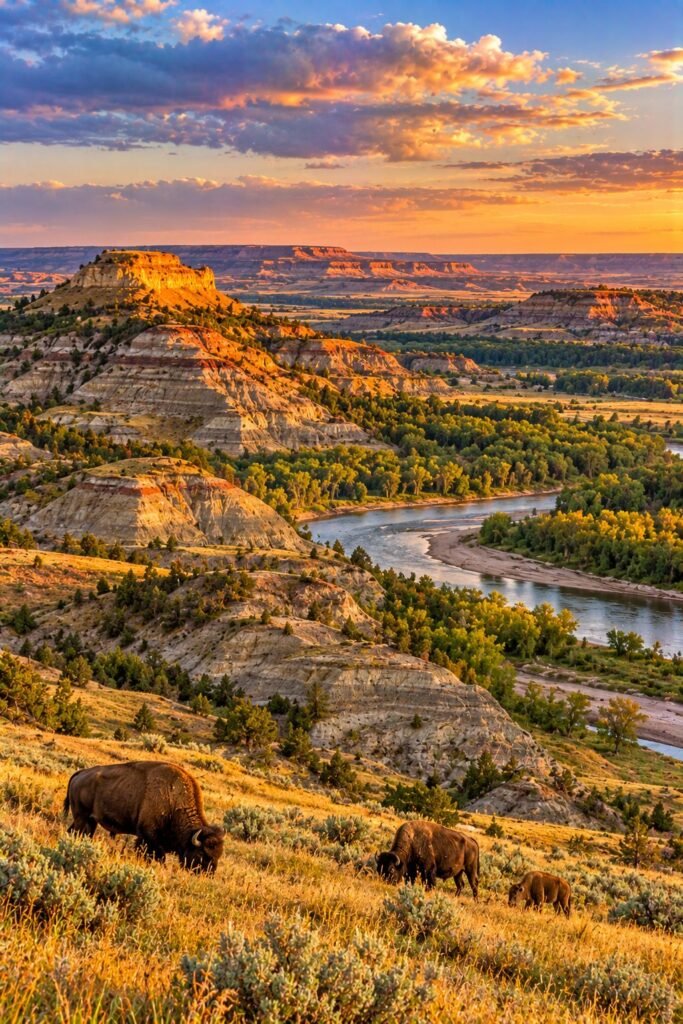
Theodore Roosevelt National Park reveals a rugged landscape of eroded hills, layered rock formations, open prairie, and winding river valleys.
The park is also known for its wildlife, including bison, prairie dogs, and wild horses. Its broad horizons and quiet roads make it especially appealing for scenic drives and nature photography.
What to do: Drive designated scenic routes, visit overlooks, hike marked trails, and watch for wildlife from a safe distance.
Travel tip: Summer can be hot, while winter brings challenging weather. Carry water, check road conditions, and avoid approaching large animals.
35. Ohio — Hocking Hills State Park
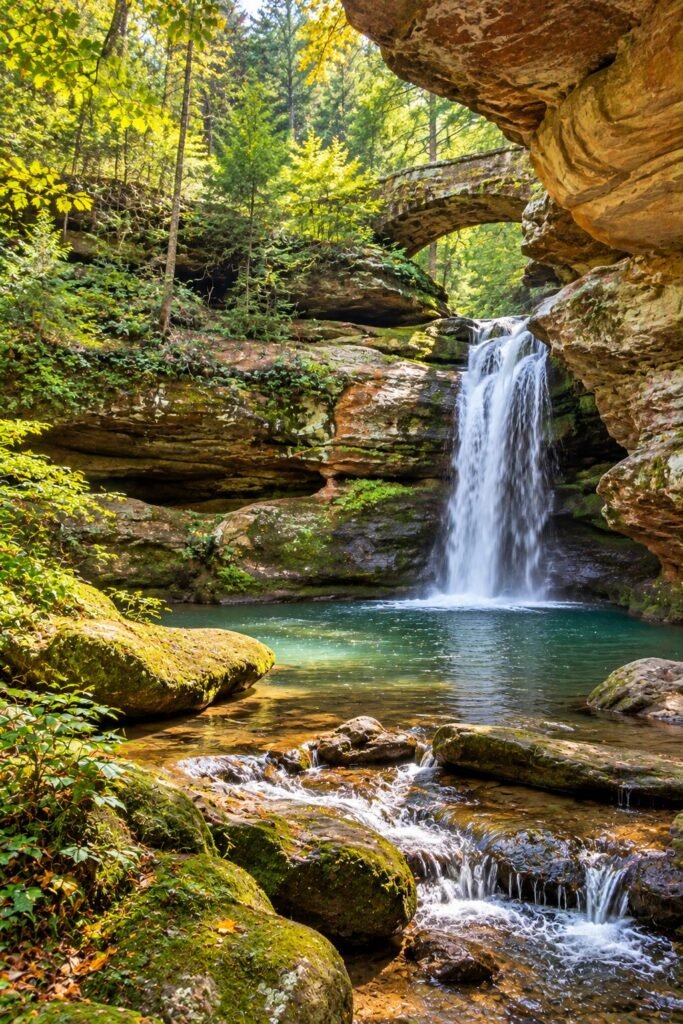
Hocking Hills State Park is one of the Midwest’s most enchanting natural escapes.
The park features sandstone cliffs, deep gorges, rock shelters, waterfalls, and forest trails. Places such as Old Man’s Cave and Ash Cave offer dramatic scenery without requiring a trip to the western mountains.
What to do: Follow designated hiking trails, visit waterfall viewpoints, and explore the park’s distinctive rock formations.
Travel tip: Spring often brings attractive waterfall conditions, while autumn offers colorful foliage. Trails can be slippery after rain, so wear appropriate footwear and observe any closures.
36. Oklahoma — Great Salt Plains State Park
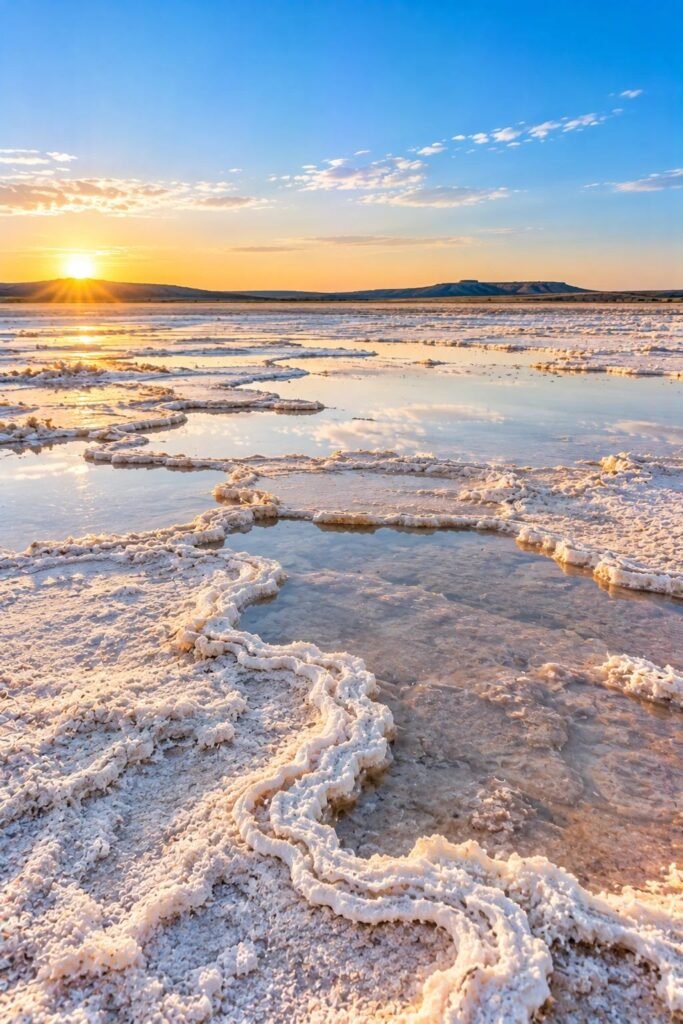
Great Salt Plains State Park features a remarkable landscape of pale salt flats created through natural geological and hydrological processes.
The broad, open terrain looks dramatically different from the state’s greener grasslands and wooded areas. It also provides habitat for migratory birds and other wildlife.
What to do: Explore permitted visitor areas, photograph the salt patterns, and observe birds from suitable viewing locations.
Travel tip: Access to the salt plains can depend on weather and seasonal conditions. Check current rules before visiting, especially if interested in designated crystal-digging activities.
37. Oregon — Crater Lake National Park
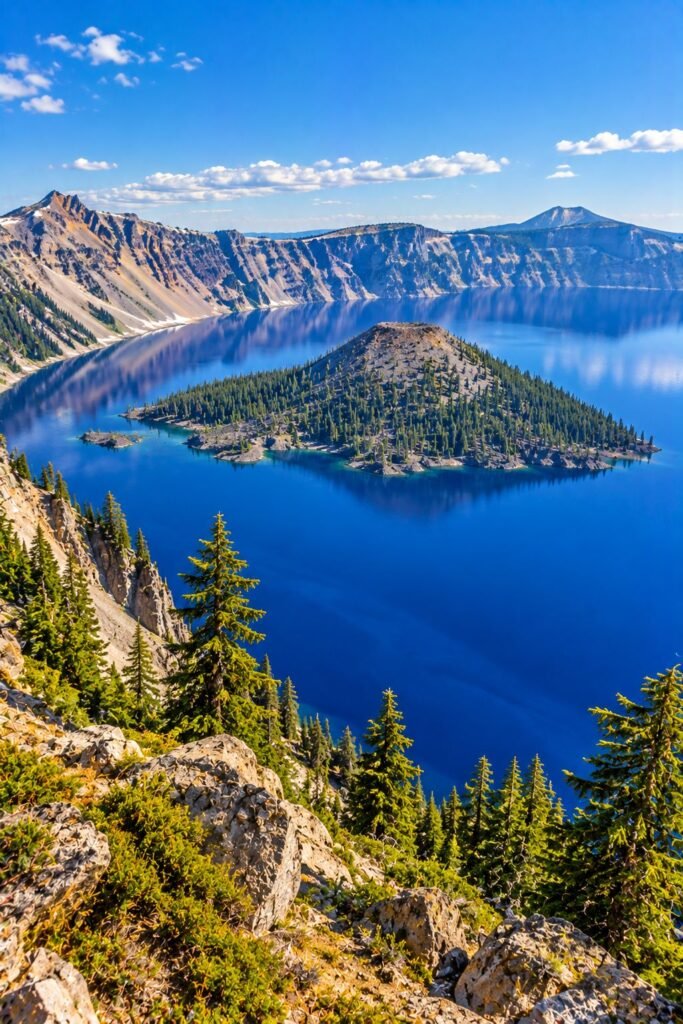
Crater Lake National Park protects a spectacular deep-blue lake formed within the collapsed remains of an ancient volcano.
The lake’s intense color, steep surrounding cliffs, and small volcanic island create a landscape unlike almost anywhere else in the country. On a clear day, the water can look almost impossibly blue.
What to do: Visit designated rim viewpoints, explore open trails, and enjoy the scenic drive when roads are accessible.
Travel tip: Snow can affect access well beyond winter. Check current road conditions and seasonal services before planning a visit.
38. Pennsylvania — Pine Creek Gorge
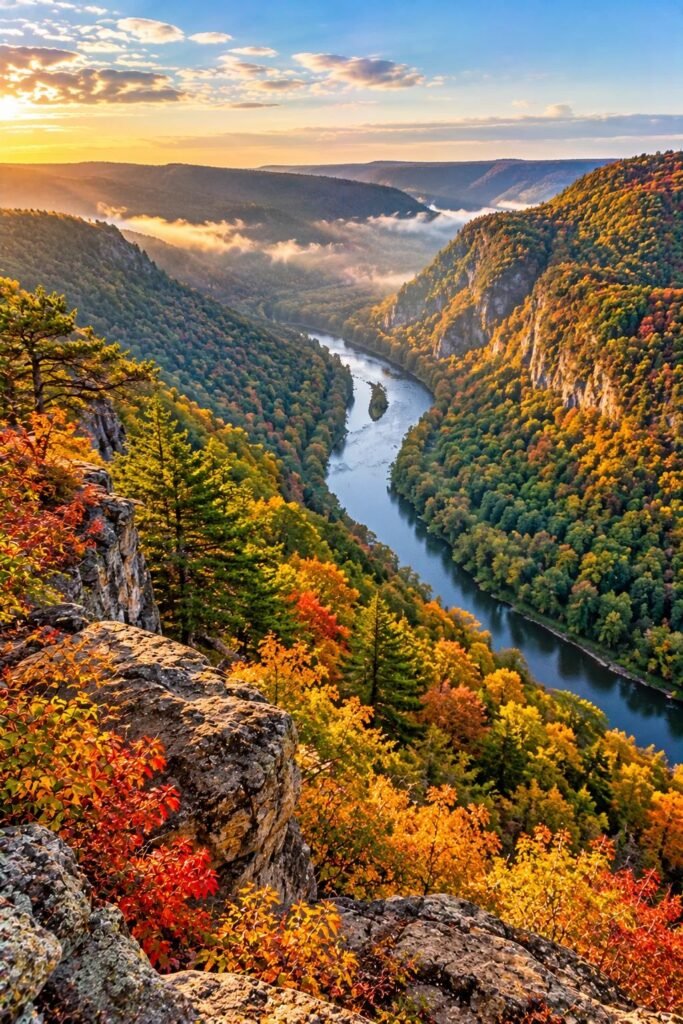
Often called the Pennsylvania Grand Canyon, Pine Creek Gorge is a deep, forested gorge carved by Pine Creek.
The landscape combines steep slopes, wooded ridges, and a winding waterway below. Autumn is especially beautiful, when the forests create a patchwork of red, orange, and gold.
What to do: Visit scenic overlooks, hike designated trails, and explore authorized sections of the Pine Creek Rail Trail.
Travel tip: Fall foliage draws many visitors, so arrive early for popular viewpoints. Check trail conditions and be cautious around steep gorge edges.
39. Rhode Island — Mohegan Bluffs
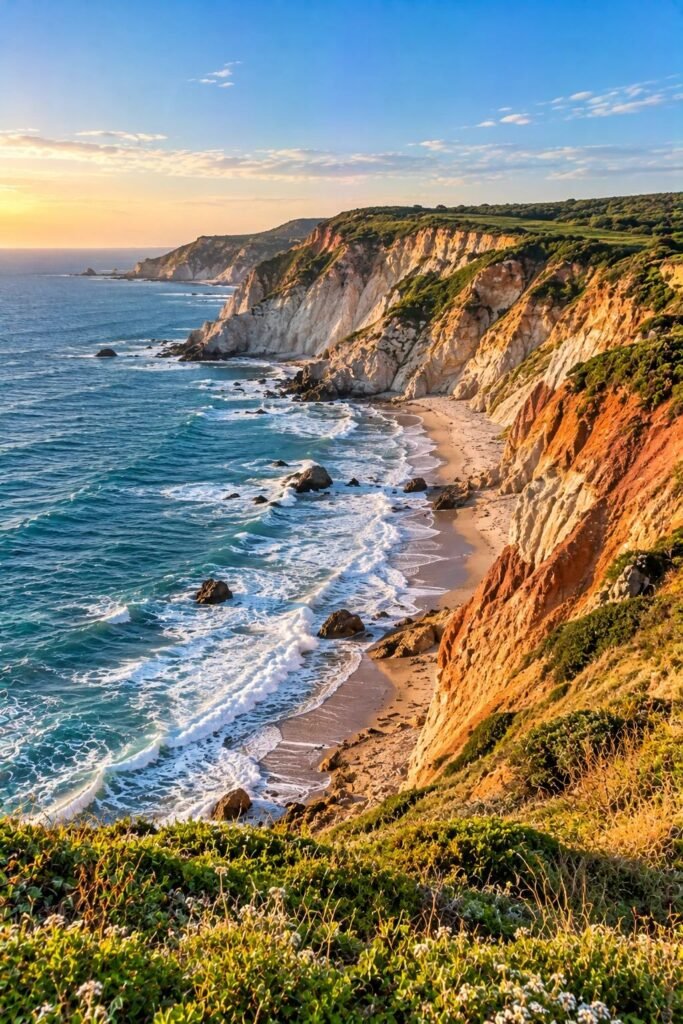
Mohegan Bluffs features dramatic coastal cliffs overlooking the Atlantic Ocean.
The reddish earth, green vegetation, and deep-blue sea create a striking combination, especially on bright days when the coastline appears to stretch endlessly into the distance.
What to do: Visit designated cliff viewpoints, enjoy coastal photography, and explore approved beach access when conditions permit.
Travel tip: Cliff edges can erode, so remain behind safety barriers. Beach access may involve steep stairs, and ferry schedules should be checked when planning a visit to Block Island.
40. South Carolina — Congaree National Park
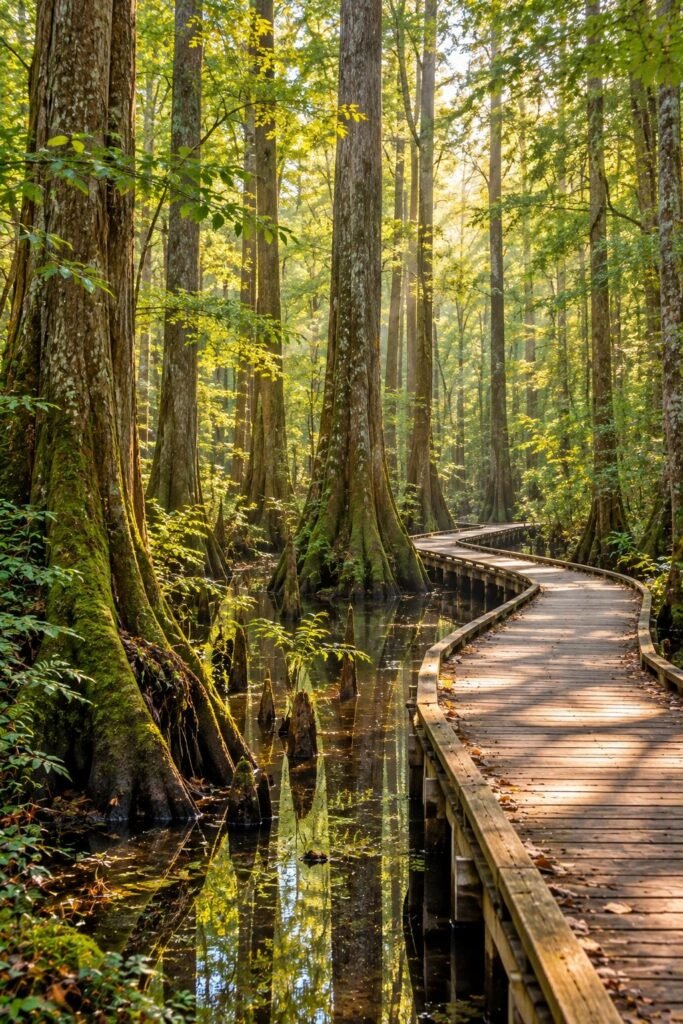
Congaree National Park protects a remarkable floodplain forest with towering hardwood trees, wetlands, and seasonal waterways.
The park feels wonderfully peaceful, with filtered sunlight passing through the canopy and reflections appearing along flooded sections of the forest. Its ecological importance makes it much more than simply a pretty place to visit.
What to do: Walk the boardwalk trail, explore designated forest paths, join a ranger program, and observe birds and other wildlife.
Travel tip: Flooding, heat, and insects can affect your visit. Check trail conditions, bring insect protection, and stay on marked routes.
41. South Dakota — Badlands National Park
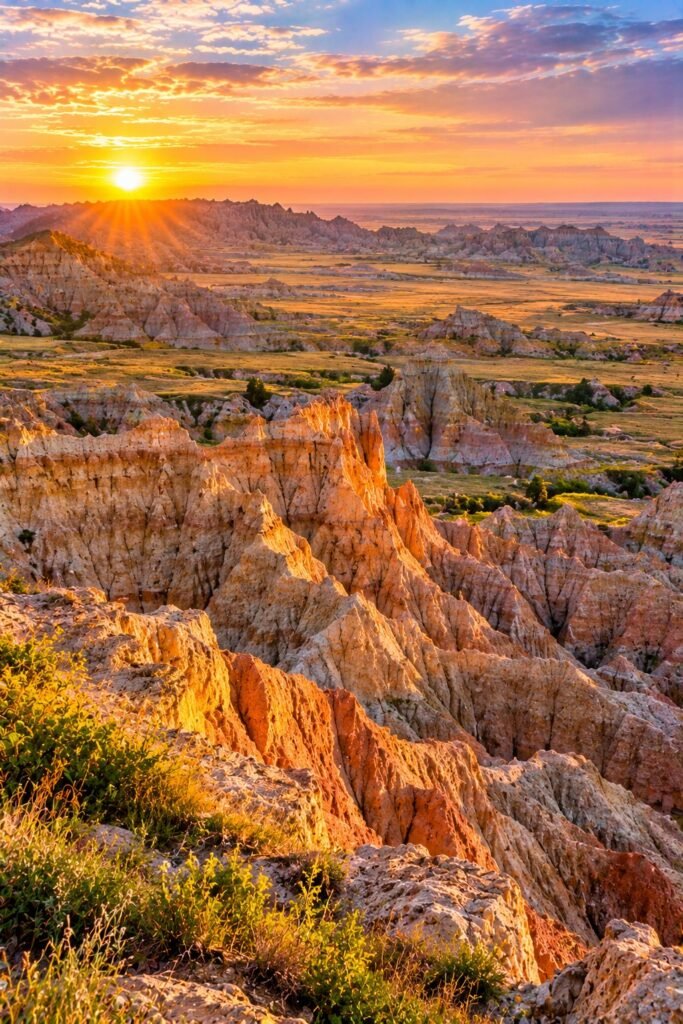
Badlands National Park features a remarkable collection of eroded buttes, pinnacles, ridges, and layered rock formations.
The landscape’s changing colors are especially beautiful during early morning and evening, when the sunlight brings out shades of pink, gold, rust, and purple. Fossils found in the region also reveal a fascinating prehistoric past.
What to do: Drive the Badlands Loop Road, visit designated overlooks, hike marked trails, and explore the visitor center.
Travel tip: Summer temperatures can be intense, and shade is limited in many areas. Bring water and stay on established trails to help protect fragile geological features.
42. Tennessee — Ruby Falls
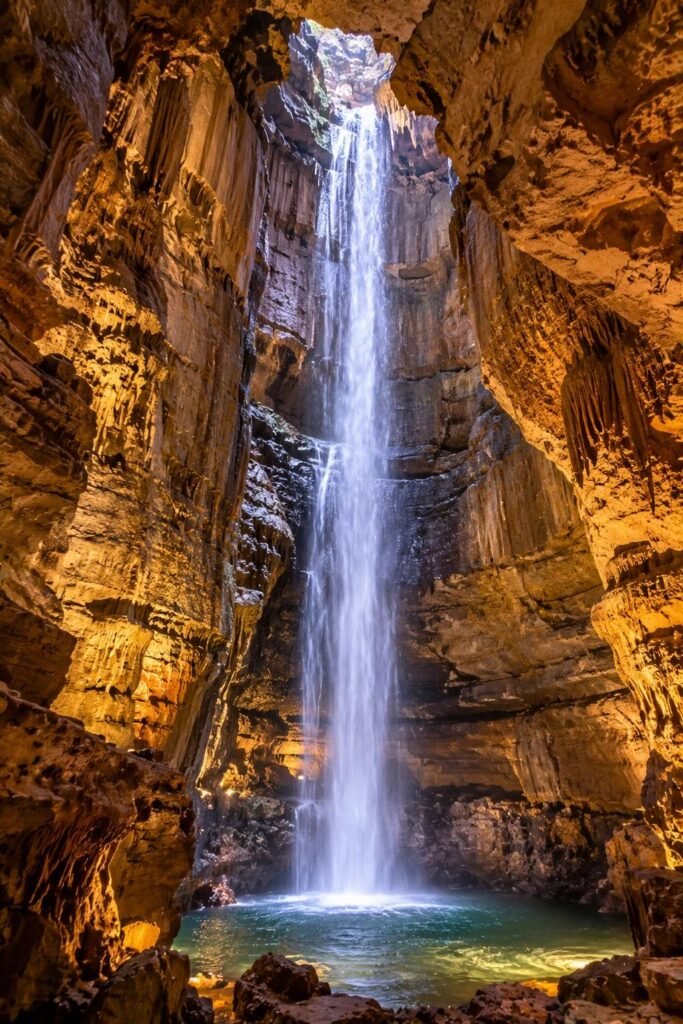
Near Chattanooga, Ruby Falls offers an unusual natural attraction: an underground waterfall reached through a guided cave experience.
Inside the cave, visitors encounter limestone formations and a dramatic waterfall within a cavernous chamber. It provides a different perspective on the geological wonders that exist beneath the surface.
What to do: Book an official guided cave tour and learn about the area’s geology and discovery history.
Travel tip: Tours may require walking through confined or uneven spaces. Review accessibility details and tour requirements before booking, and reserve ahead during busy periods.
43. Texas — Big Bend National Park
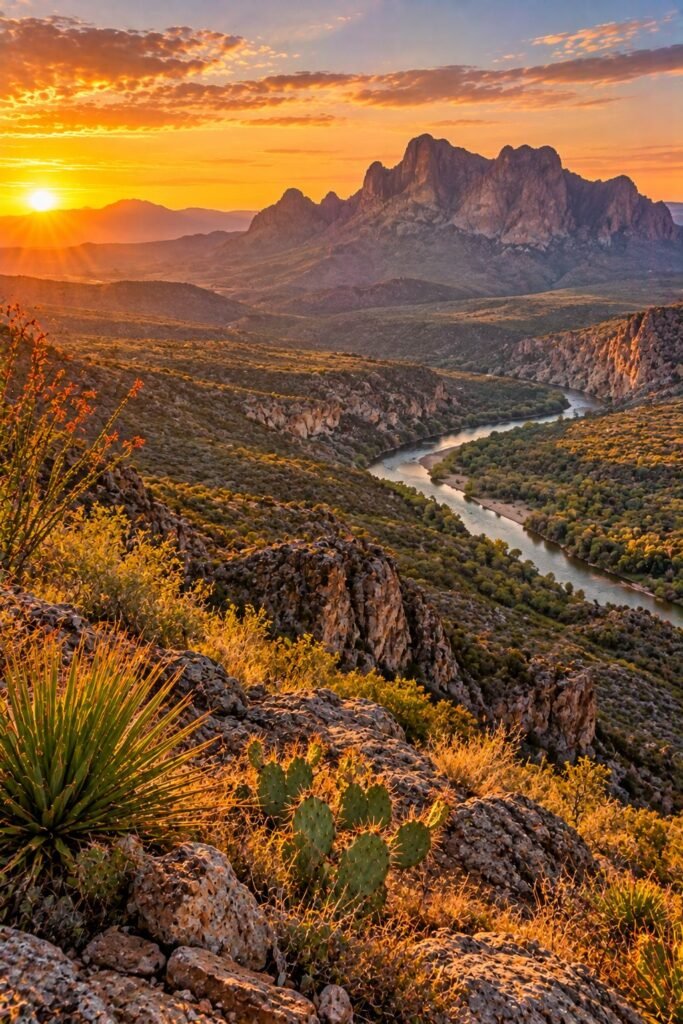
Big Bend National Park protects an extraordinary landscape of desert plains, rugged mountains, canyons, and sections of the Rio Grande.
The park’s immense size and remote setting create excellent opportunities for stargazing and quiet exploration. Its changing elevations also support a surprising variety of plant and animal life.
What to do: Drive scenic routes, visit designated canyon overlooks, explore marked trails, and enjoy the night sky in suitable conditions.
Travel tip: Distances between facilities can be considerable. Carry plenty of water, fuel up before entering remote areas, and avoid strenuous hikes during the hottest part of the day.
44. Utah — Arches National Park
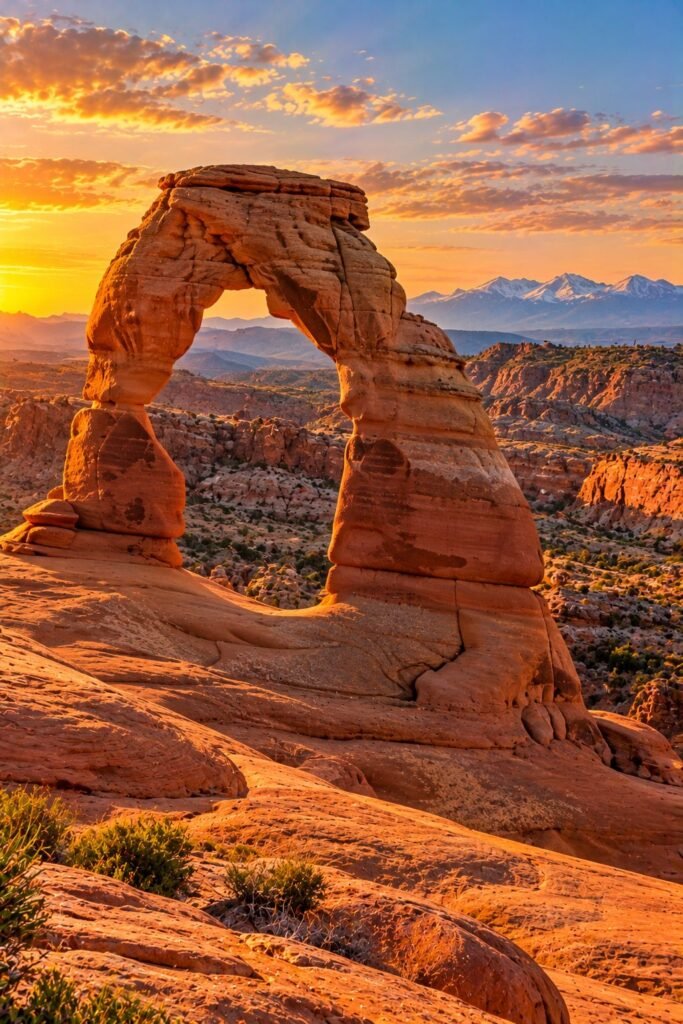
Arches National Park is famous for its remarkable collection of natural sandstone arches, sculpted by erosion over long periods.
Delicate Arch is perhaps the park’s best-known formation, but the surrounding landscape includes balanced rocks, sandstone fins, and hundreds of other fascinating shapes.
What to do: Explore designated viewpoints, drive the scenic park road, and hike marked routes to see the formations up close.
Travel tip: Summer heat can make exposed trails difficult. Carry water, plan hikes for cooler hours, and check current entry requirements and trail closures.
45. Vermont — Quechee Gorge
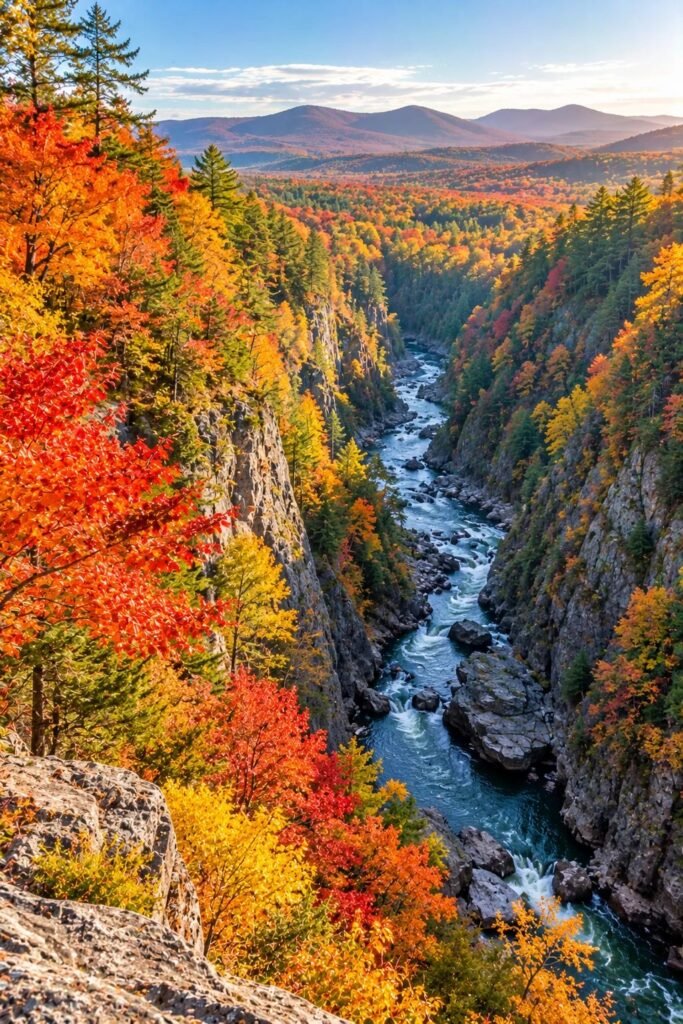
Quechee Gorge is a beautiful natural landmark where the Ottauquechee River cuts through a deep rocky gorge.
The surrounding trees make the landscape especially colorful in autumn, while spring and summer bring fresh greenery. A bridge viewpoint provides an easy way to appreciate the gorge from above.
What to do: Enjoy the overlook, explore designated trails, and visit nearby Quechee village during a scenic Vermont getaway.
Travel tip: Autumn is popular for foliage, so plan for additional traffic. Stay within safe viewing areas and check local trail conditions after heavy rain.
46. Virginia — Natural Bridge State Park
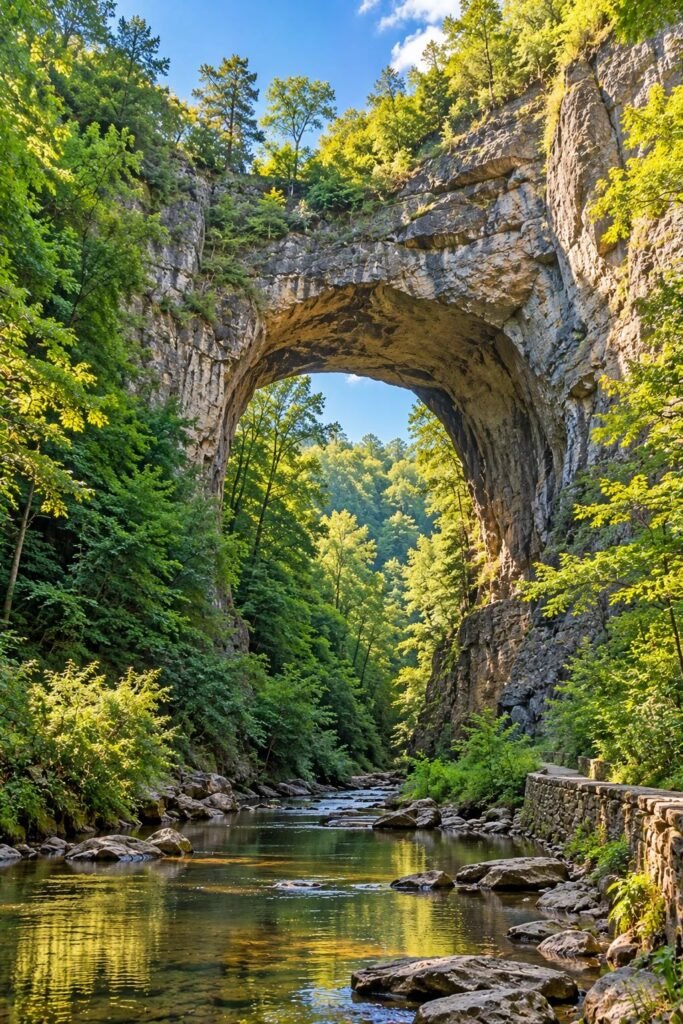
Natural Bridge State Park protects an enormous natural stone arch formed through geological processes over time.
The bridge rises above a wooded ravine, creating an impressive combination of rock, trees, and flowing water. The surrounding area adds to the experience with forest scenery and designated walking paths.
What to do: Visit the main viewing area, explore open trails, and learn about the natural history of the formation.
Travel tip: Check park hours and trail access before arriving. Wear comfortable shoes and follow signs around uneven terrain and the creek.
47. Washington — Olympic National Park
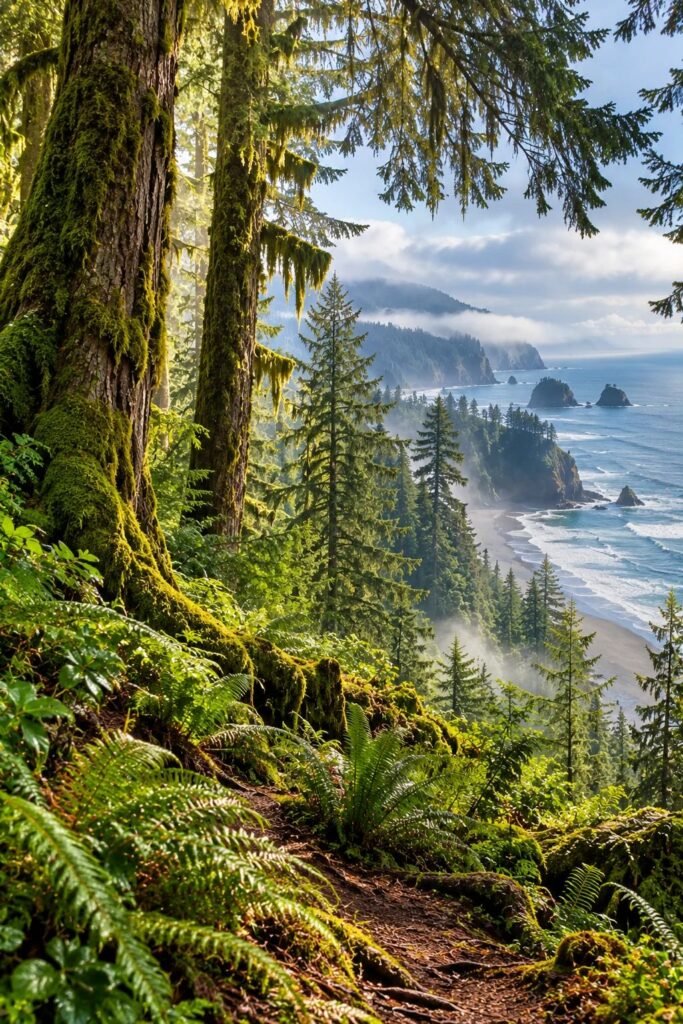
Olympic National Park is remarkable because it brings several very different landscapes together in one protected area.
You can explore moss-covered temperate rainforests, rugged Pacific beaches, mountain scenery, and glacier-influenced landscapes. This variety makes the park a wonderful destination for travelers who want to experience several kinds of wilderness in one trip. U.S. Department of the Interior
What to do: Walk through the Hoh Rain Forest, visit designated coastal beaches, explore accessible mountain viewpoints, and discover the park’s different ecosystems.
Travel tip: The park is spread across a large region, so allow plenty of driving time. Rain is possible year-round, making waterproof layers and sturdy shoes useful.
48. West Virginia — Seneca Rocks
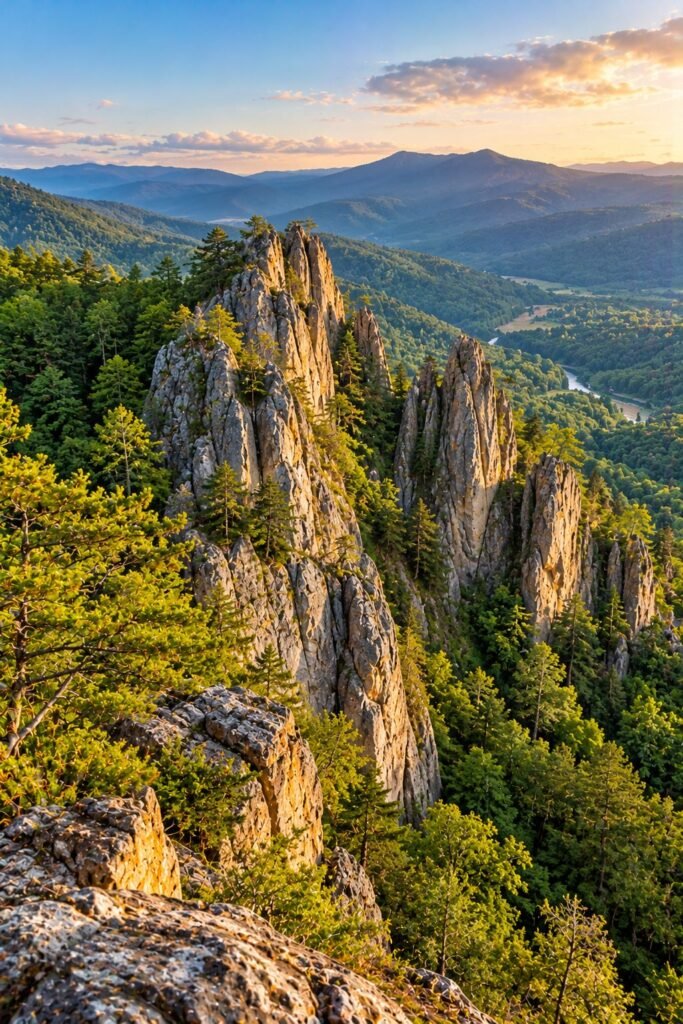
Seneca Rocks rises dramatically above the surrounding Appalachian landscape.
Its tall, jagged quartzite fins create a striking silhouette against the sky, while forested mountains extend in every direction. The area is especially attractive to hikers, photographers, and anyone who enjoys rugged mountain scenery.
What to do: Visit the observation areas, explore designated trails, and learn about the geology and climbing history of the formation.
Travel tip: Some routes are steep and strenuous. Choose trails that match your experience, check weather conditions, and do not attempt technical climbing without appropriate training and equipment.
49. Wisconsin — Apostle Islands National Lakeshore
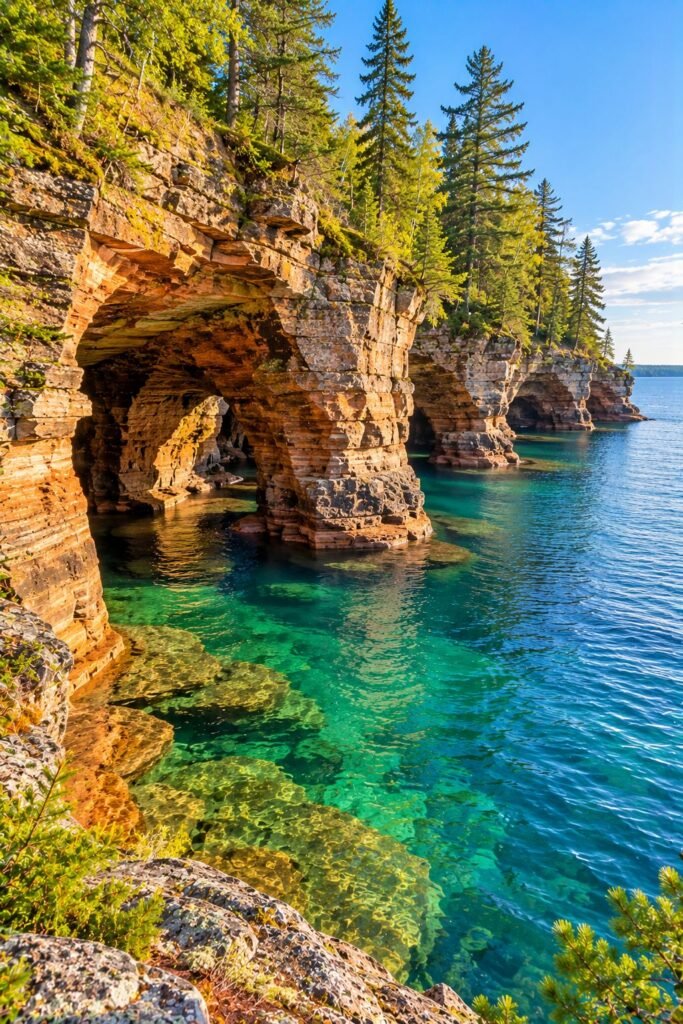
Along Lake Superior, Apostle Islands National Lakeshore features wooded islands, rocky shorelines, historic lighthouses, and dramatic sandstone sea caves.
The shoreline changes with the seasons, from colorful summer water views to winter conditions that can transform some caves into spectacular ice formations when conditions and access allow.
What to do: Explore permitted mainland viewpoints, take an authorized boat tour when available, and enjoy designated trails and beaches.
Travel tip: Lake Superior’s weather can change rapidly. Boat trips and water access depend on conditions, so check official updates and never enter ice caves unless authorities have confirmed safe access.
50. Wyoming — Grand Prismatic Spring, Yellowstone National Park
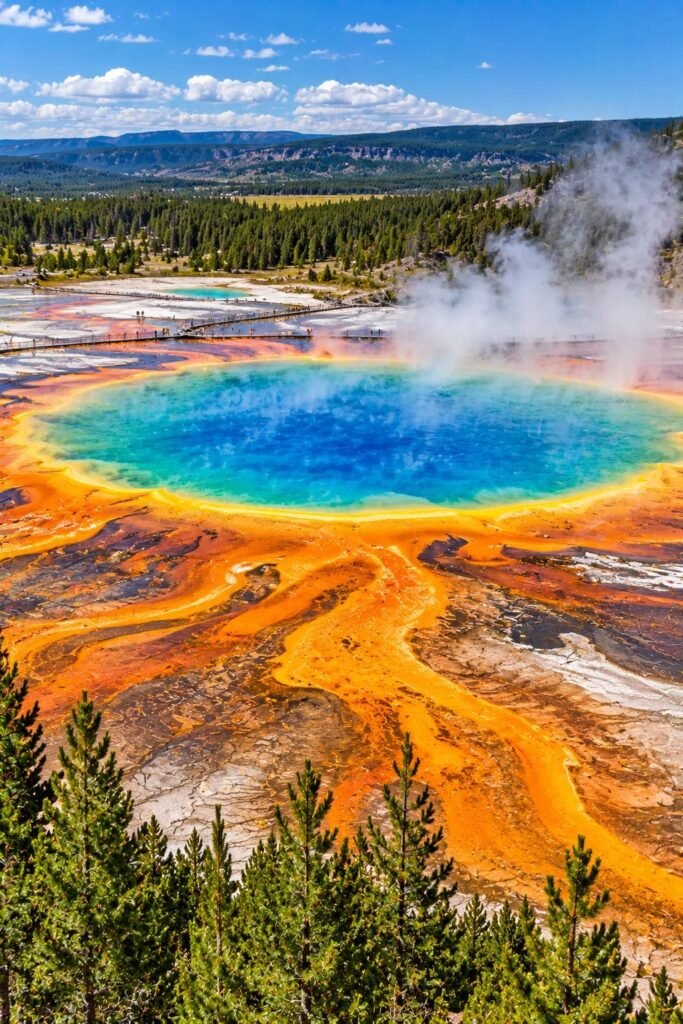
The final natural wonder on this list is Grand Prismatic Spring, one of the most visually striking geothermal features in the country.
Its vibrant colors range from deep blue in the center to green, yellow, and orange around the edges. These colors are associated with heat-loving microorganisms living in water of different temperatures. Steam rising from the spring adds to its otherworldly appearance.
What to do: Walk the designated boardwalks at Midway Geyser Basin, photograph the spring from approved viewpoints, and explore other geothermal features in Yellowstone.
Travel tip: Stay on boardwalks and marked paths because geothermal ground can be dangerously thin and hot. Check Yellowstone’s seasonal road access and current safety notices before your visit.
How to Plan a Trip to See America’s Natural Wonders
Seeing all 50 destinations would be an incredible travel goal, but you don’t have to visit them all in one journey. I recommend grouping destinations by region so you can spend more time enjoying each place instead of spending most of your vacation driving.
Choose the best season for your destination
- Spring: Waterfalls, wildflowers, and milder temperatures make places such as Shoshone Falls, Yosemite, and Hocking Hills especially appealing.
- Summer: Coastal parks, northern mountain destinations, and many wilderness areas offer excellent opportunities for outdoor exploration, subject to local conditions.
- Fall: Acadia, the White Mountains, Pine Creek Gorge, and Vermont’s Quechee Gorge are wonderful choices for autumn foliage.
- Winter: Snow-covered mountain landscapes and selected desert destinations can be beautiful, but road closures and severe weather may affect access.
These are general seasonal suggestions rather than guarantees. Always check local forecasts, official park notices, and current access information.
Pack for the landscape, not just the weather
Your packing list should reflect the kind of natural wonder you’re visiting. Comfortable walking shoes, a reusable water bottle, sun protection, weather-appropriate layers, and a small first-aid kit are useful starting points.
For desert destinations, plan carefully for heat and limited shade. For coastal areas, bring layers for wind and changing temperatures. For caves, waterfalls, and forest trails, choose footwear with good traction.
Protect the places you visit
Natural wonders are beautiful partly because their landscapes and ecosystems have been preserved. Stay on marked trails, carry out your rubbish, respect wildlife, and follow any restrictions on swimming, camping, or photography.
The National Park Service’s National Natural Landmarks information also explains how significant natural places are recognized and protected. National Park Service
Final Thoughts
From the enormous scale of the Grand Canyon to the colorful waters of Grand Prismatic Spring, the United States offers an extraordinary variety of natural beauty.
Every state has something worth discovering, whether you prefer mountain hikes, peaceful beaches, mysterious caves, waterfalls, or unusual geological formations.
My advice is to choose the destinations that excite you most and build your next road trip around them. Take your time at the viewpoints, explore beyond the busiest areas when it is safe and permitted, and leave room for unexpected discoveries along the way.
Which of these 50 natural wonders would you love to visit first? Save this guide for your next American adventure, and use it to start planning a bucket-list trip filled with unforgettable scenery.