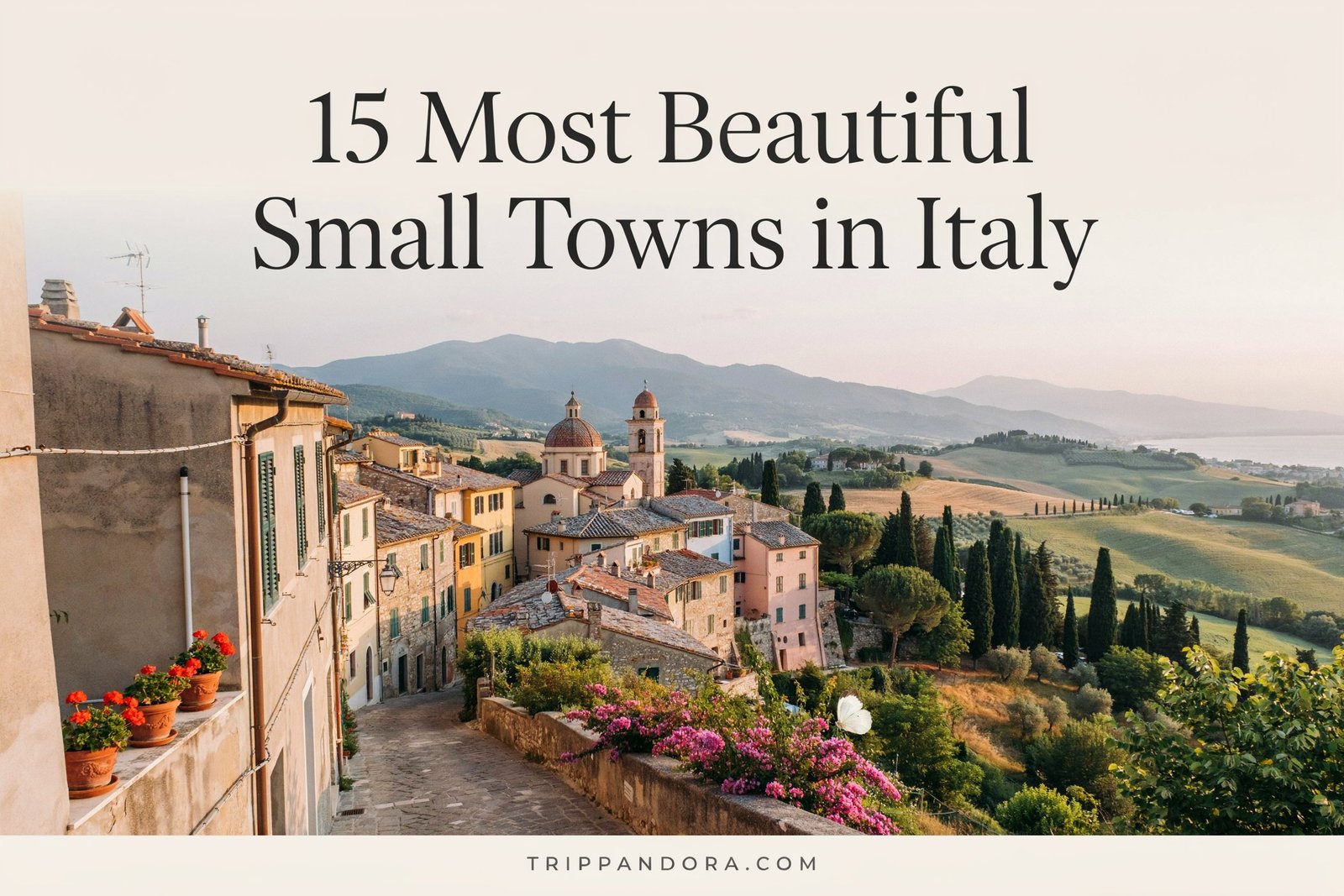

One of my favorite things about traveling through Italy is discovering the places that don’t always make the first page of a travel itinerary.
Beyond Rome, Florence, and Venice, I’ve found small towns filled with quiet piazzas, colorful houses, beautiful views, and unforgettable local food.
From hilltop villages in Tuscany to lakeside towns and charming coastal escapes, these places offer a slower and more personal side of Italy.
If you’re planning an Italian getaway and want somewhere beautiful without spending your entire trip in a busy city, these 15 small towns are wonderful places to begin.
1. Pienza, Tuscany
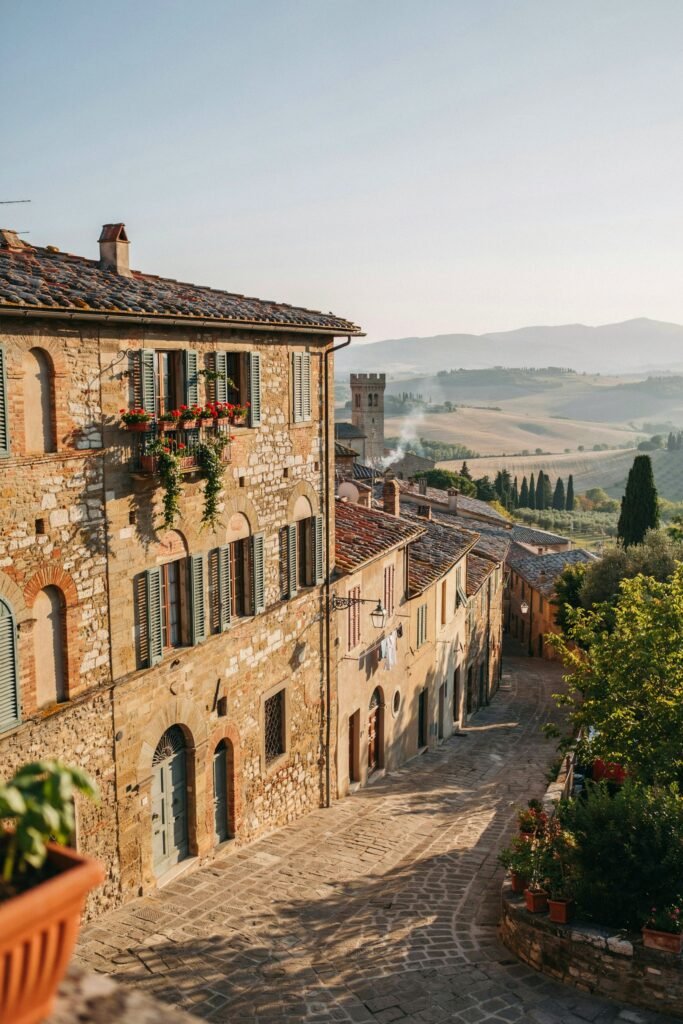
Pienza is one of those towns that makes you want to slow down immediately.
Set in Tuscany’s beautiful Val d’Orcia, Pienza is famous for its Renaissance architecture, peaceful streets, and incredible views over the surrounding countryside.
The town was redesigned during the 15th century under Pope Pius II, who wanted to create an ideal Renaissance city. Today, much of that carefully planned beauty remains.
Start your visit in Piazza Pio II, the heart of Pienza. From here, you can easily walk to the cathedral and surrounding historic buildings.
One of my favorite things about Pienza is simply wandering without rushing. Small shops sell local products, especially the famous Pecorino di Pienza, while little streets lead toward viewpoints overlooking rolling Tuscan hills.
Things to do in Pienza
- Visit Pienza Cathedral
- Walk along the town walls
- Explore Piazza Pio II
- Try local Pecorino cheese
- Photograph the Val d’Orcia countryside
- Take a scenic drive through Tuscany
Best for: Couples, food lovers, photographers, and slow travelers.
Travel tip: Pienza can become busy during the middle of the day, especially in summer. Arriving early or staying overnight gives you a much quieter experience.
2. Alberobello, Puglia
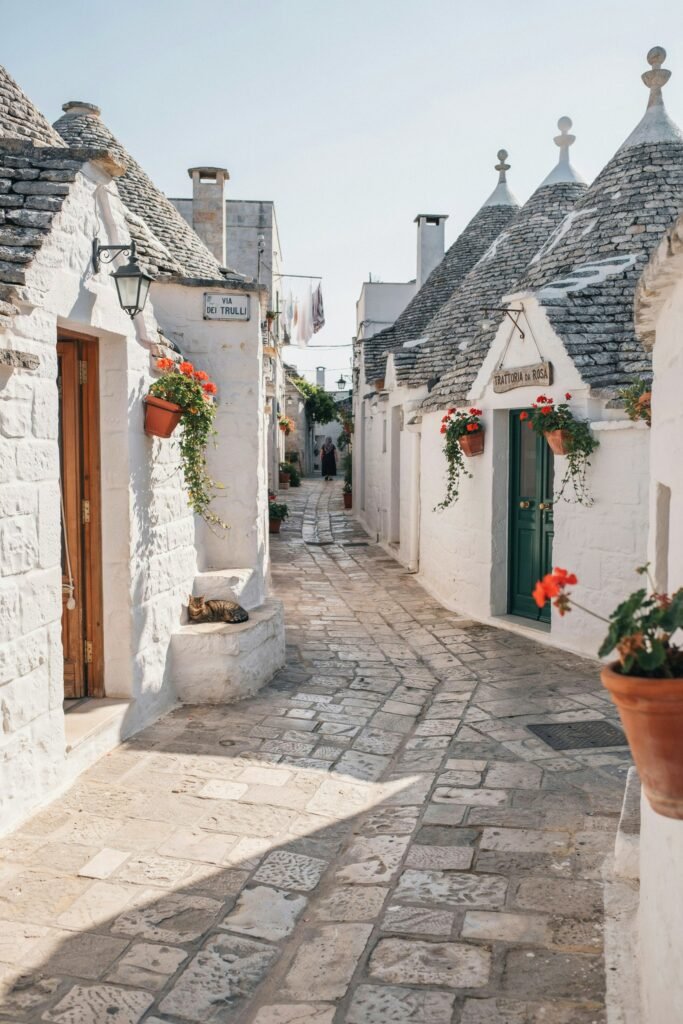
If you want to visit somewhere that looks completely different from the Italy you see in movies, put Alberobello on your list.
The town is famous for its trulli, traditional stone houses with distinctive cone-shaped roofs. Walking through the historic neighborhoods feels almost like stepping into a fairytale.
The most famous area is Rione Monti, where hundreds of trulli line the narrow streets. Aia Piccola is another area worth exploring because it retains a more residential atmosphere.
Alberobello is also a great starting point for exploring Puglia’s countryside.
Things to do in Alberobello
- Walk through Rione Monti
- Explore Aia Piccola
- See the traditional trulli houses
- Visit local craft shops
- Stay overnight in a trullo
- Explore nearby Puglian towns
Best for: Architecture lovers, families, photographers, and first-time visitors to Puglia.
Travel tip: Summer afternoons can be crowded. Staying overnight allows you to experience the town after many day-trippers have left.
3. Civita di Bagnoregio, Lazio
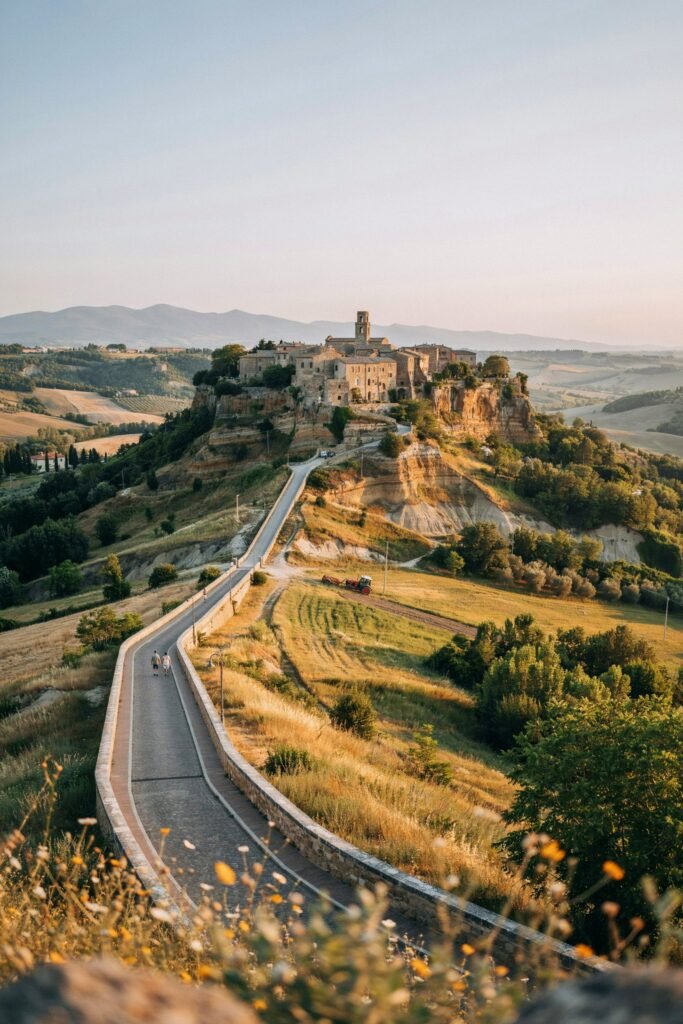
Civita di Bagnoregio is easily one of the most dramatic small towns in Italy.
The medieval village sits on a volcanic plateau surrounded by a striking valley. You reach the historic town by crossing a long pedestrian bridge, which makes the arrival part of the experience.
Inside the village, you’ll find stone buildings, narrow lanes, small restaurants, and quiet corners that feel wonderfully removed from modern city life.
The surrounding landscape is particularly beautiful around sunrise and sunset.
Things to do in Civita di Bagnoregio
- Walk across the pedestrian bridge
- Explore the medieval streets
- Visit Piazza San Donato
- Photograph the surrounding valley
- Enjoy a traditional meal
- Stay nearby and visit early in the morning
Best for: Photographers, history lovers, couples, and unique Italy experiences.
Travel tip: Wear comfortable shoes. The approach to Civita involves walking and some steep sections.
4. Spello, Umbria
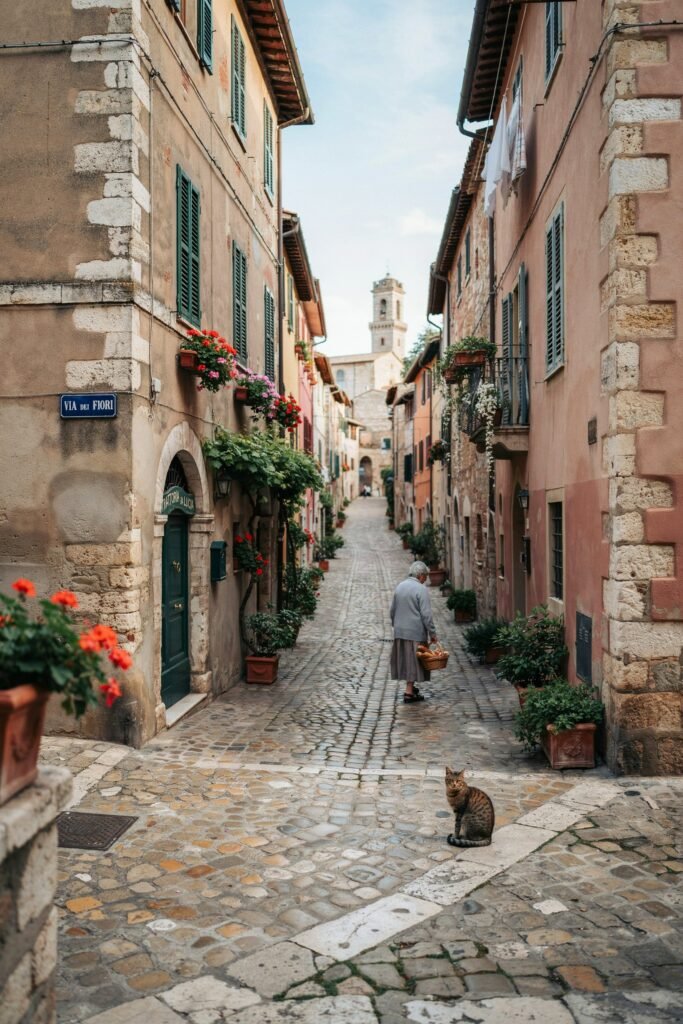
Spello is one of the prettiest small towns in Umbria, especially if you love flowers and charming medieval streets.
Built along the slopes of Mount Subasio, Spello combines Roman history, medieval architecture, and beautiful countryside views.
The town’s narrow stone streets are often decorated with flowers, giving it a particularly romantic atmosphere. If you’re visiting during the Infiorata, the famous flower festival, you’ll see elaborate floral designs covering parts of the streets.
Don’t miss Santa Maria Maggiore, particularly the Baglioni Chapel and its Renaissance artwork.
Things to do in Spello
- Walk through the medieval center
- See the Roman gates
- Visit Santa Maria Maggiore
- Explore the Baglioni Chapel
- Enjoy Umbrian food
- Photograph the flower-filled streets
Best for: Couples, photographers, history lovers, and spring travelers.
5. Orta San Giulio, Piedmont
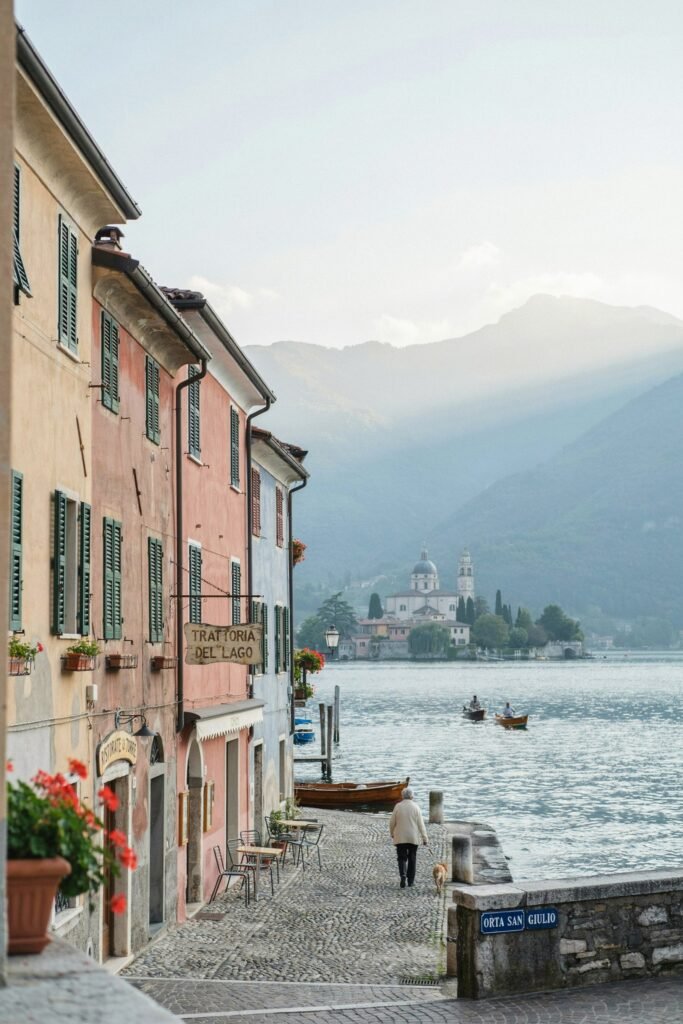
If peaceful lake scenery is your idea of a perfect Italian escape, Orta San Giulio deserves your attention.
Located on Lake Orta, this charming town has colorful buildings, narrow lanes, waterfront cafés, and beautiful views across the water.
The town’s main square, Piazza Motta, sits directly beside the lake. From here, you can admire Isola San Giulio, a small island with historic religious buildings.
Another highlight is the Sacro Monte di Orta, a hillside complex surrounded by nature.
Things to do in Orta San Giulio
- Explore Piazza Motta
- Walk along the waterfront
- Take a boat to Isola San Giulio
- Visit the basilica on the island
- Explore Sacro Monte
- Enjoy a lakeside meal
Best for: Romantic getaways, peaceful vacations, photographers, and lake lovers.
6. Castelmezzano, Basilicata
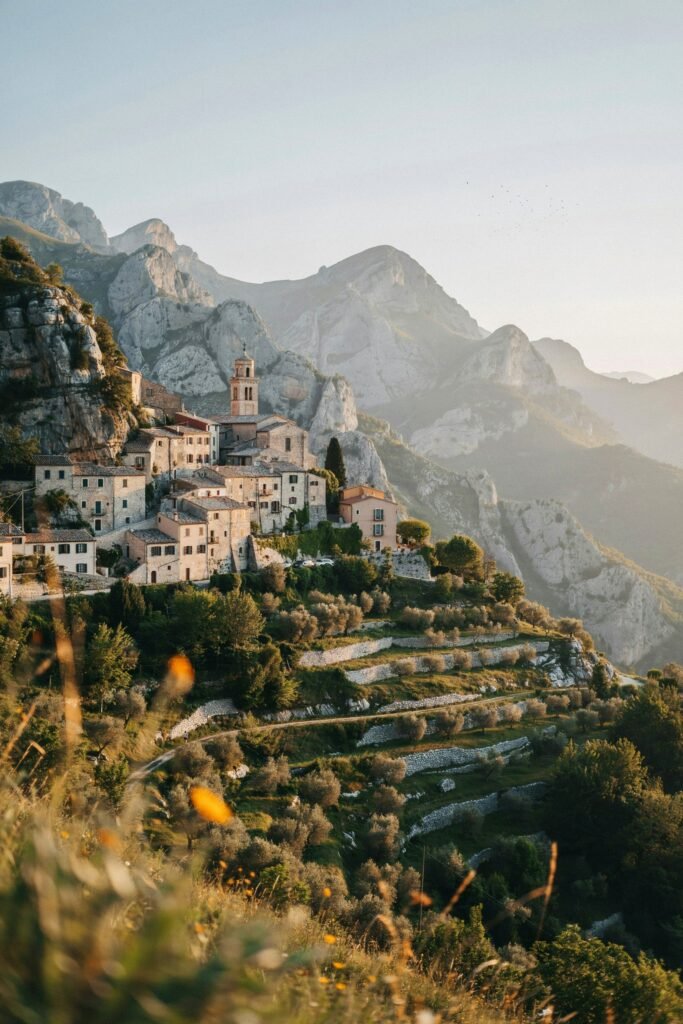
Castelmezzano is one of Italy’s most dramatic mountain villages.
Instead of rolling hills or a coastline, you’ll find rugged rock formations surrounding this small Basilicata town. The stone houses appear to climb directly up the mountainside, creating an unforgettable landscape.
The town is part of the Lucanian Dolomites, making it an excellent destination for travelers who want scenery combined with outdoor adventures.
You can spend time wandering the old streets before heading into the surrounding mountains.
Things to do in Castelmezzano
- Explore the historic center
- Hike in the surrounding mountains
- Enjoy mountain viewpoints
- Photograph the rock formations
- Visit nearby Pietrapertosa
- Try local Basilicata dishes
Best for: Hikers, adventurous travelers, photographers, and travelers looking for something different.
Recent Italian travel coverage also highlights Castelmezzano as a particularly striking alternative to the country’s more famous destinations.
7. Pitigliano, Tuscany
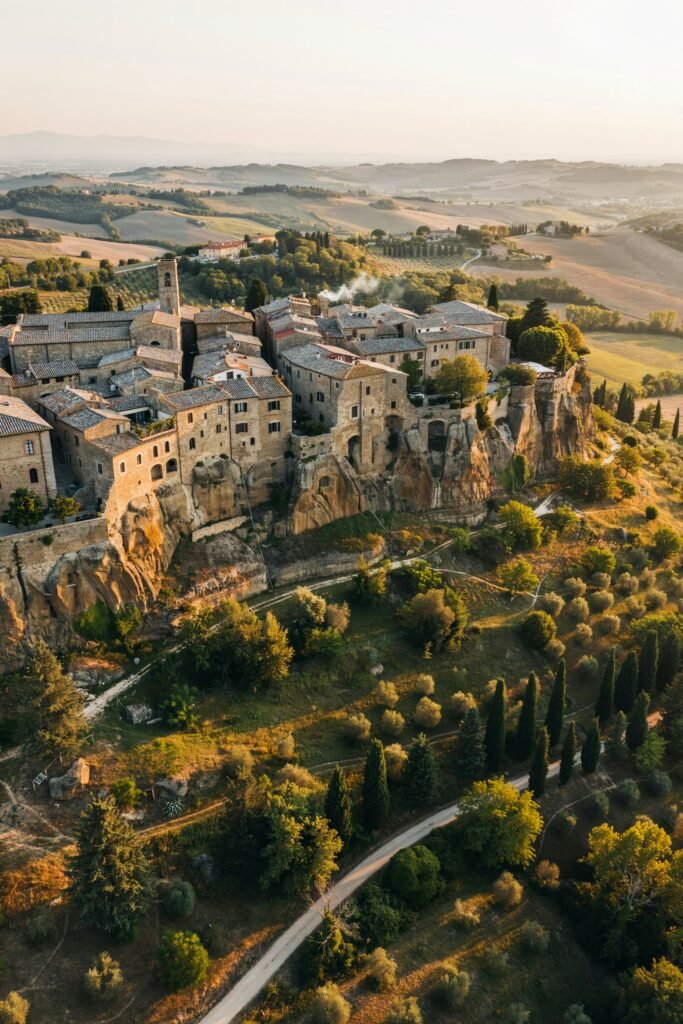
Pitigliano is sometimes called the “Little Jerusalem” of Tuscany, and one look at its dramatic setting explains why this town is so memorable.
The historic center appears to rise directly from a large tufa-rock cliff. From a distance, the town looks almost carved into the landscape.
Once inside, narrow stone streets lead you through medieval buildings, small shops, churches, and traditional restaurants.
Pitigliano is also an excellent place to combine history with food and wine.
Things to do in Pitigliano
- Walk through the historic center
- Visit the Jewish Quarter
- Explore the old streets
- See the town’s historic churches
- Try Tuscan specialties
- Explore the surrounding countryside
Best for: History lovers, photographers, foodies, and road-trip travelers.
8. Burano, Veneto
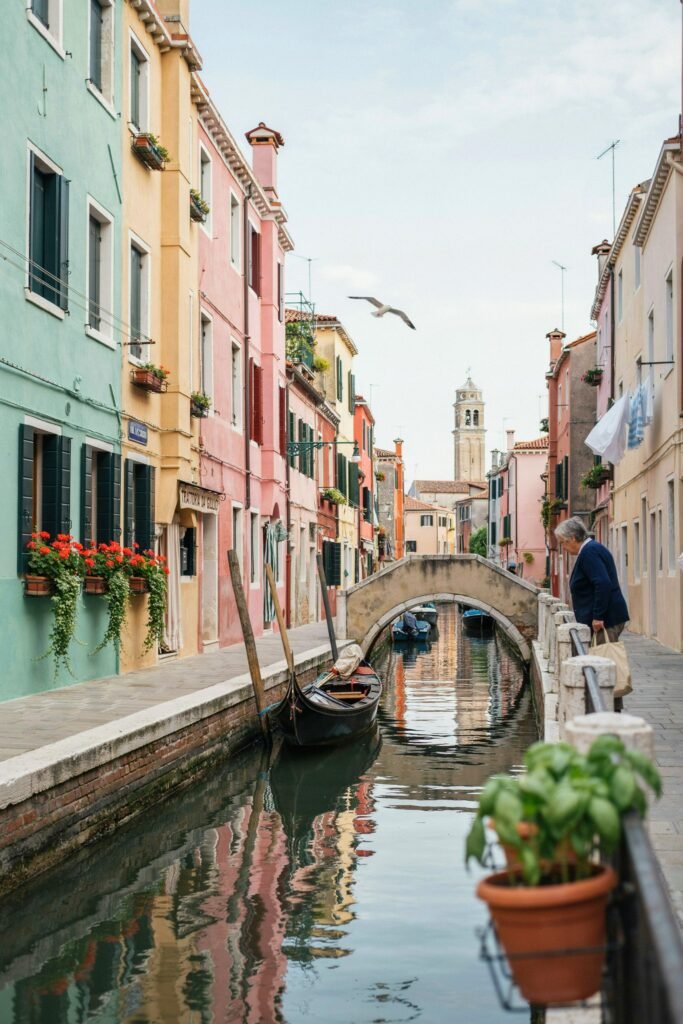
Burano is one of the most colorful places you can visit in Italy.
Located in the Venetian Lagoon, this small island is famous for brightly painted houses lining its canals. Unlike the grand architecture of Venice, Burano feels intimate and cheerful.
Walking around is the best way to experience it. Every corner seems to offer another colorful doorway, canal, bridge, or fishing boat.
Burano is also famous for its traditional lace-making heritage.
Things to do in Burano
- Walk beside the colorful canals
- Visit local lace shops
- Photograph the houses
- Explore the island’s small streets
- Enjoy seafood
- Combine your visit with nearby islands
Best for: Photographers, families, couples, and anyone who loves colorful destinations.
Travel tip: Visit early in the day if you want quieter streets and better opportunities for photographs.
9. Bosa, Sardinia
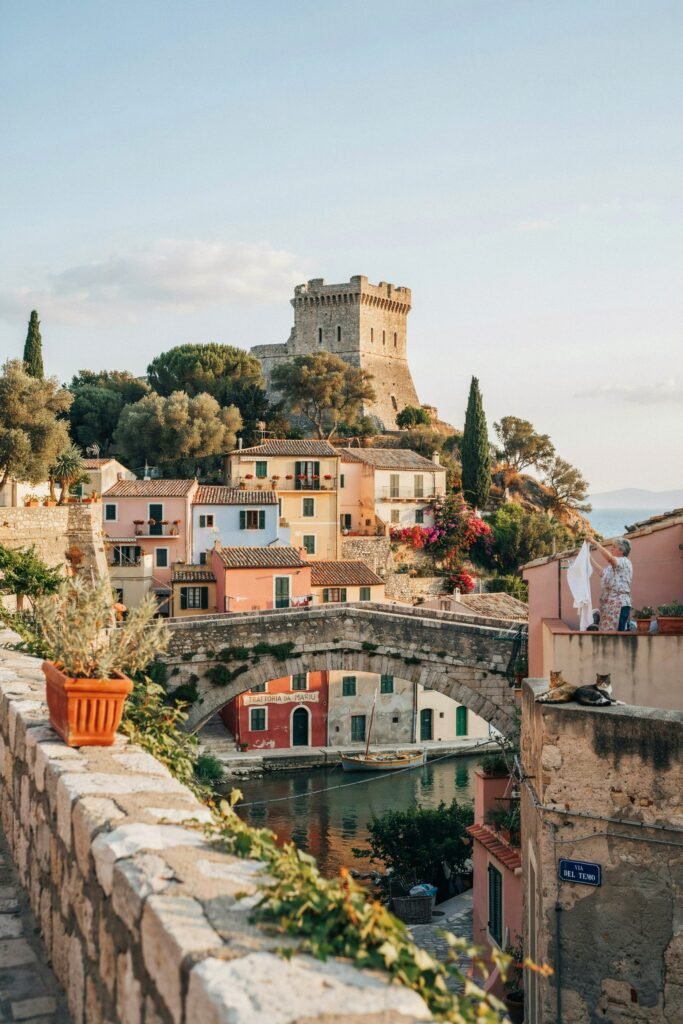
Bosa is one of Sardinia’s most charming small towns and a wonderful choice if you want something beyond the island’s famous beaches.
The town sits along the Temo River, with colorful houses climbing toward the historic castle.
One of the best ways to experience Bosa is simply to wander through the old quarter, known as Sa Costa. Its narrow streets, stairways, colorful buildings, and balconies create plenty of character.
And when you’re ready for the beach, the coast is nearby.
Things to do in Bosa
- Explore Sa Costa
- Visit Malaspina Castle
- Walk beside the Temo River
- Visit Bosa Marina
- Try Sardinian food
- Explore nearby beaches
Best for: Beach lovers, photographers, couples, and road trippers.
10. Atrani, Campania
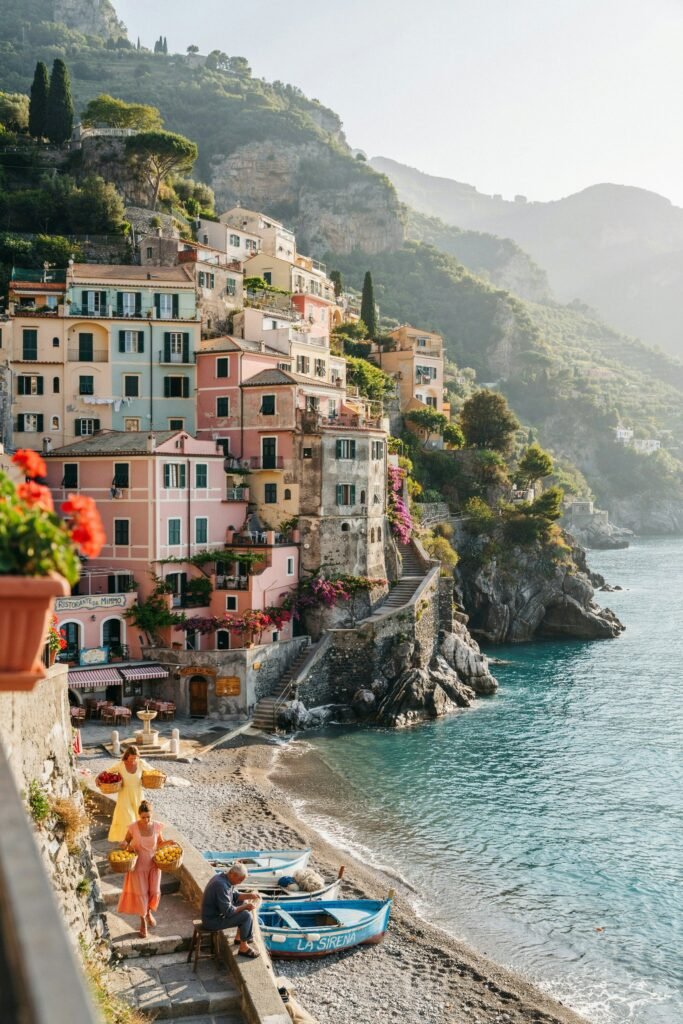
The Amalfi Coast is famous for places such as Positano and Amalfi, but Atrani offers a smaller and more intimate experience.
This tiny coastal village is built into the mountainside beside the sea. Its white and pastel buildings surround a central piazza, while staircases connect different parts of the village.
What I love about places like Atrani is that you don’t need a huge sightseeing checklist. You can spend the morning walking, stop for lunch, sit in the piazza, and enjoy the sea views.
Things to do in Atrani
- Explore Piazza Umberto I
- Walk through the narrow lanes
- Visit the Church of San Salvatore
- Relax beside the sea
- Walk to nearby Amalfi
- Enjoy fresh local food
Best for: Couples, coastal travelers, and slow vacations.
11. Neive, Piedmont
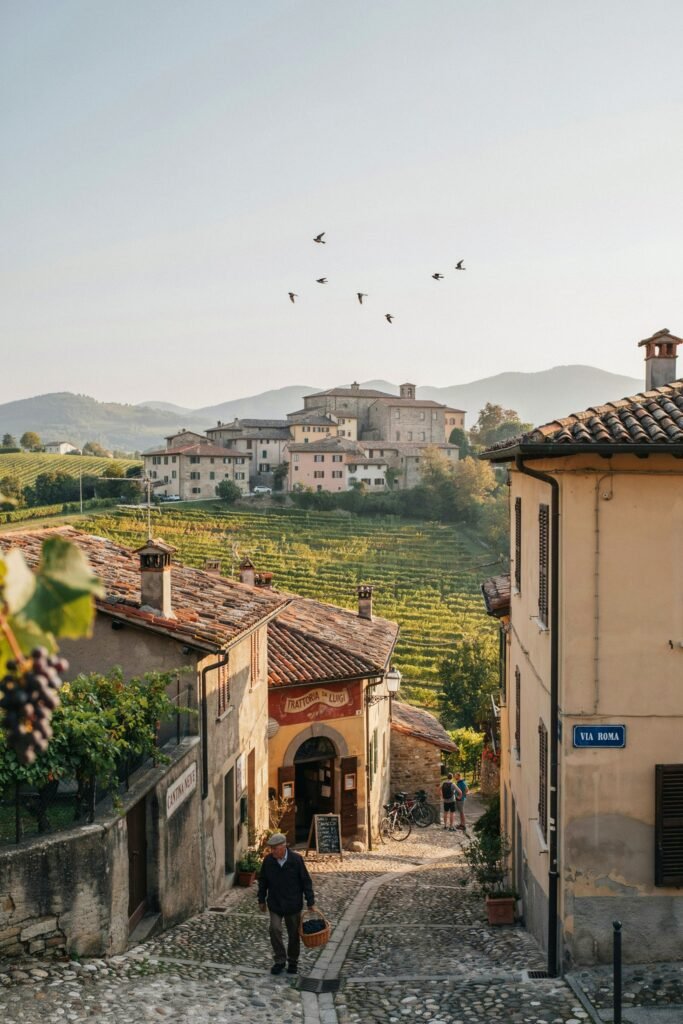
Wine lovers should have Neive on their Italy list.
This beautiful hilltop village sits in Piedmont’s Langhe wine region, surrounded by vineyards and rolling countryside.
The historic center is filled with stone buildings, narrow streets, small restaurants, and traditional Piedmontese architecture.
Unlike some of Italy’s more famous destinations, Neive offers a much quieter experience.
Things to do in Neive
- Wander through the historic center
- Visit local wine producers
- Explore surrounding vineyards
- Enjoy Piedmontese cuisine
- Take countryside walks
- Visit nearby Barbaresco
Best for: Food lovers, wine enthusiasts, couples, and countryside travelers.
12. Santo Stefano di Sessanio, Abruzzo
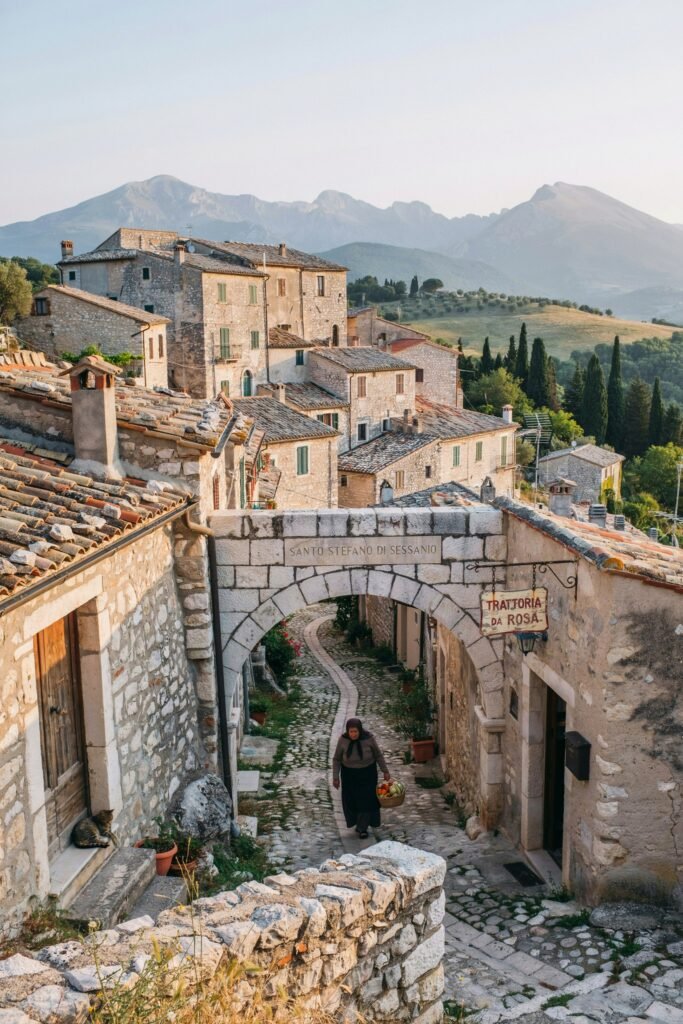
Santo Stefano di Sessanio is the kind of place to visit when you want to escape the busy side of Italy.
This beautifully preserved mountain village is surrounded by the dramatic landscape of Abruzzo. Stone houses, arches, narrow streets, and old towers give the town an atmospheric feeling.
The surrounding area is just as important as the village itself. You can use Santo Stefano as a base for exploring the mountains and nearby natural areas.
Things to do in Santo Stefano di Sessanio
- Wander through the medieval streets
- Photograph the stone architecture
- Explore the surrounding mountains
- Try local Abruzzo cuisine
- Visit nearby Rocca Calascio
- Enjoy a peaceful countryside stay
Best for: Nature lovers, hikers, photographers, and travelers seeking quiet.
13. Locorotondo, Puglia
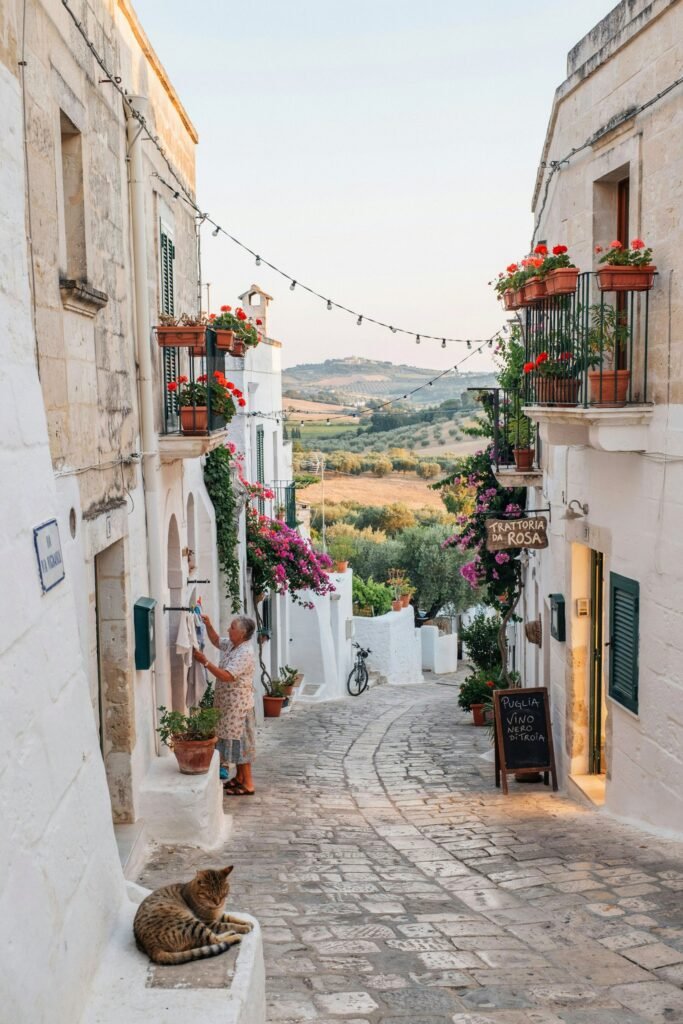
Locorotondo is another Puglian town that deserves more attention.
The name refers to the town’s rounded layout, and its historic center is filled with whitewashed houses, balconies, flowers, and narrow streets.
Locorotondo is particularly beautiful at sunset when the surrounding countryside begins to glow.
It’s also close enough to other Puglian destinations that you can easily include it in a road trip.
Things to do in Locorotondo
- Walk around the historic center
- Photograph the whitewashed streets
- Enjoy an aperitivo in the piazza
- Visit local churches
- Explore the surrounding countryside
- Combine it with Alberobello and Ostuni
Best for: Couples, photographers, food lovers, and Puglia road trips.
14. Erice, Sicily
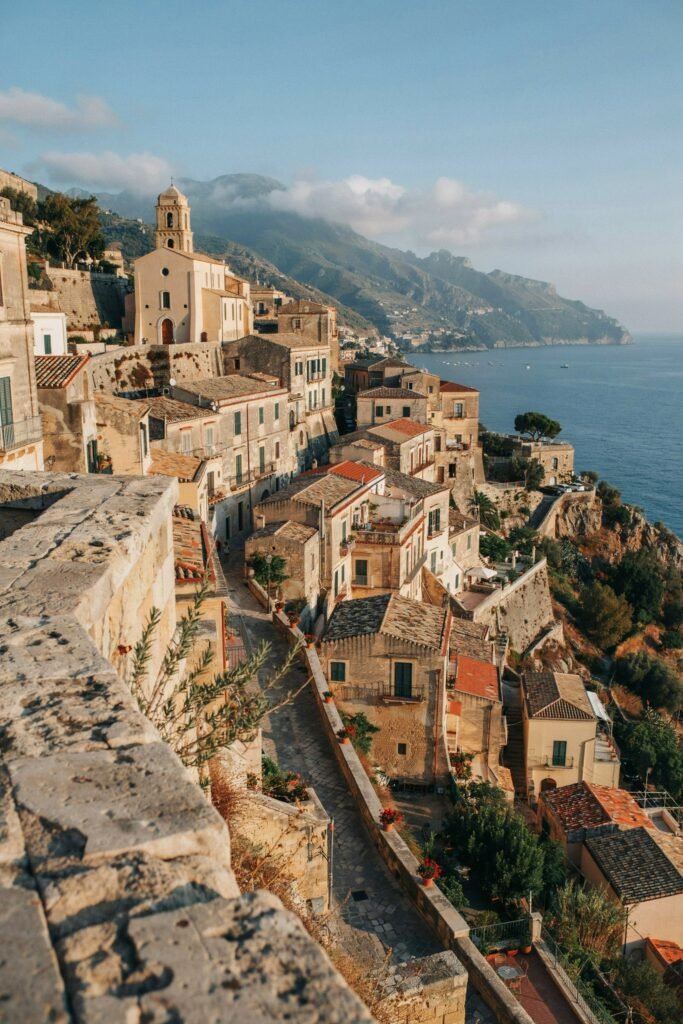
High above western Sicily, Erice feels completely different from the sunny coastal towns below.
The medieval hilltop town is surrounded by dramatic views, ancient stone buildings, churches, and narrow streets.
When the weather is clear, the views across the surrounding landscape and coastline are spectacular.
One of the pleasures of Erice is simply walking through its historic center and discovering little corners as you go.
Things to do in Erice
- Explore the medieval streets
- Visit Venus Castle
- See the historic churches
- Enjoy Sicilian pastries
- Take in the panoramic views
- Explore nearby Trapani
Best for: History lovers, photographers, foodies, and travelers exploring western Sicily.
15. Gubbio, Umbria
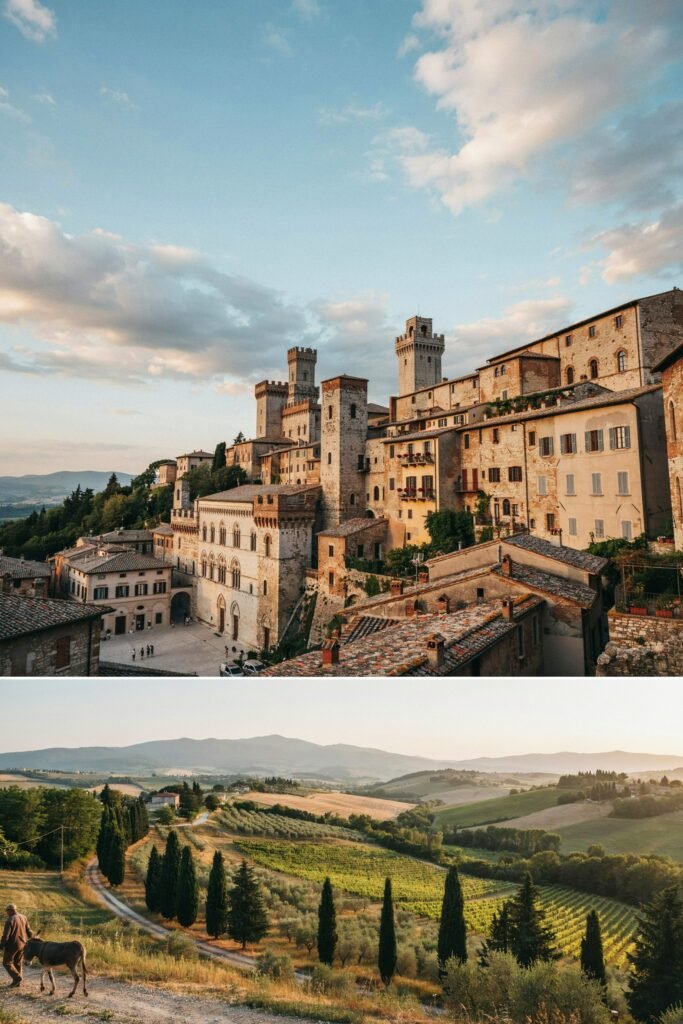
Gubbio is a beautiful medieval town surrounded by the green landscape of Umbria.
Stone buildings climb the hillside, giving the town a dramatic appearance. The historic center is packed with medieval architecture and beautiful viewpoints.
One of the most impressive experiences is reaching Piazza Grande, which overlooks the surrounding Umbrian countryside.
Gubbio is also known for its traditions and festivals, making it especially interesting if you want to experience local culture rather than simply check off famous landmarks.
Things to do in Gubbio
- Explore Piazza Grande
- Visit the Palazzo dei Consoli
- Walk through the medieval center
- Ride the cable car toward Mount Ingino
- Visit Basilica of Sant’Ubaldo
- Try traditional Umbrian food
Best for: History lovers, families, photographers, and culture-focused travelers.
How to Choose the Best Small Town in Italy for Your Trip
With 15 beautiful towns to choose from, deciding where to go can be difficult. I recommend choosing based on the kind of experience you want rather than trying to visit all of them.
For romantic trips
Choose:
- Pienza
- Orta San Giulio
- Atrani
- Locorotondo
These towns are especially lovely for couples who enjoy beautiful scenery, quiet walks, good food, and relaxed evenings.
For photographers
Choose:
- Burano
- Civita di Bagnoregio
- Bosa
- Pitigliano
- Alberobello
Each offers something visually different, from colorful houses to dramatic cliffs and unusual architecture.
For nature lovers
Choose:
- Castelmezzano
- Santo Stefano di Sessanio
- Gubbio
- Pienza
These destinations make it easy to combine town exploration with countryside views and outdoor activities.
For food lovers
Choose:
- Pienza
- Neive
- Locorotondo
- Gubbio
- Pitigliano
Each region has its own specialties, so visiting small towns is a wonderful way to experience Italy beyond pizza and pasta.
Best Time to Visit Italy’s Small Towns
For me, spring and early autumn are some of the best times to explore Italy’s smaller towns.
Spring brings flowers, green countryside, and comfortable temperatures. Autumn adds beautiful colors and is especially appealing in wine-producing areas such as Tuscany and Piedmont.
Summer can be wonderful for coastal towns, but popular destinations such as Alberobello can become crowded during the middle of the day.
If you want a quieter experience, consider traveling in April, May, September, or October.
Recent travel guides similarly recommend shoulder-season visits for several popular small towns because you can enjoy their beauty with fewer crowds and, in many cases, more comfortable conditions.
How to Get Around Italy’s Small Towns
One important thing I learned when planning trips through Italy is that small towns aren’t always as easy to reach as Rome, Florence, or Milan.
For some destinations, trains and buses work perfectly. For others, especially hilltop villages and countryside towns, renting a car can make your trip much easier.
By train
Train travel works well for towns connected to major rail routes.
You can travel by train to a larger nearby city and then continue by bus or taxi.
By car
A rental car gives you much more freedom, particularly in Tuscany, Puglia, Umbria, and Abruzzo.
It also allows you to stop whenever you see a beautiful viewpoint or countryside village.
Just remember that historic centers often have restricted traffic zones, known as ZTLs. Always check where you are allowed to drive before entering an old town.
By organized tour
If you don’t want to drive, day tours can be useful for visiting several small towns from a larger base.
This can be particularly helpful in regions where public transportation between villages is limited.
Tips for Visiting Small Towns in Italy
Wear comfortable shoes. Many beautiful Italian towns have cobblestones, stairs, hills, and uneven streets.
Don’t rush. These destinations are best experienced slowly. Give yourself time to sit in a piazza, enjoy lunch, or simply wander.
Stay overnight when possible. A town that feels busy at noon can become incredibly peaceful in the evening.
Learn a few Italian phrases. Even simple words such as grazie, buongiorno, and per favore can make everyday interactions easier.
Carry some cash. Small cafés, markets, and family-run businesses may not always offer the same payment options as large tourist areas.
Book popular accommodations early. Small towns have fewer hotels and guesthouses than major cities.
Explore beyond the main street. Some of the most memorable corners are found away from the obvious attractions.
Final Thoughts
Italy’s big cities deserve their place on every travel list, but some of my favorite memories can come from slowing down in places that are much smaller.
These towns offer beautiful landscapes, historic streets, local food, and a chance to experience a quieter side of Italian life.
Whether you choose the rolling hills of Pienza, the colorful streets of Burano, the dramatic cliffs of Civita di Bagnoregio, or the mountain scenery of Castelmezzano, I think you’ll find that Italy’s small towns can be just as unforgettable as its famous cities.