
My first August in Europe, I made every rookie mistake possible.
I booked a non-refundable room in Santorini three days before arrival, paid double what I should have, and spent my first night wandering Fira at 1 a.m.
because I hadn’t checked what time check-in actually closed. That trip taught me more about planning a European summer getaway than any guidebook ever did, and everything below comes from that trip and the many I’ve taken since.
Shop my amazon essentials
- Lightweight carry-on suitcase
- Comfortable walking shoes
- Reusable water bottle
- Universal travel adapter
- Portable power bank
- Sunscreen (SPF 30+ or higher)
- Sunglasses and a sun hat
- Lightweight rain jacket or compact umbrella
- Anti-theft crossbody bag or daypack
- Passport holder with travel documents
Why August Deserves a Second Look
August has a reputation as the “worst” month to visit Europe it’s hot, it’s crowded, and locals in cities like Paris and Rome famously leave town themselves. But that reputation only tells half the story.
August is also when Europe throws its best parties: village festivals, open-air concerts, wine harvests beginning in the south, and long golden evenings that stretch past 9 p.m.
The trick isn’t avoiding August it’s knowing where to go and how to plan around the heat and the crowds.
Below is a rundown of the destinations that consistently reward August travelers, along with practical details on getting there, what to do, where to sleep, how to budget, and how to stay safe.
1. Amalfi Coast, Italy
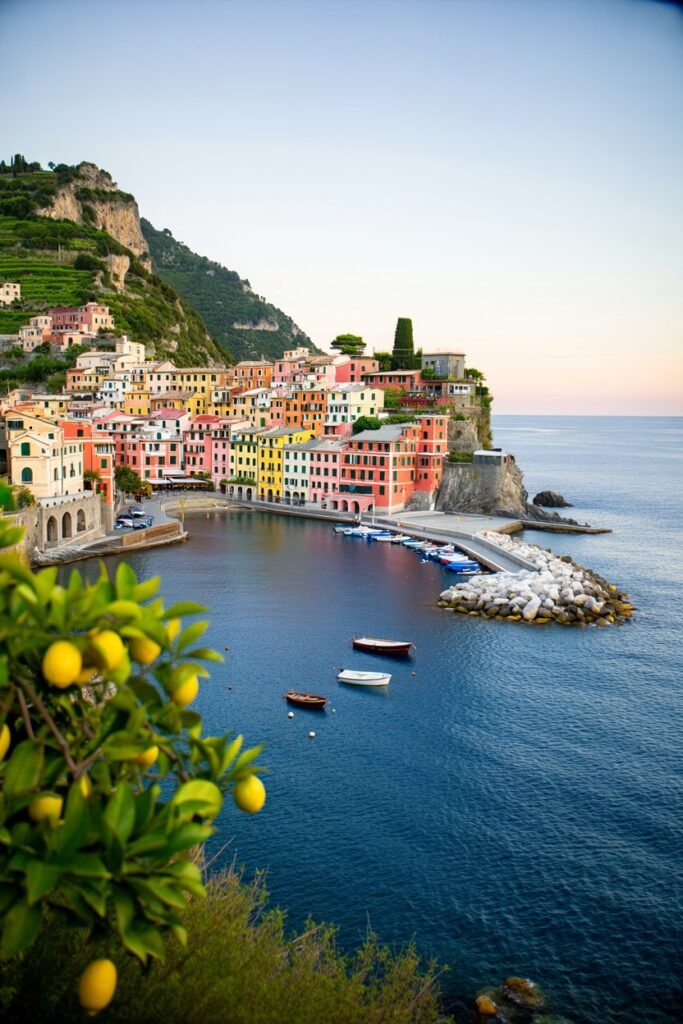
The Amalfi Coast in August is Italy at its most theatrical cliffside towns tumbling into a turquoise sea, lemon groves clinging to hillsides, and boats bobbing in tiny harbors. Yes, it’s busy. Yes, it’s worth it.
How to Get There Fly into Naples International Airport (NAP), which is the closest major hub.
From Naples, you have three realistic options: a private transfer (fastest and most comfortable, roughly 60–90 minutes depending on traffic), the Circumvesuviana train to Sorrento followed by a SITA bus or ferry, or a hydrofoil ferry from Naples’ port directly to Positano or Amalfi town, which is often the most scenic and least stressful route in peak season traffic.
Fun Things to Do
- Take a boat trip around the coast to see Positano, Praiano, and the Li Galli islets from the water this is genuinely the best way to appreciate the coastline’s scale.
- Hike the “Path of the Gods” (Sentiero degli Dei), a cliffside trail connecting Bomerano to Nocelle, ideally started early in the morning before the heat sets in.
- Visit Ravello, a quieter hilltop town with the Villa Rufolo gardens and sweeping views without the Positano crowds.
- Take a cooking class in Sorrento or Minori focused on fresh pasta and limoncello.
- Swim at Fornillo Beach in Positano, which is quieter than the main beach and just a short walk away.
Where to Stay Positano is the postcard town but also the most expensive and crowded. Praiano, just a few minutes away, offers similar views at noticeably lower prices.
Amalfi town itself is a good middle ground central, walkable, and close to ferry connections. For a genuinely local feel, look at Minori or Cetara, both known for excellent seafood and far fewer tourists.
Spending Tips Book accommodation at least three to four months ahead August rooms disappear early and prices climb the closer you get to the date.
Eat where locals eat: family-run trattorias slightly up the hill from the waterfront are usually half the price of anything with a sea view.
Ferries are often cheaper and faster than buses for town-to-town travel, and buying multi-stop tickets in advance saves money.
Safety Notes The coastal road is narrow and winding with heavy traffic in August if you’re not an extremely confident driver, skip renting a car and use ferries, buses, or private drivers instead.
Watch your belongings on crowded ferries and buses, which are known hotspots for pickpocketing.
2. Santorini, Greece
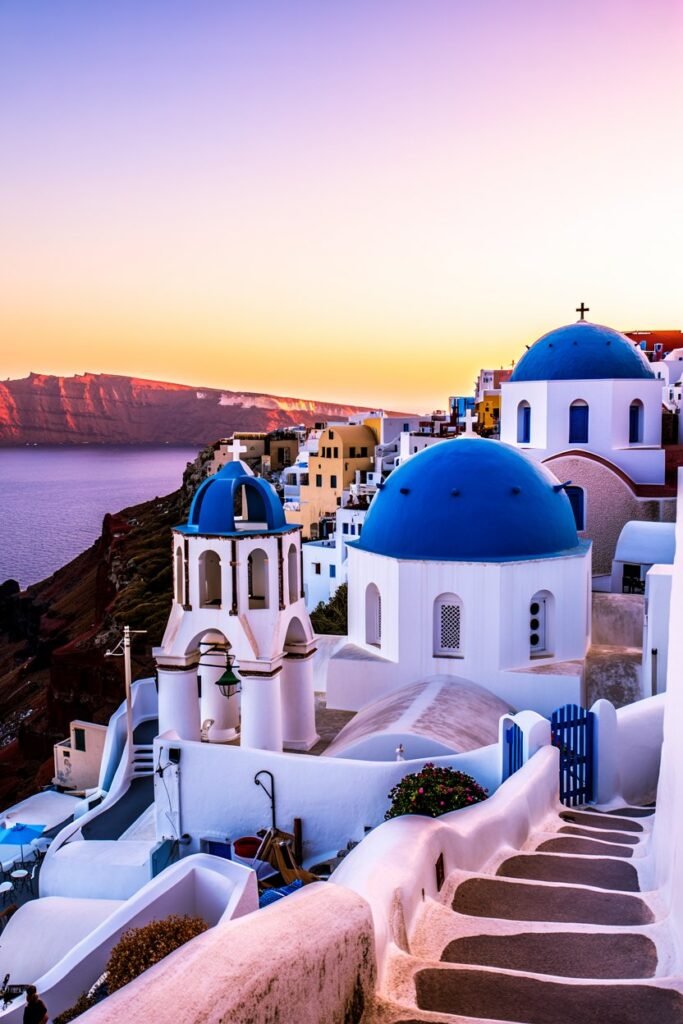
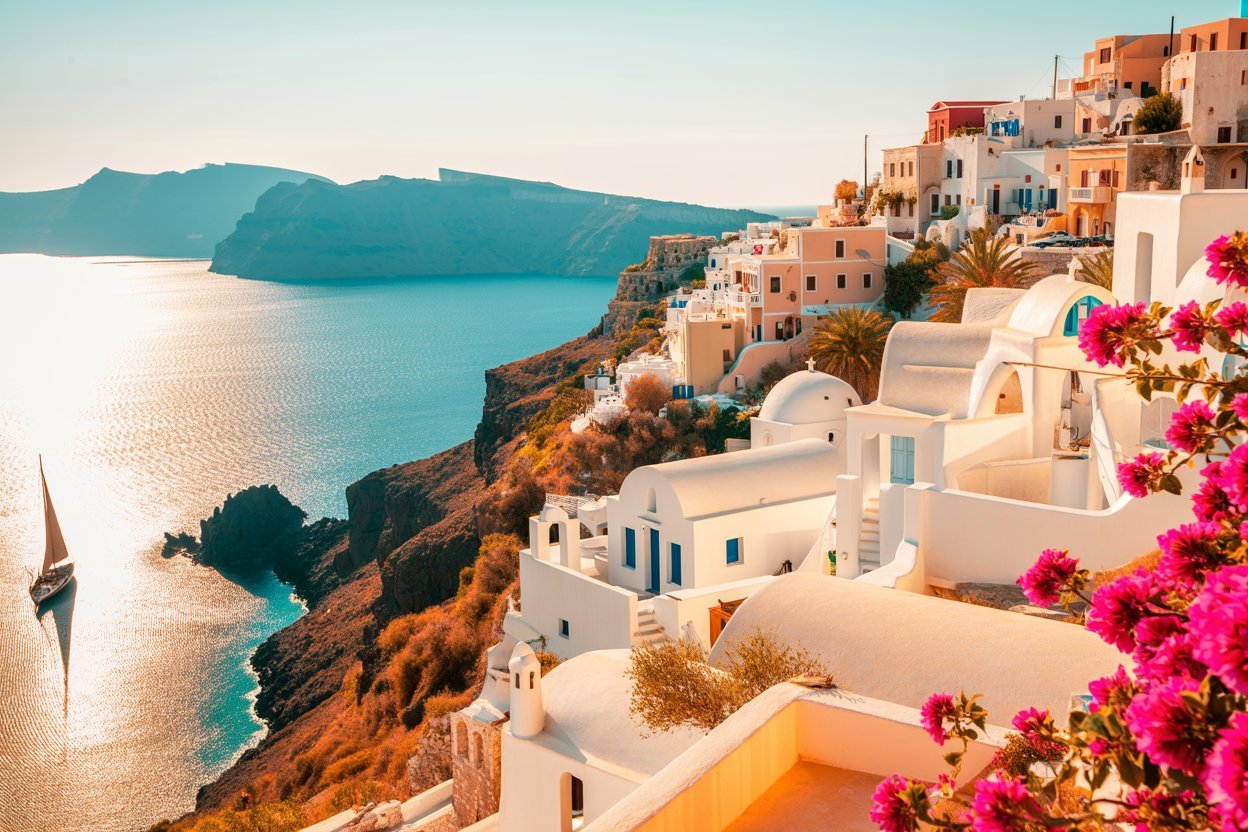
Santorini is the destination that launches a thousand Instagram feeds, and while it’s crowded in August, the sunsets, whitewashed villages, and volcanic landscape still deliver.
How to Get There Santorini has its own airport (JTR) with frequent connections from Athens (about a 45-minute flight) and direct seasonal flights from several major European cities. Alternatively, high-speed ferries run from Athens’ port of Piraeus, taking around 4.5 to 8 hours depending on the vessel.
Fun Things to Do
- Watch sunset from Oia, but arrive at least an hour early for a decent spot, or watch from Imerovigli for a quieter, equally stunning alternative.
- Take a catamaran cruise around the caldera, which usually includes stops for swimming near the volcanic hot springs and a barbecue dinner on board.
- Visit the ancient site of Akrotiri, a remarkably preserved Bronze Age settlement often called the “Pompeii of the Aegean.”
- Wine taste at a local winery like Santo Wines, which pairs tastings with caldera views.
- Explore Pyrgos, a quiet hilltop village that feels a world away from Oia’s crowds.
Where to Stay Oia and Fira get the fame, but Imerovigli offers similar caldera views with a calmer atmosphere. Kamari and Perissa, on the island’s black sand beaches, are more budget-friendly and better for travelers who want beach time alongside sightseeing.
Spending Tips Caldera-view rooms in Oia can run several times the price of equally comfortable rooms just a short drive away.
Renting a small ATV or car is often cheaper than relying on taxis, which are limited and pricey in high season. Eating in Fira or Oia’s main squares costs a premium walk a few streets back for the same quality at lower prices.
Safety Notes The island’s cliffside paths and viewpoints can be crowded and have minimal railings in places take care with children and after dark.
Roads are narrow and steep, so drive cautiously if renting a vehicle, and be extra careful on scooters, which are involved in a disproportionate number of tourist injuries here.
3. Dubrovnik and the Dalmatian Coast, Croatia
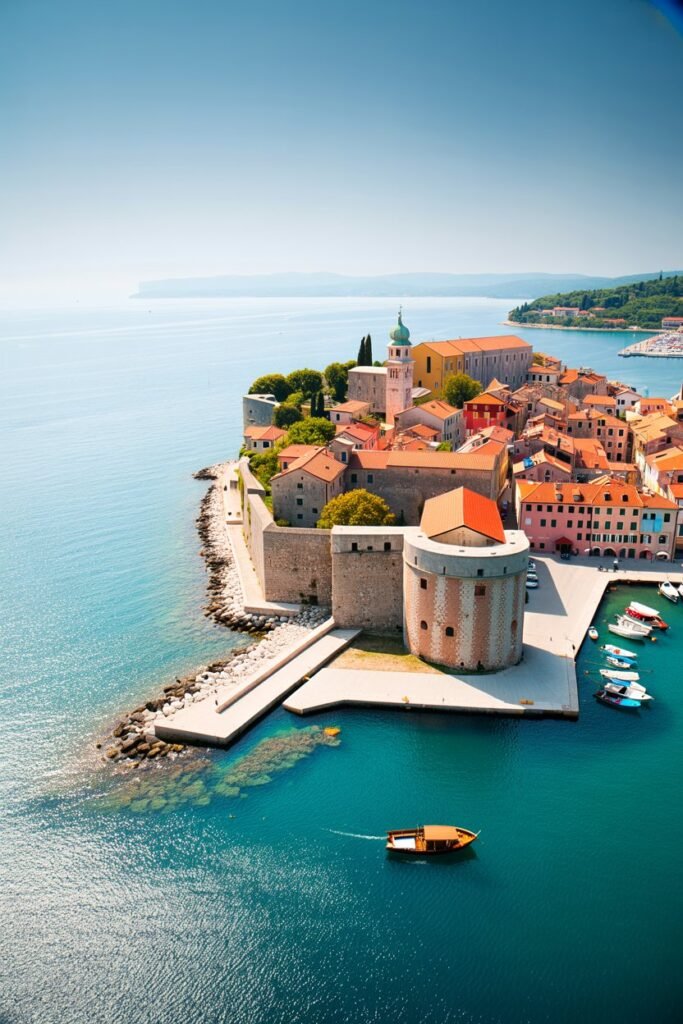
Dubrovnik’s Old Town walls, red rooftops, and glittering Adriatic waters make it one of Europe’s most photogenic August destinations, and the wider Dalmatian coast offers island-hopping opportunities most travelers never explore.
How to Get There Dubrovnik Airport (DBV) has direct flights from most major European cities during summer.
From the airport, shuttle buses and taxis reach the Old Town in about 25–30 minutes. If you’re combining Dubrovnik with other Dalmatian towns, ferries connect it to Split, Korčula, and Hvar.
Fun Things to Do
- Walk the Dubrovnik City Walls early in the morning, before 9 a.m., to avoid both the heat and the crowds.
- Take a cable car up Mount Srđ for panoramic views over the Old Town and the sea.
- Kayak around the city walls at sunset, a popular and genuinely worthwhile tour.
- Day-trip to the Elaphiti Islands or Lokrum Island, both easily reached by short ferry rides and far less crowded than the Old Town itself.
- If budget allows, take a multi-day sailing trip through the islands this region is made for it.
Where to Stay Staying inside the Old Town walls is atmospheric but expensive and noisy in August. Lapad and Babin Kuk, a short bus ride away, offer better value, more space, and easy beach access.
For something quieter, consider staying in nearby Cavtat, a smaller coastal town with regular boat connections to Dubrovnik.
Spending Tips Dubrovnik’s Old Town restaurants are among the priciest in Croatia head slightly inland or to Lapad for meals at a fraction of the cost.
The city wall entrance fee is steep, so check if your accommodation offers any local discount cards. Ferries to nearby islands are inexpensive and a great way to escape peak crowds for a day.
Safety Notes The Old Town’s stone streets are slippery when wet and can be brutally hot underfoot in August sun good footwear matters.
Petty theft occurs in crowded tourist areas, so keep bags zipped and in front of you, especially near the main gate and cable car queue.
Read Europe Packing Tips: 15 Items You Won’t Need For Europe in Fall
4. Edinburgh, Scotland
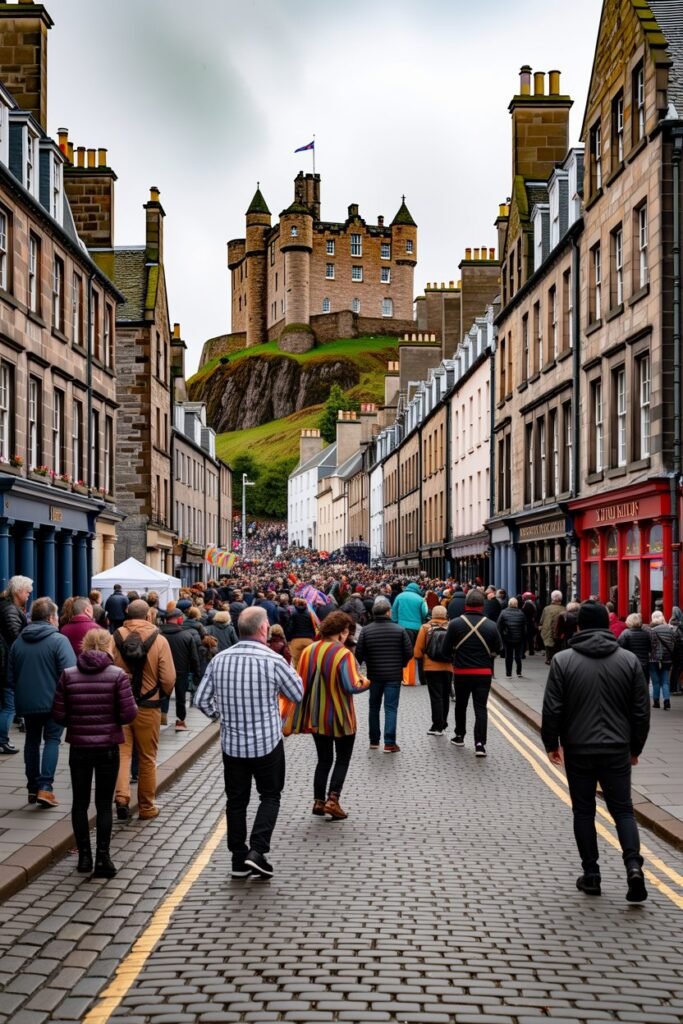
If you want a cooler, culturally packed alternative to southern Europe’s heat, Edinburgh in August is hard to beat this is when the Edinburgh Festival Fringe, the world’s largest arts festival, takes over the entire city.
How to Get There Edinburgh Airport (EDI) connects to most major European cities. From the airport, the tram or Airlink bus reaches the city center in about 30 minutes.
Fun Things to Do
- Catch multiple shows at the Fringe Festival — comedy, theater, and everything in between, often in tiny, atmospheric venues.
- Walk the Royal Mile, especially in the evening when street performers take over.
- Climb Arthur’s Seat for a free, sweeping view over the whole city — go early to beat both heat and crowds.
- Explore Edinburgh Castle, ideally booking tickets online in advance to skip the line.
- Watch the Royal Edinburgh Military Tattoo, a spectacular evening performance held on the Castle Esplanade (book tickets months ahead — this sells out fast).
Where to Stay The Old Town is central and walkable but books up and gets pricey during the Fringe. New Town offers a slightly calmer, still central alternative.
For better value, look at Leith, a revitalized waterfront neighborhood a short bus ride from the center with excellent food options.
Spending Tips Accommodation prices in Edinburgh during August are some of the highest of the year because of festival demand book as early as possible, ideally six months out.
Many Fringe shows offer discounted or “pay what you want” tickets, especially for early daytime slots. Walking is often faster than taxis during festival month, since the center gets extremely congested.
Safety Notes Crowds during the Fringe are dense, especially on the Royal Mile in the evenings keep an eye on personal belongings and agree on a meeting point if traveling in a group.
Scotland’s weather is unpredictable even in August, so pack a rain layer regardless of the forecast.
5. Salzburg, Austria
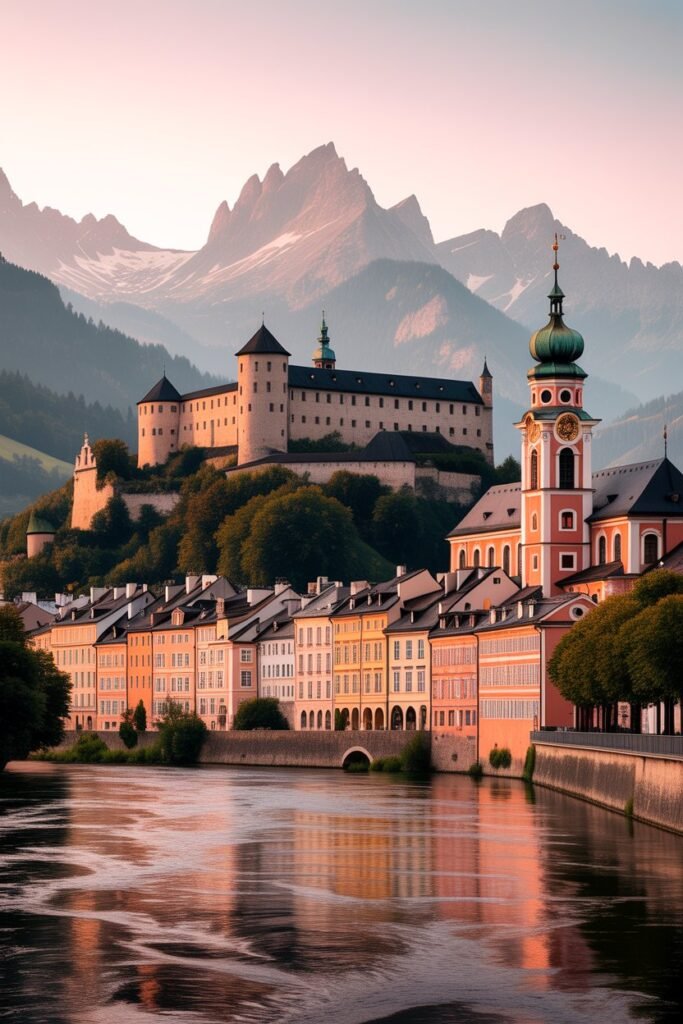
Salzburg in August means the Salzburg Festival, one of the world’s most respected celebrations of classical music and theater, set against a backdrop of Alpine scenery and baroque architecture.
How to Get There Salzburg Airport (SZG) has connections from major European cities, or you can fly into Munich and take a direct train (about 1.5–2 hours), which is often cheaper and equally convenient.
Fun Things to Do
- Attend a performance at the Salzburg Festival, ranging from opera to orchestral concerts in stunning historic venues.
- Tour Hohensalzburg Fortress, reachable by funicular, for commanding views over the old town.
- Take a Sound of Music-themed tour through the nearby lake district if you’re a fan of the film.
- Day-trip to the Salzkammergut lake region, particularly Hallstatt, for a slower, scenic contrast to the city.
- Wander the gardens of Mirabell Palace, free to enter and a nice break from festival crowds.
Where to Stay The Old Town is beautiful and walkable but among the priciest areas during festival season. Staying near the train station or in the Neustadt (new town) area offers easier budgets and a five-to-ten-minute walk to the old center.
Spending Tips Festival tickets range enormously in price standing tickets or same-day rush tickets can make performances accessible even on a budget.
Salzburg’s public transport card, often bundled with sightseeing discounts, is worth it if you’re staying more than two days. Eating in the main squares costs more; side streets a few blocks off the tourist path offer the same quality for less.
Safety Notes Salzburg is generally very safe, but festival crowds mean pickpocketing risk rises around major venues and the train station.
Weather in the Alps can shift quickly, so bring a light jacket even in August, especially for evening performances or lake day trips.
Read Mistakes Tourists Make in Europe in Summer (And How to Avoid Them)
6. Lake Bled, Slovenia
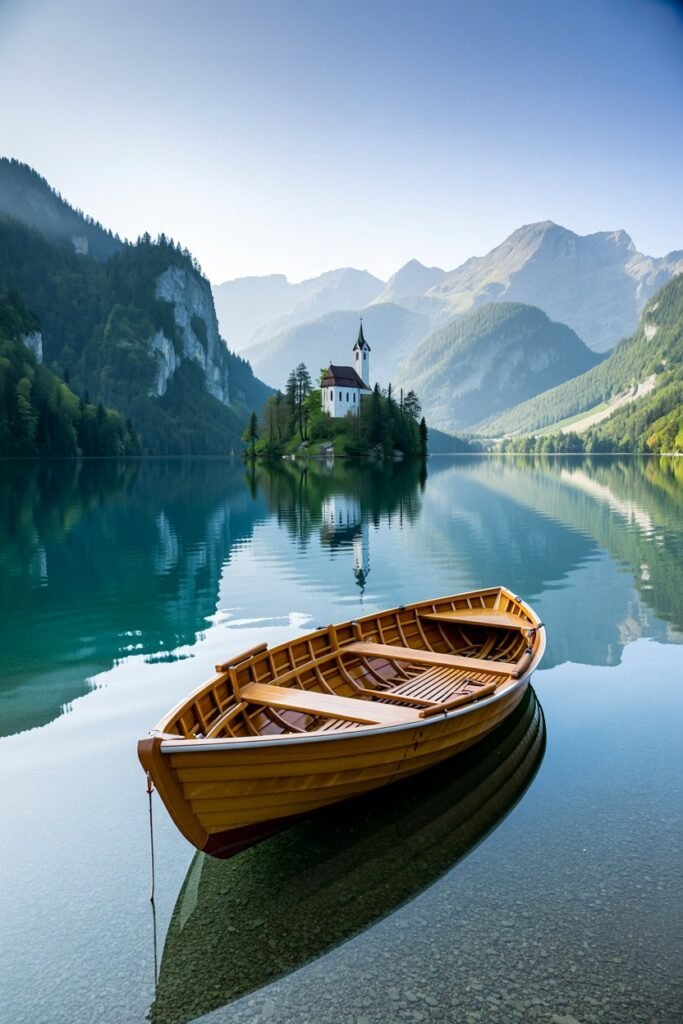
Lake Bled offers something increasingly rare in August: a genuinely relaxing, uncrowded escape with scenery that rivals anywhere in the Alps.
How to Get There The nearest airport is Ljubljana Jože Pučnik Airport (LJU), about 40 minutes away by car or shuttle bus. Ljubljana itself is also a scenic hour-long train or bus ride away if you want to combine both destinations.
Fun Things to Do
- Row a traditional pletna boat out to Bled Island and climb the 99 steps to the church for a classic photo and a good workout.
- Walk or cycle the path around the entire lake, which takes roughly two hours and offers different views at every turn.
- Visit Bled Castle, perched on a cliff above the lake, for panoramic views and a small history museum.
- Day-trip to the Vintgar Gorge, a wooden walkway suspended over turquoise rapids, best visited early to avoid tour groups.
- Try Bled cream cake (kremna rezina) at one of the lakeside cafés it’s a local institution.
Where to Stay Staying directly on the lake gives you the best views but at a premium price.
The nearby town of Radovljica, a short drive away, offers a charming old town and considerably lower prices. Bohinj, about 25 minutes further, is even quieter and better for those craving true stillness.
Spending Tips Slovenia overall is noticeably cheaper than Italy or Croatia for comparable quality, making it a good budget stretch within a broader Europe trip.
Renting a bike to explore the lake and surrounding villages costs far less than organized tours and offers more flexibility. Self-catering apartments are common and a good way to cut food costs.
Safety Notes Lake Bled is very safe overall; the main things to watch are slippery paths around the gorge and castle after rain, and sun exposure on the lake path, which has limited shade in the hottest parts of the day.
7. The Azores, Portugal
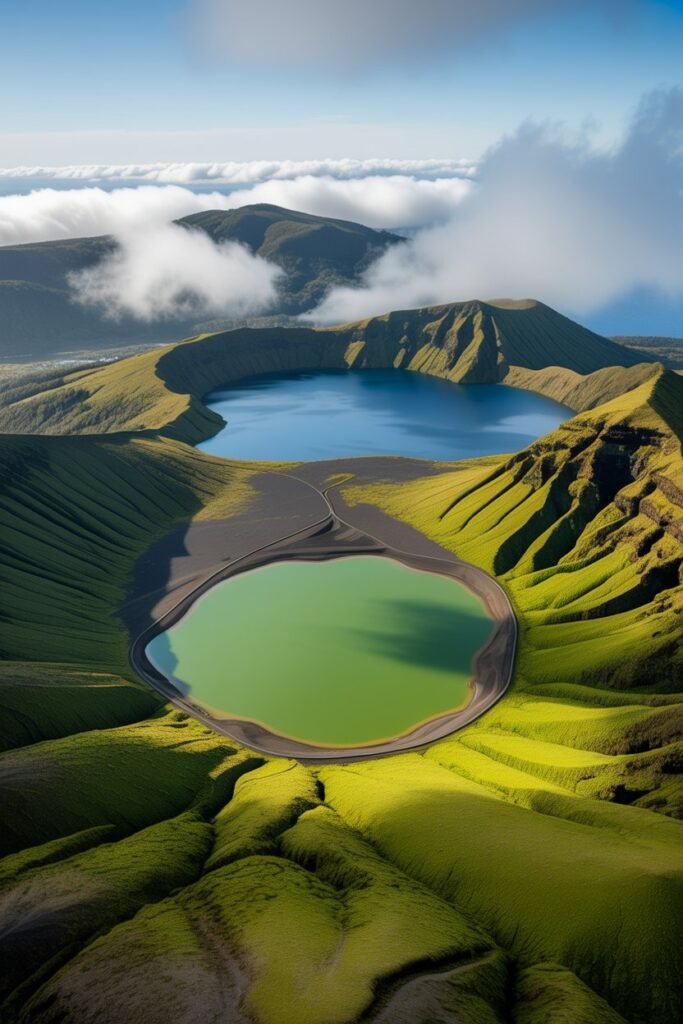
For travelers who want lush greenery, volcanic landscapes, and cooler temperatures than mainland Europe in August, the Azores are one of the continent’s best-kept secrets.
How to Get There Ponta Delgada Airport (PDL) on São Miguel Island has direct flights from Lisbon, Porto, and several other European cities, plus seasonal transatlantic routes. Inter-island travel is done by short regional flights or ferries during summer months.
Fun Things to Do
- Hike around the twin crater lakes of Sete Cidades, one of the archipelago’s most photographed spots.
- Swim in the natural volcanic pools at Ponta da Ferraria, where hot spring water meets the cold Atlantic.
- Go whale watching — August is peak season for spotting several whale species arou the islands.
- Relax in the thermal hot springs and tea plantations of Furnas.
- Explore Terceira Island’s historic town of Angra do Heroísmo, a UNESCO World Heritage site.
Where to Stay Ponta Delgada is the most convenient base with the widest range of hotels and easy access to day trips. For something quieter, small guesthouses in Furnas or on Terceira Island offer a more local, low-key experience.
Spending Tips The Azores are considerably cheaper than mainland tourist hotspots for food and lodging, though inter-island flights and ferries can add up quickly plan your island-hopping route in advance to minimize backtracking.
Car rental is generally the most cost-effective way to explore each island, since public transport is limited.
Safety Notes Hiking trails can be muddy and exposed to sudden weather changes, so proper footwear and a rain layer are essential even in summer. Ocean currents around the volcanic pools can be strong, so pay attention to any posted warnings before swimming.
General Money-Saving Tips for August Travel
- Book early, but track prices. August is peak season across nearly all of Europe, and prices for flights and hotels rise the closer you get to your dates. Booking three to six months ahead typically gets you the best rates.
- Consider “second cities” over capitals. Smaller nearby towns often offer nearly identical experiences to famous hotspots for a fraction of the price.
- Travel midweek when possible. Flights and accommodation are often cheaper Tuesday through Thursday than on weekends.
- Eat like a local. Restaurants directly on main squares or waterfronts charge a premium simply for the view. Walk a few streets back for the same food at lower prices.
- Use city or regional transport cards. Many destinations offer multi-day passes covering public transport and attraction discounts, which add up to real savings if you’re sightseeing heavily.
- Watch dynamic pricing on transport. Trains and ferries in Europe often use dynamic pricing similar to airlines booking earlier usually means cheaper fares.
General Safety Tips for August Travel
- Stay hydrated and plan around the heat. Southern Europe regularly sees temperatures above 30°C (86°F) in August. Plan strenuous activities like hiking for early morning, and carry water everywhere.
- Guard against pickpocketing in crowds. Tourist hotspots, public transport, and festival crowds are prime pickpocketing zones — use a crossbody bag or money belt and keep valuables split across bags rather than in one place.
- Check local emergency numbers. The European Union-wide emergency number 112 works in every EU country and connects to police, fire, or medical services.
- Buy travel insurance. Medical costs for non-EU travelers can be high, and insurance also covers cancellations, which are common during peak-season disruptions like strikes or extreme weather.
- Register with your embassy if traveling long-term. Many countries offer free traveler registration programs that can help in emergencies.
- Respect local customs and dress codes, particularly around religious sites, where modest dress is often required regardless of the heat.
Final Thoughts
August in Europe rewards travelers who plan a little and stay flexible a lot.
Whether it’s the cliffs of the Amalfi Coast, the festival buzz of Edinburgh, or the quiet green calm of the Azores, there’s a version of European summer that fits almost any traveler’s pace and budget.
The destinations above aren’t just beautiful they’re manageable, even during the busiest month of the year, if you book early, plan around the heat, and know where the crowds thin out.
That’s really the whole secret: everyone sees the same postcard views, but the best trips happen in the details most guidebooks skip.