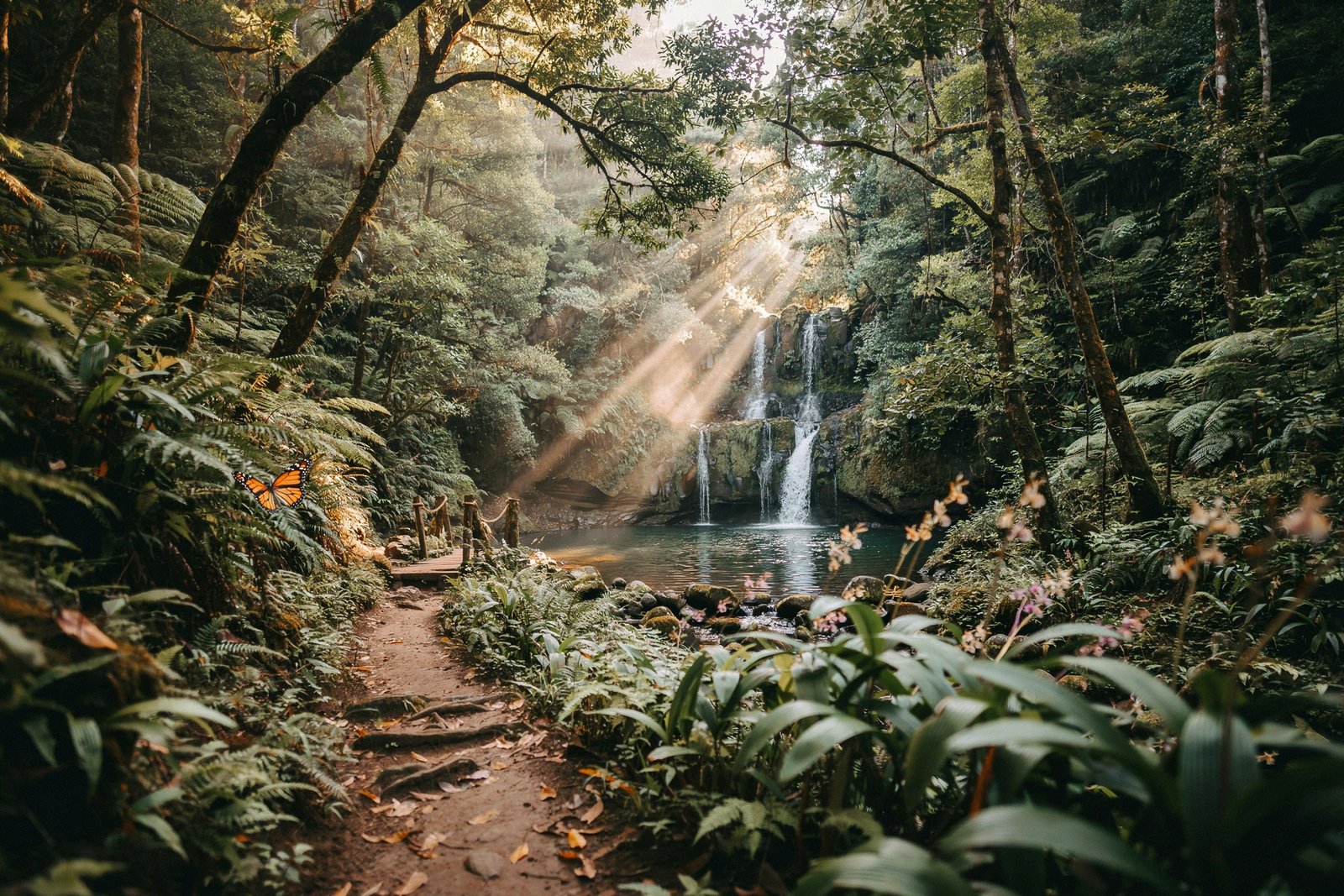

There’s something about the sound of rushing water that just resets my soul.
Maybe it’s the mist on my skin, the way sunlight catches the spray and turns it into tiny rainbows, or that quiet moment of awe when a wall of water finally comes into view after a long climb.
I’ve spent years lacing up my boots and following trails to some of the most stunning waterfalls this country has to offer, and I’m so excited to share my favorites with you, along with everything you need to plan your own unforgettable adventure.
Why Waterfall Hikes Are the Perfect Adventure
Waterfall hikes offer something for everyone. Whether you’re a seasoned hiker chasing your next epic view or someone who simply wants a peaceful nature walk that ends with a jaw-dropping payoff, there’s a waterfall trail out there with your name on it.
These hikes tend to be family-friendly, dog-friendly (always check local rules first), and endlessly rewarding for photographers, nature lovers, and anyone craving a little quiet magic.
Below, I’m sharing ten of the best waterfall hikes in America, complete with how to find each one, the best things to do once you’re there, and safety tips to keep your trip as smooth as it is beautiful.
1. Multnomah Falls, Oregon
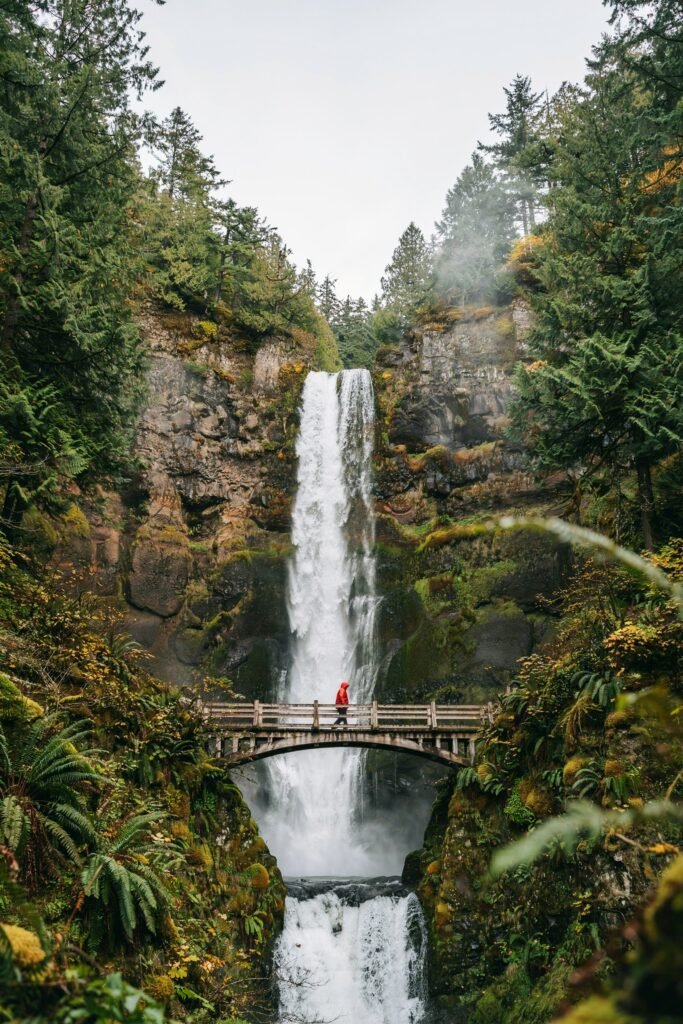
Tucked into the Columbia River Gorge, Multnomah Falls is one of the most photographed waterfalls in the country, and for good reason. This two-tiered beauty drops a total of 620 feet, making it the tallest waterfall in Oregon.
How to Find It: Multnomah Falls sits right off Interstate 84, about 30 minutes east of Portland. There’s a visitor center at the base with parking, though it fills up fast, especially on summer weekends.
A free shuttle service and timed-entry permit system operate during peak season, so it’s worth checking the U.S. Forest Service website before you go.
Things to Do: Walk the paved half-mile trail up to the iconic Benson Bridge, which frames the upper falls perfectly for photos.
Feeling ambitious? Continue another mile up a series of switchbacks to the top of the falls for sweeping views of the Gorge.
Pack a picnic and enjoy it at one of the shaded tables near the base, and don’t skip a stop at the historic lodge for a coffee or a bite to eat.
Safety Tips: The trail to the top can be steep and slick, especially after rain, so wear shoes with solid grip.
Stay behind railings and never venture off-trail toward the cliff edges; the area around the falls has seen serious injuries from people trying to get the “perfect” photo. Bring layers, since mist from the falls can make the air noticeably cooler.
2. Havasu Falls, Arizona
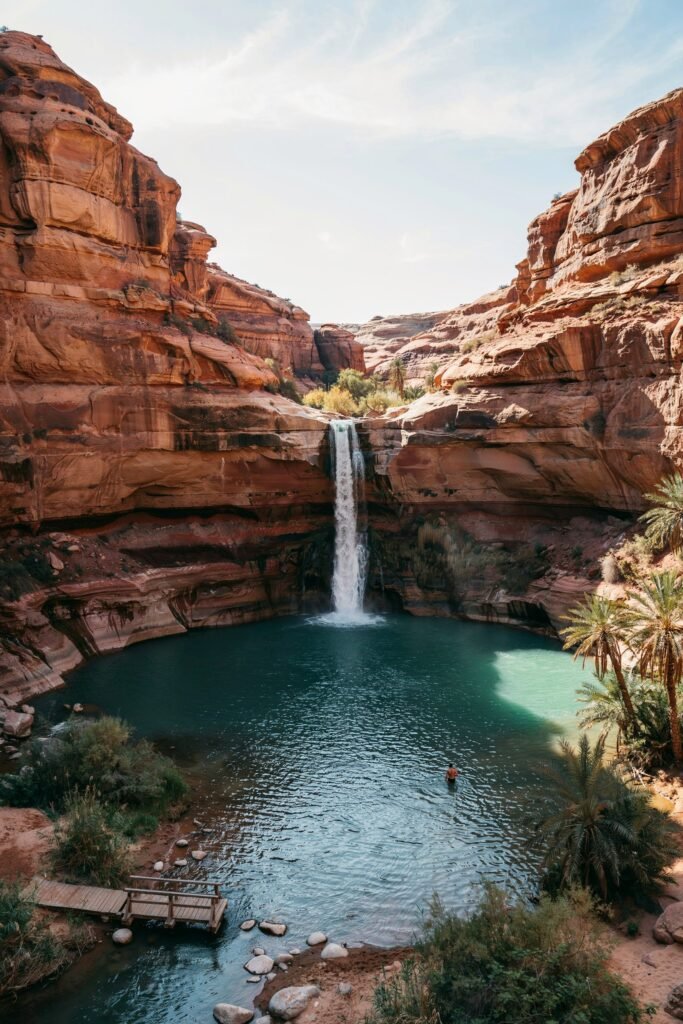
If you’ve scrolled through hiking accounts on social media, you’ve almost certainly seen the turquoise waters of Havasu Falls.
Located deep within the Havasupai Indian Reservation in the Grand Canyon, this waterfall feels like a desert oasis plucked straight from a dream.
How to Find It: Havasu Falls is reached via the town of Supai, Arizona, accessible from Hualapai Hilltop, about a 3.5-hour drive from Flagstaff.
From the hilltop, it’s a 10-mile hike (or mule/helicopter ride) down into the canyon to reach the village of Supai, then another two miles to the falls. Permits are required and sell out almost instantly when they release each February, so mark your calendar.
Things to Do: Swim in the famous blue-green pools, explore nearby Mooney Falls and Beaver Falls with a bit more hiking, and camp overnight in the designated campground along Havasu Creek.
Many visitors turn this into a multi-day backpacking trip rather than a single hike.
Safety Tips: This is a remote desert hike with serious heat exposure, so start early, carry more water than you think you need, and watch for signs of dehydration or heat exhaustion.
The descent to Mooney Falls involves ladders and chains through a cave, which can be intimidating; take your time and wear shoes with excellent traction. Flash floods are a real risk in this canyon system, so always check weather conditions before you go.
3. Yosemite Falls, California
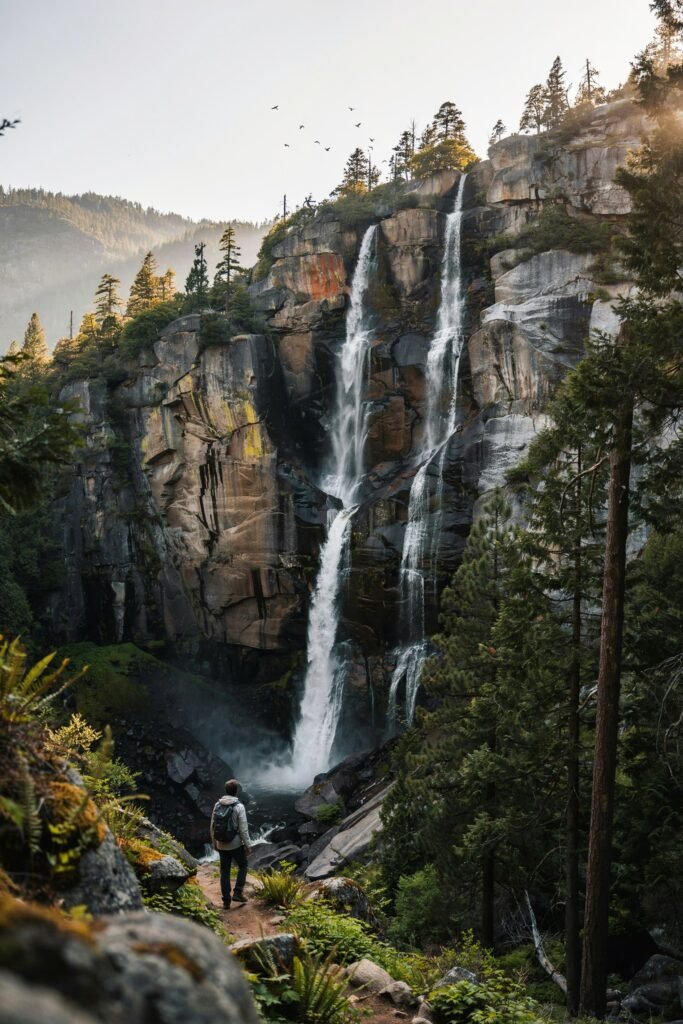
Standing at 2,425 feet, Yosemite Falls is the tallest waterfall in North America, and hiking to see it is an experience every nature lover should have at least once.
How to Find It: Yosemite Falls is located in Yosemite National Park, about a four-hour drive from San Francisco.
The trailhead for the Lower Falls is an easy, flat, paved path from Yosemite Village, while the trailhead for the strenuous Upper Falls trail begins near Camp 4.
Things to Do: For a gentle stroll, the Lower Yosemite Fall Trail is just one mile round trip and perfect for families or those short on time.
For a full-day challenge, the Upper Yosemite Falls Trail climbs nearly 2,700 feet over 7.2 miles round trip, rewarding hikers with panoramic views of Yosemite Valley.
Afterward, treat yourself to dinner in the valley and stargaze once the crowds thin out.
Safety Tips: The waterfall’s flow varies dramatically by season, often slowing to a trickle by late summer, so plan your visit for spring or early summer if you want to see it at full power.
The upper trail is exposed to sun and has minimal shade, so bring plenty of water, sun protection, and sturdy footwear. Start early to avoid both the heat and the crowds.
4. Ricketts Glen State Park, Pennsylvania
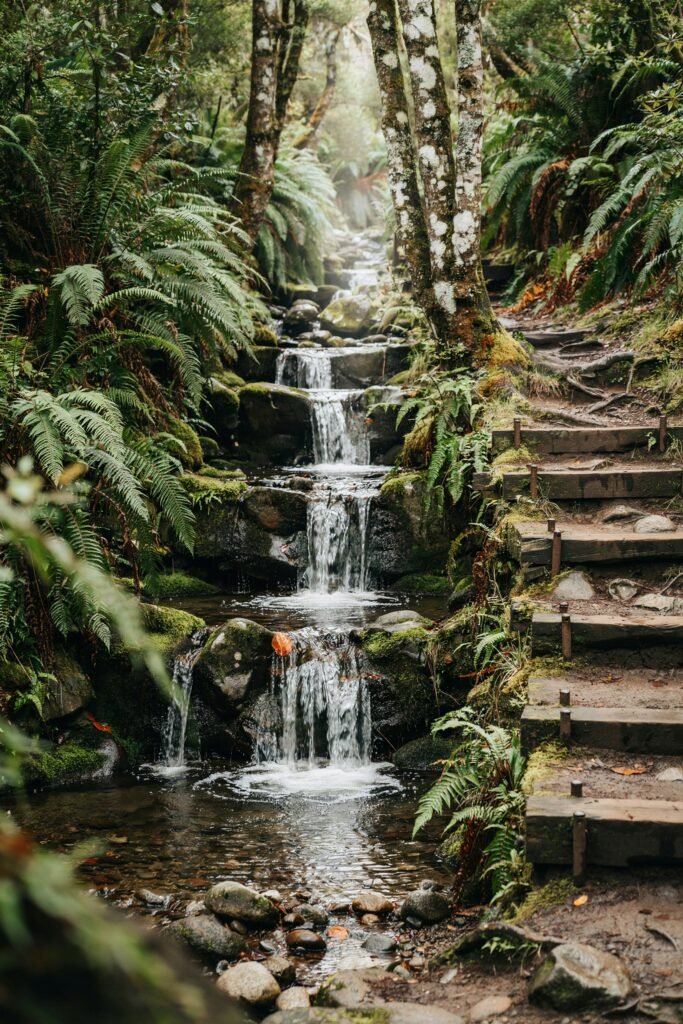
For waterfall lovers who want quantity as well as quality, Ricketts Glen delivers with twenty-two named waterfalls along a single, well-loved trail system.
How to Find It: Ricketts Glen State Park is located in northeastern Pennsylvania, roughly a two-hour drive from both Scranton and Wilkes-Barre.
The main trailhead for the Falls Trail begins at Lake Rose Environmental Education Center or the Route 118 parking area, depending on which direction you’d like to hike.
Things to Do: The Falls Trail Loop is about 7.2 miles and takes you past all the major falls, including the 94-foot Ganoga Falls, the tallest in the park.
If you’d rather see the highlights without the full loop, shorter out-and-back options let you view several waterfalls in just a couple of hours. Bring a journal or sketchbook; the mossy, fern-covered gorge is one of the most peaceful spots on the East Coast.
Safety Tips: The trail includes numerous stone steps and can be extremely slippery when wet or icy, so trekking poles are a smart addition.
Wear waterproof hiking boots and take your time on the descents. This trail is not recommended in winter unless you’re experienced with icy terrain and proper traction devices.
5. Sol Duc Falls, Washington
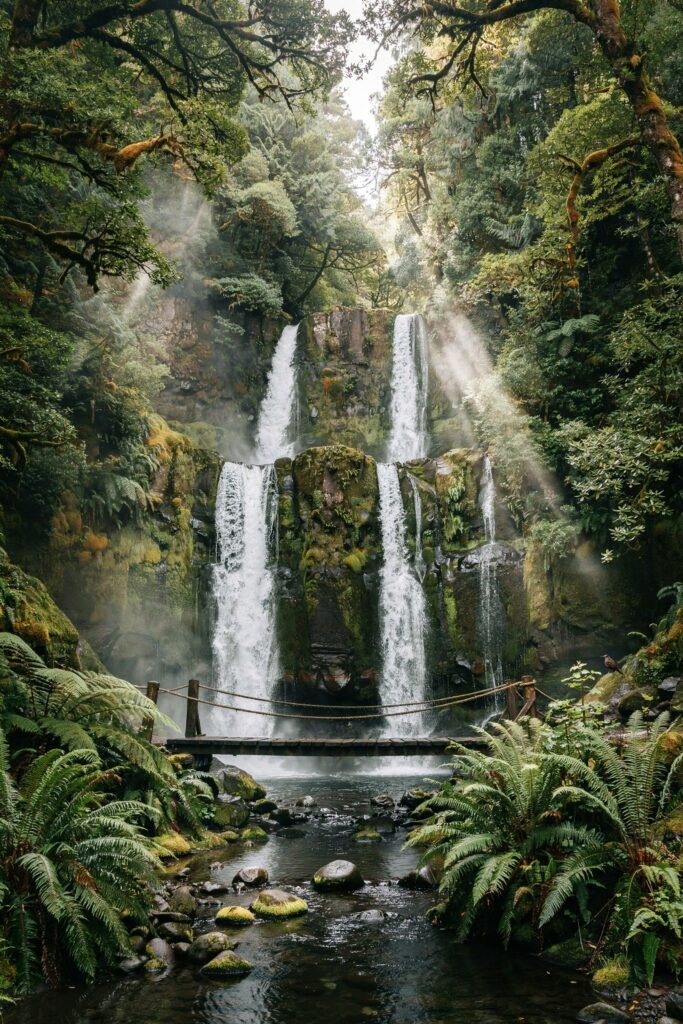
Nestled in the lush rainforest of Olympic National Park, Sol Duc Falls feels like stepping into a fairytale, with moss-draped trees and a waterfall that splits into three cascading channels.
How to Find It: From Port Angeles, Washington, follow Highway 101 west and turn onto Sol Duc Hot Springs Road. The trailhead is located at the end of the road near the Sol Duc Trailhead parking area.
Things to Do: The hike to the falls is an easy 1.6-mile round trip through old-growth forest, making it perfect for a relaxing afternoon.
After your hike, unwind at the nearby Sol Duc Hot Springs Resort, where natural hot pools offer the ultimate reward for tired legs.
Photographers will love the footbridge just below the falls, which offers a classic, symmetrical shot.
Safety Tips: The trail can be muddy year-round thanks to the rainforest environment, so waterproof footwear is essential.
Stick to marked paths to protect the delicate undergrowth, and keep an eye out for slick wooden bridges and roots.
6. Kaaterskill Falls, New York
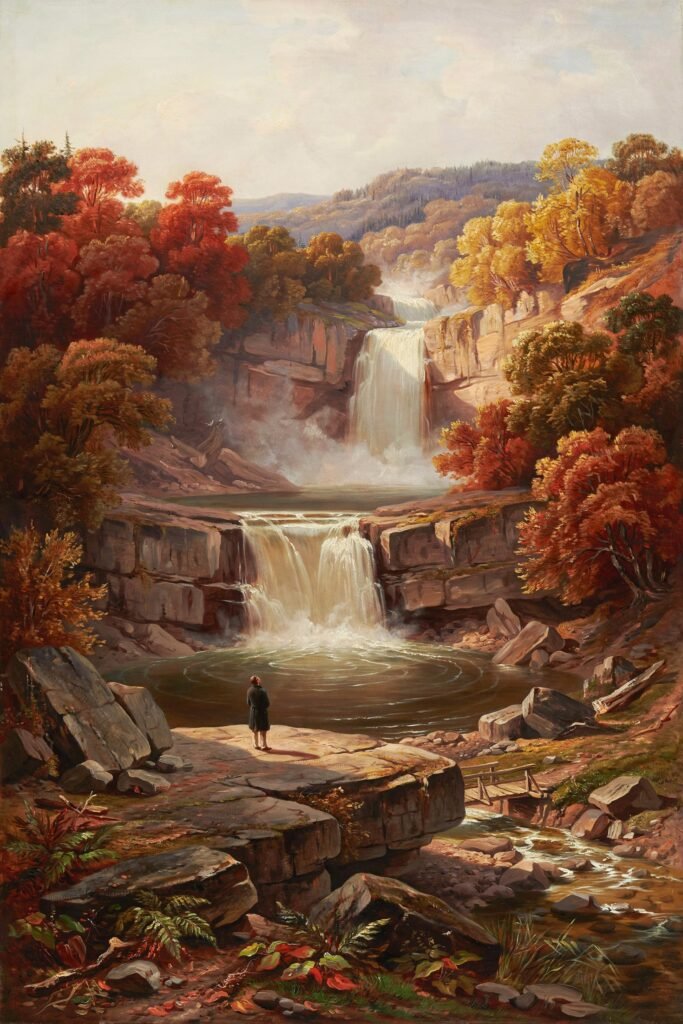
Rising 260 feet in two dramatic tiers, Kaaterskill Falls has inspired painters and poets since the 1800s, and it remains one of the most beloved hikes in the Catskills.
How to Find It: The trailhead is located off Route 23A near Haines Falls, New York, about a two-and-a-half-hour drive from New York City. Parking is limited, so arrive early, especially during peak fall foliage season.
Things to Do: The hike to the base of the falls is about 1.5 miles round trip with some rocky, uneven terrain.
Many hikers extend their visit by continuing to nearby Inspiration Point for stunning valley views, or exploring the historic Escarpment Trail. Autumn is an especially magical time to visit, when the surrounding forest bursts into color.
Safety Tips: This trail has, unfortunately, seen serious accidents from hikers climbing above the falls or venturing too close to the edge for photos.
Please admire the falls from designated viewing areas only, and never attempt to climb the rock face. Sturdy hiking shoes are a must, as the terrain is rocky and can be slippery near the water.
7. Amicalola Falls, Georgia
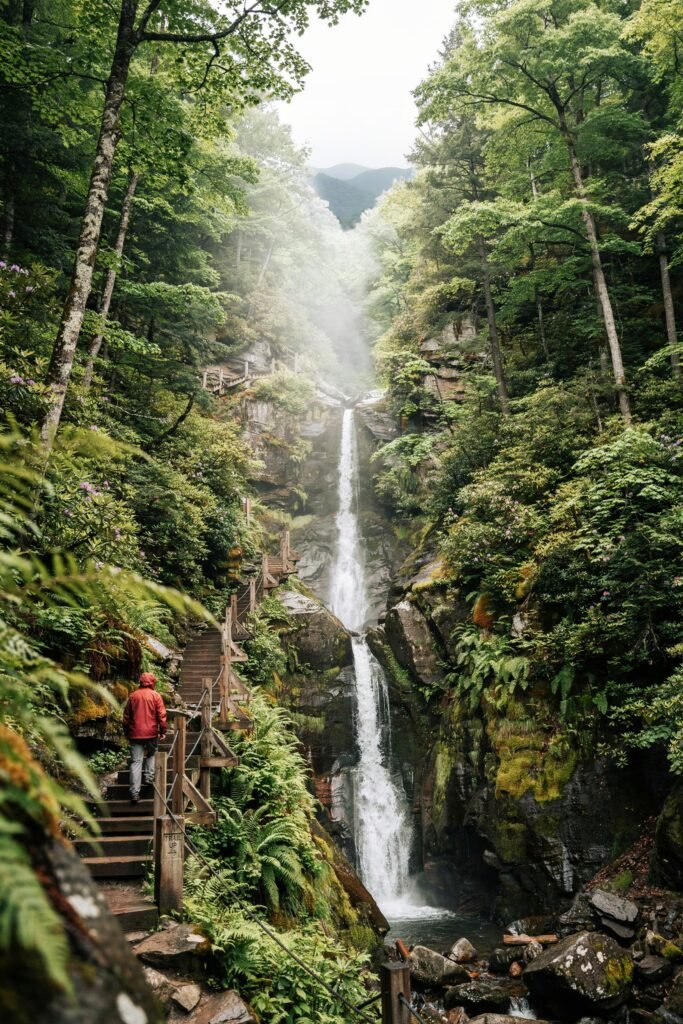
As the tallest waterfall in the Southeast at 729 feet, Amicalola Falls is also famous as the southern approach trail to the Appalachian Trail, making it a meaningful stop for thru-hikers and day-trippers alike.
How to Find It: Amicalola Falls State Park is located near Dawsonville, Georgia, about an hour and fifteen minutes north of Atlanta. The park has a well-marked visitor center with maps and trail information.
Things to Do: The West Ridge Falls Trail and the East Ridge Falls Trail both lead to spectacular overlooks, with a staircase of 604 steps for those wanting the most direct route to the top.
If you’re up for it, continue on the Len Foote Hike Inn Trail for a longer, more immersive forest experience. The park also offers a lodge with gorgeous mountain views, perfect for an overnight getaway.
Safety Tips: Those stairs are no joke, so pace yourself and take breaks as needed, especially in Georgia’s summer humidity.
Wear supportive shoes with good grip, since the metal staircases can become slippery when wet. Carry water, even for shorter routes, as the climb is more strenuous than it looks.
8. Dry Falls and Palouse Falls, Washington
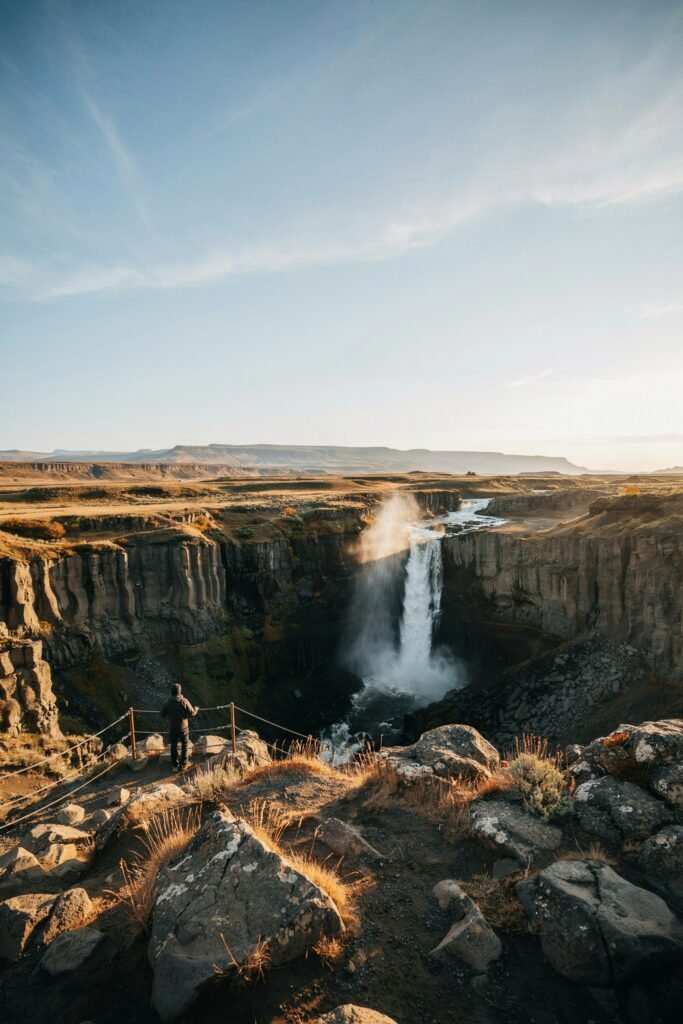
For something a little different, Washington’s scablands are home to dramatic, wide-open waterfalls shaped by ancient Ice Age floods. Palouse Falls, in particular, plunges 198 feet into a striking canyon.
How to Find It: Palouse Falls State Park is located near Washtucna, Washington, roughly a two-hour drive from Spokane. The main overlook is just a short walk from the parking area, making it accessible to nearly everyone.
Things to Do: Take in the main overlook for postcard-worthy views, then walk the short trail to additional viewpoints along the canyon rim.
This spot is stunning for sunrise or sunset photography, with golden light bouncing off the canyon walls. Bring a lightweight tripod if photography is your thing.
Safety Tips: The canyon has unfenced, unstable cliff edges, and there have been fatal accidents from people climbing down toward the water.
Please stay on marked paths and behind fencing at all overlooks. This is a dry, exposed area, so sun protection and water are essential even for short visits.
9. Bridal Veil Falls, Utah
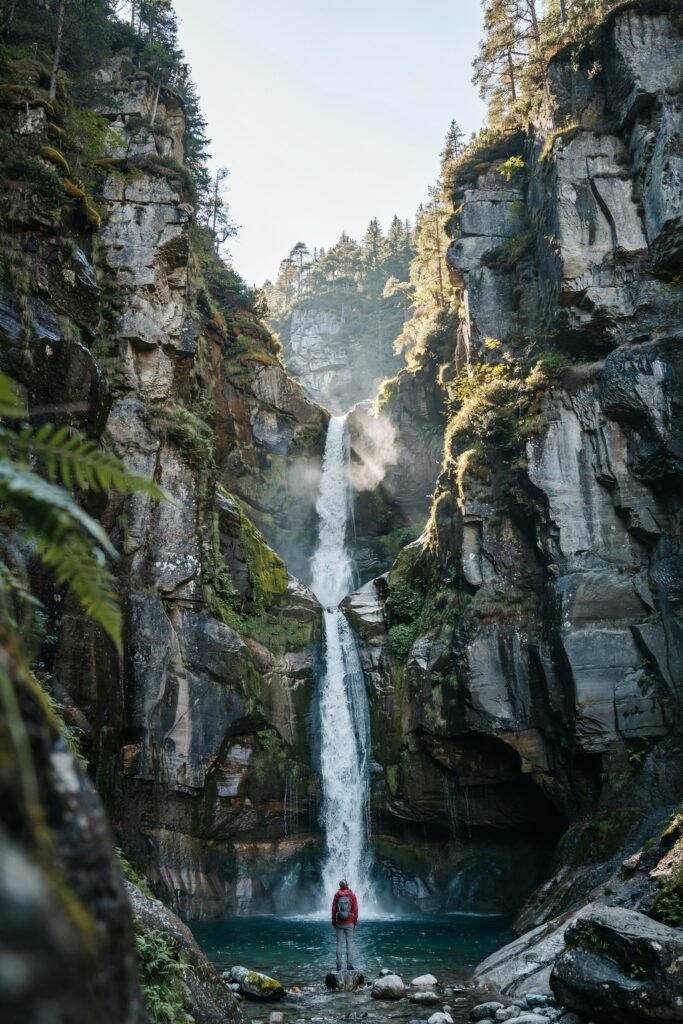
Just outside Provo Canyon, Bridal Veil Falls offers a double-cascade waterfall that drops a total of 607 feet, with a hike that’s accessible for nearly any fitness level.
How to Find It: The trailhead is located along Highway 189 in Provo Canyon, about a ten-minute drive from downtown Provo. There’s a parking area right at the base of the falls.
Things to Do: The short hike to the base is under a mile round trip, making it ideal for a quick nature escape or a first hike with kids.
For a bigger challenge, the strenuous trail to the top of the falls climbs steeply through the canyon and rewards hikers with sweeping valley views. In winter, the falls often freeze into a dramatic curtain of ice, drawing ice climbers from around the region.
Safety Tips: The trail to the top is steep, narrow, and exposed in places, so this route is best left to experienced hikers with proper footwear. Rocks near the base can be extremely slick from spray, so watch your footing when getting close for photos.
10. Silver Falls State Park, Oregon
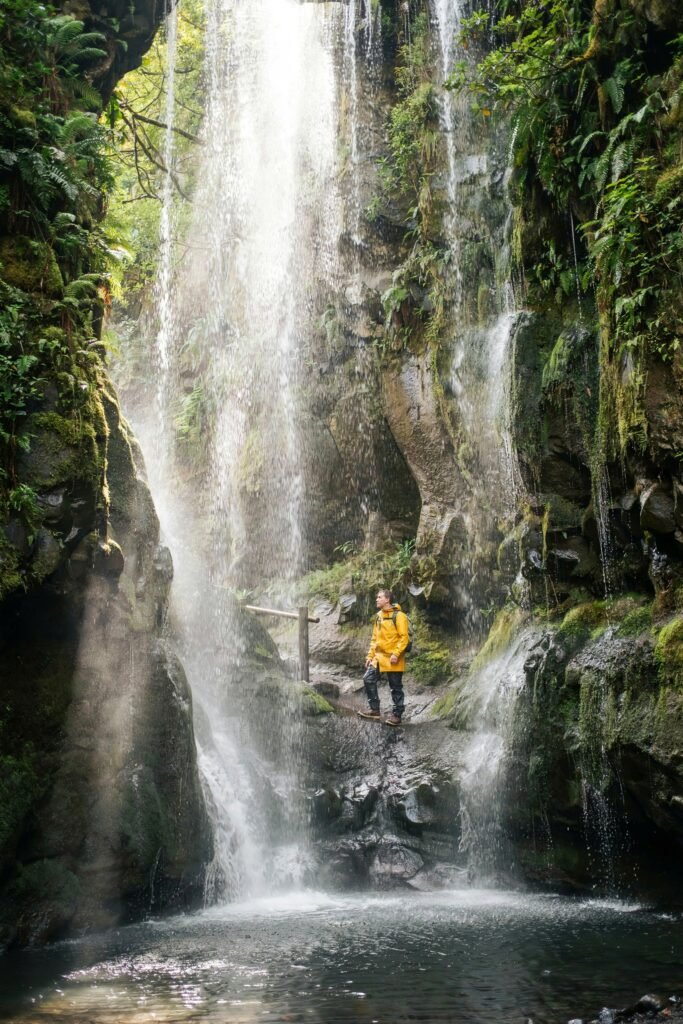
Known as the “crown jewel” of the Oregon State Parks system, Silver Falls is home to ten waterfalls along a single, magical loop trail, several of which you can actually walk behind.
How to Find It: Silver Falls State Park is located about 26 miles southeast of Salem, Oregon. The South Falls day-use area is the most popular starting point and has ample parking, though it fills quickly on weekends.
Things to Do: The Trail of Ten Falls is a 7.2-mile loop that takes you past every waterfall in the park, including South Falls and North Falls, both of which have trails passing behind the curtain of water for a truly magical experience.
Shorter loop options are available if you’d rather see the highlights. Pack a lunch for the picnic areas near South Falls Lodge, and consider visiting in spring when the falls are at their fullest.
Safety Tips: The trails behind the waterfalls can be extremely slippery and misty, so waterproof jackets and grippy shoes go a long way.
Stick to the trail at all times, since the canyon walls can be unstable in places. Bring a dry bag for your phone or camera to protect it from the spray.
How to Plan the Perfect Waterfall Hike
Before you head out to chase any of these falls, a little planning goes a long way toward making your trip as magical as possible.
Research the Season: Waterfall flow changes dramatically throughout the year. Spring and early summer, when snowmelt is at its peak, tend to offer the most dramatic, powerful falls, while late summer and fall often bring gentler flows and fewer crowds.
Check Permit and Parking Requirements: Popular waterfalls like Havasu Falls and Multnomah Falls require permits or timed entry, especially during peak season. A quick check of the park or forest service website before your trip can save you a wasted drive.
Use All-Trails or Official Park Maps: Trail conditions change due to weather, wildfire, and maintenance closures. Always check current trail status before heading out, and download offline maps in case you lose cell service.
Time Your Visit: Arriving early in the morning not only helps you beat the crowds, it also gives you the softest, most flattering light for photos.
What to Pack for a Waterfall Hike
- Sturdy hiking shoes or boots with good traction, since wet rocks and mossy trails are par for the course
- A lightweight rain jacket or windbreaker for waterfall mist
- A reusable water bottle or hydration pack, plus more water than you think you’ll need
- Sun protection, including a hat, sunscreen, and sunglasses
- A basic first-aid kit for minor scrapes or blisters
- A dry bag to protect your phone, camera, or snacks from spray
- Trekking poles for steep or slippery descents
- Layers, since temperatures near waterfalls can be noticeably cooler
General Safety Tips for Waterfall Hikes
Waterfalls are breathtaking, but they also demand respect. Keep these tips in mind no matter which trail you choose:
Stay on Marked Trails. The rocks around waterfalls are often coated in a slick layer of algae or mineral deposits that make them far more dangerous than they look. Venturing off-trail for a better photo is one of the leading causes of waterfall-related injuries and fatalities.
Never Swim Above a Falls. Currents near the top of a waterfall can be far stronger than they appear, and there is little room for error. Only swim in designated, calm pools well away from the edge.
Check the Weather Beforehand. Rain upstream can cause flash flooding or sudden increases in water flow, even if it’s sunny where you’re standing. This is especially important for canyon hikes like Havasu Falls.
Tell Someone Your Plans. Especially for longer or more remote hikes, let a friend or family member know your route and expected return time.
Respect Wildlife and Nature. Many of these trails pass through delicate ecosystems. Stick to the path, pack out everything you bring in, and give wildlife plenty of space.
Know Your Limits. Not every waterfall hike needs to be the most strenuous option. Choose a trail that matches your fitness level and experience, and don’t be afraid to turn back if conditions don’t feel right.
Final Thoughts
There’s a certain kind of joy that comes from standing in front of a waterfall you hiked hours to see, feeling the mist on your face and hearing nothing but the roar of falling water.
Each of these trails offers its own kind of magic, from the desert oasis of Havasu Falls to the fairytale forest of Sol Duc.
Wherever you decide to go first, I hope you find the same sense of wonder I felt on each of these trails, and that you come home with muddy boots, a full memory card, and a heart a little more at peace.
Happy hiking, and I’ll see you on the trail.