
There’s something incredibly freeing about hiking the quiet rhythm of your steps, the fresh air, the feeling of being completely present. But if there’s one thing that can quickly turn a beautiful hike into a frustrating experience, it’s poor food planning.
Too little food? You’ll feel weak and exhausted.
Too much? Your backpack becomes unnecessarily heavy.
The wrong kind? Energy crashes, hunger, and discomfort follow.
Planning your hiking food isn’t just about packing snacks — it’s about fueling your body intentionally, staying energized, and making your entire experience smoother and more enjoyable.
In this guide, I’ll walk you through everything you need to know in a clear, practical, and thoughtful way so you can confidently plan your hiking meals like a pro.
Before you even think about what to pack, you need to understand what your body will require.
Not all hikes are the same, and your food should match the intensity.
Ask Yourself These Key Questions:
- How long is the hike? (Half-day, full-day, multi-day)
- How difficult is the terrain?
- What is the weather like?
- How much elevation gain is involved?
- Are you hiking solo or with a group?
Why This Matters
A gentle 2-hour nature walk requires very different fuel compared to a 10-hour mountain hike.
- Short hikes: Light snacks + hydration
- Moderate hikes: Balanced snacks + one proper meal
- Long hikes: Structured meal planning + high-energy foods
Pro Insight
Your body burns significantly more calories while hiking — especially uphill. On average:
- Easy hike: ~200–300 calories/hour
- Moderate hike: ~300–500 calories/hour
- Intense hike: ~500–700+ calories/hour
This means you must eat more than usual, even if you don’t feel hungry.
- Bread or wraps
- Rice cakes
- Fruits (bananas, apples)
Protein helps prevent muscle fatigue.
Examples:
- Nuts and seeds
- Peanut butter
- Protein bars
- Jerky
Fats are slow-burning and keep you full longer.
Examples:
- Avocado
- Trail mix
- Nut butter
- Cheese
The Ideal Hiking Plate
Every snack or meal should include at least two of these groups.
Example:
- Apple + peanut butter
- Crackers + cheese
- Trail mix (carbs + fats + protein)
One of the biggest mistakes hikers make is waiting until they’re hungry to eat.
By then, your energy is already dropping.
The Better Approach: Eat on a Schedule
- Eat every 2–3 hours
- Snack lightly but consistently
- Drink water regularly alongside food
Simple Daily Hiking Food Timeline
Before hike (Breakfast):
- Oatmeal + fruit + nuts
- Or toast + eggs
During hike:
- Light snacks every 2 hours
- Small but frequent portions
Lunch (mid-hike):
- Sandwich or wrap
- Fruit + protein snack
After hike:
- Protein-rich recovery meal
4. Choose Lightweight but High-Energy Foods
When hiking, every gram matters. Your goal is to maximize energy while minimizing weight.
Best Lightweight Hiking Foods
- Trail mix
- Energy bars
- Dried fruits
- Nuts and seeds
- Instant oatmeal
- Peanut butter packets
Foods to Avoid
- Heavy canned foods
- Foods that spoil quickly
- Items that require complicated cooking
Smart Tip
Go for calorie-dense foods — foods that give you a lot of energy without taking up much space.
5. Hydration: Just as Important as Food
Food fuels you, but water keeps everything working.
How Much Water Do You Need?
- Average: 0.5 to 1 liter per hour of hiking
- More in hot climates or intense hikes
Don’t Forget Electrolytes
When you sweat, you lose salts — and plain water isn’t always enough.
Add:
- Electrolyte tablets
- Sports drink powders
- Coconut water powder
Signs You Need More Water
- Headache
- Fatigue
- Dizziness
- Dark urine
Keep it simple:
- Water
- One or two snacks (fruit, nuts, bar)
Day Hikes (4–8 Hours)
You’ll need:
- Snacks every 2 hours
- A packed lunch
- Plenty of water
Multi-Day Hikes
This requires deeper planning:
- Breakfast, lunch, dinner
- Lightweight cooking gear
- Non-perishable foods
Focus on:
- Instant meals
- Freeze-dried foods
- Pasta or rice packs
7. Pack Your Food the Smart Way
How you pack matters just as much as what you pack.
Organize for Easy Access
- Keep snacks in outer pockets
- Store meals separately
- Use zip-lock bags or reusable containers
Use the “Top Access Rule”
Anything you’ll eat frequently should be easy to reach without unpacking everything.
8. Food Safety on the Trail
You want your food to fuel you — not make you sick.
Basic Safety Tips
- Keep perishables cool
- Avoid raw meat unless properly stored
- Wash hands or use sanitizer before eating
Hot Weather Tip
Choose foods that won’t melt or spoil quickly.
9. Don’t Forget Comfort & Enjoyment
Food isn’t just fuel it’s part of the experience.
Bring Something You Love
A small treat can boost morale:
- Chocolate
- Favorite snack
- Homemade bites
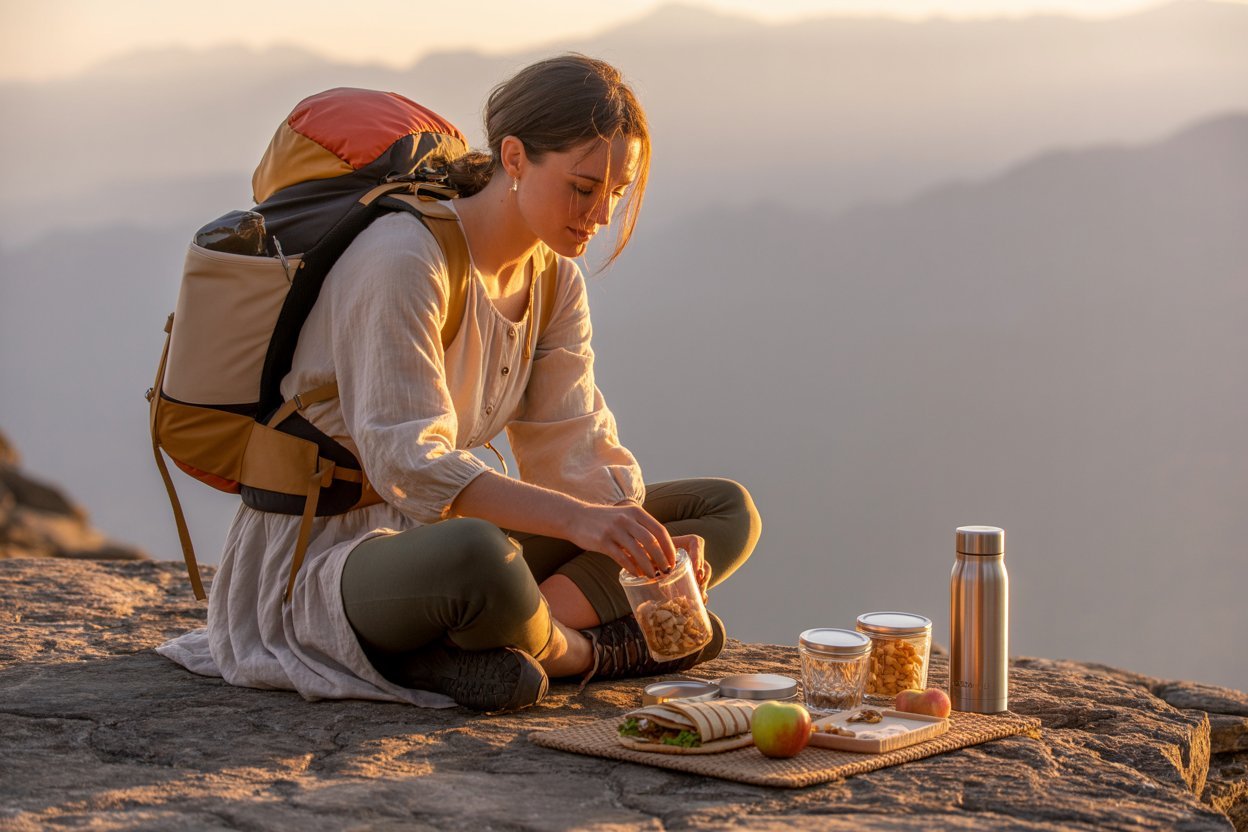
There’s something special about enjoying a favorite snack with a view.
10. Common Mistakes to Avoid
Let’s quickly clear a few things that can ruin your hike:
- Packing too little food
- Bringing only sugary snacks
- Not drinking enough water
- Overpacking heavy foods
- Skipping meals
11. Sample Hiking Food Plan (Full Day)
Here’s a simple, realistic example:
Breakfast:
- Oatmeal + banana + nuts
Snack 1:
- Trail mix
Lunch:
- Chicken wrap + apple
Snack 2:
- Energy bar
Snack 3:
- Peanut butter + crackers
Post-hike:
- Protein meal
12. Essential Hiking Food Gear
To make everything easier, bring:
- Reusable containers
- Lightweight utensils
- Insulated bottle
- Portable stove (for long hikes)
- Water filter (for remote areas)
Pro Tips from Experienced Hikers
- Always pack a little extra food
- Test your meals before your hike
- Balance nutrition — don’t rely on sugar
- Eat before you feel tired
- Keep your meals simple
Final Thoughts: Plan Smart, Hike Better
Planning your hiking food doesn’t have to be overwhelming. When done thoughtfully, it becomes a quiet form of self-care making sure your body is supported every step of the way.
The goal isn’t perfection. It’s preparation.
1. Start With Understanding Your Body and Your Hike
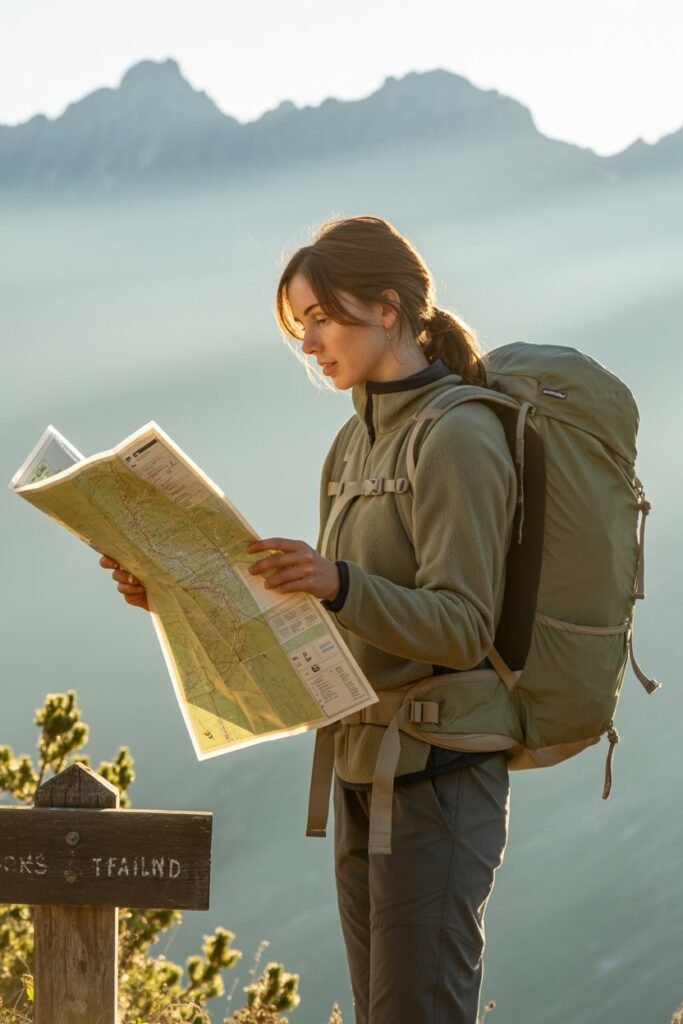
Before you start packing snacks or planning meals, pause for a moment and consider this:
Every hike is different and so are your needs.
The way you fuel your body should always reflect the type of hike you’re going on.
Key Factors That Influence Your Food Needs
A short, gentle forest walk requires very little fuel compared to a long, steep mountain trail. To plan properly, you need to assess:
- Duration – Are you hiking for 2 hours, 6 hours, or multiple days?
- Intensity – Is the terrain flat or steep and challenging?
- Weather – Will you be hiking in heat, cold, or changing conditions?
- Elevation gain – The more you climb, the more energy you burn
- Your personal fitness level – Everyone’s body works differently
Why This Matters So Much
When you hike, your body is working continuously — often much harder than during your normal daily routine.
- Your muscles are engaged constantly
- Your heart rate is elevated
- Your body is regulating temperature
- You’re burning calories steadily
This means your energy needs increase — sometimes significantly.
On average:
- Easy hikes: 200–300 calories per hour
- Moderate hikes: 300–500 calories per hour
- Strenuous hikes: 500–700+ calories per hour
If you don’t replenish this energy, you may experience:
- Fatigue
- Dizziness
- Irritability
- Weakness
Planning your food properly ensures you stay energized, balanced, and fully present on your hike.
2. Build a Balanced Nutrition Strategy (Not Just Snacks)
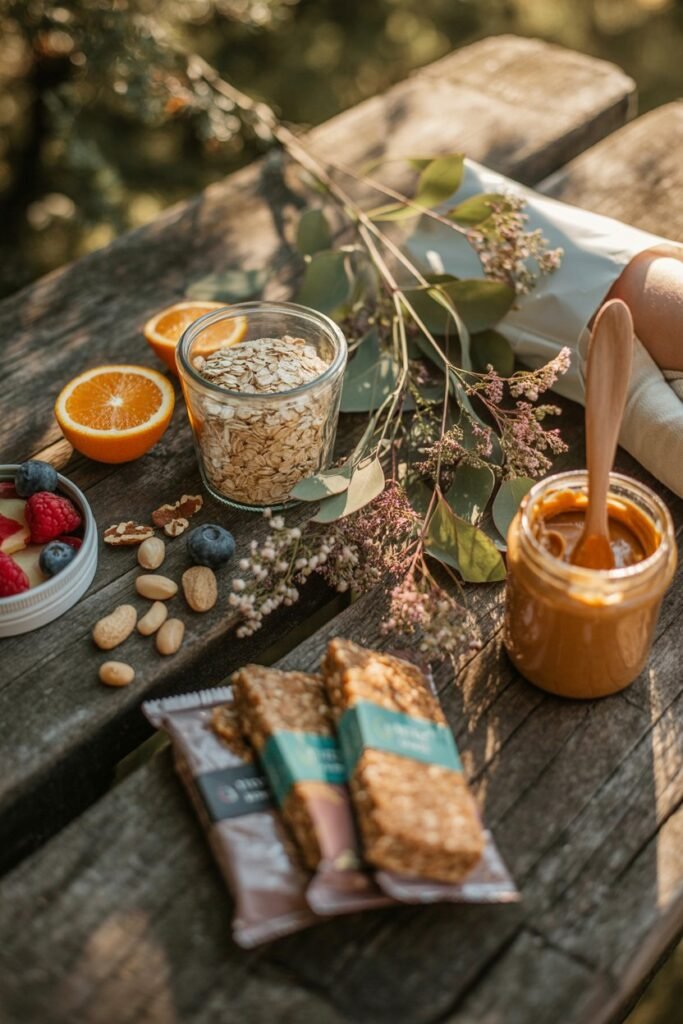
One of the most common mistakes hikers make is packing random snacks without thinking about nutritional balance.
But your body needs more than just quick sugar — it needs a steady combination of nutrients to perform well over time.
The Three Pillars of Hiking Nutrition
Carbohydrates: Your Primary Energy Source
Carbs are your body’s quickest form of fuel. They give you that immediate energy boost you need when walking, climbing, or pushing through tough sections.
Good sources include:
- Oats
- Whole grain bread or wraps
- Rice cakes
- Fruits like bananas, apples, and oranges
- Granola bars
Carbs are especially important at the start of your hike and during intense activity.
Protein: For Strength and Recovery
Protein helps repair muscle tissue and prevents fatigue. While it’s not your main energy source, it plays a crucial role in keeping your body strong.
Examples:
- Nuts and seeds
- Peanut butter or almond butter
- Protein bars
- Jerky
- Boiled eggs (for shorter hikes)
Protein becomes especially important on longer hikes and after your hike.
Healthy Fats: Long-Lasting Energy
Fats are slow-burning, which means they provide sustained energy over time. They also help you feel full and satisfied.
Examples:
- Avocados
- Nuts and trail mix
- Nut butters
- Cheese
Fats are perfect for long hikes where you need steady energy.
How to Combine Them
The key is to avoid relying on just one type of food.
Instead, aim to combine at least two macronutrients per snack or meal.
For example:
- Apple + peanut butter
- Crackers + cheese
- Trail mix (carbs + fats + protein)
This balance helps prevent energy crashes and keeps you going consistently.
3. Plan Your Meals Around Time, Not Hunger
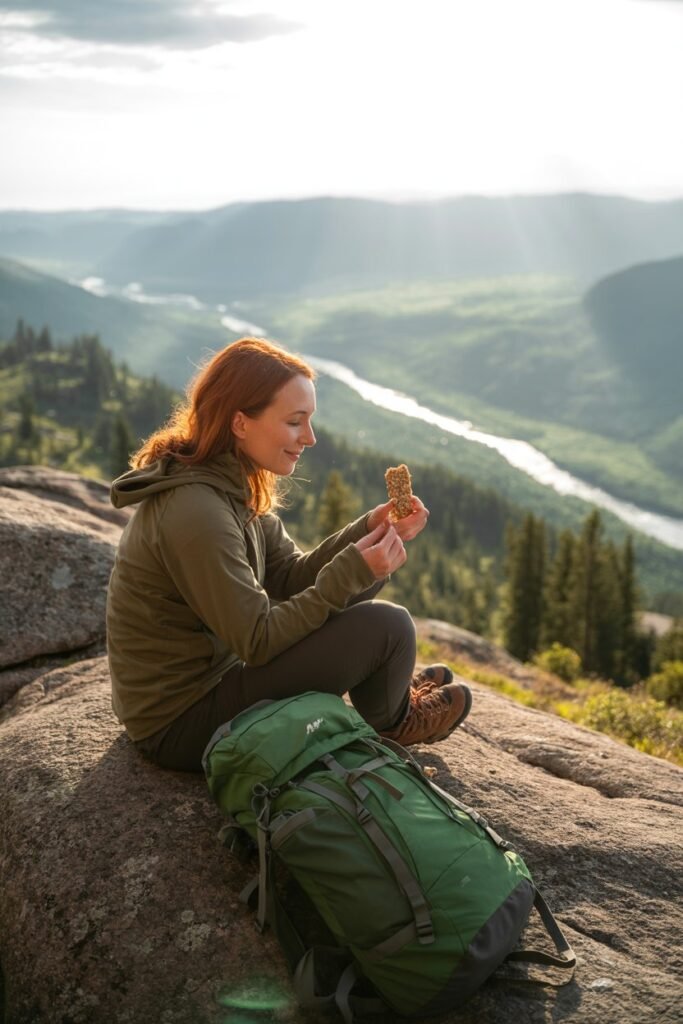
On a hike, waiting until you feel hungry is not the best strategy.
By the time hunger kicks in, your body is already running low on energy.
A Smarter Approach
Instead of reacting to hunger, eat proactively.
- Eat small portions every 2–3 hours
- Snack consistently throughout the hike
- Drink water alongside your meals
Why This Works
This approach helps:
- Maintain steady energy levels
- Prevent sudden fatigue
- Improve endurance
- Keep your mood stable
A Simple Daily Hiking Food Timeline
Before the hike (Breakfast):
- Oatmeal with fruits and nuts
- Or toast with eggs and avocado
During the hike:
- Snack every 2–3 hours
- Keep portions light and easy to digest
Mid-hike lunch:
- A wrap or sandwich
- Fruit
- A protein-rich snack
After the hike:
- A nourishing meal with protein and carbs
4. Choose Lightweight but High-Energy Foods
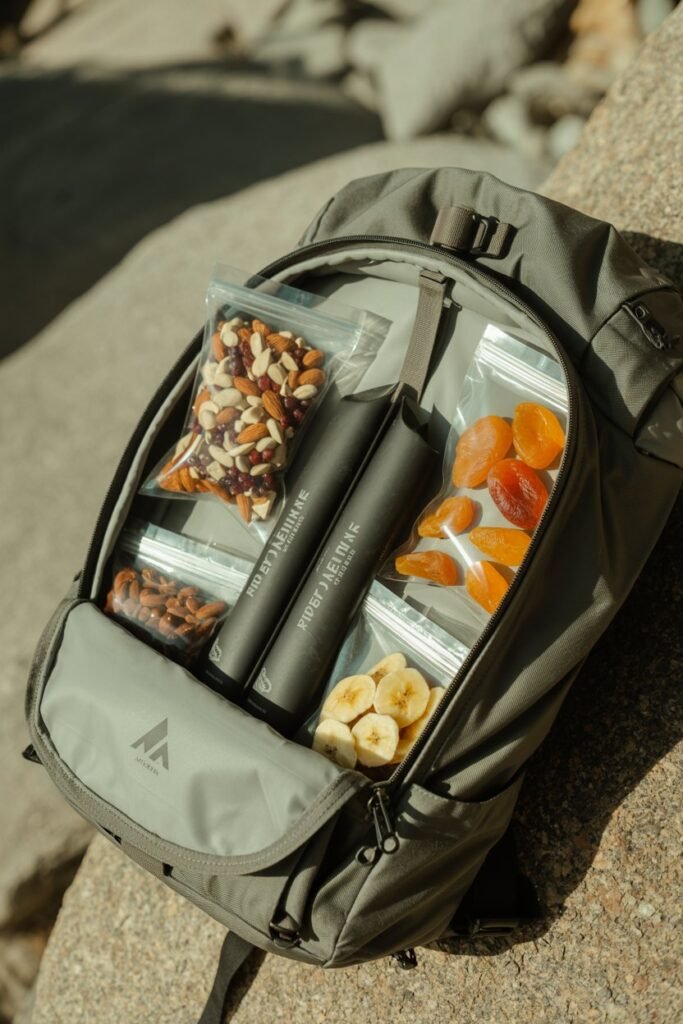
When you’re hiking, everything you carry matters.
Your goal is simple:
Get the most energy from the least weight.
Best Lightweight Hiking Foods
- Trail mix
- Energy bars
- Dried fruits
- Nuts and seeds
- Peanut butter packets
- Instant oatmeal
These foods are:
- Easy to pack
- Long-lasting
- Nutrient-dense
Foods to Avoid
Some foods may seem appealing but can make your hike harder:
- Heavy canned foods
- Foods that spoil quickly
- Bulky items with low nutritional value
- Meals that require complicated cooking
A Simple Rule to Follow
Ask yourself:
“Does this food give me enough energy for the weight I’m carrying?”
If the answer is no, it’s not worth packing.
5. Hydration: The Silent Key to a Successful Hike
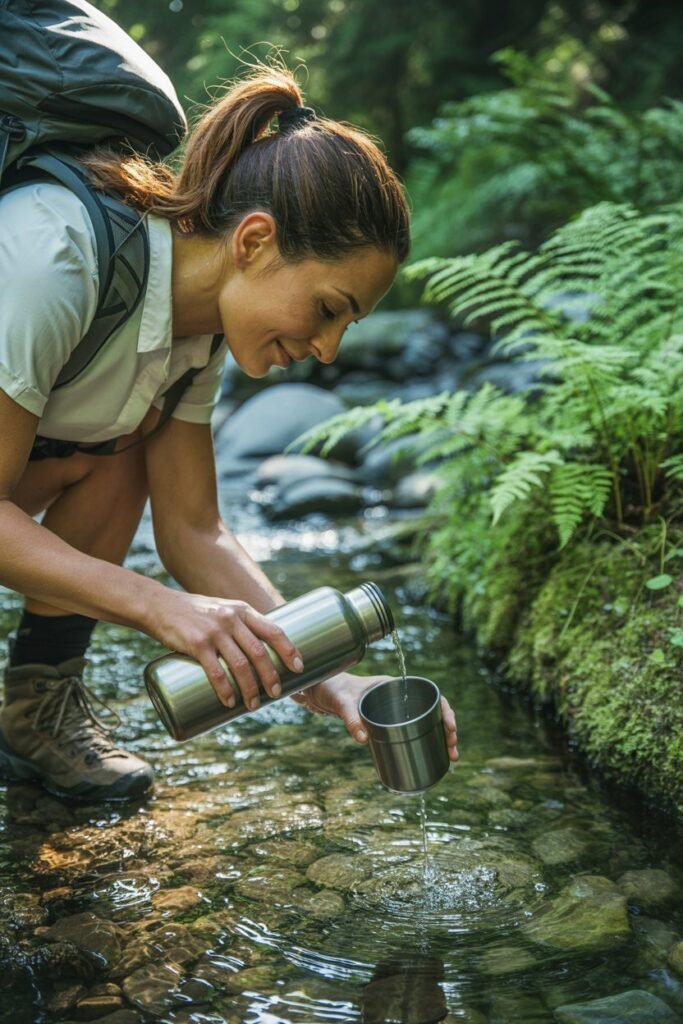
Food may be the focus, but hydration is just as important if not more.
Even mild dehydration can affect your performance and mood.
How Much Water Do You Need?
A general guideline:
- 0.5 to 1 liter per hour of hiking
This can vary depending on:
- Temperature
- Humidity
- Intensity
Why Electrolytes Matter
When you sweat, you lose more than just water you lose essential minerals like sodium and potassium.
Without replacing them, you may feel:
- Weak
- Dizzy
- Tired
Adding electrolyte tablets or powders can make a big difference.
Signs You Need More Water
- Headaches
- Dry mouth
- Fatigue
- Dark urine
Listening to your body is key.
6. Adjust Your Food Plan for Different Types of Hikes
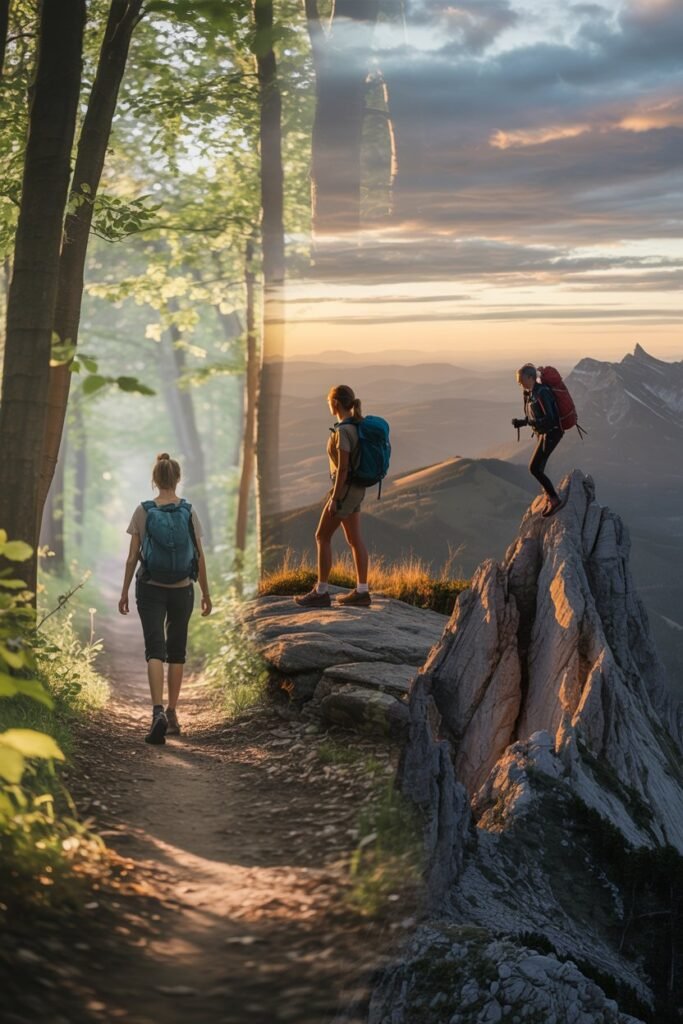
Not all hikes require the same level of planning.
Short Hikes (1–3 Hours)
Keep it light and simple:
- Water
- One or two snacks (fruit, nuts, bar)
Day Hikes (4–8 Hours)
You’ll need:
- Multiple snacks
- A proper lunch
- Enough water
Focus on balance and consistency.
Multi-Day Hikes
This requires more structure and planning.
You’ll need:
- Breakfast, lunch, and dinner
- Cooking options (if necessary)
- Non-perishable foods
Good options include:
- Instant noodles or pasta
- Rice packs
- Freeze-dried meals
7. Smart Packing: Organize for Ease and Efficiency
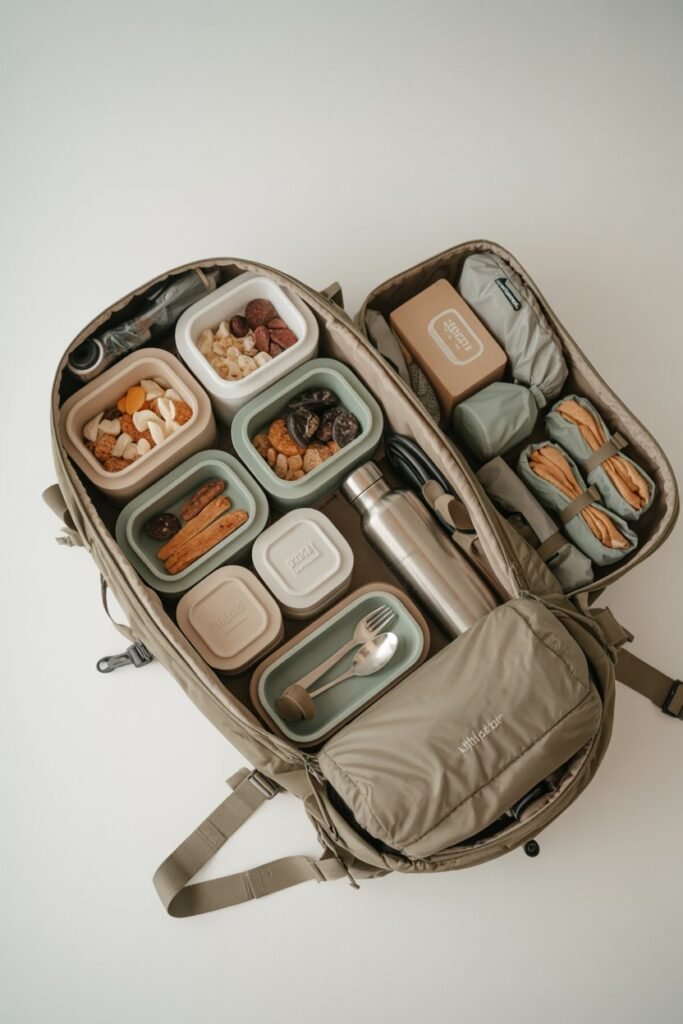
Packing isn’t just about fitting everything in — it’s about accessibility and convenience.
How to Pack Your Food Properly
- Keep snacks within easy reach
- Separate meals into labeled sections
- Use reusable bags or containers
The “Easy Access Rule”
If you need to stop and unpack everything just to grab a snack, you’re less likely to eat consistently.
Keep frequently used items within reach.
8. Food Safety on the Trail
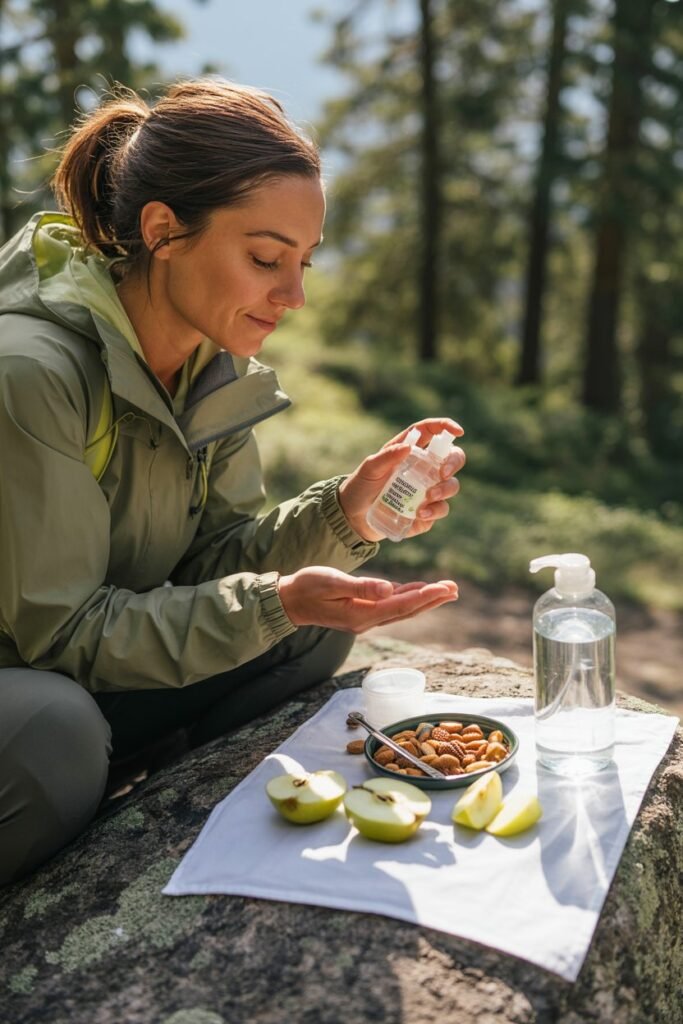
Staying nourished is important — but staying safe is essential.
Basic Food Safety Tips
- Wash or sanitize your hands before eating
- Avoid foods that spoil quickly
- Store food properly
Hot Weather Tips
In warm climates:
- Avoid chocolate or foods that melt easily
- Choose shelf-stable options
- Keep food in shaded areas of your bag
9. Add Comfort and Joy to Your Food Choices
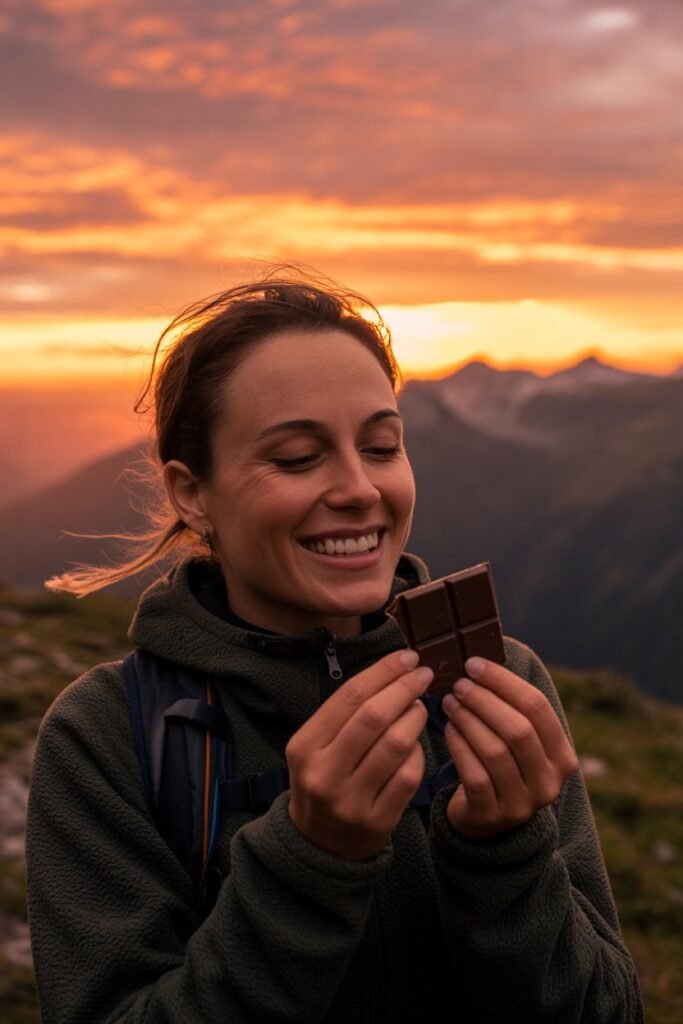
Hiking isn’t just about survival it’s about experience.
And food plays a beautiful role in that.
Bring Something You Love
A small treat can:
- Boost your mood
- Give you something to look forward to
- Make your hike feel more special
This could be:
- A piece of chocolate
- A favorite snack
- A homemade energy bite
10. Common Mistakes to Avoid
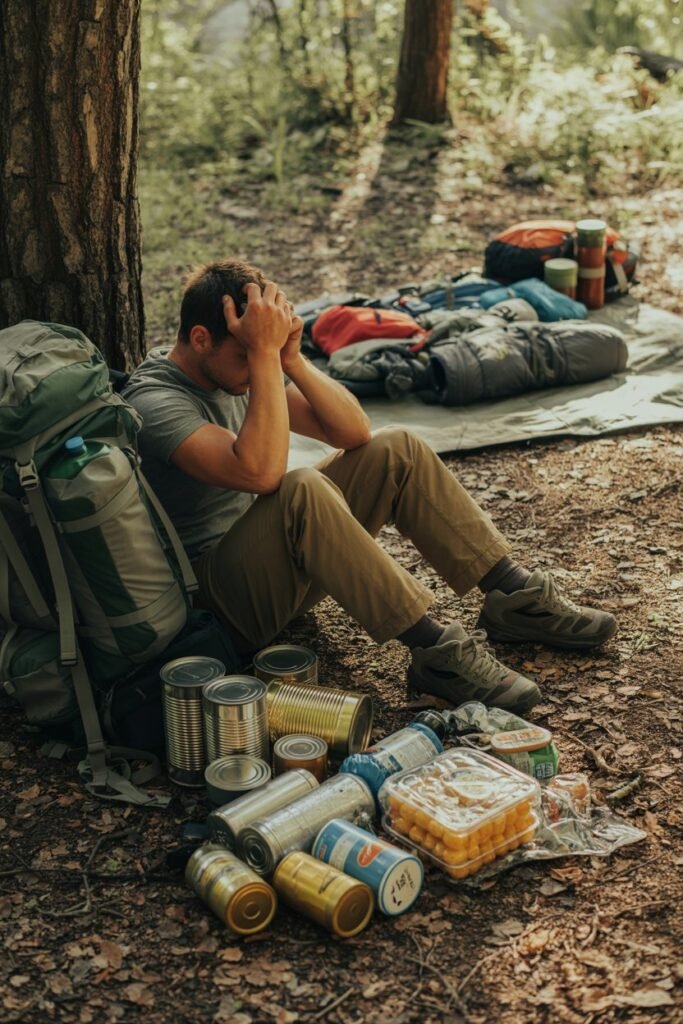
Even experienced hikers sometimes get this wrong.
Here are a few things to avoid:
- Packing too little food
- Bringing only sugary snacks
- Forgetting to hydrate properly
- Overpacking heavy foods
- Skipping meals
Each of these can affect your energy and overall experience.
11. Sample Full-Day Hiking Food Plan
To make things easier, here’s a practical example:
Breakfast:
- Oatmeal with banana and nuts
Snack 1:
- Trail mix
Lunch:
- Chicken or veggie wrap
- Apple
Snack 2:
- Energy bar
Snack 3:
- Crackers with peanut butter
After the hike:
- A protein-rich meal
12. Essential Food Gear for Hiking
Having the right tools makes everything easier.
Consider bringing:
- Reusable containers
- Lightweight utensils
- Insulated water bottle
- Portable stove (for longer hikes)
- Water filter
Pro Tips from Experienced Hikers
- Always pack extra food
- Keep meals simple
- Test your food before your hike
- Eat before you feel tired
- Stay consistent with hydration
Final Thoughts: Fuel Your Body, Elevate Your Experience
Planning your hiking food isn’t just a practical step — it’s an act of care.
When you nourish your body properly, everything changes:
- You feel stronger
- You think more clearly
- You enjoy the journey more deeply
The goal is not perfection. It’s preparation.
With thoughtful planning, balanced nutrition, and a little intention, your hiking experience becomes not only easier — but truly beautiful.