
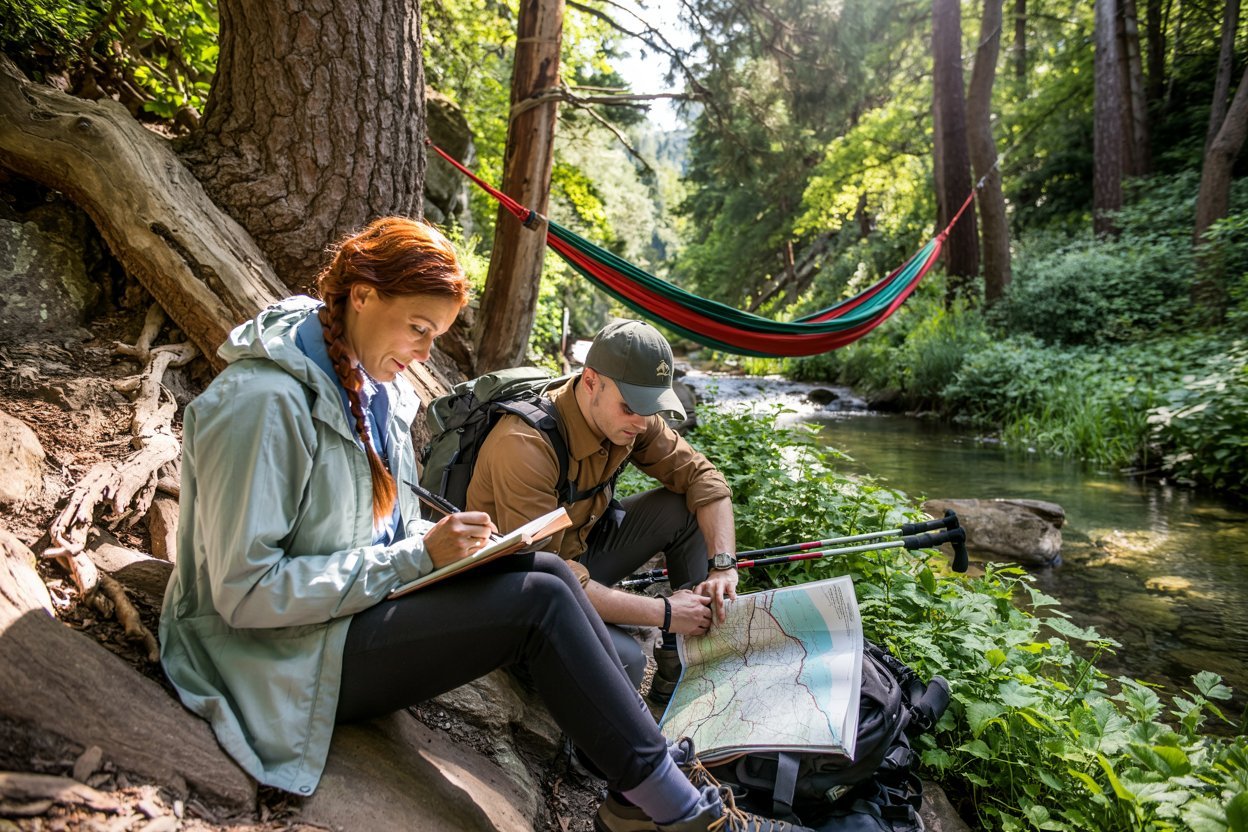

It only takes one wrong turn, one sudden downpour, or one overlooked piece of gear to realize how powerful nature truly is.
I learned this lesson on a fog-covered trail in the Dolomites, Italy. What started as a simple two-hour hike quickly turned into a test of endurance when the weather shifted, my phone died, and I realized — painfully that I had underestimated how essential the right hiking gear truly is.
That day taught me something every adventurer eventually learns: gear isn’t just about comfort; it’s about survival.
Whether you’re a weekend hiker, a backcountry explorer, or someone preparing for your first multi-day trek, having the right tools can mean the difference between a blissful adventure and a dangerous ordeal.
This ultimate guide will walk you through every must-have from smart layering and life-saving ropes to GPS devices, hydration systems, and even comfort tools that keep your spirits high when exhaustion hits.
Let’s get you fully equipped for your next big journey.
1. Navigation: Your Lifeline When the Trail Disappears
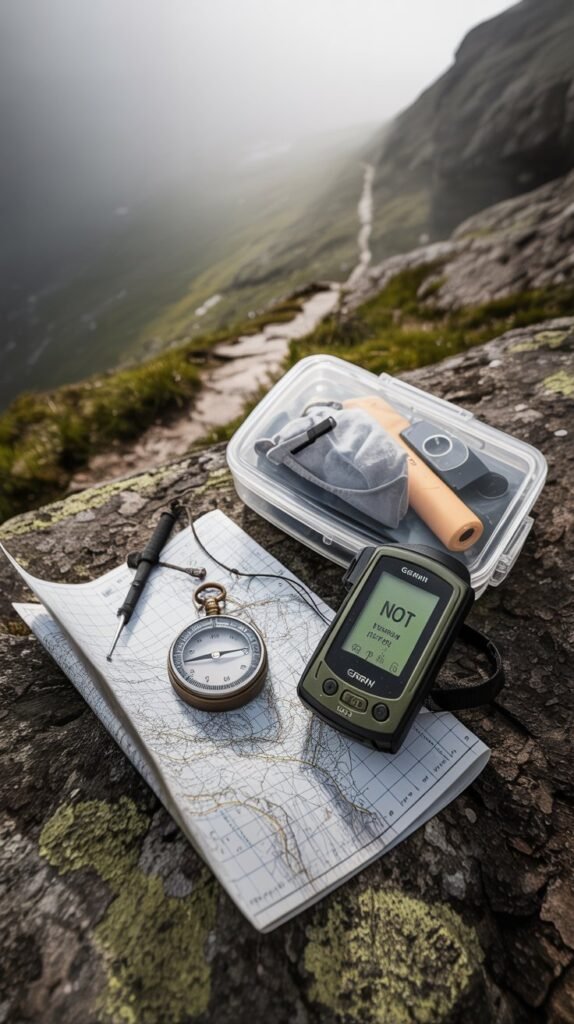
Even the best hikers can lose their way when fog rolls in, signs vanish, or the map doesn’t match reality. That’s why navigation gear isn’t optional it’s vital.
Why It’s Important:
- Keeps you oriented even without phone signal
- Prevents panic in disorienting conditions
- Saves valuable daylight time and energy
Essential Navigation Tools:
- Compass & Map (Waterproof): Always carry a topographic map and a durable compass. A GPS can fail, but these never run out of battery.
- Handheld GPS Device (like Garmin eTrex): Offers precise coordinates, route tracking, and emergency navigation even in deep forests or mountain passes.
- Offline Map Apps: Download apps like Gaia GPS or AllTrails+ before you start.
How to Use:
- Mark trailheads, camps, and key waypoints before departure.
- Learn to triangulate your position using a map and compass.
- Keep your GPS or map in a waterproof case.
Pro Safety Tip: Always tell someone your route and return time even for short day hikes.

Handheld GPS Device
Reliable and easy-to-use GPS device for hiking, camping, and outdoor adventures. Provides accurate navigation even in remote locations where phones can’t reach.
2. Clothing: Layer Like a Pro

Hiking clothes aren’t about fashion they’re your portable climate control system. Whether it’s heat, wind, or freezing rain, the right clothing layers protect you from the elements.
Why It’s Important:
- Regulates body temperature and moisture
- Prevents hypothermia and heat exhaustion
- Improves comfort and mobility
The Three-Layer System:
- Base Layer: Wicks sweat away (merino wool or synthetic materials).
- Mid Layer: Keeps you warm (fleece or lightweight down).
- Outer Layer: Shields against wind and rain (GORE-TEX or similar).
Bonus: Pack a neck buff, gloves, and hat even in summer. Mountain winds can change fast in warmer weather can be lifesavers on high-altitude or windy hikes.
3. Footwear: The Foundation of Every Hike
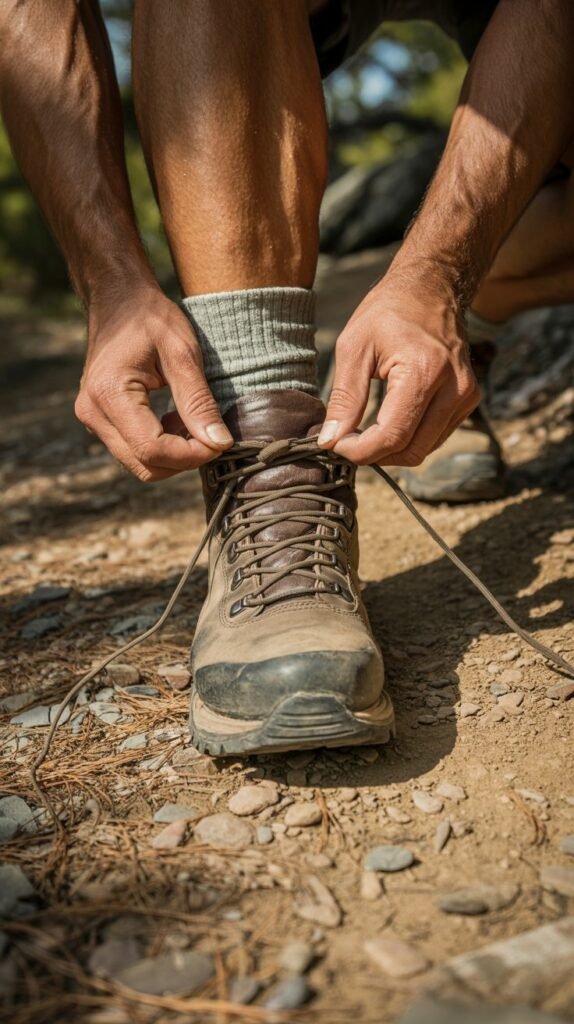
If there’s one thing you should never cut corners on, it’s footwear. Blisters, twisted ankles, or sore arches can ruin your hike faster than any storm.
Why It’s Important:
- Protects against slips, rocks, and uneven ground
- Prevents foot fatigue and injuries
- Provides traction and stability on varied terrain
How to Choose:
- Hiking Boots: Great for rugged or rocky terrain they offer solid ankle protection.
- Trail Runners: Lightweight and breathable, perfect for shorter or smoother trails.
- Hiking Shoes: A balance of both worlds, ideal for day hikes.
- Always pair with merino wool socks they wick moisture and reduce blisters.
Pro Tip:
Break in new boots at home before hitting the trail. Walk, climb stairs, or do short local hikes.
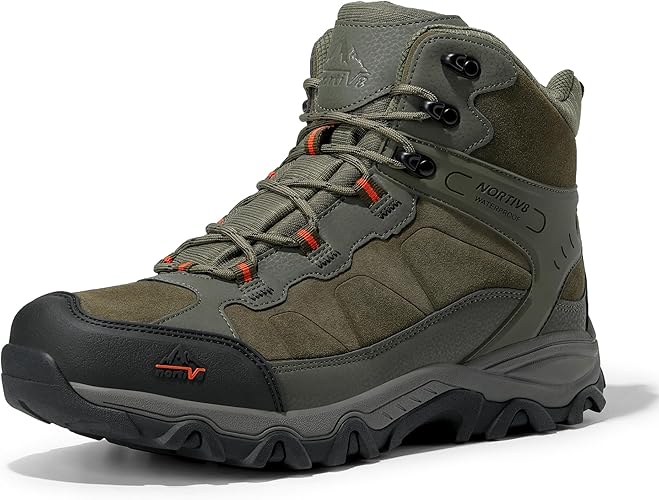
Hiking Boots
Durable and comfortable hiking boots designed to provide excellent grip, support, and protection on all types of trails — perfect for outdoor adventures and long treks.
Buy on Amazon4. Backpack: Carry Smart, Not Heavy
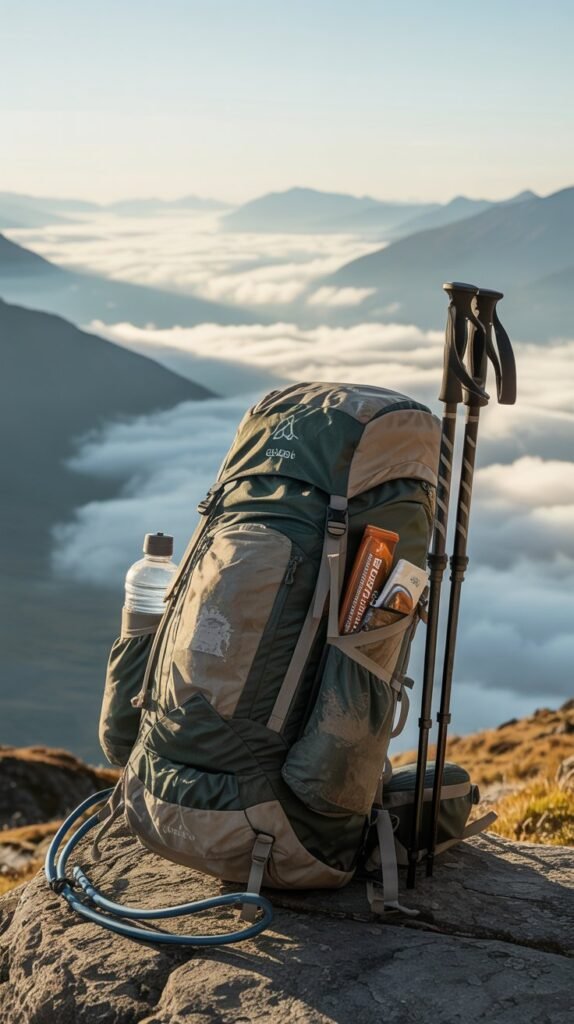
Your backpack is your mobile home on the trail it needs to hold your essentials without weighing you down.
Why It’s Important:
- Prevents back pain and poor posture
- Helps distribute load evenly
- Keeps gear organized and accessible
Features to Look For:
- Padded hip and shoulder straps
- Sternum support
- Hydration bladder compatibility
- Weather-resistant material
Size Guide:
- 15–30L: Day hikes
- 40–65L: Overnight or multi-day hikes
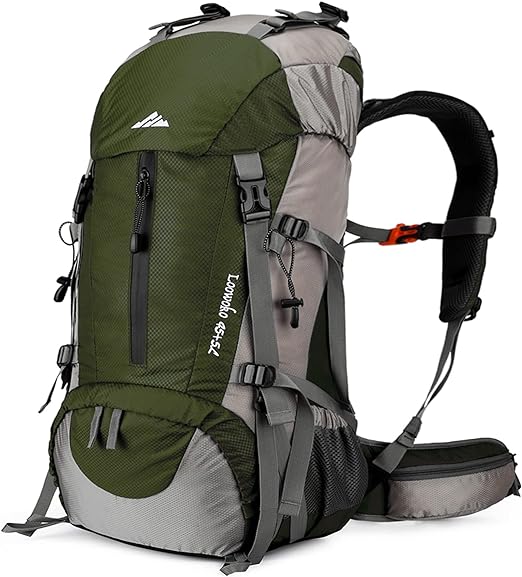
Hiking Backpack
Durable and lightweight hiking backpack with ample storage compartments, perfect for multi-day hikes, camping trips, or daily outdoor adventures.
5. Hydration & Nutrition: Fuel Up the Right Way
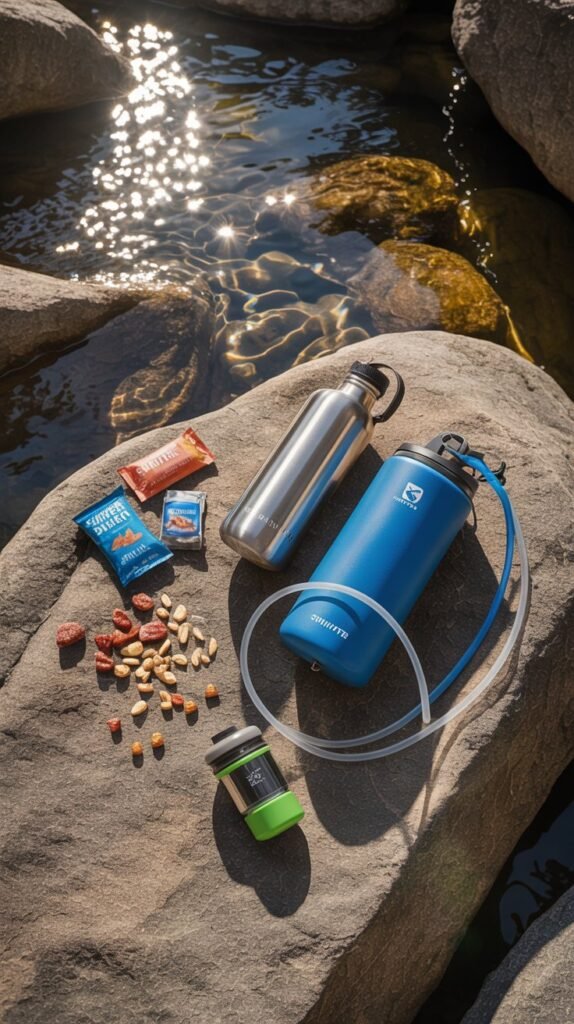
Hikers often underestimate how quickly dehydration and hunger can sneak up. Water isn’t just for comfort it’s vital for muscle function, focus, and endurance.
Why It’s Important:
- Prevents cramps, fatigue, and heatstroke
- Keeps you alert and stable during altitude climbs
- Supports decision-making and safety
How Much Water You Need:
- Short Hikes: At least 2 liters per person
- Full-Day Hikes: 3–4 liters (use hydration bladders for convenience)
- Hot Climates: Add electrolyte tablets
How to Purify Water:
- Portable Filters (like Sawyer Mini) remove bacteria and protozoa.
- UV Purifiers (like SteriPEN) kill viruses quickly.
- Boiling: Always works, but takes fuel and time.
Food Tips:
- Carry calorie-dense snacks like nuts, jerky, trail mix, and protein bars.
- For multi-day hikes, pack dehydrated meals or freeze-dried food.
- Avoid overly salty foods they make you thirsty faster.
6. Safety & Emergency Gear

Now we get into the serious stuff the lifesavers. These are not for casual strolls but for anyone tackling steep, remote, or unpredictable terrain.
Why They’re Important:
- Prevent fatal falls or slips
- Enable safe river crossings and steep descents
- Help in emergency rescues or load pulling
Essential Safety Gear:
- Dynamic Climbing Rope: Designed to stretch slightly under load, reducing impact if you fall.
- Climbing Harness: Keeps you securely attached to the rope or belay system.
- Carabiners: Use locking ones for safety when attaching gear or belaying.
- Helmet: Protects your head from falling debris or slips.
- Belay Device: Assists in controlled descents.
How to Use:
- Always double-check harness and rope knots.
- Practice knot tying figure-eight and clove hitch are must-knows.
- Store ropes dry and clean to maintain integrity.
Pro Tip: Even if you’re not climbing, a 30–50ft static rope can be useful for emergency rescues, river crossings, or securing gear.
| Product | Buy |
|---|---|
 Dynamic Climbing Rope |
Get on Amazon |
 Climbing Harness |
Get on Amazon |
 Carabiners |
Get on Amazon |
 Helmet |
Get on Amazon |
 Belay Device |
Get on Amazon |
7. Advanced Safety Gear: What Could Save Your Life in a Crisis
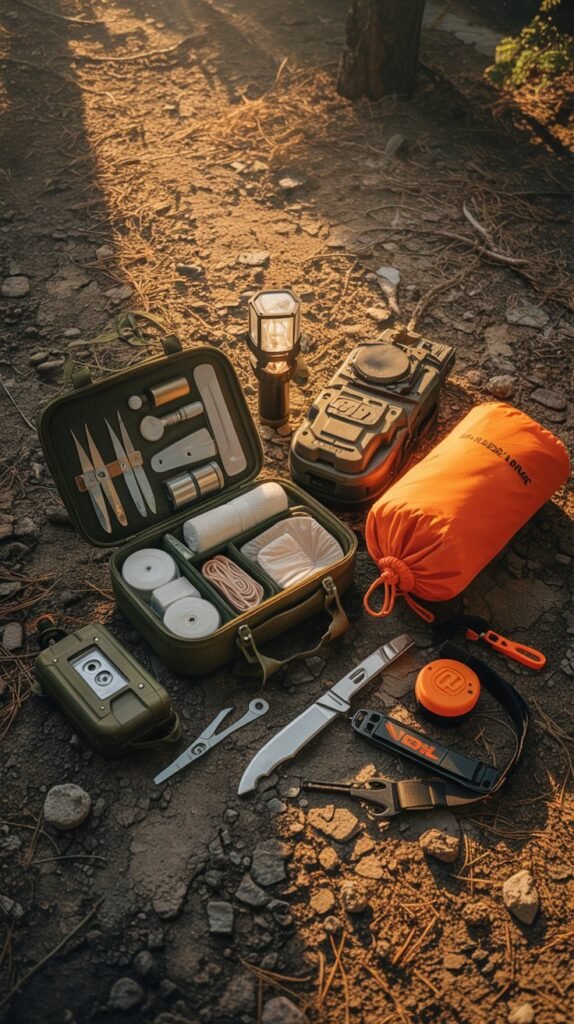
When you’re deep in the backcountry, far from civilization, safety gear isn’t just a precaution it’s your lifeline.
Weather can turn fast, trails vanish, and injuries happen even to the most experienced hikers. That’s why this section deserves special attention.
Why It’s Important:
- Keeps you alive during unexpected emergencies
- Provides communication when out of cell service
- Helps prevent injuries or worsening conditions
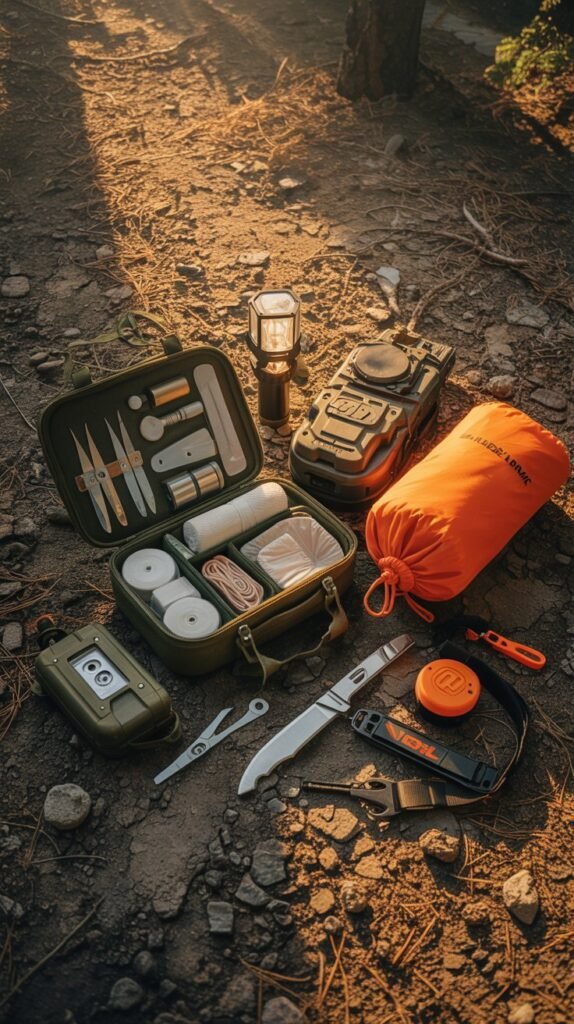
Essential Safety Items:
- First Aid Kit: Always carry one that includes bandages, antiseptic wipes, painkillers, and blister care.
- Multi-tool Knife: Great for repairs, food prep, or emergencies.
- Headlamp with Extra Batteries: Trails often take longer than expected never rely on your phone flashlight.
- Emergency Blanket or Bivvy Sack: Retains body heat if you’re stranded overnight.
- Whistle: A lightweight way to signal for help.
- Personal Locator Beacon (PLB): Sends distress signals to rescue services even without cell coverage.
Pro Tip: A compact emergency kit weighs less than 500g but could save your life when the unexpected hits.

Multi-tool Knife
Compact and versatile, this multi-tool knife is perfect for camping, hiking, and everyday use. Includes pliers, screwdrivers, knife blades, and other essential tools in one durable package.
8. Sun & Bug Protection
Don’t underestimate the elements even in overcast weather!
Must-haves:
- Sunscreen (SPF 30+)
- Lip balm with SPF
- Sunglasses (polarized)
- Hat or cap
- Insect repellent (DEET or Picaridin)
- Lightweight bug net (for intense mosquito zones)
9. Capture the Journey: Cameras, Drones & Binoculars

Half the joy of hiking is reliving those moments later the sunrise over the ridgeline, the mist rolling off a waterfall, the expression on your face when you reach the summit.
Why It’s Important:
- Records memories of once-in-a-lifetime views
- Helps with navigation and scouting routes
- Encourages mindfulness and appreciation of nature
Best Tools for the Job:
- Action Cameras: For rugged use and hands-free filming
- Mirrorless Cameras: For high-quality landscape photography
- Drones: Capture stunning aerial views (check local regulations first)
- Binoculars: Perfect for wildlife spotting and distant landscapes
10. Optional Extras That Make the Journey Blissful
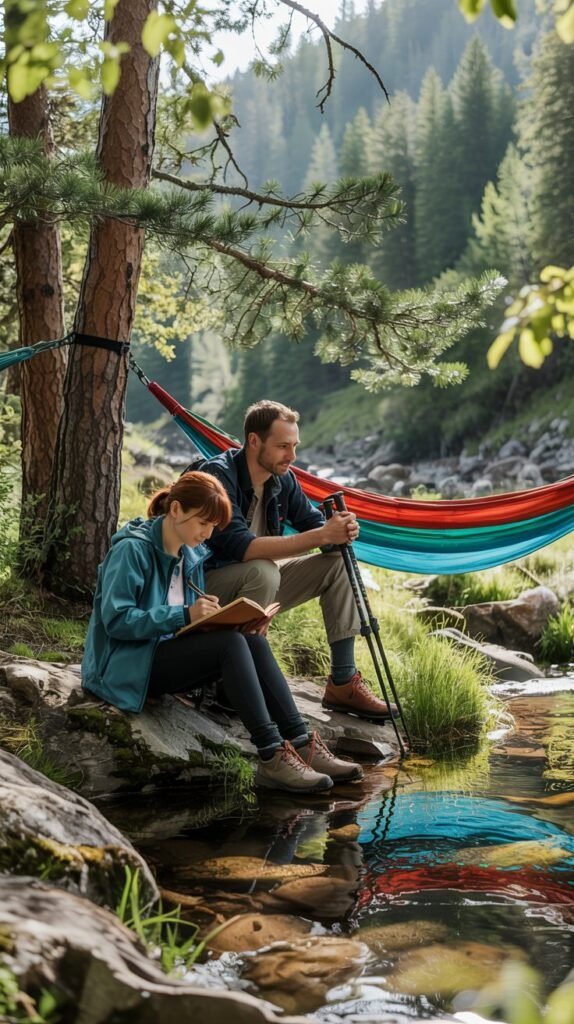
It’s the small things that keep you going when exhaustion hits that camp chair you pull out by the fire, the warm coffee at dawn, or the hammock you nap in mid-day.
Optional (but awesome) gear:
- Trekking poles
- Lightweight camp chair
- Portable solar charger
- Compact hammock
- Reusable utensils & collapsible bowl
Pro Tip: These extras may not save your life, but they’ll absolutely save your spirit.
Trippandora Hiking Tips:
- Always check the weather before you head out.
- Tell someone your route and estimated return time.
- Leave no trace: Pack it in, pack it out.
- Test your gear before going on longer hikes.
- Start early especially on hot or exposed trails.
Final Thoughts: Gear Up and Get Blissed Out on the Trail
Every hiker starts somewhere. Whether you’re tackling your first 5-mile trail or preparing for a week in the Rockies, your gear is your best friend.
Good gear doesn’t just make hiking easier it makes it safer, smarter, and infinitely more enjoyable.
Take time to invest in quality, test everything before hitting the trail, and always hike with respect for nature and your limits.
And remember a confident, well-prepared hiker is the one who gets to tell the best stories at the end of the day.