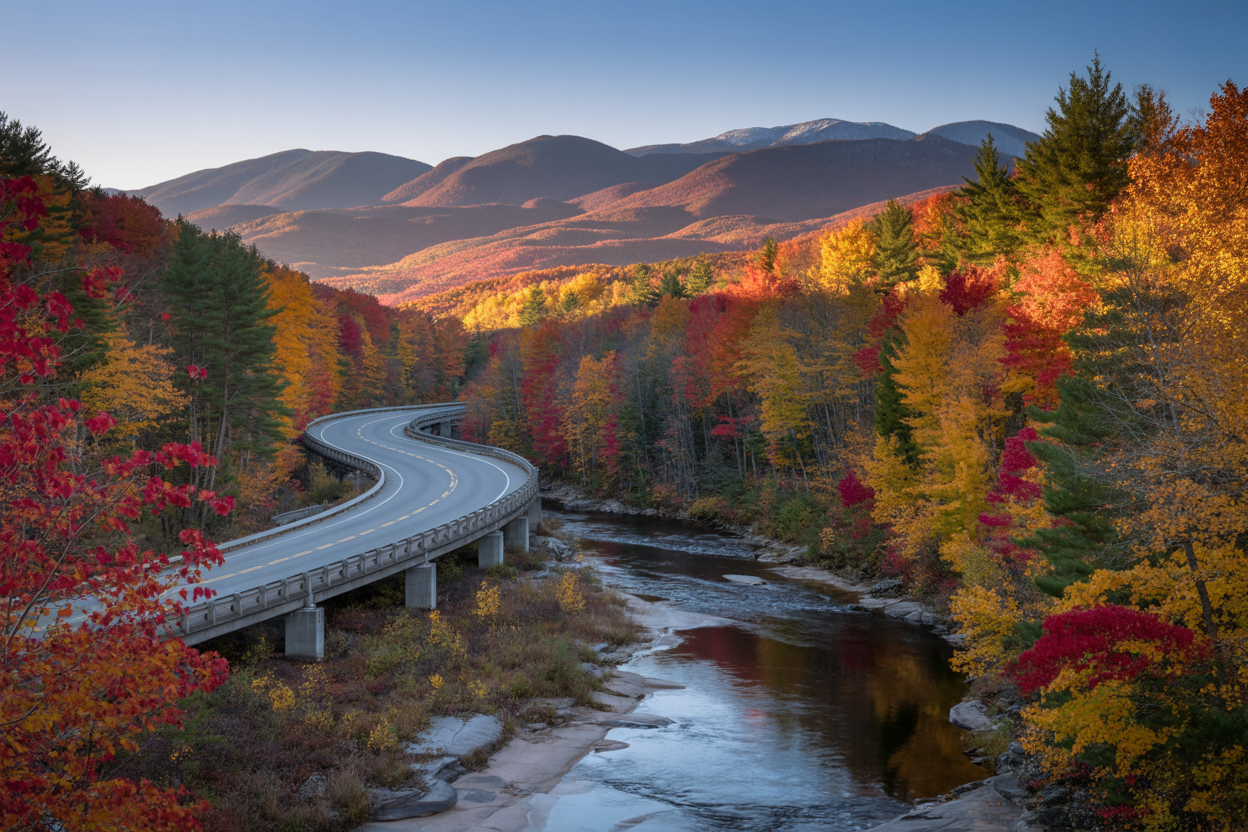

Every fall, travelers from all over the world flock to New Hampshire to witness one of nature’s grandest spectacles the fiery explosion of autumn foliage along the Kancamagus Highway.
Known locally as “The Kanc,” this 34.5-mile stretch of NH Route 112 is more than just a road; it’s a passage through one of New England’s most enchanting landscapes.
Unlike highways lined with strip malls and service stations, the Kancamagus is pure wilderness no billboards, no fast-food chains, and no gas stations once you leave Lincoln or Conway.
Instead, the byway offers uninterrupted views of sugar maples, birches, and beech trees as they transition into dazzling shades of gold, scarlet, and orange.
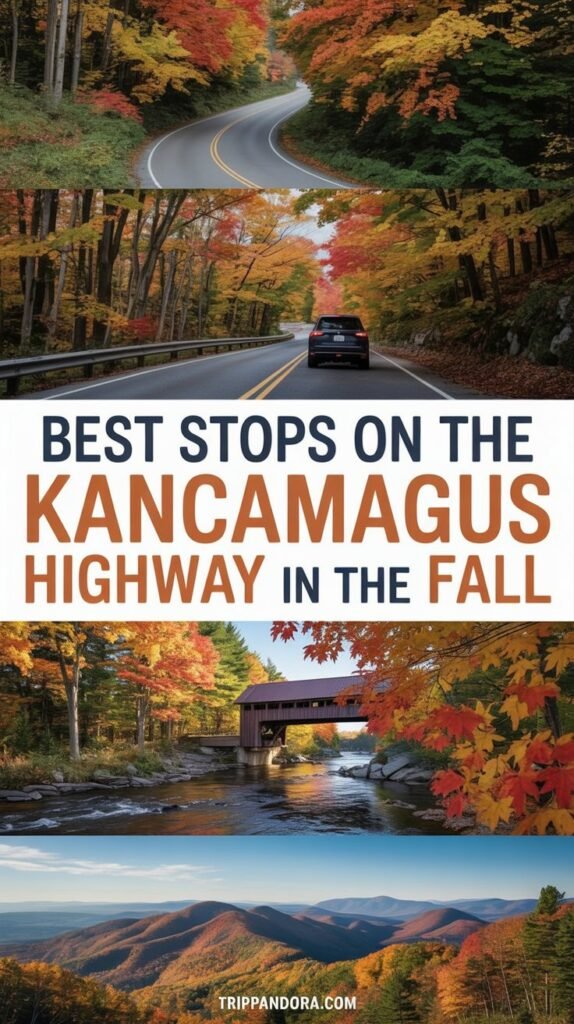
It’s a journey that combines serenity, history, and adventure in equal measure.
But the Kanc is more than scenery. It’s also a place where you can:
- Step back in time at historic homesteads.
- Enjoy family-friendly boardwalk hikes to waterfalls.
- Take on challenging mountain summits.
- Picnic beside gorges and rivers.
- Capture photographs that look like they belong in a National Geographic spread.
In this guide, I’ll take you through everything you need to know about driving the Kancamagus in the fall the best stops, practical tips, hiking options, photo advice, sample itineraries, and insider hacks to make your trip unforgettable.
History & Background of the Kancamagus Highway
The Kancamagus Highway isn’t just famous for its beauty it also carries a deep historical and cultural significance.
The Name: Chief Kancamagus
The highway is named after Chief Kancamagus (“The Fearless One”), the last sagamore (chief) of the Penacook Confederacy of Native American tribes in the late 1600s.
He was the grandson of the famous Chief Passaconaway, who had once sought peace with European settlers.
Kancamagus, however, struggled with the growing conflicts between Native peoples and colonists.
After repeated tensions and broken agreements, he ultimately relocated his people to northern New Hampshire and Canada. Naming the highway after him honors the Native heritage of the White Mountains.
The Road’s Origins
Before the 1950s, there was no direct road connecting Lincoln (west) and Conway (east).
To travel between them, locals had to take a long detour north through Franconia Notch or south through Lake Winnipesaukee.
In 1959, after years of construction, the Kancamagus Highway officially opened, providing a scenic shortcut through the White Mountain National Forest.
The road quickly became popular with leaf peepers, hikers, and photographers.
National Scenic Byway Status
In 1996, the Kanc was designated a National Scenic Byway for its outstanding natural beauty, cultural heritage, and recreational opportunities.
Unlike many byways, it has no commercial development, preserving its wilderness feel.
Why It’s Unique
- No billboards or advertisements.
- No gas stations between the two endpoints.
- Limited services, which makes it feel wild and untouched.
- A reputation as one of the top fall foliage drives in the world often ranked alongside the Blue Ridge Parkway (NC/VA) and the Cabot Trail (Nova Scotia).
shop my travel essentials on amazon
| Product | Get |
|---|---|
 Coffee Mug |
Get on Amazon |
 Throw Blanket |
Get on Amazon |
 Incense Candle |
Get on Amazon |
 Headphones |
Get on Amazon |
 Wool Kit |
Get on Amazon |
 Backpack |
Get on Amazon |
 Picnic Basket |
Get on Amazon |
 Travel Pillow |
Get on Amazon |
 Spa Slippers |
Get on Amazon |
 Pajamas |
Get on Amazon |
Planning Your Trip
Driving the Kancamagus might seem simple hop in your car and go but a little planning makes all the difference between a stressful trip and a memorable one.
Where It Is
- The Kancamagus runs along NH Route 112 for 34.5 miles.
- Western end: Lincoln, NH (off I-93).
- Eastern end: Conway, NH (junction with NH Route 16).
- The road cuts straight through the White Mountain National Forest.
Best Time to Visit in the Fall
Fall foliage is the star of the show, but timing is everything.
- Peak foliage: Usually late September through mid-October.
- Early October: Best chance for fiery reds and oranges.
- Late October: More yellows and golds, especially at lower elevations.
- Tip: Use the New Hampshire foliage tracker to monitor peak color.
Be warned peak weekends can bring traffic jams on the Kanc, especially at hotspots like Sabbaday Falls and Rocky Gorge. If possible, plan your trip for a weekday.
Driving Logistics
- Length: 34.5 miles.
- Time: Without stops, the drive takes about 1 hour. With stops, budget at least 4–6 hours.
- Speed limit: Generally 35–45 mph, with slower curves in mountain sections.
- Road conditions: Fully paved, safe for regular cars, RVs, and motorcycles.
Gas & Supplies
- No gas stations on the Kanc.
- Fill up in Lincoln (west) or Conway (east).
- Bring snacks, water, and a picnic if you want to stop along the way.
Where to Stay
- Lincoln: Best if you also plan to explore Franconia Notch or Loon Mountain.
- North Conway: Great for shopping, restaurants, and pairing the Kanc with Mount Washington.
- Camping: Several campgrounds along the Kanc (Jigger Johnson, Hancock, Covered Bridge) open seasonally.
Who It’s For
- Families: Short walks, waterfalls, and picnic areas make it kid-friendly.
- Photographers: Endless compositions—overlooks, rivers, covered bridges.
- Hikers: Access to everything from 10-minute boardwalks to all-day summits.
- Road-trippers: Scenic drive with minimal planning needed.
Fees & Passes
- No fee to drive the highway.
- Some recreation areas and trailheads require a $5 day-use fee (honor system envelopes available at parking areas).
Safety Tips
- Wildlife: Moose and deer are active in fall drive cautiously at dawn/dusk.
- Weather: Mountain weather changes fast bring layers and rain gear.
- Cell service: Spotty. Download offline maps.
- Parking: Lots fill up quickly. Arrive before 9 AM for popular stops.
Essential Tips Before Driving the Kancamagus Highway
Even though the Kancamagus Highway is only 34.5 miles long, it’s not like driving a normal road.
It cuts through the wilderness of the White Mountain National Forest, and that means there are quirks, challenges, and insider hacks worth knowing.
Here’s what you should keep in mind before setting off:
Timing Your Drive
- Early Morning Advantage: If you can start at sunrise, do it. The road will be quieter, parking lots at trailheads won’t be full, and the morning mist over the valleys makes for breathtaking photos.
- Golden Hour: Late afternoon light paints the foliage in warm tones. The overlooks facing west (like CL Graham Wangan Grounds) are magical at sunset.
- Avoid Midday Crowds: Between 10 AM and 3 PM, expect packed trailheads and photo spots.
Photography Hacks
- Bring a polarizing filter. It cuts glare off leaves and water, making colors pop.
- Use side roads. Some unmarked pull-offs reveal better shots than official overlooks.
- Tripod Tip: For waterfalls like Sabbaday Falls, bring a tripod to capture silky smooth water with a slow shutter speed.
Hiking Strategy
Not all hikes are created equal. Some are quick, stroller-friendly boardwalks (like Sabbaday Falls), while others are strenuous treks up to mountain summits.
- Families: Stick to Sabbaday Falls, Rocky Gorge, Lower Falls.
- Intermediate hikers: Try Champney Falls or Mount Hedgehog.
- Advanced hikers: Take on Mount Tripyramid, the Hancocks, or Mount Osceola.
Food & Drink
- Pack a picnic there are no restaurants on the Kanc.
- Stock up in Lincoln or Conway before you go.
- Best picnic spots: Rocky Gorge, Sabbaday Falls area, Lower Falls, or any of the overlooks.
Navigation
- Cell service is patchy. Download Google Maps offline or use a GPS.
- Paper maps (available at ranger stations in Lincoln and Conway) are a good backup.
Wildlife Awareness
The Kanc is moose country. You’ll see “Moose Crossing” signs for a reason.
- Moose are most active at dawn and dusk.
- Drive slower during those times and scan the roadside carefully.
- If you see cars pulled over in a random stretch, chances are someone spotted a moose!
Parking & Fees
- Day-use parking fee: $5 per vehicle at many lots (cash envelopes or use a recreation pass).
- Passes also available: White Mountain National Forest Annual Pass ($30) if you plan multiple trips.
- Arrive early on weekends lots fill quickly by 9 AM.
Guided Tours
If you don’t want to drive yourself, consider joining a fall foliage bus tour that covers the Kanc.
Some tours from Boston and New Hampshire towns include narration, photo stops, and history lessons.
Best Stops on the Kancamagus Highway in the Fall
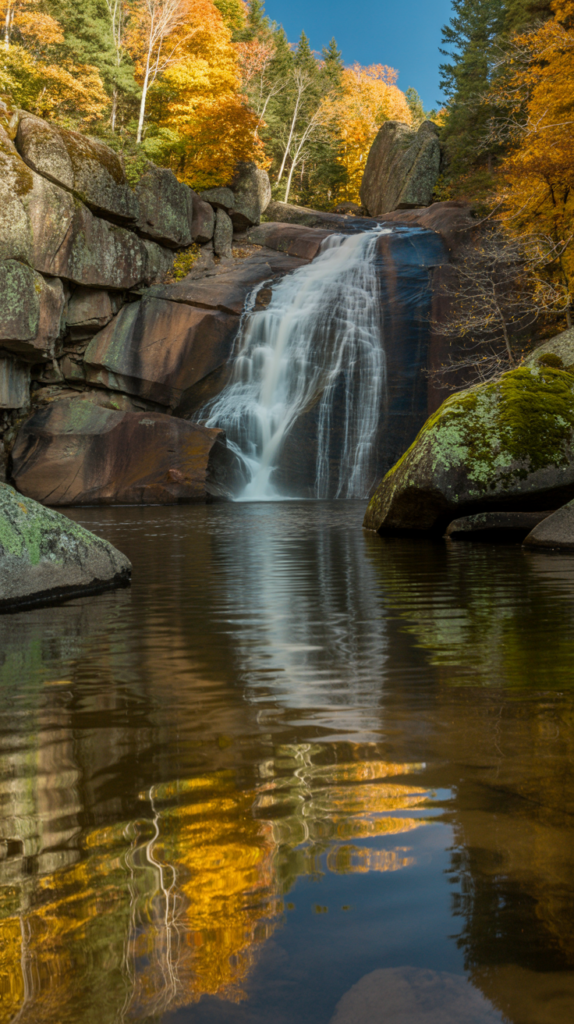
Now for the heart of the journey the stops.
While you could drive straight through the Kanc in about an hour, that would miss the point.
The magic lies in pulling over, stretching your legs, and soaking in each unique perspective.
I’ll take you through each major stop in order, starting from Lincoln (west) and traveling east toward Conway.
Stop 1: Hancock Overlook
Where: Mile marker 0.7 (just past Lincoln, west entrance to the Kanc).
The Hancock Overlook is your first big view on the Kancamagus, and it sets the tone for the entire drive.
As soon as you ascend from Lincoln, the trees open to reveal a sweeping panorama of the Osceola Range and Mount Hancock rising sharply in the distance.
Why It’s Great in Fall:
- The valley below becomes a rolling carpet of red, orange, and yellow.
- You can see ridges fading into the horizon, each layer painted in softer tones.
- In the morning, the low mist makes the mountains look like floating islands.
What to Do Here:
- Snap your first wide-angle shot of the White Mountains.
- Use binoculars to spot early-morning hawks riding the thermals.
- There are interpretive signs explaining the forest ecosystem and the history of the Kanc.
Insider Tip: If you only have a short window on the Kanc, Hancock Overlook is one of the best places to catch a sunrise.
Pro tip: people also read
Stop 2: Hairpin Turn

Where: About 2 miles east of Lincoln, just past Hancock Overlook.
The road climbs steeply here and wraps around a sharp switchback one of the most photographed curves of the highway.
The pull-off area provides a jaw-dropping perspective of the road snaking through the mountains.
Why It’s Special in Fall:
- The road itself becomes part of the landscape a gray ribbon winding through fiery foliage.
- Great chance to photograph moving cars framed by autumn color.
- Late afternoon light hits the mountainside at a perfect angle.
What to Do Here:
- Park safely and walk up the slope for a better vantage point.
- If you’re patient, wait for a classic New England car like a Jeep or Subaru passing through the curve for a postcard-worthy shot.
- Bring a drone if permitted (check regulations) this is one of the best aerial views.
Insider Tip: This is also a moose hotspot, so keep your camera ready not just for landscapes but wildlife.
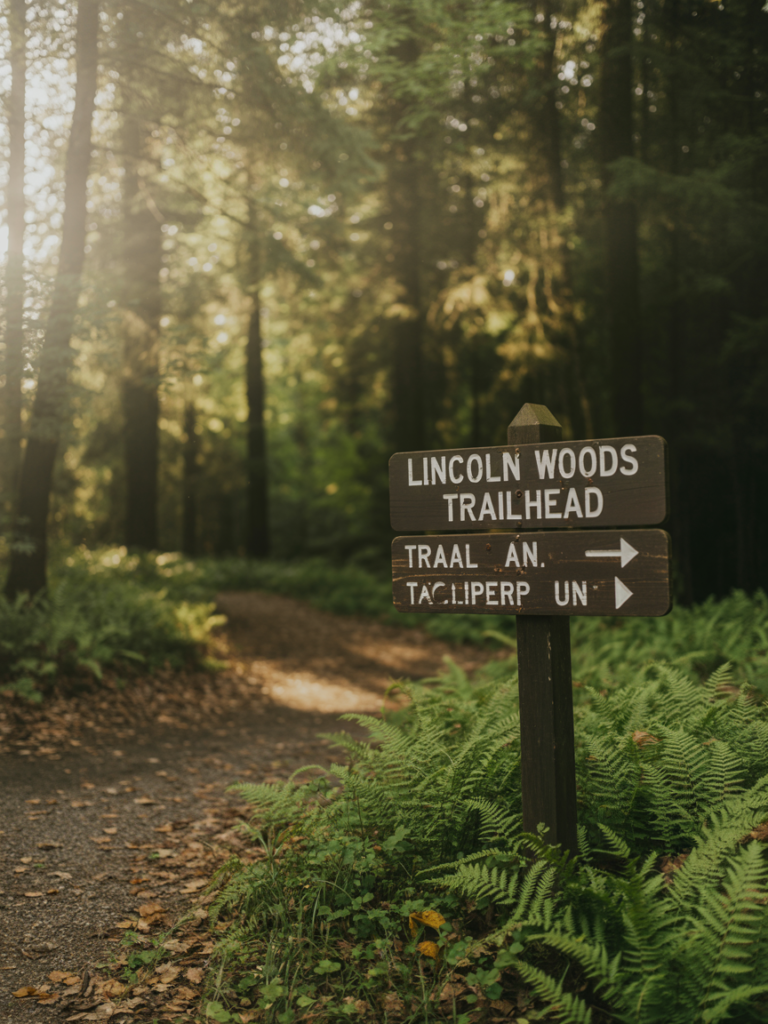
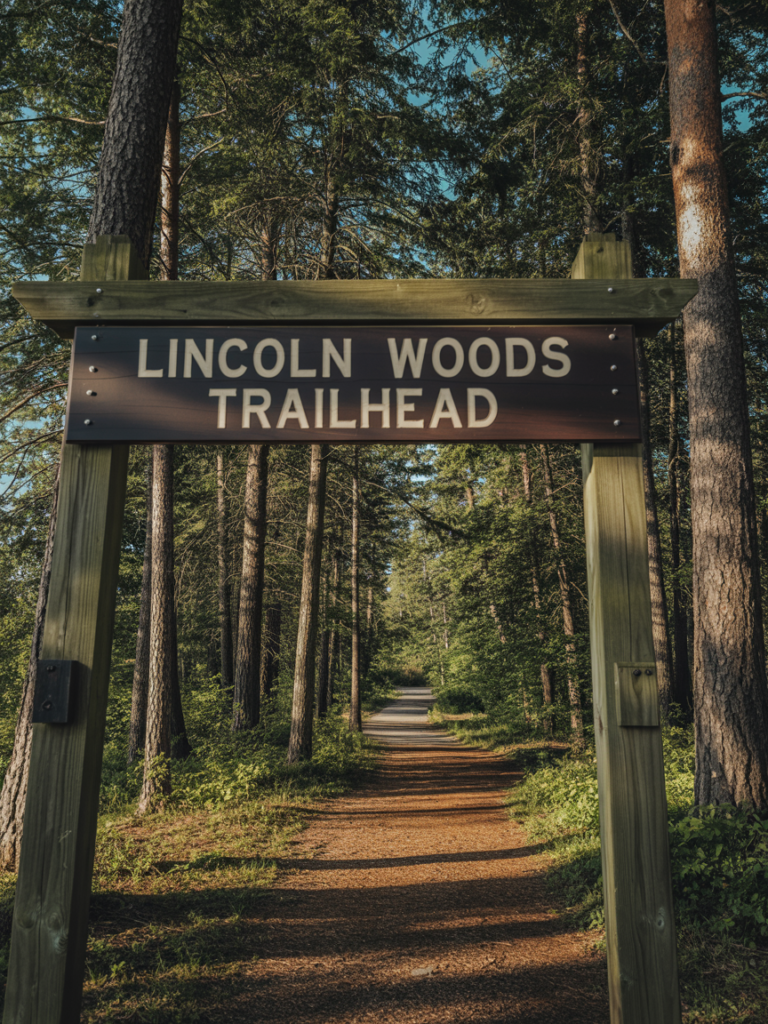
Stop 3: Lincoln Woods Trailhead
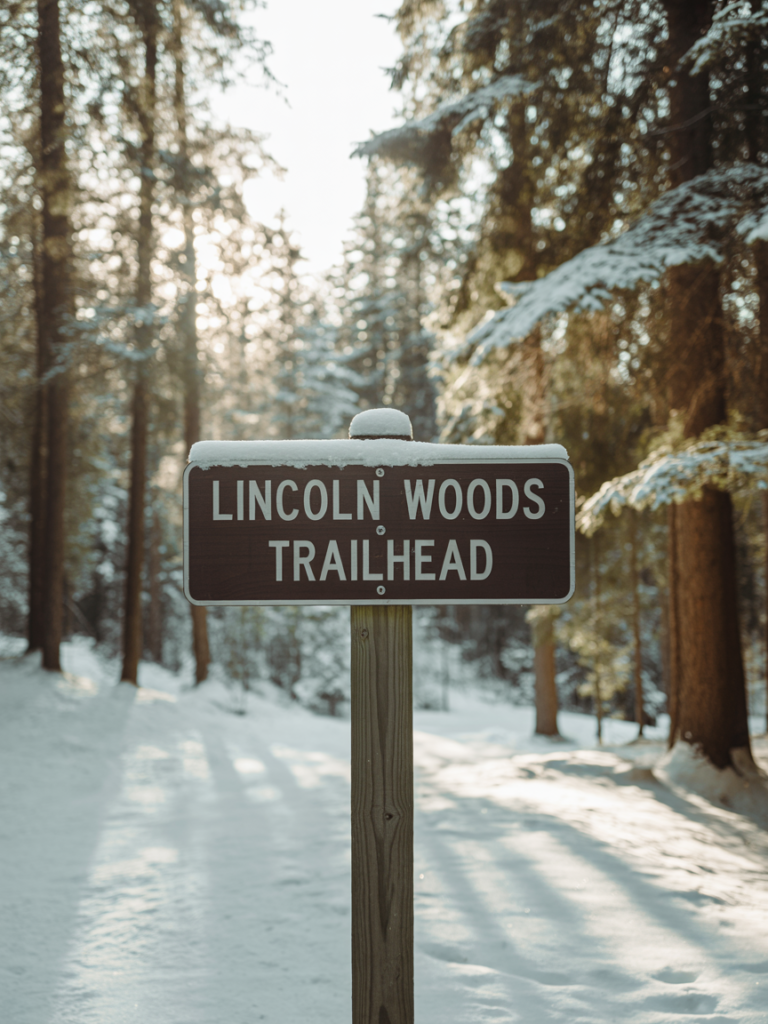
Where: About 4.7 miles from Lincoln, large parking area with facilities.
This is one of the most important stops along the Kanc for hikers and day-trippers.
The Lincoln Woods Trail serves as the starting point for multiple backcountry hikes into the Pemigewasset Wilderness.
Why It’s Great in Fall:
- Even if you don’t hike far, the bridge over the Pemigewasset River offers an incredible foliage view.
- The riverbanks explode in color, and the water reflects the fiery leaves like a mirror.
- Photographers love the symmetry of the suspension bridge with mountains in the backdrop.
What to Do Here:
- Short option: Walk 10 minutes onto the bridge for photos.
- Longer hikes:
- Franconia Falls (6.2 miles round trip): Gentle trail through colorful woods leading to a cascading waterfall.
- Black Pond Trail (2.6 miles round trip): Quieter, less crowded path for fall leaf lovers.
- Picnic: Plenty of spots along the river to set up lunch.
Facilities:
- Large parking lot (fills early).
- Restrooms available.
- Day-use fee required.
Insider Tip: If you want a peaceful fall foliage hike away from crowds, Black Pond Trail is one of the most underrated gems.
Stop 4: Sabbaday Falls
Where: About 3.5 miles east of the Lincoln Woods Trailhead (approx. 10 miles from Lincoln).
Sabbaday Falls is hands down one of the most visited and beloved stops along the Kancamagus Highway, especially during foliage season. It’s a short, easy walk with a massive payoff — a picturesque waterfall tucked into the forest, framed by fiery red maples and golden birches.
Why It’s a Must-See in Fall:
- The three-tiered cascade looks magical surrounded by autumn leaves.
- A wooden walkway and stone steps lead you right to the falls family-friendly but still adventurous.
- The sound of rushing water combined with the crisp fall air makes it feel like a fairytale.
What to Do Here:
- Take the 0.7-mile round-trip walk (10–15 minutes each way).
- Snap photos from the upper viewing platform (best angle in fall).
- Look for rainbows in the mist on sunny mornings.
- If you’re into photography, bring a tripod to capture the falls in long exposure.
Insider Tip: Sabbaday Falls is busiest from 10 AM–2 PM. If you want fewer people in your photos, go early morning or late afternoon.
Facilities:
- Restrooms at the parking area.
- Picnic tables nearby a great snack stop.
- Parking fee: $5 (or use a White Mountain National Forest Pass).
Stop 5: Rocky Gorge Scenic Area
Where: About 9 miles west of Conway, 25 miles from Lincoln.
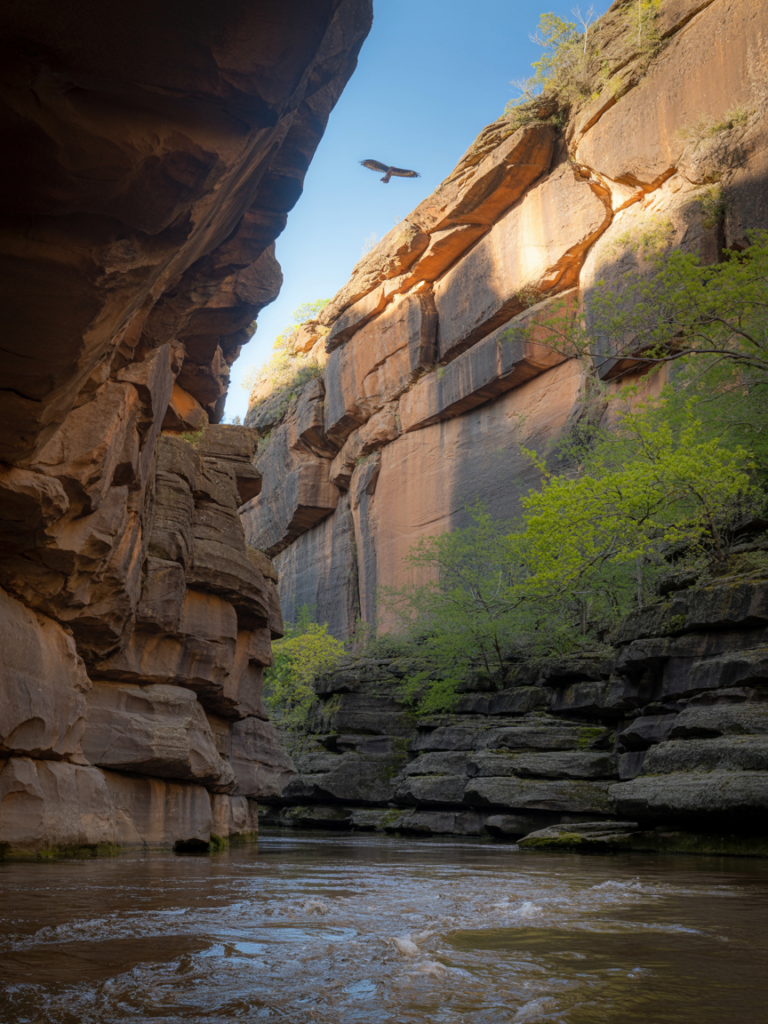
Rocky Gorge is one of the most photographed spots on the Kancamagus.
Here, the Swift River squeezes through a narrow granite gorge, creating a thundering cascade of whitewater.
Add in the fiery backdrop of October foliage, and it’s pure magic.
Why It’s Special in Fall:
- The contrast of whitewater against orange and red leaves is breathtaking.
- The gorge is often shrouded in misty spray on cool mornings.
- Photographers love capturing the bridge framed by fall color.
What to Do Here:
- Cross the footbridge for the classic view of the gorge.
- Walk the easy 1-mile loop trail around Falls Pond. The pond reflects surrounding foliage like a mirror.
- Great picnic spot (tables available).
Important: Swimming is prohibited at Rocky Gorge currents are dangerously strong. Stick to photography and walking.
Insider Tip: This is a great spot if you’re short on time. You can park, walk across the bridge, grab your photos, and be back in the car in under 20 minutes or linger longer for the loop trail.
Stop 6: Lower Falls Scenic Area
Where: About 7 miles west of Conway, close to Rocky Gorge.
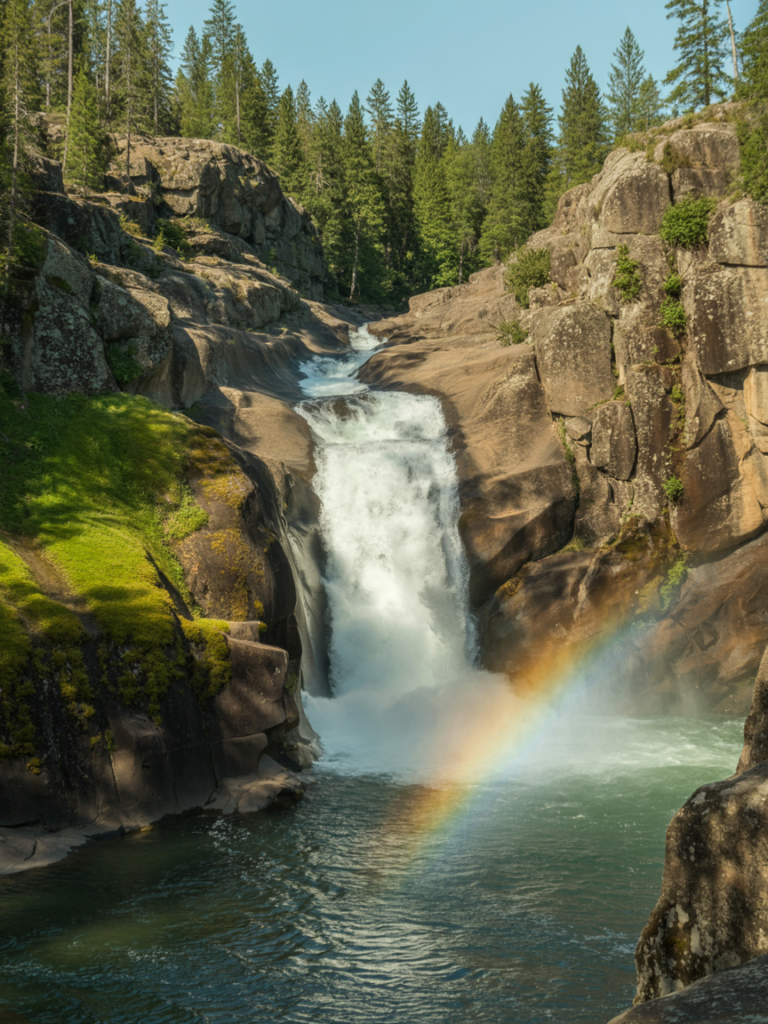
Lower Falls is a family-friendly highlight of the Kancamagus Highway.
The Swift River tumbles over a series of gentle cascades and flat rocks, making it a natural gathering spot for picnics and relaxation.
Why It’s Great in Fall:
- The falls create a gentle white ribbon running through brilliant foliage.
- Families can spread out on the flat granite rocks for lunch while admiring the colors.
- Reflections in the pools often double the color impact in photos.
What to Do Here:
- Enjoy a picnic at one of the many tables.
- Sit on the granite rocks and listen to the rushing water.
- Walk along the riverbank to capture different photo angles of the cascades.
Facilities:
- Large parking lot.
- Picnic tables, restrooms, and grills available.
- Parking fee: $5 (or pass).
Insider Tip: Lower Falls is one of the best stops if you have kids or elderly travelers. The terrain is flat, and the river’s edge is easily accessible.
Stop 7: Champney Falls Trail
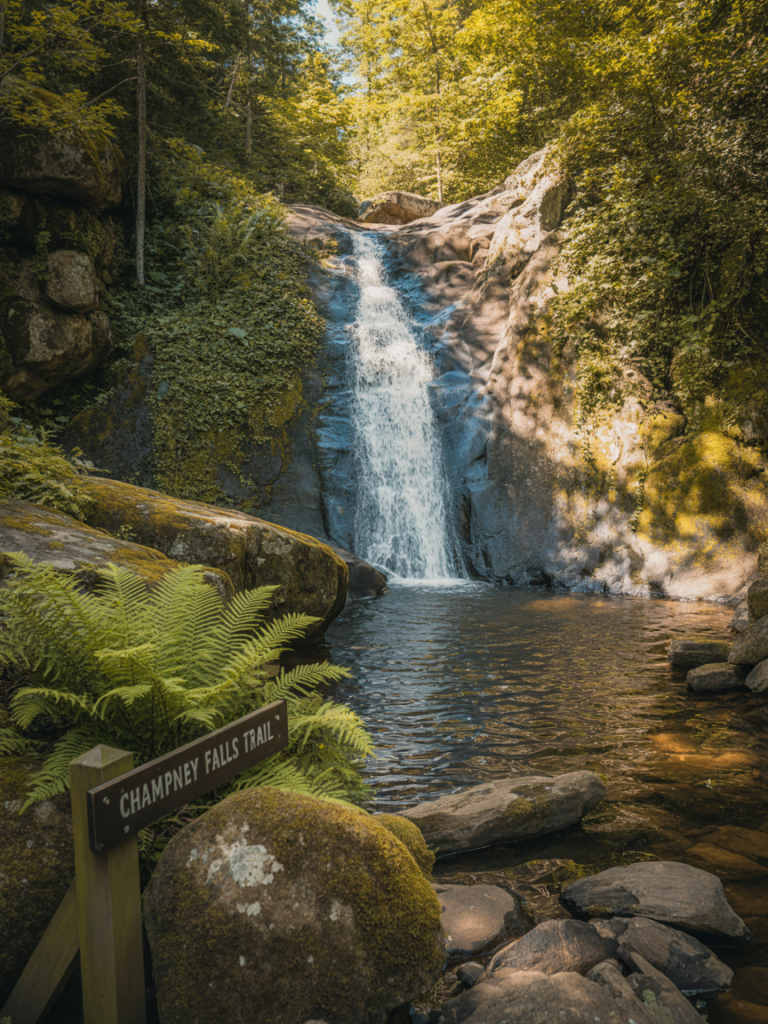
Where: About 11 miles west of Conway.
For hikers who want a bit more adventure than the short boardwalks, Champney Falls is the perfect choice.
It’s a moderate hike (3 miles round trip) leading to a beautiful series of cascading falls tucked into the forest.
Why It’s Fantastic in Fall:
- The trail winds through a tunnel of golden birches and maples, making the journey just as beautiful as the destination.
- The falls themselves flow in multiple drops, framed by glowing autumn color.
- The hike is never too steep, making it accessible for families with older kids.
What to Do Here:
- Hike to the falls (1.5 miles one way) and explore different viewing spots.
- Continue onward for those who want a challenge: the trail connects to Mount Chocorua, a famous New Hampshire peak with 360° views (8.4 miles round trip).
- Photographers: Go after rain or in early October when the falls are strongest.
Facilities:
- Medium-sized parking lot (fills quickly in fall).
- Restrooms at the trailhead.
- Day-use fee required.
Insider Tip: Bring trekking poles if you plan to continue to Mount Chocorua.
It’s steep and rocky but rewards you with one of the best summit views in the Whites.
Stop 8: Albany Covered Bridge
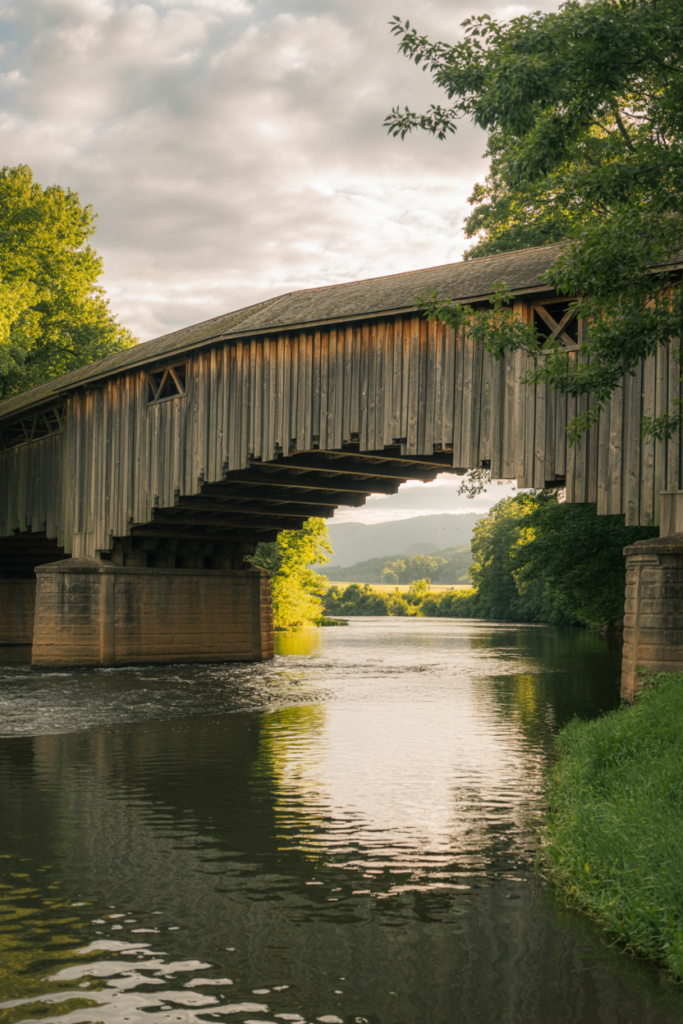
Where: About 6 miles west of Conway, a short turn-off from the main highway.
Covered bridges are the icons of New England, and the Albany Covered Bridge is one of the most photogenic.
Built in 1858, this 120-foot-long wooden bridge spans the Swift River, framed by a tunnel of fiery fall foliage.
Why It’s a Must-See in Fall:
- The bridge itself is painted in deep reds and browns, blending perfectly with the foliage.
- The Swift River beneath reflects golden maples, creating mirror-like photos.
- It’s one of the most Instagrammed spots on the Kanc, especially in October.
What to Do Here:
- Park at the lot just before the bridge and walk across for photos.
- Explore both sides of the riverbank — each gives a different angle of the bridge with foliage.
- For a short walk, connect to the Covered Bridge Trail, an easy loop that’s especially colorful in fall.
Facilities:
- Small parking area (fills up quickly in peak season).
- Day-use fee required.
Insider Tip: Visit early in the morning or late afternoon to avoid bus tours. The light is softer, and the crowds are thinner.
Stop 9: CL Graham Wangan Grounds Scenic Overlook
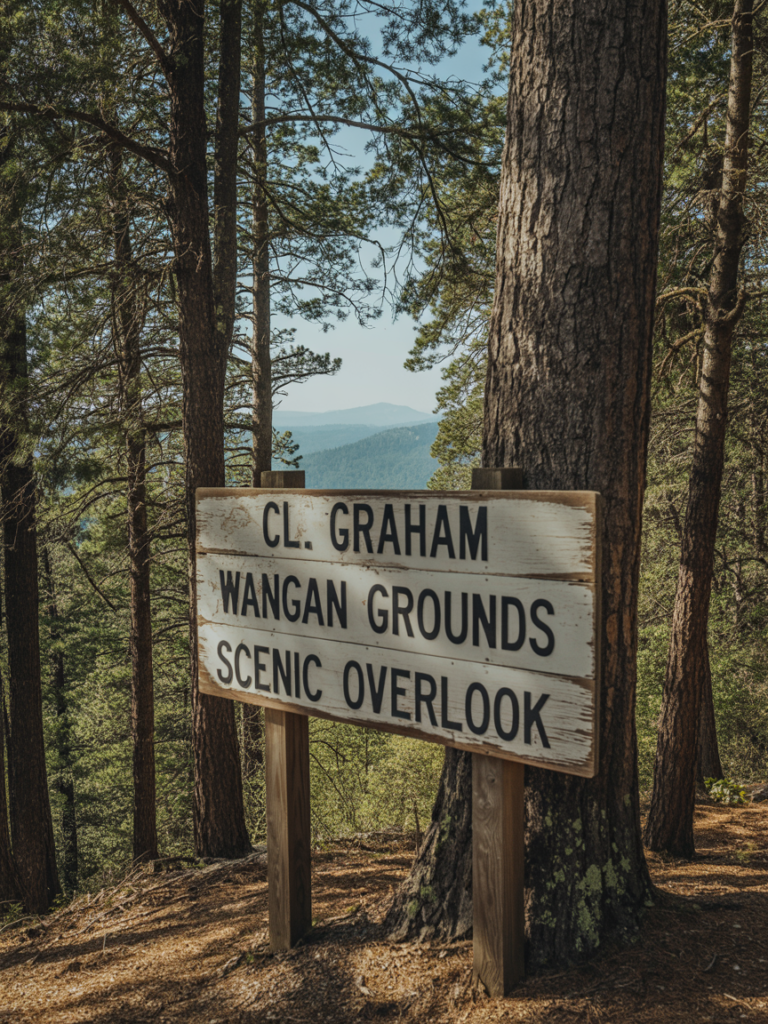
Where: Near the midpoint of the Kanc, at one of the highest points along the highway.
The CL Graham Overlook (also called Wangan Grounds) is one of the grandest viewpoints on the entire route.
Sitting at about 2,855 feet elevation, it offers a panoramic sweep of the Swift River Valley and the distant mountains of the White Mountain National Forest.
Why It’s Amazing in Fall:
- You’ll see endless ridges layered in fiery colors, fading into purples and blues in the distance.
- On a clear day, you can spot Mount Washington and the Presidential Range.
- The higher elevation means foliage changes earlier here than in the valleys, giving you a preview of peak color.
What to Do Here:
- Use binoculars to scan for hawks, falcons, and even the occasional bald eagle.
- Snap wide-angle shots at sunrise or sunset the golden light over layered ridges is spectacular.
- Bring a thermos of coffee and enjoy a morning break with one of the best views in New England.
Insider Tip: This overlook is windy and colder than lower elevations. Bring a jacket, even on sunny days.
Stop 10: Sawyer Pond Trail
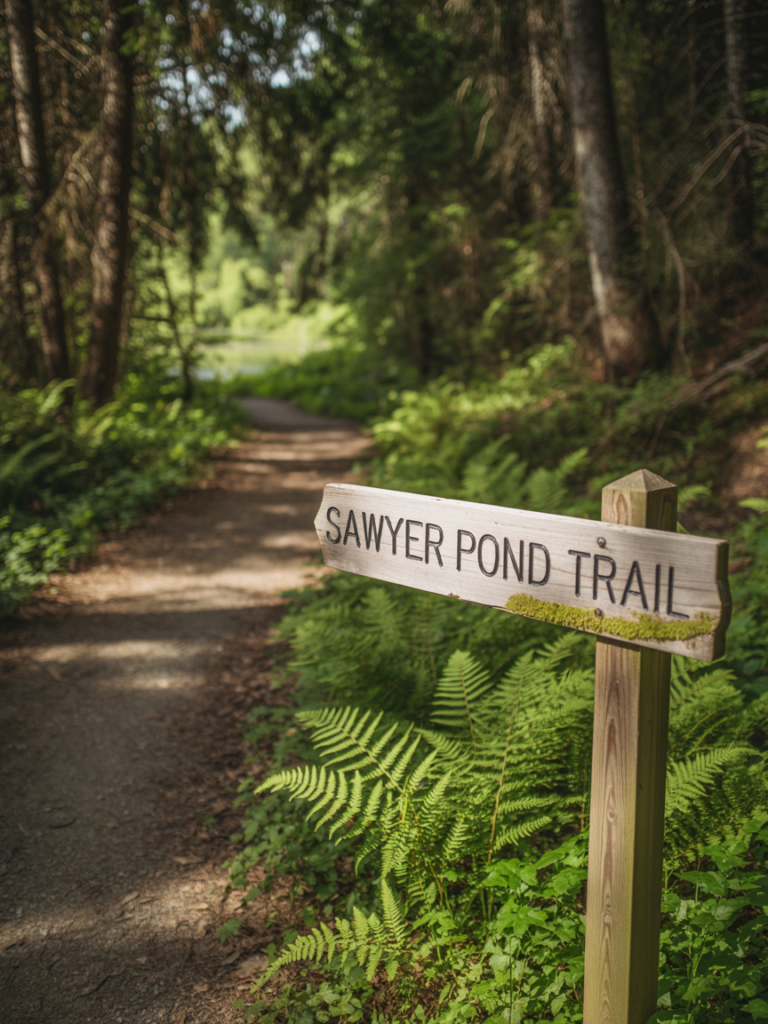
Where: About 7 miles from Conway, just off the Kanc.
The Sawyer Pond Trail is a moderate backcountry hike that rewards you with one of the most peaceful and reflective ponds in the White Mountains.
At 4 miles round trip, it’s not too difficult but gives you a sense of wilderness far from the road.
Why It’s Beautiful in Fall:
- The pond is surrounded by hillsides that glow in reds, oranges, and yellows.
- On calm days, the pond acts as a mirror, perfectly reflecting the foliage and sky.
- It’s less crowded than stops like Sabbaday Falls, giving you a tranquil foliage experience.
What to Do Here:
- Hike in about 2 miles to the pond and take in the view.
- Photographers: Go early in the morning when the water is glassy calm.
- If you’re adventurous, you can even camp overnight at Sawyer Pond Shelter (backcountry site).
Facilities:
- Small parking lot at the trailhead.
- No restrooms.
- Free to park and hike.
Insider Tip: This is one of the best spots for solitude on the Kanc during foliage season. If crowds overwhelm you at Rocky Gorge or Sabbaday Falls, Sawyer Pond is the perfect escape.
Stop 11: Russell-Colbath Historic House
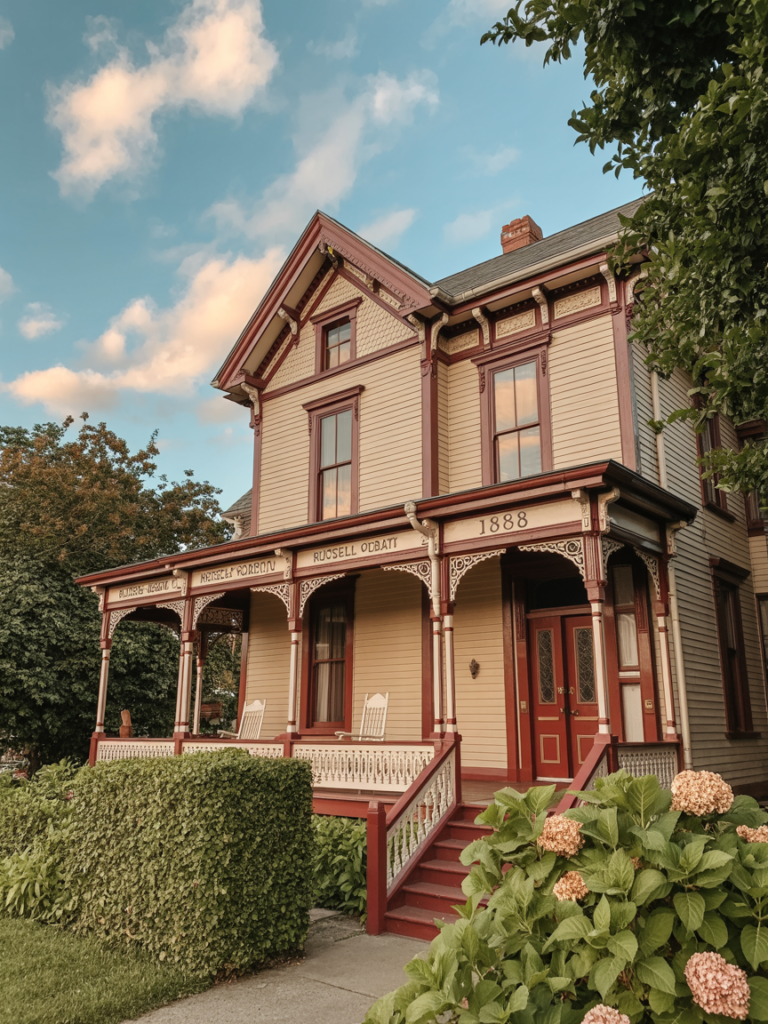
Where: About 8 miles west of Conway, right along the highway.
The Russell-Colbath House is a 19th-century homestead preserved as a museum by the U.S. Forest Service.
Built in 1832, it offers a fascinating glimpse into what life was like for settlers in the White Mountains during the 1800s.
Why It’s Great in Fall:
- The house, surrounded by brilliant foliage, makes for a classic New England postcard scene.
- There are guided tours in season that share stories about the Russell family, farming life, and the history of the area.
- The grounds often host fall festivals and events, with music, crafts, and living history demonstrations.
What to Do Here:
- Take a guided tour of the homestead (check seasonal hours).
- Walk the Russell-Colbath Trail, a short interpretive loop through colorful woodlands.
- Snap photos of the red farmhouse framed by maples — classic New England charm.
Facilities:
- Parking area with restrooms.
- Picnic tables available.
Insider Tip: This is one of the few stops on the Kanc that combines history and scenery. If you love cultural context as much as nature, don’t skip it.
Stop 12: Jigger Johnson Campground
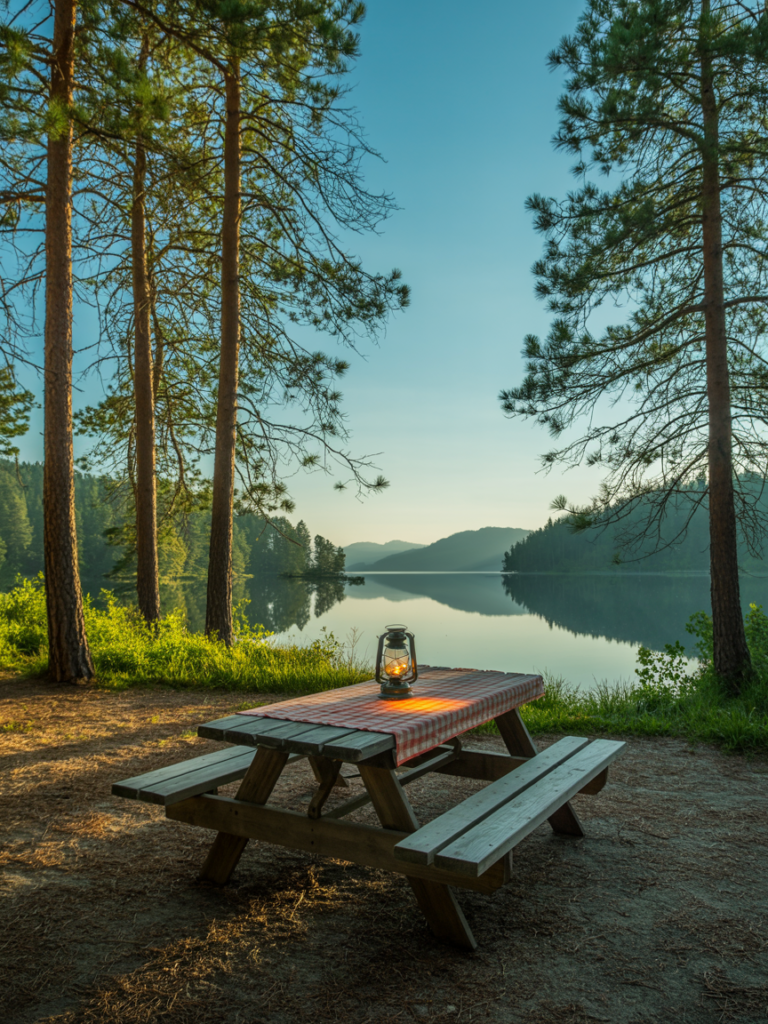
Where: About 12 miles west of Conway, directly on the highway.
Jigger Johnson is the only full-service campground on the Kancamagus Highway and is hugely popular during foliage season.
Even if you don’t plan to camp, it’s worth a quick visit to see how people settle into the wilderness for a few days of leaf-peeping.
Why It’s Special in Fall:
- Campsites are shaded by towering maples and birches, which turn into a golden canopy in October.
- At night, you can enjoy campfires under starry skies far from city lights.
- The Swift River runs nearby, adding the sound of rushing water to the autumn experience.
What to Do Here:
- Drive through to see how campers set up during foliage season.
- If staying overnight, enjoy s’mores around a fire as the woods glow orange.
- Take short walks from the campground to nearby riverbanks and forest trails.
Facilities:
- 74 campsites, many with fire rings and picnic tables.
- Restrooms and drinking water available.
- Open mid-May through mid-October (reservations recommended for fall).
Insider Tip: Book months in advance if you want to camp here during peak foliage — sites sell out fast.
Stop 13: Russell Pond
Where: Just north of the Kancamagus Highway, accessible via a short side road (Russell Pond Road), about 5 miles east of Lincoln.
Russell Pond is one of the hidden gems just off the Kanc.
It’s a small, peaceful pond nestled among rolling hills, perfect for reflection photos and quiet moments away from the crowds.
Why It’s Special in Fall:
- The pond mirrors the surrounding forest, doubling the gold, orange, and red canopy in still water.
- Because it’s off the main road, it’s often less crowded, even during peak season.
- Photographers love the way morning mist rises off the pond when the air is chilly.
What to Do Here:
- Walk around the pond’s short shoreline trail.
- Launch a canoe or kayak if you’re staying at the nearby campground.
- Capture sunrise or sunset shots with still reflections.
Facilities:
- Adjacent Russell Pond Campground (more peaceful than Jigger Johnson).
- Picnic tables and restrooms available.
Insider Tip: This is a perfect stop if you want to escape the “tour bus” crowds and enjoy a quiet foliage scene.
Stop 14: Hancock Campground
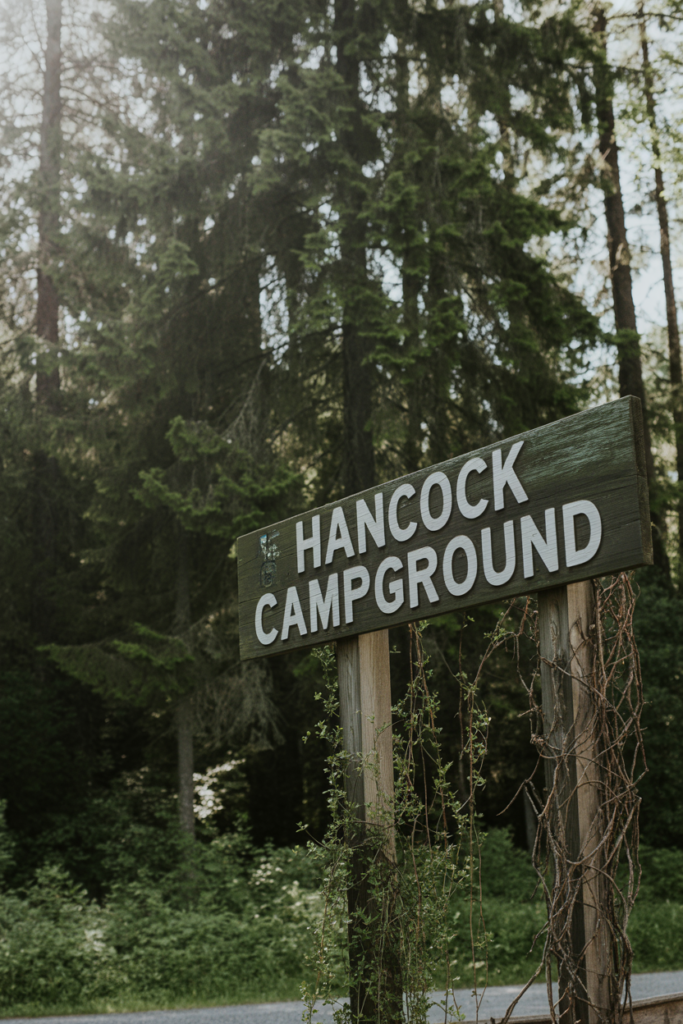
Where: About 5 miles east of Lincoln, directly along the Kancamagus Highway.
Hancock Campground is another popular camping base for foliage seekers.
Even if you’re not camping, it’s worth pulling in for a quick look at the Pemigewasset River, which flows right behind the sites.
Why It’s Great in Fall:
- The riverbanks glow in autumn color, especially during early October.
- Campsites tucked under birches and sugar maples give a storybook forest feel.
- The sound of the river combined with rustling leaves makes it an incredibly peaceful stop.
What to Do Here:
- Take a quick stroll down to the river for photos.
- Picnic at one of the riverside tables.
- If staying overnight, enjoy an authentic White Mountain camping experience during peak foliage.
Facilities:
- 56 sites with picnic tables and fire rings.
- Drinking water and restrooms available.
Insider Tip: Unlike Jigger Johnson, Hancock is a little quieter, and it’s closer to Lincoln a good base if you’re planning to pair the Kanc with Franconia Notch.
Stop 15: Greeley Ponds Trail
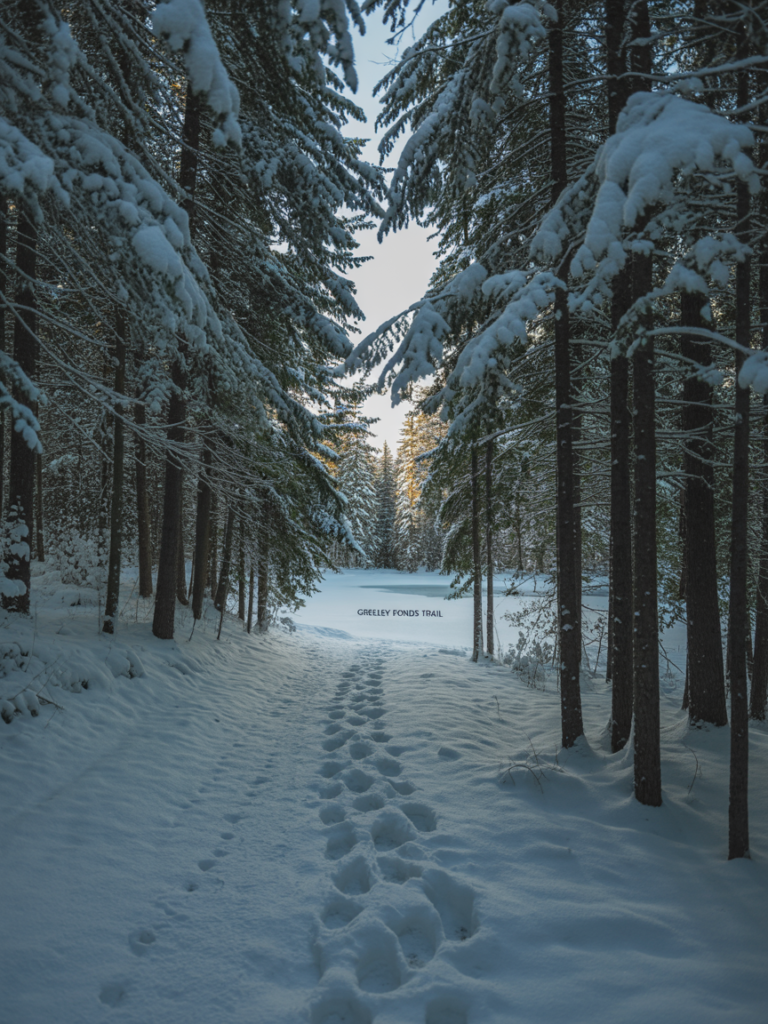
Where: About 12 miles from Lincoln, near the Kanc’s midpoint.
The Greeley Ponds Trail is a moderate hike (4 miles round trip) leading to a pair of pristine mountain ponds surrounded by dramatic cliffs and foliage.
It’s one of the more rewarding hikes along the Kanc for those who want solitude and scenery.
Why It’s Stunning in Fall:
- The ponds reflect brilliant foliage and steep rock walls in perfect symmetry.
- It feels remote the ponds are often quiet and uncrowded, even in October.
- The trail itself is lined with maples and birches that turn into a golden tunnel in autumn.
What to Do Here:
- Hike to Lower Greeley Pond (2 miles in, fairly flat).
- Continue to Upper Greeley Pond if you want more views.
- For adventurous hikers: connect to the Mount Osceola Trail for a challenging climb and summit views.
Facilities:
- Parking area at the trailhead.
- No restrooms.
- Day-use fee required.
Insider Tip: Go early in the morning when the water is calm the reflections at the ponds are at their best before the breeze picks up.
Stop 16: Mount Hedgehog Trail
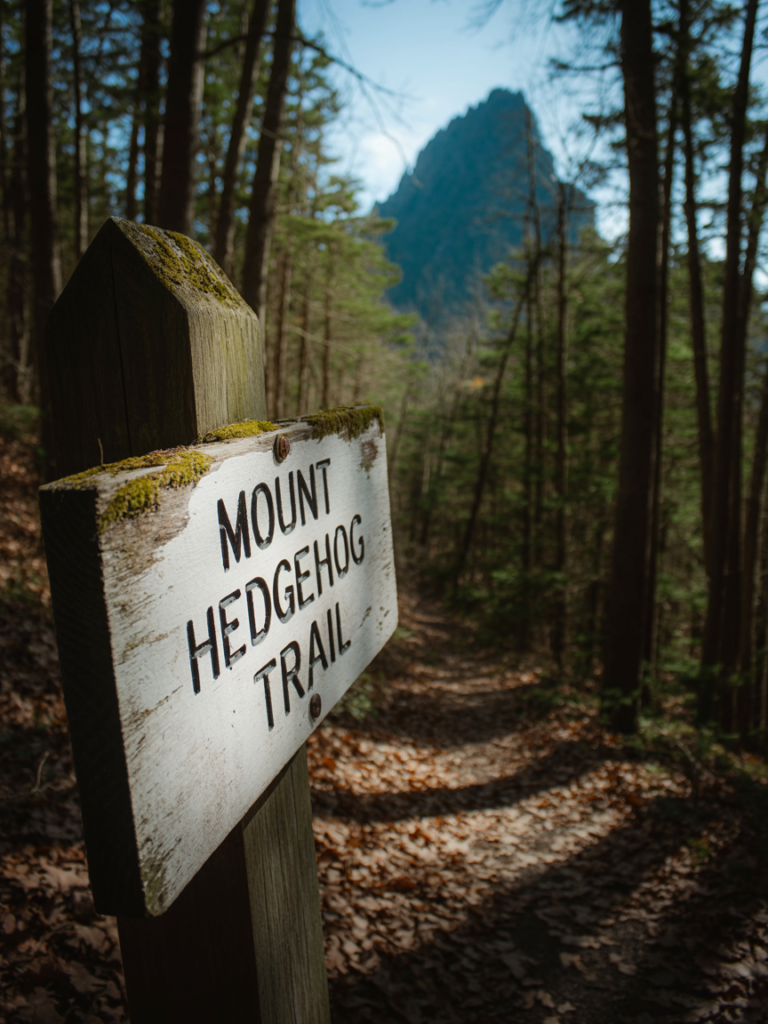
Where: Just west of Conway, near the UNH Downes Brook parking area.
The Mount Hedgehog Trail is a local favorite hike with incredible summit views.
It’s a 4.8-mile loop that gives you everything forests, ledges, and wide-open panoramas of the Sandwich Range.
Why It’s Incredible in Fall:
- From the summit, you’ll see a 360° sea of fall foliage, stretching from Mount Passaconaway to Mount Chocorua.
- The ridge walk is especially photogenic, with glowing leaves on both sides.
- Hedgehog is less crowded than Mount Chocorua but offers equally spectacular views.
What to Do Here:
- Hike the loop trail (3–5 hours depending on pace).
- Bring a packed lunch and enjoy it on the open ledges.
- Photographers: Plan for late afternoon light it creates dramatic shadows across the valleys.
Facilities:
- Parking lot at trailhead (fills fast on weekends).
- Restrooms available.
- Day-use fee required.
Insider Tip: If you want a summit hike that’s not as strenuous as the Hancocks or Osceola, Hedgehog is the perfect “moderate” option.
Stop 17: Conway (Eastern Gateway of the Kancamagus Highway)
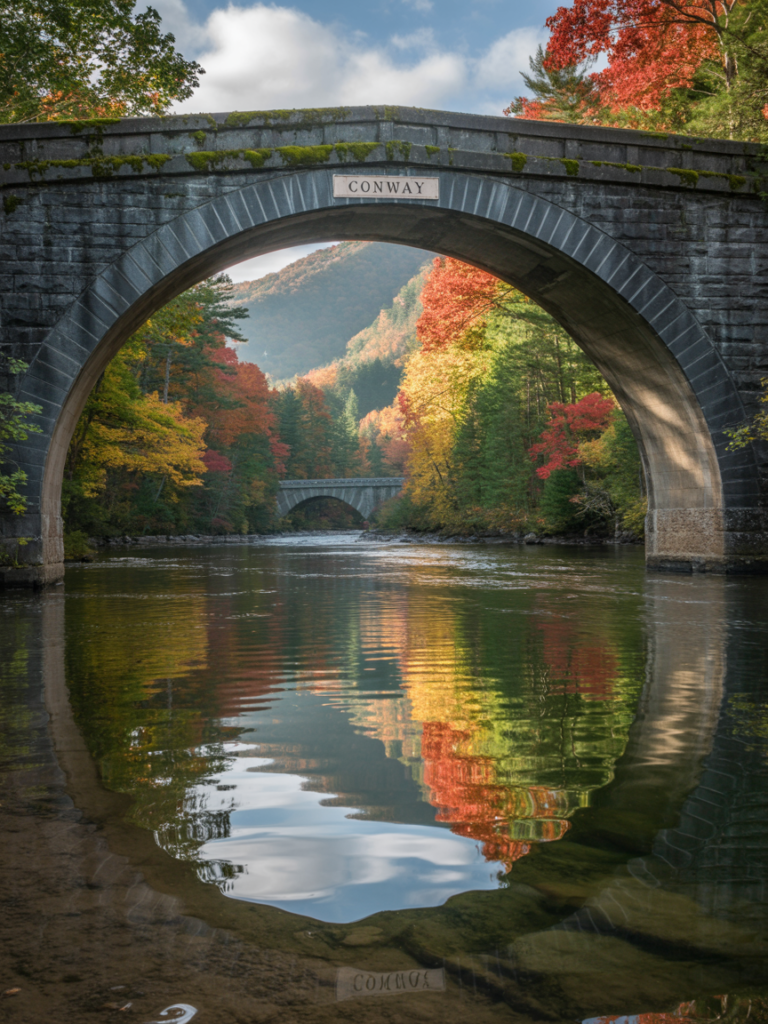
Where: Eastern end of NH Route 112, connecting with NH Route 16 in Conway.
Conway is the gateway town on the eastern side of the Kancamagus Highway.
After the wilderness drive, arriving here feels like stepping back into civilization with shops, restaurants, and lodging.
Why It’s Worth Exploring in Fall:
- The village itself is charming, with white church steeples framed by fiery foliage.
- North Conway, just a few miles away, is a hub for shopping and dining, plus access to the Conway Scenic Railroad.
- If you’re extending your trip, Conway is a great base for Mount Washington, Crawford Notch, or Lake Winnipesaukee.
What to Do Here:
- Stroll downtown for classic New England photos — general stores, cafés, and fall decorations.
- Hop on the Conway Scenic Railroad for a foliage train ride through the valleys.
- Refuel with hearty meals at local diners or breweries before heading out.
Insider Tip: If you want to avoid traffic leaving the Kanc, plan to hit Conway before 3 PM on weekends. Later in the day, traffic can back up into town.
Photography Guide for the Kancamagus Highway in Fall
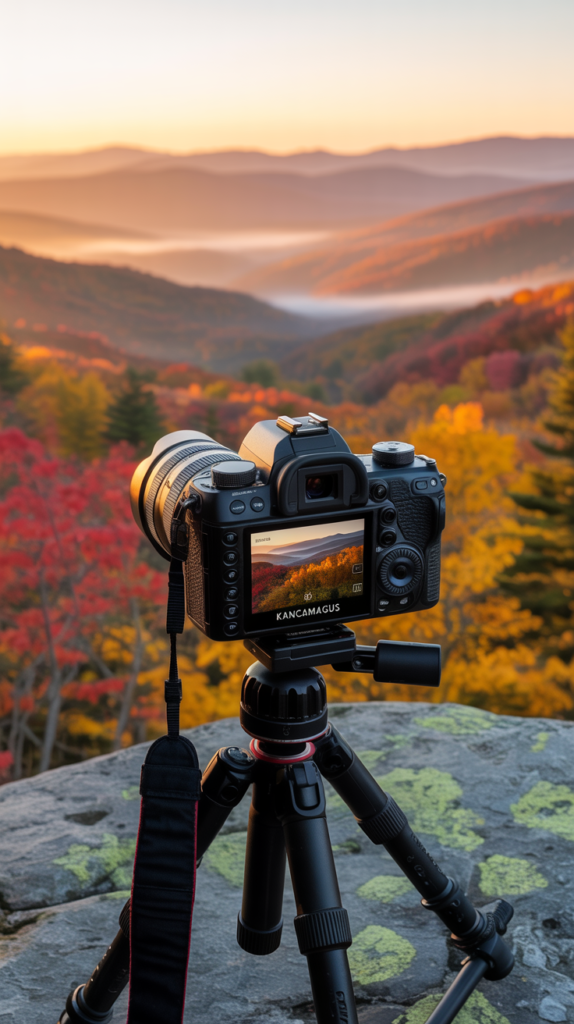
The Kancamagus Highway is one of the most photographed scenic byways in the United States, and for good reason: every curve in the road offers postcard-worthy views.
But capturing the best photos takes some planning.
Here’s how to get those unforgettable shots.
Best Times of Day for Photography
- Early Morning (6:30–9:00 AM):
- The valleys fill with morning mist, creating a dreamy, layered effect.
- Wildlife like deer and moose are more active.
- Fewer cars on the road easier to stop at pull-offs.
- Midday (10:00 AM–2:00 PM):
- Bright sunlight makes foliage colors pop, especially against a clear blue sky.
- Best time for wide-open overlooks like Sugar Hill or Hancock Overlook.
- Golden Hour (4:30–6:00 PM):
- Warm light turns the leaves into a glowing tapestry of golds and reds.
- Fantastic for riverside reflections at Rocky Gorge or Sabbaday Falls.
- Sunset (after 6:00 PM):
- Western-facing overlooks near Lincoln are prime for dramatic sunset skies.
- Sugar Hill Overlook is one of the most popular sunset stops.
Tips for Capturing Fall Colors
- Use Reflections:
- Stop at Russell Pond, Lower Falls, and Rocky Gorge to photograph mirrored reflections of the foliage in water.
- Look for Contrast:
- Mix the bright foliage with dark evergreens, gray boulders, or white birch trunks. This creates depth in your shots.
- Bring a Polarizing Filter:
- Cuts glare from rivers and ponds, making colors more vibrant.
- Shoot Wide and Tight:
- Wide shots capture the grandeur of valleys like Hancock Overlook.
- Zoom in for details like a single golden birch against dark pine forests.
- Include Foreground Interest:
- Frame your shot with rocks, fences, or tree trunks for visual depth.
Gear Recommendations
- Camera: A DSLR or mirrorless camera with wide-angle (16–35mm) and telephoto (70–200mm) lenses.
- Tripod: Essential for waterfall shots at Sabbaday Falls and Rocky Gorge.
- Drone (Optional): Allowed in some areas (check Forest Service rules). Aerial shots reveal the ribbon of the Kanc winding through the foliage.
- Smartphone Users: Use HDR mode and lock focus on bright leaves to prevent overexposure.
Itinerary Planning for Fall Photography
Because the light changes so dramatically during the day, here’s a sample photographer’s timeline for a full day on the Kanc:
- 6:30 AM – Hancock Overlook: Capture the sunrise spilling into the valley.
- 8:00 AM – Sabbaday Falls: Soft morning light makes waterfalls glow.
- 10:00 AM – Rocky Gorge & Lower Falls: Midday sun creates perfect water reflections.
- 12:00 PM – Picnic at Jigger Johnson or Russell Pond: Rest during harsh light.
- 2:00 PM – Mount Hedgehog Hike: Afternoon climb, reach summit by golden hour.
- 5:30 PM – Sugar Hill Overlook: Watch the sun set behind fiery ridges.
- 7:00 PM – Drive into Conway or Lincoln for dinner.
Avoiding Crowds for Better Shots
- Go Midweek: Tuesdays and Wednesdays are significantly quieter.
- Arrive Early: Before 8 AM, many pull-offs are empty.
- Explore Side Trails: While Sabbaday Falls gets packed, Russell Pond or Greeley Ponds often have fewer people.
Lodging & Camping Options Along the Kancamagus Highway
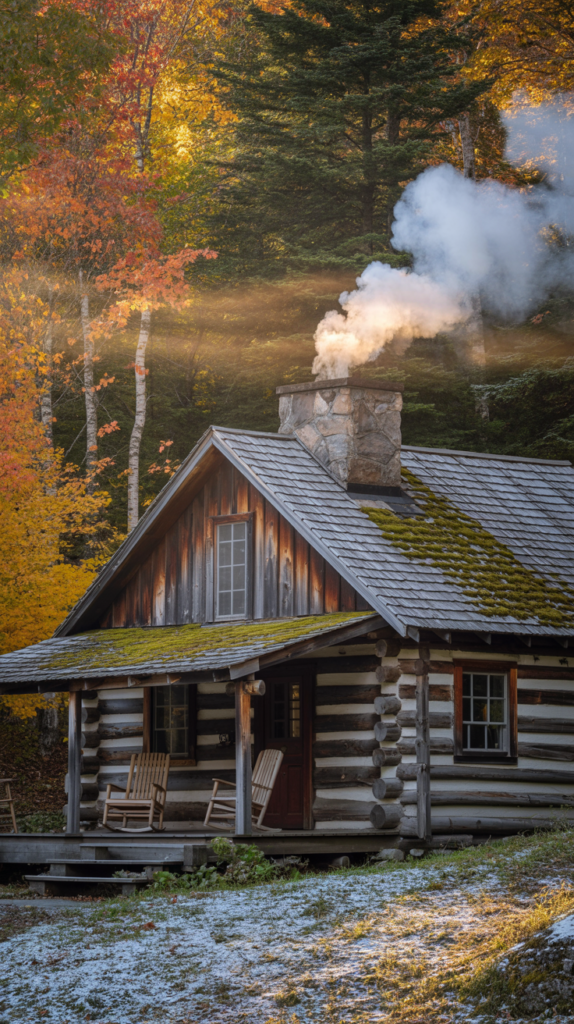
One of the biggest decisions when planning a fall foliage trip along the Kancamagus Highway is where to stay.
Since the Kanc itself is a scenic byway with no hotels, restaurants, or gas stations, you’ll need to choose between camping inside the White Mountain National Forest or staying in nearby towns like Lincoln, Woodstock, or Conway.
Camping Along the Kancamagus Highway
Camping is the most immersive way to experience the Kanc you’ll wake up surrounded by the colors of autumn, with rivers rushing nearby and crisp mountain air in your lungs. There are six campgrounds directly on the highway.
1. Hancock Campground
- Location: West side of the Kanc, near Lincoln
- Sites: 56
- Price: $25–$30 per night (first-come, first-served)
- Why Stay Here: Peaceful riverside sites with easy access to Lincoln and Franconia Notch.
2. Big Rock Campground
- Location: 6 miles east of Lincoln
- Sites: 28
- Price: $25–$30 per night
- Why Stay Here: Smaller, quieter, tucked into hardwood forest with excellent foliage cover.
3. Jigger Johnson Campground
- Location: Midpoint of the Kanc
- Sites: 75 (largest campground on the Kanc)
- Price: $30–$35 per night
- Why Stay Here: Central location, family-friendly, access to restrooms and running water.
4. Passaconaway Campground
- Location: Eastern side of the Kanc, near Conway
- Sites: 33
- Price: $25–$30 per night
- Why Stay Here: Quiet, shaded sites by the Swift River.
5. Covered Bridge Campground
- Location: East side, near Albany Covered Bridge
- Sites: 49
- Price: $25–$30 per night
- Why Stay Here: Close to Conway, walking distance to the covered bridge, perfect for photographers.
6. Russell Pond Campground (Slight Detour)
- Location: Just off the Kanc, north via Russell Pond Road
- Sites: 86
- Price: $25–$30 per night
- Why Stay Here: Pondside serenity, fewer crowds, canoeing and fishing available.
Camping Tips:
- Sites are first-come, first-served, so arrive early in the day (especially in October weekends).
- No showers, minimal amenities — bring camping gear and extra layers for chilly nights (temps can dip into the 30s°F / 0–5°C).
- Campfires are allowed in fire rings, but firewood collection is prohibited buy wood locally.
Lodging in Lincoln & Woodstock (Western Gateway)
If you prefer comfort over camping, Lincoln and neighboring Woodstock are excellent bases.
They’re just minutes from the start of the Kanc and have plenty of hotels, motels, and lodges.
Top Picks in Lincoln/Woodstock:
- Indian Head Resort
- Classic New Hampshire resort with lake views and foliage all around.
- Indoor pool, restaurant, and cozy mountain vibe.
- The RiverWalk Resort at Loon Mountain
- Luxury option with spacious suites, hot tubs, and fireplaces.
- Perfect if you’re pairing the Kanc with leaf-peeping in Franconia Notch.
- Woodstock Inn Brewery
- Rustic inn combined with a craft brewery.
- Great for travelers who want to enjoy local beer after a day of hiking.
- Franconia Notch Guest House
- Bed & breakfast with sweeping mountain views.
- Intimate and charming for couples.
Lodging in Conway & North Conway (Eastern Gateway)
Conway is the eastern anchor of the Kancamagus Highway, and North Conway is a bustling New England village full of shops, dining, and family attractions.
Top Picks in Conway/North Conway:
- Stonehurst Manor
- Historic, English-style manor with a cozy fall atmosphere.
- Includes fireplaces, fine dining, and mountain views.
- The White Mountain Hotel & Resort
- Nestled in the forest with panoramic views.
- On-site restaurant, golf course, and spa.
- North Conway Grand Hotel
- Centrally located near outlet shopping and restaurants.
- Family-friendly with large rooms and pool.
- Adventure Suites
- Themed hotel with quirky rooms (log cabins, jungle themes, etc.).
- Fun option for families with kids.
Alternative Stays
- Cabins & Vacation Rentals: Many private cabins are available near both Lincoln and Conway ideal if you want a secluded autumn escape.
- Hostels & Budget Options: Lincoln’s Notch Hostel offers budget-friendly bunks and private rooms for hikers and backpackers.
- Luxury B&Bs: For couples seeking romance, the White Mountains are filled with charming inns surrounded by fall foliage.
Sample Itineraries for Driving the Kancamagus Highway in Fall
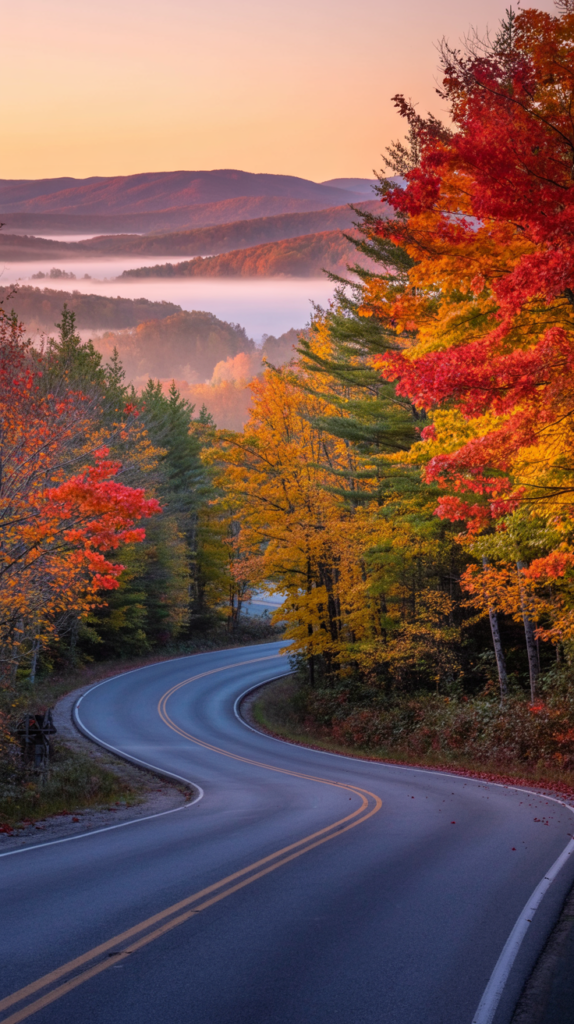
The Kancamagus can be enjoyed in a few hours, but to really appreciate its magic especially in autumn it helps to plan your stops strategically.
Here are sample itineraries for both a 1-day whirlwind drive and a 2-day immersive trip.
1-Day Kancamagus Highway Itinerary (Full Drive, Highlights Only)
This plan is perfect for travelers with limited time who still want to hit the best foliage stops without rushing too much.
Morning – Start in Lincoln
- 7:00 AM – Grab breakfast in Lincoln. Fuel up before heading east.
- 7:30 AM – Hancock Overlook. First light spilling over the valley makes for a stunning start.
- 8:30 AM – Lincoln Woods Trailhead. Walk a short stretch of the suspension bridge trail.
- 9:30 AM – Sabbaday Falls. Short hike to one of the most photographed waterfalls in New England.
Midday – Scenic Stops & Picnic
- 11:00 AM – Rocky Gorge & Falls Pond. Capture reflections in the pond.
- 12:00 PM – Picnic lunch at Jigger Johnson Campground or Lower Falls.
Afternoon – Eastern Highlights
- 1:00 PM – Albany Covered Bridge. Classic New England covered bridge surrounded by fall colors.
- 2:00 PM – Sugar Hill Scenic Overlook. Soak in panoramic views of the Swift River Valley.
- 3:00 PM – Continue into Conway. Stroll downtown, grab a snack, or shop for souvenirs.
Evening – Wrap-Up
- 5:00 PM – Dinner in Conway or return west to Lincoln.
- If you’re staying overnight, book lodging in either gateway town.
This itinerary is manageable in 7–9 hours with time for photos and short hikes.
2-Day Kancamagus Highway Itinerary (In-Depth Experience)
If you want a slower pace and deeper immersion into the White Mountains, this 2-day plan allows you to hike, camp, and enjoy sunrises and sunsets along the route.
Day 1: Lincoln to Jigger Johnson
Morning
- 7:00 AM – Breakfast in Lincoln.
- 7:30 AM – Hancock Overlook for sunrise.
- 8:30 AM – Lincoln Woods Trailhead. Hike a short 2–3 miles for foliage along the Pemigewasset.
- 10:00 AM – Sabbaday Falls. Capture mid-morning waterfall photos.
Afternoon
- 12:00 PM – Picnic lunch at Lower Falls. Dip your toes in the Swift River.
- 1:00 PM – Rocky Gorge. Explore Falls Pond and take photos of the gorge.
- 2:30 PM – Drive to Russell Pond. Enjoy solitude, reflections, and maybe a canoe ride.
Evening
- 4:30 PM – Arrive at Jigger Johnson Campground. Set up camp.
- 6:00 PM – Sunset at Sugar Hill Scenic Overlook. Return to camp for a campfire dinner under the stars.
Day 2: Jigger Johnson to Conway
Morning
- 6:30 AM – Early walk along the Swift River. Peaceful foggy morning photos.
- 8:00 AM – Breakfast at camp.
- 9:00 AM – Mount Hedgehog hike. A half-day hike with sweeping views of foliage-filled valleys.
Afternoon
- 1:00 PM – Lunch in Conway (or pack snacks).
- 2:00 PM – Albany Covered Bridge. Photograph one of the most iconic fall scenes on the Kanc.
- 3:00 PM – Explore Conway Village. Shop for maple syrup, pumpkin goods, or local crafts.
Evening
- 5:00 PM – Dinner in North Conway. Celebrate with hearty New England fare (think apple cider, maple-glazed salmon, or pumpkin pie).
- Optional: Stay overnight in Conway for more White Mountain adventures.
Itinerary Tips
- Timing: Early October is usually peak foliage, but this varies year-to-year depending on weather.
- Driving Speed: The Kanc is 34.5 miles long. Driving straight through takes about an hour, but with stops you’ll spend 5–7 hours minimum.
- Photography: Mornings and evenings are best for light, so plan hikes and overlooks accordingly.
- Food & Gas: Pack snacks and a full tank before entering there are no services on the highway itself.
Frequently Asked Questions (FAQs) About the Kancamagus Highway in Fall
When is the best time to see fall foliage on the Kancamagus Highway?
- Peak foliage usually occurs between October 1st and October 10th.
- Colors begin changing in late September and may linger into mid-October, but the first week of October is historically the most vibrant.
How long does it take to drive the Kancamagus Highway?
- Driving the full 34.5 miles without stopping takes about 1 hour.
- For foliage season, plan at least 5–7 hours for a day trip with photo stops and short hikes.
- A full 2-day trip allows you to enjoy sunrises, sunsets, and longer hikes without feeling rushed.
Is the Kancamagus Highway open year-round?
- Yes, it’s open all year, but conditions vary:
- Fall (Sept–Oct): Peak foliage, busiest season.
- Winter: Plowed, but can be icy and snowy — bring snow tires.
- Spring: Quieter, with rushing rivers from snowmelt.
- Summer: Lush greenery, popular for hiking and swimming.
Are there gas stations or restaurants on the Kancamagus Highway?
- No. The Kanc is a scenic byway with no services.
- Gas up and grab food in Lincoln (west) or Conway (east) before starting your drive.
Do you have to pay to drive the Kancamagus Highway?
- The road itself is free, but most recreation areas and trailheads require a day-use pass.
- Passes cost $5 per day per vehicle or $30 for an annual White Mountain pass (2025 rates).
Is the Kancamagus Highway family-friendly?
- Absolutely! Many stops like Lower Falls, Rocky Gorge, and Sabbaday Falls are short walks suitable for kids.
- Just supervise children closely around rivers and waterfalls, as currents can be strong.
Can you camp along the Kancamagus Highway in fall?
- Yes, six Forest Service campgrounds line the route (Hancock, Big Rock, Jigger Johnson, Passaconaway, Covered Bridge, Russell Pond).
- Sites are first-come, first-served and fill quickly in peak foliage season — arrive before noon for the best chance.
What should I pack for a fall road trip on the Kanc?
- Warm layers (mornings can dip into the 30s°F / 0–5°C).
- Hiking shoes or sturdy sneakers.
- Snacks, water, and a picnic lunch.
- Camera gear (tripod and polarizing filter recommended).
- A full tank of gas.
What wildlife might I see along the Kanc?
- Moose, deer, black bears, foxes, and a variety of birds.
- Drive carefully at dawn and dusk when animals are most active.
Is the Kanc accessible for people with limited mobility?
- Yes, several overlooks like Hancock Overlook and Sugar Hill Scenic Overlook are directly beside the parking area.
- Rocky Gorge has a paved path to its viewing platform.
- Sabbaday Falls includes a partially accessible trail to its lower viewing area.
Conclusion: Why the Kancamagus Highway Belongs on Your Fall Bucket List
The Kancamagus Highway isn’t just a drive it’s a journey through the heart of New England’s autumn magic.
Every bend reveals a new scene: fiery maples glowing against granite cliffs, golden birches mirrored in calm ponds, and winding rivers framed by scarlet hillsides.
Whether you’re:
- Stopping at famous overlooks like Sugar Hill and Hancock,
- Hiking to hidden gems like Sabbaday Falls or Greeley Ponds,
- Camping under a canopy of blazing leaves,
- Or simply rolling down the windows and breathing in crisp mountain air
the Kanc delivers an unforgettable fall road trip experience.
It’s more than a highway. It’s a 34.5-mile ribbon of beauty, a place where time slows down, nature takes center stage, and every traveler leaves with a full camera roll and a happy heart.
Call-to-Action
Ready to plan your fall foliage trip?
Here’s what to do next:
- Pick your dates: Aim for early October for peak color.
- Book lodging or plan camping early: Hotels in Lincoln and Conway sell out fast.
- Pack smart: Layers, camera gear, snacks, and a sense of adventure.
- Plan your stops with this guide: Bookmark this post to use as your road trip companion.
Don’t just see New England’s fall colors experience them on the Kancamagus Highway.