
I still remember the moment I first stepped off the plane in Dublin.
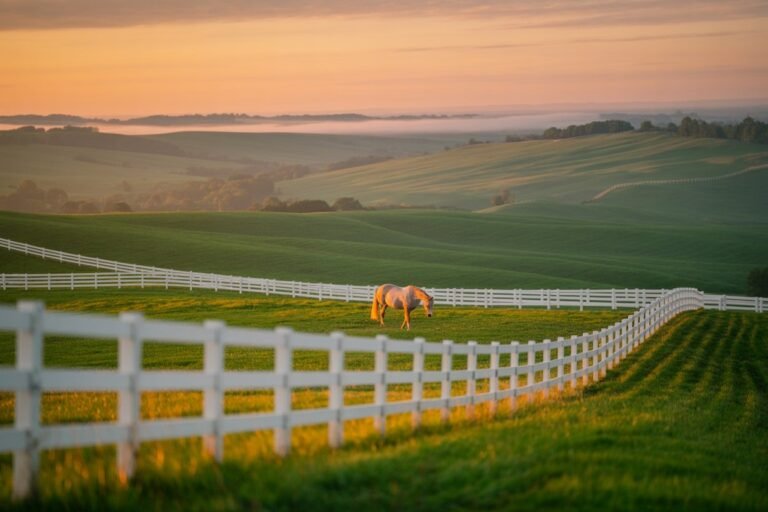
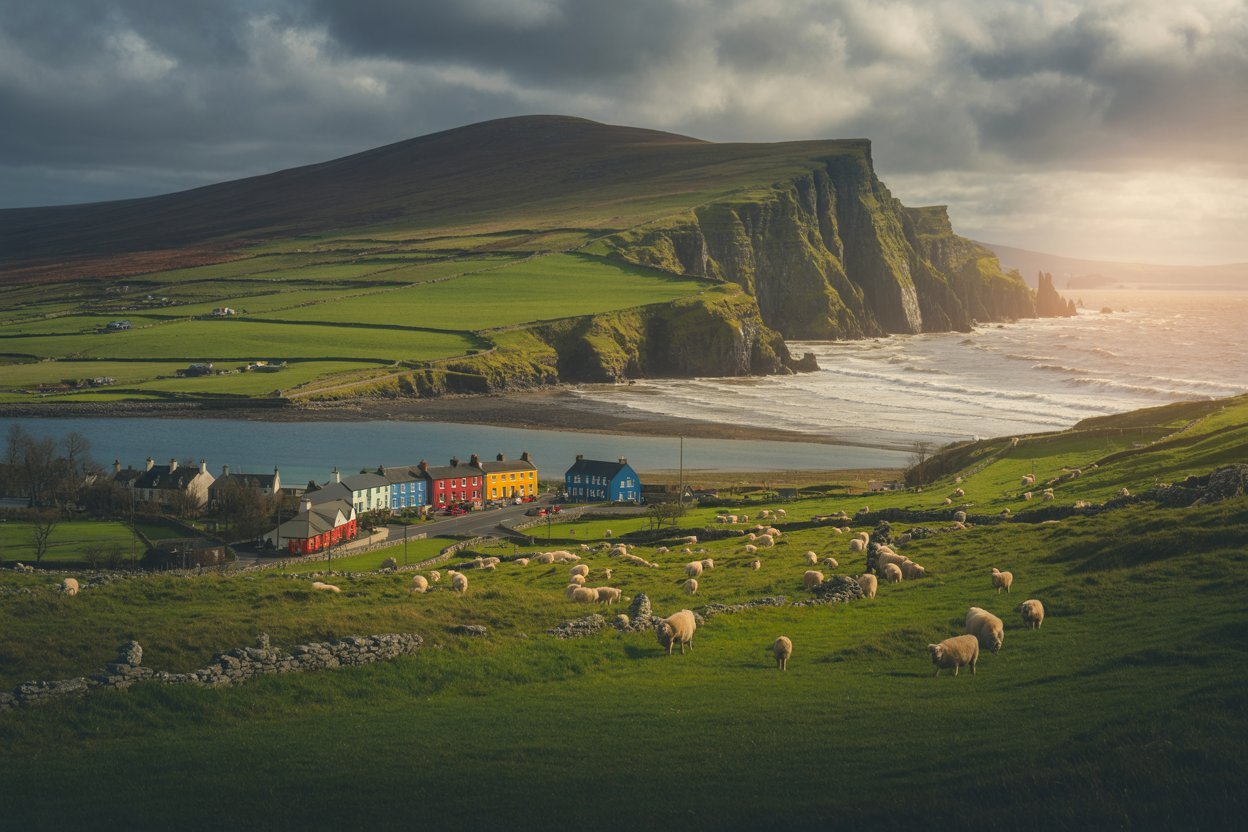
The crisp, fresh air carried a faint scent of the sea, and the soft green hills stretched endlessly in the distance.
Every turn felt like stepping into a storybook the streets, the coastline, the villages they all whispered stories of history, culture, and magic.
Over time, traveling through Ireland has become one of my favorite adventures.
I’ve explored bustling cities, hidden villages, rugged coastlines, and tranquil lakesides, and every journey left me with unforgettable memories.
If you’re dreaming of a trip to the Emerald Isle, this guide is for you. It’s packed with practical advice, personal insights, and travel tips to help you plan a seamless, magical, and unforgettable Irish adventure.
From choosing the best time to visit, to packing the right clothing, to creating the perfect itinerary, I’ll walk you through everything I wish I knew before my first trip.
Let quickly dive into this Ireland Travel Guide: Everything You Need to Plan Your Dream Trip
Why This Guide Is Necessary
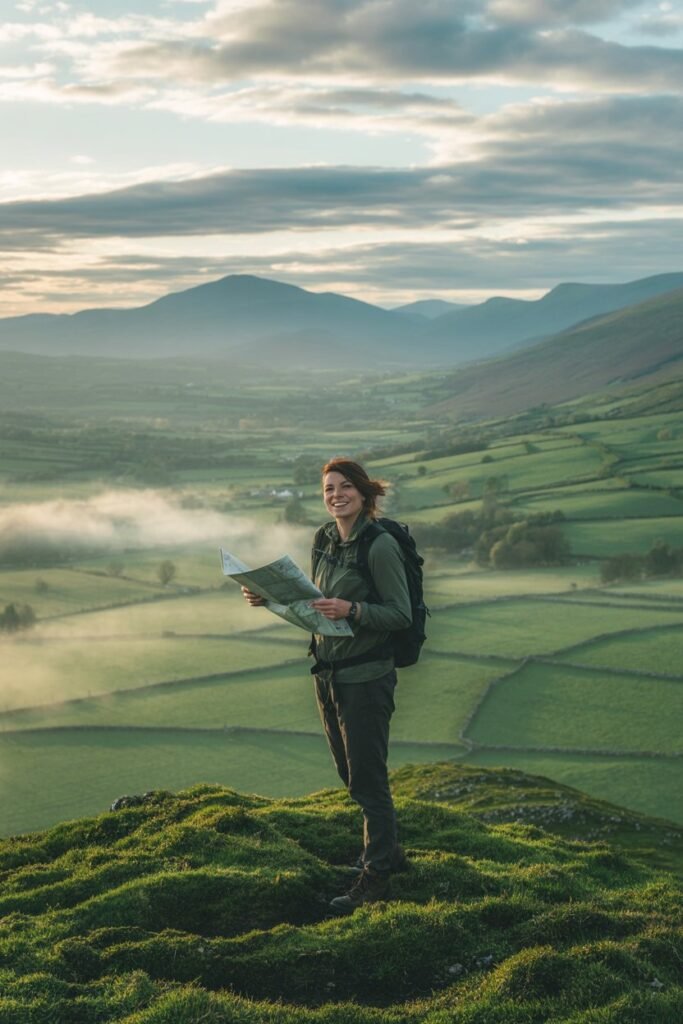
Ireland is full of breathtaking sights, but it can feel a little overwhelming at first glance.
The country’s charm lies not only in its famous landmarks but also in its hidden corners, its cozy pubs, and its friendly locals.
Without proper planning, you might miss the experiences that make Ireland truly magical.
This guide condenses years of personal experience into actionable tips, helping you:
- Maximize your time without rushing.
- Choose the best places to stay for your travel style.
- Experience authentic culture while staying safe.
- Avoid common travel mistakes.
Think of this as your personal travel companion, ready to make your dream trip effortless and enjoyable.
When to Visit
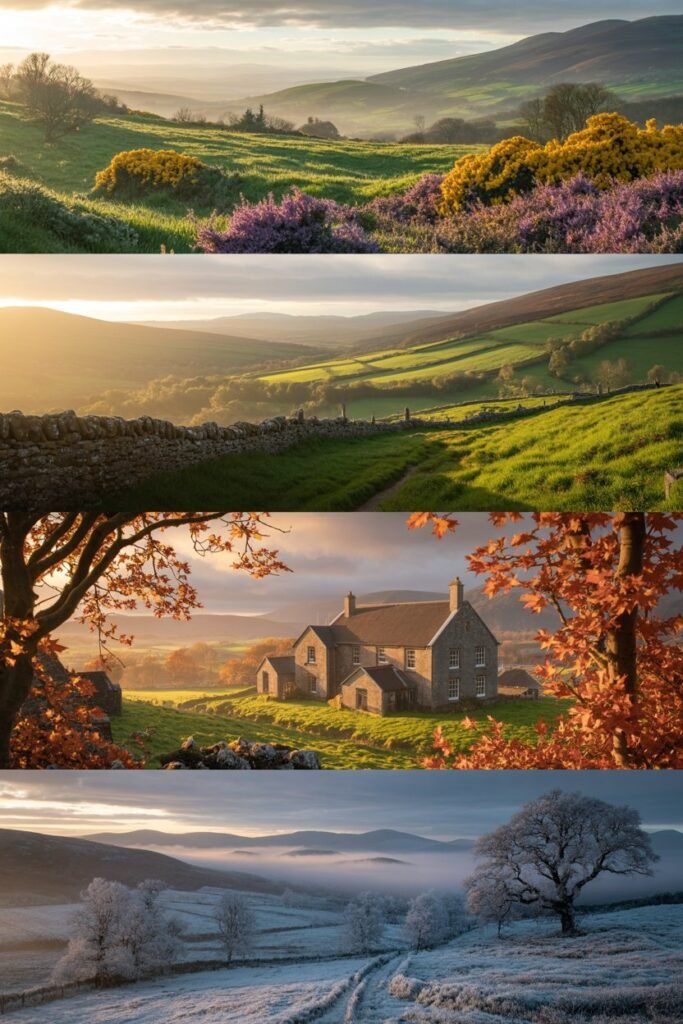
Timing your trip to Ireland can dramatically affect your experience.
The country’s weather is famously unpredictable, but each season has its own charm.
Spring (March–May):
- Emerald hills burst into bloom, and the countryside feels alive with color.
- Perfect for photography and hiking, with fewer crowds than summer.
- Weather is mild but bring layers a waterproof jacket is essential.
Summer (June–August):
- Long daylight hours give you more time to explore, especially for scenic drives.
- Festivals, live music, and cultural events fill the cities and towns.
- Be prepared for crowds and higher prices for accommodation.
Autumn (September–October):
- Fall foliage transforms forests and hills into fiery landscapes.
- Fewer tourists make it ideal for quiet exploration and photography.
- Mild weather and soft sunlight create perfect conditions for outdoor adventures.
Winter (November–February):
- Ireland feels cozy and intimate with festive markets and twinkling lights.
- Tourist sites are quieter, making it easier to explore historic castles and towns.
- Some attractions and ferries may have limited hours.
Pro Tip: Late spring and early autumn are my personal favorite they balance good weather with fewer crowds, making every experience feel more personal and magical.
Where to Stay
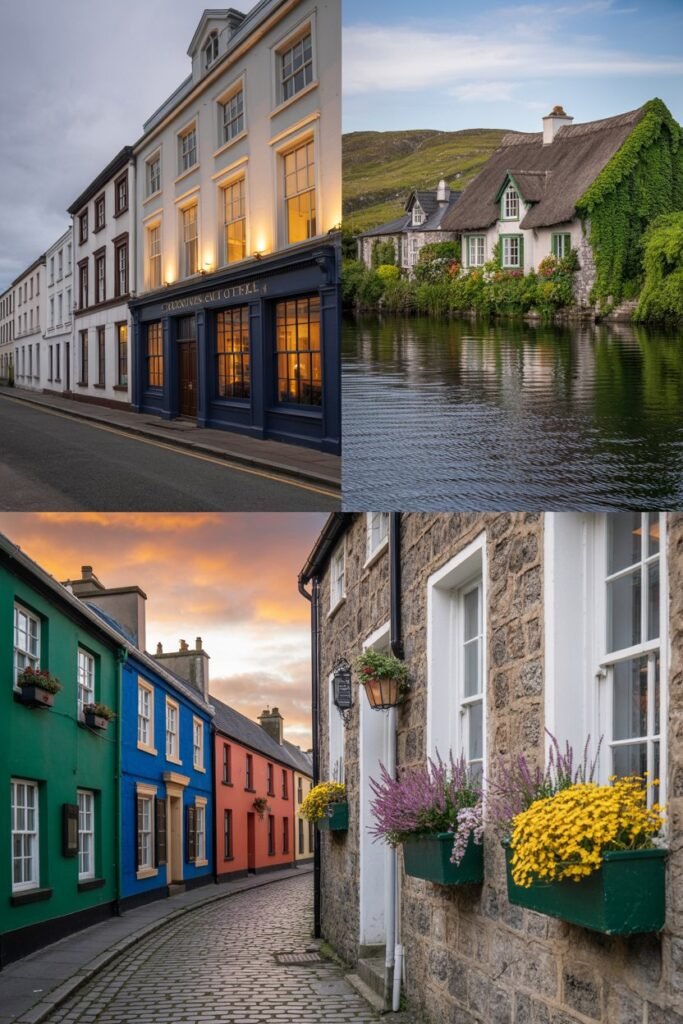
Ireland offers a range of accommodations to suit every style of traveler. Here are my favorites by region:
Dublin:
- Why: Perfect base for museums, historical sites, and lively nightlife.
- Options: Boutique hotels, charming bed-and-breakfasts, and centrally located apartments.
- Tip: Book well in advance during summer, especially if attending festivals.
Killarney & County Kerry:
- Why: Ideal for nature lovers and scenic drives along the Ring of Kerry.
- Options: Cozy inns, lakeside cottages, and traditional Irish guesthouses.
- Tip: Staying in Killarney allows easy access to national parks and nearby villages.
Galway:
- Why: Artsy, colorful city with a vibrant pub scene and lively streets.
- Options: Boutique hotels and riverside guesthouses.
- Tip: Weekends are busy consider weekday stays for a quieter experience.
Westport & Connemara:
- Why: Peaceful retreats surrounded by mountains, lakes, and open skies.
- Options: Country cottages, charming B&Bs, and small boutique hotels.
- Tip: Booking in advance is wise; rural stays often have limited availability.
Pro Tip: Mixing city stays with countryside cottages gives a perfect balance of culture and natural beauty.
Ireland’s Must-Have Experiences

Ireland’s magic is in the details the music, the landscapes, and the small moments. Here are my top must-do experiences:
- Drive the Ring of Kerry: A scenic route with mountains, lakes, and coastline. Take your time to stop at viewpoints like Torc Waterfall and Ladies View.
- Explore Cliffs of Moher: These iconic cliffs are awe-inspiring. Consider a boat trip to see them from the water for a different perspective.
- Visit Ancient Castles: Blarney Castle, Kilkenny Castle, and Dunluce Castle offer history and stunning architecture.
- Experience Traditional Irish Music: Pubs in Galway, Doolin, and Dublin host nightly sessions—join in and feel the soul of Ireland.
- Walk in National Parks: Killarney and Wicklow Mountains are perfect for hiking, picnics, and nature photography.
- Discover Hidden Villages: Dingle, Howth, and Westport are full of charm and authentic local life.
- Taste Irish Cuisine: Don’t miss fresh seafood, hearty stews, artisan cheeses, and, of course, a classic pint of Guinness.
Local Tip: Slow down and savor these moments—sometimes the quiet roads, the sheep in the fields, and the small cafes are just as magical as the famous landmarks.
Cultural Etiquette
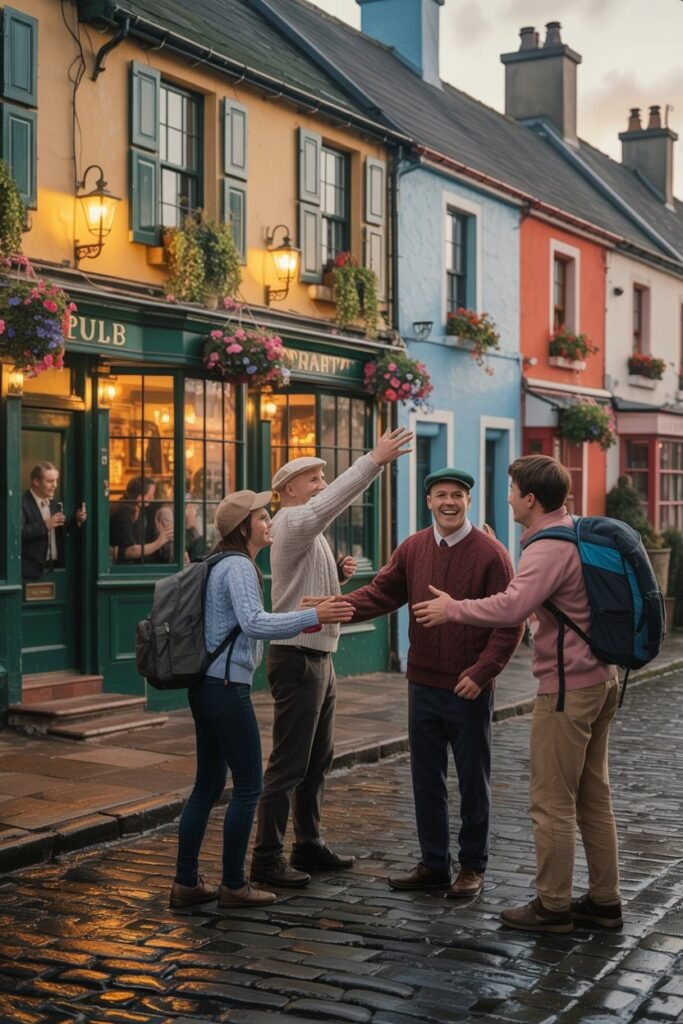
Understanding Irish customs makes your visit smoother and more enjoyable:
- Greetings: A friendly smile or nod goes a long way. People are welcoming and polite.
- Pub Manners: Wait to be seated, avoid shouting, and tipping 10% is appreciated.
- Photography: Always ask before photographing locals, especially in small villages.
- Driving: Rural roads are narrow drive cautiously and give way when necessary.
- Punctuality: While locals are friendly and flexible, it’s courteous to be on time for tours or appointments.
Safety Tips in Ireland
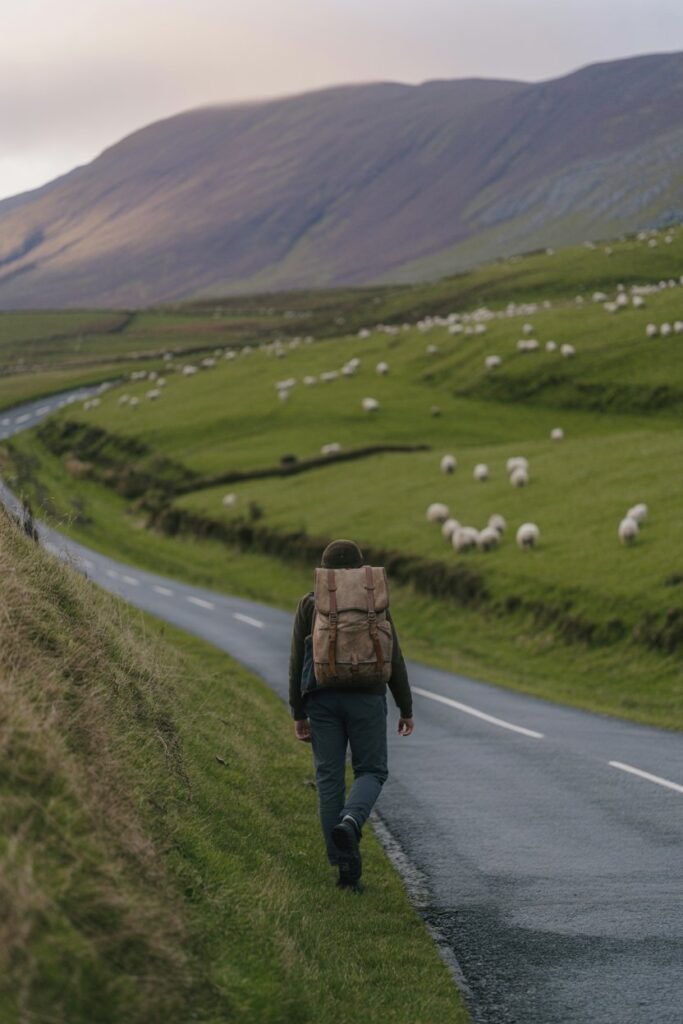
Ireland is generally safe, but a few precautions make your trip worry-free:
- Keep your belongings secure in crowded areas.
- Avoid leaving valuables in parked cars.
- Drive carefully on rural roads they can be narrow and winding.
- Check the weather before hiking or visiting cliffs.
- Emergency number: 112/999 for police, fire, or medical emergencies.
Packing for Ireland: Practical Tips for Travelers
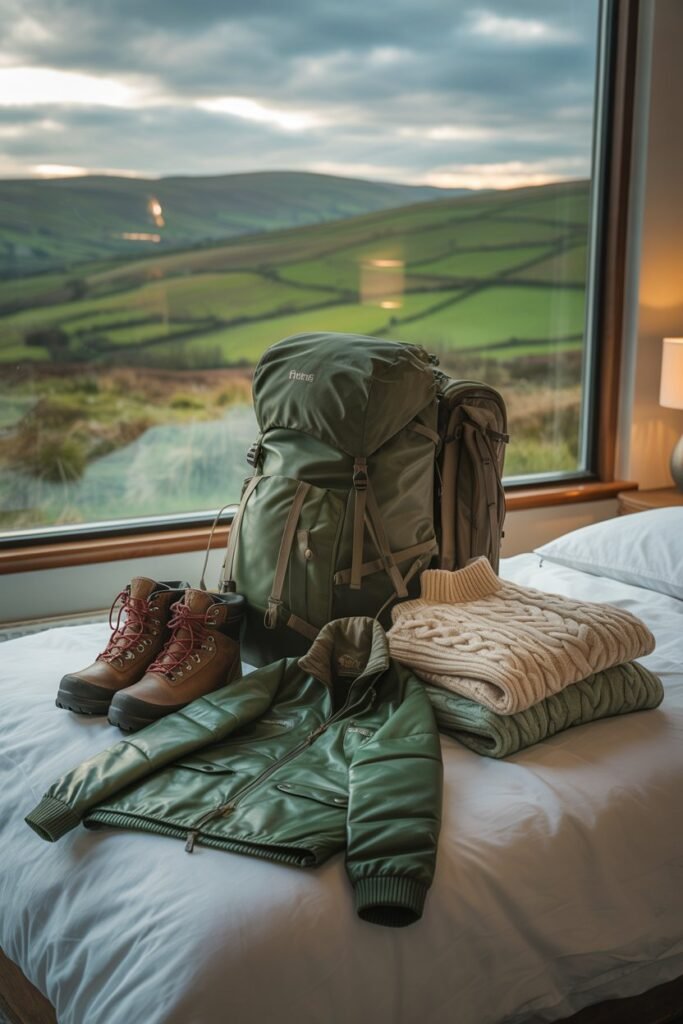
Packing smart ensures comfort and flexibility:
- Layering: Sweaters, long sleeves, waterproof jackets, and scarves are essential.
- Footwear: Comfortable walking shoes or hiking boots for towns and countryside.
- Adapters: Ireland uses Type G plugs (230V).
- Backpack Essentials: Water bottle, first-aid kit, sunscreen, rain umbrella, camera.
- Clothing Style: Casual chic works well jeans, cozy sweaters, and boots for both style and comfort.
- Optional: Binoculars for wildlife, swimming gear for beach days, and reusable shopping bags for markets.
Building the Perfect Ireland Itinerary
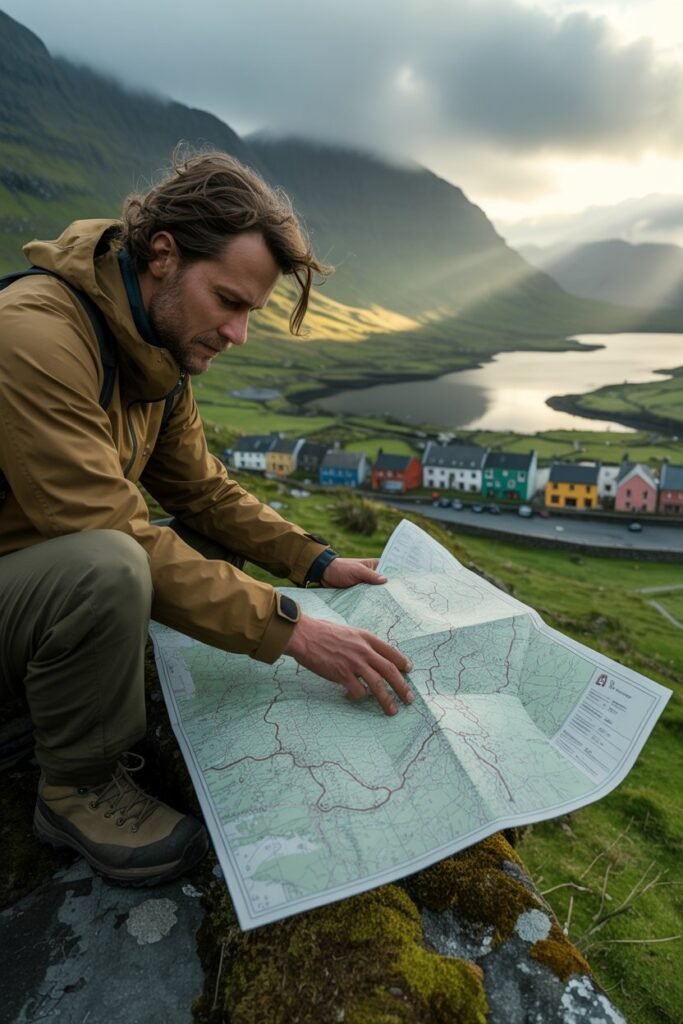
Depending on how long your trip is, here’s a sample itinerary that balances city, countryside, and coast:
7-Day Itinerary:
- Day 1–2: Dublin – Trinity College, Temple Bar, St. Stephen’s Green, Guinness Storehouse.
- Day 3–4: Galway & Connemara – Latin Quarter, Sky Road, Diamond Hill hike, Aran Islands day trip.
- Day 5–6: Killarney & Ring of Kerry – Lakes, mountains, Torc Waterfall, coastal drives.
- Day 7: Dingle Peninsula – Slea Head Loop, local seafood, scenic coastline.
10-Day Itinerary: Add Cork for Blarney Castle, Westport for Croagh Patrick, and Northern Ireland for Giant’s Causeway and Belfast.
Pro Tip: Mix urban hotels with countryside cottages to enjoy both the lively energy of Irish cities and the serene beauty of rural landscapes.
Getting Around
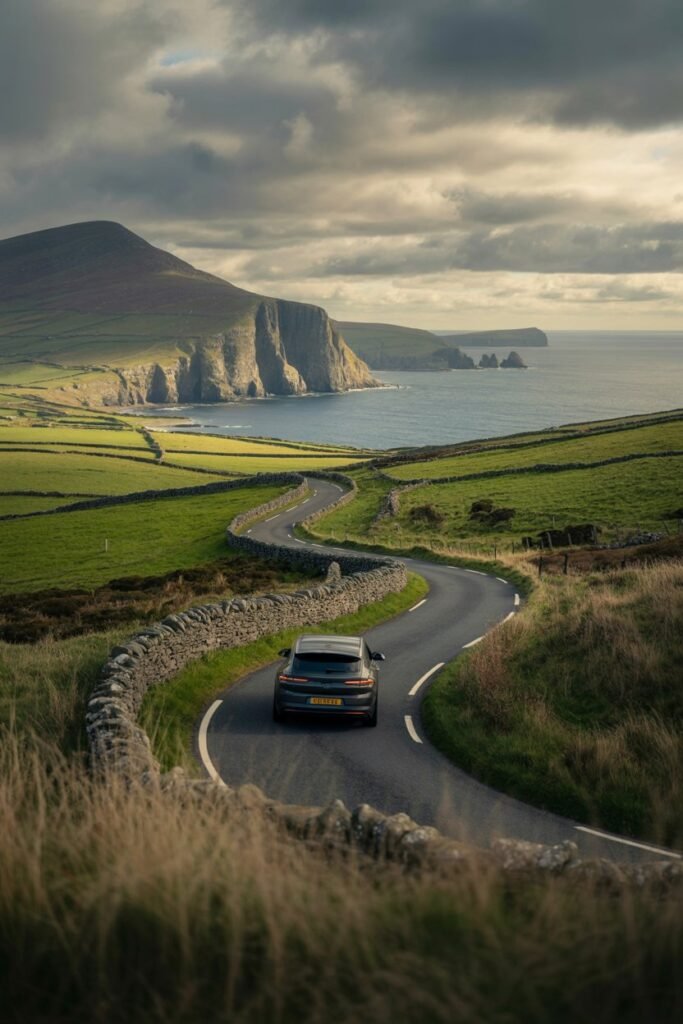
Ireland is easy to explore, but transportation varies depending on your destinations:
- Car Rental: Essential for rural areas, scenic drives, and flexibility. Stick to small cars for narrow roads.
- Public Transport: Trains and buses are convenient for Dublin, Cork, Galway, and major towns.
- Walking: Cities and villages are best explored on foot to soak in the charm.
- Ferry Trips: Required for Aran Islands, Skellig Michael, and other smaller islands.
Local Tip: Renting a car allows for spontaneous stops at small villages, viewpoints, and hidden trails often the most memorable parts of the trip.
Final Thoughts
Ireland is more than a destination it’s a journey that stays with you long after you leave.
The rolling hills, rugged cliffs, cozy pubs, and warm smiles create an experience that’s both grand and intimate.
With thoughtful planning, flexible itineraries, and an adventurous spirit, your trip can be seamless, magical, and full of memories that last a lifetime.
Take your time to wander through both popular landmarks and hidden corners, savor local flavors, and embrace every unexpected moment.
Ireland doesn’t just offer sights it offers experiences, stories, and a chance to fall in love with a place that feels timeless.