


Dreaming of strolling through charming European streets, sipping coffee in cozy cafés, and catching sunsets over historic rooftops doesn’t have to come with a luxury price tag.
Traveling Europe on just $50 a day might sound impossible at first, but with the right strategy, it becomes not only doable but incredibly rewarding.
This kind of travel is about being intentional, choosing experiences wisely, and embracing simplicity without missing out on magic.
From affordable accommodations to budget-friendly meals and smart transportation hacks, this guide walks you through everything you need to know to explore Europe without draining your savings while still enjoying every beautiful moment along the way.
1. Is It Really Possible to Travel Europe on $50 a Day?

Let’s be honest Europe has a reputation for being expensive. Cities like Paris, Amsterdam, and Venice can quickly burn through your budget if you’re not careful.
But here’s the truth: traveling Europe cheaply is absolutely possible.
The key lies in three things:
- Choosing the right destinations
- Being flexible with your plans
- Prioritizing experiences over luxury
Eastern and Central Europe, for example, are significantly cheaper than Western Europe. Countries like Hungary, Poland, Romania, and Albania offer stunning architecture, rich culture, and incredible food at a fraction of the cost.
Even in more expensive countries, you can stay within budget by:
- Staying in hostels or budget accommodations
- Cooking your own meals or eating street food
- Using public transportation or walking
A $50 daily budget typically breaks down like this:
- Accommodation: $15–$25
- Food: $10–$15
- Transportation: $5–$10
- Activities: $0–$10
It’s not about cutting joy it’s about spending smarter.
2. Choosing Budget-Friendly Destinations

Where you go in Europe matters more than how you travel.
Best Budget Countries in Europe
If you want your money to stretch, focus on:
- Portugal
- Hungary
- Poland
- Czech Republic
- Romania
- Bulgaria
- Albania
These countries offer:
- Affordable accommodations
- Cheap public transportation
- Low-cost food and drinks
For example, in Budapest or Krakow, you can easily eat a full meal for under $5.
Cities vs Small Towns
Major cities are always more expensive. Instead:
- Stay in smaller towns
- Visit major cities as day trips
This trick alone can cut your costs in half.
3. Finding Cheap Flights to Europe

Flights are usually your biggest upfront cost but they don’t have to be.
Smart Booking Tips
- Book 2–3 months in advance
- Travel during shoulder seasons (April–June, September–October)
- Be flexible with your departure airport
Budget Airlines to Use
- Ryanair
- Wizz Air
- EasyJet
These airlines often offer flights as low as $10–$30 between cities.
Pro Tip: Always check baggage fees budget airlines make money on extras.
4. Affordable Accommodation Options

Accommodation will take the biggest chunk of your daily budget, so this is where strategy matters most.
Hostels
Hostels are the best option for budget travelers:
- Dorm beds: $10–$25 per night
- Social atmosphere
- Free kitchens (huge money saver)
Budget Hotels & Guesthouses
- Found easily in Eastern Europe
- Often cost $20–$40 per night
Airbnb Alternatives
Look for:
- Private rooms instead of entire apartments
- Long-term discounts
Free Accommodation Options
- Couchsurfing
- House sitting
- Volunteering (work exchange programs)
5. How to Eat Well on a Budget

Food is one of the most enjoyable parts of traveling and you don’t need to overspend to enjoy it.
Budget Food Strategies
- Shop at local supermarkets
- Cook your meals in hostel kitchens
- Eat street food
Cheap Food Options
- Bakeries (fresh pastries for $1–$3)
- Local markets
- Street vendors
Avoid Tourist Restaurants
Restaurants near major attractions are always overpriced. Walk just a few streets away for cheaper, more authentic meals.
6. Getting Around Europe Cheaply

Transportation can be surprisingly affordable if you plan smart.
Budget Transport Options
- Buses (FlixBus is extremely cheap)
- Trains (book early for discounts)
- Rideshares
Walking is Your Best Friend
Most European cities are walkable. Not only do you save moneyyou also discover hidden gems.
Public Transportation
- Daily passes are often cheaper than single tickets
- Trams and metros are efficient and budget-friendly
7. Free & Cheap Things to Do in Europe

You don’t need expensive tours to enjoy Europe.
Free Activities
- Walking tours (tip-based)
- Museums with free entry days
- Parks and viewpoints
- Historic streets and neighborhoods
Affordable Experiences
- Local markets
- Cultural festivals
- Scenic hikes
Some of the best travel moments are completely free.
8. Budget Travel Hacks That Actually Work
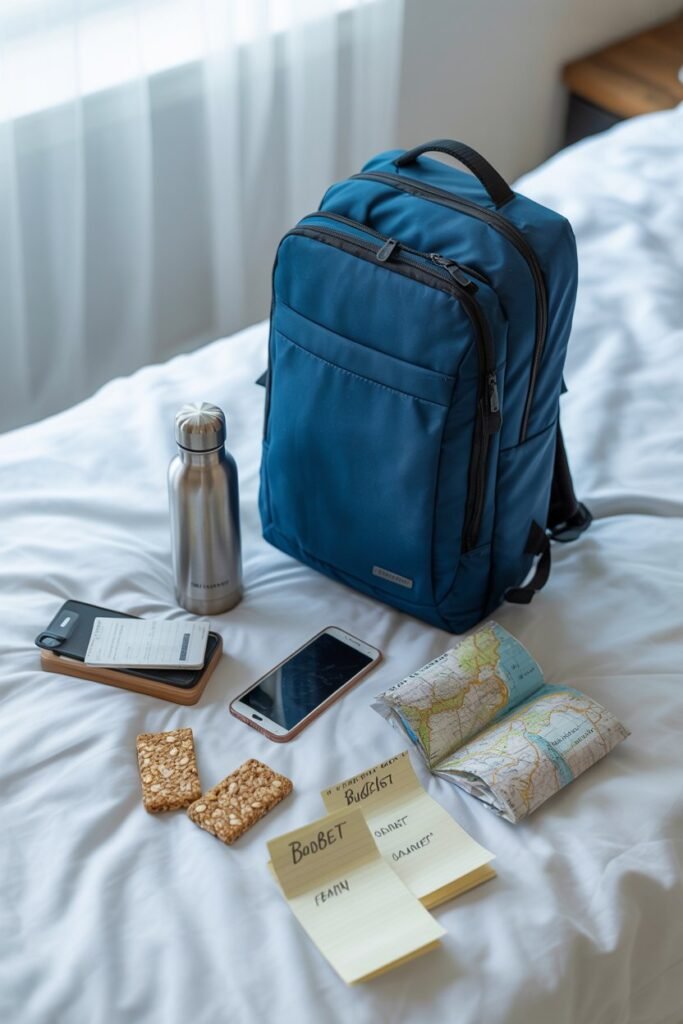
These small changes make a big difference.
Money-Saving Hacks
- Travel overnight to save on accommodation
- Carry a reusable water bottle
- Use student discounts (even international ones)
- Avoid currency exchange kiosks
Apps to Use
- Google Maps (offline maps)
- Rome2Rio (transport planning)
- Hostelworld
9. Sample $50/Day Budget Breakdown

Here’s a realistic daily example:
Accommodation: $20 (hostel dorm)
Food: $12 (groceries + street food)
Transport: $6 (local transport)
Activities: $5 (museum or attraction)
Extras: $7
Total: $50/day
This is very achievable in many European destinations.
10. Packing Smart to Save Money

Packing the right way can actually save you money.
Essentials to Bring
- Reusable water bottle
- Portable charger
- Travel towel
- Comfortable walking shoes
Avoid Extra Costs
- Pack light to avoid baggage fees
- Bring basic toiletries
- Carry snacks for long travel days
11. When to Travel for the Lowest Costs

Timing is everything.
Best Budget Seasons
- Spring (April–June)
- Fall (September–October)
Avoid:
- Peak summer (July–August)
- Major holidays
Prices can double during peak seasons.
12. Safety Tips for Budget Travelers

Traveling cheaply doesn’t mean compromising safety.
Stay Safe by:
- Avoiding unsafe neighborhoods
- Keeping valuables secure
- Using lockers in hostels
- Having travel insurance
Confidence and awareness go a long way.
13. How Long Can You Travel on a Budget?
With $50/day:
- 1 week = $350
- 2 weeks = $700
- 1 month = $1,500
The longer you travel, the more you learn how to save.
14. Common Mistakes to Avoid
Avoid these to stay on budget:
- Overpacking (leads to extra fees)
- Eating out every meal
- Not booking transport in advance
- Staying in expensive city centers
- Ignoring free activities
15. Why Budget Travel Can Be Even More Rewarding
Traveling on a budget forces you to:
- Connect more with locals
- Discover hidden places
- Appreciate simple moments
It becomes less about luxury and more about experience.
Conclusion
Exploring Europe on $50 a day isn’t about limitation it’s about intention. It’s about choosing meaningful experiences over expensive ones, finding beauty in simplicity, and discovering just how far your money can take you when you travel smart.
With the right mindset, a little planning, and a willingness to step outside your comfort zone, Europe becomes surprisingly accessible. You’ll walk away not just with incredible memories, but with a deeper appreciation for the journey itself.
So pack light, stay curious, and trust that adventure doesn’t have to be expensive to be unforgettable it just has to be yours.