


Packing is one of the most stressful parts of travel.
Many travelers dread the question: “How on earth am I going to fit everything I need for two full weeks into just one bag?” For most people, the instinct is to overpack to throw in “just in case” outfits, bulky shoes, full-sized toiletries, and multiple gadgets.
But here’s the truth: you don’t need a giant suitcase to travel for 15 days. In fact, you can do it all in a single carry-on.
Why does this matter? Because traveling light isn’t just about convenience it’s a lifestyle shift. The way you pack can completely transform your trip:
- Less Stress: You won’t be juggling multiple bags or dragging oversized suitcases across cobblestones, staircases, or crowded train stations.
- Save Money: Airlines increasingly charge $30–$100 per checked bag, each way. Over a multi-stop journey, that could be hundreds of dollars saved.
- Save Time: Skip baggage claim. Skip long check-in lines. With carry-on only, you land and go.
- Peace of Mind: No lost or delayed luggage. Your bag stays with you.
- Freedom & Mobility: Whether you’re hopping on a budget flight in Europe, riding a train in Japan, or boarding a ferry in Greece, traveling light makes transitions smoother.
Still skeptical? You’re not alone. The most common myth is: “There’s no way I can pack for two weeks in a single bag.”
The reality? With the right strategy, versatile clothing, and smart packing tools, you’ll have more than enough outfits and essentials.
In this guide, I’ll show you step by step how to pack for 15 days in one carry-on, without sacrificing style, comfort, or practicality.
From choosing the right bag to sample packing lists, laundry hacks, and pro traveler tips, this is the only guide you’ll need.
By the end of this post, you’ll feel confident enough to close that carry-on zipper, board your flight, and say goodbye to bulky luggage forever.
1. Why Carry-On Only is the Smartest Way to Travel

1.1 Saves You Money
Airline baggage fees can drain your budget fast. On many international flights, checked bags are no longer included.
For example, if you fly round-trip with one checked bag, you could pay anywhere from $60–$200 in baggage fees.
Multiply that by multiple destinations or budget airlines, and suddenly you’ve wasted the cost of a whole excursion or fancy dinner.
Carry-on only = instant savings that you can spend on experiences instead of fees.
1.2 Saves You Time
Think about how much time is wasted waiting at baggage claim. In some airports, this can be 30–45 minutes.
Multiply that across two or three flights, and you’ve lost hours of your trip. With a carry-on, you skip that hassle.
The moment you land, you’re ready to go.
1.3 Reduces Stress and Risk of Lost Luggage
Lost luggage is every traveler’s nightmare.
Airlines mishandle millions of bags each year, and if your checked bag is delayed, it could ruin your carefully planned itinerary.
With a carry-on, your essentials are always with you.
Peace of mind: you know where your belongings are at all times.
1.4 Easier Mobility
Imagine dragging a 25 kg (55 lb) suitcase up a steep staircase in Italy, onto a train in India, or across cobblestones in Prague.
With a carry-on, you move freely and comfortably.
You’ll walk more, explore more, and stress less.

Neck Pillow
This plush neck pillow provides exceptional support and comfort, making long flights, car rides, and train journeys feel so much easier. Its ergonomic shape gently cradles your neck to prevent stiffness, while the soft fabric adds a cozy touch for truly restful travel.
Get it on Amazon1.5 Encourages Minimalism and Smart Travel
When you limit yourself to a carry-on, you naturally pack smarter.
You stop carrying “just in case” items and focus only on essentials that truly add value to your trip. You’ll be surprised how little you actually need.
2. Choosing the Right Carry-On Bag

Your bag is the foundation of carry-on travel.
Pick the wrong one, and even the smartest packing strategy won’t save you. Here’s how to choose wisely.
2.1 Airline Size Restrictions
Different airlines have different rules, and this is where many travelers get caught off guard.
- U.S. airlines (Delta, American, United, etc.): 22 x 14 x 9 inches (56 x 36 x 23 cm).
- European budget airlines (Ryanair, EasyJet, Wizz Air): Often smaller at 21 x 13 x 8 inches (55 x 35 x 20 cm).
- Asian airlines (AirAsia, Scoot, Jetstar): Also tend to be stricter, often around 7 kg (15 lbs) weight limits.
Pro Tip: Always check your airline’s baggage policy before you fly, especially on budget carriers.
2.2 Types of Carry-On Bags
- Hard Shell Suitcase
- Pros: Lightweight, protects fragile items, sleek design.
- Cons: Rigid structure, less forgiving for overstuffing.
- Soft Shell Suitcase
- Pros: Flexible, has outer pockets, easier to fit in overhead bins.
- Cons: Less protection from rain or impact.
- Travel Backpack (40–45L)
- Pros: Perfect for mobility, easy to carry on stairs, trains, or uneven streets.
- Looks natural in adventure or backpacking destinations.
- Cons: Not as professional for business trips.
- Hybrid Backpack-Duffle with Wheels
- Pros: Versatility of carrying or rolling.
- Cons: Slightly heavier, less compact.

Hard Shell Luggage
This hard shell luggage provides ultimate protection for your belongings while traveling. With its durable exterior, smooth spinner wheels, and roomy compartments, it ensures effortless mobility and peace of mind. Ideal for family vacations, business trips, or long journeys.
Get it on Amazon
Travel Backpack
This versatile travel backpack is perfect for organizing all your essentials on the go. With multiple compartments, durable material, and comfortable straps, it’s ideal for flights, road trips, weekend getaways, or daily commuting. Travel smart and stylishly wherever you go.
Get it on Amazon2.3 What to Look for in a Carry-On Bag
When shopping for your travel bag, ask yourself:
- Does it meet international airline size restrictions?
- Is it lightweight (ideally under 7 lbs/3 kg)?
- Does it have strong zippers and handles?
- Can it fit packing cubes or organizers?
- Does it have compartments for organization?

Soft Shell Luggage
This soft shell luggage is lightweight, flexible, and perfect for travelers who need versatility. With multiple compartments, exterior pockets, and smooth-rolling wheels, it’s ideal for family vacations, weekend trips, or business travel, keeping your belongings organized and accessible.
Get it on Amazon2.4 Recommended Carry-On Bags
- Away Carry-On (International Size) – Stylish, durable, lightweight, and perfect for frequent flyers.
- Samsonite Winfield 3 DLX – Spinner wheels, hard shell, reliable zippers.
- Osprey Farpoint 40L / Fairview 40L – Backpack design, excellent for adventure and city travel.
- Nomatic Navigator 37–46L – Sleek design, expandable, excellent organization.
- TravelPro Platinum Elite – Trusted by flight crews, soft shell, lightweight.
If you plan to travel both in the U.S. and internationally, choose a bag that meets the smaller international standards so you’ll never have to worry.

Rolling Duffle Bag
This rolling duffle bag combines the convenience of wheels with spacious storage for all your travel needs. Its durable construction, multiple compartments, and smooth-glide rollers make it ideal for weekend trips, airport travel, or road trips, keeping your belongings organized and secure.
Get it on Amazon3. The Packing Mindset: Minimalist but Smart

Packing light isn’t just a physical act it’s a mindset shift.
To fit 15 days’ worth of items into a single carry-on, you must think strategically about what you really need.
3.1 Pack for 7 Days, Then Do Laundry
The golden rule of long-term minimalist travel: Pack for one week, then repeat.
Instead of packing 15 outfits, pack 6–7 versatile looks that can be washed and reworn. This keeps your bag light while still giving you variety.
- Wash clothes at hotels or hostels with laundry service.
- Use a coin-operated laundromat if available.
- For minimalists: carry laundry detergent sheets or a Scrubba wash bag and wash items in the sink.
By doing laundry twice, you effectively double or triple your wardrobe.
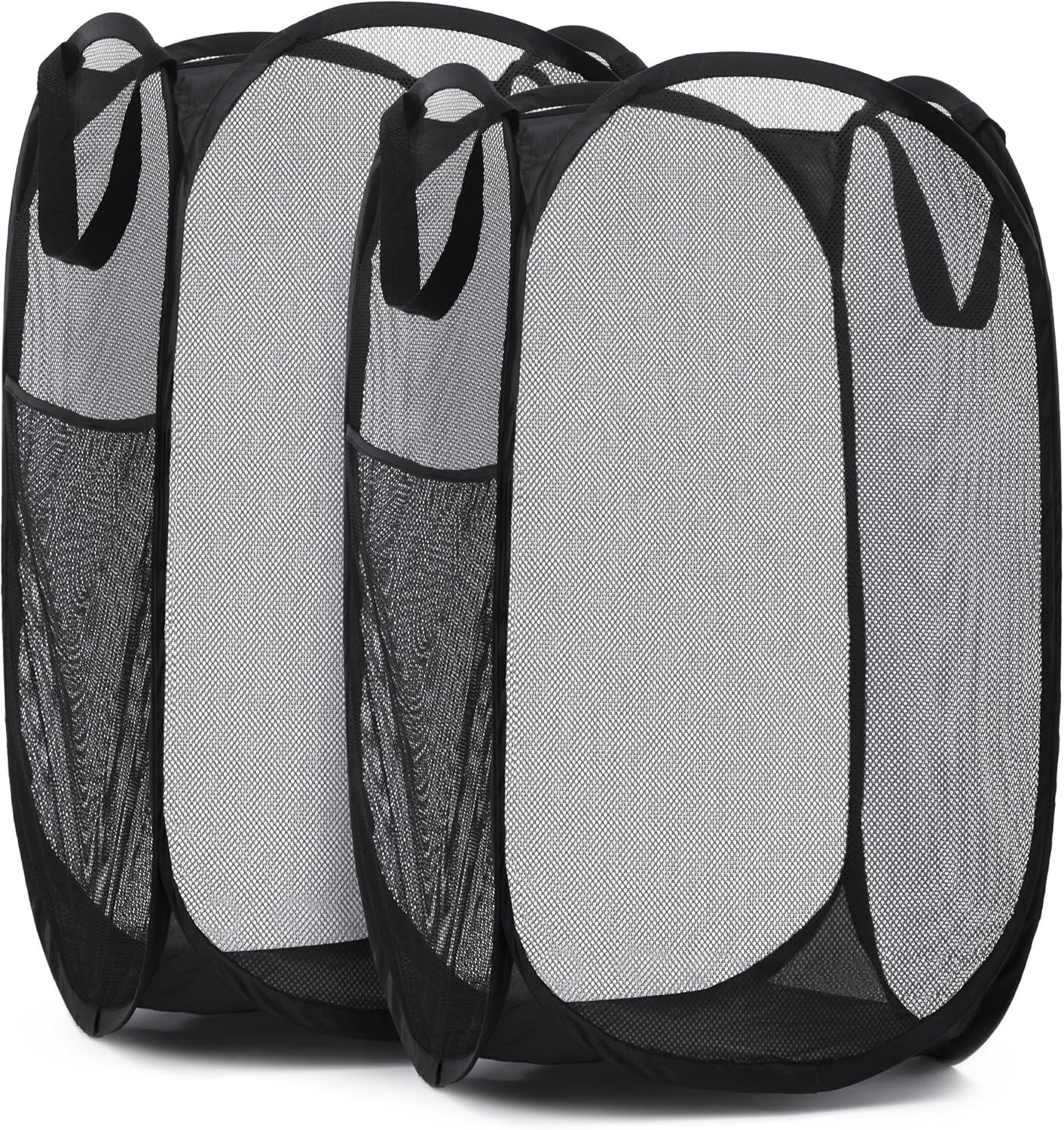
Collapsible Laundry Mesh
This collapsible laundry mesh makes organizing and transporting clothes effortless. Lightweight, durable, and foldable, it’s perfect for trips, dorms, or home use. Easily store it when not in use, and keep your laundry neat and portable.
Get it on Amazon3.2 Build a Capsule Wardrobe
A capsule wardrobe is a small, curated collection of clothing that can be mixed and matched to create dozens of outfits.
- Choose neutral colors like black, white, navy, beige, and gray as your base.
- Add 1–2 accent colors (scarf, shirt, accessories) for personality.
- Stick to fabrics that are lightweight, wrinkle-resistant, and breathable (like merino wool, linen blends, or performance synthetics).
Example:
- 5 tops (mix of t-shirts, blouses, long-sleeve)
- 3 bottoms (jeans, lightweight pants, skirt)
- 1 dress (for women) or button-up shirt (for men)
- 1 jacket/cardigan
- Shoes: sneakers, sandals, 1 dressy pair
That’s fewer than 12 items, yet enough to make 20+ outfit combinations.
3.3 The 5-4-3-2-1 Packing Rule
A simple formula to guide your wardrobe:
- 5 Tops
- 4 Bottoms
- 3 Pairs of Shoes
- 2 Jackets/Dresses
- 1 Swimsuit or Specialty Item
3.4 Adopt the “One In, One Out” Rule
If you buy something new while traveling, remove or donate something old. This keeps your bag light and manageable.
Rule of thumb: Every item should serve more than one purpose.
- A scarf = blanket, pillow, or beach cover-up.
- Sneakers = walking shoes and casual night-out shoes.
- Button-up shirt = professional look or casual layer.
4. Clothing Choices: Building a 15-Day Capsule Wardrobe

Packing clothes for 15 days into one carry-on sounds intimidating, but the secret lies in strategic outfit planning, layering, and smart fabric choices.
Instead of packing a new outfit for each day, you’ll build a capsule wardrobe a compact set of versatile pieces that mix and match to create dozens of outfits.
Here’s how to do it step by step:
4.1 The Rule of 5-4-3-2-1
A proven minimalist formula many travelers use is the 5-4-3-2-1 packing rule:
- 5 Tops (lightweight t-shirts, blouses, or button-ups in neutral colors).
- 4 Bottoms (2 pants, 1 shorts/skirt, 1 comfy leggings or casual wear).
- 3 Dresses or Extra Outfits (optional; could be swapped for more tops if you’re not a dress-wearer).
- 2 Pairs of Shoes (one casual sneaker/walking shoe + one dressier shoe or sandal).
- 1 Outerwear (jacket, blazer, or lightweight sweater depending on climate).
This base setup covers weeks of travel when combined creatively.
4.2 Neutral Color Palette = More Outfits
When building your capsule wardrobe, stick to a neutral palette with 1–2 accent colors. Think:
- Base colors: black, white, beige, navy, grey.
- Accent colors: a scarf, blouse, or accessory in blue, red, or green to add personality.
For example: A black pant + white shirt + grey cardigan + blue scarf = classy city look. Swap the scarf for a statement necklace, and suddenly it’s a dinner outfit.
4.3 Fabrics That Work Hard for You
Choose fabrics that are lightweight, wrinkle-resistant, and quick-drying. These fabrics allow easy washing on the road and reduce the need for bulky items.
- Merino wool → odor-resistant, temperature-regulating, packable.
- Polyester blends → wrinkle-free, quick-dry.
- Cotton jersey → lightweight, breathable, good for layering.
4.4 Layering is Everything
Instead of packing bulky clothes, layer lightweight pieces:
- 1 base layer (t-shirt/tank).
- 1 middle layer (cardigan, flannel, or hoodie).
- 1 outer layer (light jacket or raincoat).
Example: A lightweight down jacket + hoodie = winter warmth without bulky coats.
4.5 What to Actually Pack (Sample Packing List)
Here’s a tried-and-true 15-day clothing packing list for a carry-on:
- 5 t-shirts/tops (neutral colors + 1 fun color)
- 2 pairs of jeans or travel pants (black + denim/navy)
- 1 pair of leggings or joggers (for flights, hikes, or lounging)
- 1 pair of shorts or skirt (depending on season)
- 1–2 dresses or casual outfits (lightweight, rollable)
- 1 light sweater or hoodie
- 1 outerwear jacket (denim, leather, or packable down depending on weather)
- 1 swimsuit (if needed)
- 7 pairs of underwear (wash and re-wear system)
- 3–4 pairs of socks (merino wool preferred for fewer washes)
- 2 bras (1 everyday + 1 sports)
- 1 scarf or shawl (doubles as a blanket, head cover, or outfit accent)
- 2 pairs of shoes (sneakers + sandals/boots depending on destination)
With this, you can create 30+ outfit combinations without feeling like you’re repeating.
4.6 Shoes: The Trickiest but Most Important
Shoes take up the most space, so stick to two pairs max:
- Walking shoe/sneaker → Comfortable, stylish enough for sightseeing.
- Secondary shoe → Either a sandal (for warm trips) or a dressy flat/boot (for cooler climates).
Pro Tip: Wear your bulkiest shoe on the plane to save space in your bag.
4.7 Accessories That Transform Outfits
Instead of packing more clothes, pack lightweight accessories:
- A colorful scarf
- Minimalist jewelry (necklace, earrings, bracelet)
- A slim belt
- Foldable sunhat or beanie (seasonal)
These take little space but make outfits feel fresh and different.
5. Toiletries & Personal Care Essentials
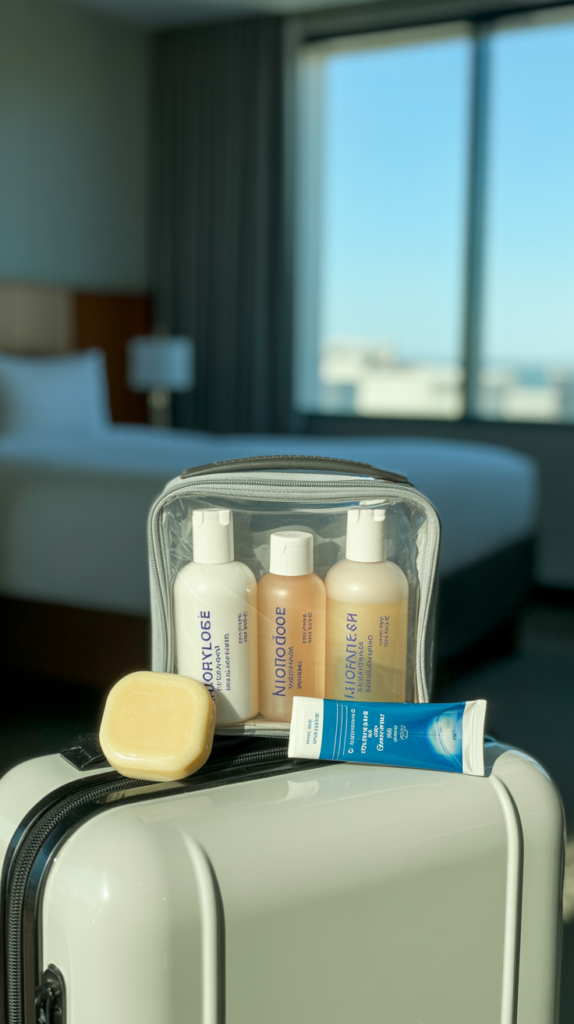

Toiletries are one of the biggest space hogs in a suitcase. Many travelers make the mistake of bringing full-size bottles, multiple hair products, or unnecessary “just in case” items. When traveling with only a carry-on, you must think minimal, compact, and TSA-approved.
Here’s how to pack smart without sacrificing comfort.
5.1 TSA & Airline Liquid Rules
Most airlines follow the 3-1-1 rule for carry-on liquids:
- 3.4 oz (100 ml) max per container
- 1 quart-size, clear resealable bag
- 1 bag per passenger
This means: no full-size shampoo bottles, no giant toothpaste tubes, no oversized lotions. Everything must fit in a single small bag.
Tip: Solid toiletries (like bar shampoo, bar soap, or solid deodorant) do not count toward the liquid limit. These can save tons of space.

Travel Toiletry Bag
Keep your toiletries organized and accessible with this travel toiletry bag. Featuring multiple compartments, durable materials, and a compact design, it’s perfect for trips, vacations, or daily use. Effortlessly pack and carry all your essentials in one stylish bag.
Get it on Amazon5.2 The Core Toiletry Checklist
Here’s a 15-day toiletry kit that works for most travelers:
- Toothbrush (travel-sized or foldable)
- Toothpaste (travel-size or toothpaste tablets)
- Floss (compact container)
- Solid shampoo bar (lasts 40+ washes, eco-friendly)
- Solid conditioner bar (or small travel-size liquid)
- Bar soap or solid body wash sheet
- Deodorant (solid stick preferred)
- Razor (with 1–2 replacement heads)
- Travel-size sunscreen (reef-safe if beach destination)
- Face moisturizer (multi-use: day & night)
- Lip balm with SPF
- Comb or travel hairbrush
- Feminine hygiene items (menstrual cup, reusable pads, or compact tampons)
- Reusable cotton rounds or microfiber cloth (instead of disposable wipes)
All of this fits into a single quart-size bag plus a few solids outside the liquid restrictions.
5.3 Makeup & Skincare (Minimalist Approach)
If you wear makeup, choose dual-purpose products:
- BB cream or tinted moisturizer (instead of separate foundation + moisturizer + sunscreen).
- Lipstick that doubles as blush.
- Small eyeliner + mascara (mini tubes).
- Compact powder or blotting sheets.
For skincare, multifunctional products are key:
- One bottle of face oil that works as moisturizer, makeup remover, and hair smoother.
- Aloe vera gel that works as after-sun care, moisturizer, and even shaving balm.
5.4 Space-Saving Hacks for Toiletries
- Go solid where possible: solid shampoo, toothpaste tablets, bar soap.
- Refillable containers: Use GoToobs or Muji mini bottles. Fill with only what you need for 15 days.
- Multi-use products: A small bottle of coconut oil = moisturizer, hair mask, shaving cream substitute.
- Skip hotel freebies: They’re often low quality and waste plastic.
5.5 Medical & Health Essentials
Don’t forget a mini health kit, especially for international travel:
- Prescription meds (always in original packaging)
- Pain relievers (ibuprofen, paracetamol)
- Motion sickness pills (if needed)
- Antihistamines (for allergies or bug bites)
- Band-aids + blister pads
- Hand sanitizer (travel-size)
- Travel tissue pack
- Small pack of wet wipes (biodegradable preferred)
5.6 Toiletry Packing Example (15 Days, Carry-On Friendly)
Here’s how it might look packed:
- Quart bag → toothpaste, sunscreen, moisturizer, liquid deodorant (if not solid), mini shampoo/conditioner.
- Outside quart bag → shampoo/conditioner bar, soap bar, solid deodorant, toothbrush, razor.
- Mini health kit pouch → meds, band-aids, sanitizer, tissues.
Everything should fit into two palm-sized pouches one for liquids, one for non-liquids.
6. Electronics & Travel Gadgets

In today’s world, traveling without electronics is nearly impossible whether for navigation, photography, staying connected, or even working remotely. But electronics can quickly add weight and bulk to your carry-on if you overpack.
The goal here is to bring only the essentials while keeping everything organized and accessible.
6.1 The Must-Have Electronics Checklist
Here’s a compact, minimalist list of electronics for a 15-day trip:
- Smartphone (your main device: maps, camera, entertainment, communication)
- Universal travel adapter (works in 150+ countries never carry multiple plugs again)
- Charging cables (USB-C, Lightning, or micro-USB depending on your devices)
- Portable power bank (10,000–20,000 mAh for at least 2–3 full phone charges)
- Earbuds or headphones (preferably wireless + wired backup for flights)
- E-reader or tablet (instead of carrying heavy books)
- Lightweight laptop or 2-in-1 device (only if you must work remotely)
- Camera (optional) – if your smartphone isn’t enough and photography is a priority
- SD card + USB drive (for backups and file transfers)
6.2 Travel Gadgets That Make Life Easier
Beyond the basics, a few smart gadgets can make long trips more comfortable:
- Cable organizer pouch → keeps chargers untangled.
- Foldable phone stand → for hands-free movies or video calls.
- Compact travel keyboard → for digital nomads needing to work.
- Noise-cancelling headphones → lifesaver for long flights.
- Travel-size surge protector → if you need to charge multiple devices at once.
6.3 Do You Really Need a Laptop?
This is one of the biggest packing mistakes people make. Unless you’re working on the road, a tablet or even just your phone can replace a laptop for:
- Streaming movies
- Writing journals/blogging
- Reading books
- Checking emails/social media
A tablet with a keyboard weighs less than half of a laptop. If you don’t need the computing power, leave the laptop at home.
6.4 Cameras: To Pack or Not to Pack
- If you’re a casual traveler: Your smartphone is enough (newer phones take DSLR-quality photos).
- If you’re a photography lover: Consider a mirrorless camera instead of a bulky DSLR.
- If you vlog/travel blog: A small GoPro or DJI Pocket camera is perfect for high-quality video without bulk.
6.5 Security for Electronics
Electronics are often the most expensive things in your bag, so protect them:
- Always keep electronics in your personal item (backpack or under-seat bag), not the overhead bin.
- Use a slash-proof, lockable backpack for city travel.
- Invest in a VPN app for secure Wi-Fi use.
- Back up your photos and documents to the cloud or USB drive regularly.
6.6 Packing Electronics Efficiently
- Use a tech organizer pouch for all cords, chargers, and small gadgets.
- Pack the heaviest item (usually laptop or tablet) flat against your bag’s back panel for balance.
- Keep charging cables in a small mesh pocket so you don’t dig through everything mid-flight.
Key Takeaway: Limit electronics to what you truly use daily. A phone, charger, ad
Absolutely! Let’s continue with the next section of your blog post on “How to Pack for 15 Days in One Carry-On.”
7. Travel Documents & Money Management

Traveling light isn’t just about packing fewer items it’s also about managing your essentials efficiently.
Your travel documents and finances are crucial components of a smooth journey. Here’s how to keep them organized and secure:
7.1 Essential Travel Documents
Before you pack, ensure you have the following documents:
- Passport (with at least 6 months’ validity)
- Visas (if required for your destination)
- Flight tickets (physical or digital copies)
- Hotel reservations (confirmation emails or apps)
- Travel insurance (policy details and emergency contacts)
- Emergency contacts list (including embassy numbers)
- Vaccination certificates (if applicable)
Tip: Keep both physical and digital copies of these documents. Store digital copies in a secure cloud service and email them to yourself for easy access.
7.2 Money Management on the Go
Managing money while traveling can be challenging. Here’s how to do it safely:
- Credit/Debit Cards: Bring at least two cards from different networks (e.g., Visa and Mastercard) to ensure you’re covered in case one doesn’t work.
- Cash: Carry a small amount of local currency for emergencies or places that don’t accept cards.
- Money Belt or Neck Pouch: Use a hidden pouch to store your cash and cards securely.
- Notify Your Bank: Inform your bank of your travel dates and destinations to avoid any issues with card usage.
Tip: Use a travel money app to track your spending and manage your budget.
7.3 Digital Tools for Organization
Several apps can help you keep your travel documents and finances organized:
- TripIt: Automatically imports travel details from your email and creates a master itinerary.
- Expensify: Tracks your expenses and receipts, helping you stay within budget.
- XE Currency: Provides real-time exchange rates and allows you to track multiple currencies.
Tip: Download these apps before your trip and input all your travel details to have everything in one place.
7.4 Safety Tips
- Use RFID-blocking wallets: Protect your cards from unauthorized scanning.
- Keep documents in a hotel safe: When not needed, store your passport and extra cash in a secure location.
- Be cautious with public Wi-Fi: Avoid accessing sensitive information like bank accounts on unsecured networks.
Tip: Consider using a VPN (Virtual Private Network) when accessing public Wi-Fi to encrypt your internet connection.
Key Takeaway: Efficiently managing your travel documents and finances ensures a stress-free journey. Stay organized, stay secure, and enjoy your travels!
8. Seasonal Packing Tips: Adapting Your Carry-On

Traveling to different climates during a 15-day trip can be challenging. The key is strategic layering, versatile clothing, and lightweight gear. Here’s how to pack smart for each type of season:
8.1 Summer Packing Strategy
Summer trips are usually easier because clothes are lighter. Focus on breathable fabrics and versatile outfits:
Clothing
- 4–5 lightweight tops (t-shirts, tank tops, blouses)
- 2–3 bottoms (shorts, skirts, lightweight pants)
- 1–2 dresses or casual jumpsuits
- Swimwear if visiting beaches or pools
- Light cardigan or shawl for cooler evenings
Footwear
- Comfortable sneakers for sightseeing
- Sandals or flip-flops
- Optional: lightweight dressy shoes for dinners or events
Accessories
- Wide-brimmed hat or cap
- Sunglasses
- Lightweight scarf (can double as a shawl or cover-up)
Pro Tip: Choose quick-dry fabrics that you can wash in the sink and air-dry overnight. This lets you pack fewer items and reuse clothing during your trip.
8.2 Winter Packing Strategy
Winter trips are trickier because clothes are bulkier. The solution is layering and packable warmth.
Clothing
- Base layers (thermal tops and leggings)
- Mid-layers (sweaters, fleece jackets)
- Outer layer (packable down jacket or waterproof coat)
- 1–2 scarves, gloves, and a warm hat
Footwear
- Waterproof boots or insulated sneakers
- Optional: dressy shoes for evenings
Accessories & Extras
- Hand warmers (optional, but useful for very cold climates)
- Thick socks (merino wool for warmth and odor resistance)
Pro Tip: Wear your bulkiest clothing during flights to free up space in your carry-on. A bulky jacket or boots on your person saves several inches of bag space.
8.3 Tropical / Rainy Destinations
If you’re traveling somewhere humid, rainy, or tropical:
Clothing
- Lightweight, breathable clothes (linen, cotton, quick-dry synthetics)
- Shorts, skirts, or summer dresses
- Waterproof or water-resistant jacket / poncho
- Swimsuit and beachwear
Footwear
- Sandals (waterproof or quick-dry)
- Comfortable sneakers for walking
Accessories & Extras
- Compact umbrella or foldable rain poncho
- Mosquito repellent wipes or spray
- Dry bag for electronics
Pro Tip: Avoid cotton socks or heavy fabrics they take too long to dry if wet. Quick-dry fabrics are essential in humid or rainy climates.
8.4 Multi-Climate / European Travel
Many travelers do trips spanning multiple climates (e.g., Paris → Swiss Alps → Rome). The strategy here is versatile layers and mix-and-match basics:
- 1 packable jacket
- 2–3 long-sleeve shirts
- 2–3 short-sleeve tops
- 1 pair of lightweight pants + 1 pair of jeans
- 1 dress/skirt or casual jumpsuit
- 2 pairs of shoes (comfortable walking + versatile city shoes)
Pro Tip: Stick to a neutral color palette so everything works together no matter if you’re in a snowy mountain town or a sunny Mediterranean city.
Key Takeaway: Adapting your packing to the season ensures that your carry-on stays manageable. Focus on layering, versatile clothing, and compact accessories for maximum efficiency.
9. Laundry & Clothing Maintenance on the Road

When traveling with just a carry-on, laundry is your best friend. Properly planning for washing and maintaining your clothes will keep them clean, fresh, and wearable without adding bulk.
9.1 Plan for Laundry During Your Trip
For a 15-day trip, you don’t need 15 outfits. Instead:
- Pack 7–8 outfits and plan to do laundry halfway through.
- Most hotels and hostels offer laundry service, often for a reasonable fee.
- Coin-operated laundromats are common in cities.
- If staying in an Airbnb or apartment, washing machines may be available.
Pro Tip: Bring a small travel laundry detergent (or detergent sheets) and a sink-stash method for quick washes.
9.2 Washing in the Sink
When hotel laundry is too expensive or unavailable, washing clothes in the sink is a lifesaver:
Steps:
- Fill the sink or basin with lukewarm water.
- Add a small amount of travel detergent or detergent sheet.
- Soak and gently agitate clothes for 2–3 minutes.
- Rinse thoroughly with clean water.
- Squeeze excess water (don’t wring too hard to avoid stretching).
- Hang to dry overnight using a travel clothesline or hanger.
Tip: Use quick-dry fabrics like merino wool, polyester blends, and thin cotton. These often dry within hours.
9.3 Use a Travel Clothesline & Drying Hacks
- Portable, retractable clothesline → hang in the bathroom or balcony.
- Shower hooks → hang wet items over the shower rod.
- Pack a microfiber travel towel → place inside shoes or folded around clothing to absorb excess moisture.
- Roll clothes in the towel to speed up drying before hanging.
9.4 Refreshing Clothes Between Washes
Even without washing, some clothes can be refreshed for rewear:
- Air out overnight → hang in a well-ventilated area.
- Spray lightly with water or a wrinkle-release spray.
- Roll instead of fold → prevents deep wrinkles.
- Spot clean minor stains with a damp cloth and mild detergent.
9.5 Footwear Maintenance
Shoes also need care on longer trips:
- Stuff shoes with clean socks or tissue paper to maintain shape.
- Use a small brush or cloth to wipe off dirt after each outing.
- Waterproof spray for sneakers or boots adds protection against rain or mud.
9.6 Travel-Friendly Iron Alternatives
- Steamer or wrinkle-release spray → lightweight, portable, avoids carrying bulky irons.
- Hang in bathroom during hot shower → steam naturally removes wrinkles.
- Rolling method → clothes rolled tightly before packing usually emerge wrinkle-free.
Key Takeaway: With a mix of planned laundry, quick-dry fabrics, and clever drying hacks, you can keep a 7–8 outfit capsule wardrobe fresh for 15 days in a carry-on.
10. Final Packing & Organization Tips
Even with a perfect capsule wardrobe, toiletries, electronics, and seasonal planning, how you pack your carry-on can make or break your trip.
Here’s a detailed, step-by-step guide to packing smartly.
10.1 Start With a Checklist
Before touching your bag, make a detailed checklist of everything you plan to bring. Include:
- Clothing items (tops, bottoms, outerwear, shoes)
- Toiletries & personal care
- Electronics & chargers
- Travel documents & money
- Accessories (scarves, belts, jewelry)
Tip: Check off each item as you pack to ensure nothing is forgotten and you avoid overpacking.
10.2 Packing Order: Bottom to Top
- Shoes first: Place your bulkiest pair at the bottom of the carry-on. Use shoe bags to prevent dirt transfer.
- Heavier clothing next: Jeans, jackets, and sweaters go at the base.
- Lighter clothes on top: Tops, dresses, and other lightweight items.
- Toiletries in separate pouches: Keep liquids in a quart-size bag for TSA compliance.
- Electronics in easy-access compartment: Chargers, power bank, and tablet should be reachable for security checks.
Pro Tip: Pack your bulkiest shoes on travel days to save internal space.
10.3 Use Packing Cubes & Compression Bags
Packing cubes are game-changers:
- Cube by clothing type → shirts in one, pants in another, underwear in a small cube.
- Color-code cubes → makes finding items faster.
- Compression cubes → reduce bulky items like sweaters or jackets by 20–30%.
Extra Tip: Roll soft clothes instead of folding; it saves space and reduces wrinkles.
10.4 Layering Inside the Bag
- Place delicate items (silk blouses, dresses) in a layer between heavier clothing for protection.
- Use microfiber towels or small packing cloths to cushion fragile electronics.
- Fill gaps with socks, underwear, or small accessories nothing should shift during transit.
10.5 Organize Small Items
Small items like chargers, medications, and jewelry can get lost easily:
- Use small zippered pouches or mesh bags for electronics and cords.
- Pills, supplements, and small toiletries can go in a mini first-aid pouch.
- Jewelry: Use a small travel organizer or pill case to prevent tangles.
10.6 Maximize Carry-On Efficiency
- Wear heavy layers: Jacket, boots, and thick sweater on the plane to save space inside the bag.
- Use outer compartments wisely: Store travel documents, passport, boarding pass, and headphones in easily accessible pockets.
- Leave a little extra space: Always have room for souvenirs or purchases; overstuffing can lead to security hassles.
10.7 Last-Minute Packing Tips
- Weigh your carry-on before leaving home; airlines often have strict limits.
- Keep essentials on top (documents, wallet, electronics) for easy retrieval.
- Review your list one last time; remove anything non-essential to maintain lightness.
- Use a travel lock for security, especially on flights and buses.
Key Takeaway: The way you pack is just as important as what you pack. With packing cubes, compression bags, strategic layering, and an organized checklist, you can fit 15 days of travel into one carry-on without stress.
11. Bonus Tips & Pro Hacks: Travel Like a Minimalist
Even if you’ve followed all previous sections, these extra tips and hacks can take your packing efficiency to the next level.
11.1 Multi-Purpose Items
Bring items that serve multiple purposes to reduce bulk:
- Scarf or Sarong → doubles as a blanket, towel, cover-up, or accessory.
- Packable Down Jacket → warmth without bulk; can also act as a pillow on flights.
- Convertible Clothing → dresses that can be worn casually or dressed up with accessories.
- Multi-use toiletries → coconut oil = moisturizer, hair mask, shaving cream substitute.
- Shoes that match multiple outfits → avoid single-purpose footwear.
11.2 Rolling & Bundling Techniques
- Roll clothes tightly to save space and minimize wrinkles.
- Bundle wrapping: Wrap smaller items around a central core (like a shoe) to compress clothing efficiently.
- Use socks to fill shoes → maximizes space and keeps shoes in shape.
Pro Tip: Rolling vs folding: roll soft items (t-shirts, leggings), fold structured items (jackets, blazers).
11.3 Minimize Electronics
- Single charging cable with multi-device tips → reduces tangle and clutter.
- Leave unnecessary devices at home → smartphone can replace tablet, camera, GPS, and e-reader in many cases.
- Portable charger/power bank → ensures devices stay charged without extra cords.
11.4 Travel-Size Everything
- Travel-size liquids or solids (bars, tablets)
- Solid shampoo/conditioner instead of bottles
- Mini toothpaste, deodorant, and sunscreen
Pro Tip: If it’s less than 100 ml/100 g or solid, it can go in a carry-on without adding much weight.
11.5 Laundry & Clothing Maintenance Hacks
- Wash clothes in the sink or bathtub overnight
- Use quick-dry fabrics to reuse items multiple times
- Hang clothes on shower rods or retractable travel lines
- Spot-clean stains immediately to avoid extra clothing
11.6 Smart Travel Accessories
- Packing cubes & compression bags → organize and reduce bulk
- Tech organizer pouch → keeps cords, chargers, and small electronics tidy
- Travel locks → secure your bag during transit
- Reusable tote bag → doubles as laundry bag or shopping bag
11.7 Space-Saving Mindset
- Ask: “Do I really need this?” → if it’s non-essential, leave it
- Neutral color palette → everything mixes & matches
- Layering over bulk → 1 heavy jacket worn on plane, not packed
- Minimal shoes → 2 pairs max: walking + versatile/dress
11.8 Miscellaneous Pro Hacks
- Roll belts, ties, and scarves inside shoes or small gaps
- Use capsule wardrobe principles → small pieces create multiple outfits
- Keep frequently used items on top for quick access
- Leave space for souvenirs → overstuffing leads to stress and extra fees
Key Takeaway: With these pro hacks, multi-purpose items, and smart organization techniques, you can travel 15 days with only one carry-on.
Minimalist packing isn’t just about saving space it’s about efficiency, comfort, and freedom while traveling.




I am traveling to Germany this year. I am a total overpacker, lol. This is the best packing article I have read. I’m trying to learn to pack minimally. I really like your article because it is descriptive. I am very visual person and I made a list whilst reading your article. Thank you so much!!!!