
Have you ever imagined visiting a place where old railroad tracks, quiet streets, and historic buildings tell stories of a completely different time?
I love discovering destinations that feel like stepping into the past, and the ghost town of Thurmond, West Virginia, is exactly the kind of place that makes me curious to explore.
Tucked inside the beautiful New River Gorge, this once-busy railroad community offers a fascinating mix of Appalachian history, mountain scenery, and railway heritage.
If you’re planning a unique West Virginia getaway, this guide will help you discover Thurmond, understand its railroad connections, and plan a memorable visit.
What Is the Ghost Town Train in West Virginia?
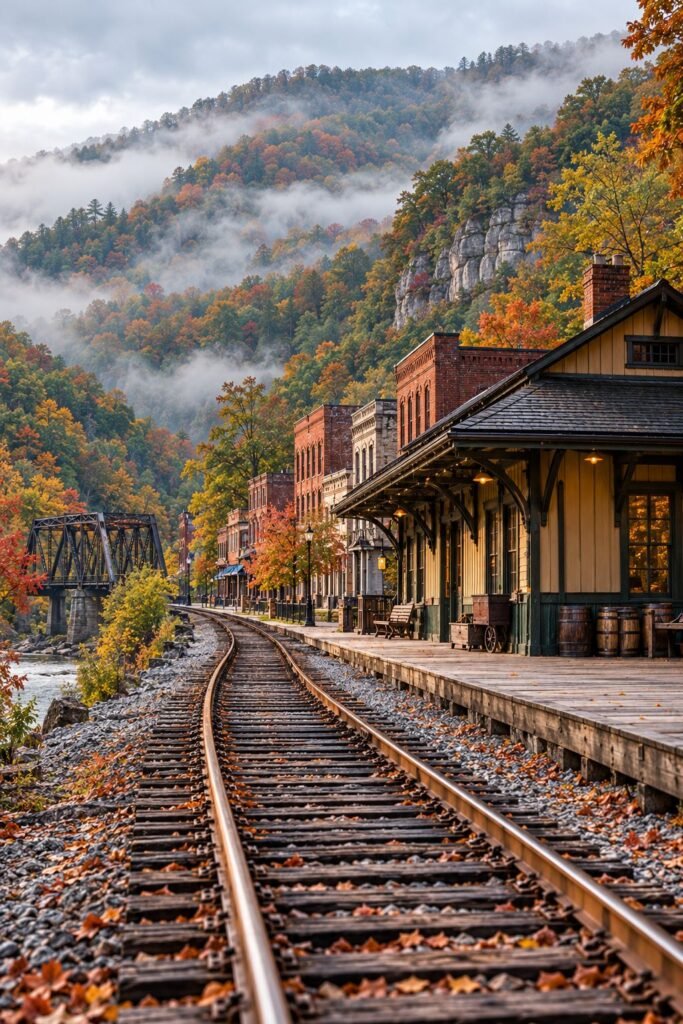
When people search for a ghost town train in West Virginia, they’re often looking for a railway experience connected to an old mining town or a historic community that time seems to have forgotten.
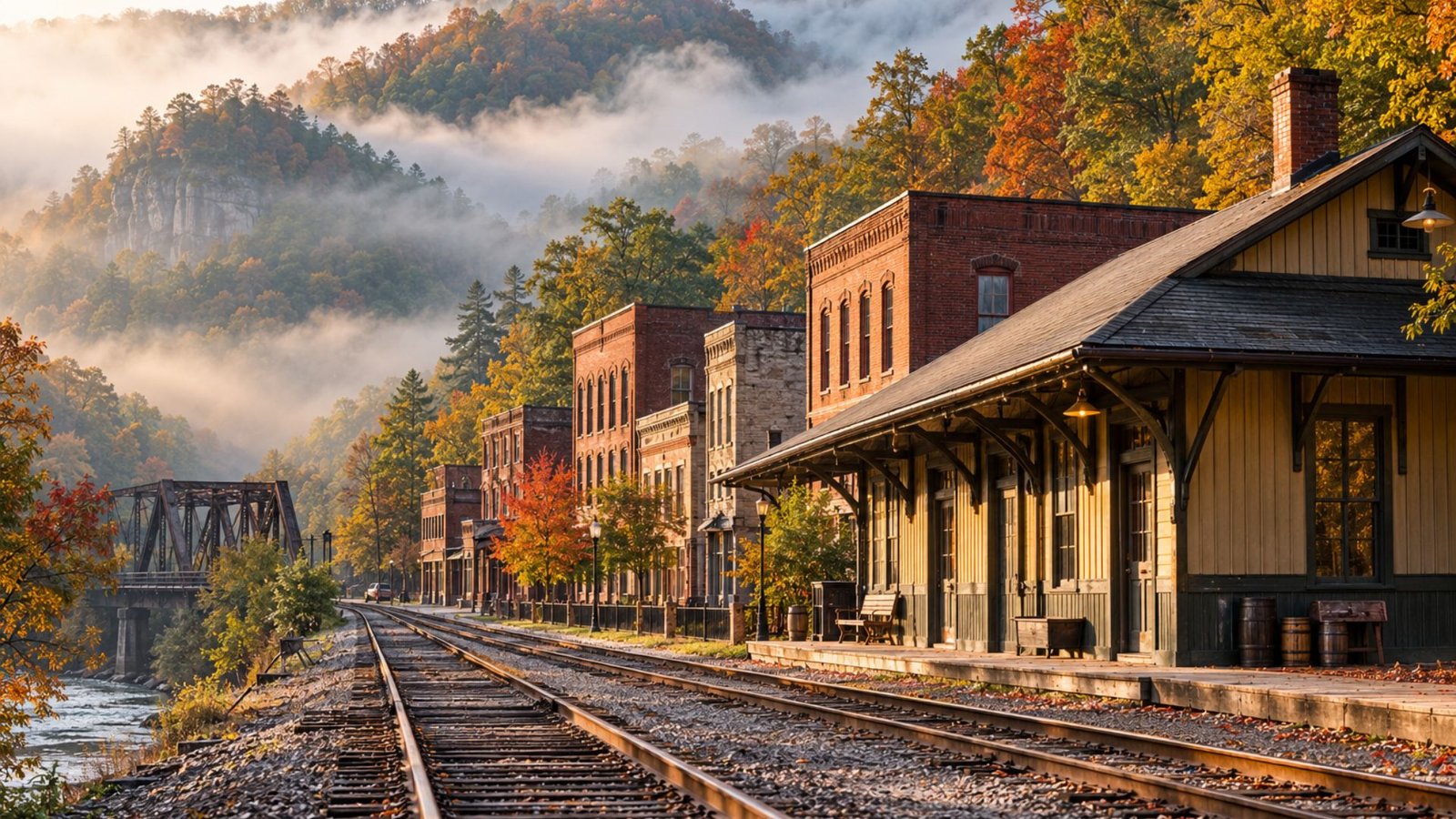
One of the most interesting places to explore is Thurmond, West Virginia, a former railroad boomtown located in the New River Gorge National Park and Preserve.
During its busiest years, the town was an important center for coal transportation and railroad operations. Today, its restored depot, historic commercial buildings, and quiet surroundings offer visitors a glimpse into West Virginia’s industrial past.
Thurmond is especially interesting because the railroad remains part of its identity. The historic depot still serves as an Amtrak station, and trains continue to pass through the gorge.
However, it’s important to understand the difference between visiting Thurmond and booking a scenic excursion.
Thurmond is not simply a ghost town attraction with a dedicated tourist train that takes visitors on a sightseeing loop through abandoned buildings.
You can explore the historic town by road, and Amtrak’s Cardinal provides passenger service to its depot. If you’d prefer a traditional scenic railroad experience, West Virginia also has other heritage train attractions.
For travelers who enjoy history, photography, unusual destinations, and scenic mountain landscapes, Thurmond is well worth considering.
Read 10 Budget Travel Tips and Hacks for Visiting West Virginia
The History of Thurmond: From Railroad Boomtown to Ghost Town
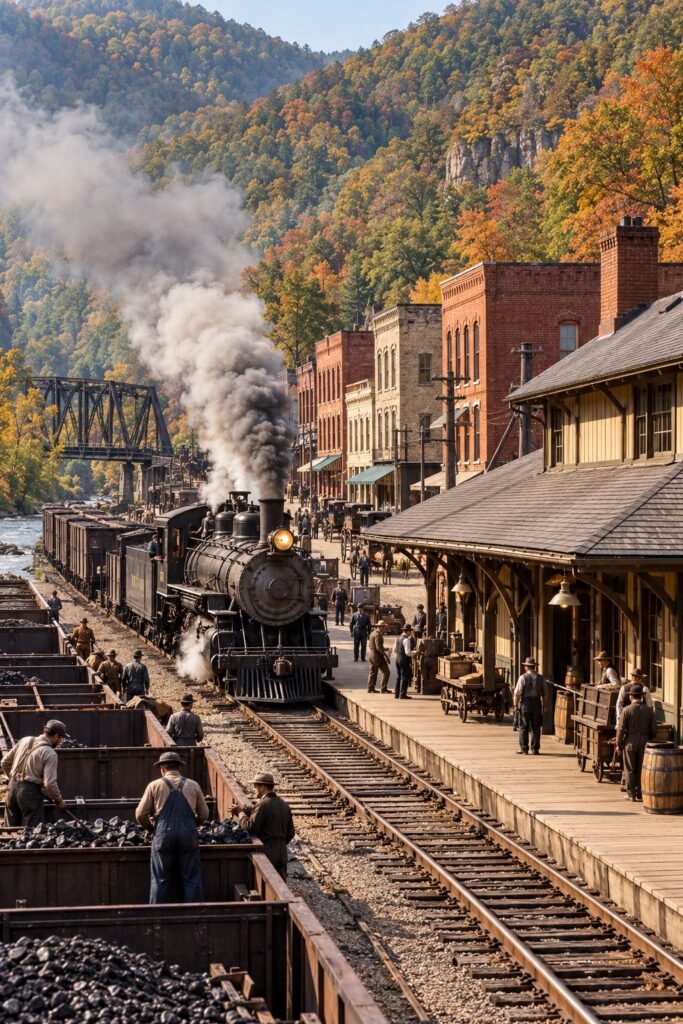
Thurmond’s story begins with the expansion of the Chesapeake and Ohio Railway through the New River Gorge in the 1870s.
Before the railroad arrived, the rugged Appalachian landscape made transportation difficult. The railway changed that by creating a route through the gorge and opening up opportunities for coal mining and commercial development.
Captain William Dabney Thurmond acquired land in the area, and the community that eventually carried his name grew around the railroad.
When Thurmond Was a Busy Railroad Town
During the late nineteenth and early twentieth centuries, Thurmond became an important railway and coal-shipping center. Its location made it a convenient place for trains to stop, receive services, and transport coal from the surrounding region.
At its height, the town had businesses that supported railroad workers, miners, travelers, and local families. These included hotels, banks, grocery stores, shops, and other services.
Imagine arriving in Thurmond during its busiest period. Instead of the quiet atmosphere visitors experience today, the town would have been filled with railroad activity, workers moving between buildings, and passengers arriving at the depot.
In 1910, Thurmond was reportedly responsible for approximately one-fifth of the Chesapeake and Ohio Railway’s revenue, demonstrating just how important this small Appalachian community had become.
Why Did Thurmond Decline?
Like many mining and railroad towns, Thurmond eventually experienced a dramatic decline.
The Great Depression placed additional pressure on local businesses, while fires destroyed important buildings. The transition from steam locomotives to diesel engines also reduced the need for the services that had helped Thurmond prosper.
As roads and automobiles became increasingly important, passenger rail travel changed, too. Businesses gradually closed, and fewer people depended on the town for employment and everyday services.
By the 1970s, Thurmond was largely a ghost town.
Today, the remaining structures preserve an important chapter of Appalachian history. The town is not entirely abandoned, however. A small number of people still live there, and visitors can explore its historic district.
Where Is Thurmond, West Virginia?
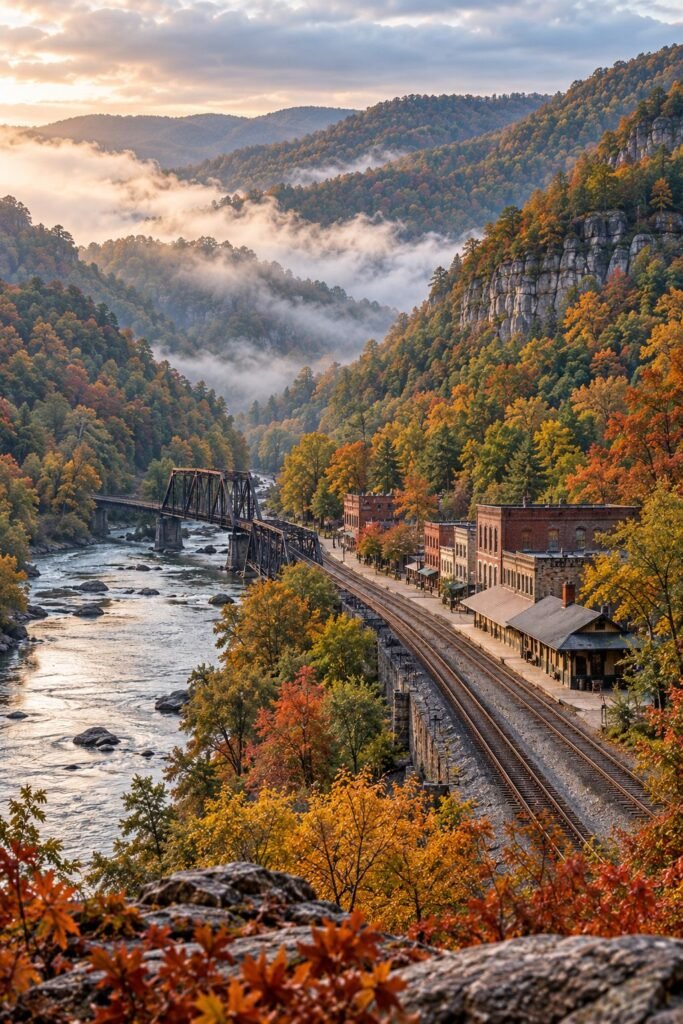
Thurmond is located in Fayette County in southern West Virginia, within the New River Gorge region.
Its setting is one of the most appealing parts of a visit. The community sits in a narrow gorge surrounded by forested mountains, with the New River and railroad tracks running through the landscape.
Because the town is tucked away from major highways, getting there feels like a small adventure in itself.
Thurmond is also a convenient destination to consider when planning a trip to New River Gorge National Park and Preserve. You can combine a visit to the historic town with scenic overlooks, hiking trails, and other outdoor attractions in the surrounding region.
What Makes the Location Special?
There are several reasons Thurmond stands out from other historic towns.
- Mountain scenery: Forested slopes and the surrounding gorge provide a beautiful backdrop.
- Railroad heritage: The tracks and depot remain central to the town’s character.
- Historic architecture: Surviving commercial buildings offer a glimpse into the community’s former importance.
- A peaceful atmosphere: Compared with busy tourist towns, Thurmond often feels quiet and removed from modern life.
- National park connections: The town is part of the wider New River Gorge experience.
If you enjoy discovering destinations that combine history with nature, Thurmond offers an appealing change from a typical city break.
Can You Take a Train to the Ghost Town of Thurmond?
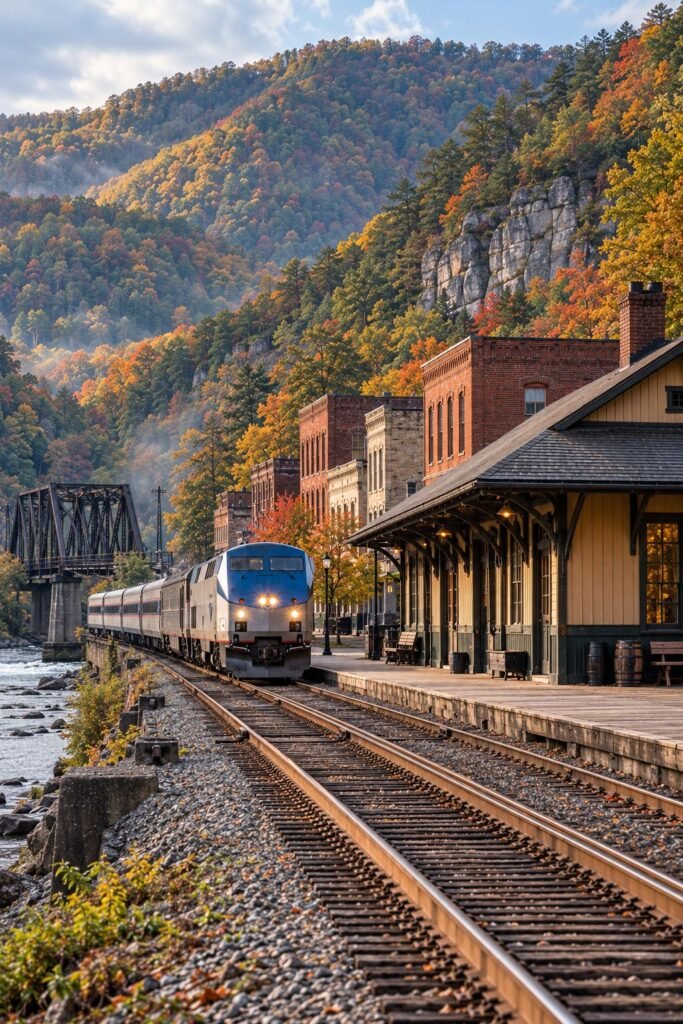
Yes, passenger rail service is available, but planning ahead is essential.
Amtrak’s Cardinal serves Thurmond’s historic depot. This is a passenger train service rather than a dedicated sightseeing excursion. The route travels through parts of the Appalachian region, and Thurmond’s station offers a distinctive way to arrive in this historic community.
You can check the official Amtrak website for the current Cardinal timetable, ticket availability, and travel information.
Before choosing this option, keep a few things in mind:
- Confirm that the train stops at Thurmond on your intended travel date.
- Check the arrival and departure times carefully.
- Make sure you understand how you’ll return, especially if you’re planning a day trip.
- Confirm station facilities and local transportation arrangements in advance.
- Allow enough time to explore the town without risking a missed departure.
Thurmond is a small, remote community, so you should not assume taxis, rideshares, restaurants, or other services will be readily available when you arrive.
For many travelers, driving is the more flexible option. It allows you to spend time exploring the historic district and combine your visit with other New River Gorge attractions.
What to See in Thurmond’s Historic District
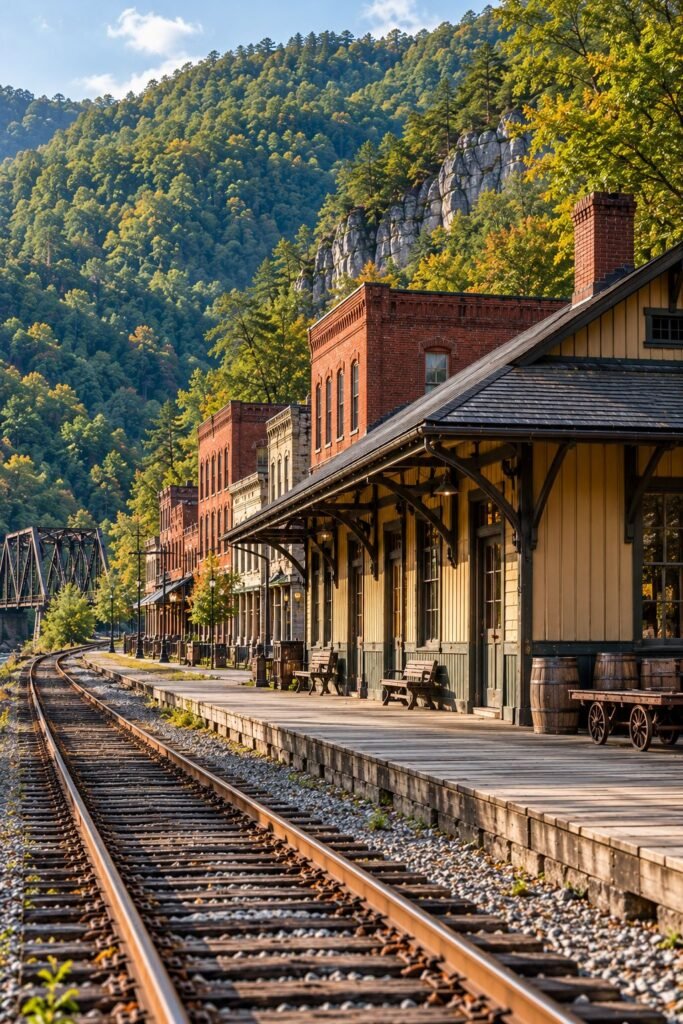
One of the best ways to experience Thurmond is to slow down and appreciate the structures that remain from its railroad heyday.
You don’t need an elaborate itinerary to enjoy the town. A thoughtful walk through the accessible areas can provide plenty of opportunities to learn, take photographs, and appreciate the scenery.
1. Thurmond Depot
The historic depot is one of the town’s most recognizable landmarks.
Built in 1904 for the Chesapeake and Ohio Railway, the two-story wooden building once served passengers and railroad employees. It has since been restored and provides a connection to the town’s history.
The depot also serves as an Amtrak station, and the National Park Service has used it as a seasonal visitor center.
When visiting, look for historical displays and interpretive information when the building is open. These resources can help you understand how the railway shaped daily life in Thurmond.
Check current opening arrangements before your trip, as visitor services may be seasonal.
2. Commercial Row
Commercial Row is another highlight.
This collection of historic buildings once formed the heart of Thurmond’s business district. Shops, offices, and other establishments served the people who lived and worked in the town.
Today, the surviving structures offer a striking reminder of the community’s former activity. Their old brickwork and weathered exteriors contrast beautifully with the surrounding green mountains.
Some buildings are not safe to enter, so enjoy them from designated public areas rather than attempting to go inside.
For photography lovers, Commercial Row is an especially interesting place to capture the character of a historic railroad town.
3. The Railroad Tracks and Yard
The railroad tracks are central to Thurmond’s identity.
They explain why the town developed where it did and why its economy eventually declined when railroad technology changed.
Watching a train pass through the gorge can be an exciting moment, but remember that these are active railroad tracks, not a walking trail.
Stay in designated public areas, obey posted signs, and never walk along the rails for a photograph.
4. The Historic Landscape Along the New River
The surrounding landscape is part of the experience, too.
The New River Gorge is known for its wooded slopes, dramatic terrain, and outdoor recreation opportunities. Even if you aren’t planning a demanding hike, the scenery around Thurmond makes the journey worthwhile.
Take time to appreciate the contrast between the natural landscape and the industrial structures that remain.
This combination of history and wilderness is what makes Thurmond so memorable.
Best Time to Visit the Ghost Town Train in West Virginia
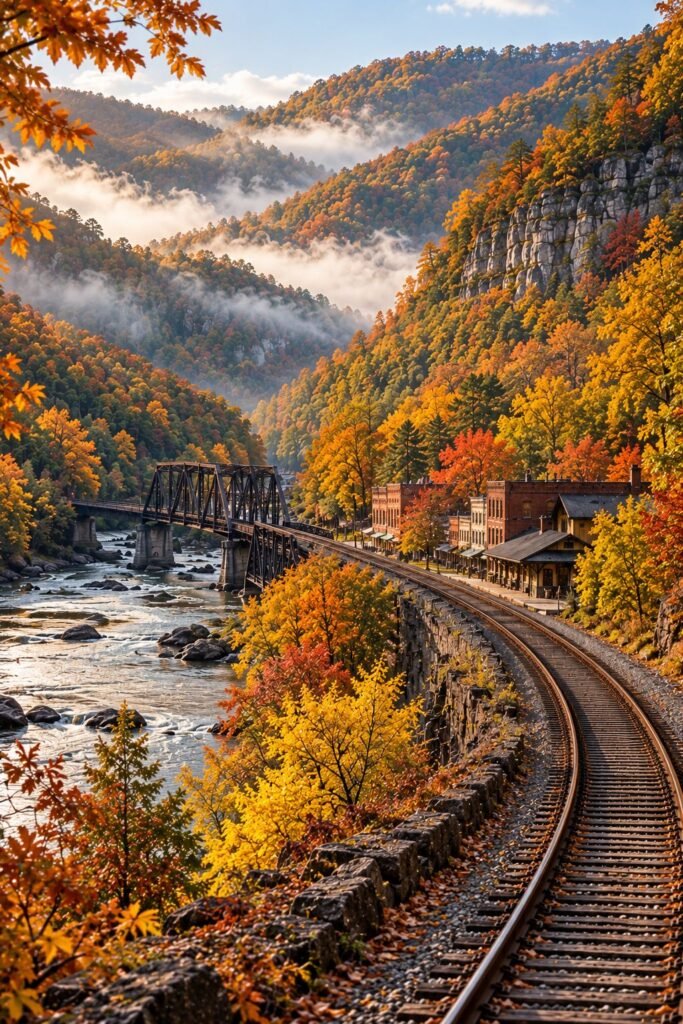
Thurmond can be interesting throughout much of the year, but the best time for your visit depends on the weather, your interests, and how much time you want to spend exploring the surrounding national park.
Spring: Fresh Greenery and Pleasant Exploration
Spring brings fresh growth to the surrounding mountains, making it a lovely time for photography and outdoor sightseeing.
Temperatures can vary, and rain may affect walking conditions. Bring comfortable shoes, a light jacket, and a raincoat so you’re prepared for changing weather.
Spring can also be a good choice if you’d like to combine the town with other outdoor attractions without planning your trip around summer crowds.
Summer: A Good Season for a Longer Visit
Summer is a popular time to explore the New River Gorge region.
Longer daylight hours give you more flexibility to visit Thurmond and other nearby attractions in one day. The green landscape also creates a beautiful backdrop for photographs.
However, summer weather can be humid, and thunderstorms are possible. Bring water, sun protection, and clothing suitable for warm conditions.
Check visitor-center hours before leaving, as access to indoor exhibits may differ from access to outdoor historic areas.
Fall: Beautiful Appalachian Scenery
Fall is one of the most appealing seasons for a West Virginia getaway.
The surrounding mountains can display beautiful autumn colors, creating an especially atmospheric setting for a historic railroad town.
If you’re planning a fall road trip, consider visiting Thurmond alongside scenic drives, overlooks, and hiking trails in the New River Gorge region.
Autumn weather can change quickly, so pack layers and check local forecasts before setting out.
Winter: Quiet and Atmospheric
Winter offers a different experience, with bare trees and a quieter landscape.
However, roads can be affected by snow, ice, or freezing conditions. Some visitor services may also operate on reduced schedules.
If you visit in winter, check road conditions, daylight hours, and any seasonal closures before traveling.
How to Get to Thurmond, West Virginia
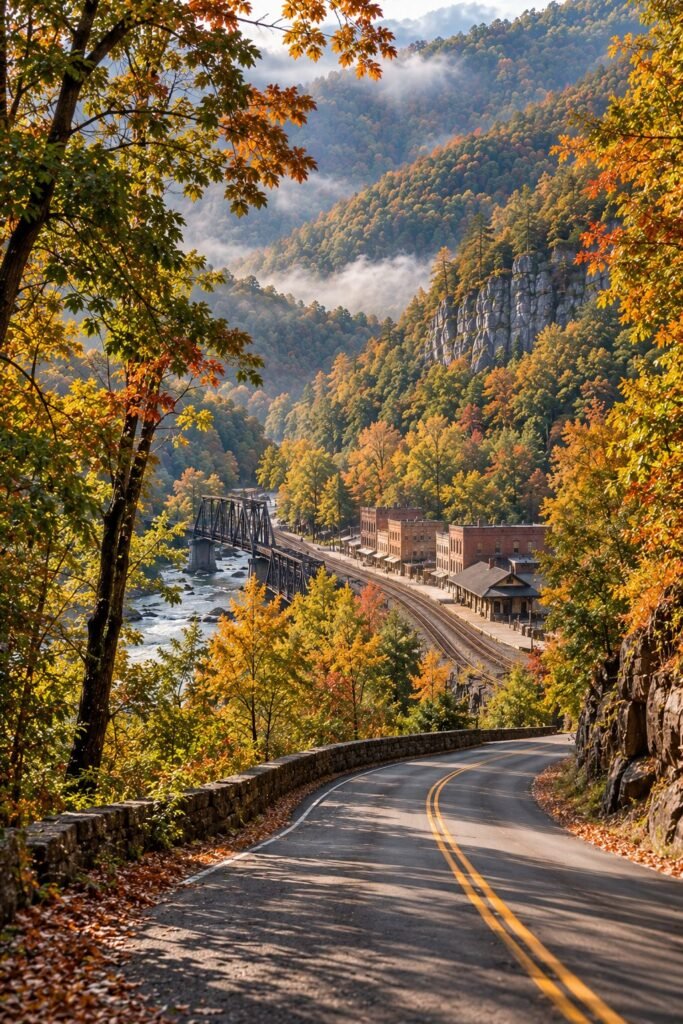
For most visitors, driving is the simplest way to reach Thurmond and explore the surrounding area.
The town is accessed by local roads that lead into the New River Gorge. The final approach can involve narrow roads and a one-lane bridge, so drive carefully and follow posted instructions.
Before setting out, enter Thurmond Historic District into your preferred navigation app and check the route. Avoid assuming that every road shown on a map is suitable for every vehicle.
Here are the main ways to plan your journey.
By car: Driving gives you the most flexibility to explore Thurmond and nearby attractions. Check current road conditions and allow extra time for the final approach.
By Amtrak: The Cardinal serves Thurmond’s historic depot. Review the official schedule and plan your return journey before purchasing tickets.
As part of a road trip: Thurmond works well as a stop during a longer visit to New River Gorge National Park and Preserve.
If you’re flying into the region, research your airport and rental-car options before booking accommodation. Public transportation around this small community is limited.
Practical Tips for Visiting Thurmond

A little preparation will help you enjoy the destination without unnecessary stress.
Wear Comfortable Walking Shoes
You’ll want shoes suitable for walking on uneven surfaces and exploring the historic district. If rain is expected, choose footwear with good traction.
Bring Water and Snacks
Do not rely on finding a restaurant or convenience store in Thurmond. Bring water and snacks, especially if you’re visiting with children or combining the trip with outdoor activities.
Check Visitor Information Before You Leave
The depot’s visitor services may operate seasonally. Check the National Park Service’s official website for information about Thurmond and New River Gorge National Park and Preserve.
Respect Historic Buildings
Some structures are fragile or unsafe to enter. Stay on permitted routes, follow signs, and avoid climbing on buildings or removing objects from the site.
These precautions help protect the historic district for future visitors.
Plan for Limited Phone Service
Reception can be unreliable in mountainous areas. Download maps and save important travel details before leaving an area with reliable service.
If you’re traveling by train, keep your ticket information and return schedule accessible offline.
Check the Weather
The gorge’s weather can change quickly, and rain may affect roads and walking conditions. Check the forecast before your trip and adjust your plans if conditions are unsuitable.
Bring a Camera
Thurmond offers interesting opportunities for photography, from the historic depot to the railroad tracks and surrounding mountains.
Be patient when taking pictures, and always prioritize railway safety over getting a particular shot.
What Else Can You Do Near Thurmond?
One advantage of visiting Thurmond is its location within the New River Gorge region. You can turn a short historical stop into a fuller West Virginia getaway.
Explore New River Gorge National Park and Preserve
The national park is known for its dramatic landscapes, outdoor recreation, and historic communities.
Depending on your interests, you can explore scenic overlooks, visit visitor facilities, or choose a suitable walking trail.
Check current conditions and trail information before heading out, especially if you’re planning outdoor activities with children or inexperienced hikers.
Visit Scenic Overlooks
The New River Gorge offers beautiful views of the river, forested hills, and surrounding mountains.
Overlooks can be an excellent option if you want to enjoy the scenery without committing to a long hike.
Choose established viewing areas and follow any safety guidance posted at the site.
Discover More Railroad History
If you love trains, consider visiting another West Virginia railroad attraction during your trip.
The Cass Scenic Railroad State Park offers a separate heritage railroad experience in the mountains of eastern West Virginia.
It is not a train excursion from Thurmond, so you should plan it as a separate destination if you’d like to experience a historic scenic train ride.
Explore Nearby Outdoor Attractions
The wider New River Gorge area offers opportunities for hiking, photography, and scenic drives.
Choose activities that match your available time and experience. If you’re only spending one day in the region, it’s better to explore a few places properly than rush between too many stops.
Where to Stay When Visiting Thurmond
Thurmond is a small historic community, so most travelers will find it more practical to stay elsewhere in the New River Gorge region.
Consider accommodation around Fayetteville, Oak Hill, or other nearby communities, depending on your itinerary and the attractions you want to visit.
Fayetteville
Fayetteville is a useful base for travelers who want to explore New River Gorge National Park and Preserve.
You can research hotels, cabins, and other accommodation options in the area. Staying here may also make it easier to find restaurants and other visitor services.
Oak Hill
Oak Hill is another area to consider when planning a visit to Thurmond.
Compare accommodation prices, driving distances, parking arrangements, and cancellation policies before making a reservation.
Cabins and Vacation Rentals
If you prefer a quiet mountain getaway, look into cabins and vacation rentals in the surrounding region.
These can be appealing for couples, families, and travelers who want more space. However, check the exact location carefully, since a property described as being near the New River Gorge may still require a considerable drive to Thurmond.
Wherever you stay, confirm the travel time to the historic district rather than relying solely on a property’s promotional description.
Is the Ghost Town Train in West Virginia Worth Visiting?
For travelers who enjoy railroad history, unusual destinations, and peaceful mountain scenery, Thurmond is absolutely worth considering.
Its appeal comes from the combination of its historic depot, surviving commercial buildings, active railway, and dramatic setting within the New River Gorge.
It isn’t a theme park or a conventional ghost town attraction with a train ride operating specifically for tourists.
Instead, it’s a real historic community whose remaining structures tell the story of an era when railroads and coal shaped life in southern West Virginia.
That distinction is important when planning your trip. If you want to walk through a historic railroad town and learn about its past, Thurmond is an excellent choice.
If your main goal is to ride a scenic heritage train, research a separate excursion, such as the Cass Scenic Railroad.
The best experience may be to combine both interests into a longer West Virginia itinerary, giving yourself time to appreciate the region’s railway heritage and mountain landscapes.
Frequently Asked Questions About Thurmond, West Virginia
Is Thurmond really a ghost town?
Thurmond is commonly described as a ghost town because its population and commercial activity declined dramatically. However, it is not completely abandoned. A small number of people still live there, and the historic district receives visitors.
Can you ride a tourist train through Thurmond?
Thurmond has passenger service on Amtrak’s Cardinal, but this is not the same as a dedicated tourist excursion. Check the official schedule for current service and plan your return carefully.
Is there an entrance fee to visit Thurmond?
The historic district is part of the New River Gorge National Park and Preserve, and exploring its publicly accessible outdoor areas is generally free. Confirm current access conditions and any fees associated with other activities you plan to enjoy.
How long should you spend in Thurmond?
Allow around one to two hours for a basic visit to the historic district, depending on your pace, access to exhibits, and interest in photography. If you plan to explore more of the New River Gorge region, you may want to dedicate a full day to the area.
Is Thurmond suitable for families?
Yes, it can be an interesting educational stop for families who enjoy history and outdoor exploration. Keep children away from active railway tracks and restricted structures, and supervise them closely around roads and uneven surfaces.
Is Thurmond worth visiting in October?
October can be a particularly appealing time to visit because of the autumn scenery in the surrounding mountains. However, fall colors vary from year to year, so check local foliage reports and the weather before planning your trip.
What should I bring for a visit?
Bring comfortable walking shoes, water, snacks, a camera, weather-appropriate clothing, and an offline map. If you plan to arrive by train, carry your ticket details and confirmed return schedule.
Final Thoughts: Discover the Forgotten Railroad Town of Thurmond
Thurmond is a reminder that even the smallest communities can have remarkable stories. Once an important railroad and coal town, it now offers a quieter experience where historic buildings, railway tracks, and Appalachian scenery come together.
What makes this destination special is not simply its ghost town reputation. It’s the opportunity to understand how railroads shaped West Virginia, why some communities flourished, and how changing technology transformed their futures.
Whether you visit for the history, the photography, the mountain views, or the chance to discover somewhere different, Thurmond can make a memorable addition to your West Virginia itinerary.
Plan ahead, respect the historic structures, and check the latest transportation information before you go. If you’d like to experience a traditional scenic train ride as well, consider adding a separate heritage railroad excursion to your trip.
Sometimes, the most interesting travel destinations are the places that invite you to slow down, look around, and imagine the stories hidden behind the buildings left standing.