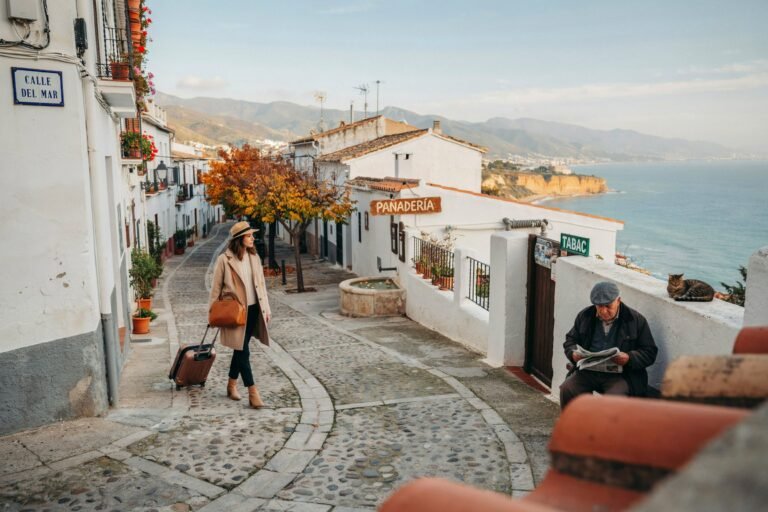
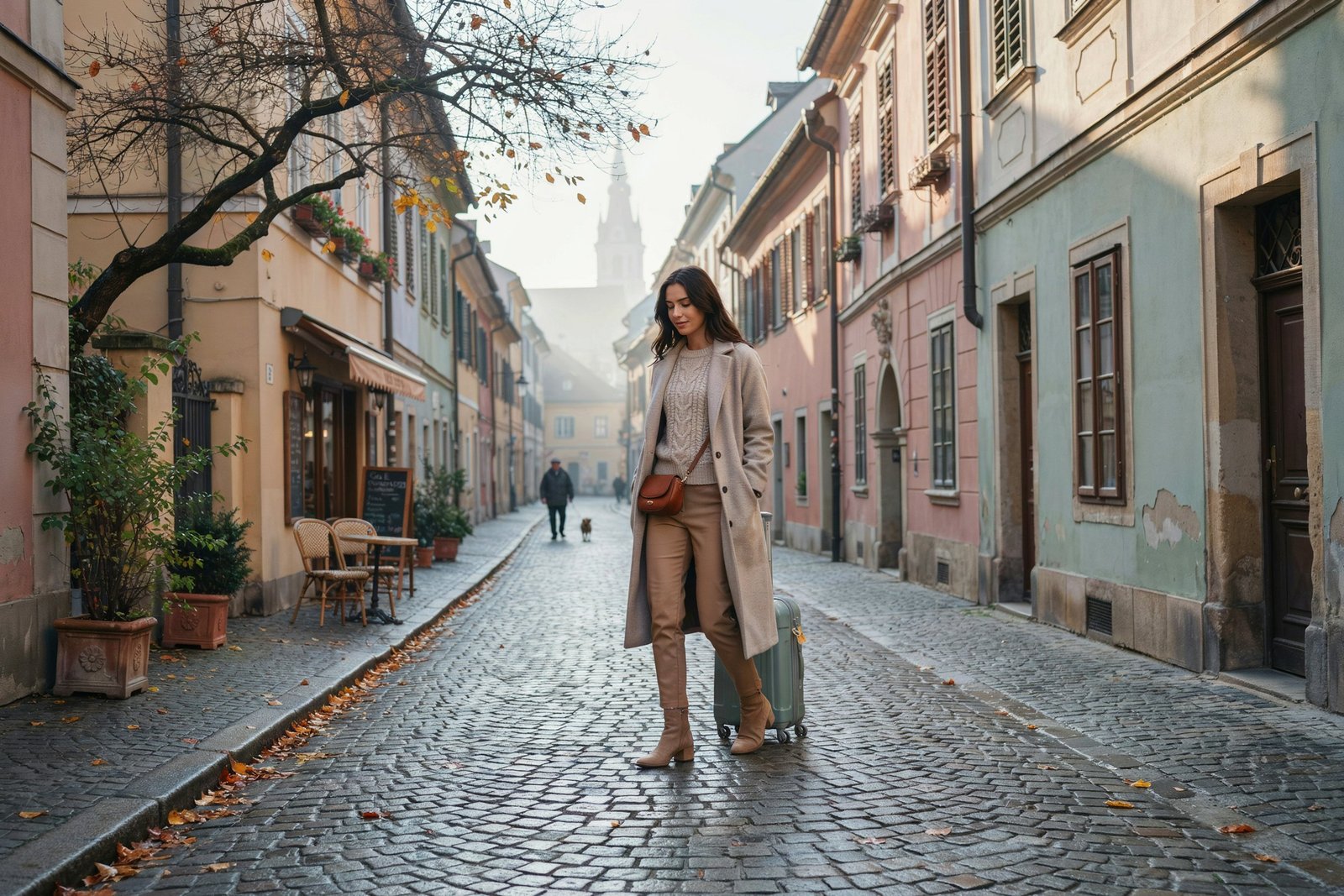

Fall is one of my favorite times to explore Europe. The weather is cooler, the crowds are smaller, and everything feels a little more relaxed.
I’ve found that some of the most memorable trips happen when I step away from the famous cities and discover places that are quieter and less crowded.
If you’re planning a European getaway this fall, these underrated destinations are worth adding to your list.
From charming old towns and beautiful coastlines to mountain escapes and cozy cities, here are 20 places I think you should consider for your next fall adventure.
1. Ljubljana, Slovenia
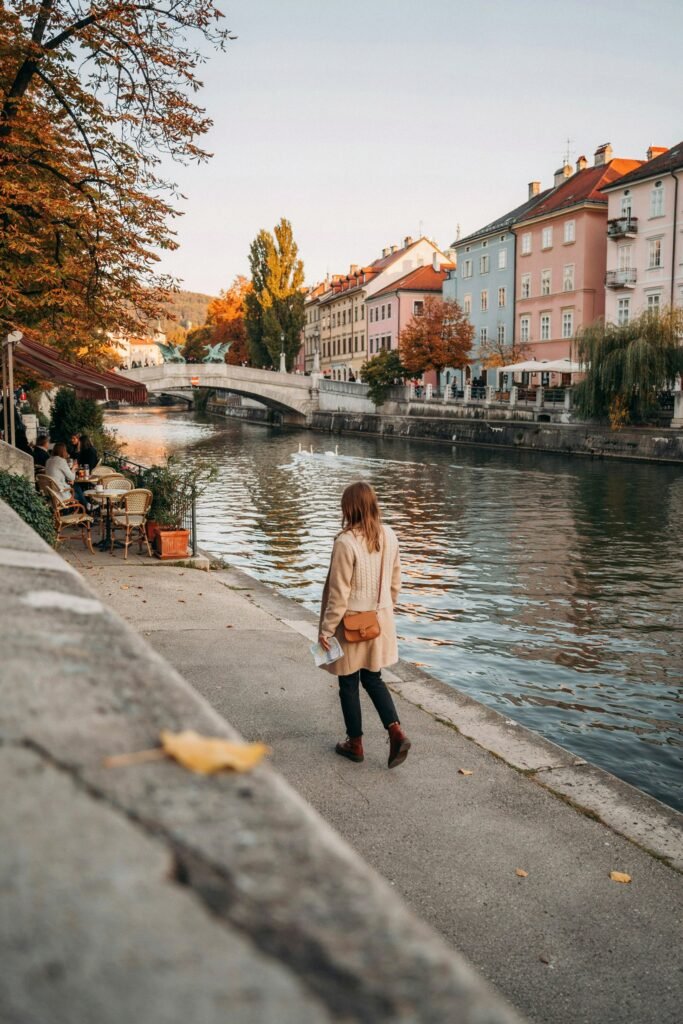
Ljubljana is one of those European cities that feels almost too charming to be real.
Slovenia’s capital is compact, walkable, and full of beautiful architecture, riverside cafés, bridges, and green spaces. What I love about Ljubljana is that you can experience a lot without feeling like you’re constantly fighting through crowds.
Fall is especially pretty here.
The trees around the Ljubljanica River begin changing color, outdoor cafés become cozy places for a warm drink, and the cooler weather makes exploring the historic center much more enjoyable.
Things to do in Ljubljana
Start in the Old Town and walk along the Ljubljanica River. Cross the famous Dragon Bridge and Triple Bridge, then make your way toward Ljubljana Castle for panoramic views over the city.
I would also spend some time in Tivoli Park. It is an easy way to add a little nature to a city break.
Why visit in fall?
Ljubljana is particularly appealing if you want:
- A relaxed European city break
- Autumn scenery
- Cafés and local food
- Easy walking
- A quieter alternative to larger European capitals
It also works beautifully as part of a Slovenia road trip.
2. Colmar, France
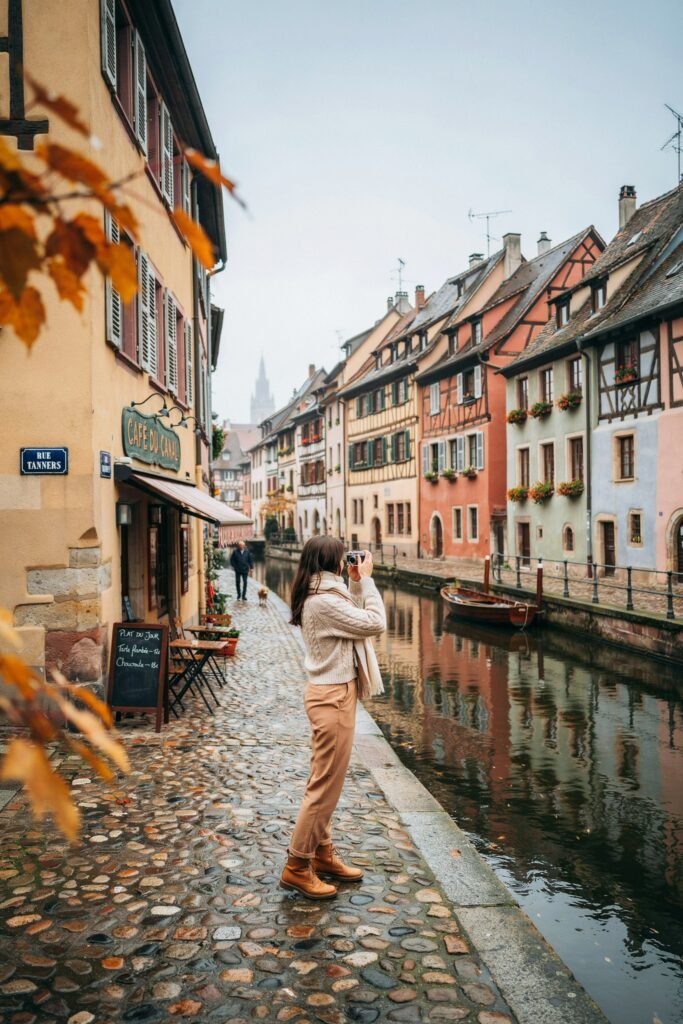
Colmar may not be completely unknown, but it is still often overlooked by travelers who focus only on Paris, Nice, or Provence.
This little Alsatian town is absolutely magical in fall.
Colorful half-timbered houses line narrow streets, canals wind through the historic center, and autumn leaves add even more color to an already beautiful setting.
Colmar is the kind of destination where I would avoid creating a packed itinerary.
Simply walking around is part of the experience.
What to do in Colmar
Spend time exploring the Old Town, visit Little Venice, wander through the covered market, and stop at a small café for coffee or pastries.
If you have more time, consider exploring the surrounding Alsace wine villages.
Fall tip
Fall is harvest season in this part of France, making it a particularly lovely time to explore the countryside.
Pack layers because mornings and evenings can feel considerably cooler than afternoons.
3. Parma, Italy
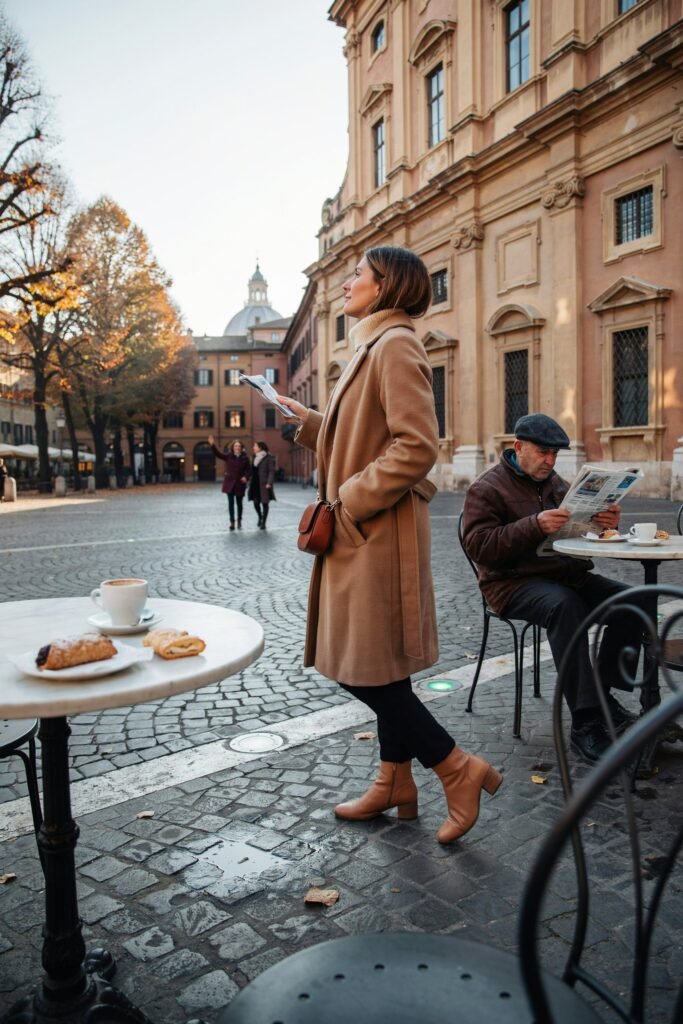
When people dream about Italy, they often immediately think of Rome, Venice, Florence, or the Amalfi Coast.
But Parma deserves a place on your fall itinerary if you love food, history, and slower travel.
The city is famous for Parmigiano Reggiano and Prosciutto di Parma, but there is much more to see beyond its food.
Parma has beautiful historic architecture, impressive churches, museums, and elegant squares.
Recent travel coverage has also highlighted Parma as an underrated European city with Renaissance art and fewer crowds than Italy’s most famous destinations.
What to do in Parma
Visit Parma Cathedral and the Baptistery, explore the Teatro Farnese, and spend time wandering around the historic center.
And obviously, leave room for food.
Fall is an excellent time for enjoying hearty Italian dishes and exploring the region’s food traditions.
Why I would visit
Parma is perfect for travelers who want to experience Italy without building their entire trip around the country’s busiest attractions.
4. Piran, Slovenia
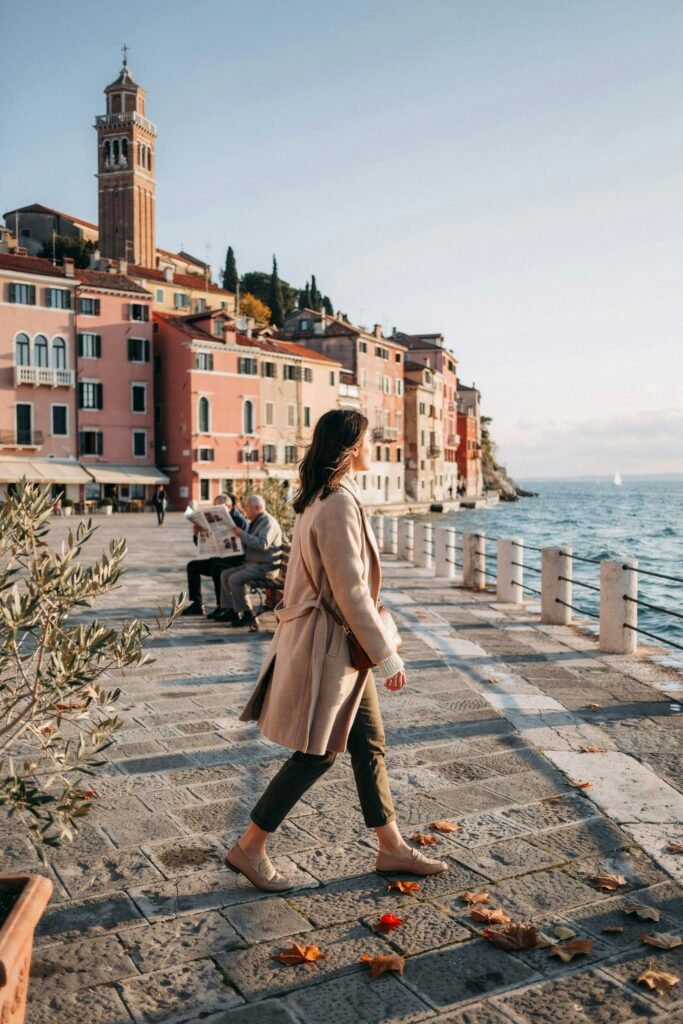
If you want a European coastal destination but don’t want to spend your fall vacation somewhere packed with summer tourists, look at Piran.
This tiny coastal town on Slovenia’s Adriatic coast has Venetian-style architecture, narrow streets, beautiful sea views, and a wonderfully relaxed atmosphere.
The biggest advantage of visiting in fall is that you can enjoy the town at a slower pace.
Things to do
Walk around Tartini Square, explore the narrow streets, visit St. George’s Parish Church, and watch the sunset along the waterfront.
You can also use Piran as a base for exploring other parts of Slovenia.
Best for
Piran is especially good for:
- Couples
- Slow travelers
- Photography
- Coastal walks
- Short European getaways
5. Ghent, Belgium
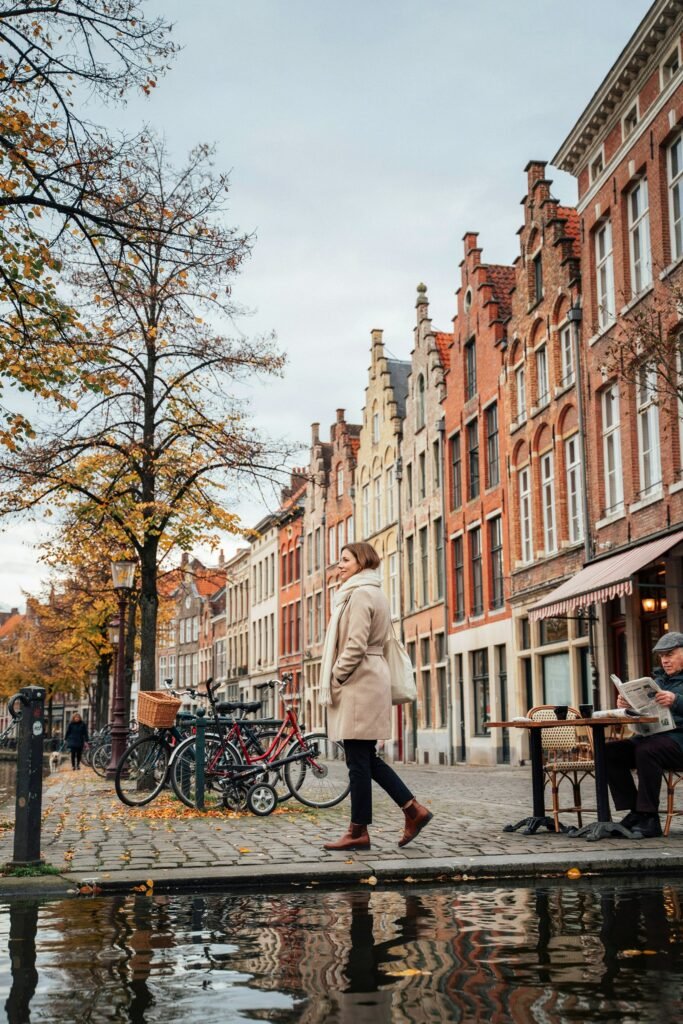
Bruges gets much of the attention in Belgium, but I personally think Ghent deserves more consideration.
Ghent combines medieval architecture with a lively modern atmosphere.
The historic center is beautiful, but the city doesn’t feel like it exists solely for tourists.
What to see
Make time for Gravensteen Castle, Saint Bavo’s Cathedral, the Graslei waterfront, and the historic city center.
One of my favorite things about a destination like Ghent is that you can spend the morning sightseeing and the afternoon simply wandering.
Fall makes that even more enjoyable.
The cooler temperatures are perfect for walking, and the changing leaves add a beautiful backdrop to the canals and old buildings.
6. Mostar, Bosnia and Herzegovina
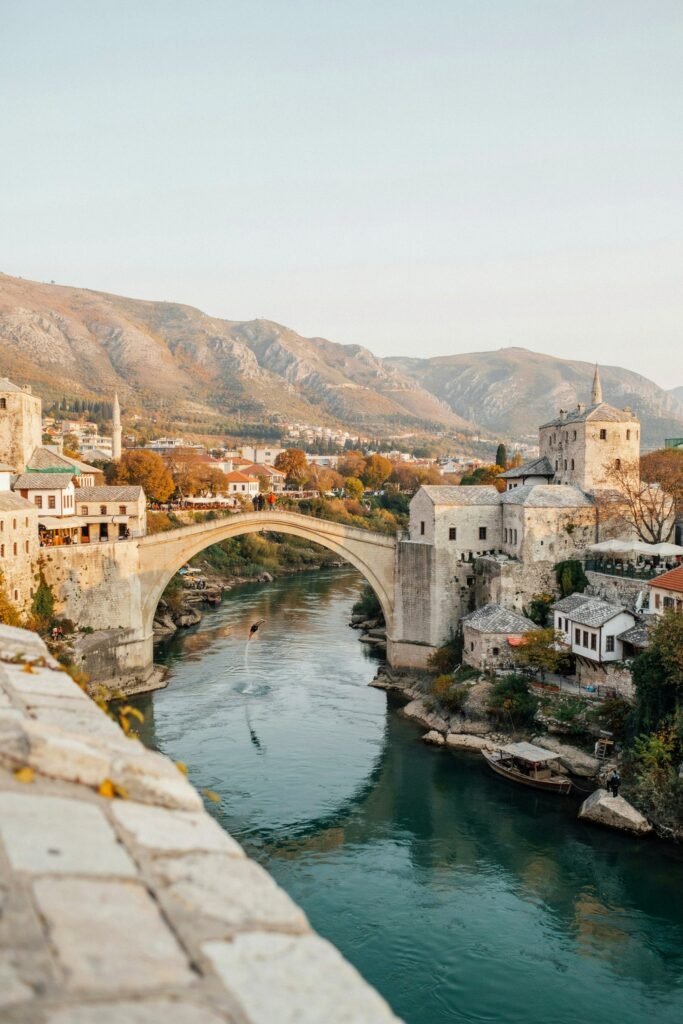
Mostar is one of the most visually striking destinations on this list.
The city is best known for its famous Stari Most, or Old Bridge, but I would encourage you to look beyond the bridge itself.
Mostar has an interesting history, beautiful Ottoman-era architecture, local markets, stone streets, and dramatic mountain scenery.
Why visit in fall?
Summer can be hot, particularly when you’re spending hours walking around historic streets.
Fall brings more comfortable conditions for exploring.
Take your time wandering through the Old Bazaar, admire the bridge, explore the surrounding streets, and try some local Bosnian food.
Helpful tip
Mostar can easily be combined with a wider Bosnia and Herzegovina itinerary, especially if you want to explore Sarajevo and other historic areas.
7. Girona, Spain
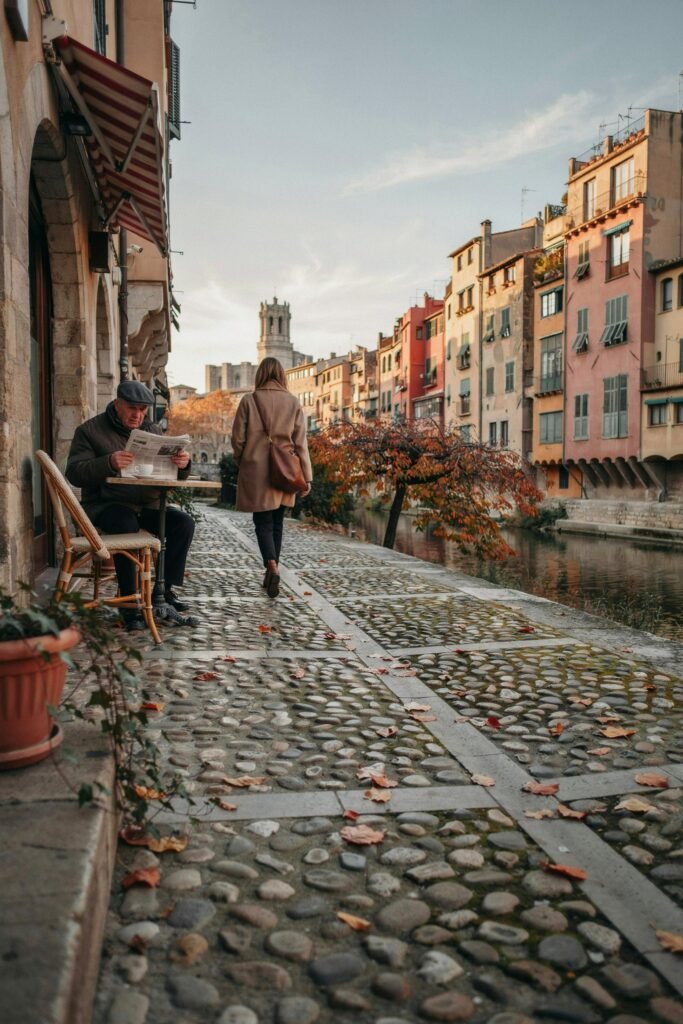
Barcelona is wonderful, but if you’re looking for somewhere smaller and less overwhelming, Girona is worth adding to your itinerary.
The city’s medieval Old Town is full of narrow streets, stone buildings, historic walls, and beautiful squares.
Girona is also a great destination for food lovers.
Things to do in Girona
Walk along the medieval city walls, explore the Jewish Quarter, visit Girona Cathedral, and wander through the colorful houses along the Onyar River.
Fall is an excellent time for walking around Girona because temperatures are generally more comfortable than during the hottest summer months.
Why it’s underrated
Girona gives you many of the things travelers love about Spain history, architecture, food, cafés, and beautiful streets without requiring you to stay in one of the country’s biggest cities.
8. Kotor, Montenegro
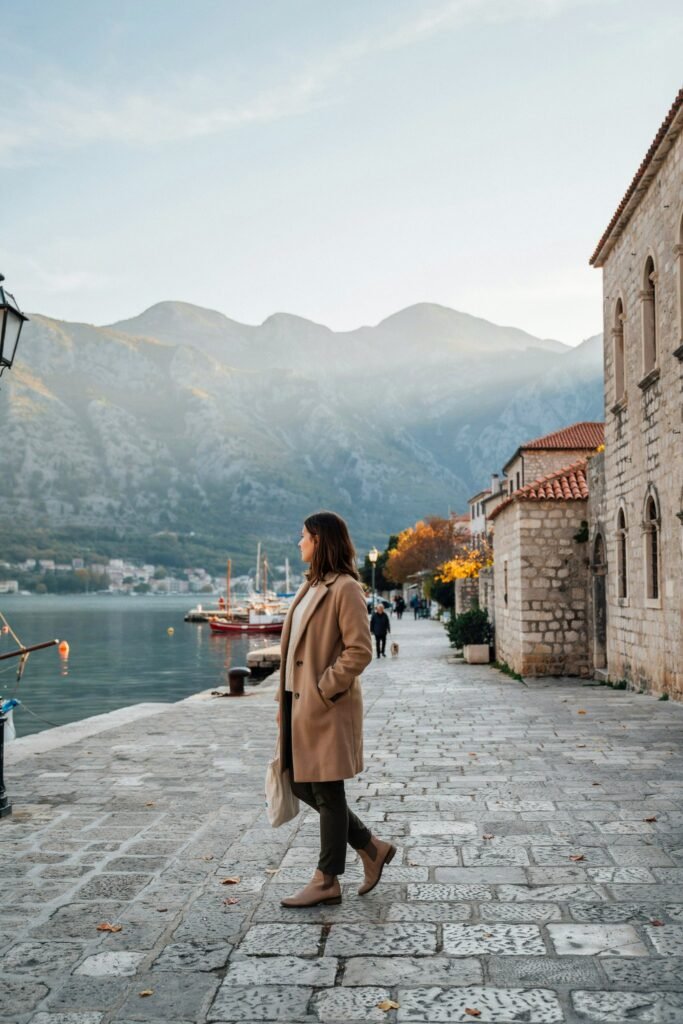
Kotor has become more popular in recent years, but it can still be an excellent alternative to some of Europe’s more crowded coastal destinations, especially outside the busiest summer period.
The setting is incredible.
Mountains surround the Bay of Kotor, while the historic town is filled with stone buildings, churches, squares, and winding streets.
What to do in Kotor
Spend time exploring the Old Town, visit St. Tryphon Cathedral, walk along the waterfront, and, if conditions allow, hike toward the fortress for spectacular views.
The hike is one of the highlights, but don’t underestimate it. Wear proper shoes and check conditions before setting out.
Fall advantage
The cooler temperatures can make exploring much more pleasant than during peak summer.
9. Turku, Finland
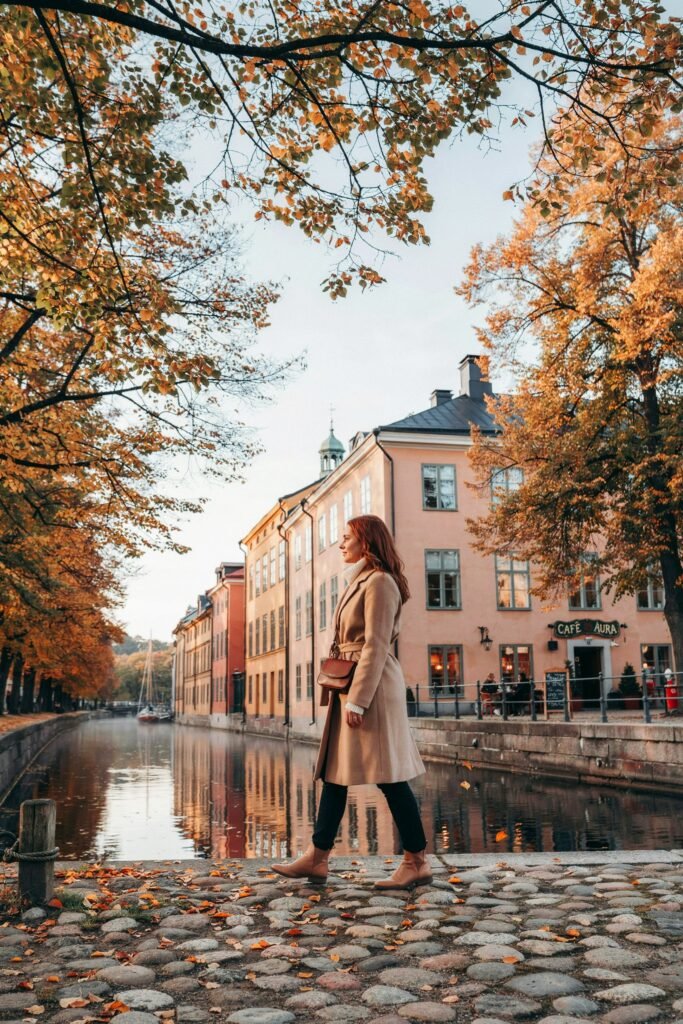
If your idea of fall travel involves colorful forests, cozy cafés, and a completely different European atmosphere, consider Turku.
Turku is Finland’s oldest city and sits along the Aura River.
It doesn’t have the international fame of Helsinki, but that’s part of its appeal.
What to do
Visit Turku Castle, explore the riverside, visit the Turku Cathedral, and spend time in local cafés.
The surrounding nature is also worth exploring.
Why visit in fall?
Finland’s autumn colors can be spectacular, particularly earlier in the season.
If you’re looking for a quieter Nordic escape with a strong connection to nature, Turku is a lovely option.
10. Salamanca, Spain
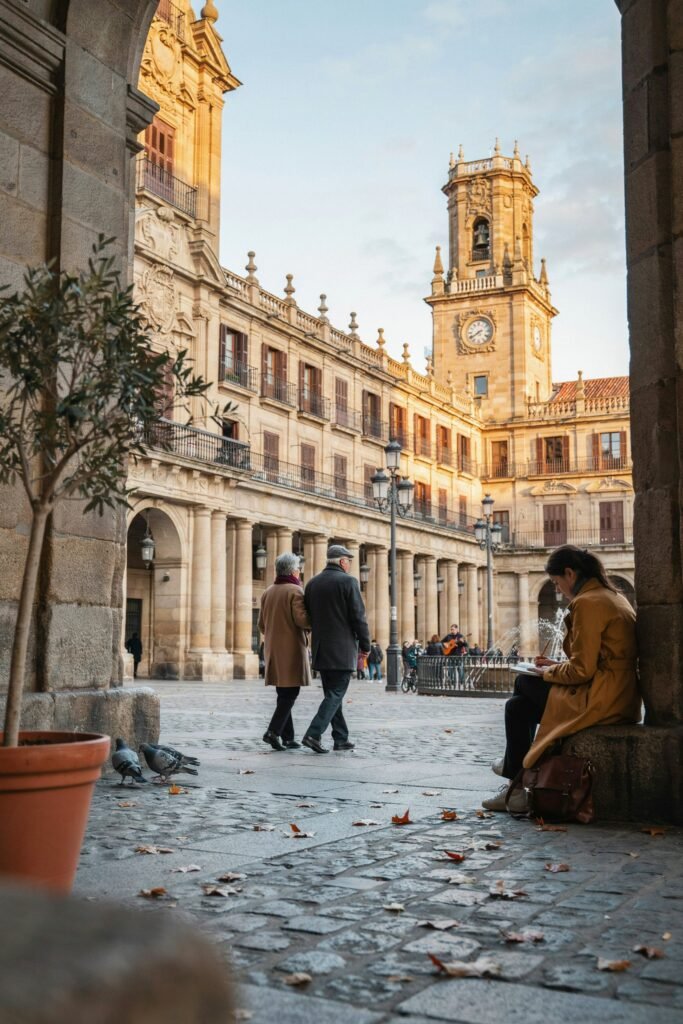
Salamanca is one of Spain’s most beautiful historic cities, yet it often gets overlooked by travelers who stick to Madrid, Barcelona, Seville, and Valencia.
The city is famous for its golden sandstone architecture and historic university.
And when the afternoon sunlight hits the buildings, the whole city seems to glow.
Things to do
Explore Plaza Mayor, visit the University of Salamanca, see the Old and New Cathedrals, and wander through the historic center.
Fall is particularly appealing because the temperatures are generally more comfortable for spending hours outside.
Best for
Salamanca is ideal for travelers interested in:
- History
- Architecture
- Food
- Spanish culture
- Beautiful old towns
11. Annecy, France
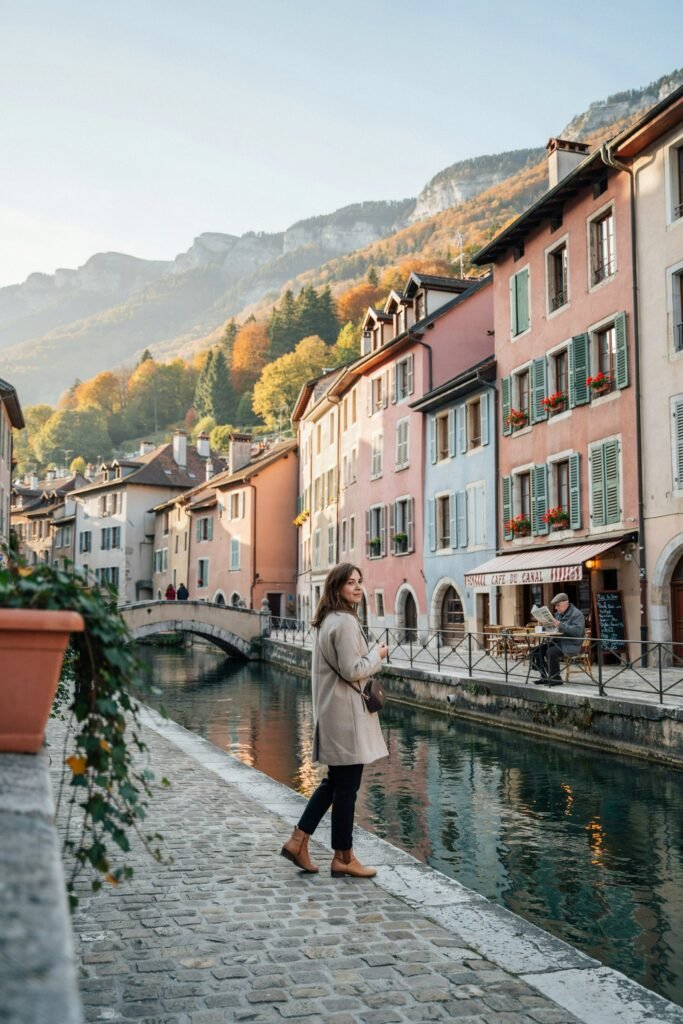
Annecy is often called one of the most beautiful towns in France, and it is easy to understand why.
The town sits beside Lake Annecy, surrounded by mountains and filled with canals and colorful buildings.
During summer, the lake area can be very busy.
Fall offers a different experience.
The surrounding mountains begin turning shades of gold, orange, and green, while the historic center becomes a wonderful place for a relaxed walk.
What to do in Annecy
Walk around the Old Town, see the Palais de l’Île, stroll beside the lake, and explore the canals.
If the weather is suitable, you can also enjoy outdoor activities around the lake.
Annecy is one of my favorite choices for travelers who want both a charming town and beautiful nature in the same trip.
12. Brasov, Romania
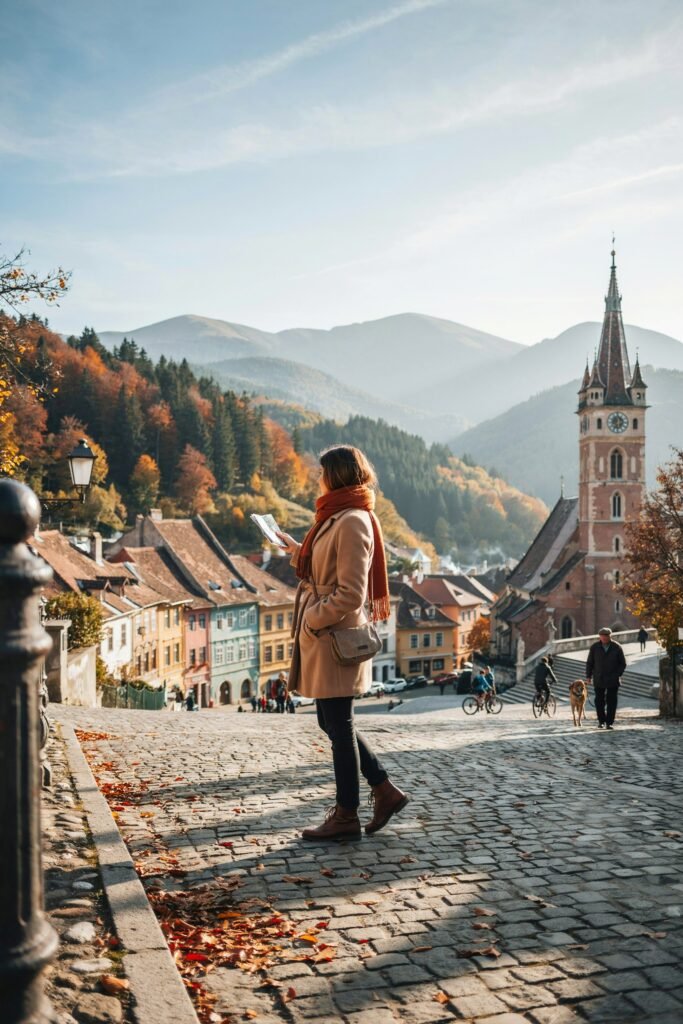
Brasov is an excellent choice if you’re looking for a European fall destination with mountains, history, and a little fairytale atmosphere.
Located in Transylvania, the city is surrounded by the Carpathian Mountains.
The historic center is full of colorful buildings and beautiful squares, while the surrounding countryside becomes especially attractive in fall.
What to do in Brasov
Visit Council Square, explore the Black Church, walk along the old fortifications, and take a trip into the surrounding mountains.
You can also use Brasov as a base for exploring other Transylvanian destinations.
Why visit in fall?
The combination of colorful forests and historic architecture makes Brasov especially photogenic during autumn.
13. San Sebastián, Spain
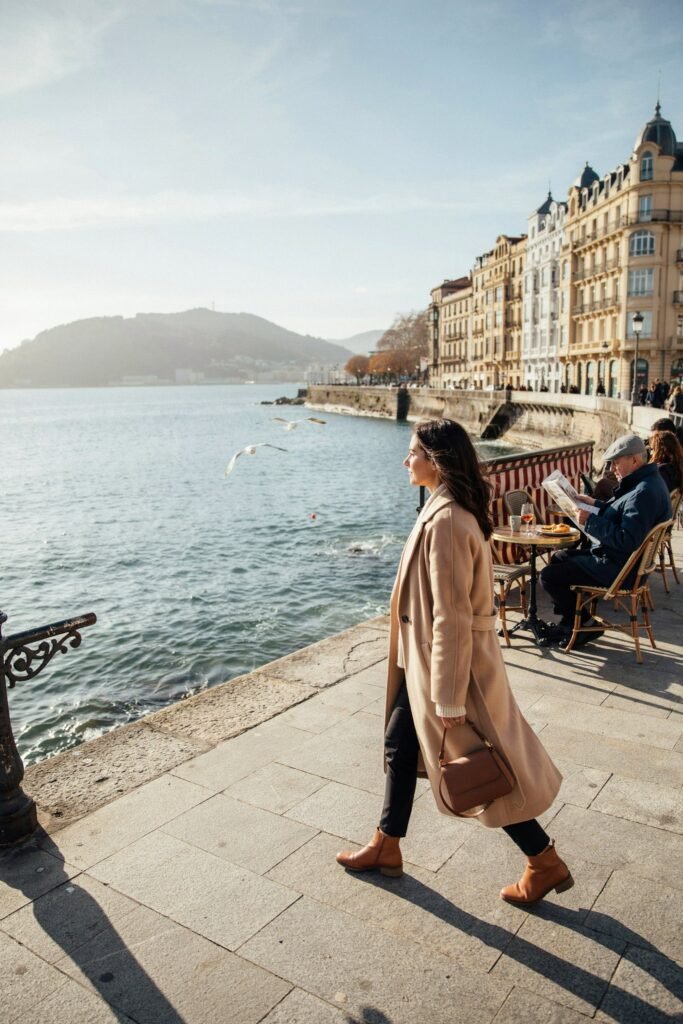
If food is one of your biggest reasons for traveling, put San Sebastián on your list.
This beautiful coastal city in northern Spain is famous for its food culture, beaches, elegant architecture, and pintxos.
Fall is an especially exciting time for food lovers.
Recent 2026 travel coverage has singled out San Sebastián as a fall destination, particularly because of its food scene and the city’s celebration of the 50th anniversary of New Basque Cuisine this October.
What to do
Walk along La Concha Bay, explore the Old Town, visit Monte Igueldo, and spend an evening trying different pintxos.
I would not plan every meal too far in advance.
Leave room for discovering small restaurants and local favorites.
14. Matera, Italy
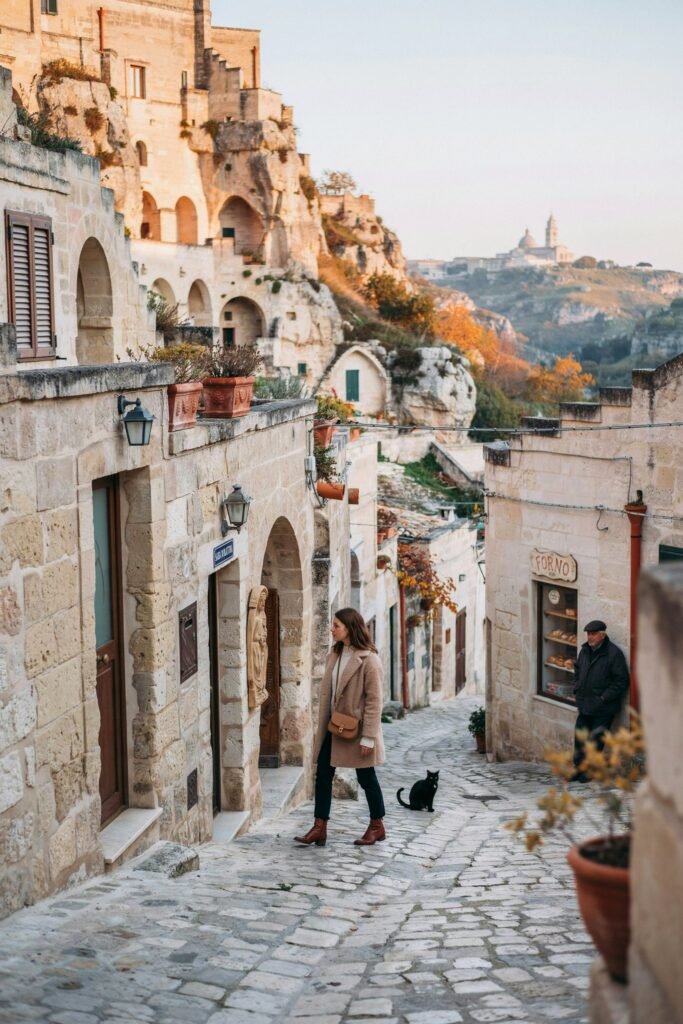
Matera is one of the most unusual destinations in Italy.
The city is famous for its ancient cave dwellings, known as the Sassi.
Walking through Matera almost feels like stepping into another time.
Why fall is ideal
Matera can become very warm during summer.
Fall brings more comfortable temperatures for walking through the old streets and exploring the historic areas.
What to do
Explore the Sassi districts, visit the rock churches, walk through the historic center, and find a viewpoint overlooking the ancient cave dwellings.
Stay overnight if you can.
Matera is particularly atmospheric in the evening when the lights begin illuminating the stone buildings.
15. Picos de Europa, Spain
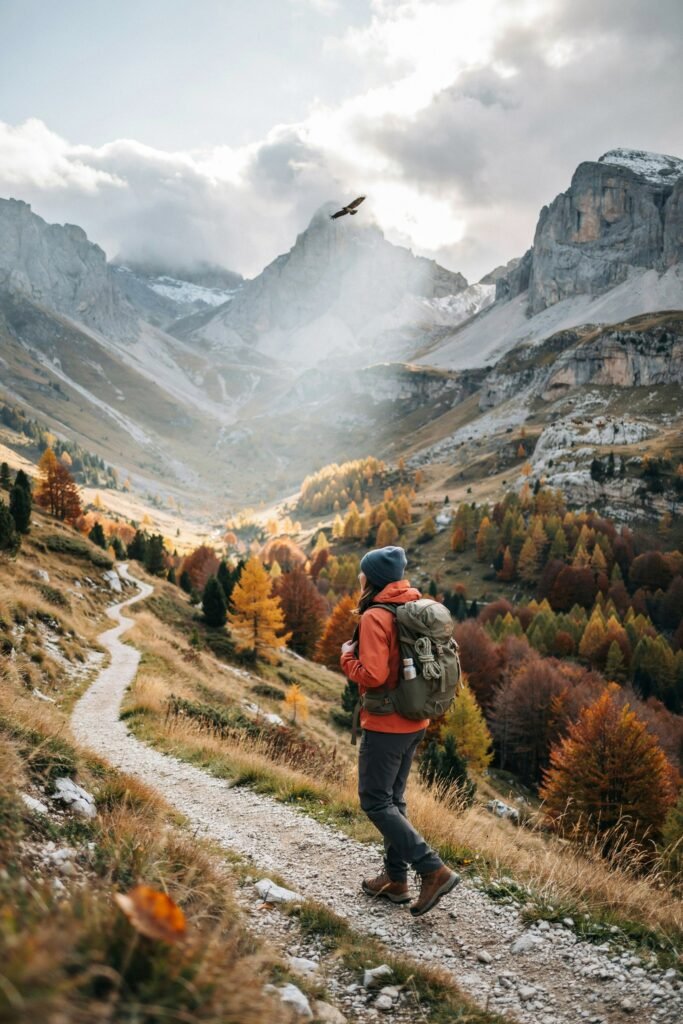
If you’re more interested in mountains than cities, don’t overlook northern Spain.
Picos de Europa is a spectacular mountain region with dramatic peaks, valleys, hiking trails, and small villages.
It is a completely different side of Spain from the Mediterranean coast.
What to do
Go hiking, explore mountain villages, enjoy scenic drives, and spend time photographing the landscapes.
Fall is particularly appealing because of the changing foliage.
Important planning tip
Mountain weather can change quickly.
Check local conditions before hiking, wear appropriate footwear, carry layers, and don’t choose a difficult trail simply because it looks beautiful online.
This is a destination where preparation makes a huge difference.
16. Český Krumlov, Czechia
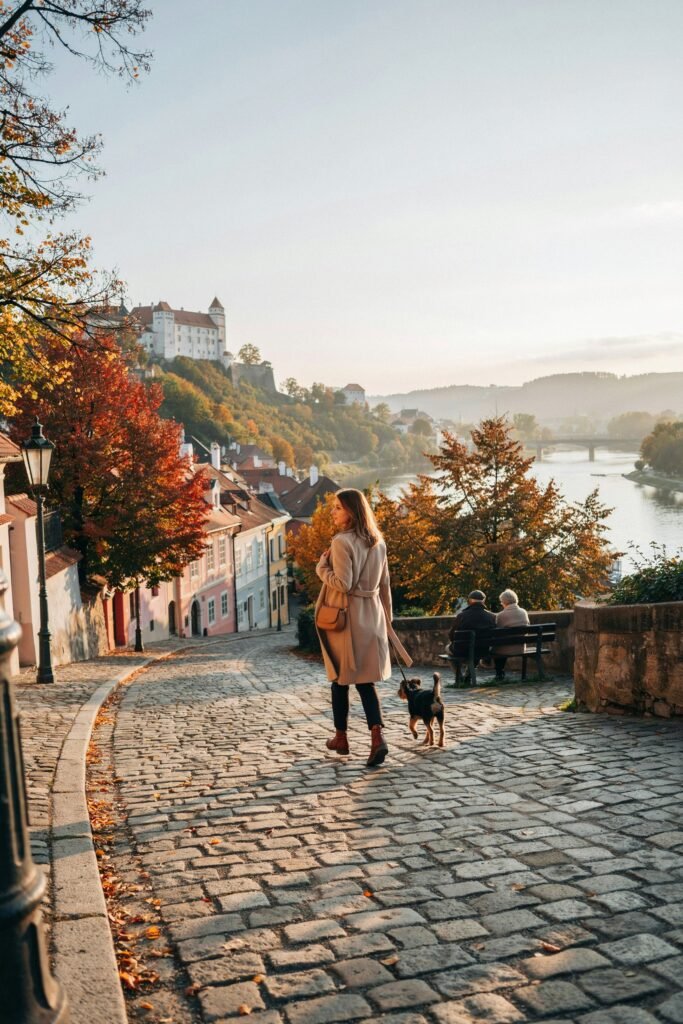
Prague is one of Europe’s most famous fall destinations, but if you want something smaller and more intimate, consider Český Krumlov.
The historic town is centered around a beautiful castle and winding medieval streets.
The Vltava River curves around the town, adding to its fairytale appearance.
What to do
Visit Český Krumlov Castle, walk through the historic center, explore the riverside, and climb to a viewpoint for photographs.
Fall gives the surrounding landscape warm colors and makes the town feel particularly cozy.
My tip
Consider staying overnight rather than visiting only as a day trip.
Once the day-trippers leave, the atmosphere can feel much quieter.
17. Umbria, Italy
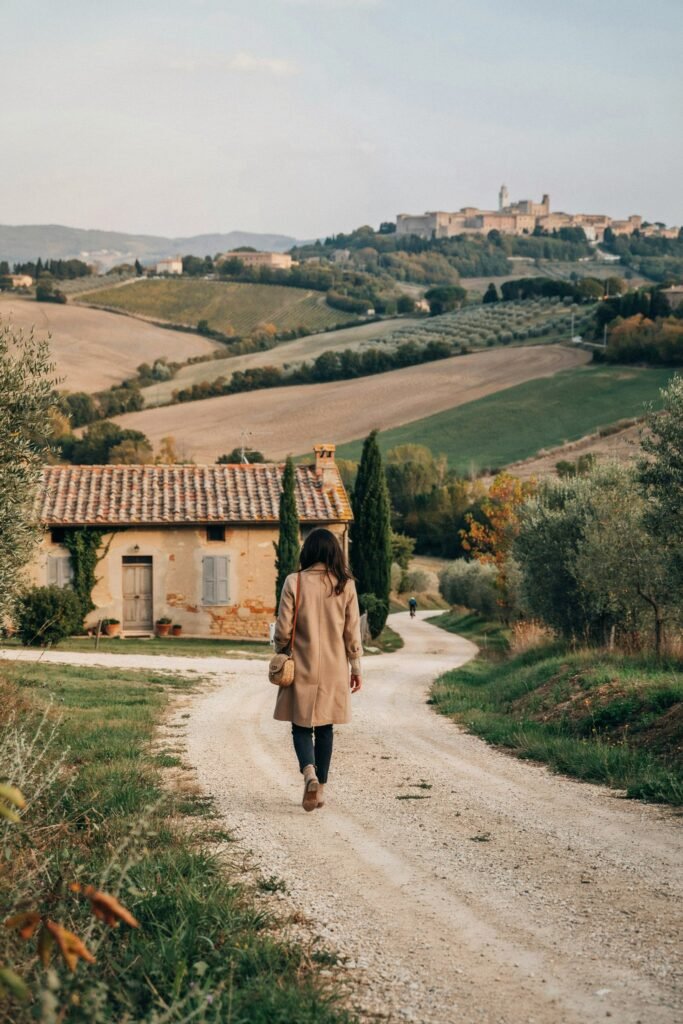
Tuscany gets much of the attention, but Umbria is exactly the type of destination I would recommend if you want a slower Italian experience.
Think medieval hill towns, vineyards, olive groves, countryside roads, local food, and beautiful autumn landscapes.
Fall is also harvest season, making this an especially interesting time to explore the region.
Current 2026 travel coverage is highlighting Umbria for its harvest festivals, medieval towns, and peaceful countryside experiences.
Places to explore
Consider towns such as:
- Perugia
- Assisi
- Spello
- Orvieto
- Todi
Why visit in fall?
The combination of food, wine-country scenery, historic towns, and cooler temperatures makes Umbria one of my favorite alternatives to a traditional Tuscany trip.
18. Santander, Spain
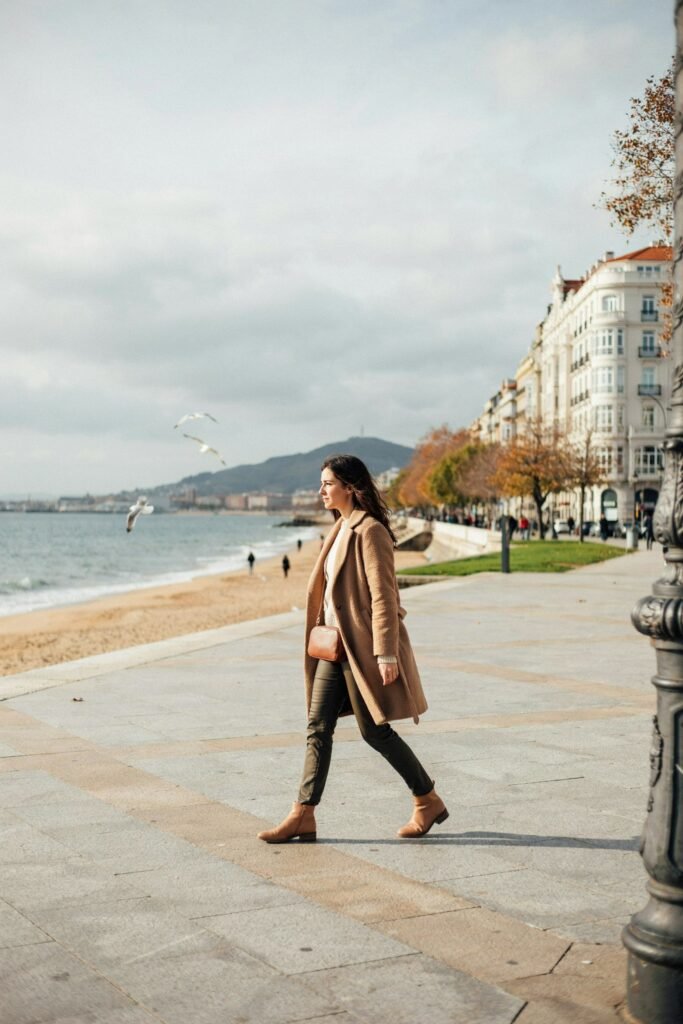
Northern Spain has some incredible coastal destinations that don’t always get the attention they deserve.
Santander is one of them.
This elegant seaside city combines beaches, parks, cultural attractions, and beautiful coastal scenery.
It is also developing into a stronger cultural destination, with recent coverage highlighting the newly opened Faro Santander and the city’s growing art scene.
What to do
Spend time at El Sardinero Beach, explore the Magdalena Peninsula, walk along the waterfront, and visit the city’s cultural attractions.
Fall can be a lovely time to experience Santander because you get the beauty of the coast without the intensity of peak summer.
19. La Garrotxa, Spain
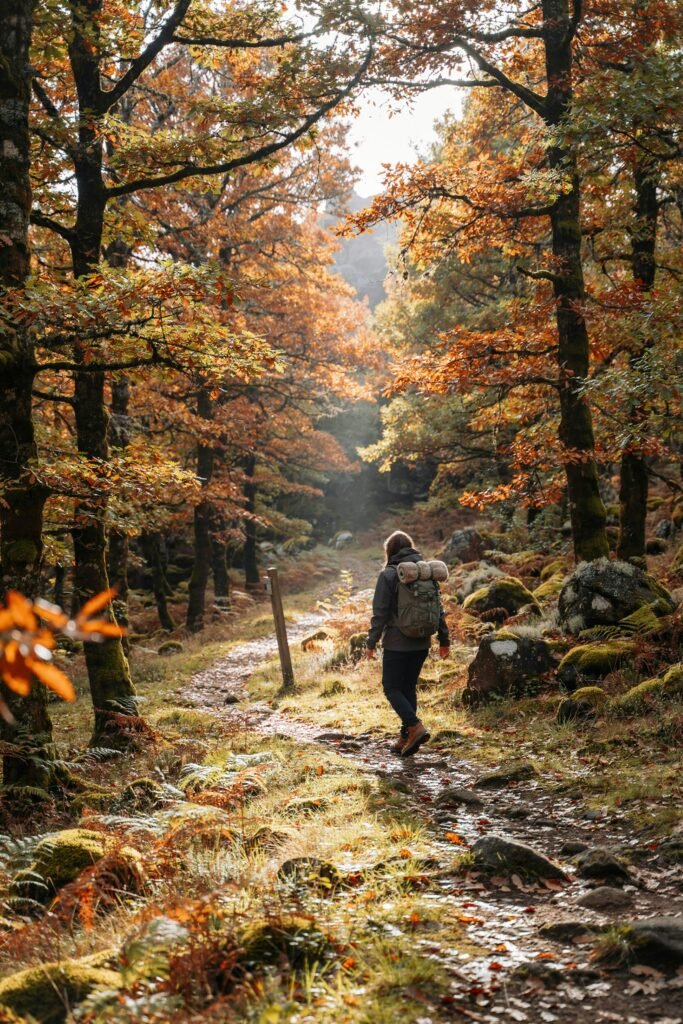
If you love nature and want somewhere genuinely different, look toward La Garrotxa in Catalonia.
This volcanic region is filled with forests, mountains, medieval villages, and hiking opportunities.
It is very different from the Barcelona experience.
Why visit in fall?
Autumn transforms the forests into a beautiful mix of gold, orange, brown, and green.
The area is especially appealing if you enjoy slow outdoor travel.
What to do
Explore the volcanic landscape, visit medieval villages such as Besalú, hike through forest trails, and enjoy local Catalan food.
This is one destination where having a few extra days can make the experience much better.
20. Parma, Italy — A Second Look at Italy’s Food Capital
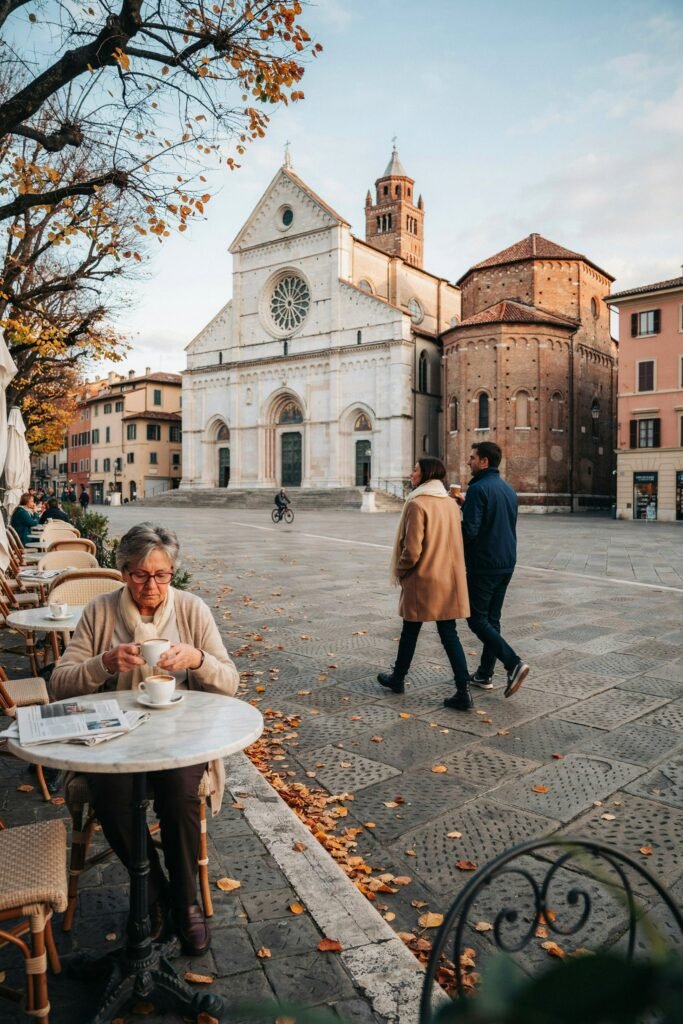
If you’re building a list of underrated European destinations, Parma deserves one final mention because it fits fall travel so well.
Its combination of food, culture, art, and manageable size makes it perfect for travelers who don’t want to spend their entire vacation rushing between famous attractions.
Recent travel coverage has specifically praised Parma as an under-the-radar alternative to Italy’s major tourist cities, highlighting its Renaissance art, museums, theater, and food culture.
If you’re already traveling through northern Italy, Parma can be an easy addition to a larger itinerary.
How to Choose the Right European Fall Destination
With 20 destinations on the list, choosing just one can be difficult.
I would start by thinking about the type of trip you actually want.
For beautiful fall colors
Choose:
- Brasov
- La Garrotxa
- Picos de Europa
- Ljubljana
- Annecy
- Turku
For food lovers
Choose:
- Parma
- San Sebastián
- Umbria
- Girona
For history and architecture
Choose:
- Matera
- Mostar
- Salamanca
- Český Krumlov
- Colmar
For coastal scenery
Choose:
- Piran
- Kotor
- Santander
- San Sebastián
For a romantic fall getaway
My picks would be:
- Annecy
- Colmar
- Piran
- Kotor
- Matera
For an outdoor adventure
Look at:
- Picos de Europa
- La Garrotxa
- Brasov
- Kotor
- Ljubljana
What to Pack for Europe in Fall
Packing for European fall can be a little tricky because temperatures can change throughout the day.
Instead of packing one heavy outfit, I prefer building outfits with layers.
My fall Europe packing essentials include:
- Lightweight waterproof jacket
- Comfortable walking shoes
- Sweater or cardigan
- Long-sleeve tops
- Comfortable trousers
- Jeans
- Lightweight scarf
- Compact umbrella
- Crossbody bag
- Portable power bank
- Reusable water bottle
- Small travel umbrella
- Sunglasses
- Travel-size toiletries
- Packing cubes
If you’re visiting northern Europe or mountainous destinations, add warmer layers.
For southern Europe, you may still want some lighter clothing, particularly if you’re traveling in September or early October.
The key is flexibility.
Tips for Planning an Underrated Europe Trip This Fall
1. Don’t assume underrated means empty
Some destinations have become more popular because travelers are actively looking for alternatives to overcrowded cities.
That doesn’t mean you should expect to have the entire town to yourself.
Instead, think of these destinations as places where the experience may feel more relaxed than Europe’s biggest tourist hotspots.
2. Check seasonal opening hours
One thing I always recommend checking before a fall trip is attraction opening times.
Some smaller museums, restaurants, tours, and seasonal attractions may reduce their hours after summer.
3. Book accommodation early
Shoulder season can offer better value, but popular weekends, festivals, and events can still fill hotels quickly.
4. Leave room for spontaneous exploring
This is especially important in smaller European cities.
Don’t schedule every hour.
Give yourself time to wander through a neighborhood, stop at a bakery, sit in a park, or find a little café you weren’t expecting.
Those moments often become the best memories.
5. Pack for changing weather
Fall isn’t automatically cold everywhere.
You could experience warm afternoons and chilly mornings on the same day.
Layers will give you much more flexibility.
6. Consider traveling by train
Several destinations on this list work well as part of a multi-city trip.
For example, you could create an itinerary around northern Italy, combine Slovenia with nearby Croatia or Austria, or explore northern Spain by train and car.
Just make sure to check current schedules before traveling.
7. Travel during the week when possible
If your schedule is flexible, visiting popular destinations during weekdays can make a noticeable difference.
Weekends can still bring visitors even after summer has ended.
A Few European Fall Itinerary Ideas
If you don’t want to visit just one destination, you can build a trip around a few of these underrated places.
Northern Italy Food & Culture Trip
Milan → Parma → Bologna → Matera
This would be a wonderful choice for travelers who love food, architecture, history, and Italian culture.
Slovenia & Montenegro Adventure
Ljubljana → Piran → Kotor
This route combines city sightseeing, the Adriatic coast, mountains, and historic towns.
Northern Spain Escape
Girona → La Garrotxa → San Sebastián → Santander
This would be an amazing option for food lovers and travelers who want to experience a less-obvious side of Spain.
Fall in Central Europe
Prague → Český Krumlov → Bratislava → Ljubljana
This itinerary combines beautiful historic cities with smaller towns and plenty of autumn scenery.
Is Europe Worth Visiting in the Fall?
Absolutely.
If anything, I think fall makes it easier to appreciate Europe.
You can slow down.
You can spend longer at a café.
You can walk through historic neighborhoods without feeling like you have to escape the midday heat.
You can see mountains covered in autumn colors, enjoy seasonal food, and experience cities at a different pace.
And perhaps most importantly, you don’t have to follow the exact itinerary everyone else is following.
Europe is much bigger than its most famous destinations.
Some of my favorite travel experiences come from choosing the smaller city, the quieter neighborhood, or the destination I hadn’t originally heard much about.
Final Thoughts
If you’re planning a European vacation this fall, I would encourage you to look beyond the usual bucket-list destinations.
Places like Ljubljana, Parma, Matera, Girona, Brasov, Piran, Umbria, and La Garrotxa offer something that can be difficult to find in Europe’s busiest destinations: space to slow down and actually enjoy where you are.
Fall is also a particularly beautiful season for this kind of travel. The weather is often more comfortable, landscapes begin changing color, seasonal food arrives, and many destinations feel calmer after the summer rush.
You don’t need to visit the most famous European city to have an unforgettable trip.
Sometimes the best memories are waiting somewhere a little less obvious.
And if I were planning my own fall trip this year, I would be very tempted to choose Umbria, Ljubljana, San Sebastián, or Matera.