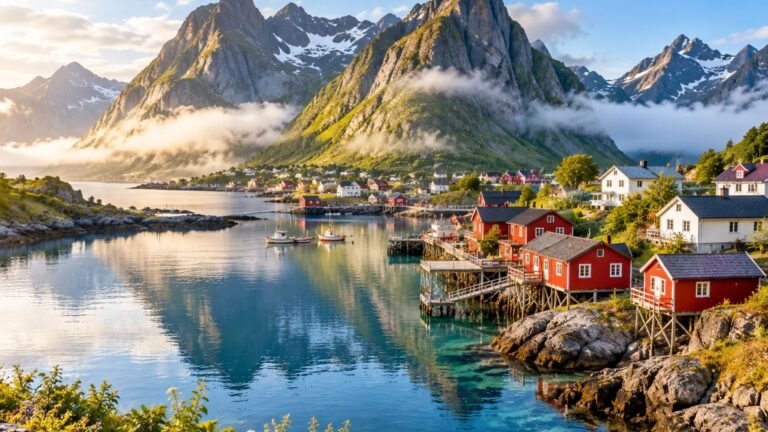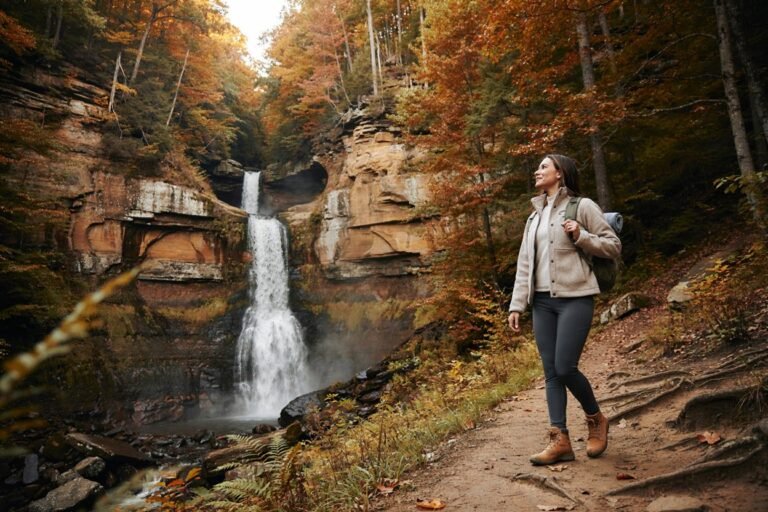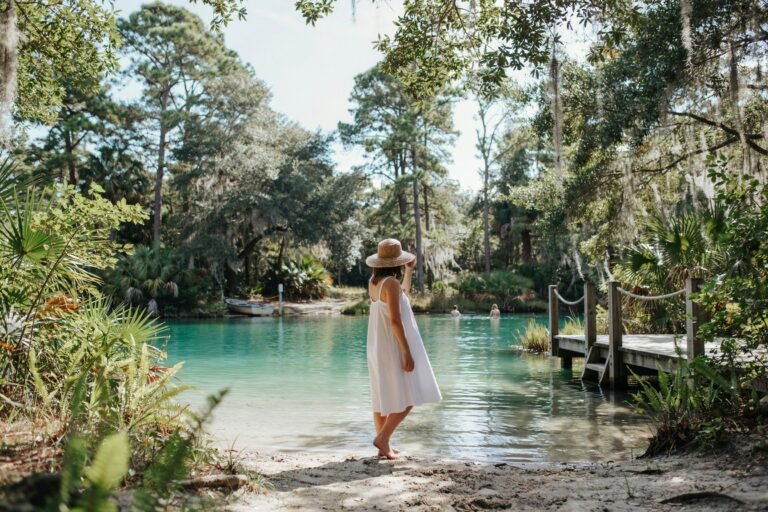
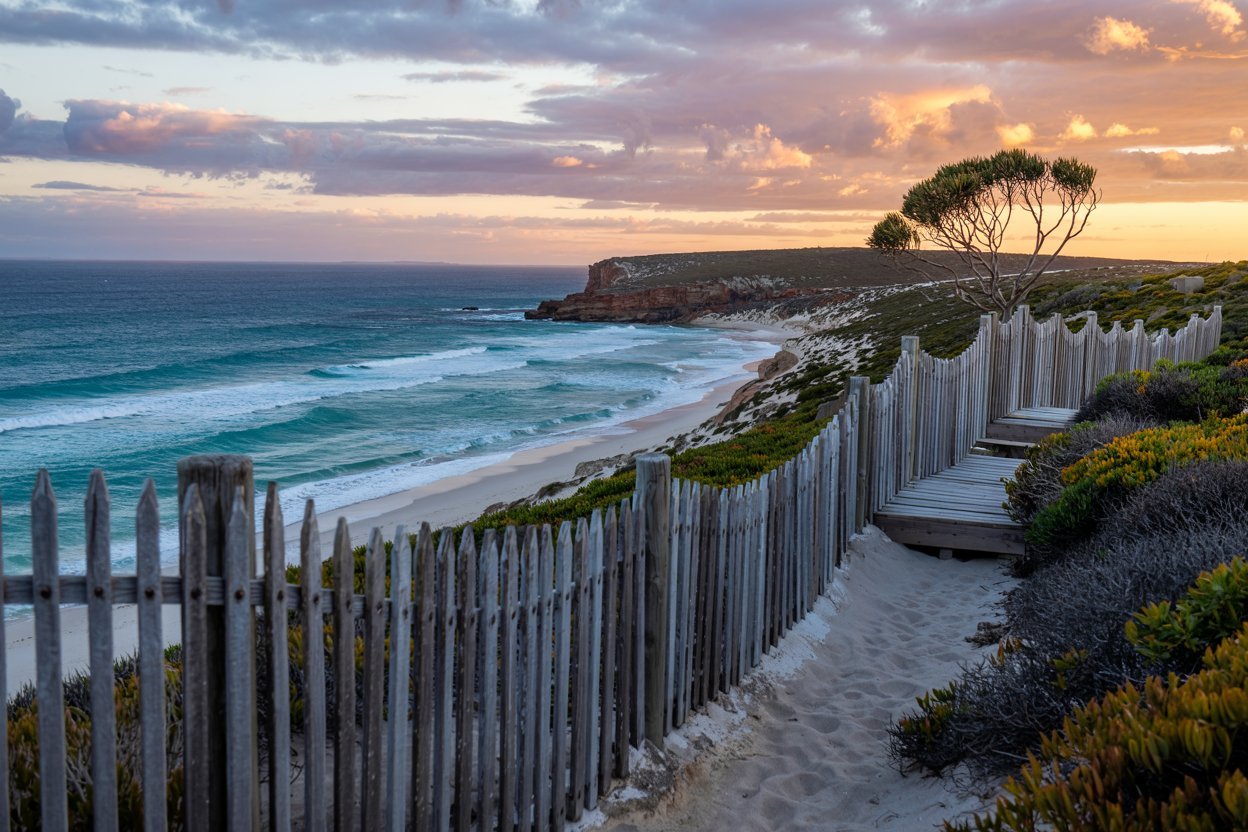

When I first set foot on Kangaroo Island, I remember feeling like I had stumbled into one of those landscapes that only exist in travel magazines where the beaches seem painted by hand, the wind carries the scent of eucalyptus, and kangaroos hop lazily across open fields.
My husband and I had planned it as a quiet getaway, but nothing quite prepared me for just how raw and beautiful this island would be.
We arrived after a few busy days in Adelaide, hoping for a slower pace. And that’s exactly what Kangaroo Island delivered a wild sanctuary where time stretches, sunsets linger, and every turn reveals something untouched.

YETI Roadie 24 Cooler
1. Getting There: How to Reach Kangaroo Island
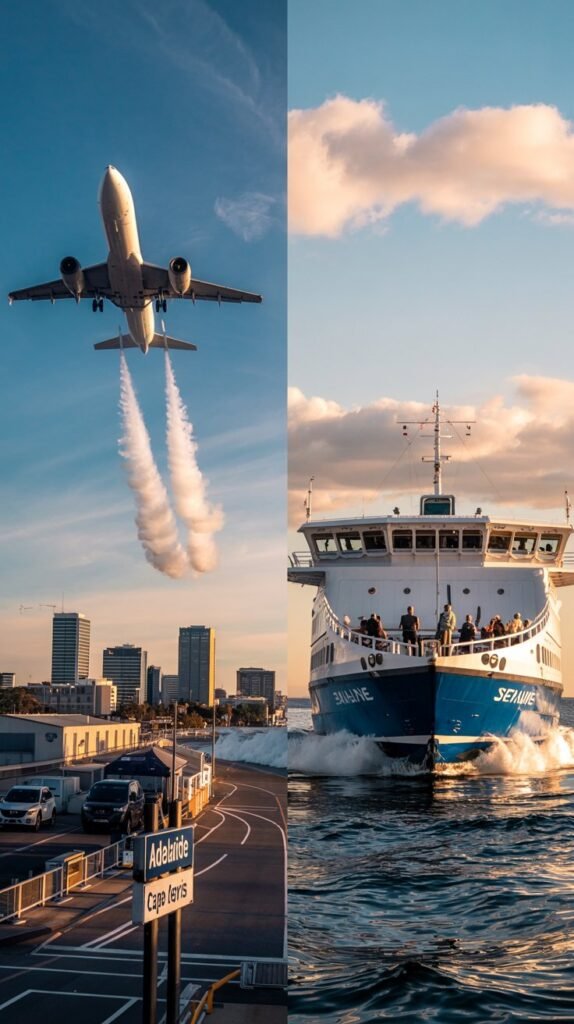
Kangaroo Island lies just 13 kilometers (8 miles) off the coast of South Australia.
1 By Air
- Rex Airlines and QantasLink offer flights from Adelaide to Kingscote Airport (around 30 minutes).
- It’s the quickest and most convenient option, especially if you’re short on time.
2 By Ferry
- The SeaLink ferry runs between Cape Jervis on the mainland and Penneshaw on the island.
- It’s a scenic 45-minute ride and allows you to bring your own car, which is a huge plus for exploring the island independently.
Pro Tip: Book your ferry and car hire well in advance, especially in peak months (December to March).
| Product | Buy |
|---|---|
 Compact Snorkel or Swim Kits |
Get on Amazon |
 Drones |
Get on Amazon |
 Mirrorless or Action Cameras |
Get on Amazon |
 Portable Binoculars |
Get on Amazon |
 All-Terrain Backpacks |
Get on Amazon |
2. Best Time to Visit Kangaroo Island
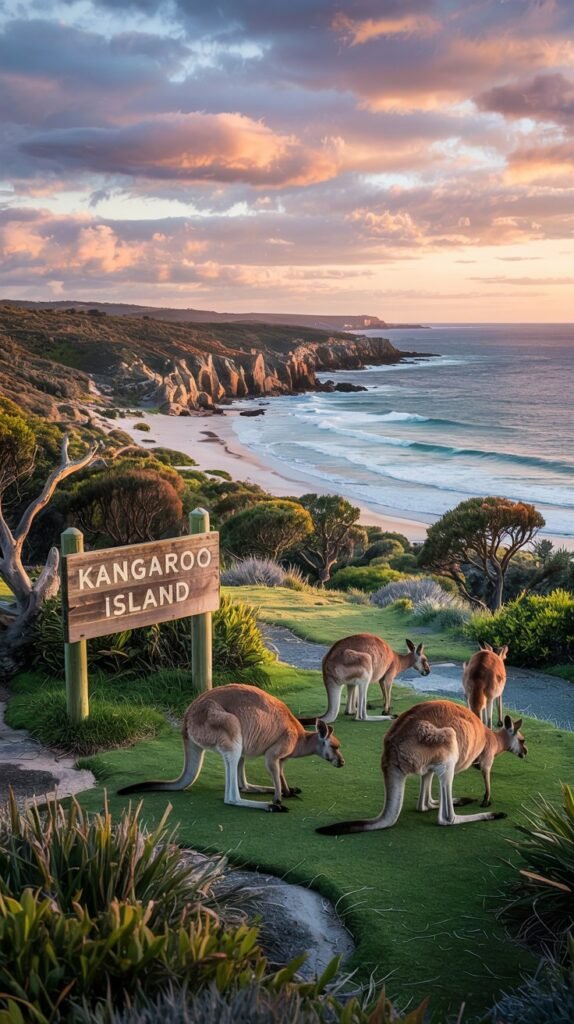
Here’s what I wish someone had told me: every season feels different on Kangaroo Island.
- Summer (December–February): Long days, warm beaches, and incredible wildlife. It’s also peak season, so book early.
- Autumn (March–May): My personal favorite — mild weather, fewer crowds, and golden light for photography.
- Winter (June–August): Rugged and romantic. Perfect for cozying up in a cabin while waves crash outside.
- Spring (September–November): Wildflowers everywhere and baby animals galore.
No matter when you come, pack layers the island’s microclimates can swing from sunny beaches to cool coastal breezes in a single afternoon.
3. Getting Around: Do You Need a Car?
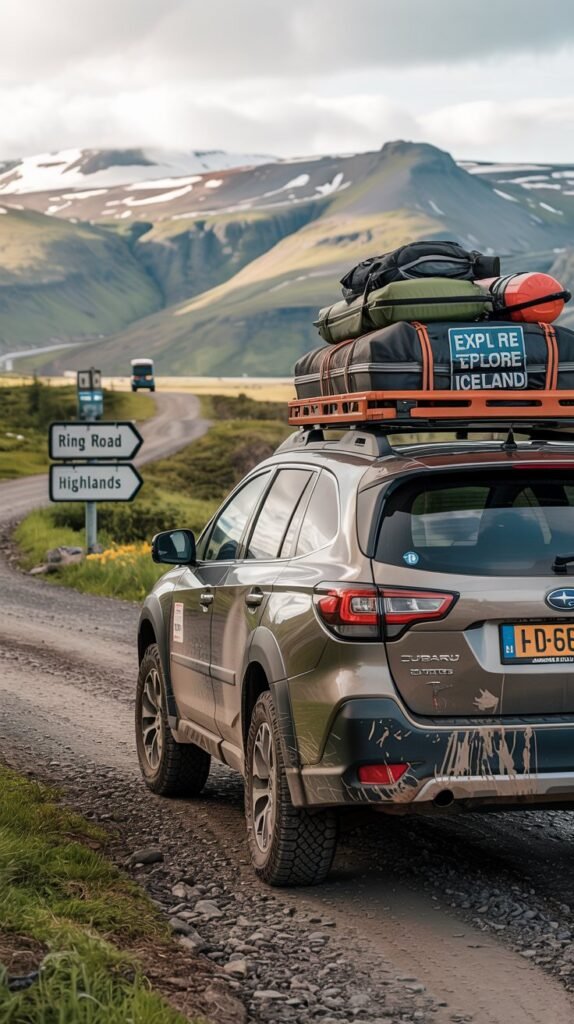
Before my first trip to Kangaroo Island, I thought I could rely on local tours and taxis to get around big mistake. The island is much larger than most people expect (it’s Australia’s third-largest), and the attractions are beautifully scattered across wild coastlines, dense forests, and sleepy villages. If you want true freedom to explore at your own pace, you’ll absolutely need a car.
When I landed at Kingscote Airport, I quickly realized there were no Ubers, no buses waiting at the curb, and just a couple of taxis serving the entire area.
The few tour buses that operate focus mainly on major spots like Seal Bay and Flinders Chase National Park, which means you’ll miss out on hidden gems like the secluded beaches near Stokes Bay or the family-owned wineries tucked away in the countryside.
If you’re traveling from Adelaide, you have two main options:
- Take your own vehicle on the SeaLink ferry from Cape Jervis to Penneshaw (the most flexible choice).
- Fly into Kingscote and rent a car on arrival from companies like Hertz or Budget. Just make sure to reserve your vehicle in advance car availability can be limited, especially during summer and school holidays.
I recommend choosing a reliable SUV or 4WD, particularly if you plan to drive to remote areas or unsealed roads in Flinders Chase and Vivonne Bay. The roads are mostly well-maintained, but some of the best spots (like Little Sahara or Snake Lagoon) require light off-road driving.
Driving on Kangaroo Island is also part of the adventure. You’ll often have the road to yourself, surrounded by wild bushland and open fields filled with kangaroos and wallabies. Just be cautious at dawn and dusk wildlife tends to wander onto the roads during these times.
Pro Tip: Before heading out each day, check your fuel level and refill when possible gas stations are limited, with the main ones located in Kingscote, Penneshaw, and Parndana. Also, download an offline map since reception can drop in some remote areas.
4. Must-See Natural Attractions
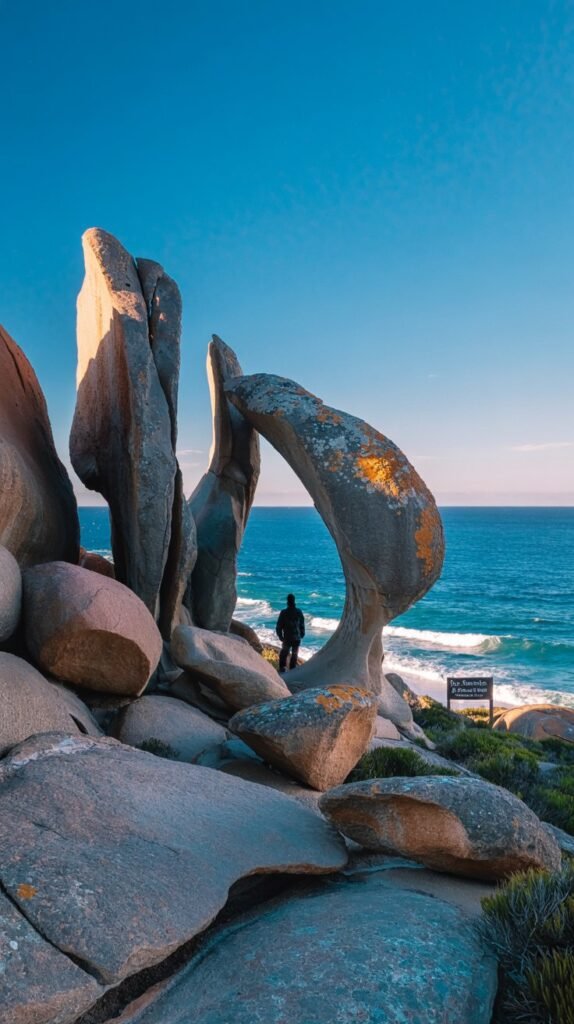
1 Flinders Chase National Park
Driving into Flinders Chase National Park feels like stepping into another world. After bushfires ravaged the area a few years ago, nature has bounced back stronger than ever with new green shoots bursting through blackened earth.
The park’s crown jewels are Remarkable Rocks and Admiral’s Arch.
- Remarkable Rocks truly live up to their name — enormous granite boulders sculpted by wind and rain over millions of years. The shapes look like something from a Salvador Dalí painting. We climbed gently over them, marveling at the orange lichen glowing against the deep blue sea.
- A few minutes away, Admiral’s Arch offers an entirely different drama a natural archway carved by waves, where fur seals play in the surf below.
The best time to visit both is either early morning or golden hour. That soft light makes the rocks shimmer and the ocean glisten.
2 Seal Bay Conservation Park
Seal Bay was one of those rare experiences that made me feel both humbled and giddy. We joined a guided tour that took us right onto the beach, where dozens of Australian sea lions lounged in the sand.
They were massive but graceful, basking in the morning sun and occasionally flipping a fin at us like lazy royalty.
Our guide explained how this colony has lived here for thousands of years, coming ashore after deep dives that can last up to 10 minutes.
Standing just a few meters away, hearing them bark and roll, I realized how fragile and special these ecosystems are.
Travel Tip: Bring a good zoom lens — you’ll get incredible photos without needing to get too close.
3 Vivonne Bay
If you ever imagined what paradise might look like, Vivonne Bay is it. Powdery white sand, crystal-clear water, and not a single building in sight. When we arrived, it felt like we had the entire beach to ourselves.
We spread a picnic blanket, unpacked fresh bread and local cheese from Island Beehive, and just sat listening to the waves. It was the kind of quiet that fills you up.
Tip: The water is chilly but irresistible. Go for a dip — even just wading along the shallows feels like therapy.
4 Little Sahara
If you’ve ever wanted to feel like a kid again, Little Sahara is where that magic happens. Imagine standing on top of vast, undulating dunes of golden sand that stretch as far as you can see the ocean shimmering faintly in the distance.
When my husband and I first arrived, I honestly thought we’d stumbled into a mini desert by mistake. But no this is one of Kangaroo Island’s most unique natural attractions, and it’s an absolute must-do whether you’re an adrenaline junkie or just want a bit of fun between beach days.
- A natural inland desert with towering sand dunes.
- Rent a sandboard or toboggan and surf the dunes for fun and thrills.
5 Stokes Bay
Now, this one feels like a secret Stokes Bay looks like an ordinary rocky shore until you notice a small sign pointing toward a “secret beach.” To get there, you crawl (literally!) through a narrow tunnel of rocks.
Then suddenly, it opens up to a stunning lagoon protected by boulders, with calm turquoise water perfect for swimming. We spent an entire afternoon there, reading, napping, and just soaking in the peace.
It’s raw, simple, and unforgettable like nature’s version of a private spa.
5. Wildlife Encounters
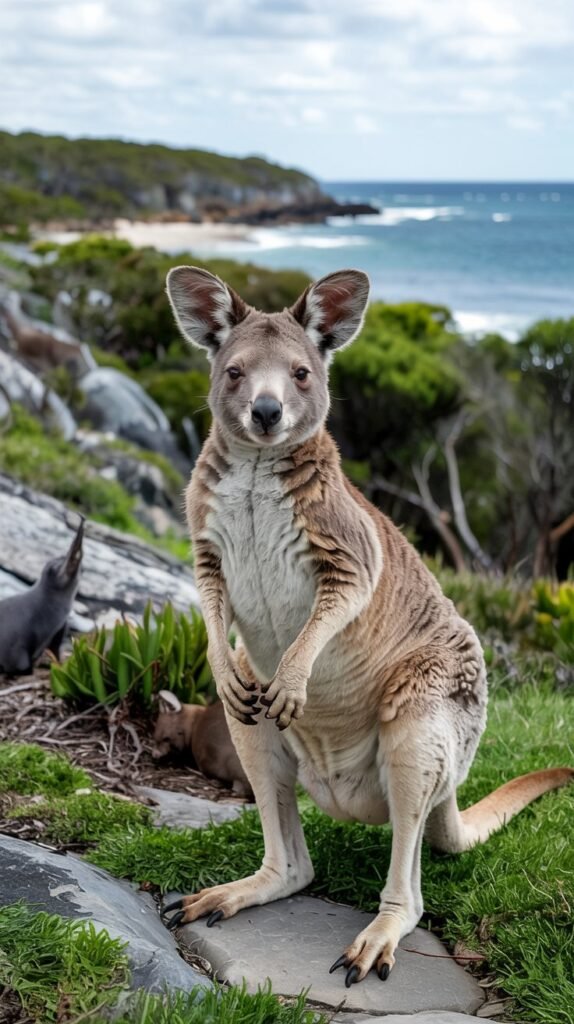
Kangaroo Island is a sanctuary for animals—often dubbed Australia’s Galápagos.
- Kangaroos – Smaller and gentler KI subspecies.
- Koalas – Spot them in eucalyptus trees, especially around Hanson Bay.
- Echidnas, wallabies, and goannas – Common along bush trails.
- Platypus – Rare, but can be seen in special locations like Flinders Chase.
- Marine life – Seals, dolphins, and whales (in winter).
- Birds – Over 260 species, including rare black cockatoos.
6. Food & Drink Scene: Local & Legendary
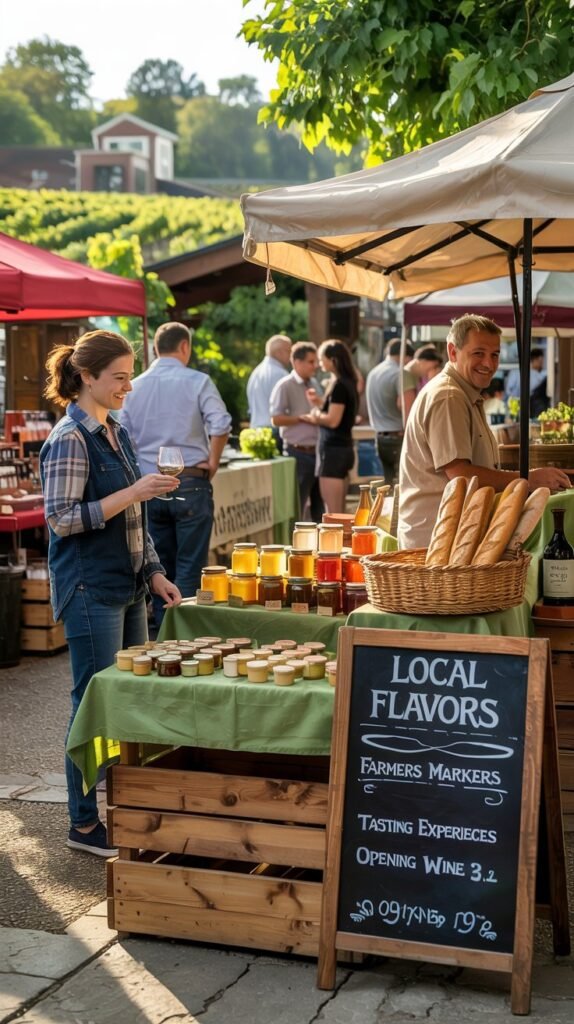
Kangaroo Island is proudly local. Almost everything you eat or drink here has been grown, caught, or made on the island.
1 Kangaroo Island Spirits
- Australia’s first dedicated gin distillery—don’t miss their award-winning Wild Gin.
2 Bay of Shoals Wines
- Gorgeous views paired with crisp local whites.
3 Clifford’s Honey Farm
- Taste honey ice cream from rare Ligurian bees.
4 Island Beehive
- Organic honey tastings and tours.
5 The Oyster Farm Shop
- Fresh oysters and seafood plates in American River.
6 Emu Bay Lavender Farm
- Beautiful café and lavender-scented treats.
7. Where to Stay: Accommodation Tips
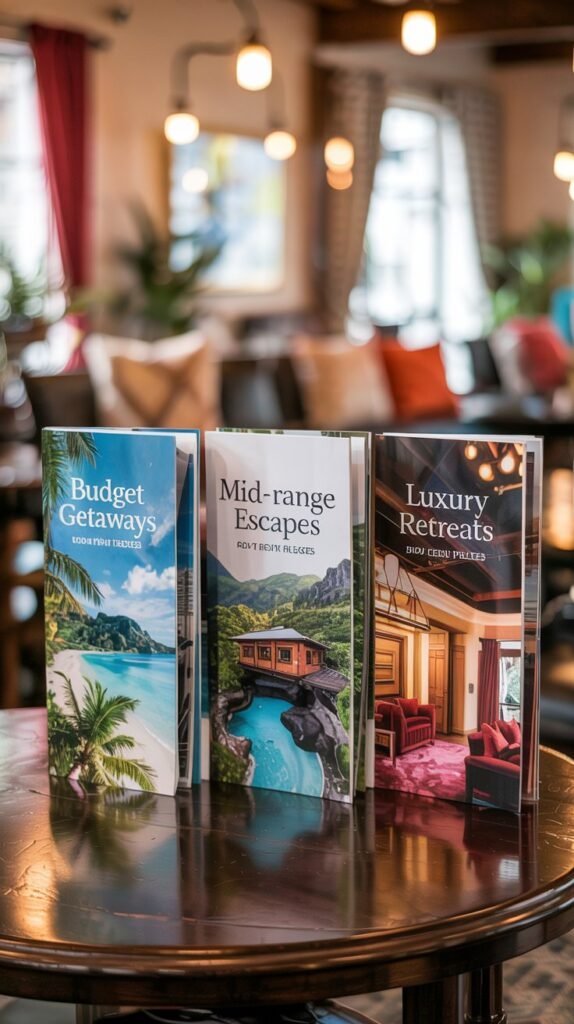
1 Budget Stays
- Kangaroo Island Seafront (Penneshaw)
- Western KI Caravan Park – Affordable and scenic
2 Mid-Range
- Aurora Ozone Hotel (Kingscote)
- Mercure KI Lodge
3 Luxury
- Ecopia Retreat – Eco-luxury villas in nature
- One Kangaroo Island – Premium, all-inclusive beachfront retreat
8. Hidden Gems & Offbeat Adventures
1 Emu Bay Beach
- One of the few beaches in Australia where you can drive your car onto the sand.
2 Western River Cove
- Remote, untouched beach ideal for 4WD adventurers.
3 Snelling Beach & Stokes Bay
- Gorgeous, lesser-known north coast beaches.
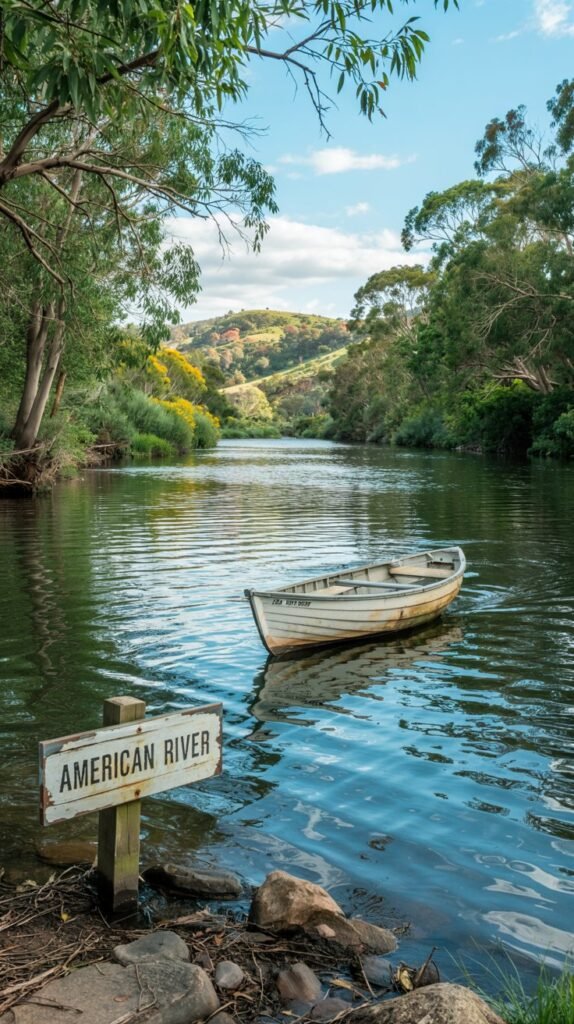
4 American River
- A serene fishing village with pelican viewing.
5 Kelly Hill Caves
- Underground tours through limestone caves (check reopening status).
9. Fire Recovery & Eco-Tourism
The 2019–2020 bushfires devastated nearly half the island, but regrowth is thriving and tourism plays a key role in recovery.
- Support local businesses and eco-certified operators.
- Visit recovering parks with respect and awe.
- Witness the contrast of regrowth and resilience—it’s humbling and inspiring.
What to Pack
- Hat, sunscreen, and sunglasses
- Swimwear, towel, and sandals
- Layers for changing temperatures
- Hiking boots or sturdy walking shoes
- Refillable water bottle
- Snacks and extra fuel in remote areas
- Camera and binoculars for wildlife
Insider Tips
- Groceries: Stock up in Kingscote or Penneshaw.
- Booking: Reserve accommodation and tours in advance.
- Driving: Be cautious of wildlife at dawn and dusk.
- Connectivity: Telstra has the best coverage, but expect patchy service.
- Respect: Drive slowly, pack out what you bring in, and follow trail signage.
Final Thoughts
Kangaroo Island is more than just a getaway—it’s an immersive escape into the wild heart of Australia.
Whether you’re chasing sunsets at Vivonne Bay, tasting honey from ancient bees, or watching kangaroos bounce past your window at sunrise, this island has a way of staying with you long after you’ve left.
Come for the landscapes. Stay for the soul.