
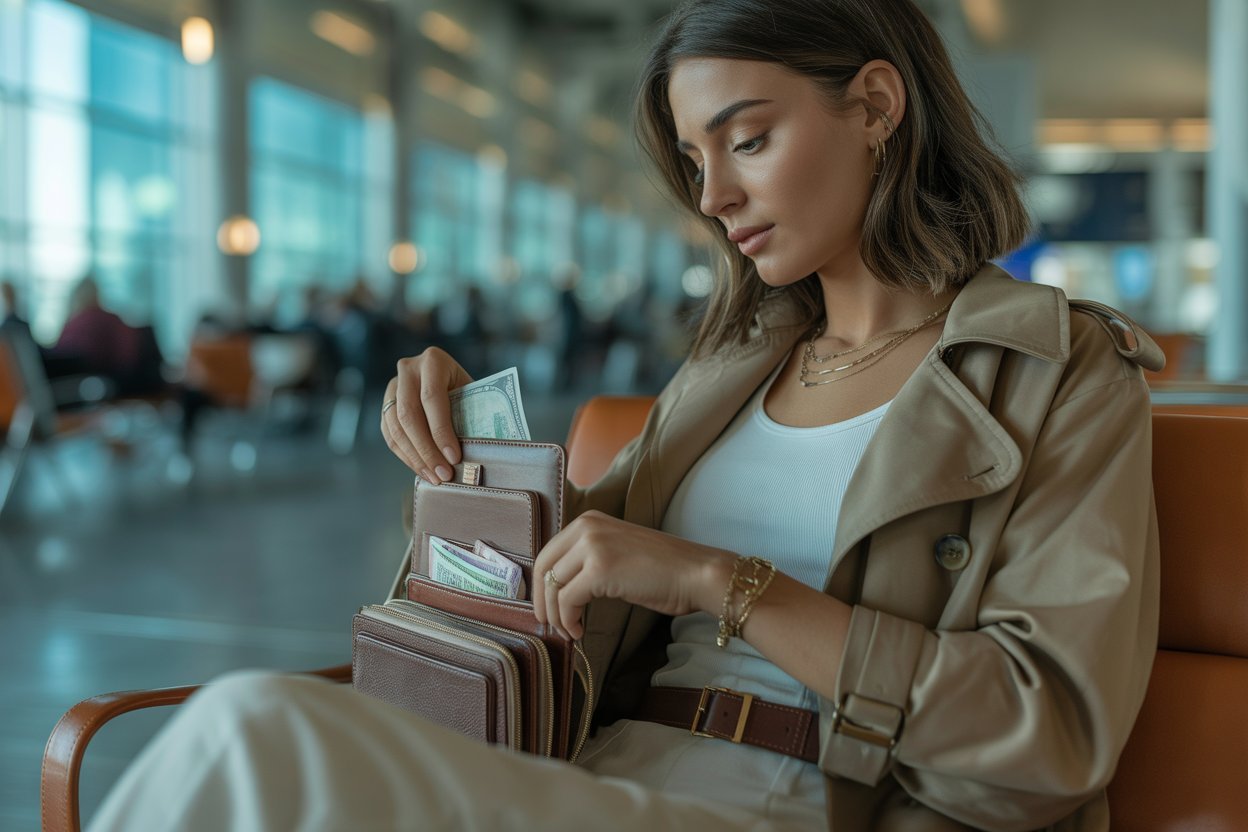

The first time I traveled with a significant amount of cash, I made one big mistake I treated money like a single item instead of a system. I kept everything in one wallet, tucked safely (or so I thought) in my bag.
Every time I reached a crowded area, my heart rate increased. Every time someone brushed past me, I instinctively checked my pocket. By the end of that trip, I was mentally exhausted not because of the journey itself, but because I never felt fully in control.
That experience forced me to rethink everything. Since then, I’ve traveled smarter, more confidently, and with far less stress. Not because I carry less money but because I manage it better.
If you’re planning a trip and wondering how to protect your cash without turning your travel experience into a constant security drill, this guide will walk you through everything you need to know step by step, in a way that’s practical, realistic, and easy to follow.
Understanding the Real Risk of Carrying Money While Travellin
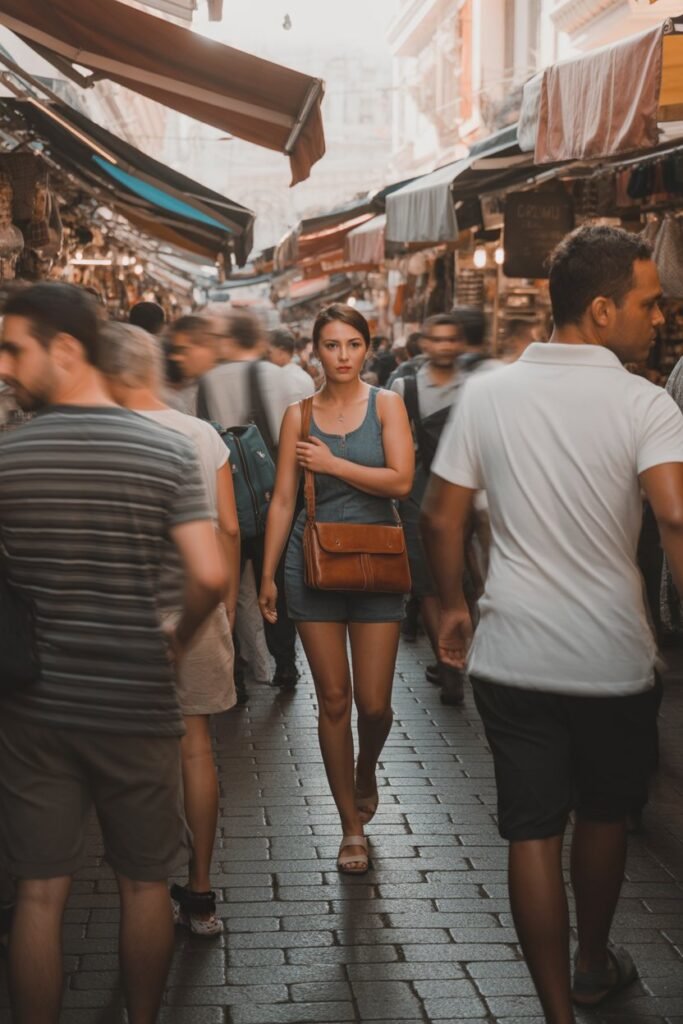
Before we talk about hiding money, it’s important to understand what you’re actually protecting yourself from.
Most theft during travel isn’t dramatic. It’s not usually armed robbery or obvious crime. Instead, it’s:
- Pickpocketing in crowded places
- Distraction techniques (someone bumps you, another takes your wallet)
- Carelessness (forgetting your wallet somewhere)
- Opportunistic theft (bags left unattended)
What makes travelers vulnerable is not just the money it’s the situation:
- You’re in unfamiliar territory
- You’re often distracted (maps, phone, directions)
- You may stand out as a visitor
- You’re carrying everything you need in one place
The goal is not to eliminate risk completely—that’s impossible. The goal is to reduce your exposure and minimize damage if something goes wrong.
The Core Principle: Turn Your Money Into a System
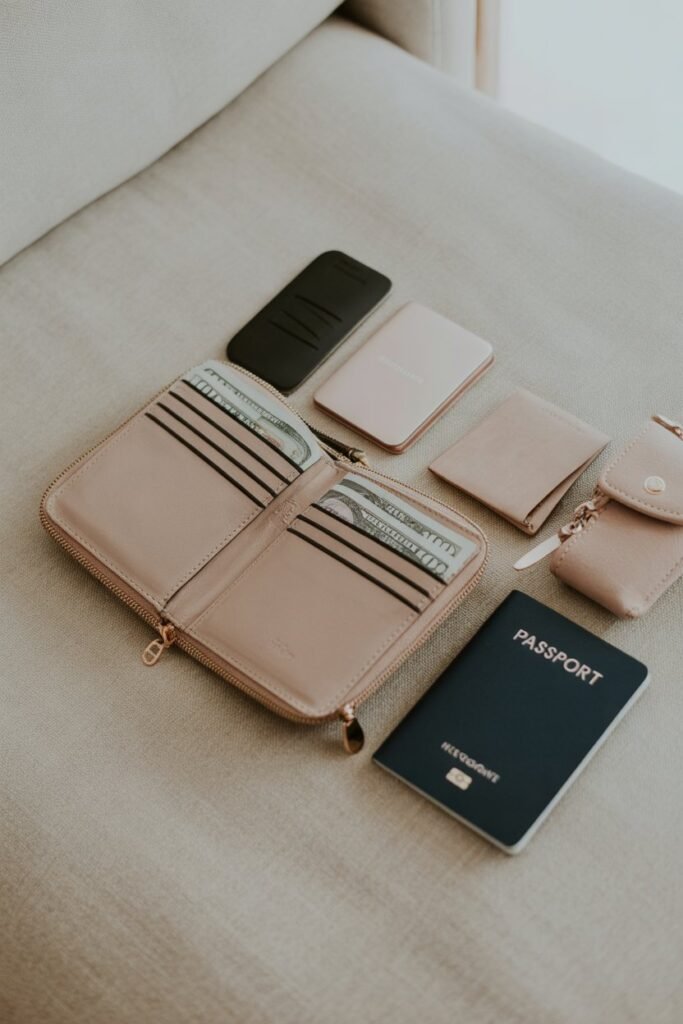
Instead of asking “Where should I hide my money?”, ask:
“How can I design a system where losing one part doesn’t ruin everything?”
This shift in thinking is powerful.
A well-designed money system includes:
- Primary spending money
- Secondary hidden funds
- Emergency backup
- Digital alternatives
When you think in layers instead of locations, you automatically become more secure.
Step 1: Never Keep All Your Money in One Place
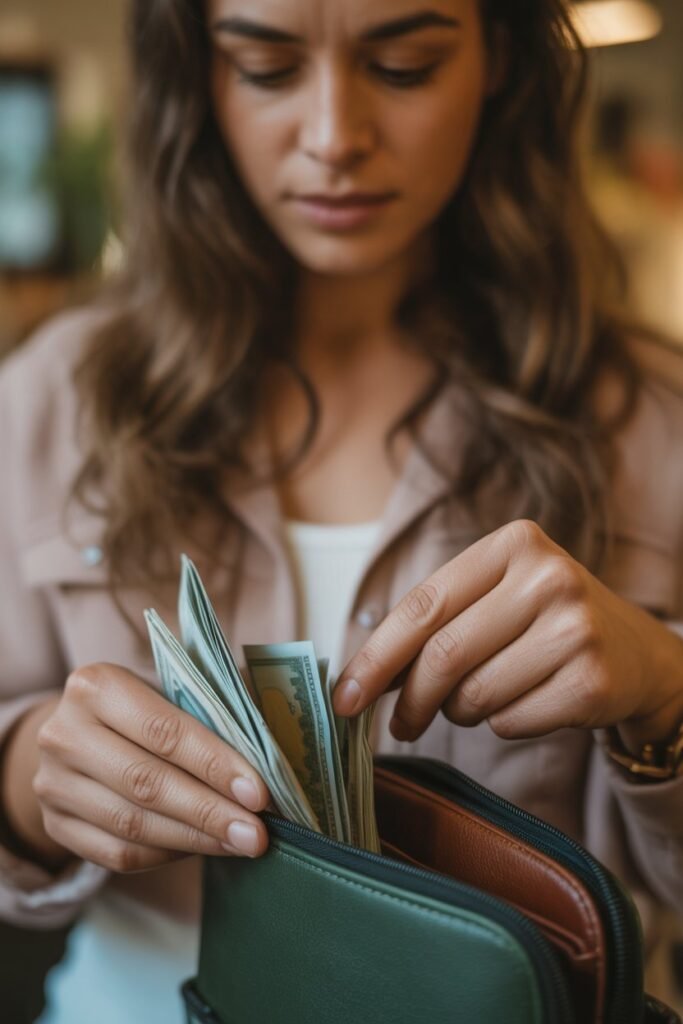
This cannot be overstated.
Keeping all your money in one place is the biggest mistake travelers make. If that one place is compromised, your trip becomes a crisis.
A practical distribution strategy:
- Daily wallet (40–50%) → What you’ll actually spend
- Hidden stash (30–40%) → Backup funds
- Emergency reserve (10–20%) → Worst-case scenario
Why this works:
Even if your wallet is lost or stolen, your trip continues.
Step 2: Create a “Decoy Wallet” Strategy
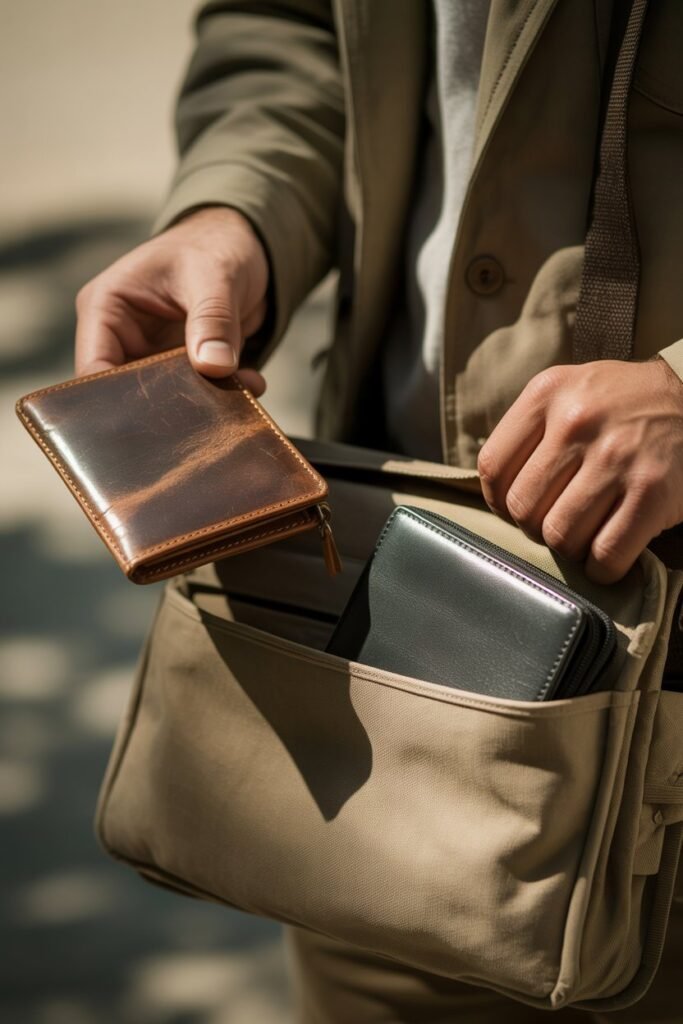
This is one of the most effective and underrated techniques.
A decoy wallet is exactly what it sounds like—a wallet designed to be sacrificed if necessary.
What to include:
- Small amount of cash
- Old or expired cards
- Receipts or paper to make it look realistic
What NOT to include:
- Your main funds
- Important documents
How to use it:
Carry this wallet in an accessible place (like your pocket). Meanwhile, your real money is stored elsewhere.
Why it works:
In a worst-case situation, you can hand over the decoy without losing everything.
Step 3: Use Hidden Storage (Money Belts, Neck Wallets, and More)

Hidden storage is your second layer of defense.
Money Belts
Worn under your clothes, around your waist.
Best for:
- Large amounts of cash
- Long travel days
- High-risk areas
Pros:
- Invisible to others
- Difficult to access without you noticing
Cons:
- Slightly uncomfortable
- Not ideal for frequent access
Neck Wallets
Worn under your shirt, hanging from your neck.
Benefits:
- Easier to access than a money belt
- Still hidden from view
Tip:
Always keep it under your clothing—not visible.
Hidden Clothing Pockets
Some travel clothes come with built-in hidden pockets.
Advantages:
- Natural and comfortable
- Hard for others to detect
Step 4: Use Everyday Items to Hide Money (Hide in Plain Sight)
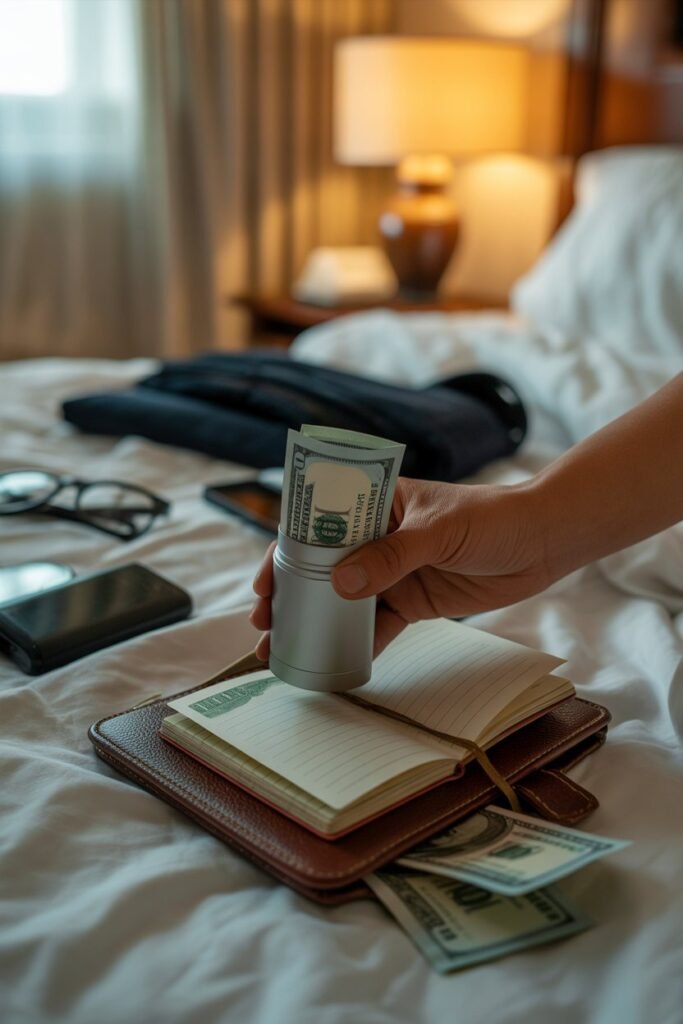
Sometimes the best hiding spot is something completely ordinary.
Smart hiding ideas:
- Inside a deodorant container
- Inside an empty toothpaste box
- Folded into a notebook
- Inside a sunglasses case
Why this works:
Thieves look for obvious valuables not random objects.
Important:
Don’t overcomplicate it. The goal is subtlety, not creativity for its own sake.
Step 5: Divide Money Across Multiple Bags
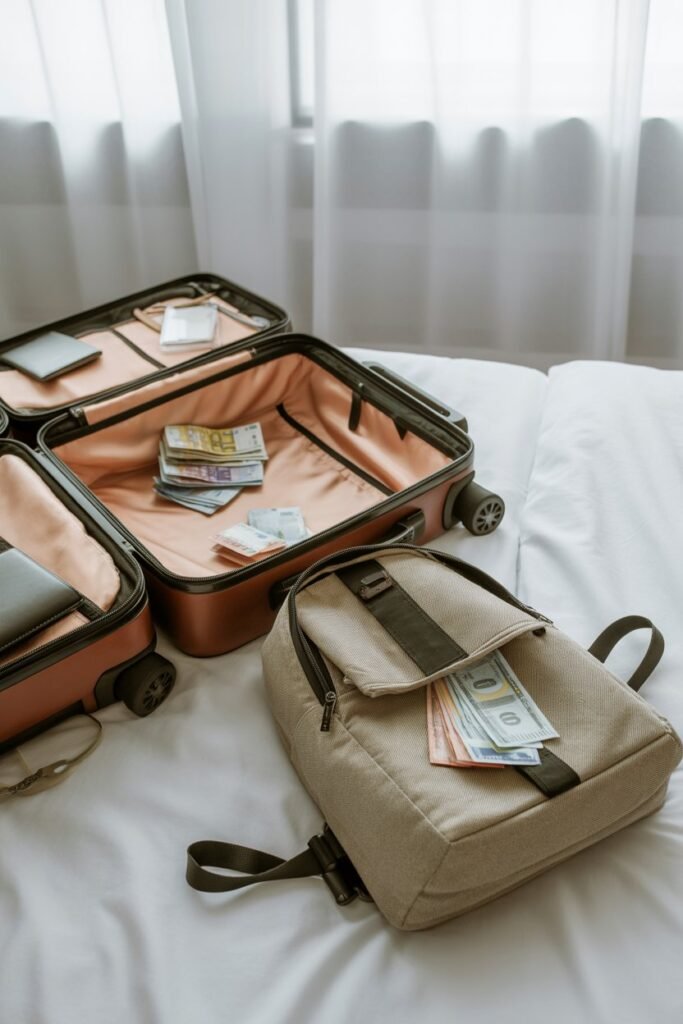
If you’re traveling with more than one bag, use that to your advantage.
Example:
- Backpack → Daily use money
- Suitcase → Backup funds
- Day bag → Small emergency cash
Key rule:
Only do this if you trust the safety of your luggage.
Step 6: Use Your Clothing Strategically
Clothing is one of the most overlooked storage tools.
Practical methods:
- Inner jacket pockets
- Folded into clothes in your bag
- Hidden inside socks (short-term)
Advanced method:
Sew a small hidden pocket into your clothing.
This might sound extreme, but for long-term travel or high-risk areas, it’s highly effective.
Step 7: Keep an Emergency Stash (Your Lifeline)
Your emergency money is not for convenience—it’s for survival.
Where to hide it:
- Deep inside luggage
- Inside rarely used items
- Sewn into fabric
Rules:
- Don’t touch it unless necessary
- Keep it separate from everything else
Why it matters:
If everything else fails, this keeps your trip alive.
Step 8: Combine Cash with Digital Options
Relying only on cash is risky.
Always have:
- At least one debit or credit card
- Mobile banking access
Smart strategy:
- Keep one card in your wallet
- Keep another card hidden
Why:
If one is lost or blocked, you’re not stranded.
Step 9: Avoid Common Mistakes That Make You an Easy Target
Some habits instantly increase your risk.
Avoid:
- Carrying all money in back pockets
- Opening your wallet in crowded places
- Flashing large amounts of cash
- Leaving bags unattended
Replace with:
- Discreet handling
- Planning payments in advance
- Awareness of surroundings
Step 10: Manage Accessibility vs Security
There’s a balance between hiding money and being able to use it.
Good system:
- Small amount easily accessible
- Larger amount well hidden
Example:
- ₦5,000–₦20,000 → Easy access
- Rest → Hidden securely
If accessing your money becomes stressful, your system needs adjustment.
Step 11: Use Accommodation Safes Carefully
Hotels and apartments often provide safes.
When to use:
- Storing excess cash
- Keeping items you don’t need daily
But be cautious:
- Not all safes are secure
- Staff access is sometimes possible
Best approach:
Use it as one layer—not your only protection.
Step 12: Track Your Money Daily
Security isn’t just about hiding—it’s about awareness.
Build a simple habit:
- Check your money at the end of each day
- Know how much you started with
Why:
You’ll notice problems early instead of too late.
Step 13: Understand Your Environment
Different locations come with different risks.
Research:
- Common scams
- High-risk areas
- Safe transportation options
Example:
Busy markets = higher pickpocket risk
Quiet areas at night = different risks
Preparedness reduces surprises.
Step 14: Blend In and Stay Low-Key
Looking like a tourist increases your visibility.
Simple adjustments:
- Dress simply
- Avoid flashy jewelry
- Walk confidently
Behavior matters:
Confidence discourages opportunistic theft.
Step 15: Protect Your Money During Transit
Transit moments are high-risk:
- Airports
- Bus stations
- Train terminals
Why:
Crowds + distraction = opportunity for thieves
Tips:
- Keep your bag in front of you
- Avoid using your phone while moving through crowds
- Secure your wallet before entering crowded areas
Step 16: Use Layered Security (Your Ultimate Strategy)
The most effective approach is combining multiple methods.
Example system:
- Decoy wallet for daily use
- Hidden pouch for main funds
- Emergency stash in luggage
- Backup card in a separate location
Each layer reduces your risk significantly.
Step 17: Don’t Overcomplicate It
Some travelers go too far—creating overly complex hiding systems they can’t manage.
Keep it:
- Simple
- Practical
- Easy to remember
If you forget where you hid your money, that’s a problem.
Step 18: Build Confidence Through Preparation
The real goal isn’t just security—it’s peace of mind.
When your system is solid:
- You stop checking your pockets every minute
- You move more confidently
- You enjoy your trip more
Preparation replaces anxiety.
Step 19: What to Do If Your Money Is Lost or Stolen
Even with the best system, things can happen.
Immediate steps:
- Stay calm
- Check all your stash locations
- Use your backup funds
- Contact your bank (if cards are involved)
Why your system matters:
You won’t panic—because you’re not starting from zero.
Final Thoughts: Travel Smart, Not Fearful
Travel should feel exciting—not stressful.
Hiding money is not about paranoia. It’s about control, awareness, and smart planning.
From experience, the difference between a stressful trip and a smooth one often comes down to preparation. Once you stop relying on a single wallet and start using a layered system, everything changes.
You stop worrying about “what if something happens” because you already have a plan if it does.
Quick Checklist Before You Travel
- ✔ Split your money into multiple locations
- ✔ Use a decoy wallet
- ✔ Keep a hidden stash
- ✔ Prepare an emergency reserve
- ✔ Carry a backup card
- ✔ Stay discreet in public
- ✔ Check your money daily
With the right approach, you don’t just protect your money—you protect your entire travel experience.
If you want, I can next help you:
- Turn this into a high-ranking SEO article
- Add Abuja-specific travel safety tips
- Format it for your blog site (WordPress, Blogger, etc.)
- Create internal linking structure for your directory site
Just tell meal