
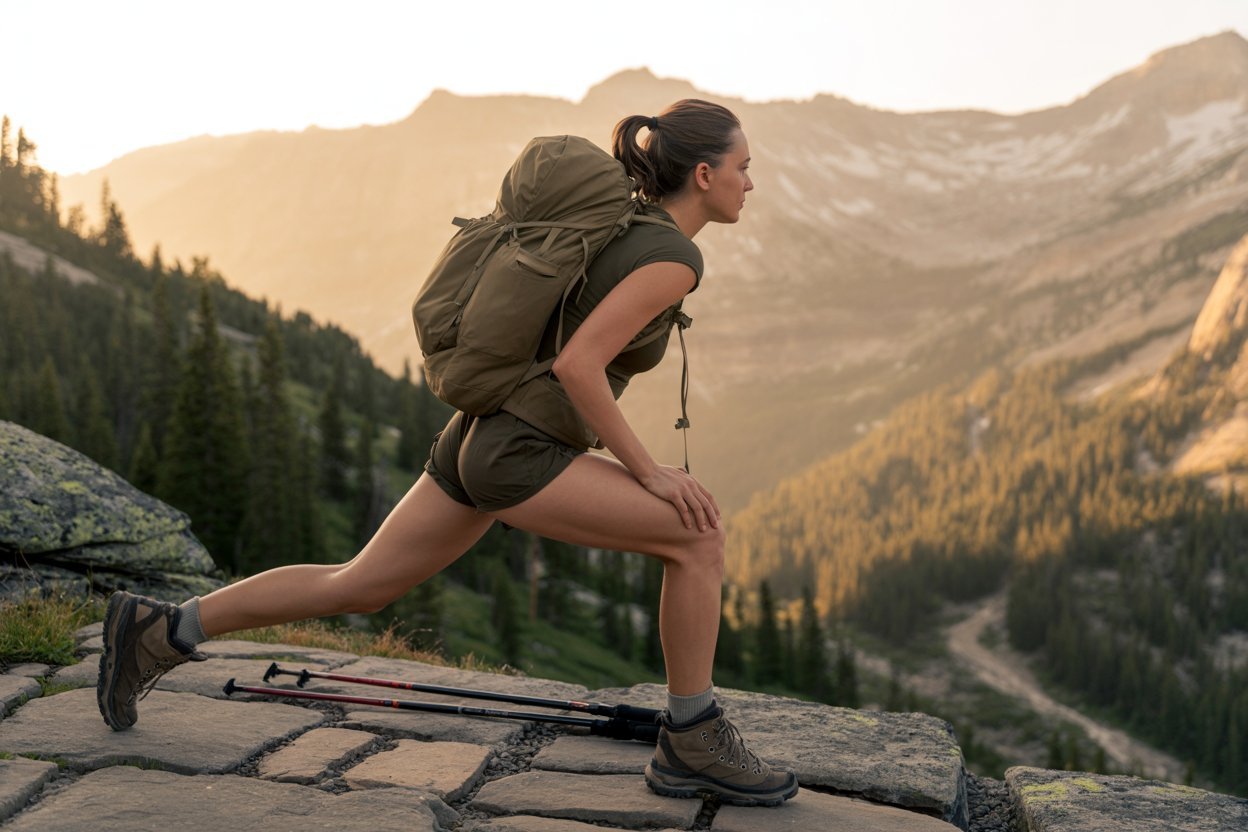

The first time I attempted a long hike, I completely underestimated how physically demanding it would be. I assumed that because I walked regularly, I’d be fine on a mountain trail. I was wrong.
Within the first few miles, my legs burned, my lungs struggled on the climbs, and my backpack suddenly felt twice as heavy.
That experience taught me something important: hiking fitness is very different from everyday fitness. Preparing your body before hitting the trail makes the experience far more enjoyable, safer, and much more rewarding.
This guide walks through exactly how I train before big hikes and how you can do the same.
shop my Amazon Hiking Fitness Gear Essentials
- Black Diamond Trail Trekking Poles
- Osprey Daylite Plus Daypack
- Resistance Loop Exercise Bands
- Dumbbells
1. Why Hiking Fitness Matters More Than You Think

Many people assume hiking is simply walking in nature. In reality, hiking challenges your body in ways that standard walking doesn’t.
Trails often include:
- Steep elevation gain
- Uneven terrain
- Heavy backpacks
- Long distances
- Weather exposure
- Limited rest opportunities
Without preparation, hikers commonly experience:
- Severe leg fatigue
- Knee pain on descents
- Blisters and foot strain
- Back pain from backpacks
- Shortness of breath on climbs
Training ahead of time prevents these problems and turns a difficult hike into a fun adventure rather than a struggle.
Benefits of Getting in Shape Before Hiking
1. More endurance
You’ll be able to hike longer distances without feeling exhausted.
2. Reduced injury risk
Strong muscles stabilize joints and reduce strain on knees and ankles.
3. Better balance on rough trails
Trail terrain often includes rocks, roots, and uneven ground.
4. Improved recovery time
Your body adapts to the demands of hiking faster.
5. Greater confidence on challenging trails
Preparing physically doesn’t require a professional gym plan. With the right approach, 4–8 weeks of preparation can dramatically improve your hiking performance.
2. Understanding the Physical Demands of Hiking
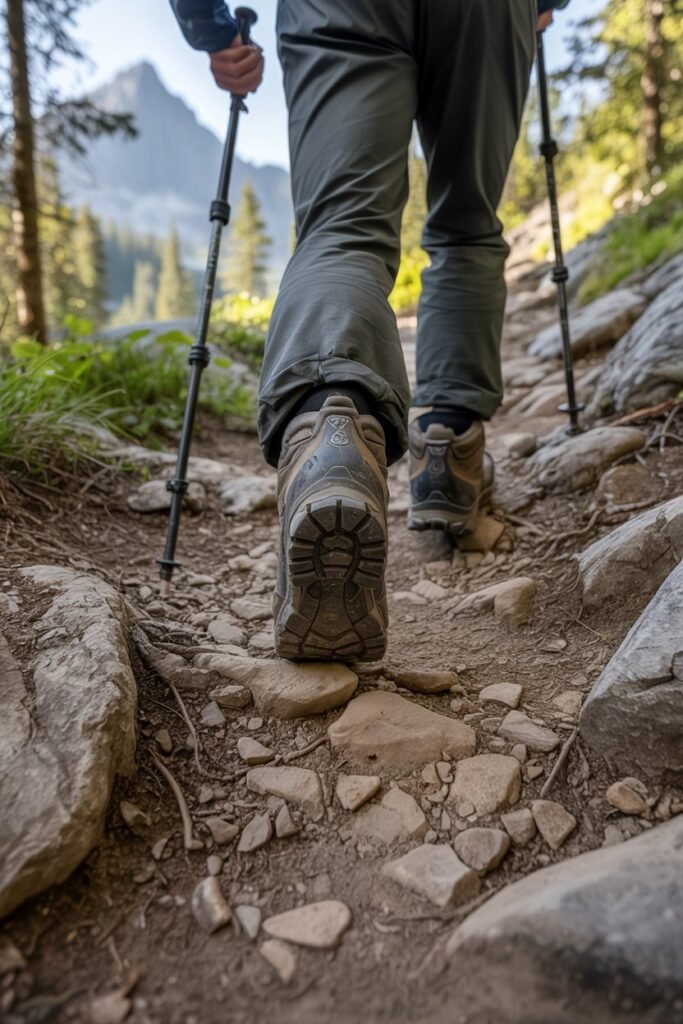
Before creating a training routine, it helps to understand which parts of the body hiking stresses the most.
Legs
Your legs carry the majority of the workload.
Key muscles involved:
- Quadriceps (front thighs)
- Hamstrings (back thighs)
- Glutes
- Calves
These muscles power uphill climbs and control your body when descending.
Core
A strong core stabilizes your body when:
- Carrying a backpack
- Walking on uneven terrain
- Navigating steep inclines
Weak core muscles often lead to lower back fatigue during long hikes.
Cardiovascular System
Hiking especially uphill can dramatically increase your heart rate.
Strong cardio fitness helps with:
- Sustained climbs
- Long-distance hiking
- Oxygen efficiency at higher altitudes
Balance and Stability
Unlike flat roads, trails include:
- Loose gravel
- Roots
- Stream crossings
- Narrow ridges
Your stabilizer muscles must constantly adjust to prevent falls.
3. How Long It Takes to Get in Hiking Shape
One of the most common questions I hear from new hikers is:
“How long do I need to train before my first hike?”
The answer depends on your starting fitness level.
If You’re New to Exercise
Plan for 8–10 weeks of preparation.
This allows your body to safely build:
- endurance
- strength
- joint stability
If You’re Moderately Active
You may only need 4–6 weeks of targeted training.
If You Already Work Out Regularly
Focus on trail-specific conditioning for about 3–4 weeks.
The most important factor is gradual progression.
Jumping straight into long hikes without preparation is one of the biggest causes of hiking injuries.
4. The 4 Pillars of Hiking Fitness
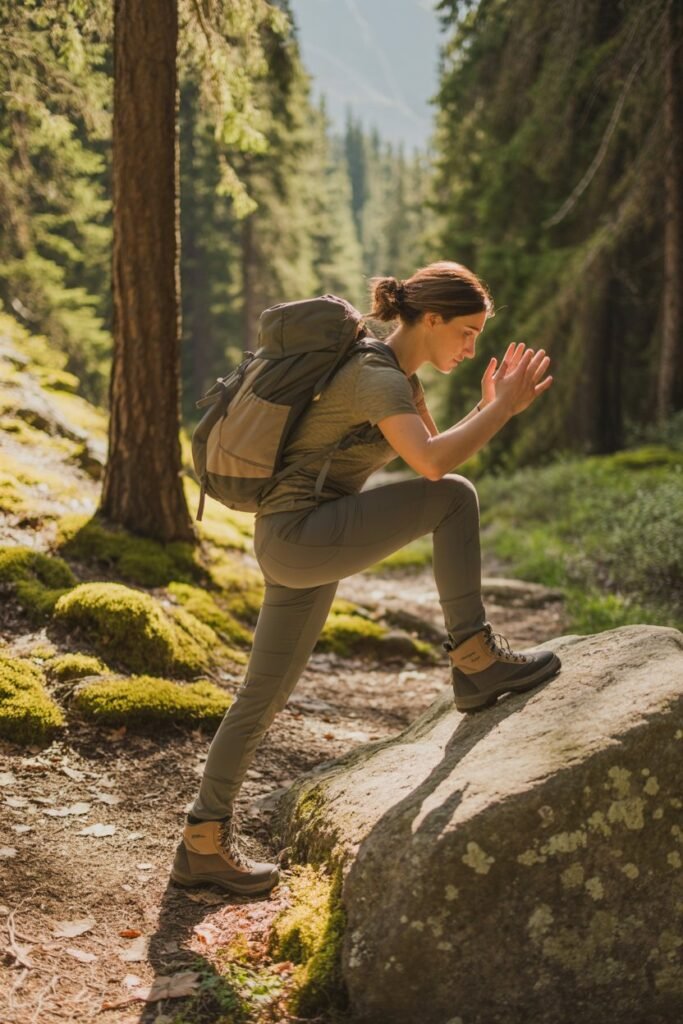
When I prepare for hiking trips, I focus on four main areas.
Think of these as the foundation of hiking fitness.
1. Cardiovascular Endurance
Your heart and lungs must sustain long periods of activity.
Best cardio exercises for hikers include:
- brisk walking
- stair climbing
- cycling
- incline treadmill walking
- swimming
Aim for 30–60 minutes of cardio training 3–5 times per week.
2. Leg Strength
Strong legs help you power uphill and protect your knees on descents.
Essential exercises include:
- squats
- lunges
- step-ups
- calf raises
These movements mimic real hiking movements.
Training legs 2–3 times per week builds strength quickly.
3. Core Stability
Your core stabilizes your entire body during hikes.
Important exercises include:
- planks
- side planks
- bird dogs
- Russian twists
A strong core also prevents back fatigue from backpacks.
4. Balance and Mobility
Balance training reduces the risk of falls on trails.
Great exercises include:
- single-leg stands
- yoga
- stability ball training
- agility drills
Even 5–10 minutes per day can improve coordination.
5. A Simple 8-Week Hiking Training Plan

Below is a basic program I often recommend to beginner hikers.
Weeks 1–2: Build a Foundation
Goal: Get your body used to consistent movement.
Cardio (3x per week)
30 minutes brisk walking.
Strength (2x per week)
- Bodyweight squats – 3 sets of 10
- Lunges – 3 sets of 8 per leg
- Plank – 3 sets of 20 seconds
Weekend Activity
Take a 1–2 mile nature walk.
Weeks 3–4: Increase Endurance
Goal: Build stamina.
Cardio (4x per week)
- 40-minute brisk walk
- Add hills or stairs
Strength (2–3x per week)
- Squats – 3×12
- Step-ups – 3×10
- Calf raises – 3×15
- Planks – 30 seconds
Weekend Practice Hike
3–4 miles on easy trails.
Weeks 5–6: Add Hiking Specific Training
Goal: Prepare for trail conditions.
Cardio (4–5x per week)
- Incline treadmill walking
- Stair climbing workouts
45 minutes each session.
Strength Training
- Weighted squats
- Walking lunges
- Step-ups with backpack
Weekend Hike
5–6 miles.
Weeks 7–8: Simulate Real Hikes
Goal: Prepare for actual trail conditions.
Cardio
60-minute hikes with hills.
Strength
Focus on:
- glutes
- quads
- calves
Add a loaded backpack (10–15 lbs) during training.
Weekend Hike
6–8 miles.
6. The Best Exercises for Hiking Fitness

These exercises mimic real hiking movements.
Squats
Squats strengthen the legs and glutes.
They prepare your body for steep climbs.
F = mg
When hiking uphill, your muscles constantly work against gravity. Strength training prepares your body to handle this force efficiently.
How to do them
- Stand with feet shoulder-width apart
- Lower your hips back and down
- Keep chest upright
- Push through your heels to stand
3 sets of 10–15 reps.
Step-Ups
This exercise closely mimics the movement of climbing uphill.
Use:
- a bench
- a stair
- a sturdy box
Step up, bring the other foot up, and step down slowly.
3 sets of 12 reps per leg.
Lunges
Lunges improve leg strength and balance.
They also help with trail stability.
3 sets of 10 per leg.
Planks
Planks strengthen your core.
Strong core muscles reduce lower back fatigue when carrying a backpack.
Hold for 30–60 seconds.
7. Training With a Backpack
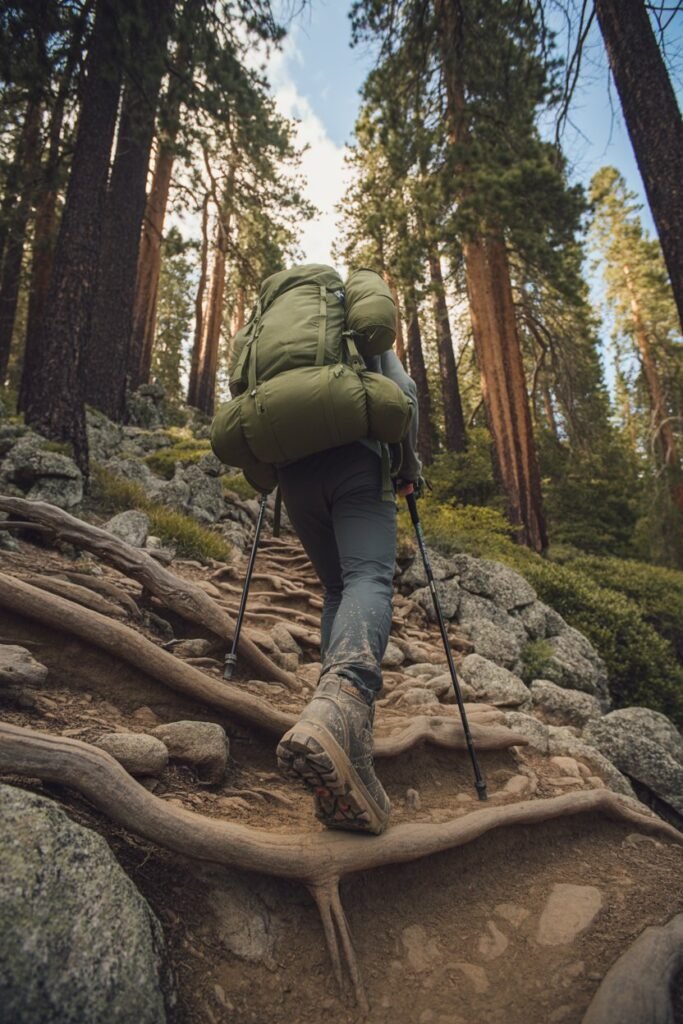
Hiking almost always involves carrying gear.
Training with a backpack prepares your body for:
- added weight
- shoulder pressure
- core stabilization
Start with 5–10 pounds and gradually increase to 15–20 pounds.
Fill the pack with:
- water bottles
- books
- gear
Practice walking on:
- stairs
- hills
- trails
This step dramatically improves hiking endurance.
8. Improving Your Hiking Endurance

Endurance is what allows you to hike long distances without exhaustion.
Here are techniques that helped me the most.
1. Increase Distance Slowly
Follow the 10% rule:
Increase your weekly hiking distance by no more than 10%.
2. Train on Hills
Flat ground doesn’t prepare you for mountains.
Hill training builds:
- leg strength
- lung capacity
- stamina
3. Practice Long Walks
Weekend long walks simulate real hiking conditions.
Start with:
- 3 miles
- then 5 miles
- then 7+ miles
4. Train Consecutive Days
Multi-day hikes require endurance.
Occasionally train with two active days in a row.
9. The Best Cardio Workouts for Hiking
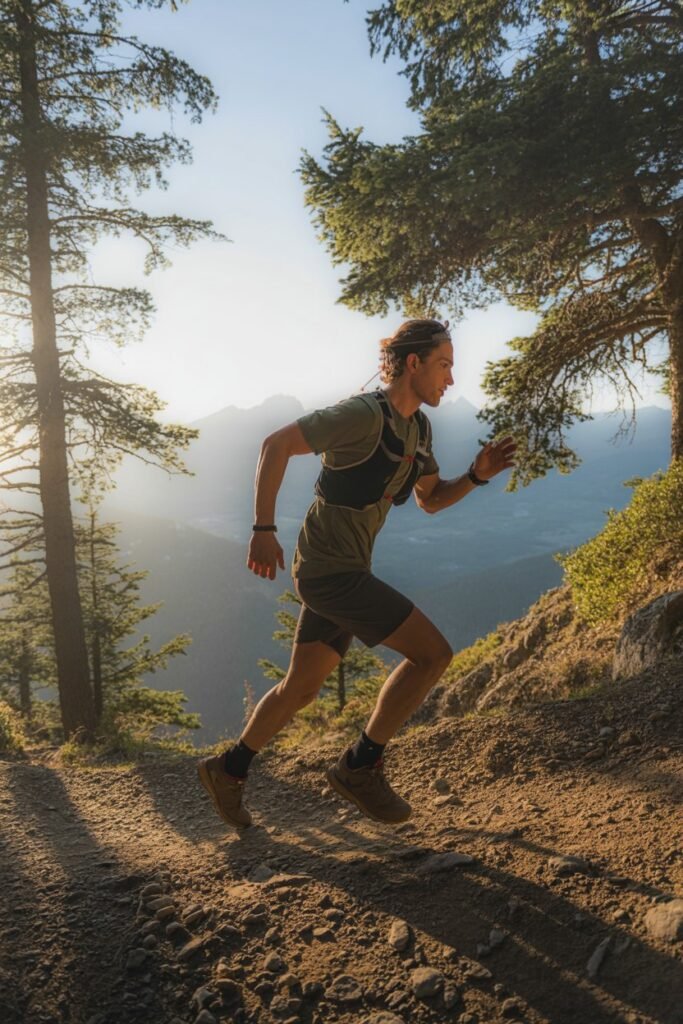
Cardio training became one of the biggest game changers in my hiking preparation. The first few hikes I attempted felt incredibly difficult because my heart rate skyrocketed during climbs.
Once I added consistent cardio workouts into my routine, the difference on the trail was noticeable almost immediately.
Hiking demands sustained cardiovascular effort, especially on uphill sections. Your heart and lungs must efficiently deliver oxygen to your muscles for extended periods of time.
The good news is that you don’t need complicated training routines. A few simple cardio exercises can prepare your body remarkably well.
Incline Walking
Incline walking closely mimics uphill hiking.
If you have access to a treadmill, this workout is incredibly effective.
How to do it
- Set the treadmill incline between 5–12%.
- Walk at a comfortable but steady pace.
- Maintain the workout for 30–45 minutes.
If you don’t have a treadmill, look for local hills, bridges, or staircases.
Incline walking strengthens:
- calves
- glutes
- quadriceps
- cardiovascular endurance
This exercise prepares your body for long climbs on the trail.
Stair Climbing
Stair climbing is one of the best hiking simulations you can do at home.
The motion closely resembles ascending steep trails.
Training on stairs helps develop:
- powerful leg muscles
- improved stamina
- balance and coordination
Simple stair workout
- Walk up stairs for 5 minutes
- Rest for 1 minute
- Repeat for 25–30 minutes
To increase difficulty, wear a light backpack.
Cycling
Cycling builds leg endurance without putting heavy stress on your joints.
This is especially helpful for beginners or people recovering from injuries.
Cycling strengthens:
- quadriceps
- glutes
- hamstrings
Aim for 45–60 minute rides at a moderate pace.
Swimming
Swimming is another excellent low-impact cardio workout.
It improves:
- lung capacity
- endurance
- full-body strength
Although it doesn’t mimic hiking movements exactly, swimming helps build the aerobic fitness needed for long hikes.
Trail Walking
The best preparation for hiking is simply walking on trails regularly.
Weekend trail walks allow your body to adapt to:
- uneven terrain
- elevation changes
- longer distances
Even short local trails provide valuable training.
10. Strengthening Your Knees for Downhill Hiking

Most people think uphill sections are the hardest part of hiking. Surprisingly, the downhill sections often cause more pain, especially in the knees.
During steep descents, your quadriceps must work hard to control your body weight.
This force can place significant stress on your knee joints.
Training your legs properly protects your knees and prevents soreness.
Decline Step Downs
This exercise prepares your muscles for downhill hiking.
How to perform
- Stand on a step or box.
- Slowly lower one foot toward the ground.
- Keep control of the movement.
- Return to the starting position.
Repeat 10–12 reps per leg.
This movement strengthens the muscles that protect your knees during descents.
Wall Sits
Wall sits build endurance in the quadriceps.
How to perform
- Lean your back against a wall.
- Slide down until your knees form a 90-degree angle.
- Hold the position.
Start with 20–30 seconds and gradually increase to 60 seconds.
Reverse Lunges
Reverse lunges are easier on the knees than forward lunges and build strength in key hiking muscles.
Perform 3 sets of 10 reps per leg.
11. Mobility and Flexibility Training for Hikers
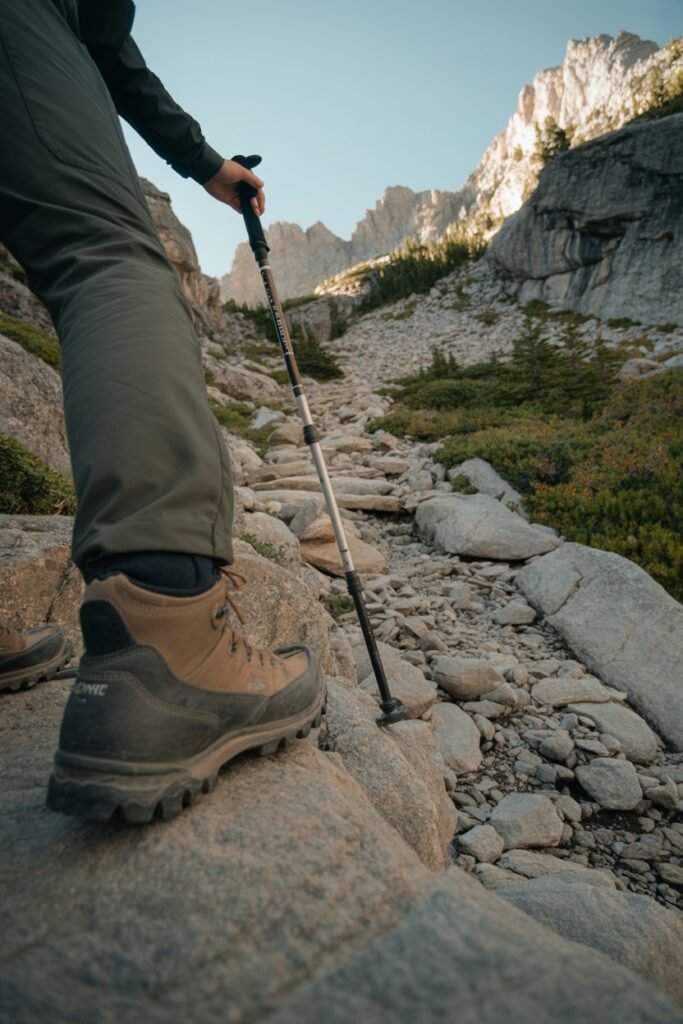
Mobility training is something I used to overlook completely. However, once I added regular stretching and mobility exercises, my hiking performance improved dramatically.
Flexible muscles allow you to:
- move more efficiently
- reduce injury risk
- maintain better balance on trails
Mobility is especially important for:
- hips
- hamstrings
- calves
- ankles
Hip Flexor Stretch
Tight hip flexors are common among people who sit frequently.
Stretching them improves stride length during hikes.
Hold each stretch for 30 seconds per side.
Hamstring Stretch
Hamstrings assist with balance and stride stability.
Tight hamstrings often lead to lower back fatigue during hikes.
Hold the stretch for 30–40 seconds.
Calf Stretch
Calves absorb a lot of strain on steep trails.
Regular calf stretching prevents:
- cramps
- Achilles strain
- stiffness during hikes
Stretch both calves after workouts.
Ankle Mobility
Ankle mobility helps prevent slips and improves stability on uneven terrain.
Simple exercise:
- Stand on one foot for 30 seconds
- Switch legs
This small practice strengthens stabilizer muscles.
12. Recovery Strategies That Prevent Hiking Injuries
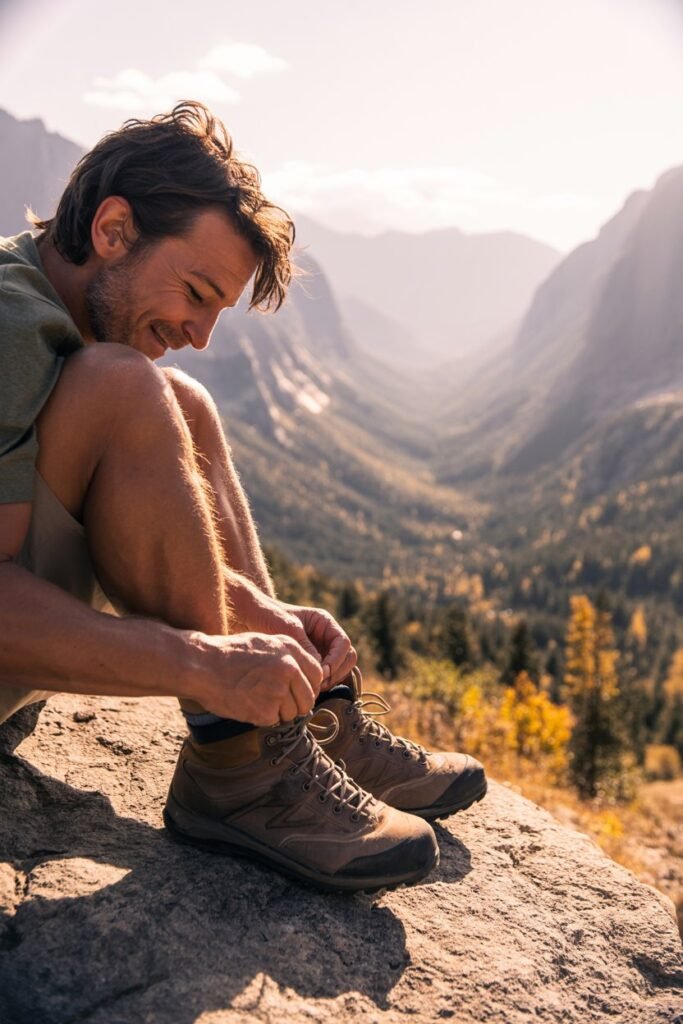
Training is important, but recovery is equally essential.
When I first started preparing for hikes, I tried training hard every day. That approach quickly led to fatigue and soreness.
Your muscles need time to recover and rebuild.
Good recovery habits include:
- rest days
- stretching
- hydration
- sleep
Rest Days
Rest days allow muscles to repair themselves.
Schedule at least one full rest day each week.
Foam Rolling
Foam rolling helps release muscle tightness.
Focus on:
- calves
- quads
- hamstrings
- glutes
Just 10 minutes of foam rolling can dramatically reduce soreness.
Sleep
Sleep is one of the most powerful recovery tools.
Aim for 7–9 hours of quality sleep per night.
During sleep, the body repairs muscle fibers and restores energy levels.
Hydration
Dehydration slows muscle recovery.
Drink water consistently throughout the day.
13. Nutrition for Hiking Fitness

Nutrition plays a huge role in building strength and endurance.
Fueling your body properly allows your muscles to perform at their best.
A balanced diet for hikers should include:
- carbohydrates
- protein
- healthy fats
Carbohydrates
Carbohydrates provide energy for endurance activities.
Healthy carb sources include:
- oatmeal
- brown rice
- whole grains
- fruits
- sweet potatoes
Carbs are especially important before long training sessions.
Protein
Protein helps repair and build muscle tissue.
Good protein sources include:
- eggs
- chicken
- fish
- beans
- lentils
- Greek yogurt
Try to include protein in every meal.
Healthy Fats
Healthy fats support long-lasting energy.
Examples include:
- avocados
- nuts
- olive oil
- seeds
These foods help keep you energized during long hikes.
14. Hydration Training for Long Hikes
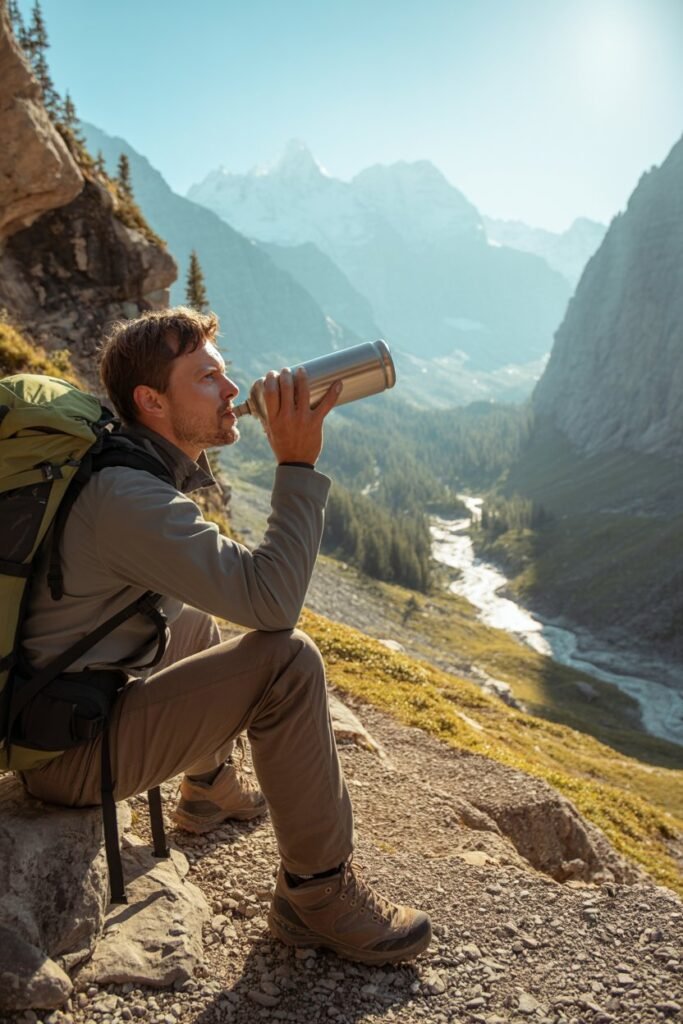
Hydration is often underestimated when preparing for hikes.
Many beginners wait until they feel thirsty, but by that point dehydration has already begun.
A good rule is to drink small amounts regularly during exercise.
Practice hydration during training hikes so your body gets used to it.
During long hikes, many hikers aim for roughly:
- 500–750 ml of water per hour
However, this varies depending on:
- weather
- elevation
- hiking intensity
15. Common Training Mistakes New Hikers Make

Over the years, I’ve seen many hikers make similar mistakes while preparing for hikes.
Avoiding these mistakes can save you a lot of frustration.
Training Only on Flat Ground
Flat terrain does not prepare your body for mountains.
Always include hills or stair workouts.
Increasing Distance Too Quickly
Trying to double your hiking distance in a single week can cause injuries.
Progress slowly and consistently.
Ignoring Strength Training
Many hikers focus only on cardio.
Strong muscles are equally important.
Skipping Recovery
Rest days are part of training.
Without proper recovery, fatigue accumulates quickly.
16. Mental Endurance for Long Hikes
Hiking isn’t just a physical challenge it’s also a mental one.
Long trails can test your patience, especially during:
- steep climbs
- bad weather
- long distances
Mental endurance develops with practice.
Strategies that help include:
Breaking the hike into smaller goals
Instead of thinking about a 10-mile hike, focus on reaching the next viewpoint or trail marker.
Maintaining a steady pace
Avoid starting too fast.
Consistency is key.
Taking short breaks
Short breaks every 45–60 minutes help maintain energy levels.
17. Pro Tips From Experienced Hikers
After years of hiking and talking with experienced hikers, a few tips come up repeatedly.
Start with Easier Trails
Begin with moderate hikes before attempting difficult routes.
Train With Your Actual Gear
Practice hiking with:
- your backpack
- hiking boots
- trekking poles
This helps your body adapt to the gear.
Focus on Consistency
Training regularly—even for short sessions—is far more effective than occasional intense workouts.
Learn Your Comfortable Pace
Everyone hikes at a different pace.
Focus on maintaining steady energy rather than speed.
18. Frequently Asked Questions
How fit do I need to be for hiking?
Most beginner hikes require basic cardiovascular fitness and leg strength. With consistent preparation, most people can comfortably hike 5–8 miles.
How many days per week should I train?
Training 3–5 days per week is ideal.
Include a combination of:
- cardio
- strength training
- flexibility
Is walking enough to prepare for hiking?
Walking helps, but hiking preparation is better when you include:
- hills
- strength training
- endurance workouts
How heavy should my backpack be during training?
Start with 5–10 pounds.
Gradually increase to 15–20 pounds, depending on the type of hikes you plan.
Final Thoughts
Getting in shape for hiking doesn’t require extreme workouts or complicated training plans. The most important factor is consistency. A few weeks of regular cardio, strength training, and trail practice can dramatically improve your hiking experience.
Preparing your body allows you to focus on what truly makes hiking special: the scenery, the adventure, and the satisfaction of reaching places few people ever see. Every hike becomes more enjoyable when your body feels strong and capable on the trail.
Start slowly, stay consistent, and give yourself time to adapt. Before long, you’ll notice that the climbs feel easier, the miles feel shorter, and the trails feel far more rewarding.