

Planning a trip to Alaska isn’t like planning any other vacation and that’s exactly why so many people get it wrong.
I’ll be honest: the first time I seriously looked into Alaska, I felt overwhelmed.
Distances are massive, prices can spike without warning, seasons change everything, and one small mistake (wrong month, wrong location, wrong transport choice) can cost you thousands of dollars or ruin experiences you can’t redo.
So this guide isn’t dreamy fluff.
This is the real, life-saving, time-saving, expense-saving Alaska planning guide I wish I had the first time written the way I’d explain it to a close friend over coffee.
I’m sharing exactly what works, what doesn’t, and how to design an Alaska trip that feels magical without overpaying or overcomplicating things.
Whether you’re visiting Alaska for the first time or planning your dream 2026 adventure, this guide will help you do it right.
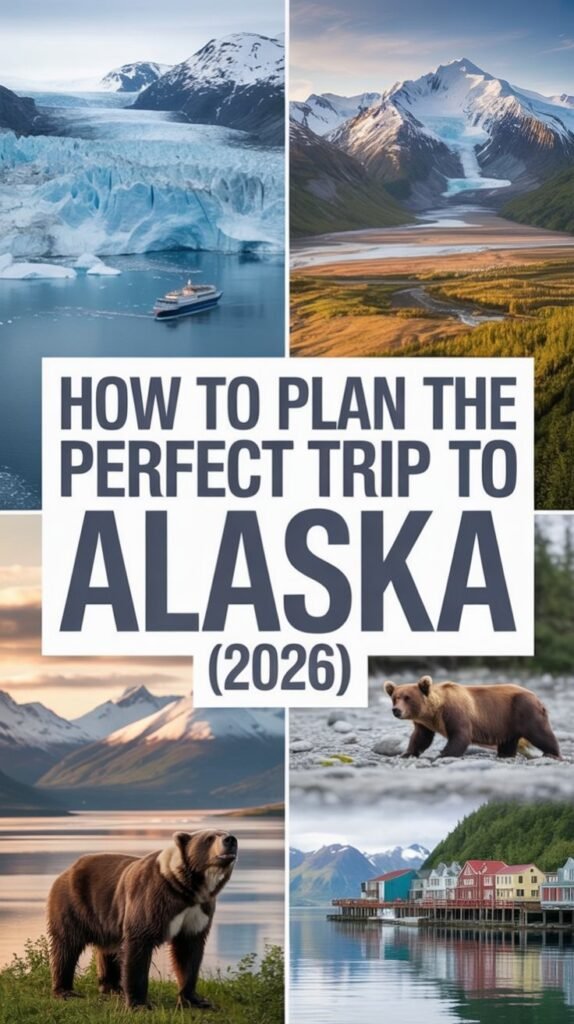
Now lets dive in “How to Plan the Perfect Trip to Alaska (2026)”.
get the cheapest flight here
I recommend locking in your flight dates early before the peak season surge. you can compare all major airline heading to Alaska right below
Shop my amazon essentials
- All-Weather Hiking Boots
- Insulated Waterproof Jacket
- Cold-Weather Travel Gloves
- Merino Wool Socks
- Packing Cubes Set
- Portable Power Bank
1. First Things First: Decide Why You’re Going to Alaska

Before you book a single flight, you need clarity because Alaska is not a “do everything in one trip” destination.
Ask yourself honestly:
- Do I want glaciers, wildlife, and scenery?
- Am I chasing the Northern Lights?
- Do I want a luxury cruise, a road trip, or a quiet nature escape?
- Am I traveling solo, as a couple, or with family?
This matters because Alaska rewards focus. Trying to cram everything into one trip is the fastest way to burn money and feel rushed.
My personal recommendation:
For your first Alaska trip, pick ONE main experience, and let everything else support it.
- Nature + wildlife → Summer road trip
- Northern Lights → Winter stay
- Comfort + scenery → Cruise + land combo
Tour Alaska
2. Best Time to Visit Alaska in 2026 (This Can Make or Break Your Trip)
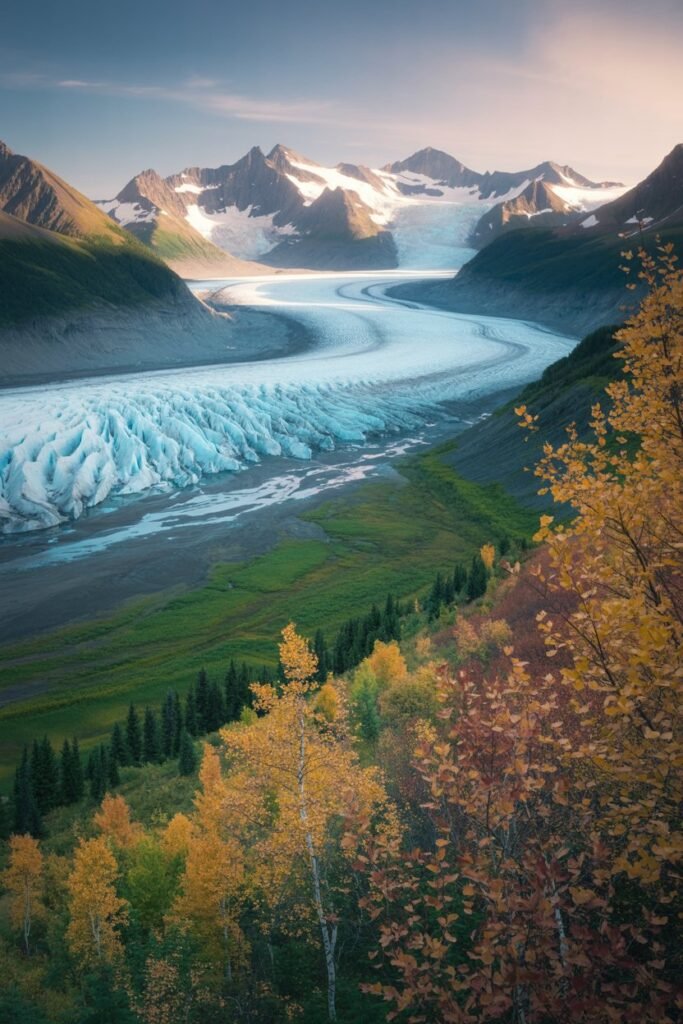
Timing in Alaska isn’t flexible it’s critical.
Summer (Mid-May to Mid-September) – Best for First-Timers
This is my top recommendation for most travelers.
Why summer works:
- Long daylight hours (up to 20+ hours)
- Open roads, tours, and national parks
- Peak wildlife viewing
- Warmer temperatures (50–70°F / 10–21°C)
But here’s the real tip:
Late May or early September gives you summer access without peak crowds or peak prices.
Fall (Mid-September to October) – Beautiful but Limited
- Gorgeous fall colors
- Fewer tourists
- Many tours start shutting down
Choose this only if you’re flexible and experienced.
Winter (November to March) – Northern Lights Season
Perfect if your main goal is:
- Aurora viewing
- Snow adventures
- Cozy lodge stays
Not ideal for first-time Alaska visitors unless Northern Lights are your main reason.
People also read The Ultimate Guide to Traveling Through France
3. Alaska Is Bigger Than You Think (Plan Your Locations Carefully)
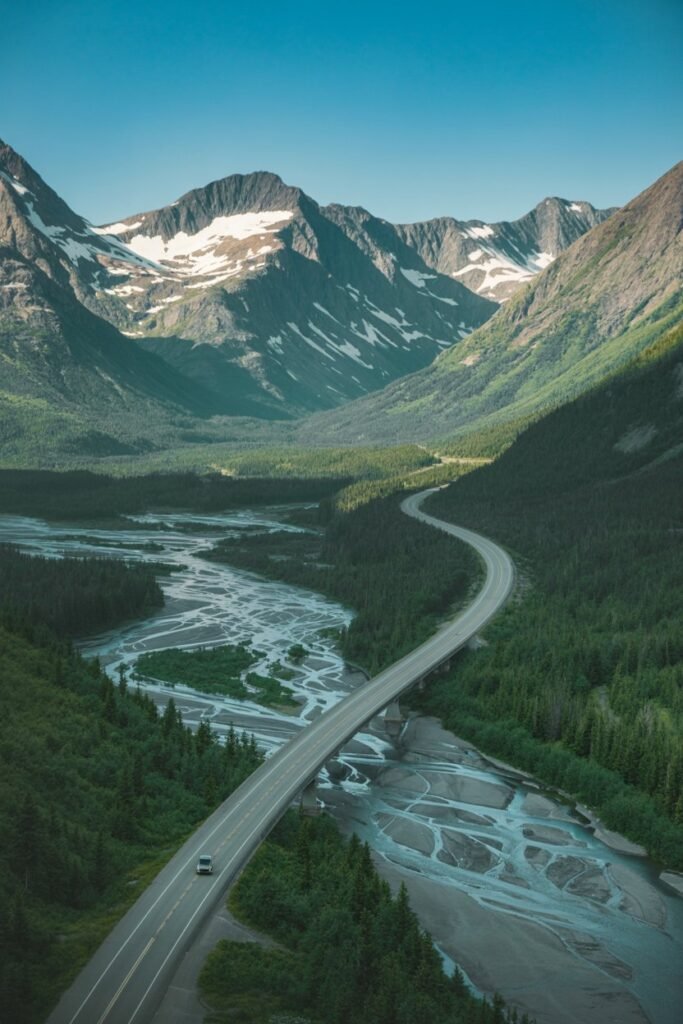
This is where people lose money fast.
Alaska is huge driving from one place to another can take an entire day. You cannot “pop over” casually like in other states.
Best Alaska Regions for a First Trip
Anchorage (Your Gateway Hub)
- Best flight prices
- Car rental access
- Easy connection to other regions
Denali National Park
- Wildlife viewing (bears, moose, caribou)
- Jaw-dropping scenery
- One of the most iconic Alaska experiences
Kenai Peninsula (My personal favorite)
- Seward & Homer
- Glaciers, whales, fjords
- More affordable than many people expect
Best beginner combo:
Anchorage → Denali → Kenai Peninsula
This route gives you maximum Alaska magic without exhausting travel days.
Read An Insider’s Guide to Visiting Kangaroo Island, Australia

4. Transportation: The Biggest Cost (And Where You Can Save)
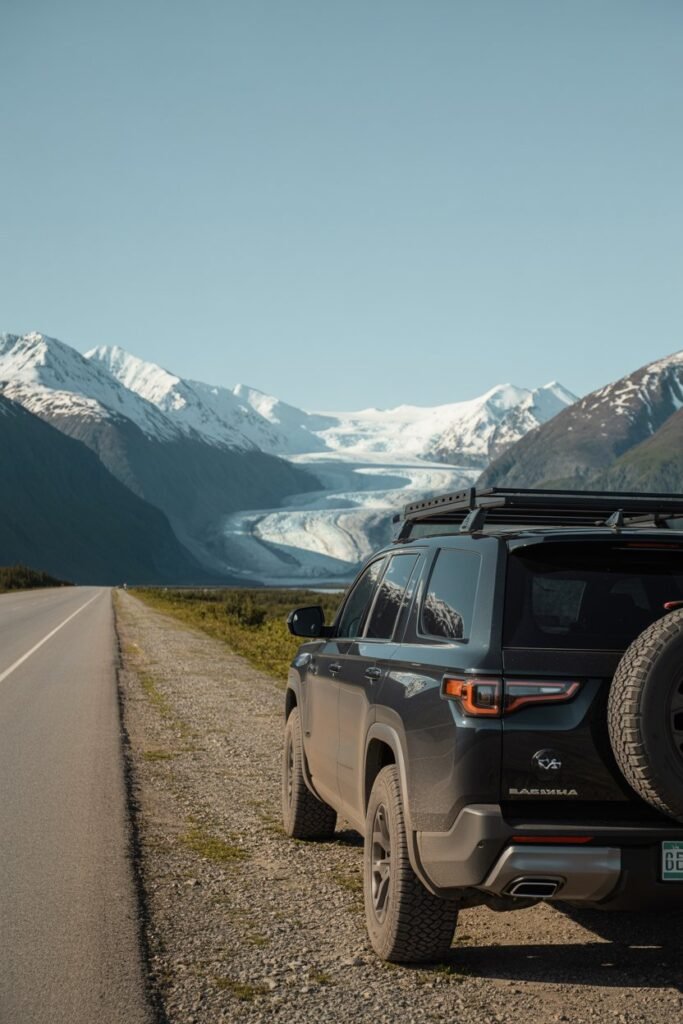
Transportation is where Alaska trips quietly get expensive but it’s also where smart planning saves the most.
Flights
- Fly into Anchorage (ANC) for best prices
- Book 3–5 months in advance for summer 2026
- Midweek flights are usually cheaper
Money-saving tip:
Avoid multi-city flights inside Alaska unless absolutely necessary they add up quickly.
Car Rental (Worth It — But Book Early)
Car rentals sell out fast in summer.
My advice:
- Book as soon as flights are confirmed
- Choose fuel-efficient SUVs
- Avoid luxury upgrades — roads don’t require them
Trains (Beautiful, But Not Cheap)
Alaska Railroad is stunning but pricey.
Use it strategically — not for every leg.
People read 10 Must-Visit Countries in Africa: Epic Adventures Await
5. Where to Stay (Smart Choices That Save Money)
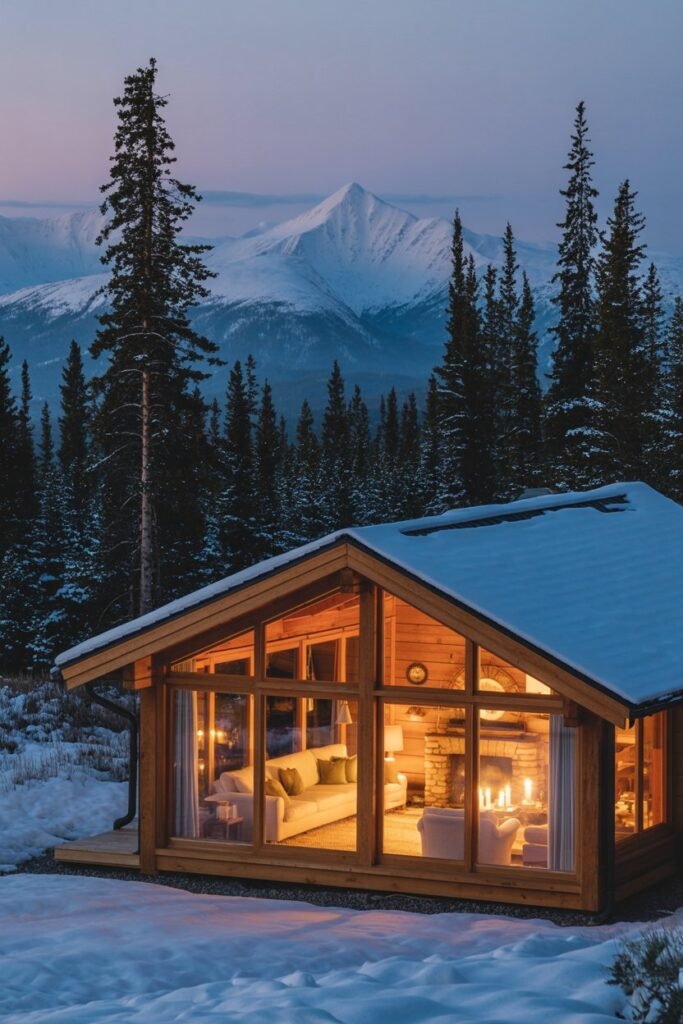
Accommodation prices fluctuate wildly in Alaska.
Hotels vs Lodges vs Cabins
- Hotels → Best in Anchorage
- Cabins/Lodges → Best for Denali & Kenai
- Vacation Rentals → Great for families or longer stays
My personal rule:
Stay simple in cities, spend more on experience-based stays in nature areas.
You’ll remember the cozy lodge near a glacier — not the fancy city hotel.
6. Budget Breakdown: What Alaska Really Costs in 2026
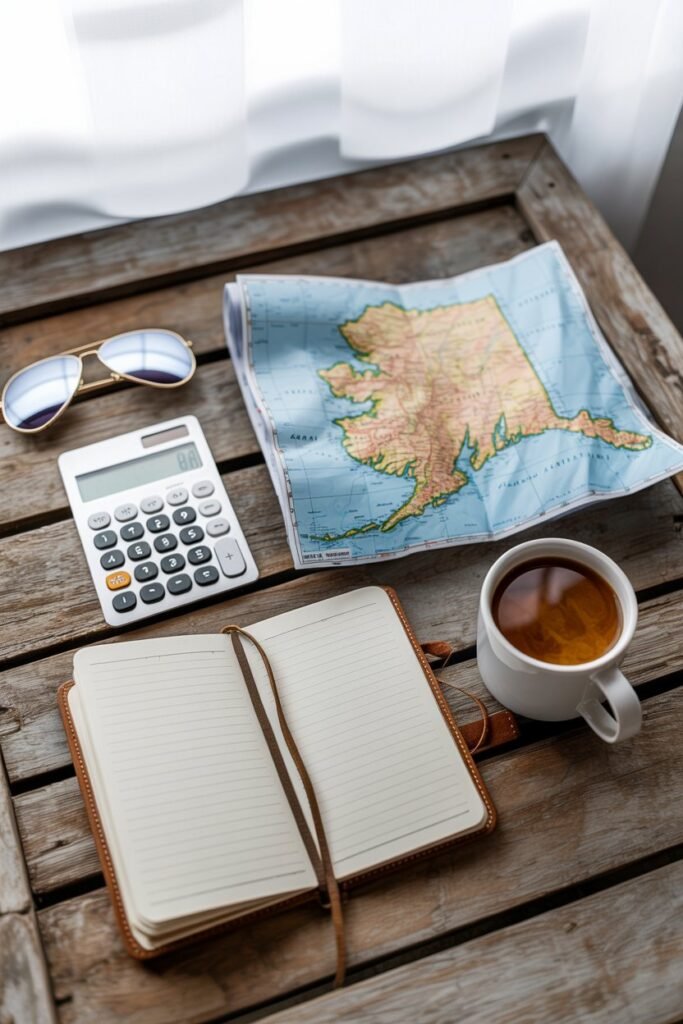
Let’s talk real numbers — no sugarcoating.
Average Daily Costs (Per Person)
- Accommodation: $150–$300
- Car rental: $70–$120
- Food: $50–$80
- Tours: $100–$250 (select days)
Realistic daily budget: $250–$400
How to Save Money Without Missing Out
- Self-drive instead of guided tours where possible
- Grocery shop for breakfast & snacks
- Limit paid excursions to 2–3 unforgettable ones
- Travel shoulder season
7. Tours Worth Paying For (And What to Skip)
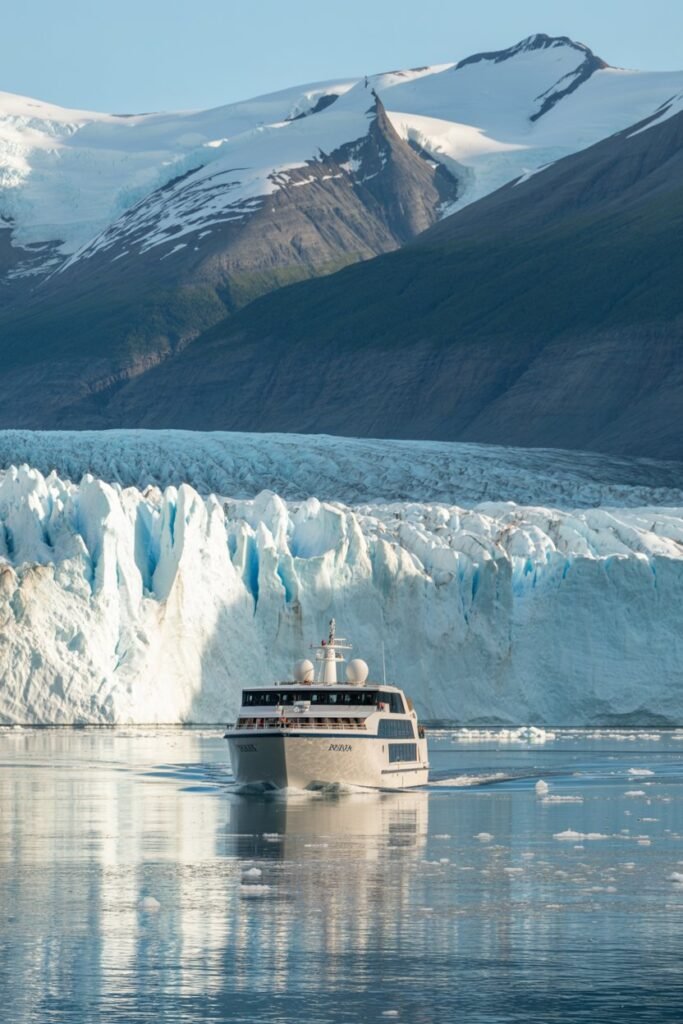
Worth Every Penny
- Glacier cruises (Kenai Fjords)
- Wildlife boat tours
- Helicopter glacier landings (if budget allows)
Skip or Be Careful With
- Overpriced “city tours”
- Multiple similar excursions
- Short-duration tours with long transfers
Choose quality over quantity — Alaska experiences are intense and memorable.
8. What to Pack (This Is Life-Saving Advice)
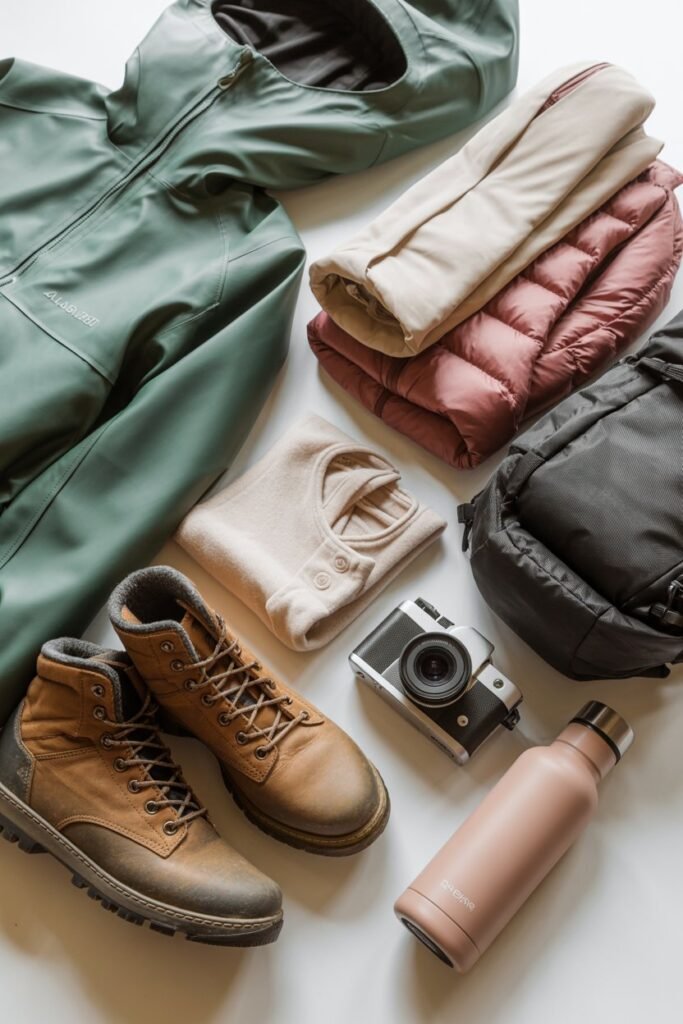
Packing wrong in Alaska can ruin days.
Essentials You Actually Need
- Waterproof jacket (not just water-resistant)
- Layered clothing
- Comfortable waterproof shoes
- Daypack
- Portable power bank
- Reusable water bottle
Time-saving tip:
Pack layers instead of bulky items — weather changes quickly.
9. Wildlife Safety (Important, Not Optional)
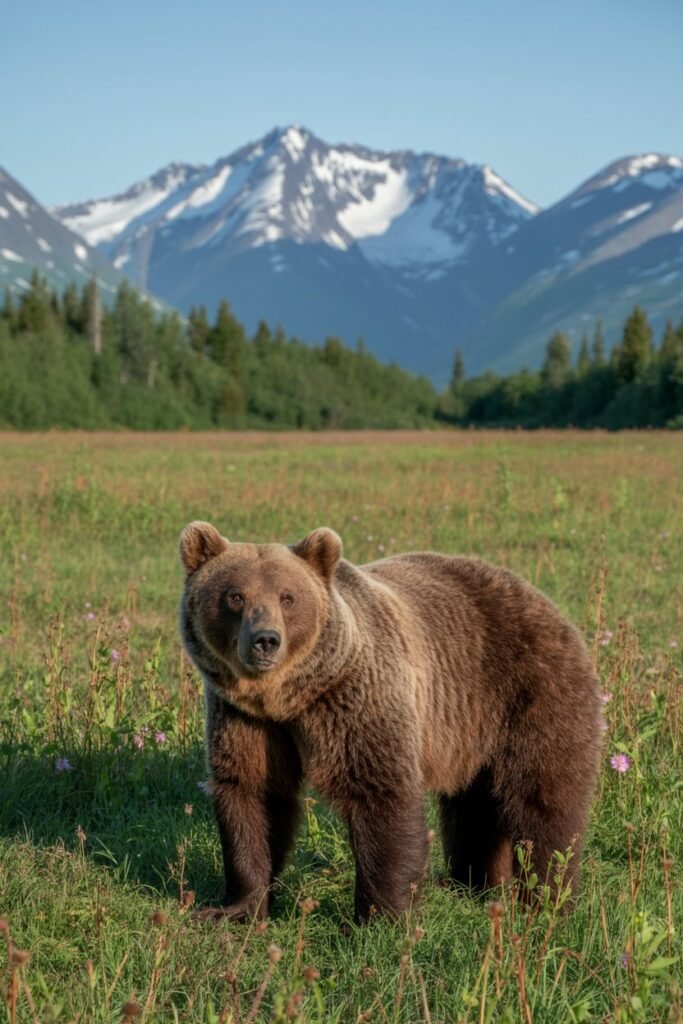
Alaska wildlife is incredible but it’s not a zoo.
Basic Safety Rules
- Never approach wildlife
- Carry bear spray when hiking
- Store food properly
- Follow park rules (they exist for a reason)
This isn’t fear-based it’s respectful travel.
10. Sample 10-Day Alaska Itinerary (Balanced & Realistic)
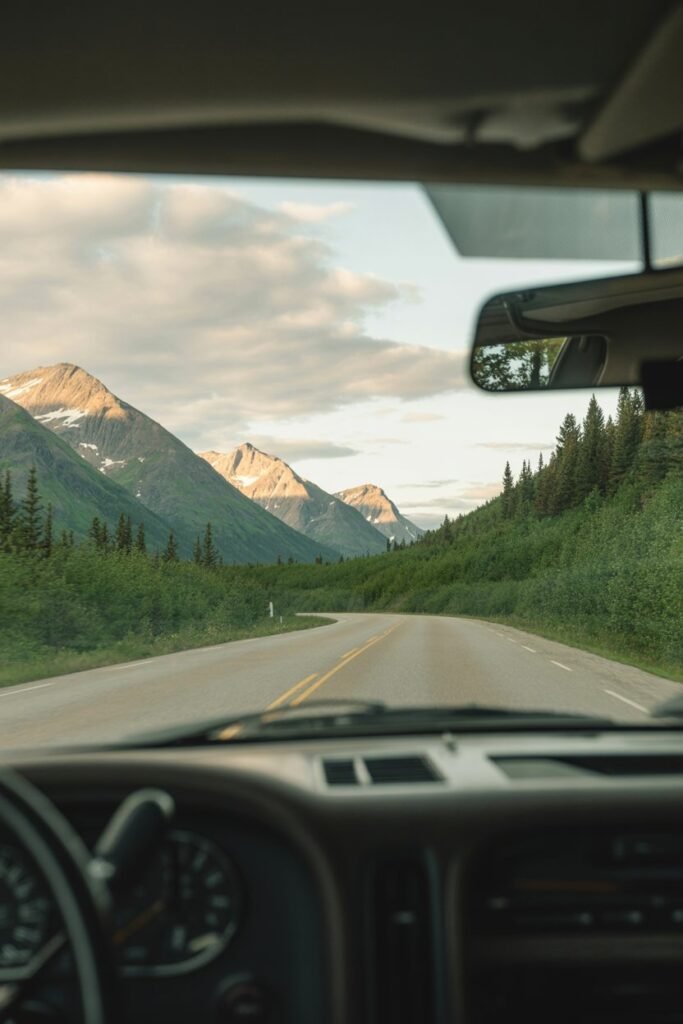
Day 1–2: Anchorage
Day 3–5: Denali National Park
Day 6: Scenic drive to Kenai
Day 7–8: Seward (glacier cruise)
Day 9: Homer or scenic relaxation
Day 10: Return to Anchorage
This pace prevents burnout and allows flexibility something Alaska demands.
11. Mistakes I See Travelers Make (Please Avoid These)
- Trying to “see it all”
- Booking too late for summer
- Underestimating driving distances
- Packing poorly
- Overspending on unnecessary tours
Alaska rewards intentional planning, not rushing.
My Final Advice (From One Traveler to Another)
Alaska isn’t about ticking boxes.
It’s about slowing down, standing in silence beside a glacier, watching wildlife move freely, and realizing how small and lucky you are.
Plan thoughtfully. Spend wisely. Leave room for magic.
If you plan Alaska with intention, it will give back tenfold.