

Introduction: Why Harvest Festivals & State Fairs Are the Beating Heart of America
Every country has its traditions rituals, celebrations, and events that reflect its history, its food, and the spirit of its people.
In America, few traditions capture the national character as vividly as harvest festivals and state fairs.
These events are more than just community gatherings; they are a window into America’s roots. At their heart lies a celebration of agriculture, abundance, and community pride.
They are where farmers show off their best crops, bakers display their award-winning pies, children squeal with joy on carnival rides, and entire families come together to eat, laugh, and reconnect with traditions that span centuries.
If you’ve ever bitten into a warm, sugar-dusted funnel cake while fireworks explode overhead, or walked through rows of giant pumpkins and shiny red apples, you’ll understand why these festivals are unforgettable.
They’re not just events you attend they’re experiences you feel with all your senses.
The smell of roasting corn and kettle corn fills the air, the sounds of live country music mix with carnival barkers, and everywhere you look, there’s a sense of celebration.
But harvest festivals and state fairs aren’t just about food and fun.
They’re about heritage.
They remind us of a time when America was primarily agricultural, when the harvest season meant survival for the winter.
And while today many of us buy our food at supermarkets and live far removed from the farm, these events reconnect us to the land, the people who grow our food, and the traditions that shaped the nation.
For travelers, these festivals are pure gold.
They offer an authentic slice of Americana, far removed from the glossy tourist brochures.
Whether you’re visiting the Texas State Fair for deep-fried culinary creations, wandering the National Apple Harvest Festival in Pennsylvania, or marveling at the sea of orange during the Circleville Pumpkin Show in Ohio, you’ll walk away with more than photos you’ll carry home a piece of the culture.
This guide is designed to be the ultimate companion for travelers who want to explore these events.
We’ll cover not just the biggest and most famous fairs but also the hidden gems, the practical tips (like how to save money on rides and food), and the life hacks that seasoned fairgoers swear by.
By the end of this guide, you’ll know:
- Where to go for the most authentic harvest experiences
- What to eat (and what not to miss)
- How to plan your trip for comfort, fun, and savings
- The history behind why these festivals matter
- Pro tips to help you avoid crowds, find the best deals, and make memories that last
So buckle up — whether you’re a first-time visitor or a seasoned traveler looking to dive deeper, this guide will take you across America’s harvest fields and fairgrounds.
The History of Harvest Festivals & State Fairs in America
To truly appreciate the magic of today’s fairs, you need to understand where they came from.
Modern fairs may dazzle with neon lights, Ferris wheels, and fried butter on a stick, but their roots are deeply planted in America’s agricultural and community traditions.
The Agricultural Roots
Long before America had shopping malls and entertainment complexes, life revolved around the land.
Farming wasn’t just an occupation it was survival.
Communities depended on successful harvests, and when those harvests came in, they celebrated.
These celebrations often mirrored the ancient harvest festivals of Europe, where communities thanked God or the spirits of the land for bountiful crops.
When European settlers arrived in the New World, they brought those traditions with them.
The most famous example? Thanksgiving which began as a harvest celebration shared between Pilgrims and Native Americans in the 17th century.
But Thanksgiving was only the beginning.
Local communities, especially in the 18th and 19th centuries, began to organize more structured agricultural fairs. Farmers would gather to:
- Showcase their best livestock
- Share seeds and farming innovations
- Compete for prizes (biggest pumpkin, finest horse, best jam)
- Exchange knowledge and celebrate their hard work
These gatherings were the foundation of what we now call state fairs.
The Birth of State Fairs
The very first official state fair in the U.S. is credited to Syracuse, New York, in 1841.
It wasn’t about fried food or carnival rides then.
Instead, it was focused on agricultural education and competition.
Farmers and their families traveled miles to show off their cattle, horses, and produce, while visitors learned about farming techniques.
As the decades passed, the fairs grew in size and scope. By the late 1800s, many states had adopted annual fairs, and they started to incorporate midway entertainment: rides, games, music, and food stalls.
The Industrial Revolution also introduced new technology displays at fairs, showcasing modern machinery and inventions alongside the livestock.
State fairs became not just agricultural showcases but community hubs, blending education with entertainment.
By the early 20th century, they were iconic American experiences, attracting millions of visitors each year.
The Rise of Harvest Festivals
While state fairs were organized by state governments and agriculture boards, harvest festivals remained largely community-driven.
These events were tied directly to the crops of the region. For example:
- Apple harvests in Pennsylvania and New England
- Pumpkin festivals in Ohio and California
- Cranberry festivals in Wisconsin and Massachusetts
- Grape harvest festivals in California wine country
Harvest festivals carried a seasonal charm that state fairs sometimes lacked.
They were smaller, cozier, and often tied to specific traditions: apple-picking, hayrides, pumpkin carving, or barn dances.
Unlike state fairs, which could run for weeks, harvest festivals often happened over one or two weekends, celebrating the peak of the season.
The Great Depression & Post-War Era
The Great Depression of the 1930s hit fairs hard. With money scarce, attendance plummeted, and many fairs were canceled.
But interestingly, those that survived adapted focusing more on community support, 4-H youth programs, and wartime education during the 1940s.
After World War II, fairs exploded in popularity again.
The booming economy of the 1950s and 1960s meant families had disposable income to spend on leisure, and state fairs became the place to go for summer and fall entertainment.
Midway rides became more thrilling, food more extravagant, and concerts began drawing big-name performers.
Modern State Fairs & Harvest Festivals
Today, these events are multi-million-dollar industries.
The Iowa State Fair alone attracts over a million visitors annually.
The Minnesota State Fair regularly hosts over two million.
Fairs now blend the best of tradition (livestock shows, craft competitions, pie-baking contests) with modern entertainment (rock concerts, celebrity appearances, drone shows).
Meanwhile, harvest festivals lean into their rustic charm, attracting travelers who want Instagram-worthy fall vibes.
Think pumpkin patches, apple cider tastings, haunted corn mazes, and artisan markets.
But whether massive or intimate, both fairs and festivals share one thing: they celebrate community, tradition, and joy.
Why This History Matters for Travelers
As a traveler, knowing the history enriches your experience. When you see a child proudly leading a 4-H calf around the ring, you’ll understand it’s not just a “cute” event it’s a tradition that’s been shaping future farmers for generations.
When you bite into a pie that won a blue ribbon, you’re tasting a piece of culinary heritage.
And when you step onto the midway, surrounded by the hum of neon lights and laughter, you’re taking part in a ritual that has delighted Americans for nearly two centuries.
Travel isn’t just about where you go it’s about why it matters.
And America’s fairs and festivals matter because they remind us of a timeless truth: communities thrive when they come together to celebrate the fruits of their labor.
What Makes a State Fair Special?
If you ask an American to describe a state fair, you’ll likely get a big smile before they even open their mouth.
That’s because a state fair isn’t just an event it’s a seasonal ritual, a cornerstone of community life, and in many ways, a slice of Americana that combines tradition, food, fun, and innovation in a way you won’t find anywhere else in the world.
So what is it that makes state fairs so special? Let’s break it down.
The Midway: Rides, Games, and the Thrill of Childhood
At the heart of every state fair lies the midway a bustling, neon-lit wonderland of carnival rides, arcade games, and laughter echoing into the night.
- Classic Rides: Ferris wheels, tilt-a-whirls, bumper cars, and merry-go-rounds are staples. For many, the Ferris wheel ride at sunset with the fairgrounds glowing below is a rite of passage.
- Thrill Rides: Modern fairs feature roller coasters, drop towers, and high-speed spinning rides that rival small amusement parks. The adrenaline here is no joke.
- Kiddie Rides: For families, there are entire sections of gentle rides, mini-coasters, and pint-sized fun.
Games of Chance: From ring tosses to shooting galleries, midway games test your skill (and sometimes your luck). The lure? Giant stuffed animals that kids proudly parade around the grounds.
Traveler Tip: If you’re bringing kids, buy a ride wristband instead of single tickets.
It’s cheaper and lets them ride unlimited times.
For adults, go early in the day when lines are shorter, and save the Ferris wheel for dusk when you’ll get the best views.
Livestock Shows: The Heartbeat of the Fair
For many travelers, livestock shows are the most authentic (and sometimes surprising) part of the state fair.
- Cattle & Dairy Shows: Farmers bring their finest cows to compete. Judges look at everything from size and build to milk production.
- Horse Competitions: From draft horses pulling heavy loads to elegant equestrian events, horses are a mainstay.
- Poultry & Small Animals: Chickens, rabbits, goats, and even llamas are common. Children in 4-H programs proudly present their animals.
- Auction Culture: In many fairs, the best animals are auctioned for high prices. Travelers often find this fascinating it’s a glimpse into the real economy of farming.
Traveler Tip: Even if you’re not “into animals,” don’t skip the livestock barns. It’s an eye-opening cultural experience and kids love it. Wear comfortable shoes and bring hand sanitizer — fair barns are dusty and lively!
Competitions: From Pies to Pickles
If livestock is the backbone, competitions are the soul of state fairs.
- Baking Competitions: Pies, cakes, breads, and cookies are judged with seriousness you’d expect from Michelin chefs. Winning a blue ribbon is a lifetime achievement.
- Canning & Preserves: Think jams, jellies, pickles, and salsas. These competitions preserve (pun intended) centuries of culinary tradition.
- Crafts & Quilts: Local artisans showcase quilts, embroidery, woodworking, and more. The skill level is astounding.
- Oddball Contests: Watermelon seed-spitting, hog-calling, and even butter sculpture competitions. These quirks are part of the charm.
Traveler Tip: Check the daily fair schedule. Many competitions happen at set times and you don’t want to miss them. Watching a live pie-judging or a butter carving demo is unforgettable.
Live Entertainment: From Country Legends to Rock Stars
State fairs have become famous for their concert series.
For the price of admission (or a small upgrade), you can see top artists perform live.
- Country Music: Many fairs book big names think Garth Brooks, Kacey Musgraves, or Luke Bryan.
- Pop & Rock Acts: From The Beach Boys to modern chart-toppers, state fairs attract surprisingly big talent.
- Local Performers: High school bands, local choirs, and regional acts add to the community feel.
Beyond music, you’ll find rodeo shows, demolition derbies, tractor pulls, comedy acts, and even circus-style performances.
Traveler Tip: If you want to see a big-name concert, buy tickets early.
They often sell out fast. But don’t overlook smaller acts you may stumble on the next breakout artist.
Fair Food: A World of Its Own
If there’s one thing that truly makes state fairs legendary, it’s the food. Forget diets this is a place where creativity (and deep fryers) reign supreme.
- Classics You Must Try:
- Corn dogs
- Funnel cakes
- Cotton candy
- Turkey legs
- Regional Specialties:
- Cheese curds in Wisconsin
- Chili in Texas
- Lobster rolls in Maine fairs
- Barbecue in North Carolina
- The “Crazy Foods”: State fairs are infamous for inventing wild dishes. Deep-fried Oreos, fried butter, pickle pizza, bacon-wrapped desserts, and Kool-Aid pickles are just the beginning.
Traveler Tip: Don’t blow your budget early.
Walk the food row first, check what’s unique, then pick 2–3 iconic items. Share dishes with friends so you can taste more without overstuffing. Always carry cash some vendors don’t take cards.
The Atmosphere: Community + Tradition + Fun
At its core, what makes state fairs truly special isn’t any single attraction. It’s the blend:
- Children running with balloons and sticky hands from cotton candy
- Farmers proudly showing off their best livestock
- Families gathering for annual traditions
- The smell of grilled corn and fried dough in the air
- The mix of rural heritage with modern entertainment
There’s an unspoken magic in walking through the fairgrounds, where generations come together.
Grandparents relive their childhood memories, parents introduce their kids to the same rides and foods they once loved, and travelers get a chance to step directly into the heart of American culture.
Practical Traveler Tips for State Fairs
- Timing is Everything: Go on weekdays if possible. Weekends are packed. Mornings are best for livestock barns; evenings are best for rides and concerts.
- Budget Smartly: Admission + rides + food + parking can add up fast. Expect to spend $50–$100 per person for a full day.
- What to Pack: Comfortable walking shoes, sunscreen, a reusable water bottle, and light jackets for evening.
- Parking Hacks: Many fairs offer off-site parking with shuttle buses — it saves money and avoids traffic jams.
- Stay Hydrated: Fairs involve a lot of walking under the sun. Carry water and take breaks.
- Kid-Friendly Tips: Rent a stroller (even for kids slightly older than usual). Fairs are exhausting for little legs. Write your phone number on a wristband in case they wander.
- Safety First: Don’t push yourself on every ride. Eat before thrill rides, not after!
Why Travelers Shouldn’t Miss a State Fair
For international visitors especially, state fairs are cultural immersion at its best. They showcase:
- America’s agricultural backbone
- Its quirky sense of humor (fried butter, hog-calling contests)
- Its musical and culinary diversity
- The warmth of its community spirit
In one day at a fair, you can taste regional foods, listen to live music, ride a Ferris wheel, see a giant pumpkin, watch a rodeo, and meet people who are passionate about their heritage. That’s a travel experience you can’t replicate in any museum or city tour.
Top 15 Harvest Festivals in America
Harvest festivals capture the spirit of autumn more than any other American tradition.
While state fairs often span weeks and celebrate agriculture broadly, harvest festivals are intimately tied to the season.
They focus on apples, pumpkins, cranberries, grapes, or other fall staples wrapped in cozy small-town charm.
Here are the 15 best harvest festivals across the U.S., with everything you need to know to plan your visit.
1. Circleville Pumpkin Show (Circleville, Ohio)
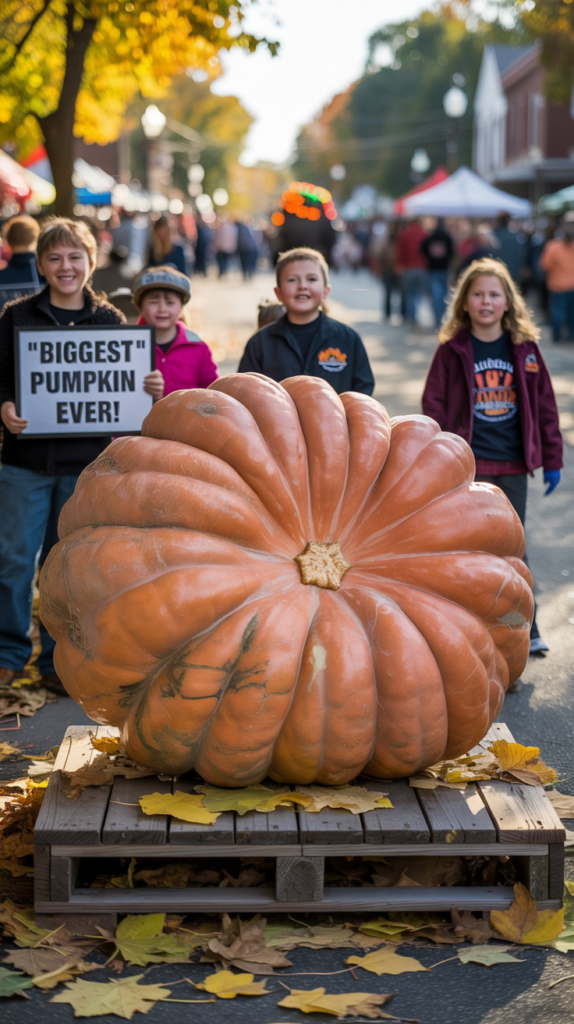
Why It’s Famous: Known as the “Greatest Free Show on Earth,” this pumpkin festival attracts over 400,000 visitors every October.
Highlights:
- Giant pumpkin weigh-ins (some topping 1,500 lbs!)
- Pumpkin pie-eating contests
- Pumpkin-themed parades and marching bands
- Pumpkin EVERYTHING: donuts, ice cream, fudge, coffee, and burgers
Traveler Tips:
- Book lodging early Circleville is small, so hotels fill up fast. Consider staying in nearby Columbus.
- Parking is limited; many locals rent out yard spaces.
- Bring cash for food stalls.
Nearby Attractions:
- Hocking Hills State Park (great for fall foliage hikes)
- Columbus food scene (only 30 minutes away)
2. National Apple Harvest Festival (Biglerville, Pennsylvania)
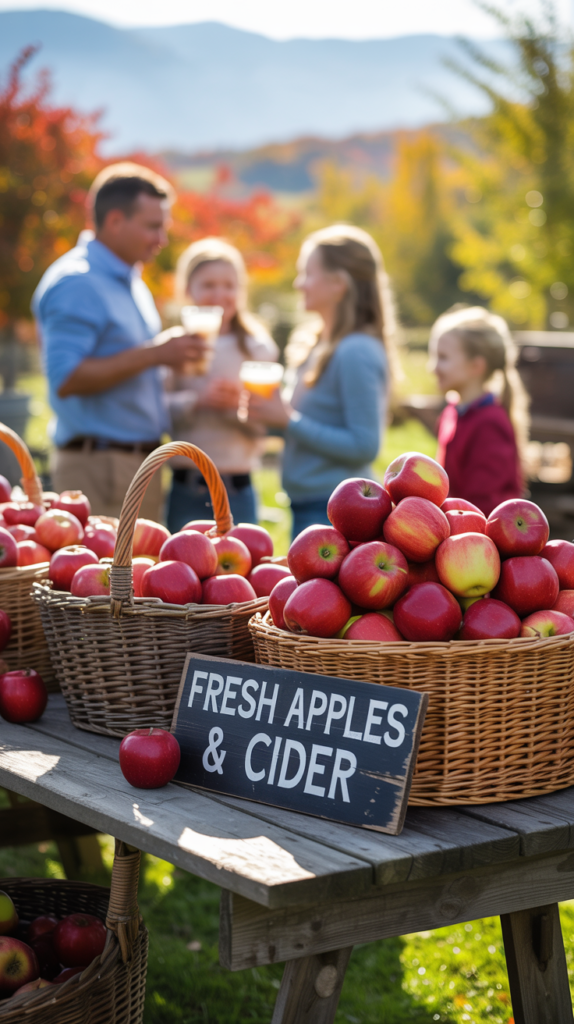
Why It’s Famous: Celebrating the apple harvest for more than 50 years, this festival takes place over two weekends in October.
Highlights:
- Fresh-pressed apple cider and cider donuts
- Apple butter making demonstrations
- Antique cars, crafts, and bluegrass music
- Over 300 food and craft vendors
Traveler Tips:
- Go early in the day afternoons get packed.
- Wear layers; Pennsylvania fall weather is unpredictable.
- Kids love the hayrides and petting zoo.
Nearby Attractions:
- Gettysburg National Military Park (just 10 minutes away)
- Adams County wine trail
3. Half Moon Bay Art & Pumpkin Festival (Half Moon Bay, California)
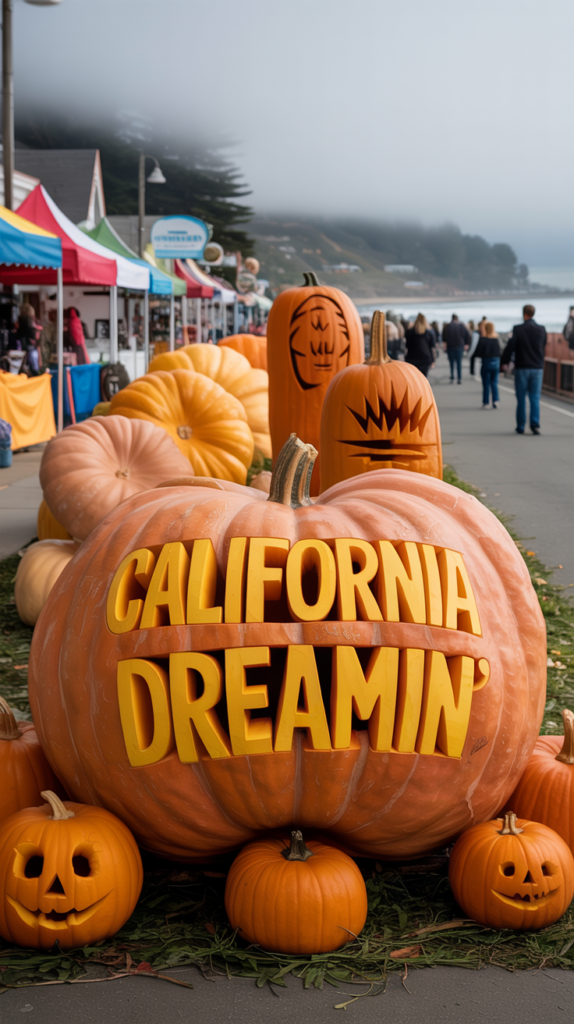
Why It’s Famous: Located along California’s coast, this festival is home to the Safeway World Championship Pumpkin Weigh-Off.
Highlights:
- Massive pumpkins on display (2,000+ lbs)
- Pumpkin beer tastings
- Local artists and live music
- Pumpkin-flavored everything (bread, cheesecake, lattes)
Traveler Tips:
- Traffic is brutal on festival weekends. Arrive early or take public shuttles.
- Dress in layers — coastal California mornings are foggy, afternoons can be warm.
Nearby Attractions:
- Highway 1 scenic drive
- Mavericks Beach (famous surf spot)
4. Warrens Cranberry Festival (Warrens, Wisconsin)
Why It’s Famous: The largest cranberry festival in the world, drawing more than 100,000 visitors.
Highlights:
- Cranberry marsh tours
- Cranberry recipe contests
- Arts and crafts booths
- Cranberry queen pageant
Traveler Tips:
- Try cranberry wine — it’s a local specialty.
- Bring rain boots if you plan to visit bog tours.
- Book accommodations in Tomah or La Crosse if Warrens is full.
Nearby Attractions:
- Wisconsin Dells (waterparks & outdoor fun)
- Great River Road scenic byway
5. Morton Pumpkin Festival (Morton, Illinois)
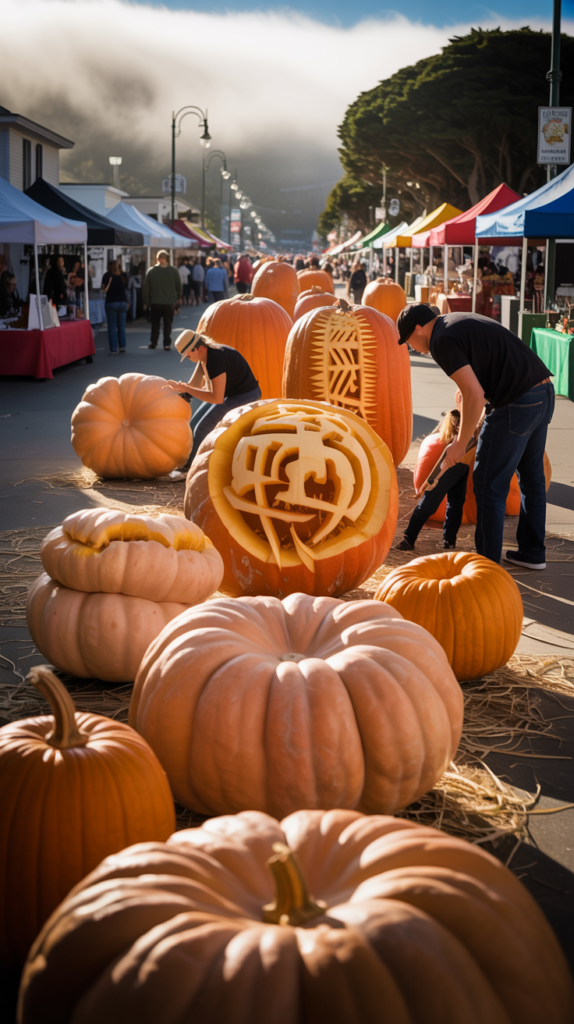
Why It’s Famous: Morton is the self-proclaimed “Pumpkin Capital of the World,” home to Libby’s pumpkin canning plant.
Highlights:
- Pumpkin weigh-offs and parades
- Pumpkin chili and pumpkin ice cream
- Family-friendly carnival rides
- Pumpkin recipe contests
Traveler Tips:
- Don’t miss the pumpkin pancake breakfast.
- The Saturday parade is the festival’s highlight arrive early for a good spot.
Nearby Attractions:
- Peoria Riverfront Museum
- Wildlife Prairie Park
6. Cranberry Harvest Celebration (Wareham, Massachusetts)
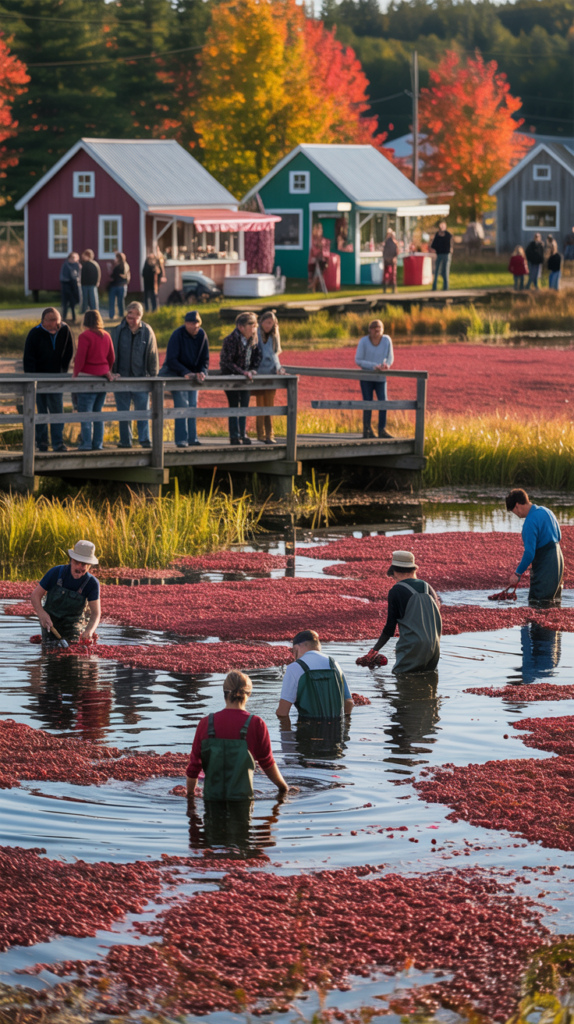
Why It’s Famous: Run by the A.D. Makepeace Company, this festival highlights the cranberry bog harvest.
Highlights:
- Cranberry cooking contests
- Bog tours where you can see floating red berries
- Live music and artisan crafts
- Paddleboarding and kayaking near cranberry bogs
Traveler Tips:
- Wear waterproof boots if touring bogs.
- Sample cranberry scones and cranberry chutney.
Nearby Attractions:
- Cape Cod (30 minutes away)
- Plimoth Patuxet Museums (Pilgrim history)
7. Sonoma County Harvest Fair (Santa Rosa, California)
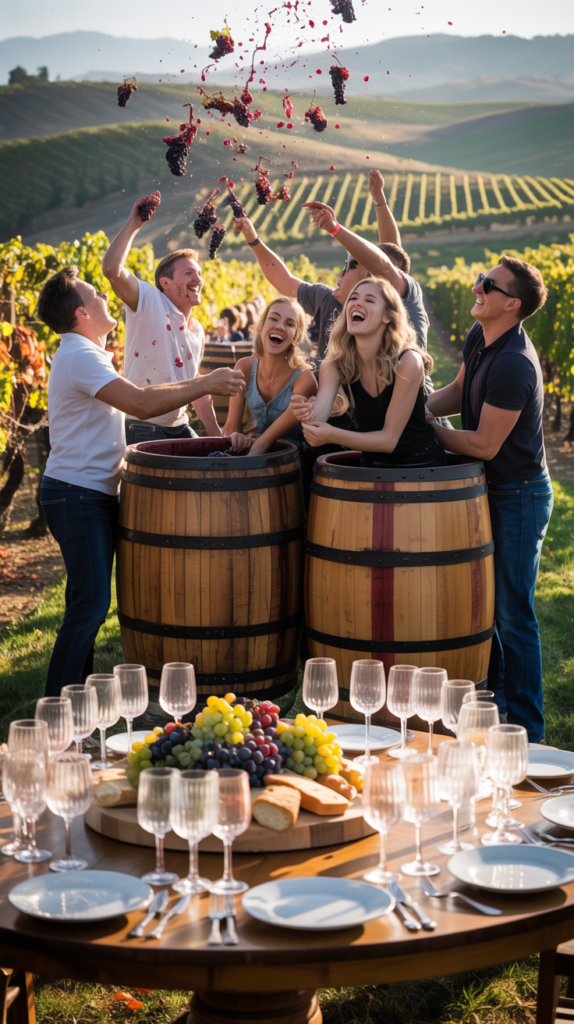
Why It’s Famous: A wine lover’s dream, celebrating Northern California’s grape harvest.
Highlights:
- Wine tasting from 100+ local wineries
- Grape stomping contests (messy but fun!)
- Farm-to-table food competitions
- Livestock and craft displays
Traveler Tips:
- Book wine tastings early.
- The grape stomp fills up fast — register in advance if you want to compete.
- Bring sunscreen; fall in Sonoma can still be hot.
Nearby Attractions:
- Napa Valley wineries
- Armstrong Redwoods State Natural Reserve
8. Applefest (Bayfield, Wisconsin)

Why It’s Famous: Bayfield celebrates the apple harvest with orchards, parades, and Lake Superior views.
Highlights:
- Apple-peeling contest
- Arts and crafts fair
- Homemade apple pies and caramel apples
- Orchard tours along the Bayfield Peninsula
Traveler Tips:
- Stay in Duluth or Ashland if Bayfield inns are full.
- Take the ferry to Madeline Island for scenic hikes.
Nearby Attractions:
- Apostle Islands National Lakeshore
- Big Top Chautauqua concerts
9. Hood River Valley Harvest Fest (Oregon)
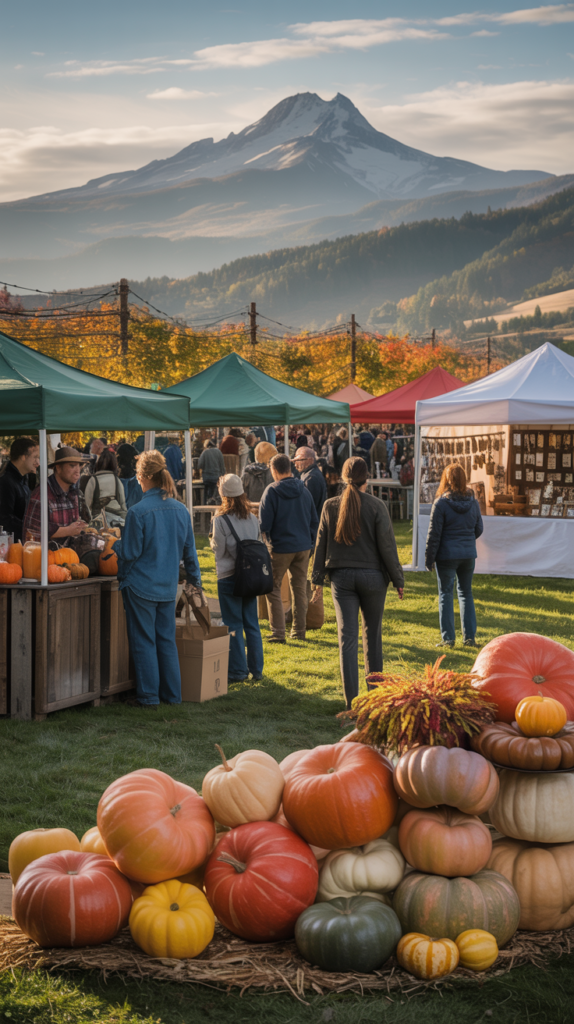
Why It’s Famous: Located in the Columbia River Gorge, this festival celebrates orchards, vineyards, and local farms.
Highlights:
- Fresh pears, apples, and cider tastings
- Live music and artisan market
- Local craft beer and wine
- Pumpkin patches for kids
Traveler Tips:
- Bring layers — Oregon fall weather swings from chilly mornings to warm afternoons.
- Try hard cider from local orchards.
Nearby Attractions:
- Multnomah Falls
- Mount Hood scenic drive
10. Harvest on the Harbor (Portland, Maine)
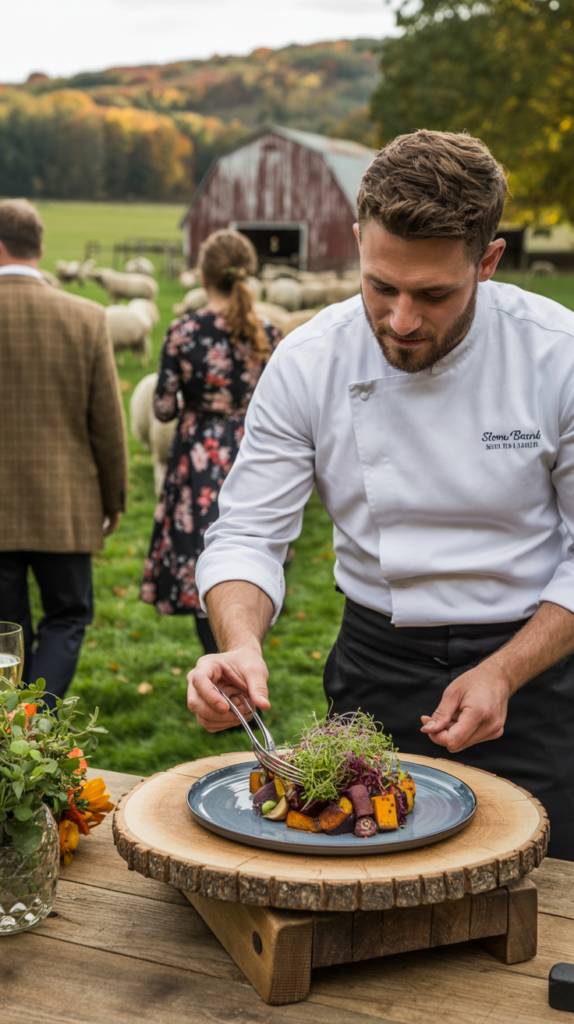
Why It’s Famous: A foodie-focused harvest celebration highlighting Maine’s seafood and fall produce.
Highlights:
- Lobster and seafood cooking contests
- Local beer, cider, and wine tastings
- Farm-to-table dinners
- Artisan food market
Traveler Tips:
- Book tickets early — some events sell out months in advance.
- Wear warm layers; Maine evenings are chilly.
Nearby Attractions:
- Casco Bay cruises
- Portland Head Light (historic lighthouse)
11. Johnny Appleseed Festival (Fort Wayne, Indiana)
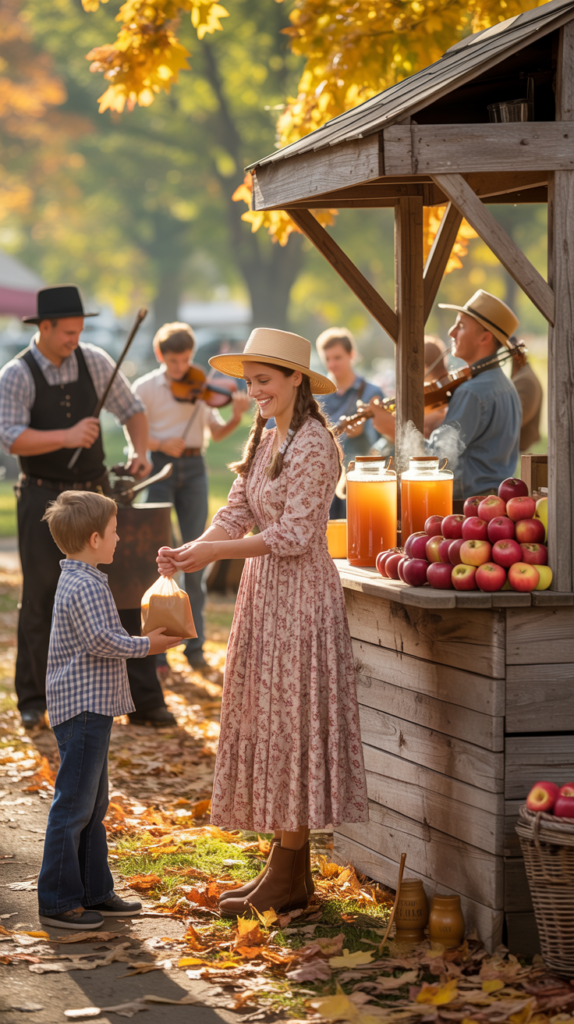
Why It’s Famous: Celebrates the legend of Johnny Appleseed with a living-history event.
Highlights:
- Historical reenactments in period costume
- Apple pie contests
- Craft vendors and storytellers
- Traditional games and activities
Traveler Tips:
- Great for families who love history.
- Bring cash for craft stalls and old-fashioned food booths.
Nearby Attractions:
- Foellinger-Freimann Botanical Conservatory
- Fort Wayne Children’s Zoo
12. Franklin Applefest (Franklin, Pennsylvania)
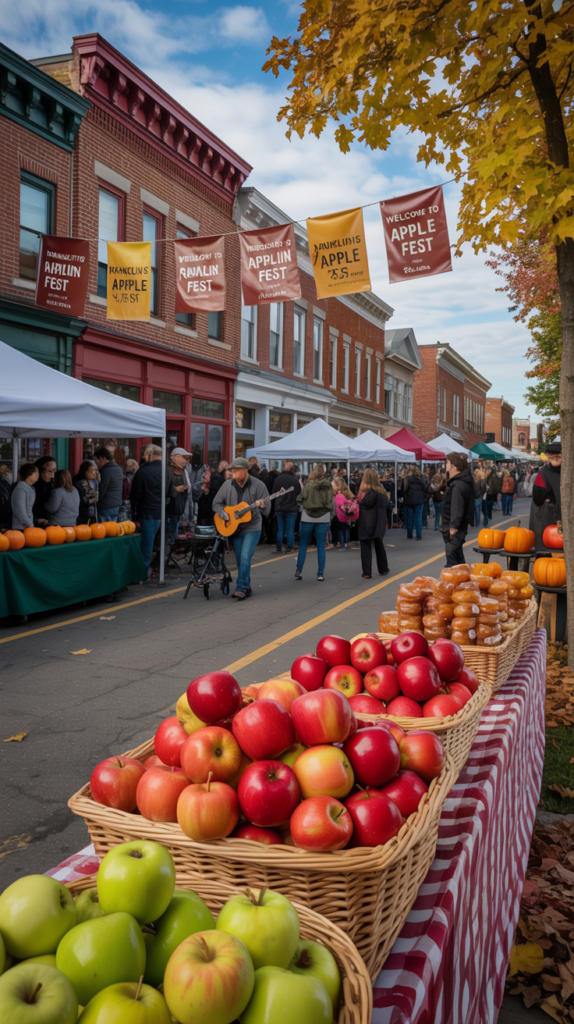
Why It’s Famous: Small-town charm with one of Pennsylvania’s biggest apple celebrations.
Highlights:
- Handmade crafts
- Apple dumplings and cider slushies
- Family parade and carnival rides
- Antique cars on display
Traveler Tips:
- Visit local orchards outside the festival grounds for a quieter experience.
- Parking fills up early — consider shuttle buses.
Nearby Attractions:
- Allegheny River Trail
- Oil Creek State Park
13. Hartsburg Pumpkin Festival (Hartsburg, Missouri)
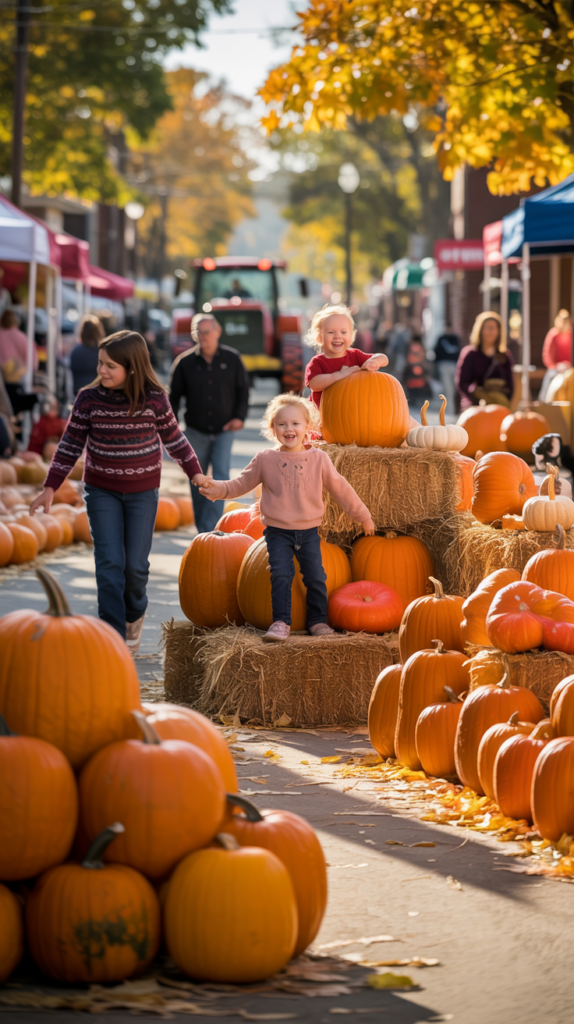
Why It’s Famous: A classic Midwestern pumpkin festival in a town of less than 1,000 residents.
Highlights:
- Pumpkin pie eating contests
- Local artisan crafts
- Pumpkin patch hayrides
- Small-town parade with floats
Traveler Tips:
- It’s a two-day festival only, so plan carefully.
- Bring cash — small vendors don’t always take cards.
Nearby Attractions:
- Katy Trail State Park (cycling & hiking)
- Columbia, MO for dining and nightlife
14. Elk Grove Giant Pumpkin Festival (California)

Why It’s Famous: One of California’s largest pumpkin festivals with a focus on family fun.
Highlights:
- Giant pumpkin weigh-off
- Pumpkin derby races
- Pumpkin pie eating contests
- Live entertainment and artisan booths
Traveler Tips:
- Perfect for kids with lots of activities.
- Arrive early to see the pumpkin weigh-in.
Nearby Attractions:
- Sacramento Old Town
- American River Parkway
15. Great Pumpkin Farm Fall Festival (Clarence, New York)
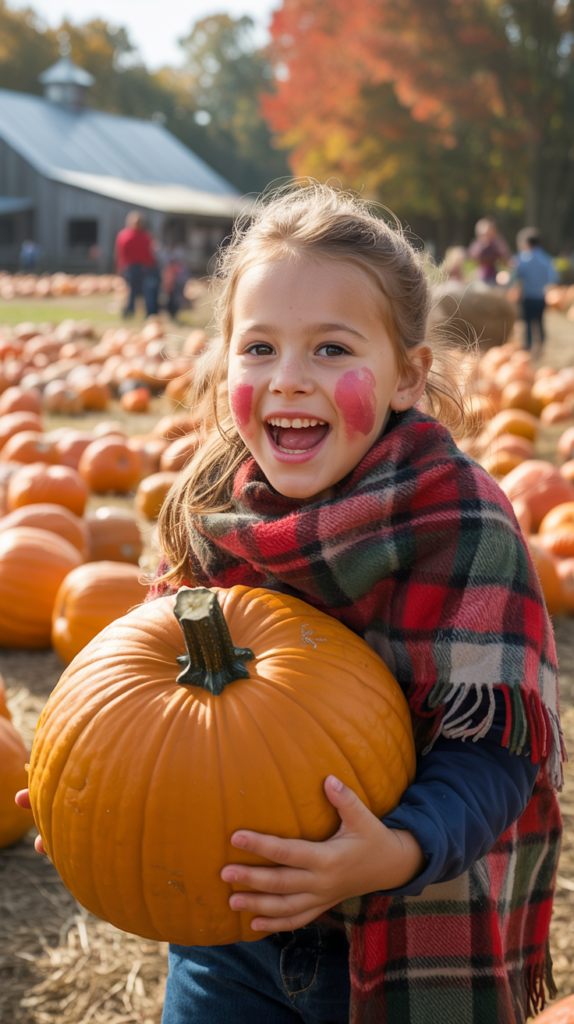
Why It’s Famous: A multi-week fall festival with pumpkins, rides, and family fun.
Highlights:
- Pumpkin cannon shows
- World Pumpkin Weigh-Off
- Hayrides, corn mazes, and haunted houses
- Apple cider and pumpkin donuts
Traveler Tips:
- Runs for several weeks — plan your visit around the events you most want to see.
- Check for special themed weekends (Oktoberfest, Zombie Festival).
Nearby Attractions:
- Niagara Falls (45 minutes away)
- Buffalo’s food scene (don’t miss buffalo wings!)
Why Travelers Should Add Harvest Festivals to Their Bucket List
- Seasonal Beauty: Crisp air, colorful leaves, cozy vibes
- Local Flavor: Cider, pumpkin spice, cranberry treats, and farm-to-table dining
- Authenticity: Small towns showing off their pride and traditions
- Family-Friendly Fun: Hayrides, corn mazes, live music, crafts
- Budget-Friendly: Many are free or very affordable compared to state fairs
If you want to truly experience the heart of American autumn, a harvest festival is the way to do it.