
Why Bavaria Should Be Your Next Travel Adventure
Bavaria, the largest state in Germany, is a traveler’s dream.
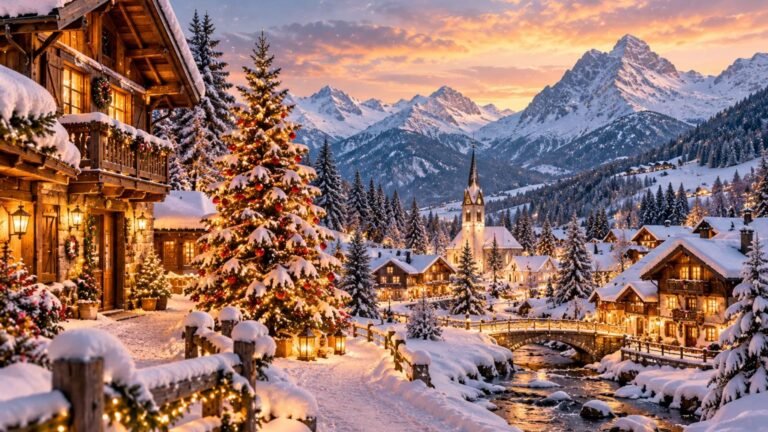
Think snow-capped Alpine peaks, storybook castles, cobblestone towns, world-class beer gardens, and vibrant cultural traditions.
Nestled in Southern Germany, Bavaria is the perfect destination for a week-long road trip filled with stunning landscapes, history, and authentic German experiences.
What sets Bavaria apart?
- Natural Beauty: From the jagged Bavarian Alps to serene lakes like Königssee and Chiemsee.
- Historic Landmarks: The legendary Neuschwanstein Castle, Nuremberg’s medieval old town, and Munich’s grand palaces.
- Culture & Cuisine: Traditional beer halls, hearty dishes like Schweinshaxe (pork knuckle), and centuries-old festivals like Oktoberfest.
- Easy Accessibility: Germany’s exceptional infrastructure makes exploring effortless.
This 7-day itinerary balances scenic drives, mountain adventures, castle visits, and immersive cultural experiences.
Where to Start and End Your Bavaria Road Trip
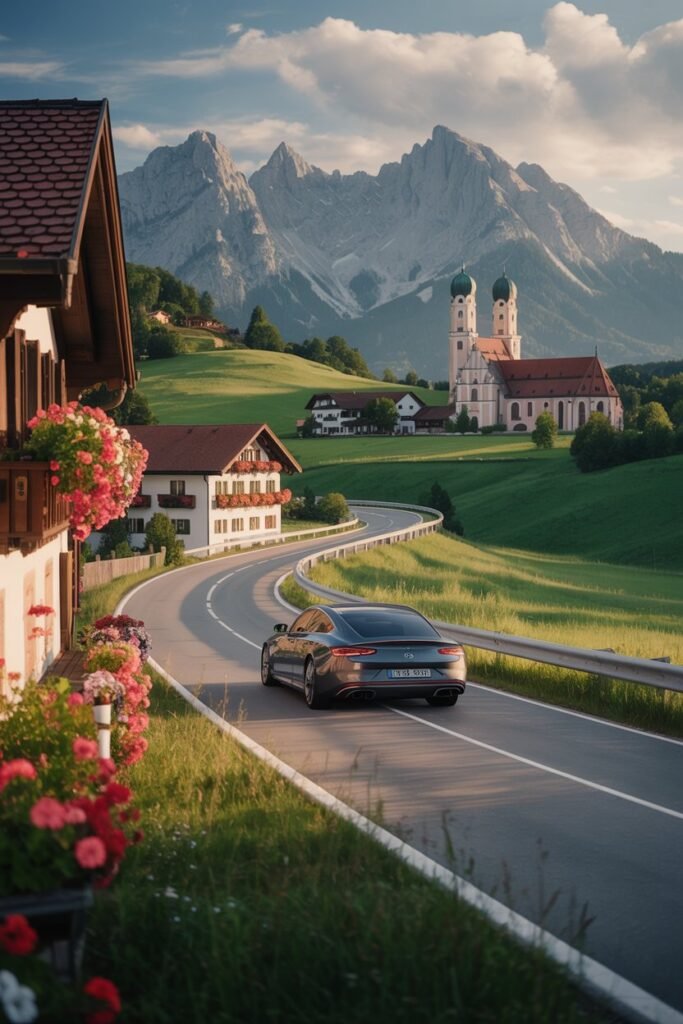
The best way to experience Bavaria is through a loop itinerary, starting and ending in Munich (München).
Why Start in Munich?
- Major International Airport: Munich International Airport (MUC) is one of Europe’s busiest hubs, with direct flights from North America, Asia, and across Europe.
- Central Location: Perfect gateway to the Bavarian Alps, Romantic Road, and eastern Bavaria.
- Car Rentals & Transport: Easy to rent a car right from the airport or central Munich.
Alternative Start/End Points:
- Nuremberg (Nürnberg): Smaller airport, great if focusing on Northern Bavaria.
- Salzburg, Austria: If you’re coming from Austria or want to include the Salzkammergut region.
Recommended Loop Route (7 Days):
Munich → Neuschwanstein & Füssen → Garmisch-Partenkirchen (Zugspitze) → Berchtesgaden (Königssee) → Nuremberg → Regensburg → Munich
This route ensures minimal backtracking, hitting the most iconic spots.
Shop my amazon essentials
- Anti-Theft Crossbody Travel Bag
- European Travel Adapter
- Portable Power Bank
- Reusable Water Bottle
- Compression Packing Cubes
- Foldable Daypack
- Sunglasses
- Neck pillow
- Blister Prevention Kit
- Collapsible Snack Container
Transportation for this Bavaria Itinerary
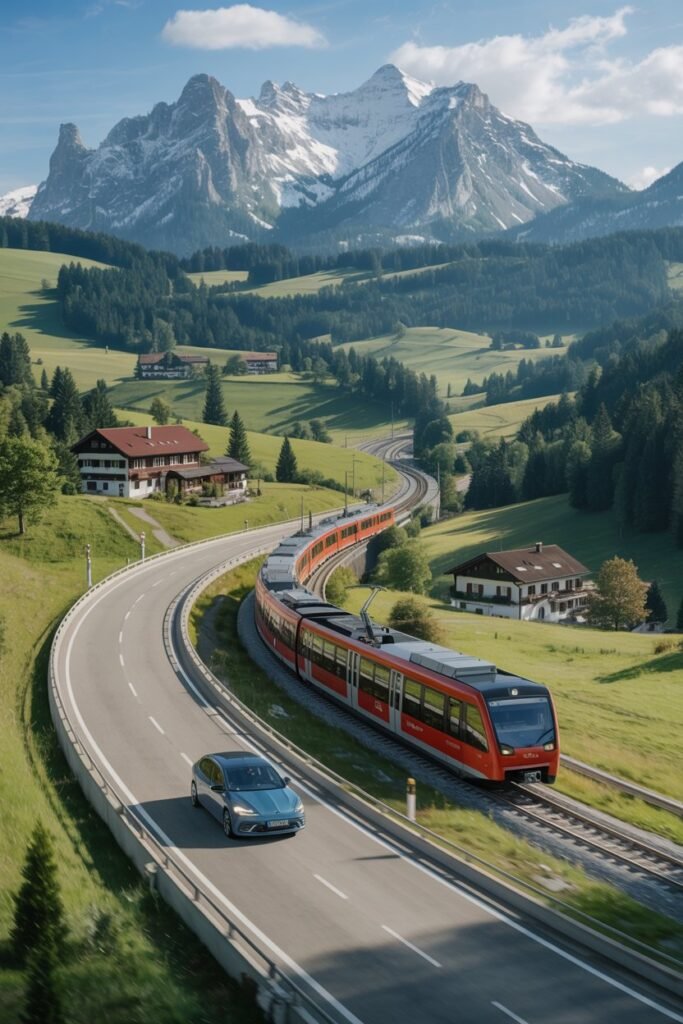
1. Car Rental – Best Option
The ultimate freedom in Bavaria comes with your own car:
- Flexibility: Explore at your own pace, access small villages, and take scenic alpine roads.
- Cost: €30–€60/day depending on the car size.
- Driving Tips:
- Germany’s Autobahn allows for fast travel, but respect speed limits in towns.
- Mountain roads are well-maintained but narrow drive carefully.
- Parking is usually easy outside big cities; use Park+Ride in Munich.
Recommended Rental Companies: Europcar, Sixt, Hertz (book in advance).
2. Train & Bus – Viable but Limited
Bavaria has excellent train service:
- Deutsche Bahn (DB): Connects major cities (Munich–Nuremberg–Regensburg).
- Bayern Ticket: €27/day, unlimited regional travel.
However, remote castles and alpine trails require buses or taxis, making driving more convenient.
3. Organized Tours
If you prefer not to drive:
- Day Tours from Munich: Neuschwanstein, Dachau, Salzburg.
- Multi-Day Group Tours: Costlier, less flexibility.
Verdict: Renting a car is strongly recommended for this 7-day itinerary.
People also read Europe by Train: 20 Itinerary Ideas for 10 Days of Travel
Best Time to Visit Bavaria
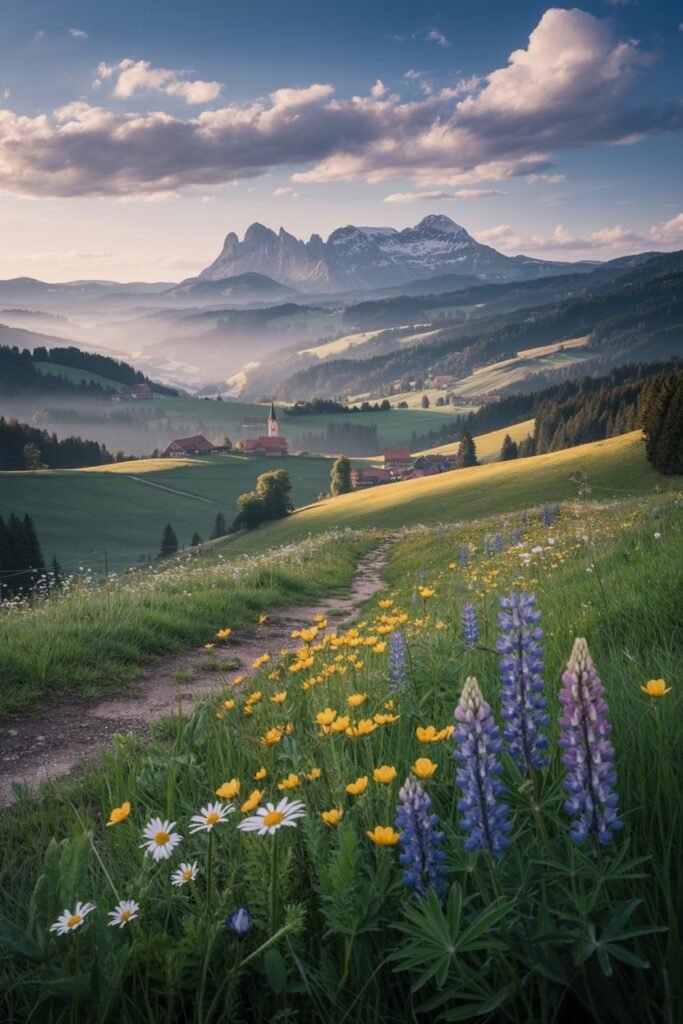
Bavaria is a year-round destination, but spring to early autumn (May–October) is ideal.
Spring (April–June):
- Pros: Mild weather, blooming landscapes, fewer crowds.
- Cons: Alpine hiking trails may still have snow in April.
Summer (July–August):
- Pros: Warm weather, festivals, ideal for hiking and lakes.
- Cons: Peak tourist season; book hotels early.
Autumn (September–October):
- Pros: Oktoberfest in Munich, fall foliage in the Alps.
- Cons: Cooler temps, especially in the mountains.
Winter (November–March):
- Pros: Christmas markets, skiing in Garmisch-Partenkirchen.
- Cons: Some attractions (like alpine roads) close due to snow.
Best Overall: Late May to September for this road trip.
Where to Stay in Bavaria
To make your trip stress-free, base yourself in different regions rather than backtracking to one hotel:
Suggested Overnight Stops:
- Munich (1–2 nights):
- Luxury: Hotel Bayerischer Hof
- Mid-Range: Platzl Hotel
- Budget: Meininger Hotel
- Füssen (1 night): For Neuschwanstein Castle
- Luxury: Hotel Sommer
- Mid-Range: Hotel Sonne
- Budget: Old Kings Hostel
- Garmisch-Partenkirchen (1–2 nights): For Zugspitze and Alps
- Luxury: Riessersee Hotel
- Mid-Range: Atlas Grand Hotel
- Budget: Gästehaus Maria
- Berchtesgaden (1 night): For Königssee & Eagle’s Nest
- Luxury: Kempinski Hotel Berchtesgaden
- Mid-Range: Hotel Edelweiss
- Budget: Gästehaus Alpina
- Nuremberg (1 night): For medieval charm
- Luxury: Le Méridien Grand Hotel
- Mid-Range: Hotel Drei Raben
- Budget: Five Reasons Hostel
- Regensburg (1 night): For historic UNESCO old town
- Luxury: Hotel Goliath am Dom
- Mid-Range: Sorat Insel-Hotel
- Budget: Ibis Regensburg City
Day 1 – Munich: Arrival, City Tour & Beer Gardens
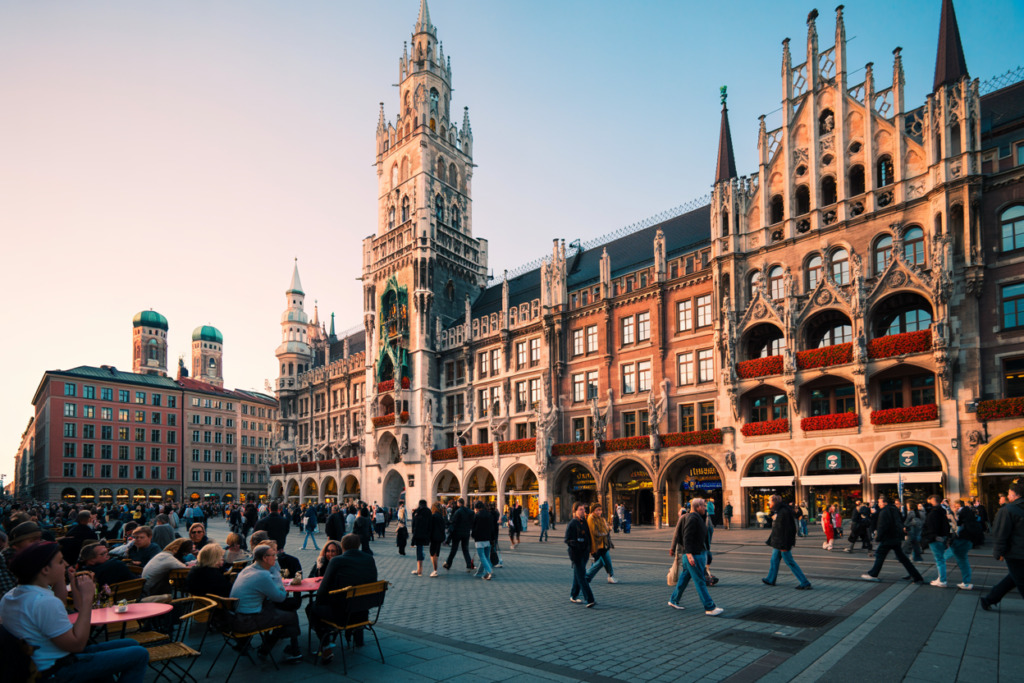
Munich (München), Bavaria’s vibrant capital, is the perfect place to begin your journey.
Known for its rich history, stunning architecture, and legendary beer culture, Munich combines old-world charm with modern sophistication.
This first day is designed to ease you into Bavaria, giving you time to explore key highlights without feeling rushed.
Morning: Arrival & Hotel Check-In
Arrival at Munich Airport (MUC):
- Customs & Immigration: Quick and efficient; expect 30–45 minutes from landing to exit.
- Airport to City Center:
- Train (S-Bahn): Lines S1 and S8 connect the airport to Munich Hauptbahnhof (Central Station) in ~40 minutes (€13).
- Taxi/Uber: ~€60–€75, 35–45 minutes.
- Car Rental: Pick up at the airport if starting your road trip immediately.
Check into Your Hotel:
Choose based on your preference for convenience and style:
- Luxury: Hotel Bayerischer Hof (historic, central, 5-star amenities)
- Mid-Range: Platzl Hotel (traditional Bavarian style, great location)
- Budget: Meininger Hotel or Wombat’s City Hostel
Late Morning to Afternoon: Old Town (Altstadt) Walking Tour
Start your exploration in the Altstadt (Old Town), Munich’s historic heart. It’s compact and walkable, making it ideal for a half-day exploration.
1. Marienplatz – The Beating Heart of Munich
- What to See:
- Neues Rathaus (New Town Hall): Famous for its Glockenspiel show (11:00 AM & 12:00 PM daily).
- Altes Rathaus (Old Town Hall): Medieval structure with a toy museum.
- Why Visit: Iconic square that perfectly introduces Munich’s charm.
2. Frauenkirche (Cathedral of Our Dear Lady)
- Highlights:
- Twin onion-domed towers – Munich’s most recognizable skyline feature.
- Climb the south tower for panoramic views (€7).
3. Viktualienmarkt – The Culinary Hub
- Details:
- Open-air market with fresh produce, cheeses, Bavarian sausages, and beer stalls.
- Grab a Weißwurst (white sausage) and pretzel snack.
4. Residenz Palace
- Why Visit: Former royal palace of the Bavarian kings.
- What to See:
- Lavish staterooms, the Antiquarium, and treasury.
- Time Needed: ~1.5 hours (€9 entry).
Late Afternoon: English Garden (Englischer Garten)
One of the world’s largest urban parks—bigger than NYC’s Central Park:
- Activities:
- Stroll along tree-lined paths.
- Watch surfers at the Eisbachwelle (yes, river surfing in Munich!).
- Don’t Miss:
- Chinese Tower Beer Garden: One of the city’s most famous beer gardens.
Evening: Classic Bavarian Dinner & Beer Gardens
Option 1: Hofbräuhaus München
- Why Go: The most famous beer hall in the world, dating back to 1589.
- What to Order:
- 1L Maß (beer stein) of Hofbräu Original.
- Schweinshaxe (crispy pork knuckle) with potato dumplings.
- Atmosphere: Traditional music, communal tables, lively crowd.
Option 2: Augustiner-Keller
- Why Go: Local favorite, less touristy than Hofbräuhaus.
Practical Tips for Day 1:
- Currency: Euro (€) – Credit cards accepted, but carry cash for markets and small shops.
- Language: German is official, but English is widely spoken.
- Safety: Munich is very safe; just be cautious of pickpockets in crowded areas.
- Pacing: Don’t overdo it—jet lag can hit hard. Focus on Marienplatz, Viktualienmarkt, and one beer garden if tired.
End of Day 1 Summary:
Your first day gives you Munich’s essence: history in Marienplatz, culture in the Residenz, nature in the English Garden, and Bavarian hospitality in a beer hall. Perfect start!
Day 2 – Neuschwanstein Castle & Füssen: Bavaria’s Fairytale Adventure
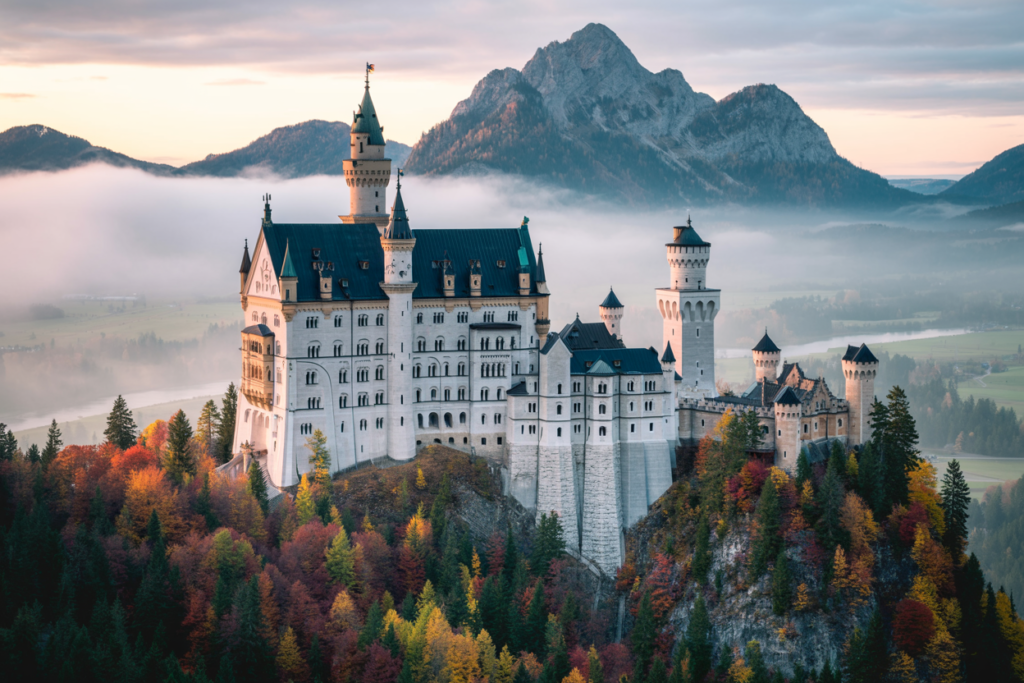
Day 2 transports you from Munich’s urban vibrancy to the storybook landscapes of southern Bavaria, where Neuschwanstein Castle rises dramatically above alpine meadows.
This is one of Europe’s most iconic sights and a must-see highlight of any Bavarian road trip.
Morning: Munich to Füssen (Approx. 2 Hours, 120 km)
Option 1 – By Car (Recommended)
- Route: Take the A96 highway west, then B17 south to Füssen.
- Why Drive: Flexibility to stop at scenic spots along the way, like Ammersee Lake or Landsberg am Lech, a charming medieval town.
Option 2 – By Train
- Munich Hauptbahnhof → Füssen: ~2 hours, direct trains run every hour (€25–€30).
- Downside: You’ll still need a bus or shuttle to the castle area.
Late Morning: Neuschwanstein Castle Visit
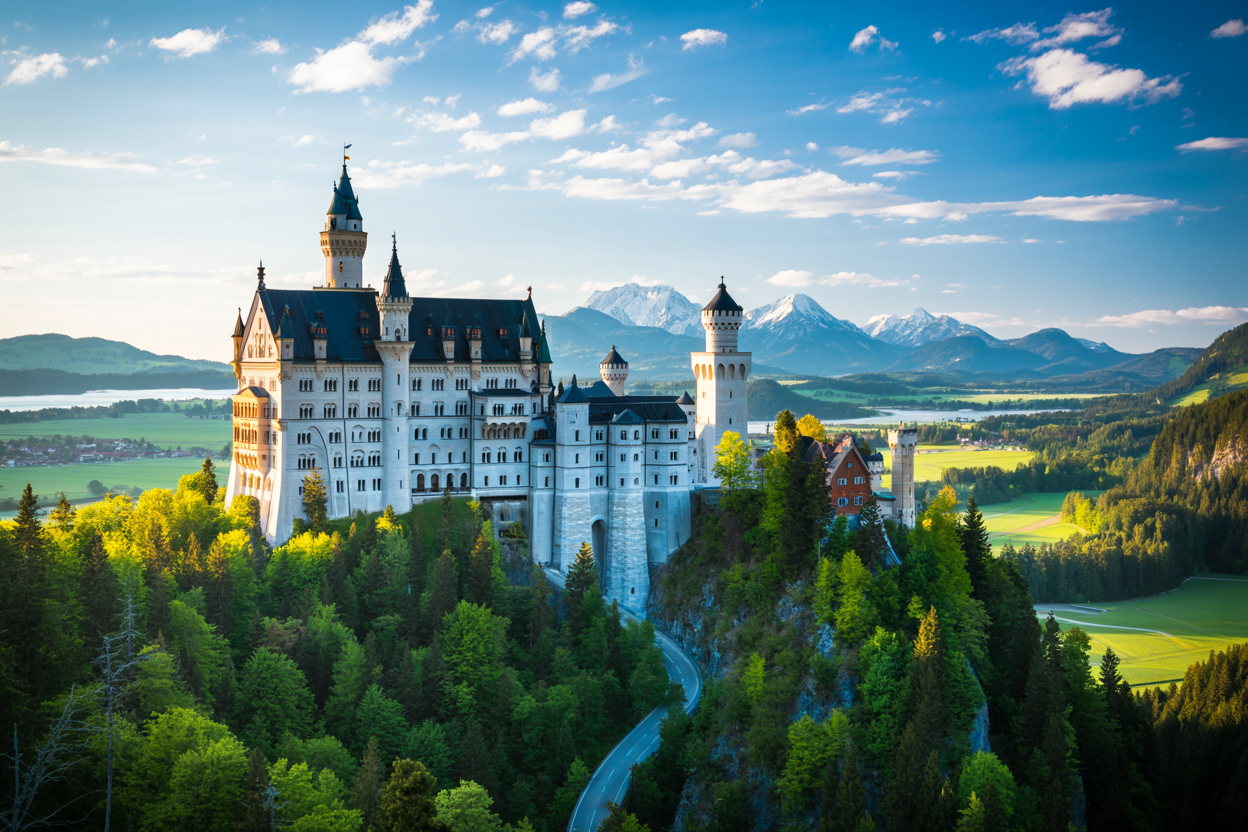
Neuschwanstein Castle, built by “Mad King” Ludwig II in the 19th century, inspired Disney’s Cinderella Castle. It’s perched dramatically on a rugged hill near the Austrian border.
Tickets & Entry:
- Book Online in Advance: essentials during high season.
- Cost: €18 per adult (includes guided tour).
- Pick-Up Point: Ticket Center in Hohenschwangau village (not at the castle itself).
- Tour Duration: 30–40 minutes inside, but allow 3–4 hours total for the visit.
How to Reach the Castle:
- On Foot: 40-minute uphill walk from Hohenschwangau village.
- Shuttle Bus: €3 one-way, drops near Marienbrücke (Mary’s Bridge).
- Horse-Drawn Carriage: ~€7 uphill; romantic but slower.
Must-See Spots:
- Interior Highlights: Throne Room, Singer’s Hall, King Ludwig’s chambers.
- Marienbrücke (Mary’s Bridge): Iconic postcard viewpoint over the castle—don’t miss it!
Optional Add-On: Hohenschwangau Castle
Located nearby, this was Ludwig II’s childhood home.
- Entry Fee: €21 combined ticket with Neuschwanstein.
- Why Visit: Offers context about Ludwig’s life and architectural vision.
Afternoon: Füssen Old Town Exploration
After visiting the castle, drive or take the shuttle to Füssen, a quaint alpine town just 5 minutes away.
Highlights:
- Hohes Schloss (High Castle): Stunning late-Gothic architecture with trompe-l’oeil frescoes.
- Lechfall: Small but picturesque waterfall on the River Lech.
- Historic Center: Colorful houses, cafes, and artisan shops.
Lunch Recommendations:
- Gasthof Krone: Traditional Bavarian dishes try Käsespätzle (cheese noodles).
- Madame Plüsch: Cozy ambiance with regional specialties.
Late Afternoon: Scenic Drive or Lake Stroll
Depending on your energy level:
- Option 1: Drive the Romantic Road north of Füssen a scenic route through medieval villages.
- Option 2: Lake Forggensee: Relax by this tranquil lake with mountain views.
Evening: Overnight in Füssen
Recommended Hotels:
- Luxury: Hotel Sommer – Lakeside wellness resort.
- Mid-Range: Hotel Sonne – Central, stylish rooms.
- Budget: Old Kings Hostel – Fun, thematic rooms.
Dinner Recommendation:
- Restaurant Hirsch: Upscale regional cuisine, great for a cozy evening.
Practical Tips for Day 2:
- Arrive Early at Neuschwanstein: Beat the tour bus crowds by starting your day early.
- Parking: Designated lots in Hohenschwangau (€8/day).
- What to Wear: Comfortable shoes; the castle grounds involve walking and hills.
- Photography: No photos allowed inside Neuschwanstein, but outside views are incredible.
End of Day 2 Summary:
Today immerses you in Bavaria’s romantic heritage and alpine scenery. Neuschwanstein’s fairytale beauty, combined with Füssen’s charm, creates an unforgettable day.
Next Up (Part 4): Day 3 – Garmisch-Partenkirchen & Zugspitze: Germany’s Highest Peak
Do you want me to continue with Day 3 right now (full details on Zugspitze, alpine hikes, and Garmisch)? Or would you like me to cover Days 3 & 4 together (Alps + Berchtesgaden) in one extended section?
Read The Art of Travel Aesthetics: How to Curate a Beautiful and Memorable Journey
Day 3 – Garmisch-Partenkirchen & Zugspitze: Germany’s Highest Peak
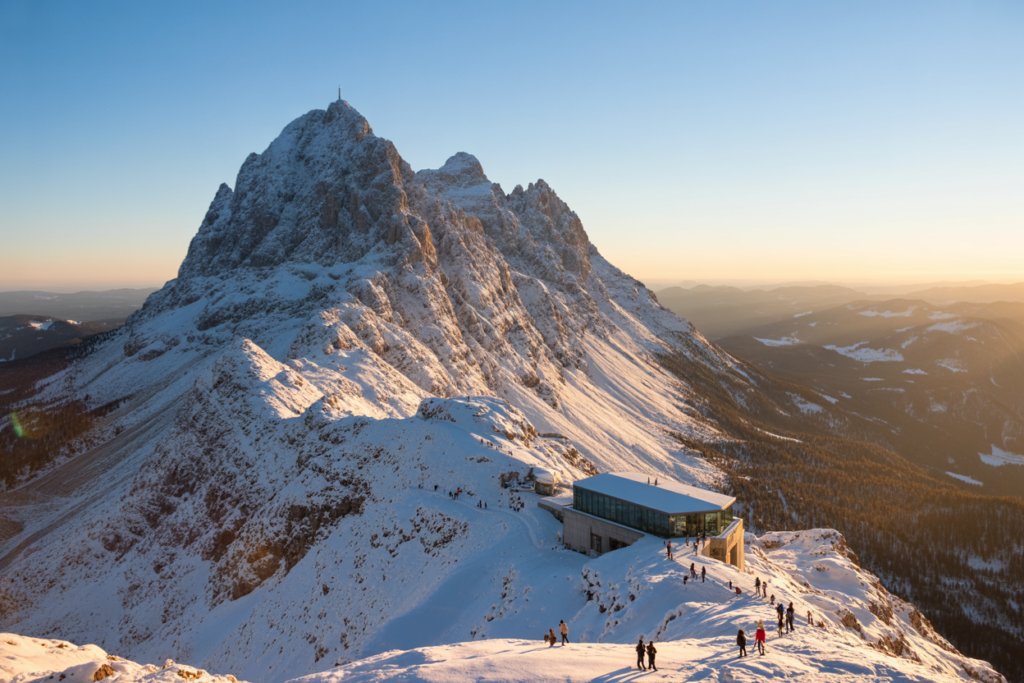
Today you’ll journey deeper into Bavaria’s Alpine heartland, exploring Garmisch-Partenkirchen, one of Germany’s most beloved mountain towns, and Zugspitze, the country’s highest peak at 2,962 meters (9,718 ft).
This day is all about breathtaking scenery, outdoor adventure, and authentic alpine charm.
Morning: Füssen to Garmisch-Partenkirchen (Approx. 1.5–2 Hours, 90 km)
By Car (Recommended):
- Route: Follow B17 north briefly, then B23 south to Garmisch-Partenkirchen.
- Why Drive: Scenic roads with views of forests, valleys, and the Alps in the distance.
Optional Stops En Route:
- Ettal Abbey: Stunning Benedictine monastery with ornate interiors.
- Linderhof Palace: Another of King Ludwig II’s masterpieces, inspired by Versailles (worth a quick visit).
Late Morning: Garmisch-Partenkirchen Old Town
Arrive in Garmisch-Partenkirchen, a town that blends Bavarian tradition with a world-class ski resort vibe.
What to See in Town:
- Ludwigstraße (Partenkirchen side): Historic street lined with Lüftlmalerei (painted façades).
- Richard-Strauss-Platz (Garmisch side): Bustling central square with cafes and shops.
Grab a light Bavarian breakfast at Bäckerei Krönner try a Butterbreze (butter pretzel) and coffee.
Midday: Ascend Zugspitze – Germany’s Roof
Why Visit Zugspitze?
- Panoramic views of four countries: Germany, Austria, Switzerland, Italy.
- Year-round snow, glacier hiking, and stunning photo opportunities.
How to Get There:
- Eibsee Base Station (10 min drive from town).
- Zugspitze Cable Car:
- Ultra-modern, scenic ride to the summit in 10 minutes (€65 round trip).
- Alternative: Cogwheel Train + Gletscherbahn (slower but scenic).
At the Summit:
- Viewing Platforms: 360° alpine panoramas.
- Activities:
- Glacier hiking (summer).
- Tobogganing/skiing (winter).
- Dining: Panoramic restaurant with local specialties order a Kaiserschmarrn (shredded pancake dessert).
Plan to spend 2–3 hours total enjoying the summit.
Afternoon: Eibsee Lake – Alpine Serenity
On your way back down, stop at Eibsee, a crystal-clear alpine lake at Zugspitze’s base:
- Activities:
- Walk the 7 km shoreline trail (~2 hours).
- Rent a paddleboat in summer.
- Why Go: Unreal turquoise water against a mountain backdrop.
Evening: Overnight in Garmisch-Partenkirchen
Recommended Hotels:
- Luxury: Hotel Zugspitze – Upscale spa hotel in town center.
- Mid-Range: Atlas Grand Hotel – Historic, traditional Bavarian charm.
- Budget: Gästehaus Maria – Cozy family-run guesthouse.
Dinner Recommendations:
- Gasthof Fraundorfer: Rustic tavern with live Bavarian folk music.
- Zum Wildschütz: Authentic alpine cuisine try venison stew.
Practical Tips for Day 3:
- Weather: Bring layers; temperatures drop at the Zugspitze summit even in summer.
- Timing: Take the first cable car (8 AM) to beat crowds.
- Tickets: Reserve online during high season.
- Fitness: Minimal hiking required to enjoy Zugspitze, but good shoes recommended.
End of Day 3 Summary:
Day 3 delivers alpine magic: charming towns, Germany’s highest peak, and pristine mountain lakes.
Garmisch-Partenkirchen becomes your gateway to unforgettable alpine memories.
Pro tip: read 15 Easy Tips to Improve Your Travel Photography
Day 4 – Berchtesgaden & Königssee: Bavaria’s Alpine Paradise
Today’s journey takes you to Berchtesgaden National Park, a pristine alpine wonderland near the Austrian border.
It’s a day of jaw-dropping scenery, crystal-clear lakes, and fascinating history, making it one of the most memorable stops on this itinerary.
Morning: Garmisch-Partenkirchen to Berchtesgaden (Approx. 3–3.5 Hours, 220 km)
By Car (Recommended):
- Route: Take A8 east past Munich toward Salzburg, then B20 south into Berchtesgaden.
- Why Drive: Flexibility to stop en route and enjoy the scenic alpine highways.
Optional Scenic Stops En Route:
- Chiemsee Lake: Bavaria’s largest lake, known as the “Bavarian Sea.” Visit Herrenchiemsee Palace, King Ludwig II’s Versailles-inspired masterpiece, if time permits.
- Rosenheim: A charming Bavarian town with a lovely old town square.
Arrive in Berchtesgaden by late morning.
Late Morning: Königssee – Bavaria’s Emerald Lake
Why Visit Königssee?
Often called the “cleanest lake in Germany,” Königssee is a glacial lake surrounded by dramatic, fjord-like mountains.
What to Do:
- Boat Cruise to St. Bartholomä:
- Duration: ~35 minutes each way.
- Highlights: The red-domed church of St. Bartholomä, backed by Watzmann Mountain.
- Cost: ~€22 round trip.
- Optional Stop at Salet (in summer):
- Continue further to Obersee, a smaller, more remote lake.
- Why Go: Mirror-like reflections of the Alps pure magic.
Tips for Königssee:
- Arrive early; this is a popular spot.
- Bring a light jacket; it can be cool on the water.
- No private boats allowed, keeping the lake pristine.
Afternoon: Berchtesgaden Old Town & Local Lunch
After returning from Königssee, head to Berchtesgaden’s charming old town:
- Highlights:
- Historic market square.
- Bavarian-style houses with frescoed façades.
Lunch Recommendations:
- Gasthof Neuhaus: Traditional Bavarian dishes.
- Edelweiss Restaurant: Great alpine views from the terrace.
Late Afternoon: Eagle’s Nest (Kehlsteinhaus)
Why Visit:
A historical site with panoramic views over the Bavarian and Austrian Alps.
Details:
- History: Built as a mountain retreat for the Nazi regime, now a restaurant and viewpoint.
- Access:
- Park at Dokumentation Obersalzberg, then take the special bus up (~€30 round trip).
- Last bus usually departs ~4:00–4:30 PM (seasonal).
Highlights:
- Unmatched 360° alpine vistas.
- Insightful exhibits about the area’s WWII history.
Evening: Overnight in Berchtesgaden
Recommended Hotels:
- Luxury: Kempinski Hotel Berchtesgaden – 5-star alpine resort with spa and panoramic views.
- Mid-Range: Hotel Edelweiss – Central, modern, great rooftop spa.
- Budget: Gästehaus Alpina – Cozy, affordable guesthouse.
Dinner Options:
- Panorama Restaurant at Kempinski: Fine dining with mountain views.
- Gasthof Goldener Bär: Traditional alpine cuisine in a rustic setting.
Practical Tips for Day 4:
- Timing: Start early to fit in Königssee and Eagle’s Nest comfortably.
- Seasonality: Eagle’s Nest is open mid-May to late October only.
- Packing: Comfortable walking shoes, light jacket, and camera essential.
- Parking: Ample parking near Königssee (~€5/day).
End of Day 4 Summary:
Day 4 immerses you in Bavaria’s natural grandeur from the emerald waters of Königssee to the sweeping vistas at Eagle’s Nest, combined with authentic Bavarian hospitality in Berchtesgaden.
Day 5 – Nuremberg: Medieval Charm & Living History
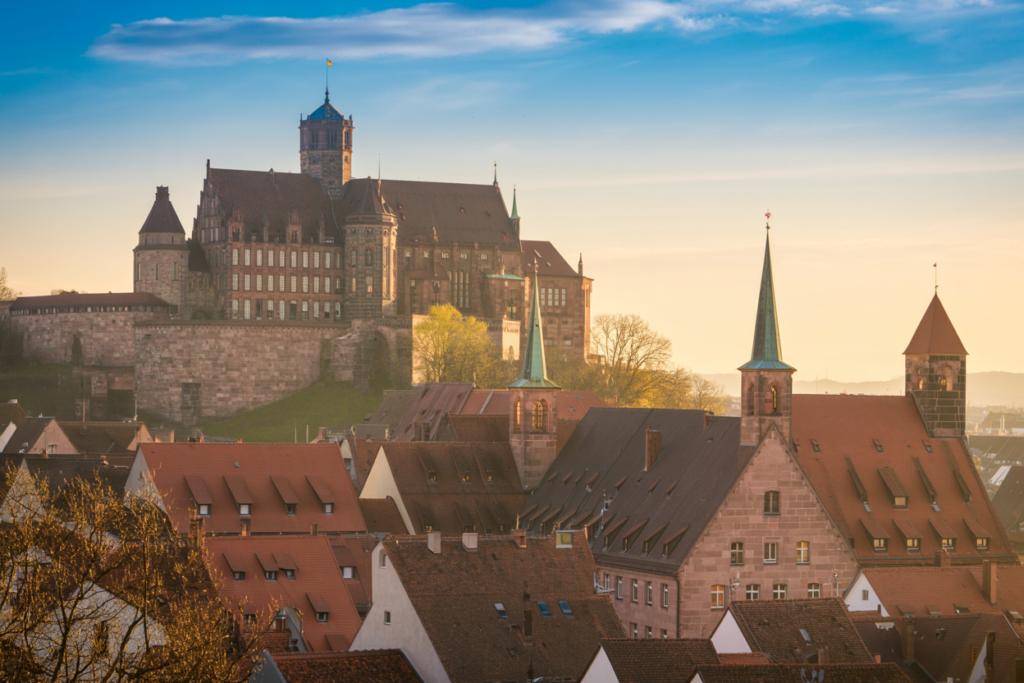
After four days of mountains, castles, and alpine lakes, Day 5 immerses you in Bavaria’s medieval heritage.
Nuremberg (Nürnberg) is a city of contrasts steeped in history yet vibrant and modern.
Known for its imposing castle, half-timbered houses, and world-renowned Christmas market, Nuremberg also carries significant WWII historical importance.
Morning: Berchtesgaden to Nuremberg (Approx. 3.5–4 Hours, 300 km)
By Car:
- Route: Take A8 west toward Munich, then A9 north to Nuremberg.
- Optional Scenic Stop:
- Ingolstadt: Home of the Audi Museum and a charming old town.
Arrive in Nuremberg by late morning.
Late Morning: Nuremberg Castle (Kaiserburg Nürnberg)
Why Visit?
The castle dominates the city skyline and was a key residence of Holy Roman Emperors.
Highlights:
- Sinwell Tower: Climb for panoramic views of the city.
- Deep Well: 50 meters deep, carved into solid rock.
- Imperial Palace Museum: Showcases medieval weaponry and artifacts.
Time Needed: 1.5–2 hours (€7 entry).
Afternoon: Old Town (Altstadt) Exploration
Nuremberg’s Altstadt is a mix of medieval charm and post-war reconstruction.
Must-See Spots:
- Hauptmarkt (Main Market Square):
- Home to the Schöner Brunnen (Beautiful Fountain).
- Famous for the Christkindlesmarkt (Christmas Market in December).
- St. Lorenz Church:
- A Gothic masterpiece with stunning stained glass.
- Handwerkerhof (Craftsmen’s Courtyard):
- Quaint shops selling local crafts perfect for souvenirs.
Lunch Recommendations:
- Bratwursthäusle: Iconic spot serving Nuremberg’s legendary small sausages (try them with sauerkraut and mustard).
- Essigbrätlein: Michelin-starred fine dining (reserve ahead).
Late Afternoon: Nuremberg’s WWII History
Nuremberg played a pivotal role in the 20th century:
- Documentation Center Nazi Party Rally Grounds:
- Insightful, sobering museum about the Nazi regime (€6 entry).
- Plan ~1.5–2 hours.
- Nuremberg Trials Memorial:
- Courtroom 600, where Nazi leaders were tried post-WWII.
Evening: Overnight in Nuremberg
Recommended Hotels:
- Luxury: Le Méridien Grand Hotel – Elegant, central location.
- Mid-Range: Hotel Drei Raben – Boutique, themed rooms.
- Budget: Five Reasons Hostel – Clean, modern, budget-friendly.
Dinner Options:
- Albrecht-Dürer-Stube: Traditional Franconian cuisine in a historic setting.
- Hausbrauerei Altstadthof: Local brewery with hearty dishes.
Practical Tips for Day 5:
- Parking: Park in a central garage (Parkhaus Hauptmarkt or Adlerstraße).
- Crowds: Altstadt gets busy in afternoons; visit early for photos.
- Balance: Combine medieval charm with WWII history for a well-rounded visit.
End of Day 5 Summary:
Today offers a deep dive into Bavaria’s history both glorious and dark.
Nuremberg’s fortified walls, bustling squares, and historic significance make it an unforgettable stop.
Day 6 – Regensburg: UNESCO Heritage & Danube Riverside Charm
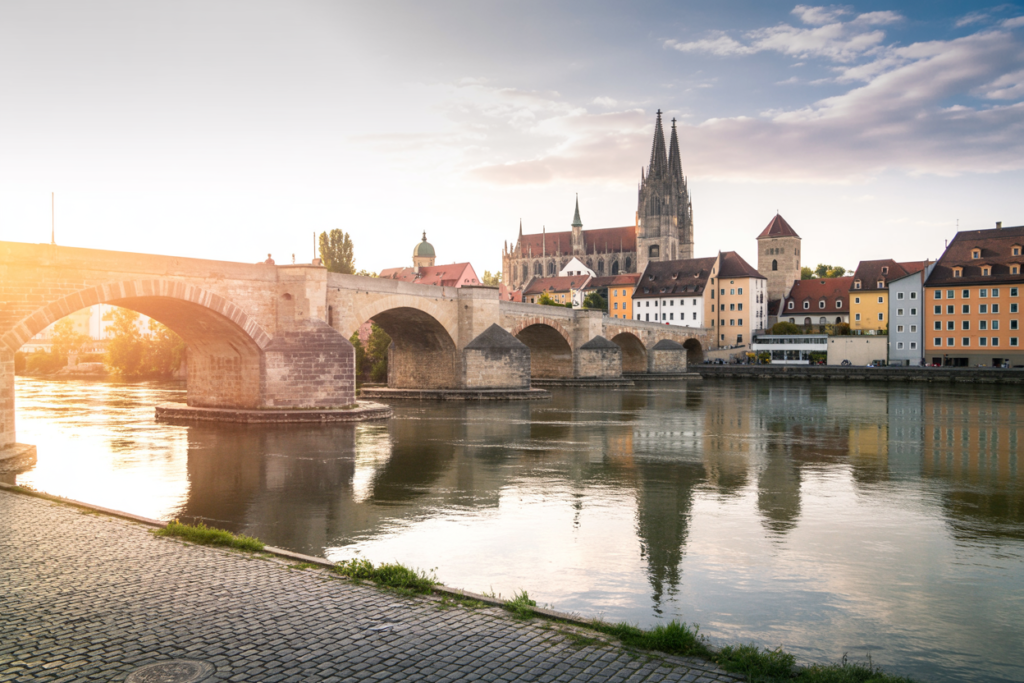
On your final full day in Bavaria, you’ll explore Regensburg, one of Germany’s best-preserved medieval cities and a UNESCO World Heritage Site.
Nestled on the banks of the Danube River, Regensburg offers Gothic architecture, Roman ruins, vibrant squares, and riverside cafés.
Morning: Nuremberg to Regensburg (Approx. 1.5 Hours, 110 km)
By Car:
Take A3 southeast to Regensburg. Arrive mid-morning to make the most of the day.
Late Morning: Regensburg Old Town (Altstadt)
Regensburg’s Altstadt is a living museum, with cobblestone alleys, pastel-colored houses, and centuries-old churches.
Must-See Highlights:
- Regensburg Cathedral (Dom St. Peter):
- A Gothic masterpiece, home to the famous Regensburger Domspatzen boys’ choir.
- Free entry; allow 30–45 minutes.
- Stone Bridge (Steinerne Brücke):
- A 12th-century bridge offering stunning views of the Danube and the city skyline.
- Porta Praetoria:
- Remains of a Roman gateway from 179 AD.
- Old Town Hall (Altes Rathaus):
- Features the Reichstag Museum (former seat of the Imperial Diet).
Lunch by the Danube:
- Wurstkuchl: Iconic riverside sausage kitchen serving Regensburg sausages with sauerkraut.
- Storstad: Michelin-starred modern cuisine with a rooftop view.
Afternoon: Museums & River Walks
Optional Activities:
- Historic Museum of Regensburg: Roman artifacts, medieval art (€5 entry).
- Boat Cruise on the Danube: Short 1-hour cruises available (€12–€15), offering unique views of the city.
Late Afternoon: Café Culture & Shopping
- Stroll Gesandtenstraße for boutiques and artisan shops.
- Stop for cake and coffee at Café Prinzess, Germany’s oldest café (since 1686).
Evening: Overnight in Regensburg
Recommended Hotels:
- Luxury: Hotel Goliath am Dom – Stylish, central, with views of the cathedral.
- Mid-Range: Hotel Münchner Hof – Family-run in a historic building.
- Budget: Jugendherberge Regensburg – Clean, affordable, close to the center.
Dinner Recommendations:
- Dicker Mann: Traditional Bavarian cuisine in a historic tavern.
- Weltenburger am Dom: Serves beers from Bavaria’s oldest monastic brewery.
Practical Tips for Day 6:
- Parking: Use Parkhaus Dachauplatz (close to Altstadt).
- Best Views: Climb the tower at St. Emmeram’s Abbey or enjoy sunset from the Stone Bridge.
- Local Souvenir: Regensburg mustard unique to the region.
End of Day 6 Summary:
Regensburg is a perfect finale a city where Roman history meets medieval elegance, wrapped in Bavarian hospitality.
Day 7 – Return to Munich, Last-Minute Sights & Departure
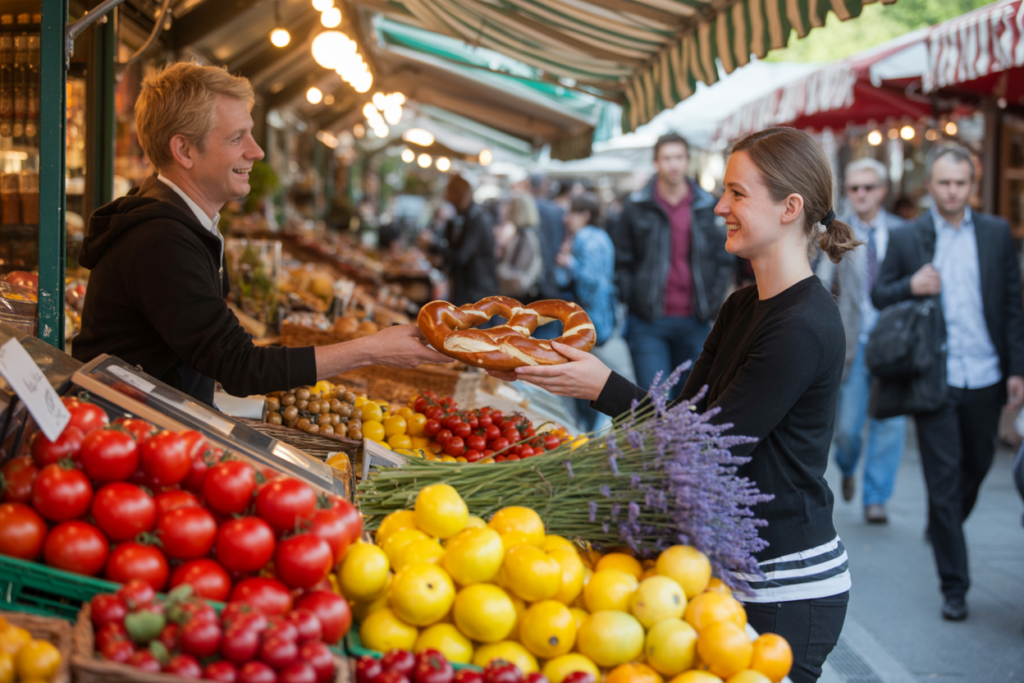
Your Bavarian adventure wraps up today with a leisurely return to Munich, giving you time for a few last-minute experiences before you depart.
Whether you’re catching a flight, a train, or heading onward in Europe, today offers the perfect opportunity to soak in a final taste of Bavaria.
Morning: Regensburg to Munich (Approx. 1.5 Hours, 120 km)
By Car:
Take A93/A9 south to Munich. Plan to leave Regensburg around 8:30–9:00 AM to reach Munich by late morning.
Late Morning: Final Explorations in Munich
Top Options Depending on Your Schedule:
- Englischer Garten (English Garden):
- One of the world’s largest urban parks.
- Enjoy a walk along the streams, or watch surfers at the Eisbach Wave.
- Viktualienmarkt:
- Iconic food market great for grabbing last-minute Bavarian specialties like pretzels, cheeses, or schnapps.
- BMW Welt & Museum:
- If you have 2–3 hours, explore this modern automotive exhibition (€10 museum entry).
Lunch Before Departure:
- Schneider Bräuhaus: Classic Munich beer hall near Marienplatz.
- Tantris DNA: Michelin-starred dining (reserve ahead if you want a special farewell meal).
Afternoon: Souvenirs & Relaxation
- Shop for traditional Bavarian gifts like beer steins, gingerbread hearts, or local wines.
- If time permits, have one last Weißbier at Hofbräuhaus or Augustiner-Keller.
Departure:
- Munich Airport (MUC): About 40–45 minutes from city center. Allow 2–3 hours for check-in.
- Munich Hauptbahnhof: Convenient for train connections across Europe.
Where to Stay if You Have a Late Flight:
- Luxury: Hotel Bayerischer Hof – Iconic, world-class service.
- Mid-Range: Platzl Hotel – Close to Marienplatz and the airport shuttle.
- Budget: Meininger Hotel Munich City Center – Great for short stays.
Practical Tips for Your Last Day:
- Car Return: Most car rental offices are near the airport book early to avoid delays.
- Packing: Remember duty-free limits for alcohol and food.
- Extra Time? Visit Therme Erding, Europe’s largest spa (20 min from airport), for a relaxing finale.
End of Day 7 Summary:
Your journey concludes where it began Munich but with memories of Bavaria’s mountains, castles, beer gardens, and culture etched into your heart.
This itinerary has taken you from urban vibrance to fairy-tale landscapes, offering a true taste of southern Germany.
Conclusion: Why This 7-Day Bavaria Road Trip is Unforgettable
A week in Bavaria gives you:
- Historic Cities: Munich, Nuremberg, Regensburg.
- Iconic Sights: Neuschwanstein, Zugspitze, Dachau.
- Cultural Immersion: Beer gardens, markets, and Bavarian traditions.
- Scenic Drives: Through the Alps, lakes, and Danube Valley.
Whether you’re a first-time visitor or a seasoned traveler, Bavaria’s mix of history, nature, and hospitality makes it one of Europe’s most rewarding destinations.