
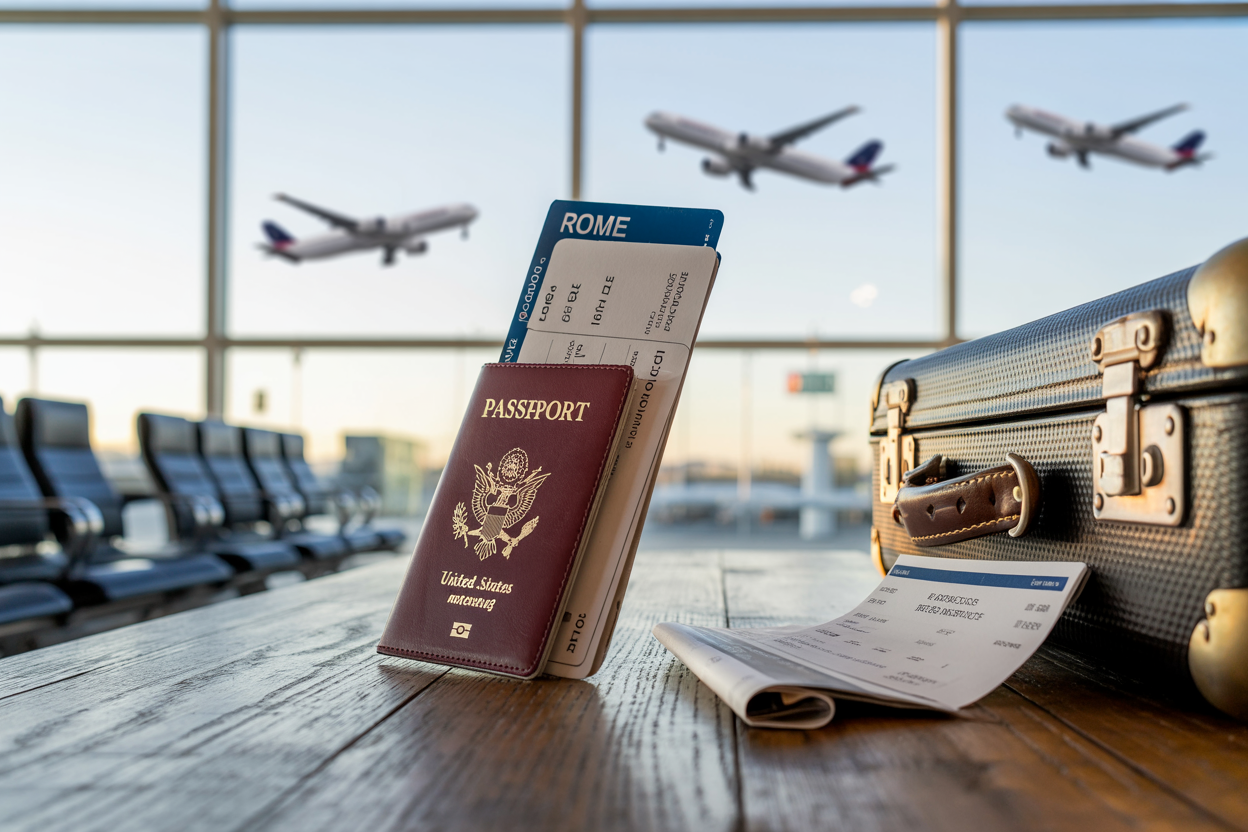

Travel is one of life’s great joys until the unexpected happens.
Flights get canceled, bags go missing, a stomach bug hits the night before your safari, or a rental car bumps into a low post you didn’t see.
In 2025, disruptions, extreme weather, and lingering knock-on effects from the pandemic made trip protection more relevant than ever and those same risks haven’t magically disappeared.
This guide breaks down 12 clear, practical reasons you should buy travel insurance in 2025 (and why that logic still holds), with real-world examples, what to look for in a policy, and tips to avoid gotchas.
What Travel Insurance Actually Covers (Quick Primer)
Before diving into the reasons, let’s define the major coverage buckets most comprehensive policies include:
- Trip Cancellation: Reimburses prepaid, nonrefundable costs if you cancel for a covered reason (illness, injury, severe weather, jury duty, etc.).
- Trip Interruption & Delay: Helps if your trip is cut short or you’re stuck mid-journey; covers extra hotel/meals, rebooking, and unused portions.
- Emergency Medical & Evacuation: Pays for treatment abroad and medically necessary evacuation to the nearest adequate facility or back home, depending on policy.
- Baggage & Personal Effects: Covers lost, stolen, or damaged items, plus essentials when luggage is delayed.
- Accidental Death & Dismemberment (AD&D): Financial protection for worst-case scenarios.
- 24/7 Assistance: A hotline that coordinates care, translators, cashless hospital admission, legal referrals, etc.
- Optional Add-Ons: “Cancel For Any Reason” (CFAR), rental car damage coverage, pre-existing condition waivers, adventure sports, business gear, and more.
Keep these in mind as you read the 12 reasons below they map directly to these benefits.
1) Trip Cancellation Saves Your Prepaid Money When Life Happens

Why it matters: Most of us book flights, tours, and hotels months in advance to lock in prices.
If you have to cancel for a covered reason say your child gets sick two days before departure or a sudden injury makes travel impossible trip cancellation can reimburse those nonrefundable costs.
Example scenarios
- You test positive for a contagious illness the week of departure.
- A close family member has a medical emergency.
- Your house floods and you have to stay home to deal with repairs.
What to check in your policy
- Covered reasons list (illness, injury, death in the family, severe weather, etc.).
- Documentation required (doctor’s note, police report, airline cancellation notice).
- Time-sensitive benefits—some cancellation protections require purchase within 10–21 days of your first trip deposit.
Pro tip: If you want maximum flexibility, look into CFAR (Cancel For Any Reason).
It usually reimburses 50–75% of trip costs if you cancel for reasons not otherwise covered (e.g., you just don’t feel comfortable traveling).
It’s pricier and must be purchased soon after your first payment.
2) Trip Interruption Pays When Plans Derail Mid-Journey

Why it matters: It’s not just pre-trip cancellations.
If you must cut your trip short for a covered reason say your parent is hospitalized while you’re abroad trip interruption coverage can reimburse the unused portion of your trip and pay for a last-minute flight home.
Example scenarios
- A natural disaster strikes your destination after you arrive.
- Your travel companion suffers an injury and you need to return early.
- A mandatory evacuation disrupts your island holiday.
What to check
- Per-person maximum limits.
- Definition of “covered reason” for interruption (often similar to cancellation but not always).
- Whether it covers reissue fees and rebooking to get you home.
Pro tip: Save all receipts and airline notices; interruption claims rely on a paper trail.
3) Flight Delays & Missed Connections Don’t Have to Cost You

Why it matters: 2025 saw plenty of airport chaos staff shortages, weather knock-ons, and over-packed schedules.
Trip delay benefits cover meals, hotels, and transportation when you’re delayed beyond a specified threshold (e.g., 6–12 hours). Missed connection coverage can pay to catch up to a cruise or tour if a common carrier delay makes you miss embarkation.
Example scenarios
- Storms cancel your evening flight; you need a hotel and meals overnight.
- Your inbound flight arrives late; you miss your ferry and must pay for a new ticket and a night’s lodging.
What to check
- Minimum delay hours to trigger coverage.
- Per-day and total maximums.
- Whether it covers essential items if bags are delayed (often a separate benefit).
Pro tip: Keep boarding passes, delay notices, and receipts for every sandwich and taxi you’ll need them.
4) Medical Emergencies Abroad Can Be Shockingly Expensive

Why it matters: Many home health plans provide little to no coverage abroad, and even when they do, you might have to pay out-of-pocket and seek reimbursement later.
A comprehensive travel policy includes emergency medical coverage that pays providers directly or reimburses you for urgent treatment.
Example scenarios
- Food poisoning leads to IV fluids and a hospital stay.
- A sprained ankle on a hike requires imaging and a cast.
- An infection needs a short course of antibiotics and follow-up care.
What to check
- Coverage limits (e.g., $50,000–$500,000).
- Primary vs. secondary coverage (primary pays first, faster).
- Deductibles and coinsurance.
Pro tip: Add a pre-existing conditions waiver if you qualify (usually by buying soon after your first trip payment and being medically fit to travel at purchase).
5) Medical Evacuation Protects You From Five-Figure Air Ambulance Bills

Why it matters: If you’re seriously ill or injured in a place without adequate care, medical evacuation can arrange and pay for transport to the nearest appropriate hospital or sometimes back home.
These flights can cost tens of thousands of dollars (or more) without coverage.
Example scenarios
- You’re in a remote area and need evacuation to a city hospital.
- A cardiac event requires transfer to a facility that can handle it.
- Post-accident stabilization followed by a medical escort flight home.
What to check
- Evacuation coverage limit (look for at least $100,000; more for remote or expedition travel).
- Whether repatriation of remains is included.
- The insurer’s assistance network—you want 24/7 coordination and approvals.
Pro tip: If you’re cruising or going far off-grid (safari, high-altitude trekking), consider higher evacuation limits or a dedicated medical transport membership layered with insurance.
6) Baggage Loss, Damage, or Delay Doesn’t Have to Ruin Your Trip

Why it matters: Lost or damaged luggage can derail a carefully planned itinerary.
Baggage benefits compensate for stolen or damaged items, while baggage delay covers essential purchases (clothes, toiletries) when your bags are late.
Example scenarios
- Your checked bag goes to the wrong continent; you need clothes for two days.
- A camera lens is broken in transit.
- Your daypack is stolen on public transport.
What to check
- Per-item and special item limits (jewelry, cameras, laptops).
- Exclusions (cash, antiques, fragile items without proper packing).
- Required documentation (airline PIR report, police report within 24 hours).
Pro tip: Photocopy receipts for big-ticket items and take photos of your packed bag before you fly.
7) Weather and Natural Disasters Are Increasingly Disruptive
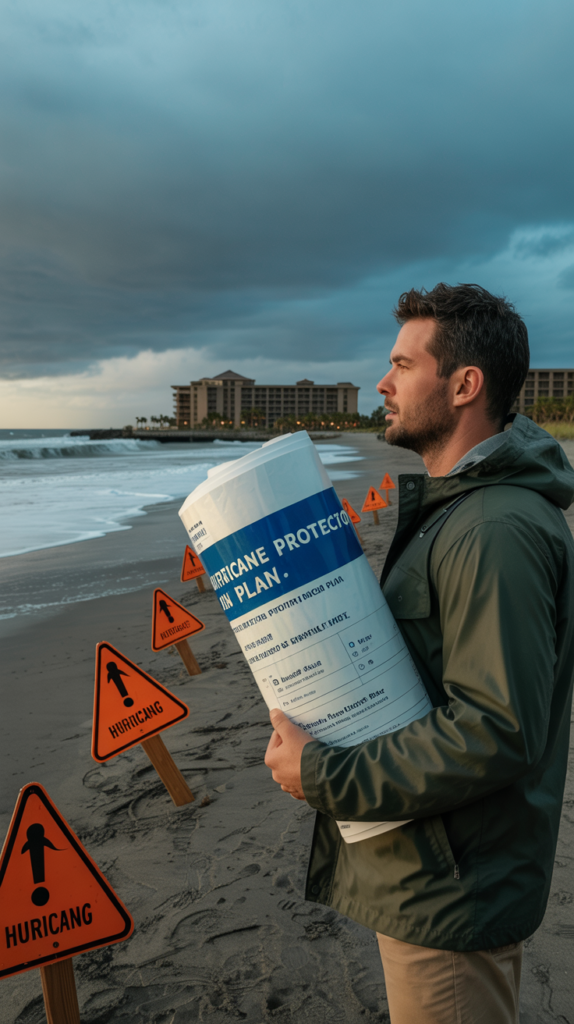
Why it matters: In 2025, extreme weather regularly shut down airports, closed attractions, and forced evacuations.
Insurance can cover cancellations, interruptions, and delays caused by named storms, wildfires, floods, or earthquakes if you buy before the event becomes “foreseeable.”
Example scenarios
- A hurricane closes your Caribbean resort the week of your stay.
- Wildfire smoke causes widespread flight cancellations.
- Flooding makes your booked accommodation uninhabitable.
What to check
- Definitions of “severe weather,” “natural disaster,” and “foreseeable event.”
- Whether government travel advisories or mandatory evacuations are covered triggers.
- Cut-off times—once a storm is named, new policies typically won’t cover it.
Pro tip: Buy coverage as soon as you put down a deposit, especially during storm seasons.
8) Visa Letters, Proof of Coverage, and Peace of Mind for Entry Requirements
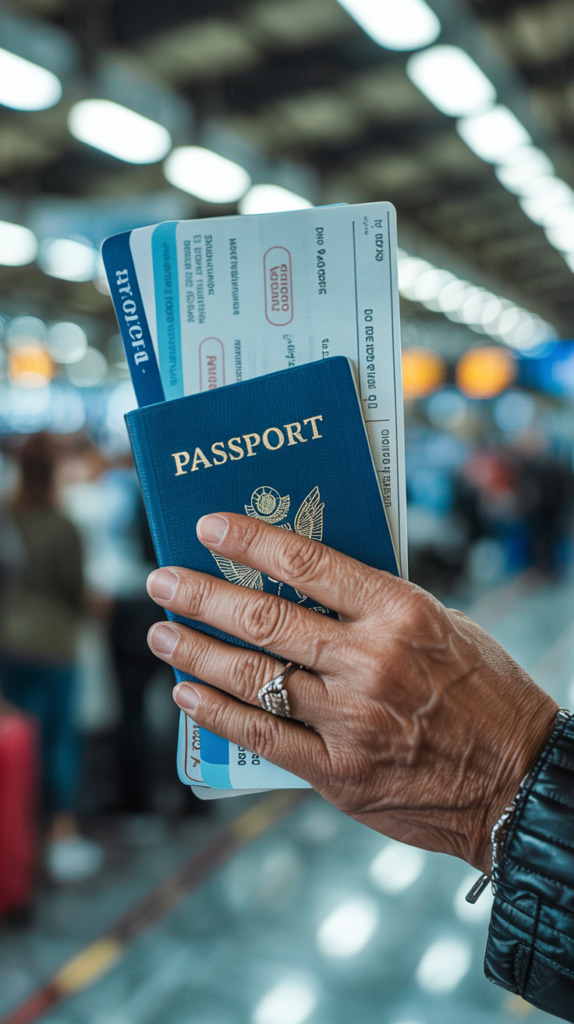
Why it matters: Some countries, tours, and schools require proof of medical coverage or minimum evacuation limits for visa issuance or entry.
A solid policy gives you official documents to satisfy these rules quickly.
Example scenarios
- Schengen zones require proof of sufficient medical coverage for some visitors.
- High-altitude treks or expedition cruises require evacuation coverage.
- Study abroad programs ask for specific coverage thresholds.
What to check
- The insurer’s sample letter format and turnaround time.
- Whether the policy meets the exact coverage amounts required.
- If your program/destination requires primary medical coverage.
Pro tip: Ask your insurer’s assistance team for a visa letter stating limits and dates.
9) Protection for Special Trips: Cruises, Safaris, Expeditions, and Group Tours

Why it matters: Complex itineraries and prepaid tours carry higher financial risk.
Cruise and group tour contracts often have strict cancellation penalties.
Travel insurance can safeguard the entire package.
Example scenarios
- Missing embarkation due to a delayed flight; insurance covers catching up at the next port.
- A tour operator cancels mid-trip due to strikes or weather; interruption coverage reimburses unused days.
- You get sick on day two of a two-week cruise—interruption coverage helps recoup costs.
What to check
- “Missed connection” coverage specific to cruises/tours.
- Supplier default coverage (sometimes included, sometimes an add-on).
- Document everything contracts, receipts, cruise line notices.
Pro tip: Buy third-party insurance rather than only supplier waivers; third-party policies are typically broader and independent of the supplier’s solvency.
10) Rental Car Damage Coverage Can Be Cheaper and Simpler Than Counter Add-Ons

Why it matters: At the rental counter, collision damage waivers can be pricey.
Many travel policies offer rental car damage coverage (collision/loss) at a lower overall cost for the trip.
Example scenarios
- You scrape a post in a tight parking garage; the insurer pays for repairs minus any deductible.
- A hit-and-run in a hotel lot damages the bumper.
What to check
- Whether coverage is primary (pays before your home auto policy).
- Exclusions (off-road, certain vehicle types, country restrictions).
- Claims process with rental agencies.
Pro tip: Photograph the vehicle at pickup and drop-off, and get any new damage noted in writing.
11) Business Travelers: Protect Your Gear and Nonrefundable Meetings

Why it matters: If you’re traveling with laptops, cameras, or event booths or you’ve prepaid conferences insurance can protect business equipment and trip costs if plans change for covered reasons.
Example scenarios
- A canceled client event; cancellation coverage helps recoup prepaid nonrefundable costs.
- A stolen laptop; baggage/business property coverage can reimburse within limits.
- A delay makes you miss your first-day keynote; delay benefits cover extra costs to get there ASAP.
What to check
- Business equipment sublimits and documentation requirements.
- Whether your employer’s corporate policy already covers you (and where it falls short).
- Add-ons for high-value gear if needed.
Pro tip: Keep serial numbers and proof of ownership for claims.
12) 24/7 Assistance Is a Lifeline When You Don’t Know What to Do Next

Why it matters: Even if you never file a claim, the assistance hotline might be the most valuable perk: they arrange doctors, interpret policies with hospitals, find pharmacies, coordinate evacuations, track lost bags, and connect you with lawyers or translators.
Example scenarios
- You need an English-speaking doctor at 2 a.m.
- A clinic demands payment up front; the insurer provides a guarantee of payment.
- Your passport is stolen; assistance helps with police reports and embassy appointments.
What to check
- Global network reach and languages.
- Response time and reputation.
- Whether they can arrange direct billing with hospitals to reduce your out-of-pocket.
Pro tip: Save the assistance number in your phone and share it with your travel partner.
Common Exclusions and “Gotchas” (Read This Before You Buy)
Insurance prevents financial pain but only if you know the rules.
Watch for:
- Known events/foreseeable circumstances: Once a storm is named or a strike is announced, new policies won’t cover those specific events.
- Pre-existing conditions: Typically excluded unless you add a waiver and buy early.
- High-risk activities: Mountaineering, skydiving, or motorcycling may need adventure sports riders.
- Alcohol/drug-related incidents and reckless behavior: Often excluded.
- Unattended belongings: Theft claims can be denied if you left items unattended.
- Change of mind, fear of travel, or routine pregnancy: Usually excluded unless you have CFAR or a specific rider.
- Documentation lapses: No receipts, no claim. Keep everything.
How Much Does Travel Insurance Cost?
A rough rule of thumb: 3–10% of your total trip cost, depending on your age, coverage limits, destination, length, and add-ons like CFAR or adventure sports.
Medical-only plans (without trip cancellation) can be significantly cheaper and may suit last-minute or budget travelers who didn’t prepay much.
Savings tips
- Buy soon after your first deposit to unlock time-sensitive benefits (pre-existing condition waiver, CFAR eligibility).
- Compare multiple insurers and adjust deductibles/limits to fit your risk profile.
- If you travel frequently, consider annual multi-trip plans.
How to Choose the Right Policy (Step-by-Step)
- List prepaid, nonrefundable costs. Flights, tours, cruises, hotels, permits.
- Estimate your medical risk. Destination healthcare costs, activities, and your medical history.
- Set coverage targets.
- Trip cancellation: equal to your nonrefundable total.
- Medical: at least $50,000 abroad; more for the U.S., cruises, or remote areas.
- Evacuation: at least $100,000; more for remote/expedition travel.
- Decide on add-ons. CFAR, adventure sports, rental car, business gear.
- Check time-sensitive windows. Buy within 10–21 days of your first deposit if you need waivers/CFAR.
- Confirm exclusions. Pre-existing conditions, specific activities, country restrictions.
- Compare two or three reputable providers. Look at limits, reviews, and assistance networks.
- Keep proof organized. Save confirmations, medical records, receipts, and flight notices in a cloud folder.
Real-World “Would This Be Covered?” Mini-Scenarios
- You catch the flu three days before departure. Covered under trip cancellation with a physician’s note.
- Your bag is delayed 24 hours; your cruise leaves tonight. Baggage delay covers clothes/toiletries; missed connection may help you rejoin the ship.
- Tropical storm becomes a named hurricane after you buy. Cancellations/delays typically covered if your policy was purchased before the storm was named.
- Your tour operator goes bankrupt. Covered by “supplier default” if included and bought within required window.
- You cancel because you’re nervous about unrest but there’s no advisory. Not covered—unless you purchased CFAR.
- You slip on wet tiles; X-rays show a fracture. Emergency medical covered; evacuation covered if local care isn’t adequate.
Filing a Claim: Do This to Get Paid Faster
- Call assistance ASAP. Many benefits require notification and pre-approval.
- Save everything. Boarding passes, delay notices, medical records, invoices, photos of damage, police reports.
- Complete forms thoroughly. Incomplete claims stall payments.
- Keep timelines in mind. Some policies require claims within a set number of days after your loss.
- Use one method of communication. Upload to the portal and follow up by phone for clarity.
Who Especially Needs Travel Insurance?
- Cruisers and tour travelers with strict cancellation penalties.
- Families with kids or elderly parents (more moving parts, higher chance of illness).
- Adventure travelers (trekking, diving, skiing).
- Remote destination travelers where medical facilities are limited.
- Frequent travelers who benefit from an annual plan.
- Anyone with significant nonrefundable costs (luxury trips, special events, destination weddings).
FAQs
Q: Doesn’t my credit card cover this?
A: Some premium cards include trip delay, baggage, and limited medical/evacuation. Read the guide carefully—limits may be low, and pre-existing conditions or long trips may be excluded. A standalone policy usually offers broader, higher limits and dedicated assistance.
Q: Can I buy insurance after I book?
A: Yes, up to a point. You can usually buy until the day before departure, but you may lose access to time-sensitive benefits (pre-existing waivers, CFAR) if you wait.
Q: What if I’m already abroad?
A: Some insurers let you buy while traveling, but coverage may start after a waiting period and may exclude certain benefits. It’s always better to buy before you leave.
Q: Is CFAR worth it?
A: If you want maximum cancellation flexibility—especially for costly trips—it can be. Expect higher premiums and reimbursement typically at 50–75% of insured trip costs.
Q: Do I need insurance for domestic trips?
A: If your medical insurance is strong domestically, you might focus on cancellation, delay, and baggage only. But evacuation from remote areas can still be costly; evaluate your itinerary.
Quick Checklist Before You Buy
- Total nonrefundable trip cost calculated
- Coverage start/end dates correct (door-to-door)
- Medical and evacuation limits adequate for destination/activities
- Pre-existing condition waiver needed? Buy early
- CFAR or adventure sports rider needed?
- Supplier default and missed connection included (if relevant)
- Exclusions read and understood
- Assistance number saved in your phone
Final Word
Travel insurance in 2025 wasn’t just a nice-to-have it was a smart, practical shield against the unpredictable.
From medical care abroad to weather-related shutdowns and lost luggage, the right policy protects your money, your health, and your plans.
The core risks that made insurance essential in 2025 remain today: volatile weather, crowded skies, complex itineraries, and expensive healthcare outside your home network.
Buy early, match coverage to your trip, and keep your documentation tidy.
It’s the difference between a costly headache and a minor detour.