

Cold weather camping has a way of humbling even the most prepared adventurers.
I’ve camped through frosty fall mornings, surprise snowstorms, and nights so quiet you could hear the cold settle into the trees.
And here’s the truth no one tells you at first: staying warm isn’t about one magic item it’s about layering smart decisions.
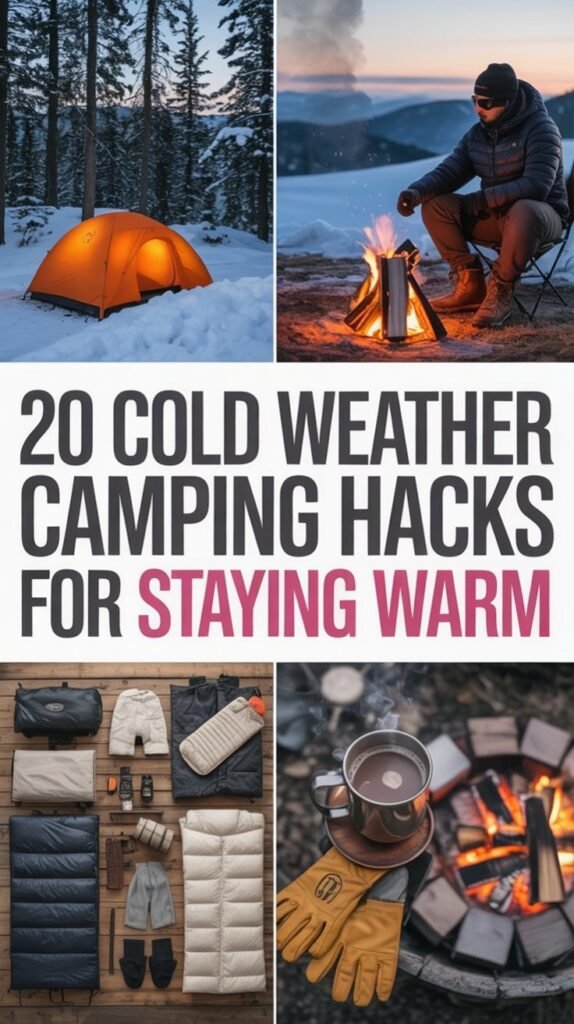
When you’re warm, camping feels peaceful, grounding, even luxurious. When you’re cold, everything feels harder cooking, sleeping, even thinking straight.
Over the years, I’ve learned to treat warmth as part of my self-care outdoors. These hacks aren’t just about surviving the cold they’re about staying comfortable, safe, and genuinely enjoying your time outside.
Why Staying Warm During Cold Weather Camping Is Necessary
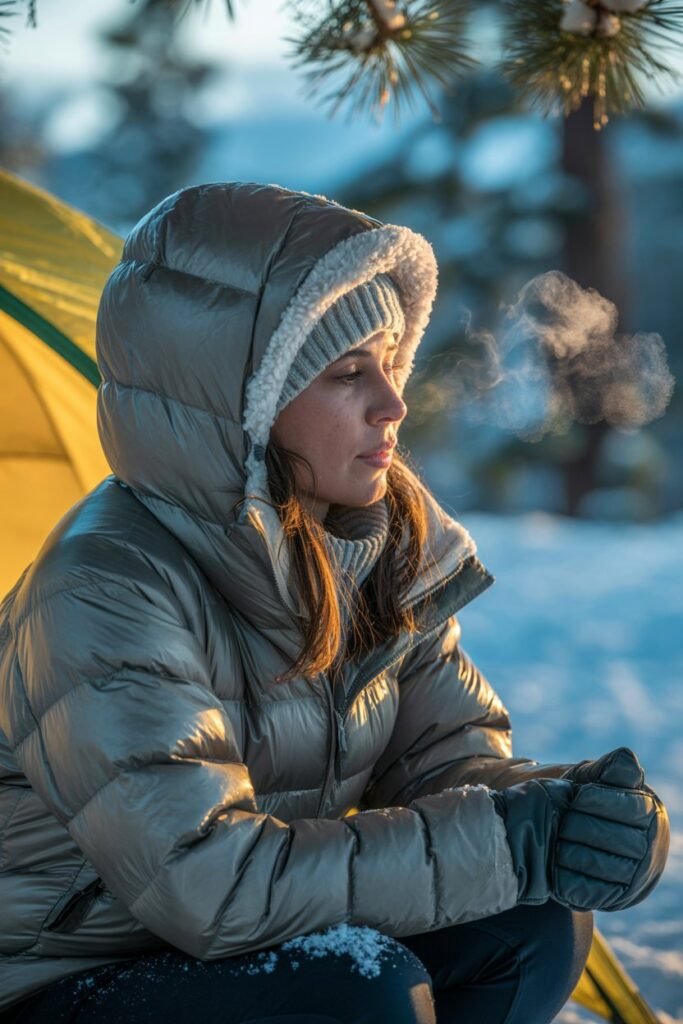
Cold isn’t just uncomfortable it can quietly turn dangerous if you underestimate it.
When your body temperature drops, your energy drains faster. You burn calories just trying to stay warm, which means fatigue sets in quicker. Cold hands lose dexterity.
Cold feet become numb. Sleep becomes shallow. And once you stop sleeping well, everything else unravels.
Staying warm matters because:
- It prevents hypothermia, even in temperatures that don’t feel “extreme”
- It keeps your immune system strong
- It allows you to sleep deeply, which is essential outdoors
- It helps you think clearly and make good decisions
- Most importantly, it lets you enjoy the experience instead of enduring it
Cold weather camping should feel cozy, quiet, and restorative not like a test of willpower.
Shop my amazon essentials
- Insulated Sleeping Bag
- Insulated Sleeping Pad
- Down or Synthetic Puffer Jacket
- Heated Gloves
- Merino Wool Socks
- Neck Gaiter or Balaclava
- Thermometer
Essential Camping Gear to Keep You Warm
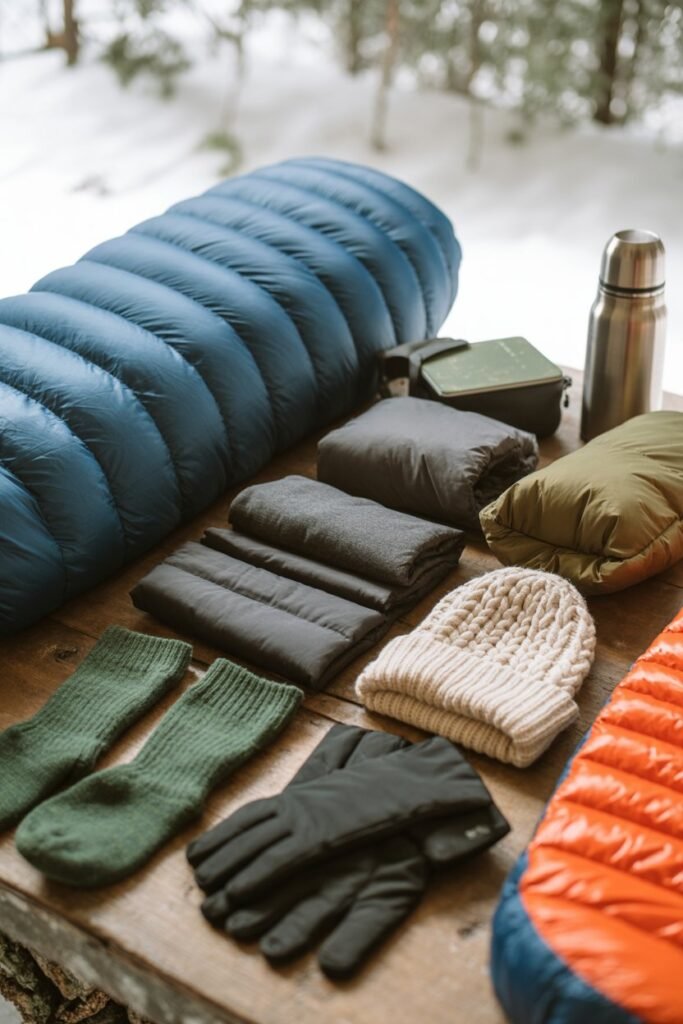
Before we dive into the hacks, let’s talk about gear because no amount of clever tricks can replace the right foundation.
1. A Four-Season or Cold-Rated Tent
Look for a tent designed to handle wind and retain heat. These tents sit lower to the ground and have fewer mesh panels.
2. Insulated Sleeping Pad (This Is Non-Negotiable)
The cold comes from the ground first. A sleeping pad with a high R-value is more important than your sleeping bag.
3. Cold-Weather Sleeping Bag
Choose a bag rated at least 10°F colder than the temperatures you expect. Women-specific bags are often warmer in the right places.
4. Wool Base Layers
Merino wool is your best friend. It insulates even when damp and never feels clammy.
5. Insulated Jacket & Puffy Vest
Layering gives you flexibility as temperatures change throughout the day.
6. Warm Hat, Gloves, and Thick Socks
Heat escapes fast from extremities. Bring backups.
Once these basics are covered, the hacks below take your warmth to the next level.
20 Cold Weather Camping Hacks for Staying Warm
(From a Camper Who Values Comfort as Much as Adventure)
Cold weather camping isn’t about proving how tough you are. It’s about learning how to work with your body, your gear, and the environment so you stay warm without stress.
Over the years, I’ve learned that warmth is rarely about one big item it’s the result of dozens of thoughtful, gentle choices layered together.
These are the exact strategies I rely on when temperatures dip and comfort matters most.
1. Eat a High-Fat, High-Protein Dinner Before Bed
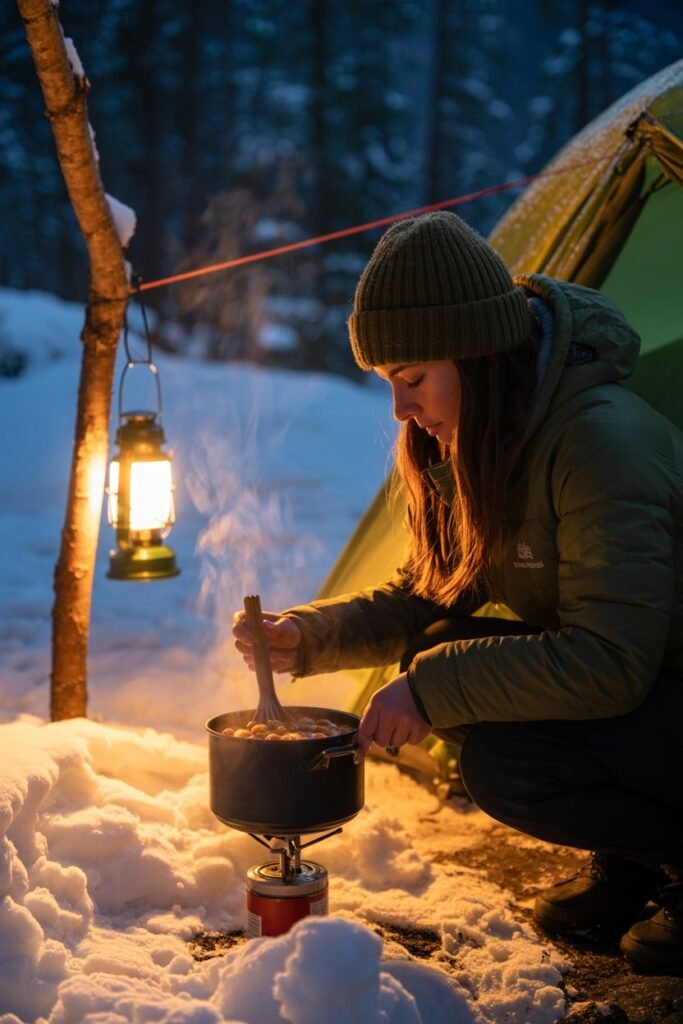
One of the most powerful heat sources you bring camping is your metabolism.
When your body digests food, it creates internal heat. Fats and proteins take longer to digest, meaning they keep your internal furnace running well into the night.
Best cold-weather dinner ideas:
- Pasta with olive oil, cheese, or butter
- Rice bowls with beans or lentils
- Stews or soups with potatoes and protein
- Nuts, avocado, or nut butter added to meals
Experienced camper tip:
Avoid alcohol before bed. While it may feel warming at first, it actually lowers your core body temperature and disrupts sleep in cold conditions.

Camping Stove
A compact and reliable camping stove designed for quick, efficient cooking outdoors. Ideal for camping trips, road trips, and emergency meal prep.
Get it on Amazon2. Always Go to Bed Warm — Never Cold
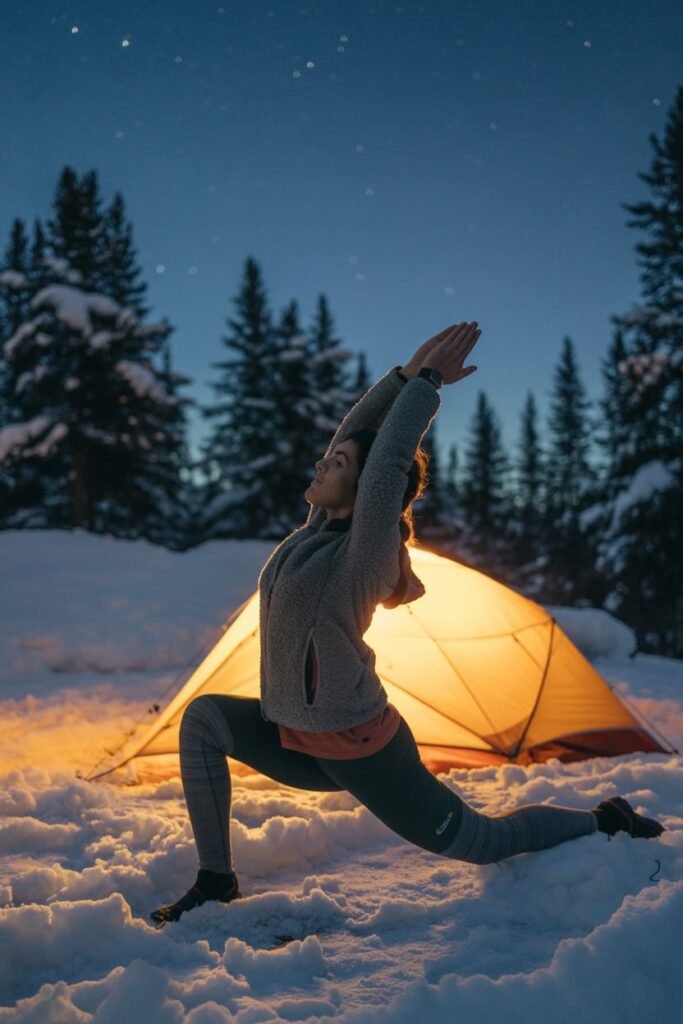
A sleeping bag does not generate heat it only traps the heat you already have. Crawling in cold often leads to hours of shivering.
Before bedtime:
- Walk around camp for 5–10 minutes
- Do gentle bodyweight movements (squats, arm circles)
- Warm your hands and feet intentionally
Think of this as “charging” your body before sleep. The warmer you are going in, the warmer you stay.
3. Use a Hot Water Bottle Inside Your Sleeping Bag
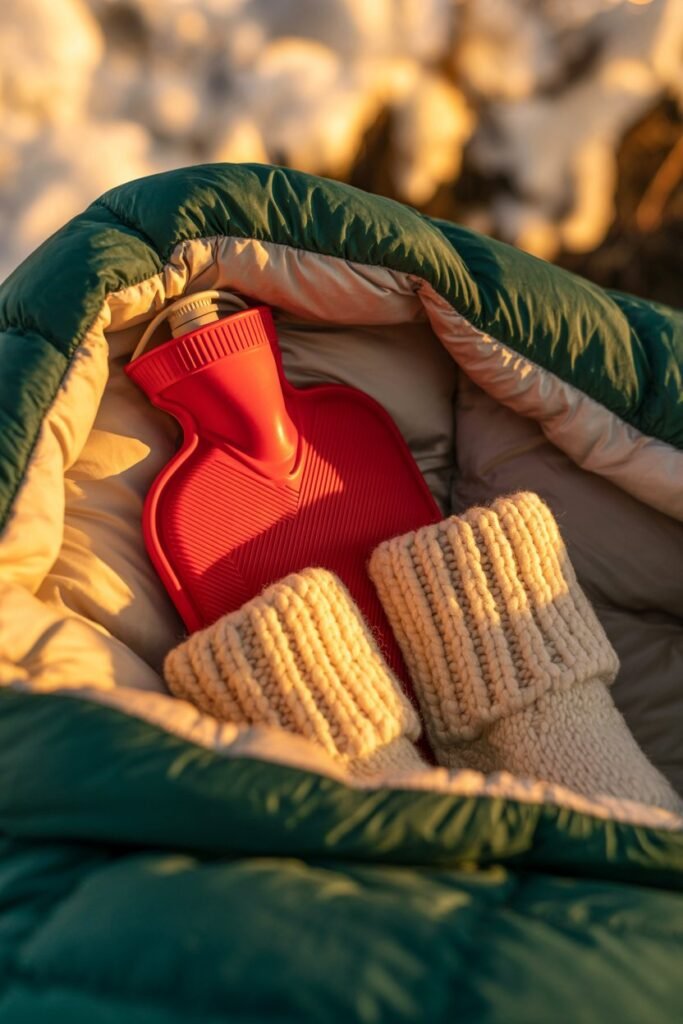
This is one of the oldest cold-weather camping tricks — and one of the best.
How to use it safely:
- Use a durable, leak-proof bottle
- Fill with hot (not boiling) water
- Wrap it in a sock or cloth to prevent burns
Where it works best:
- Against your lower abdomen
- Between your thighs
- At the foot of your sleeping bag for cold feet
A single bottle can radiate warmth for hours, especially when combined with good insulation.

Hot Water Bottle
A cozy and reliable hot water bottle designed to provide long-lasting warmth and comfort. Perfect for cold nights, travel stays, muscle relief, and winter relaxation.
Get it on Amazon4. Layer Your Sleeping System — Not Just Your Clothing
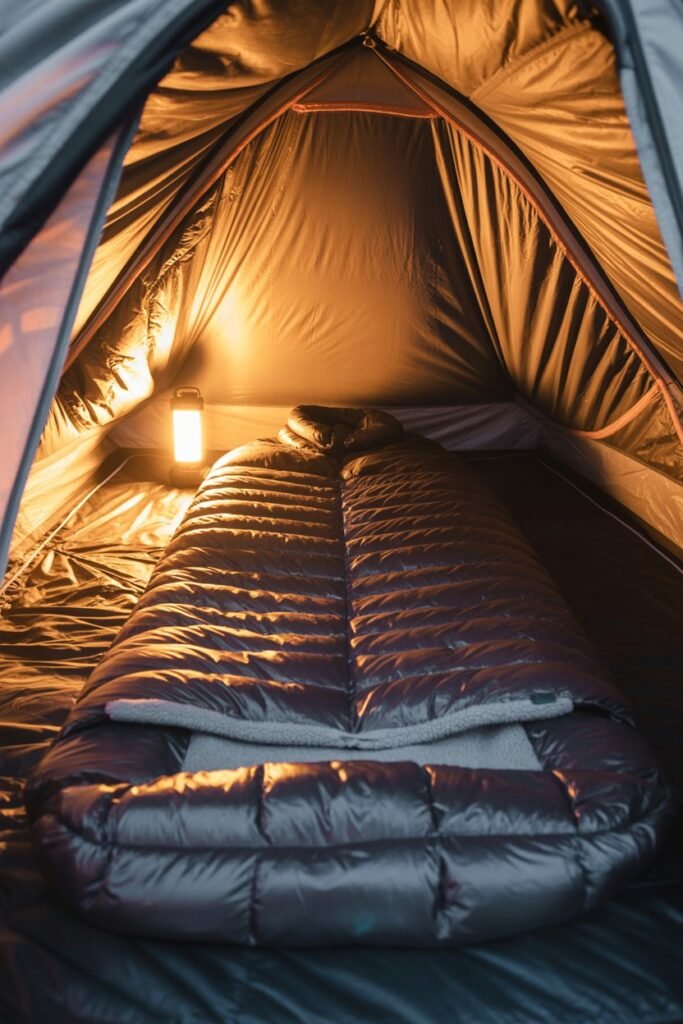
Most campers focus only on what they wear, but your sleep system matters more.
Smart sleeping system layers include:
- A fleece or thermal sleeping bag liner
- A lightweight blanket inside your bag
- Your insulated jacket worn loosely inside the bag
Important:
Avoid compressing layers too tightly. Lofted air pockets are what hold warmth compression kills insulation.
5. Wear Completely Dry, Dedicated Sleep Clothes
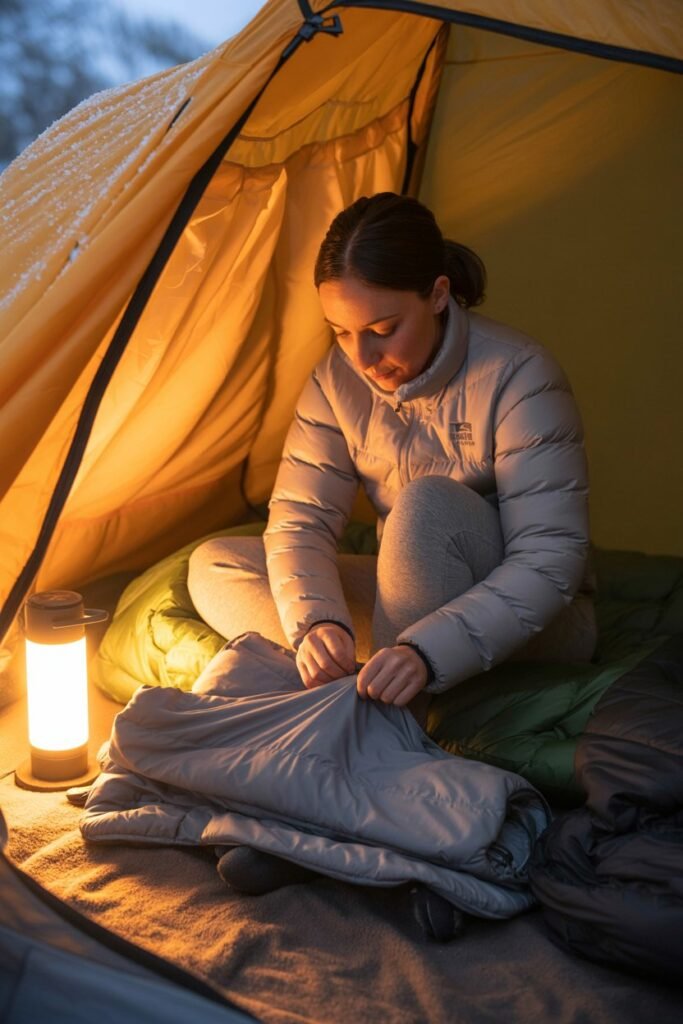
Even clothes that feel dry can hold moisture from sweat or humidity — and moisture steals heat fast.
Your sleep clothes should be:
- Dry, clean, and reserved only for sleeping
- Made of wool or synthetic materials
- Stored in a dry bag during the day
This simple habit dramatically improves warmth and sleep quality.
6. Protect Your Head and Neck While You Sleep
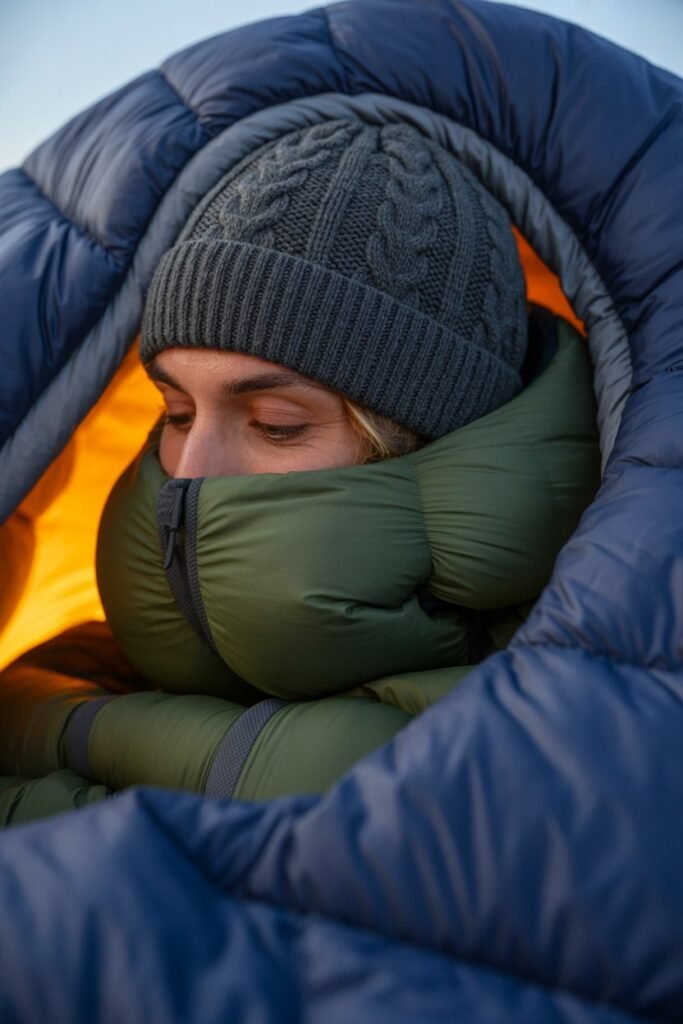
Your head and neck are major heat-loss zones.
Sleeping headwear options:
- Soft beanie
- Hooded base layer
- Balaclava in very cold weather
Extra warmth tip:
A loose fit is better than tight. Restricted circulation means colder extremities.
7. Insulate the Ground Beneath Your Tent Thoroughly
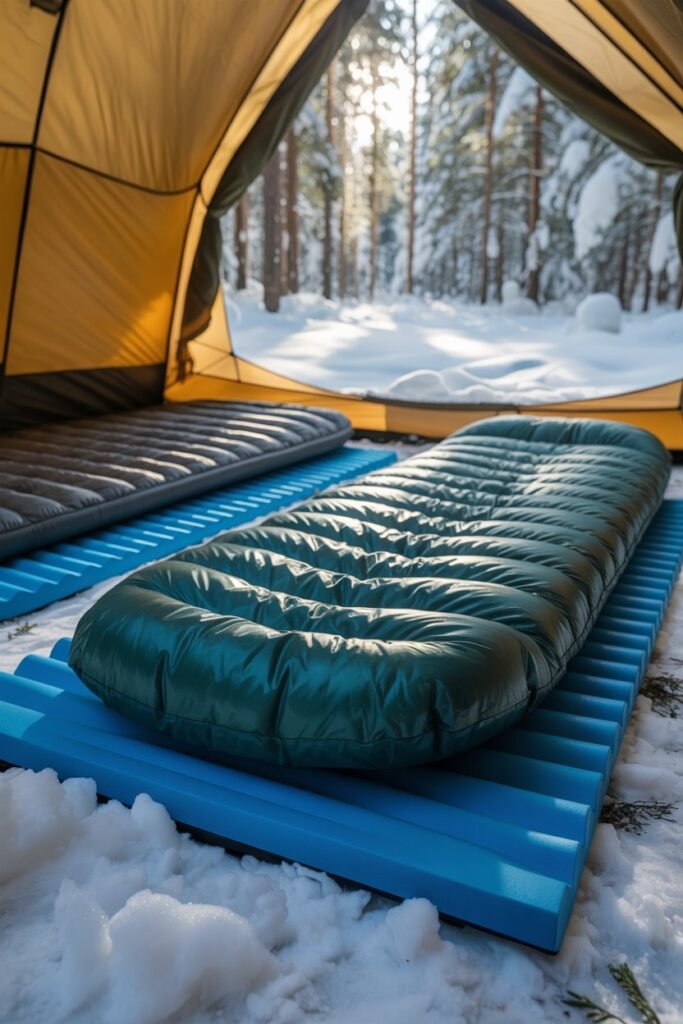
Cold ground pulls heat away faster than cold air this is called conductive heat loss.
Effective insulation layers:
- High R-value sleeping pad
- Foam mat underneath
- Emergency blanket (foil side up)
- Natural insulation like pine needles (where allowed)
Many cold campers underestimate how much warmth is lost downward.
8. Vent Your Tent Slightly to Prevent Condensation
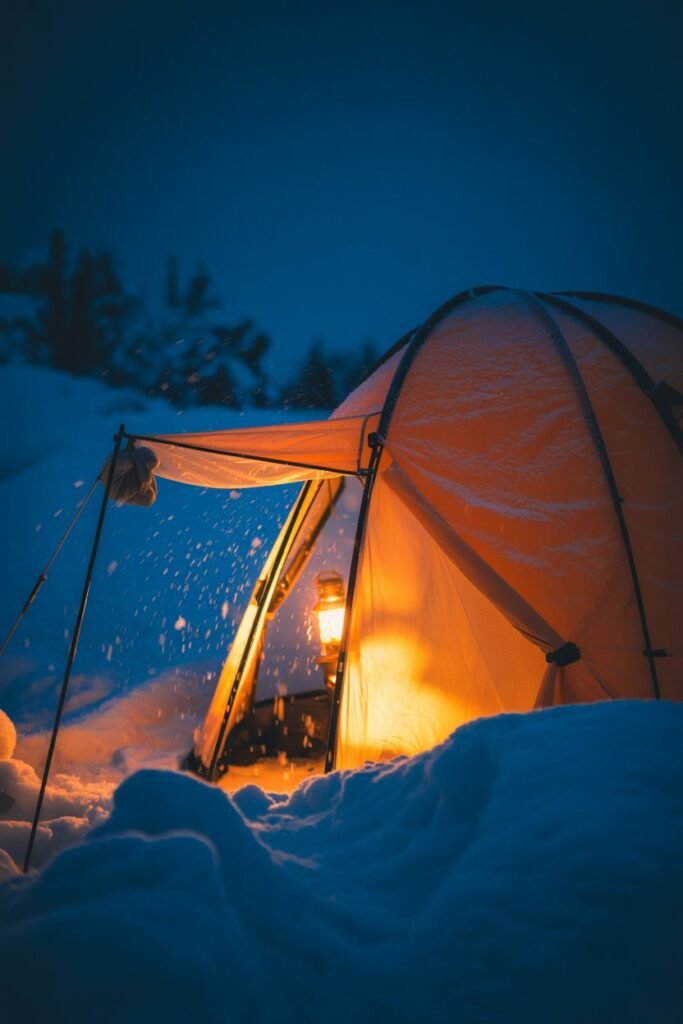
Moisture is warmth’s worst enemy.
If your tent traps condensation:
- Your sleeping bag becomes damp
- Insulation loses effectiveness
- You feel colder even with good gear
Solution:
- Keep a small vent open
- Crack the top zipper slightly
Dry air retains heat far better than moist air.
9. Keep Tomorrow’s Clothes Inside Your Sleeping Bag
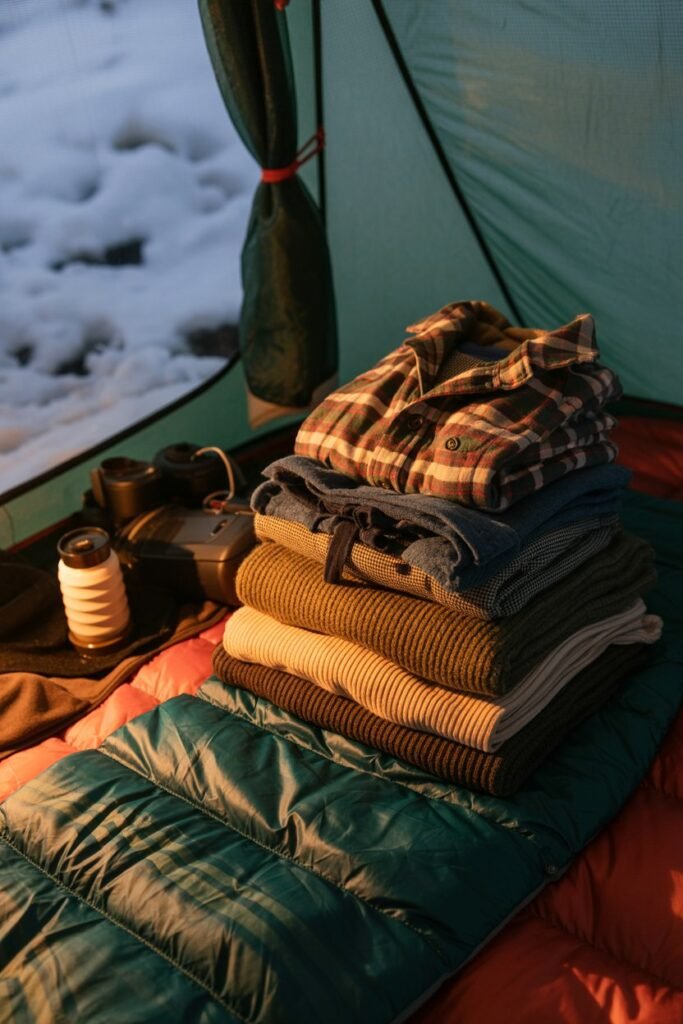
Waking up to frozen clothes can drain morale instantly.
Before bed, place inside your sleeping bag:
- Base layers
- Socks
- Underwear
- Gloves
Your body heat keeps them warm, making mornings much easier.

Camping Backpack
A durable and spacious camping backpack designed for comfort and easy organization. Ideal for hiking, camping trips, and long outdoor adventures where reliability matters.
Get it on Amazon10. Use Hand Warmers With Intention
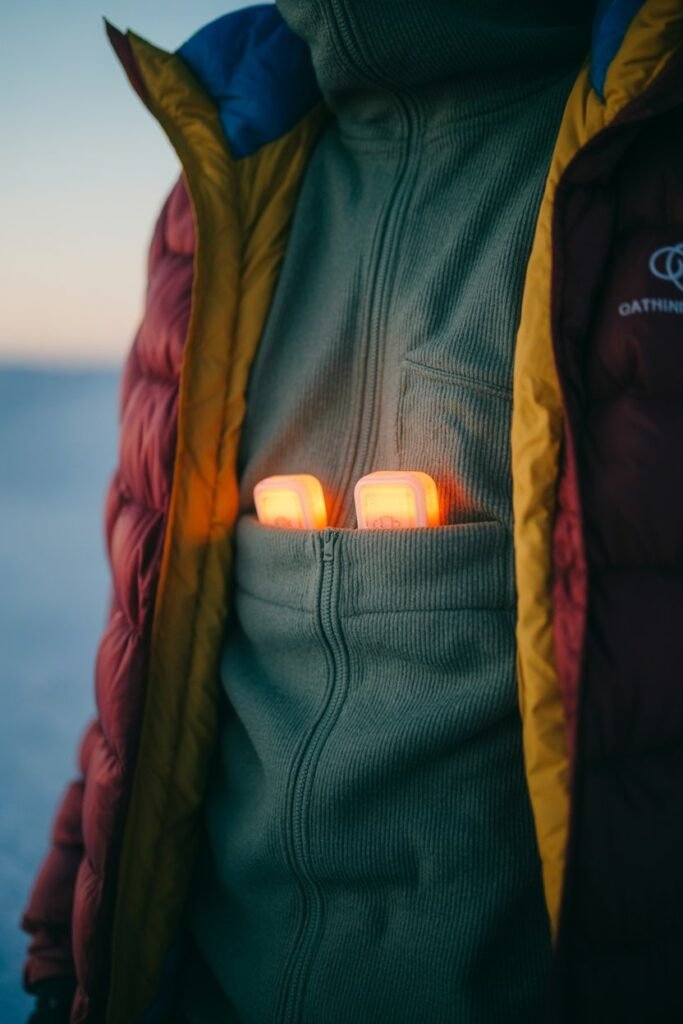
Hand warmers are most effective when placed near blood flow points, not randomly.
Best placements:
- Inner thighs
- Lower back (kidney area)
- Inside socks on top of toes
- Near your core between layers
This allows warmth to circulate throughout your body.

Hand Warmer
A compact and long-lasting hand warmer designed to keep your hands cozy in cold weather. Perfect for winter travel, outdoor activities, and everyday comfort.
Get it on Amazon11. Eat a Small Bedtime Snack
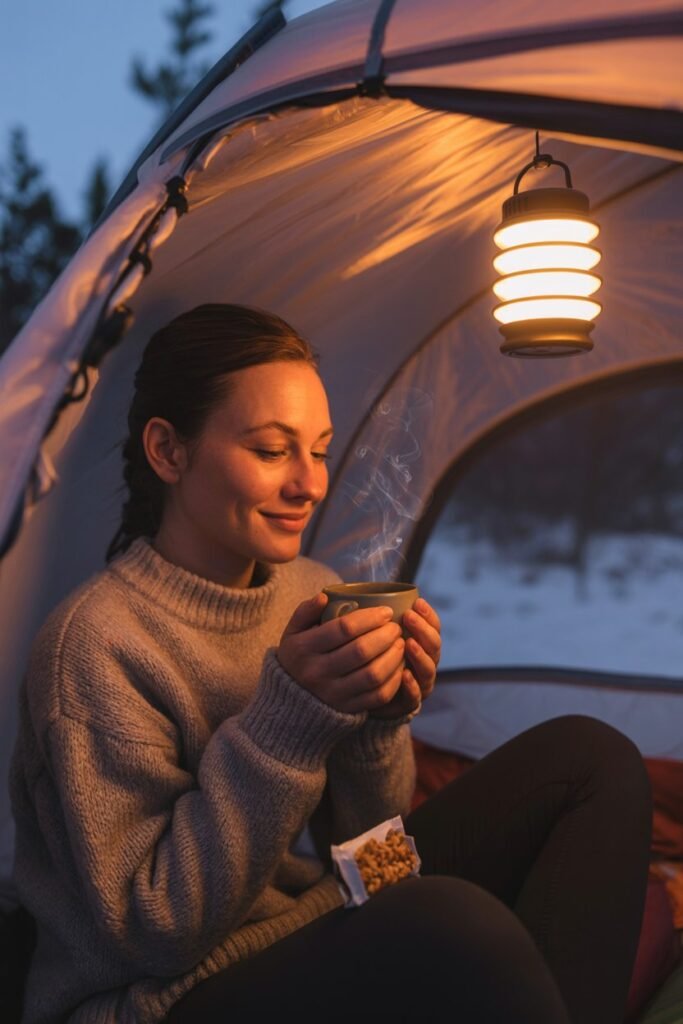
A small snack before sleep gives your body fuel to stay warm overnight.
Ideal bedtime snacks:
- Trail mix or nuts
- Cheese
- Peanut butter
- Warm cocoa or milk
Avoid heavy meals right before lying down balance warmth with comfort.
12. Avoid Cotton Entirely — No Exceptions
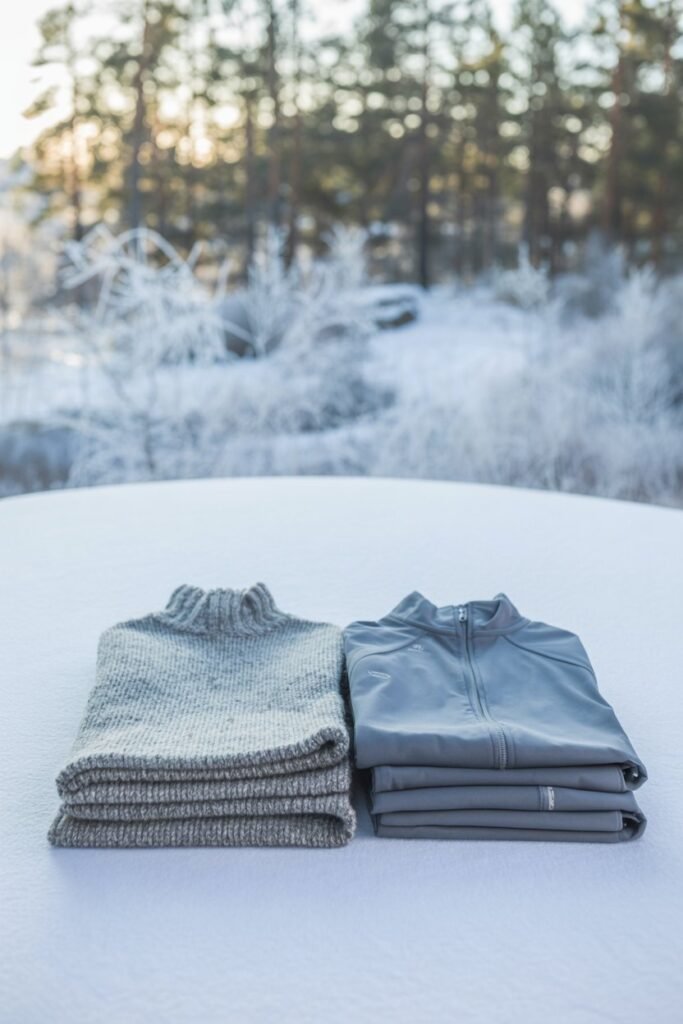
Cotton absorbs moisture and holds it against your skin, accelerating heat loss.
Better fabric choices:
- Merino wool
- Polyester or technical synthetics
This applies to:
- Socks
- Underwear
- Base layers
- Sleepwear
Cotton is fine for summer never for cold camping.

Camp Lamp
A lightweight and bright camp lamp designed to provide reliable lighting for tents, campsites, and outdoor nights. Perfect for camping trips, emergencies, and cozy evenings outdoors.
Get it on Amazon13. Block Wind When Choosing Your Campsite
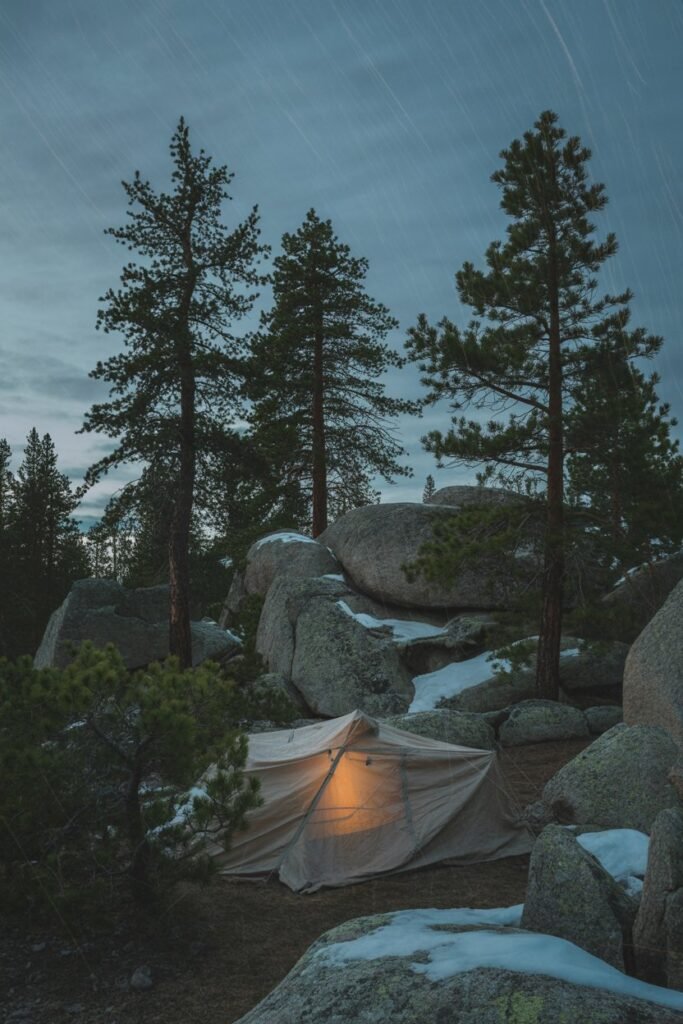
Wind strips heat faster than temperature alone.
When choosing a campsite:
- Camp behind trees, rocks, or hills
- Avoid open ridges and valleys
- Face your tent door away from wind
A wind-protected site can feel dramatically warmer without changing any gear.
14. Stay Hydrated Even in Cold Conditions

Cold air dehydrates you faster than you realize.
Hydration helps:
- Maintain circulation
- Regulate body temperature
- Prevent fatigue
Sip warm drinks throughout the evening and keep water accessible overnight.

ThermoFlask
A durable insulated ThermoFlask designed to keep drinks cold or hot for hours. Perfect for travel, workouts, outdoor adventures, and everyday hydration.
Get it on Amazon15. Use a Scarf or Buff While Sleeping
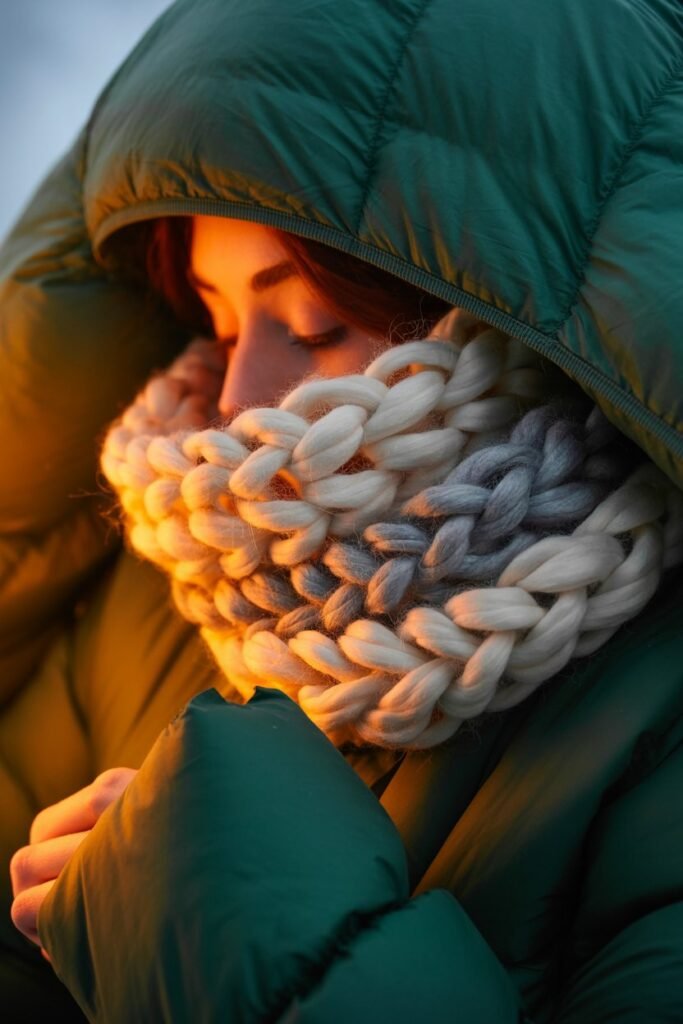
Your neck is a hidden heat-loss zone.
A scarf, buff, or gaiter:
- Seals warmth inside layers
- Prevents cold drafts
- Adds insulation without bulk
This small addition often makes a big difference.
16. Double Up Sleeping Pads in Extreme Cold
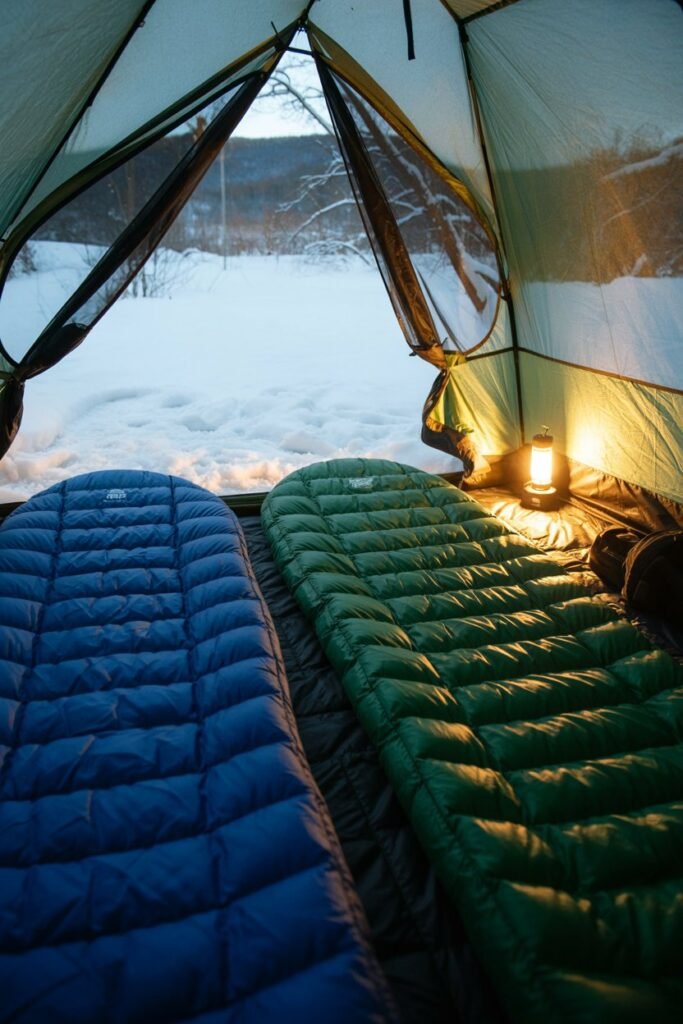
If temperatures drop lower than expected, stacking pads can save the night.
Best combination:
- Foam pad on bottom
- Insulated inflatable pad on top
This creates a powerful barrier between you and frozen ground.

Sleeping Pad
A lightweight and comfortable sleeping pad designed to provide insulation and support on outdoor trips. Perfect for camping, backpacking, and restful nights under the stars.
Get it on Amazon17. Keep Electronics Warm Overnight
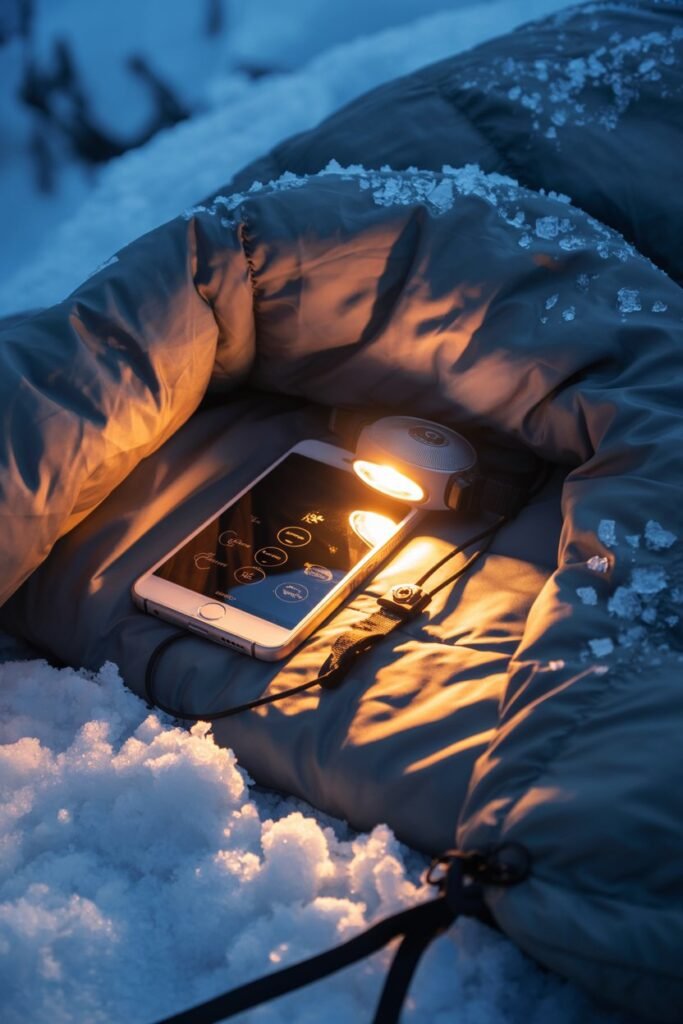
Cold drains batteries quickly.
Store inside your sleeping bag:
- Phone
- Headlamp
- Power bank
This preserves battery life and ensures your gear works in the morning.
18. Warm Your Tent With Body Heat Before Sleeping

Spend time inside your tent before fully settling in.
Change clothes, organize gear, and relax for 10–15 minutes. Your body heat:
- Slightly warms the air
- Helps your sleeping bag trap heat faster
- Makes the space feel more comfortable
19. Pay Special Attention to Your Feet
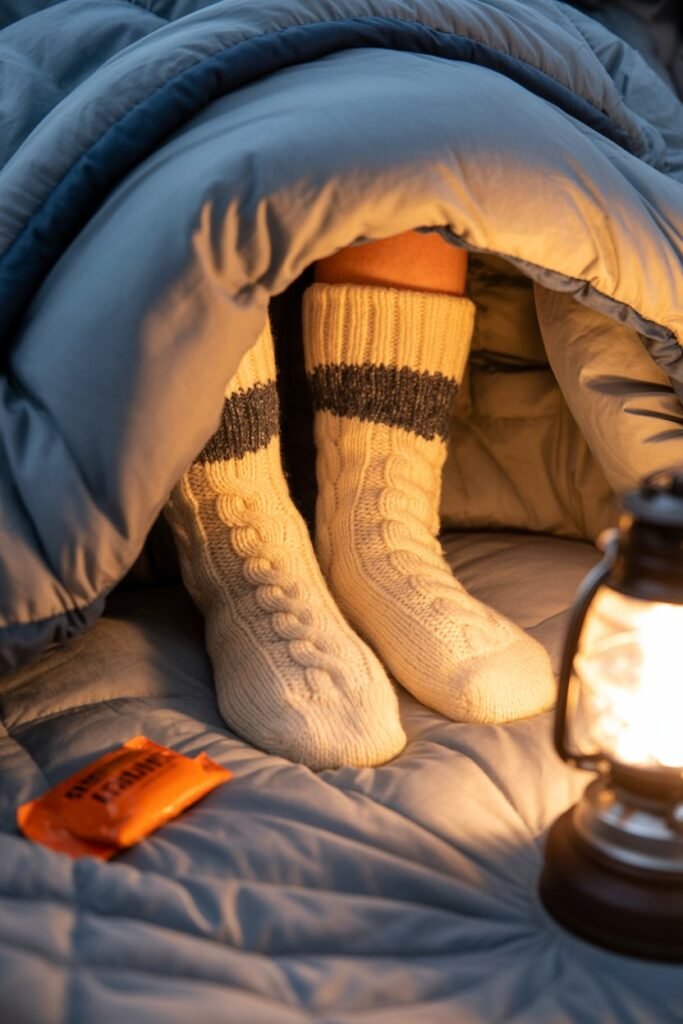
Cold feet can ruin an otherwise warm setup.
Foot warmth tips:
- Thick wool socks
- Avoid tight socks that restrict circulation
- Loosen the footbox of your sleeping bag slightly
If needed, add a hand warmer near (not under) your toes.
20. Trust Your Body and Adjust Early
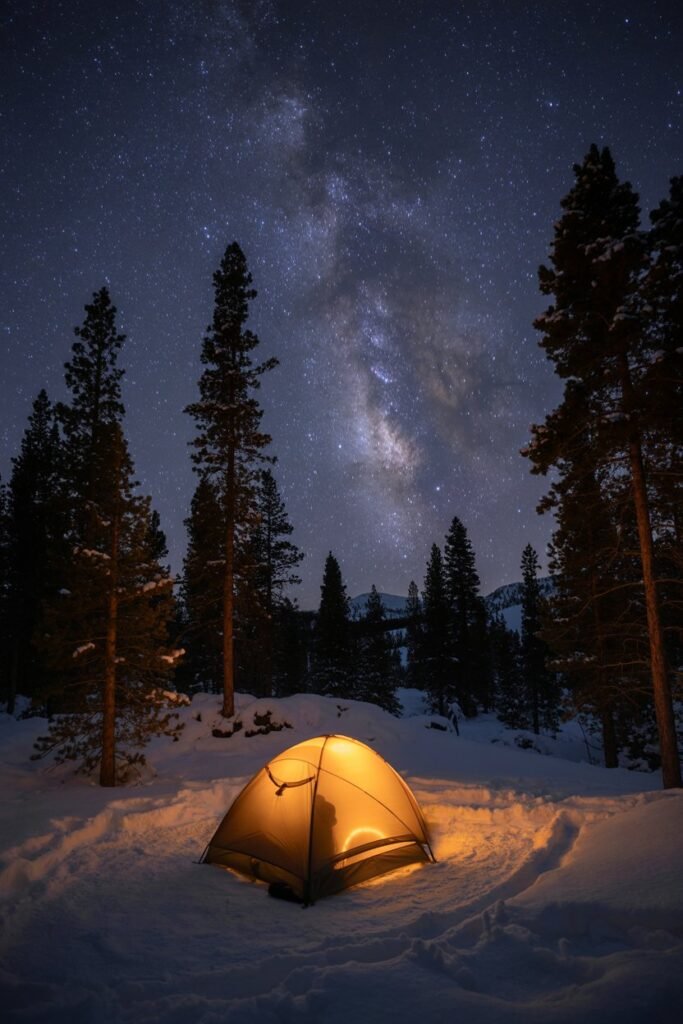
Cold camping is about awareness, not endurance.
If you feel cold:
- Add a layer
- Eat something
- Move gently
- Adjust your sleep setup
Comfort is not weakness it’s smart camping.
Final Thought
Cold-weather camping can feel incredibly peaceful when you’re warm.
The quiet nights, crisp air, and stillness become something you look forward to rather than endure.
These hacks help you create a camping experience that feels safe, cozy, and deeply grounding even when temperatures drop.