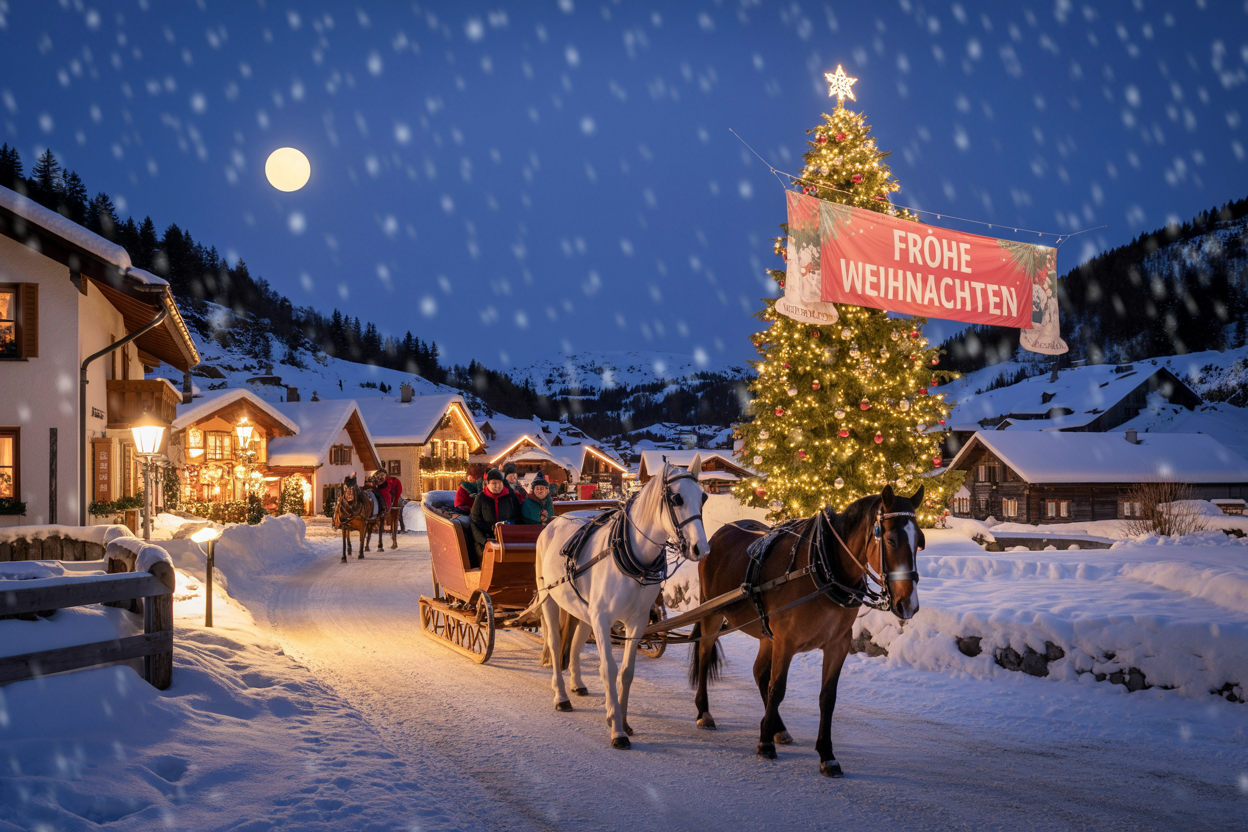

Some of my most cherished winter memories come from wandering through Europe during Christmastime—places where the season feels almost storybook and every corner seems designed to warm your heart.
Imagine cobblestone lanes glowing under strings of golden lights, timber-framed houses dusted in snow, and the comforting aroma of roasted chestnuts, mulled wine, and fresh pastries drifting through the air.
It’s the kind of magic that settles into you, slowly and sweetly, and lingers long after you’ve returned home.

In this guide to the 15 Prettiest Christmas Villages and Towns in Europe, I’ve gathered some of the most enchanting places I’ve explored (and a few I can’t wait to visit again).
Each village and town has its own unique personality—whether it’s a centuries-old square filled with handmade crafts, a riverside market glowing at dusk, or a tiny alpine village where the mountains feel like part of the Christmas decor.
Below, you’ll find not just inspiration, but practical details too: the best things to do, foods you absolutely must try, ideal visiting times, and helpful tips to make your holiday trip feel effortless, meaningful, and wonderfully unforgettable.
How to read this guide
For each destination you’ll find:
- Why it feels so Christmassy (what makes the town special at Christmas)
- Must-see market(s) & festive highlights
- Local eats & drinks to try
- Best time to visit & crowd tips
- How to get there & where to stay (short practical notes)
Where possible, I’ve included official and reliable sources for the market history and dates so you can check exact opening times for the year you travel.
shop my christmas travel essential on amazon
| Product | Get |
|---|---|
 Durable Backpack Spacious and sturdy backpack for travel, school, or outdoor adventures. |
Get on Amazon |
 Anti-Theft Crossbody Bag Secure, stylish bag with anti-theft features and adjustable strap for daily use. |
Get on Amazon |
 Stylish Mini Backpack Compact, lightweight backpack perfect for city trips, casual outings, or travel essentials. |
Get on Amazon |
 Jewelry Organizer Keep your jewelry neat, organized, and tangle-free with this stylish organizer. |
Get on Amazon |
 Pajama Set Comfortable and cozy pajama set perfect for relaxing at home or travel nights. |
Get on Amazon |
 Apple AirTag Track and locate your items easily with this compact and reliable AirTag. |
Get on Amazon |
 Headphones High-quality sound headphones for music, gaming, and calls with comfort ear cushions. |
Get on Amazon |
 Neck Pillow Soft memory foam pillow for comfortable travel and neck support on flights or trips. |
Get on Amazon |
 Mini Coffee Machine Compact coffee maker perfect for travel, office, or small kitchens. |
Get on Amazon |
 Walking Sandals Comfortable, durable sandals ideal for walking, traveling, or casual outings. |
Get on Amazon |
 Sunscreen Protect your skin from harmful UV rays with this effective and lightweight sunscreen. |
Get on Amazon |
 Universal Adapter Travel adapter compatible with outlets worldwide, perfect for international trips. |
Get on Amazon |
1. Strasbourg, France
Why it’s special
Strasbourg has worn the nickname Capitale de Noël (Capital of Christmas) for a reason: the city’s Christkindelsmärik reaches back centuries and today sprawls across multiple squares in the UNESCO-listed Grande Île.
When the markets light up, the combination of gothic cathedral spires, Alsatian half-timber houses, and hundreds of wooden chalets turns the old town into a genuine fairy tale.
The scale is impressive you can spend an entire day (and night) wandering the themed markets, stopping for spiced wine and Alsatian snacks between the illuminated streets.
Must-see market & highlights
- Place Broglie & Place Kléber: the main hubs where the huge Grand Sapin (Christmas tree) is displayed and the centerpiece Christmas chalets gather.
- Petite France area: atmospheric lit canals and narrow lanes perfect for golden-hour photos.
- Off markets & concerts: Strasbourg often hosts smaller “Off” markets and themed concerts in churches during Advent.
Eat & drink
- Vin chaud (mulled wine) with Alsatian spice.
- Tarte flambée (flammekueche) at cozy stalls or nearby bistros.
- Bredele small Alsatian Christmas biscuits sold in decorative tins as gifts and souvenirs.
Best time & tips
- Peak: Mid-December weekends are busiest. Aim for a weekday evening for magic with fewer crowds.
- Tip: Wear waterproof boots; evenings can be wet and slushy. Book central hotels early Strasbourg fills fast around Advent.
How to get there & stay
- By rail: Excellent connections from Paris (TGV ~1.5–2h), Frankfurt and other European hubs.
- Where to stay: Choose a hotel or guesthouse on Grande Île for immediate access to markets and cathedral views.
2. Colmar, France

Why it’s special
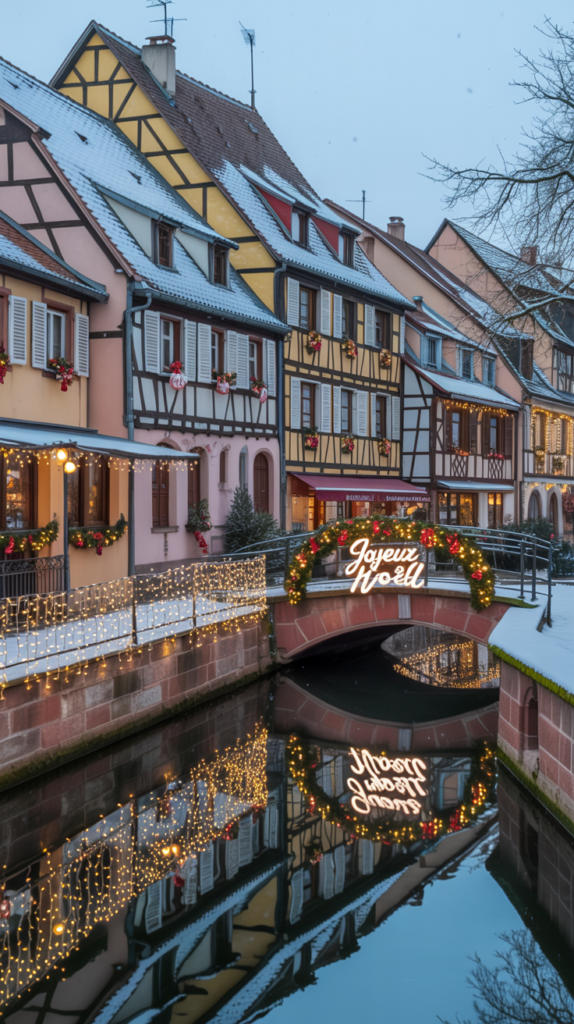
Colmar’s compact medieval centre, pastel timber-framed houses and canals already look like a Christmas card add six themed Christmas markets across the old town and you have a very photogenic, intimate Christmas experience.
Each market often carries its own theme (crafts, gastronomy, children’s market) and the town’s well-preserved architecture makes every stroll feel cinematic.
Must-see market & highlights
- Place des Dominicains and Place Jeanne d’Arc: two of the prettiest market spots with local handicrafts.
- Little Venice by the canals: lantern reflections in the water at dusk are spectacular for photos and quiet walks.
Eat & drink
- Choucroute (Alsatian sauerkraut and meats) for a warm sit-down meal.
- Mulled wine with Alsatian twist and spiced ginger cakes.
- Local wines from the Alsace route dry Rieslings and Gewürztraminer pair beautifully with winter fare.
Best time & tips
- Best: Early December on weekdays for quieter markets, or late November when lights are up but before the crowds.
- Tip: Colmar’s markets can be very romantic at night but narrow streets fill up leave time for queuing at popular stalls.
How to get there & stay
- By train: Direct services connect Colmar with Strasbourg and Basel.
- Where to stay: Look for a chambre d’hôtes in the historic centre for an intimate, locally run experience.
pro tip: people also read
3. Riquewihr, France
Why it’s special
Riquewihr is one of Alsace’s best-preserved wine villages add Christmas lights, local handicraft stalls and a handful of musical events and the result is a jewel-box visit that often feels like stepping into a storybook.
Riquewihr’s market is small but highly picturesque and often included on Alsace shuttle routes linking Colmar and nearby villages.
Must-see market & highlights
- Old town market square: hand-carved ornaments, local honey, and artisan gifts.
- Vineyard views: some short walks just outside the village give panoramic views lit by market glow.
Eat & drink
- Local Munster cheese and Alsace sausages, washed down with a warming glass of mulled Gewürztraminer.
- Handmade toys and woodworking from local artisans for unique, small gifts.
Best time & tips
- When: Late November through December. It’s ideal as a half-day trip from Colmar.
- Tip: Use the Christmas shuttle buses that run from Colmar to smaller villages (Riquewihr, Kaysersberg) to avoid driving and parking headaches.
How to get there & stay
- By car or shuttle: Best reached from Colmar (short drive or shuttle).
- Where to stay: Book a guesthouse in the village for the full medieval-street experience.
4. Rothenburg ob der Tauber, Germany
Why it’s special
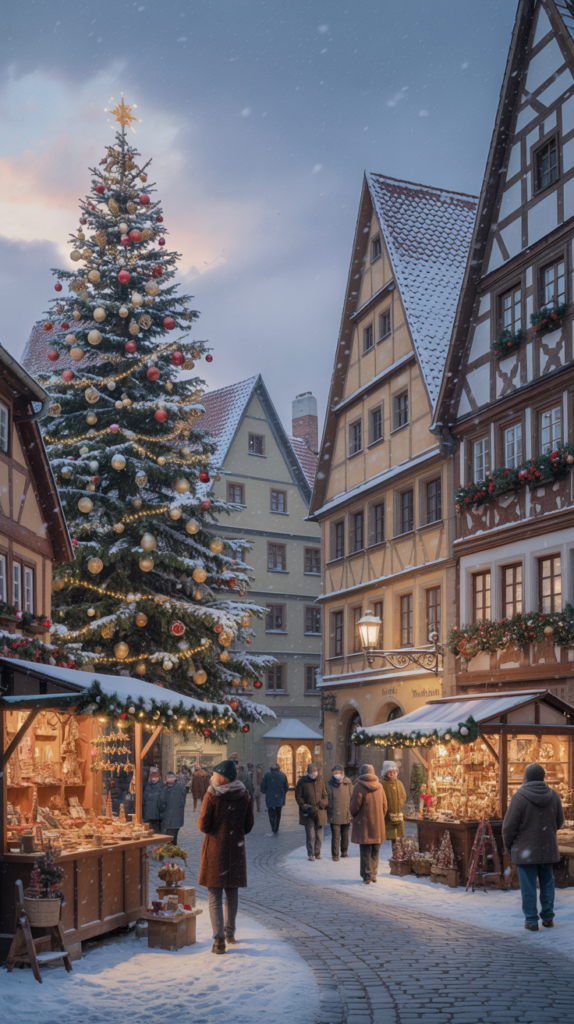
Rothenburg is the archetypal medieval Bavarian town: timbered houses, red rooflines, and a central market square that hosts the Reiterlesmarkt, a centuries-old Christmas fair with a sweet, nostalgic vibe.
It’s exactly the sort of place you imagine when you picture a German Christmas postcard and locals preserve old traditions like torchlight parades and the appearance of the “Reiterle,” a folkloric figure tied to the market’s identity.
Must-see market & highlights
- Reiterlesmarkt: the main market in the old square and surrounding lanes, often complemented by guided torchlight walks and traditional music.
- Deutsches Weihnachtsmuseum (German Christmas Museum): a small museum devoted entirely to Christmas ornaments and traditions — perfect for the holiday nerd.
Eat & drink
- Schneeballen (deep-fried pastry balls dusted with sugar or chocolate) Rothenburg’s signature treat.
- Glühwein (mulled wine) and traditional Lebkuchen gingerbreads from local stalls.
Best time & tips
- Peak: Weekends in December are very busy, but the atmosphere is unbeatable.
- Tip: Stay after dark the town’s lights and the intimate alleys make for a magical evening stroll. If you can, attend a torchlight walk to see Rothenburg’s medieval spirit up close.
How to get there & stay
- By rail: Accessible via Würzburg with a regional connection; driving the Romantic Road is a popular option.
- Where to stay: Historic inns and converted town houses inside the old walls give you instant access to the markets.
5. Nuremberg, Germany
Why it’s special
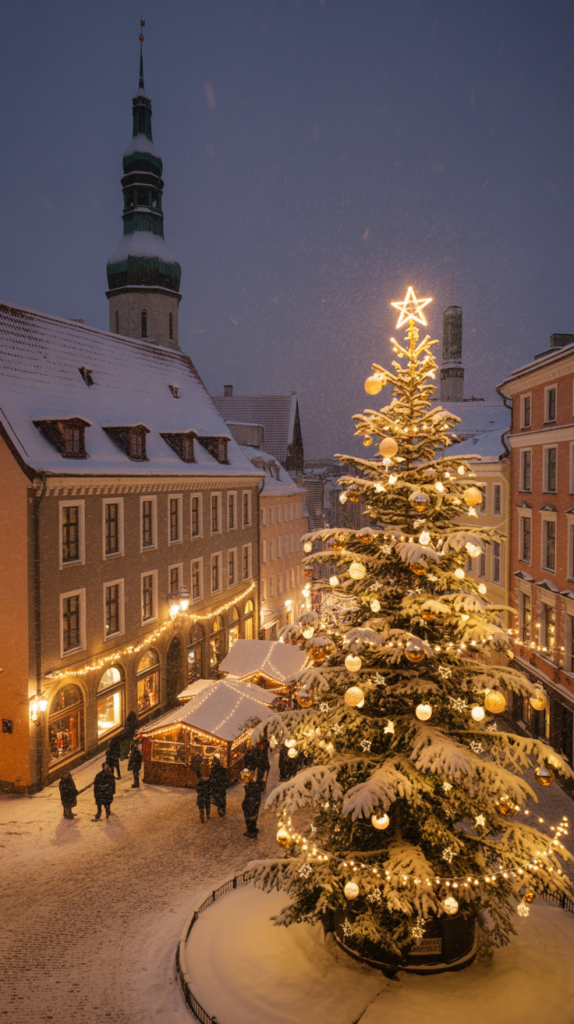
Nuremberg’s Christkindlesmarkt is one of Europe’s most famous Christmas markets large, traditional, and brimming with handcrafted ornaments, famous gingerbread (Nürnberger Lebkuchen), and an atmosphere that merges historic pageantry with family entertainment.
The market’s history reaches back to the 16th century and it attracts millions of visitors each season, making it an essential stop for market enthusiasts.
Must-see market & highlights
- Hauptmarkt stalls: traditionally arranged wooden stalls selling classic handcrafted goods and culinary specialties.
- Children’s market (Kinderweihnacht): a separate area with child-friendly rides, puppet shows and gentle attractions.
Eat & drink
- Nürnberger Bratwurst in a roll.
- Lebkuchen (gingerbread) in many forms keep an eye out for regional specialties.
- Glühwein and warm roasted chestnuts.
Best time & tips
- Peak season: Late November to December 24th. Expect big crowds; visit on weekdays if possible.
- Tip: Arrive early in the day, explore the surrounding lanes (there are smaller markets and crafts nearby) and save your heavier shopping for the afternoon when stalls are fully stocked.
How to get there & stay
- By air & rail: Nuremberg is a transport hub (Nuremberg Airport and main station) with strong connections across Europe.
- Where to stay: Hotels near the Hauptmarkt are convenient but book far in advance for December.
6. Salzburg, Austria
Why it’s special
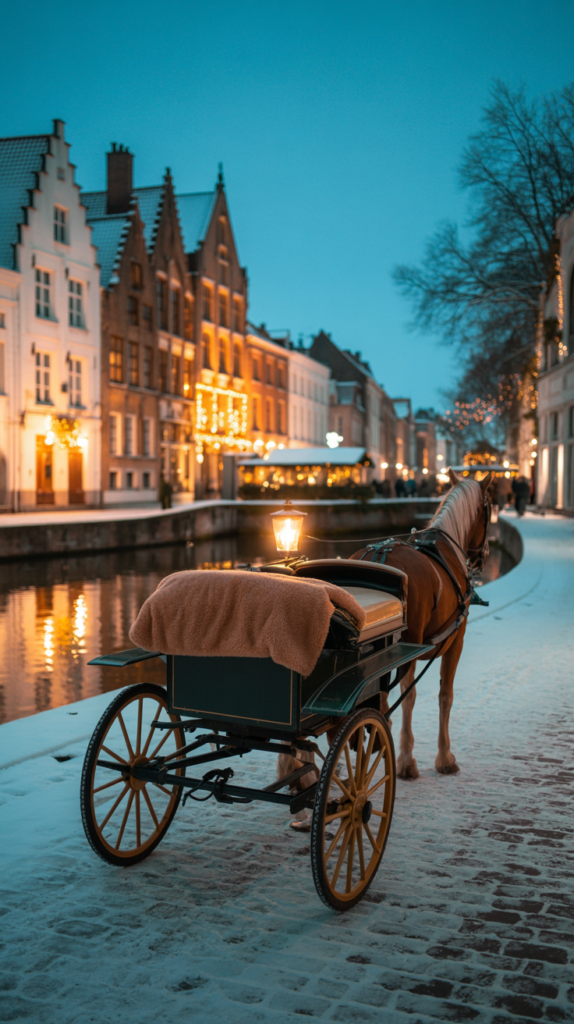
Salzburg at Christmas feels like a living carol: baroque squares, the fortress looming above, and traditional markets that date back to the 15th century create a festive blend of culture and tradition.
The city’s setting Mozart’s hometown adds musical events and classical concerts to the Christmas mix, and the Residenzplatz and Cathedral Square markets are framed by some of the city’s most iconic architecture.
Must-see market & highlights
- Residenzplatz & Cathedral Square markets: central, atmospheric and often with a program of live choral music or nativity scenes.
- Advent concerts & classical performances: book a Salzburg concert for a magical winter evening.
Eat & drink
- Austrian pastries like Sachertorte or Apfelstrudel in cozy cafés after a market stroll.
- Bratwurst and roasted chestnuts, accompanied by mulled wine.
Best time & tips
- Best: Early December for a quieter visit; attend a late-afternoon concert and then stroll the lit streets.
- Tip: Pair your market visit with time in Salzburg’s museums or a quick trip to the nearby alpine villages for snowy scenery.
How to get there & stay
- By rail: Great rail links from Vienna and Munich; Salzburg Airport has regional flights.
- Where to stay: Book a central hotel for easy walking access to markets and museums.
7. Hallstatt, Austria

Why it’s special
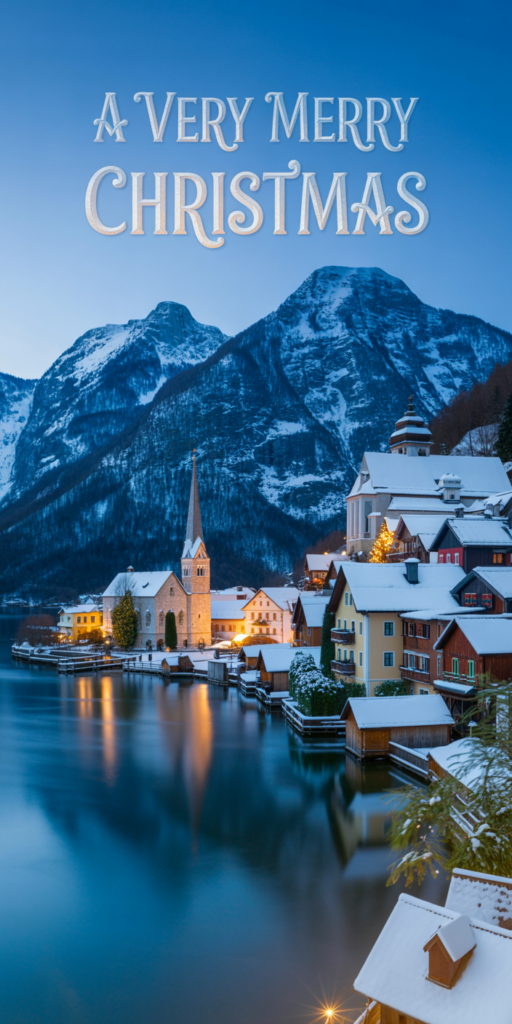
Hallstatt is tiny, and in winter it becomes one of the most intimate and idyllic Christmas settings in Europe: the lake, the mountain backdrop, wooden houses dusted with snow and a single, enchanting market day on December 8th.
Because the market is brief and the town small, Hallstatt’s Christmas feel is concentrated and unforgettable imagine a one-day festival in a perfectly preserved postcard town.
Must-see market & highlights
- Hallstatt market day (Dec 8): the town’s main market square hosts music, a life-size nativity and local stalls for one special day.
- Lakefront views: sunset over the lake creates an iconic backdrop for photos and quiet reflection.
Eat & drink
- Austrian comfort food in small inns think hearty stews, dumplings and schnitzel.
- Local bakery treats and sticky sweets to enjoy while walking the lake.
Best time & tips
- When: If your schedule allows, be in Hallstatt on December 8th for the full local Christmas market; otherwise visit in early December to enjoy the winter scenery with fewer crowds.
- Tip: Hallstatt is tiny and popular arrive early, and be prepared for limited parking and public-transport options in peak season.
How to get there & stay
- By train & bus: Most visitors come via Salzburg or Linz and continue by regional trains and buses.
- Where to stay: Small guesthouses and lakeside hotels book well in advance if you want to be on the water.
8. Vienna, Austria
Why it’s special
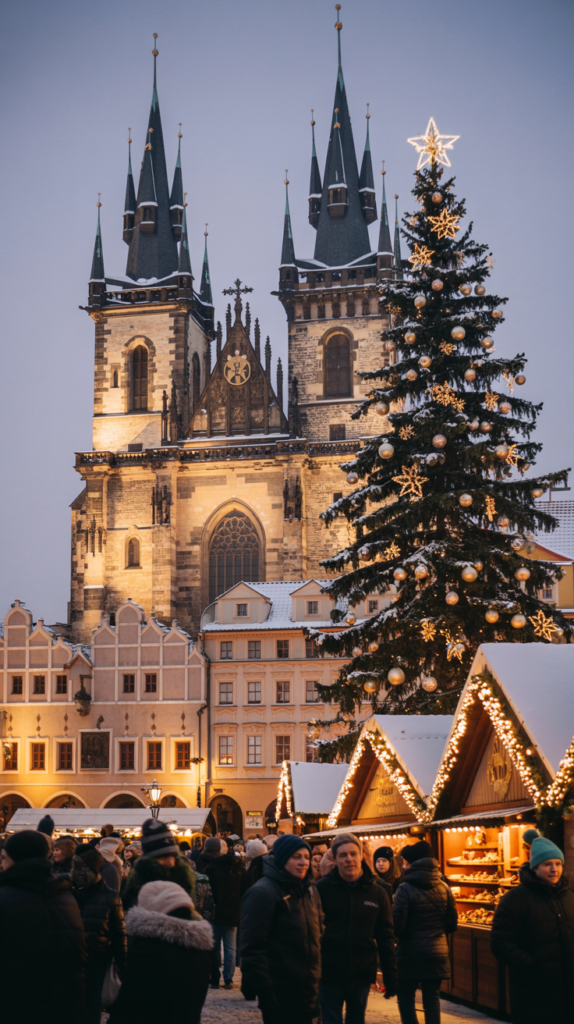
Vienna’s Christmas markets are grand, elegant and effortlessly Viennese.
The Rathausplatz market in front of the town hall (Rathaus) is the most famous a vast square of stalls, an ice-skating rink, and the Gothic town hall lit like a stage set.
Beyond Rathausplatz, markets across Schönbrunn Palace, Maria-Theresien-Platz and Belvedere Palace offer variations from artisan to high-end crafts, and classical concerts and waltzes provide a soundtrack that’s rarely matched elsewhere.
Must-see market & highlights
- Rathausplatz: the largest and most atmospheric market with ice-skating and family attractions.
- Schönbrunn Palace market: formal and elegant, set against the palace’s Baroque façade.
Eat & drink
- Käsekrainer or Austrian sausages at market stalls.
- Maroni (roasted chestnuts) and seasonal pastries enjoy a Viennese coffee in a nearby café for a classic pairing.
Best time & tips
- Best: Early evening during weekdays to enjoy music and lights with fewer crowds.
- Tip: Vienna’s markets are spread out plan a walking route or use the excellent public transport to hop between markets.
How to get there & stay
- By air & rail: Vienna International Airport and Hauptbahnhof are major European gateways.
- Where to stay: The Innere Stadt (central district) keeps you within walking distance of many markets and attractions.
9. Prague, Czech Republic

Why it’s special
At Christmas, Prague’s Old Town Square and Wenceslas Square glow under ornate decorations and a towering tree framed by Gothic and Baroque silhouettes.
Prague’s markets combine Bohemian craft traditions with hearty Czech street food the smell of trdelník (sugar-coated pastry), grilled meats and svarák (mulled wine) mingles with the sound of carols and bells.
The city often dresses itself in golden angel motifs and classical seasonal displays that feel both historic and festive.
Must-see market & highlights
- Old Town Square market: the most iconic location with the largest tree and many artisans.
- Wenceslas Square: a bustling alternative with slightly different offerings and a lively atmosphere.
Eat & drink
- Trdelník (chimney cake) freshly roasted.
- Svařák (Czech mulled wine) and klobása (sausage) for warming street eats.
Best time & tips
- Peak: Late November through early January; expect crowds near the most famous squares.
- Tip: Explore side markets (Republic Square, Peace Square) for cooler crowds and unique gifts. Book guided walking tours to hear local holiday legends and skip busy lines.
How to get there & stay
- By air & rail: Prague has direct flights across Europe and an easy city centre rail link.
- Where to stay: Old Town or Lesser Town (Malá Strana) give you classic views and easy market access.
10. Český Krumlov, Czech Republic

Why it’s special
Český Krumlov’s winding river, castle silhouette and narrow medieval lanes make it a dreamy winter destination.
The town’s Christmas market typically runs through late November into early January, and its small size combined with UNESCO-listed status gives the market a calm, intimate feel that’s excellent for couples, families or photographers seeking golden-hour shots.
Must-see market & highlights
- Náměstí Svornosti (main square): the market’s heart with stalls, castle views and warm music.
- Castle lights & river reflections: evening views are unforgettable when the castle and markets both glow.
Eat & drink
- Traditional Czech soups and meat dishes from market vendors.
- Local pastries and hot drinks to keep you warm as you explore the alleys.
Best time & tips
- When: The town is most atmospheric at dusk and in the evenings; weekends will be busier.
- Tip: Combine a day trip with Český Krumlov’s castle tour and nearby nature excursions for a fuller winter escape.
How to get there & stay
- By bus or car from Prague or Linz; rail options involve a transfer.
- Where to stay: Historic guesthouses inside the old town keep you within easy walking distance of the market and castle.
11. Bruges, Belgium
Why it’s special
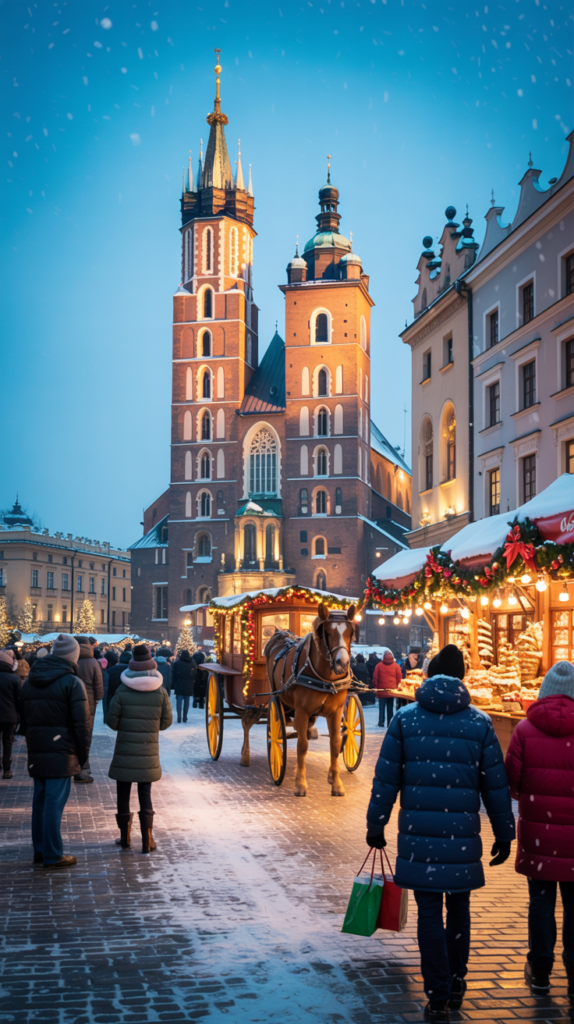
Bruges is a chocolate-box city that becomes especially romantic at Christmas.
The market on the Markt and the Winter Glow light festival turn the belfry square and nearby canals into glittering winter hamlets.
Bruges’ medieval charm, paired with delicious Belgian specialities and a well-curated market, makes this a relaxing but magical festive stop.
Must-see market & highlights
- Market Square (Grote Markt): main market with wooden chalets and an ice rink.
- Winter Glow: a city-wide light festival that enhances canal reflections and architectural details.
Eat & drink
- Belgian waffles, hot chocolate, and pralines obvious but essential.
- Local beer and stoofvlees (Flemish beef stew) for a hearty meal after market hopping.
Best time & tips
- When: Late November through early January. Bruges is delightful at twilight when lights reflect in the canals.
- Tip: Visit on an off-peak weekday if you want photos with fewer people; book a canal cruise in winter for a quieter experience.
How to get there & stay
- By rail: Trains connect Bruges with Brussels and other Belgian cities.
- Where to stay: Canal-side hotels for romantic views; book early for December weekends.
12. Ghent, Belgium
Why it’s special
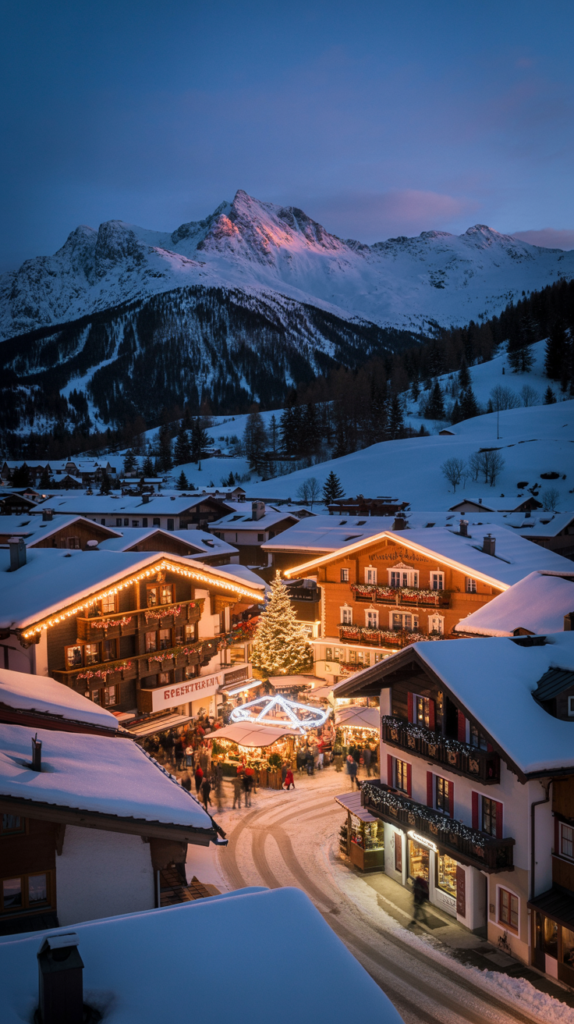
Ghent’s Winter Festivities blend lively markets with quirky attractions a Ferris wheel, ice rink and themed bars appear alongside artisan stalls.
The market spreads through a few central squares which helps distribute crowds and makes Ghent a comfortable, convenient city for a festive city-break.
Must-see market & highlights
- Sint-Baafsplein & Korenmarkt: main hubs with dozens of stalls, rides and food offerings.
- Winterfeesten: a series of events and pop-ups that keep the festive energy high through December.
Eat & drink
- Belgian street food: frites with sauces, waffles and warming beers in a lively winter atmosphere.
- Seasonal dishes at local bistros Ghent has a strong culinary scene to explore between markets.
Best time & tips
- When: Early to mid-December to avoid end-of-month crowds.
- Tip: The market is spread out so wear comfortable shoes and plan to hop between squares.
How to get there & stay
- By rail: Quick connections to Brussels and Antwerp.
- Where to stay: Central hotels near Sint-Baafsplein put everything in walking distance.
13. Tallinn, Estonia — Medieval lanes
Why it’s special
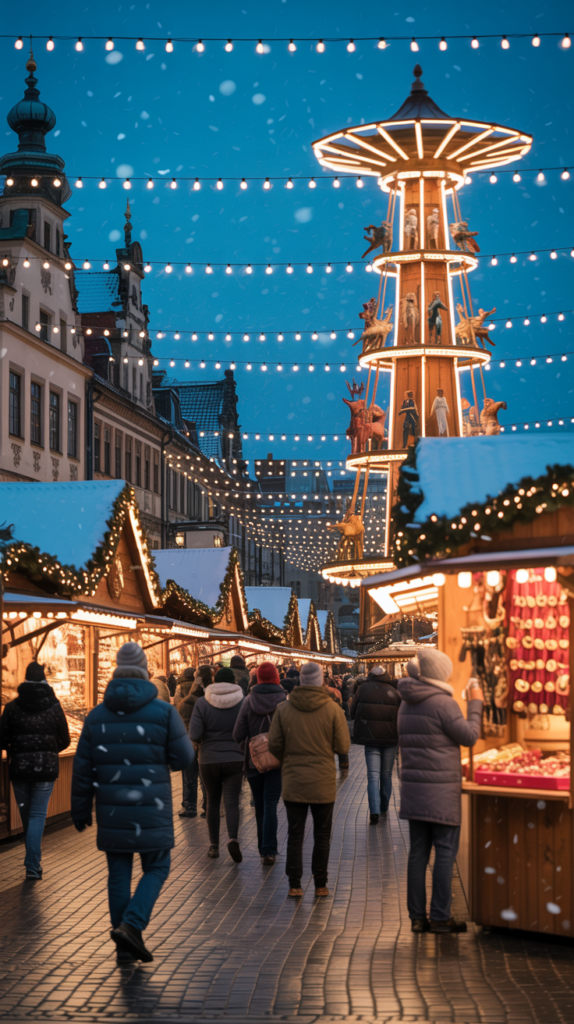
Tallinn’s Old Town becomes enchanted in winter: cobblestone streets, medieval towers and a compact main square that hosts a cozy, traditional Christmas market with strong Northern European character.
Tallink and ferry routes make Tallinn accessible from Helsinki, and the city’s compactness means you can soak in the atmosphere without long walks between highlights.
Must-see market & highlights
- Town Hall Square (Raekoja plats): a small, atmospheric market often ranked among Europe’s prettiest.
- Surrounding medieval streets: artisan shops and historic cafés make for perfect warming stops. (source: general Tallinn market guides)
Eat & drink
- Estonian pastries and hearty soups, alongside mulled wine with a Baltic twist.
- Local craft stalls with woolens and amber jewelry — great for winter gifts. (source: local market guides)
Best time & tips
- When: December is magical expect crisp air and possible snow.
- Tip: Tallinn’s markets are compact; combine with a museum or a performance in the evening. (source: local tourism sites)
How to get there & stay
- By ferry from Helsinki or via Tallinn Airport; city centre is compact and walkable. (source: local transport info)
(Note: for Tallinn I recommend checking the official city tourism site for exact market dates and program in the year you travel.)
14. Rovaniemi, Finland
Why it’s special
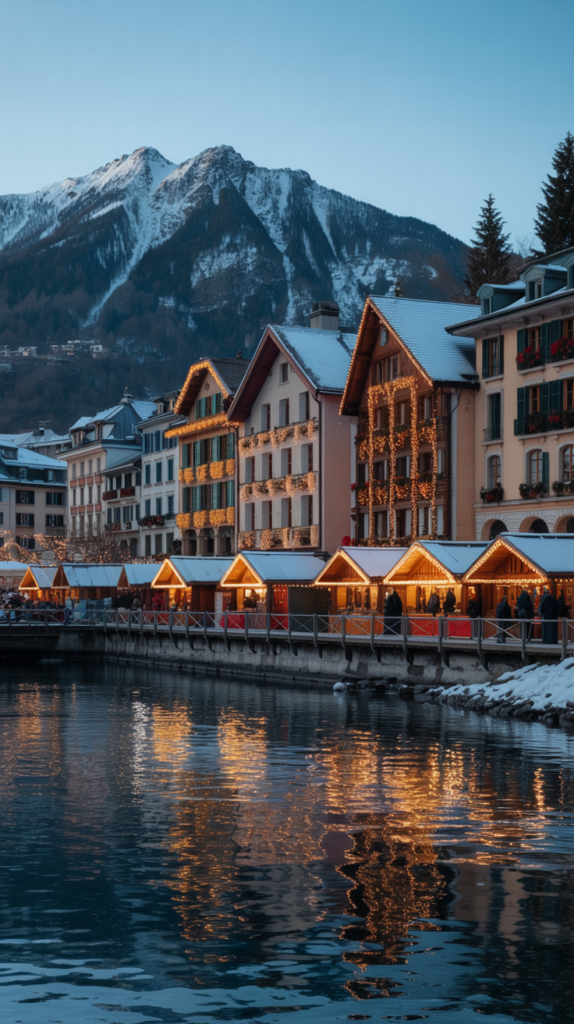
Rovaniemi markets are less about chalets in a medieval square and more about Arctic wonder: snow, reindeer, the Arctic Circle line and Santa Claus Village a place where children (and adults) can meet Santa, send postcards from the Santa Post Office, and enjoy husky-sledding and Northern Lights excursions. Rovaniemi is the quintessential Lapland Christmas experience.
Must-see market & highlights
- Santa Claus Village: cross the Arctic Circle, meet Santa, and enjoy a cluster of shops and festive experiences.
- Traditional Lapland markets: regional handicrafts like Sami jewelry, woolen goods and reindeer-related souvenirs.
Eat & drink
- Reindeer stew (for the adventurous) and hearty Lappish soups.
- Warm berry drinks (cloudberry or lingonberry-based) and hot chocolate.
Best time & tips
- Best: December is peak for snow activities and the Christmas vibe; also great for Northern Lights if solar conditions are favorable.
- Tip: Book sledding and aurora tours early and layer clothing — Arctic winter demands thermal planning.
How to get there & stay
- By air: Rovaniemi Airport has connections from Helsinki and seasonal charters.
- Where to stay: Choose from cosy wooden lodges, glass-roofed aurora cabins or hotels in town; Santa Village hotels offer instant access to attractions.
15. Copenhagen, Denmark

Why it’s special
Copenhagen’s Tivoli Gardens transforms into a winter wonderland every year: rides decked with lights, Nordic-style decorations, and themed food stalls make for joyful and family-friendly festivities.
Add elegant Scandinavian design, cozy concept cafés and a focus on hygge (comfort and warmth), and Copenhagen becomes a stylish festive city break.
Must-see market & highlights
- Tivoli Gardens: spectacular lights, rides and Christmas displays in a historic amusement park setting.
- Nyhavn and Strøget area: Christmas stalls and boutique shopping on one of Copenhagen’s iconic streets. (source: Copenhagen tourism)
Eat & drink
- Æbleskiver (round, pancake-like pastries) with jam and powdered sugar.
- Gløgg (Nordic mulled wine) and Danish open-faced sandwiches at cozy cafés. (source: local food guides)
Best time & tips
- When: Mid-November through December. Tivoli is especially magical after dark.
- Tip: Combine Tivoli with canal tours and a visit to the little Christmas shops along Strøget for a full Copenhagen holiday route. (source: local tourism)
How to get there & stay
- By air & rail: Copenhagen Airport is a major hub; central hotels are a short metro or taxi ride from Tivoli and the main squares. (source: Copenhagen travel sites)
Practical planning & travel tips for Christmas market trips
When to go
- Advent period (late November–24 December) is the classic window: markets are in full swing, decorations are up, and seasonal events run. Many markets remain open until New Year, but smaller village markets may have limited days (some, like Hallstatt, are single-day events).
- Check official town or market sites for exact dates many markets follow a pattern but exact opening days and times change year to year. (Examples cited above include official market pages for Strasbourg, Colmar, Nuremberg, and Vienna).
How to avoid crowds (and still get the magic)
- Visit on weekdays (Tuesday–Thursday) and earlier in the day rather than evenings on weekends.
- Stay central: if you’re basing in a market town, staying in the old centre lets you enjoy the lights after day-tour crowds have left.
- Book early: accommodation in market towns fills fast for December weekends.
Packing & clothing
- Layering is essential: thermal base layers, a warm mid-layer, and a wind/waterproof outer layer.
- Footwear: insulated, waterproof boots with good traction markets can be icy or wet.
- Accessories: hat, scarf, touchscreen gloves (many phones are touchscreen), and a small foldaway umbrella.
Money & shopping tips
- Cash vs card: most stalls accept cards in big markets, but small village vendors sometimes prefer cash keep small euro notes and coins handy in Europe.
- Shipping: some towns offer shipping from markets if you buy many ceramic or bulky items ask at the stall.
Photo tips
- Golden hour & blue hour: dawn and dusk provide gorgeous light; markets will be prettier after sunset but anticipate crowds.
- Tripod: useful for long exposure night shots check local rules about tripods at busy markets.
A suggested itinerary ideas (7–10 days)
If you want a multi-town trip where distances are reasonable and variety is high:
- Week 1: Alsace & Bavaria Strasbourg → Colmar → Riquewihr → Rothenburg → Nuremberg. (Easy rail and road links; a perfect blend of big markets and small villages.)
- Week 2: Central Europe & Austria Prague → Český Krumlov → Salzburg → Hallstatt → Vienna (wrap up with a show or concert).
- Lapland extension: add Rovaniemi for an Arctic Santa experience (requires a short flight from Helsinki).
Final tips & checklist before you go
- Confirm market dates on official tourism sites (linked above in the town sections).
- Reserve popular experiences (concerts, Santa visits, sled rides) well in advance in Lapland and other popular towns.
- Keep flexible: weather can shift plans; some walking routes and smaller markets close in heavy snow.
- Pack a small daypack for purchases, and a reusable cup if you’re trying to reduce waste — many markets have cup-deposit systems for mulled wine.