


Thinking about moving to Peru in 2025? Great choice. Peru blends ocean, Andes and Amazon coastal metropolises with serious career energy, mountain cities wrapped in history, and lush jungle hubs with a slower, sunnier pace.
Cost of living can be refreshingly reasonable, food is world-class, and Peruvians are welcoming once you learn the rhythms of life here.
This guide narrows the options to 12 cities that consistently deliver on livability: housing value, everyday affordability, safety and healthcare access, schooling options, digital connectivity for remote workers, transport links, culture and outdoor lifestyle.
How to use this guide:
For each city, you’ll find a snapshot, reasons to move, neighborhood notes, monthly budget ranges, climate, healthcare and connectivity tips, plus pros/cons and a 7-day “settle-in” plan. Prices are ballparks in USD for a single person or couple living comfortably (not backpacker-style), and of course vary by lifestyle.
What Makes a Peruvian City “Desirable” in 2025?
- Housing value: Availability of modern apartments/houses in safe neighborhoods at reasonable rents.
- Cost of living: Groceries, eating out, utilities, mobile data and transport.
- Healthcare access: Proximity to reputable clinics/hospitals; options for private care and insurance.
- Connectivity: Home fiber or reliable 4G/5G; workable speeds for video calls; backup options (e.g., mobile hotspot, Starlink in remote areas).
- Safety: Neighborhood-by-neighborhood awareness and common-sense city habits.
- Community: Expat and local networks, language schools, coworking spaces, and interest groups.
- Transport: Local buses/taxis, airports, intercity buses; walkability/bikeability where applicable.
- Lifestyle: Culture, food scene, green spaces, climate and access to weekend escapes.
1) Lima – The Big, Compelling Capital
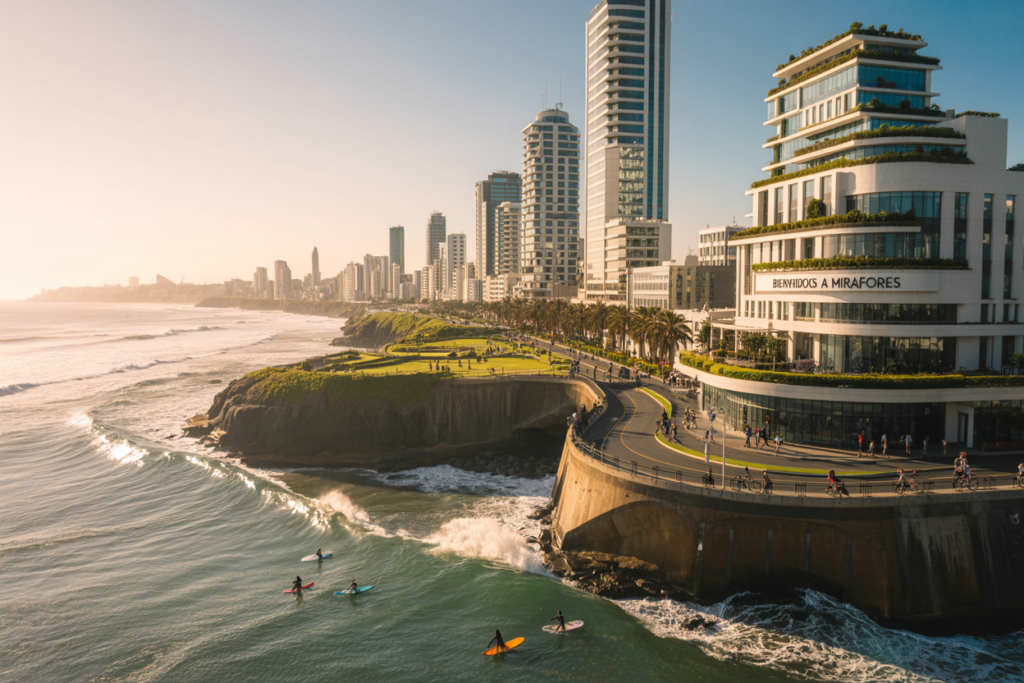
Vibe: Peru’s economic and culinary capital; cosmopolitan, busy, endlessly tasty.
Best for: Professionals, entrepreneurs, food lovers, families wanting international schools, remote workers who need high-speed fiber.
Where to live:
- Miraflores (safe, walkable, coastal parks, coworking, cafés),
- Barranco (bohemian, colorful, quieter streets),
- San Isidro (business district, modern towers, upscale parks).
Value options: Pueblo Libre, Magdalena del Mar, parts of Surco.
Approx. monthly budget:
- Single: $1,200–$2,500+ (rent from $500–$1,200 for a 1-bed in good areas).
- Couple/family: $2,000–$3,500+ (2-3 bed from $800–$1,800).
Utilities: $60–$120; Home fiber: $25–$45; Eating out spans street-food cheap to fine-dining splurge.
Why move:
- Best healthcare and specialist clinics in Peru.
- International schools and bilingual programs.
- Nonstop flights and the strongest job market.
- Peru’s most advanced dining scene—from Nikkei to classic criollo.
Climate: Mild coastal desert—cool, cloudy winters (Jun–Sep), temperate summers (Dec–Mar). Very little rain; humidity can be high.
Digital life: Excellent fiber options (200–600 Mbps in core districts), abundant coworking spaces.
Healthcare: Top private clinics and a broad range of specialists; private insurance plans widely accepted.
Pros: Vibrant food/culture, services and jobs, walkable coastal neighborhoods.
Cons: Traffic and commute times, seasonal grey skies, highest cost in Peru.
7-Day Settle-In Plan:
- Short-let apartment in Miraflores; buy a local SIM (Claro/Movistar/Entel).
- Tour apartments with a reputable agent; verify building security and noise.
- Set up internet; test speeds during video calls.
- Register with a private clinic; learn the appointment booking process.
- Join a coworking space; meet local/expat groups.
- Explore markets (Surquillo, San Isidro) and park system along the malecón.
- Learn your bus/Metropolitano routes; test commuting times at rush hour.
2) Arequipa – White City, Big Sun, Big Value

Vibe: Elegant colonial center framed by El Misti volcano; slower pace than Lima but with real urban amenities.
Best for: Families and remote workers who want sunshine, clean air, and lower costs without sacrificing comfort.
Neighborhoods:
- Yanahuara (historic, lovely views, safe),
- Cayma (modern malls/services),
- Selva Alegre and Vallecito (residential, central).
Monthly budget: Single $800–$1,600; Couple/family $1,400–$2,400. 1-bed modern apt from ~$350–$700; 2-3 bed from ~$600–$1,100.
Why move:
- Strong private clinics; good schools; excellent restaurants; beautiful historic core.
- Lower crime compared to bigger capitals; sunny climate most of the year.
Climate: High-desert sunshine; warm days, cool nights; little rain.
Connectivity: Fiber available in popular districts (often 100–300 Mbps). Decent coworking scene.
Pros: Sunshine, architecture, affordability, access to Colca Canyon.
Cons: Altitude (~2,300 m) takes a few days to adjust; smaller job market vs. Lima.
Quick win: Prioritize apartments with good insulation—nights can be chilly.
3) Cusco – History, Highlands and Culture
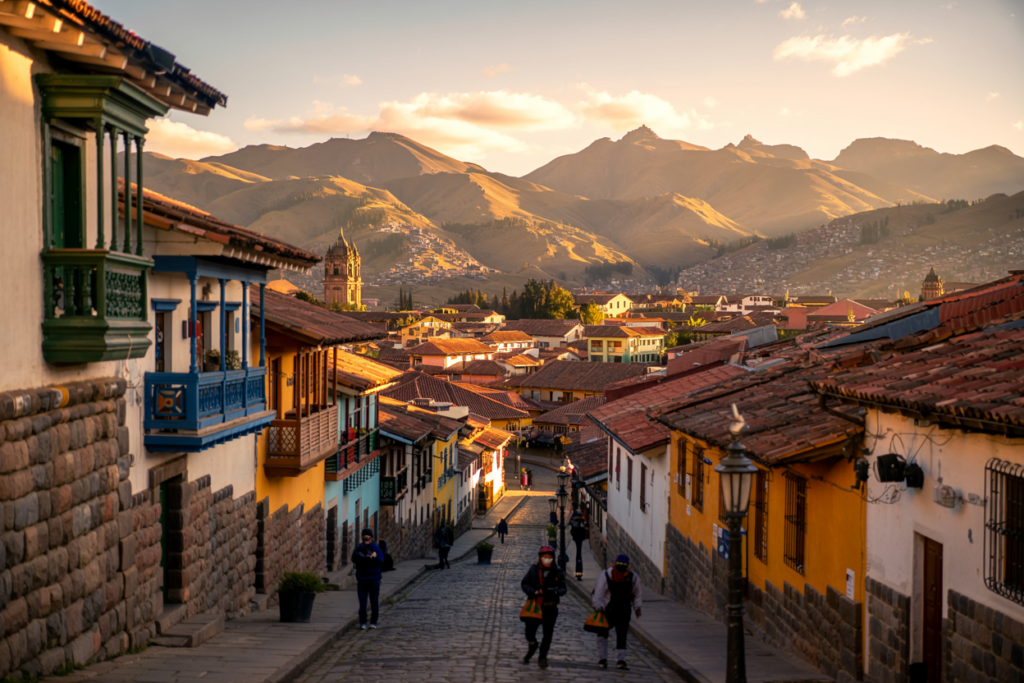
Vibe: Andean cultural capital; cobbled streets, festivals, and weekend access to world-class treks.
Best for: Remote workers, creative professionals, entrepreneurs in tourism/hospitality, culture fans.
Neighborhoods:
- San Blas (artsy, charming but steep streets),
- La Recoleta and Wanchaq (quieter residential),
- Magisterio/San Sebastián (modern buildings, easy shopping).
Monthly budget: Single $900–$1,700; Couple/family $1,500–$2,500. 1-bed $400–$800; 2-3 bed $650–$1,200.
Why move:
- Magical city life with deep Quechua heritage; rich community life.
- Solid private clinics and dentists; well-stocked supermarkets; cafés and coworking.
Climate: Dry, sunny days; chilly nights; rainy season roughly Nov–Mar. Altitude ~3,400 m acclimatization needed.
Connectivity: Fiber improving (often 50–200 Mbps in central areas); always test in the exact building. Mobile data is a reliable backup.
Pros: Culture, community, outdoor life, vibrant café scene.
Cons: Altitude fatigue for some; rainy season damp; tourism crowds; flights can be weather-sensitive.
Tip: Choose apartments with strong heating options and sunlight exposure.
4) Trujillo – Coastal Culture With Lower Costs
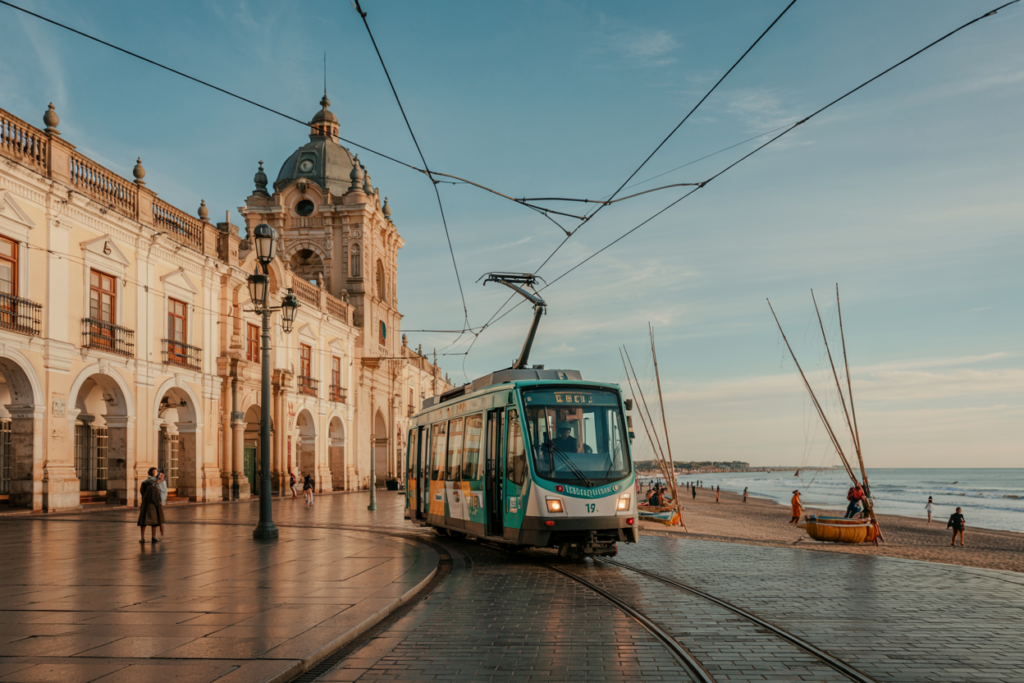
Vibe: “City of Eternal Spring” with major archaeological sites (Chan Chan), nearby surf at Huanchaco, and a calmer feel than Lima.
Best for: Families and remote workers wanting coastal weather and affordability.
Neighborhoods:
- El Golf and Primavera (safe, modern),
- Trujillo Historic Center (character, check building condition).
Monthly budget: Single $700–$1,400; Couple/family $1,200–$2,100. 1-bed $300–$600; 2-3 bed $500–$900.
Why move:
- Milder climate, decent clinics, strong local culture, easy weekend escapes to beaches and ruins.
Connectivity: Fiber increasingly available; test property by property.
Pros: Lower rent, coastal vibe, cultural depth.
Cons: Smaller international community; fewer flights than Lima; pick neighborhoods carefully.
5) Piura – Warm, Sunny, Gateway to Northern Beaches

Vibe: Hotter, brighter, upbeat northern city; access to Máncora, Los Órganos, and warm Pacific seas.
Best for: Sun-seekers, remote workers who love beach weekends, budget-minded movers.
Neighborhoods:
- Miraflores (Piura), Santa Isabel, Los Cocos check for security and flood history.
Monthly budget: Single $700–$1,300; Couple/family $1,200–$2,000. 1-bed $280–$550; 2-3 bed $450–$850.
Why move:
- Year-round warmth, friendly vibe, solid regional airport, proximity to beach towns.
Climate: Hot and dry; prepare for AC bills; understand rainy-season patterns in El Niño years.
Pros: Affordable, sunny, beach access.
Cons: Heat, variable infrastructure; research building drainage and past flooding.
6) Chiclayo – Friendly, Food-Forward Northern Hub
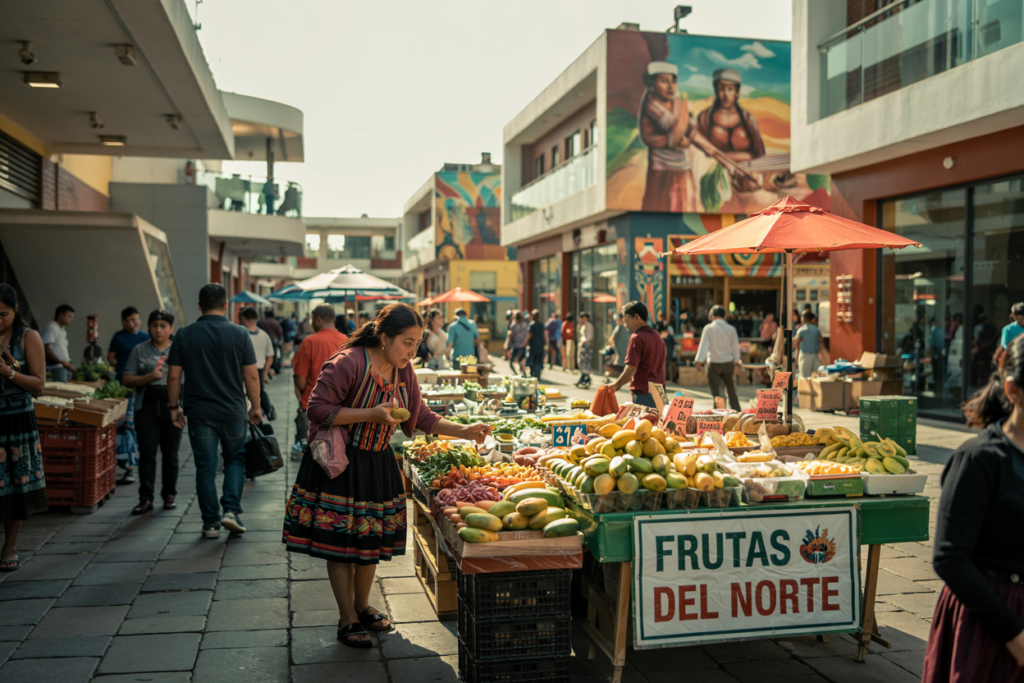
Vibe: Laid-back city known for markets and nearby archaeological sites (Túcume, Sipán).
Best for: Budget-conscious movers wanting a “real Peru” feel with good food and manageable size.
Neighborhoods:
- Around Santa Victoria and parts of the center; verify noise and security.
Monthly budget: Single $650–$1,200; Couple/family $1,100–$1,900. 1-bed $250–$500; 2-3 bed $400–$800.
Why move:
- Regional flights, easy bus links, excellent seafood and northern cuisine, authentic markets.
Connectivity: Growing fiber availability; confirm at apartment level.
Pros: Cost, culinary scene, cultural sites.
Cons: Smaller expat scene; variable urban maintenance.
7) Huancayo – Andean Workhorse With Value
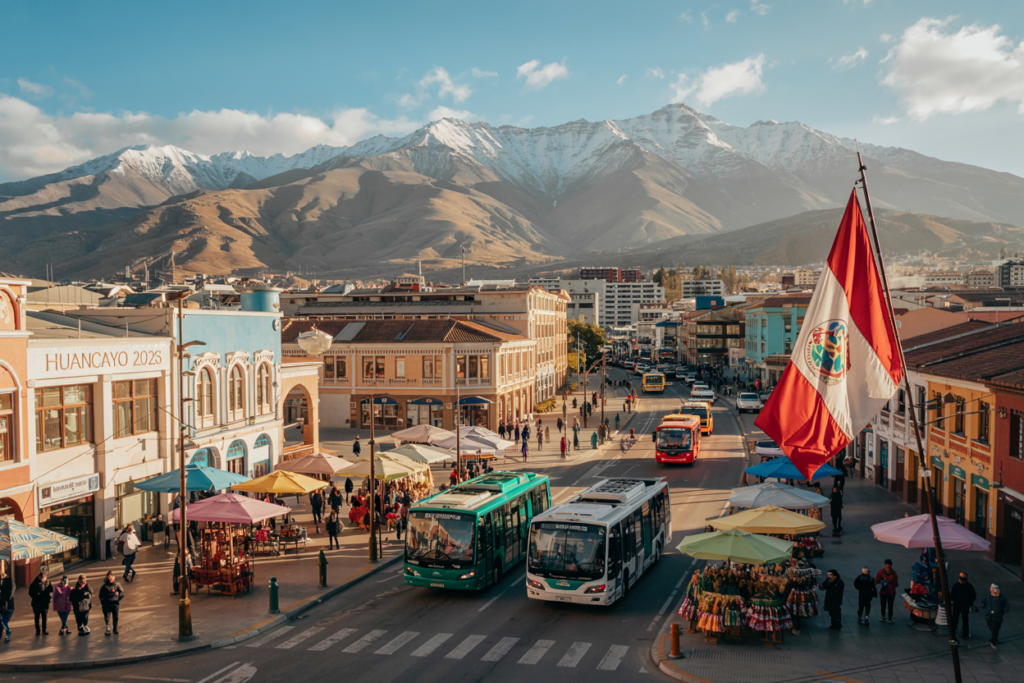
Vibe: Commercial heart of the central highlands busy, practical, and affordable.
Best for: Families and remote workers who want low costs, mountain climate, and strong regional trade links.
Neighborhoods:
- San Carlos, Pilcomayo, and zones near the new malls; check traffic noise.
Monthly budget: Single $600–$1,100; Couple/family $1,000–$1,800. 1-bed $220–$450; 2-3 bed $380–$700.
Why move:
- Solid markets, decent clinics, good value housing, mountain day trips.
Climate: Cool nights; dry season (May–Sep) sunny and crisp; rainy season Oct–Apr.
Connectivity: Fiber exists in many buildings; test consistently. Regional airport at Jauja (JAU) about an hour away; reliable intercity buses.
Pros: Value, less touristy, strong local culture.
Cons: Altitude (~3,250 m), traffic in the center, fewer English speakers.
8) Cajamarca – Highlands Charm, Gentle Pace
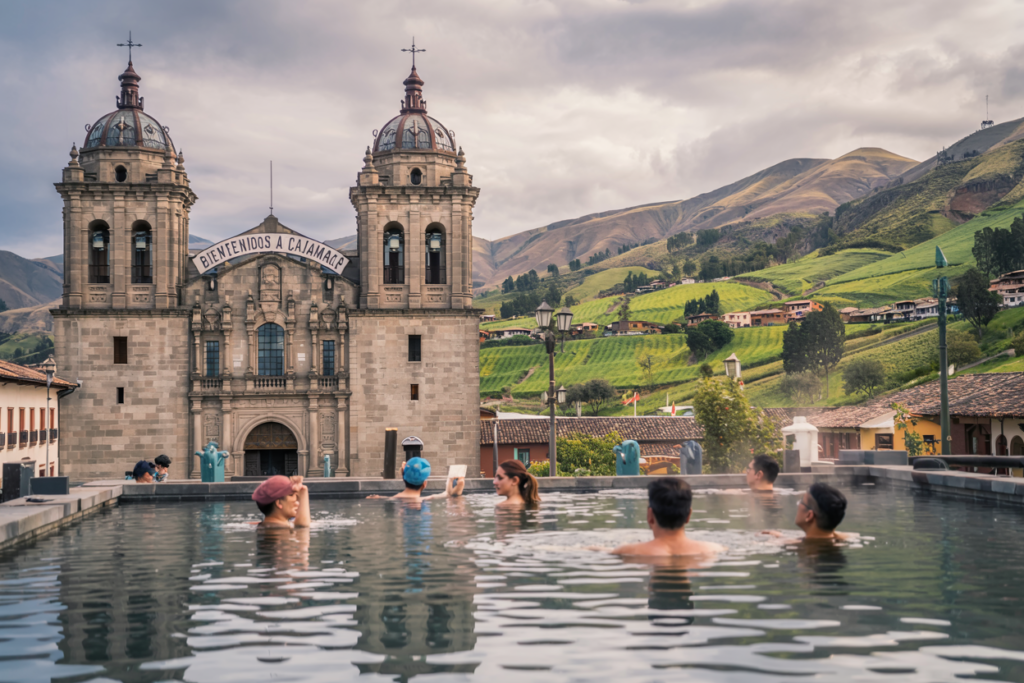
Vibe: Colonial plazas, dairy country, thermal baths; a calm, traditional Andean city.
Best for: Couples/families seeking slower life, temperate climate, and mountain scenery.
Neighborhoods:
- Around Baños del Inca (spa area), San Sebastián, and quiet residential pockets near the center.
Monthly budget: Single $600–$1,100; Couple/family $1,000–$1,800. 1-bed $220–$450; 2-3 bed $380–$700.
Why move:
- Mild climate, wellness vibe, relaxed pace, decent clinics; domestic airport with Lima connections.
Connectivity: Fiber is present in favored districts—confirm before signing.
Pros: Low cost, wellness/weekend baths, scenic.
Cons: Smaller job market and nightlife; limited international community.
9) Huaraz – Outdoor Capital of the Andes
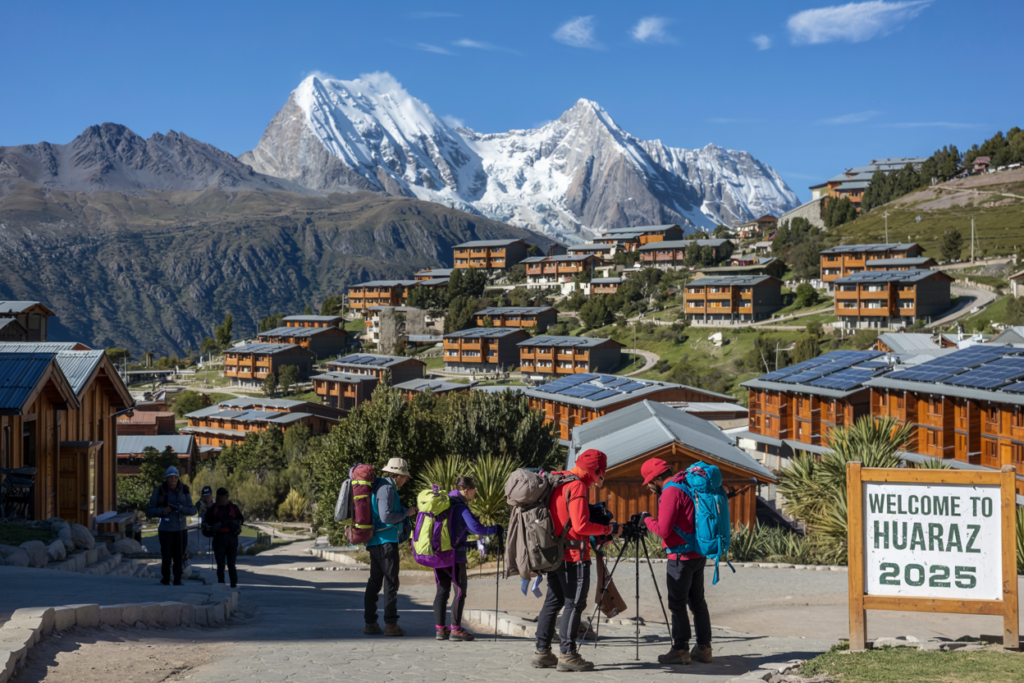
Vibe: Basecamp to the Cordillera Blanca and Huascarán National Park—trekkers, climbers, and nature lovers’ paradise.
Best for: Remote workers prioritizing outdoors and community; digital creatives; active families.
Neighborhoods:
- El Pinar, Soledad, and quiet pockets on the town’s edges; ensure access to sun (it’s chilly at night).
Monthly budget: Single $650–$1,200; Couple/family $1,100–$1,900. 1-bed $250–$500; 2-3 bed $420–$780.
Why move:
- Unmatched weekend access to lakes, glaciers and trails; strong community vibe among outdoor folks; healthy lifestyle.
Climate: Sunny days, cold nights; rainy season roughly Nov–Mar. Altitude ~3,050 m—acclimatize.
Connectivity: Mixed—fiber in select streets; always speed-test. Many remote workers succeed with a dual-SIM hotspot backup.
Pros: Nature access, community, affordability.
Cons: Altitude, infrastructure quirks, limited flights (mostly buses from Lima).
10) Tarapoto – Jungle City With a Sunny Lifestyle

Vibe: Warm, green, small-city feel with waterfalls, coffee, cacao, and lagoons nearby.
Best for: Remote workers and families seeking warmth, greenery, and a relaxed pace without full Amazon isolation.
Neighborhoods:
- La Banda de Shilcayo (across the river; quieter), central residential streets near Suchiche lagoon.
Monthly budget: Single $650–$1,200; Couple/family $1,100–$1,900. 1-bed $250–$500; 2-3 bed $420–$780.
Why move:
- Domestic flights to Lima; great produce; endless weekend waterfall trips; friendly locals.
Climate: Warm/humid; AC recommended. Rain common but usually brief.
Connectivity: Decent home internet in central areas; always verify upload speeds for calls.
Pros: Nature, warmth, affordability, coffee culture.
Cons: Humidity, mosquitoes, seasonal rains; occasional power blips—have a UPS for your router.
11) Iquitos – Amazon Port City With River Life

Vibe: The world’s largest city unreachable by road; vibrant riverfront, markets, and jungle lodges.
Best for: Adventurous movers who want an immersive Amazon life and can handle heat/humidity.
Neighborhoods:
- Historic center (renovated blocks), Punchana (select streets); research flood history.
Monthly budget: Single $650–$1,200; Couple/family $1,100–$1,900. 1-bed $240–$480; 2-3 bed $400–$750.
Why move:
- Deep Amazon culture; river transport; strong sense of place; domestic flights.
Climate: Hot, humid, frequent rain; AC is a must; plan for dehumidifiers.
Connectivity: Sufficient for remote work in well-wired buildings; test carefully and keep mobile data as backup.
Pros: Unique lifestyle, river access, low costs.
Cons: Heat, isolation (no road access to rest of Peru), mixed infrastructure.
12) Oxapampa – Evergreen Valleys and Alpine Hints
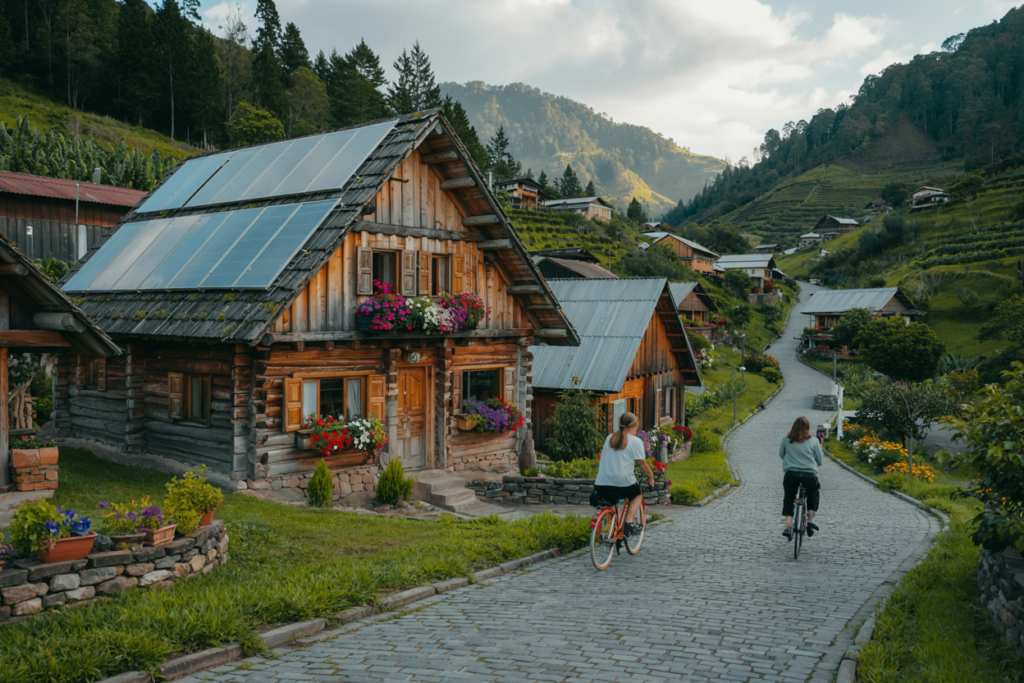
Vibe: Lush valley town with Austro-German heritage, wood chalets, dairy, coffee farms—Peru with a Tyrolean tinge.
Best for: Families/remote workers wanting safety, greenery, cool nights, and community.
Neighborhoods:
- Quiet streets near the center and toward Chontabamba; verify road conditions for rainy season.
Monthly budget: Single $700–$1,300; Couple/family $1,200–$2,000. 1-bed $280–$550; 2-3 bed $450–$850.
Why move:
- Clean air, friendly small-town feel, outdoor weekends to Pozuzo and coffee routes.
Climate: Mild days, cool nights, regular showers; very green.
Connectivity: Patchy by street—prioritize fiber-ready homes; Starlink can be a game-changer if you need guaranteed bandwidth.
Pros: Safety, nature, community, slower pace.
Cons: Limited nightlife and services; longer trips to major airports.
Cost of Living Snapshot (Comfortable Lifestyle, USD)
- Rent (1-bed, good area): $250–$1,200 depending on city.
- Utilities (electricity, water, gas): $40–$120 (higher with AC use).
- Home Internet (fiber where available): $20–$45.
- Mobile (10–20 GB): $7–$15 (Claro/Movistar/Entel/Bitel).
- Groceries: $120–$280 single; $220–$450 couple/family.
- Eating out: Menu del día $3–$6; mid-range dinner $8–$18 pp.
- Transport: City taxis/rideshare often $2–$6 per ride; intercity buses are comfortable and affordable.
Pro tip: Always speed-test internet inside the unit at peak hours before signing a lease. Ask neighbors what speeds they actually get.
Safety & Neighborhood Know-How
Peru’s cities vary block to block. In larger hubs (Lima, Trujillo), stick to well-lit, well-patrolled districts.
Ask your agent which corners to avoid, especially at night.
In smaller cities, petty theft can still occur use building intercoms, avoid flaunting valuables, and take registered taxis or reputable apps.
Healthcare & Insurance
- Private clinics are accessible in major cities, with Lima offering the broadest range of specialists and modern facilities.
- Pharmacies are ubiquitous; ask for the “genérico” (generic) to save.
- Insurance: Expats commonly carry an international plan or a local private plan for clinics in their city. For routine care, out-of-pocket costs are often reasonable.
Visas & Residency (Overview)
Rules change, so check the Peruvian consulate before moving. Common pathways include:
- Tourist stay (short-term, often 90 days on arrival, sometimes extendable—varies by nationality).
- Work/Business (requires employer sponsorship or legal company setup).
- Family ties (Peruvian spouse/children).
- Student (enrollment proof).
- Retirement/Pensioner (Rentista) (documented lifetime pension).
- Investor/Entrepreneur (capital requirements apply).
For long-term stays, a residency card simplifies banking, contracts and local insurance. Always verify current paperwork, translations, apostilles, and background checks required.
Education & Language
- Schools: Lima, Arequipa, Trujillo and Cusco have the most private/bilingual options. Smaller cities typically have fewer choices but can be excellent at the primary level.
- Spanish: Daily life works so much better with Spanish. Quechua is also spoken in highland regions (Cusco, Huaraz, Cajamarca). Consider a language school for the first month.
Money & Banking
- Without residency, opening a local bank account can be difficult. Many expats use foreign accounts and ATMs for cash, plus international cards.
- Mobile payments like Yape or Plin are popular but require a Peruvian bank account/ID.
- Keep a small cash buffer for markets and taxis.
Getting Around Peru
- Air: Lima is the primary international hub; domestic flights connect to Arequipa, Cusco, Trujillo, Piura, Tarapoto, Iquitos, Cajamarca, etc.
- Bus: Comfortable intercity buses (e.g., semi-cama, cama) are common and budget-friendly.
- In-city: Taxis and ride-hailing apps abound; in Lima, the Metropolitano BRT and the expanding metro help, but traffic is real.
Internet & Remote-Work Tips
- Fiber first: Ask the ISP for a written confirmation of the speed tier available at your exact address.
- Router & UPS: Bring or buy a quality router and a small UPS to ride out brief power cuts (especially in jungle regions).
- Dual-SIM phone: One major carrier + one secondary gives better coverage.
Food & Daily Life
- Markets: Fresh produce, fish and poultry are excellent value—learn your local mercado.
- Menu del día: Inexpensive fixed-price weekday lunch; fantastic for routines.
- Water: Most cities drink bottled or filtered water; many apartments provide a garrafón stand.
- Etiquette: A friendly “Buenos días/tardes/noches” goes a long way; punctuality is flexible; bargaining is gentle but common in markets.
City-by-City Quick Comparisons
Best for Families: Lima (schools/healthcare), Arequipa (sunny climate, amenities), Trujillo (cost + coastal).
Best for Remote Workers: Lima (fastest fiber), Arequipa, Cusco, Tarapoto (verify building).
Nature Access: Huaraz (Andes), Cusco (treks), Tarapoto (waterfalls), Oxapampa (green valleys), Iquitos (Amazon).
Warmth & Sun: Piura, Trujillo, Tarapoto, Iquitos (hotter/humid).
Budget Leaders: Huancayo, Cajamarca, Chiclayo (and many districts in Huaraz, Tarapoto).
Culture & Food Scene: Lima (global), Arequipa (regional excellence), Cusco (Andean fusion), Chiclayo/Trujillo (northern cuisine).
Sample Monthly Budgets (USD)
Remote Professional in Miraflores, Lima (single):
- 1-bed modern apartment: $900
- Utilities (with moderate AC/heating): $90
- Fiber 300 Mbps: $35
- Mobile 15 GB: $10
- Groceries + markets: $220
- Eating out (8–10 meals): $160
- Local transport/rideshares: $80
- Health insurance (local private or intl plan): $80–$180
Total: ~$1,575–$1,755
Family of 3 in Arequipa (Cayma):
- 3-bed apartment/house: $950
- Utilities: $100
- Fiber 200 Mbps: $30
- Mobile x2: $18
- Groceries: $380
- Eating out (4 meals out + cafés): $180
- Transport (occasional Uber/taxi): $90
- Schooling (private mid-tier estimate): $350–$700
Total: ~$2,098–$2,448 (+ school variance)
Couple in Tarapoto (La Banda):
- 2-bed apartment with AC: $600
- Utilities (higher for AC): $110
- Internet: $28
- Mobile x2: $18
- Groceries: $300
- Eating out (6 meals + cafés): $140
- Transport: $70
- Health insurance (local): $120
Total: ~$1,386
Reality check: These are comfortable estimates, not “count every penny” budgets. You can live leaner—or spend more—depending on lifestyle.
Renting & Real Estate Tips
- Use vetted agents and insist on a clear contract in Spanish (with translated summary).
- Two months’ deposit is common; some landlords prefer 6–12-month terms.
- Noise & neighbors: Visit at night and on weekends; ask about building rules.
- Appliances: Confirm included items (fridge, stove, washer) and condition.
- Water pressure & hot water: Check showers before signing.
- Security: Look for a secure lobby, cameras, or a porter (portero).
- Inventory photos: Take and share with owner/agent at move-in.
Work, Business & Taxes
- Remote work: Very doable with fiber; coworking spaces are growing beyond Lima.
- Starting a business: Feasible, but research legal structure, municipal permits, and accounting.
- Taxes: Many countries apply tax residency at 183+ days. Peru has its own rules and rates—consult a local accountant to understand obligations, double-taxation treaties, and VAT (IGV).
Bringing Pets & Belongings
- Pets: Check vaccination/microchip rules and import certificates; many apartments allow pets but confirm in writing.
- Shipping household goods: Weigh shipping costs vs. local purchase; major cities have good furniture/appliance options.
- Voltage: Peru uses 220V; check device compatibility (many laptops/phones are dual-voltage).
Moving Timeline (From Research to Keys in Hand)
90–60 days out:
- Check visa/residency path with your local Peruvian consulate.
- Shortlist cities based on climate, connectivity needs and schooling.
- Gather apostilled documents if needed (birth/marriage certificates, background checks).
45–30 days out:
- Reserve a one-month short-let in your chosen city/area.
- Book health insurance; verify coverage in your target city.
- Line up apartment viewings with two agents.
Day 1–7 on the ground:
- Get a local SIM and data plan.
- Speed-test internet at candidate apartments; meet neighbors and walk the block at night.
- Open a file for utility setup, lease, receipts and landlord/agent contacts.
Week 2–3:
- Sign the lease; set up internet/utilities; buy basics for the kitchen/bedroom.
- Register at a clinic; map out emergency numbers and nearest pharmacy.
- Identify your grocery market and a menu-del-día favorite.
Week 4+:
- Dial in your weekly spend; build language practice into your routine.
- Explore weekend escapes—treks in Huaraz, beaches north of Piura, Amazon waterfalls near Tarapoto, museums and food tours in Lima and Arequipa.
Final Thoughts: How to Choose Your City
If you want international schools, top healthcare and a deep job market, Lima is the easy answer especially Miraflores, Barranco and San Isidro.
If you want sunshine, beauty and lower costs, Arequipa is often the sweet spot.
For culture and mountain magic, Cusco is irresistible.
If beaches and warmth call your name, aim north Trujillo or Piura.
If you’re outdoors-first, Huaraz and Cusco win; for green jungle life, Tarapoto and Iquitos deliver; for peace and community, Oxapampa and Cajamarca shine; and for true value without tourist crowds, Huancayo and Chiclayo are excellent.
Whichever city you pick, Peru rewards curiosity: learn the markets, taste the menu del día, practice Spanish every day, build relationships with neighbors and shopkeepers and you’ll feel at home faster than you think.
FAQs
Is Peru affordable compared to the U.S./Europe?
Generally yes.
Rents, groceries, transport and services can be dramatically cheaper, especially outside prime Lima districts.
Do I need to speak Spanish to live in Peru?
It’s possible in tourist corridors with limited Spanish, but your life will be much easier and friendships deeper if you study consistently.
Can I work remotely from Peru?
Absolutely, with proper immigration status.
Test internet speeds before signing a lease; keep a mobile hotspot as backup.
Is healthcare reliable?
Private clinics in Lima, Arequipa, Trujillo and Cusco are strong; other cities have good general care and specialists.
Carry insurance.
What about safety?
Like anywhere, it’s neighborhood-specific.
Use common sense, learn local patterns, and ask locals which areas to avoid.